The packaging teams that choose well all evaluate a desiccant the same way: they test the hardest case first. Rather than trialing a new desiccant in an easy, large pack, they drop it straight into the smallest, most crowded, most humidity-exposed format in the range — because a desiccant that passes the worst case passes everything below it. This guide lays out that worst-case protocol so a sample evaluation produces a decision, not just a good feeling.
Step 1 — define your worst case
Identify the single hardest combination in your line: the smallest pouch or bottle (least headspace, tightest dispenser tolerance), the most hygroscopic SKU, and the most humid distribution lane. If the desiccant holds there, larger and drier formats are covered. Write the worst case down as the acceptance target before any sample arrives — it prevents a borderline result from being argued into a pass.
Step 2 — verify capacity against your target RH
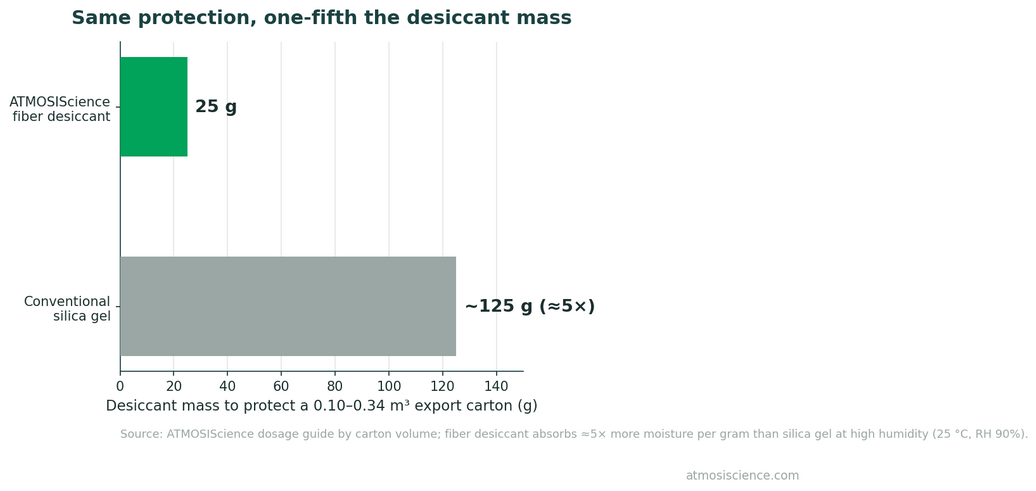
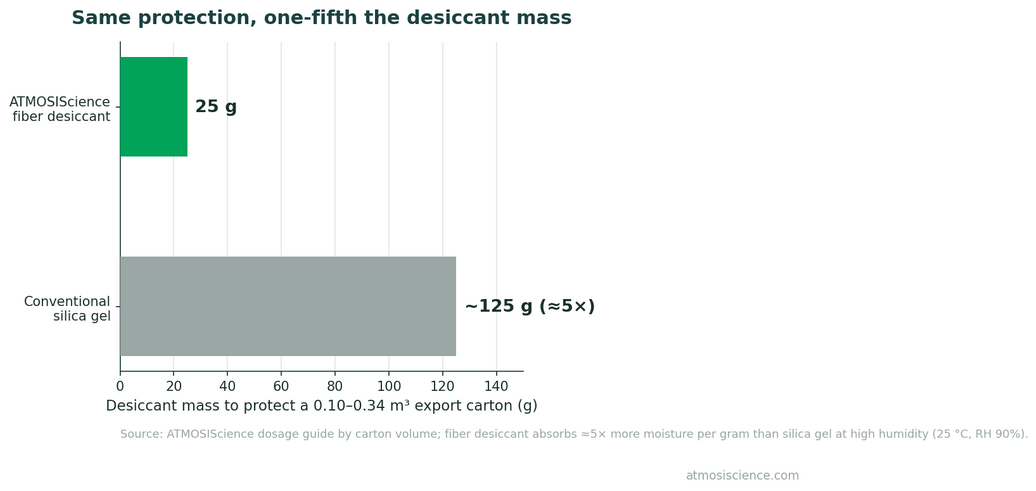
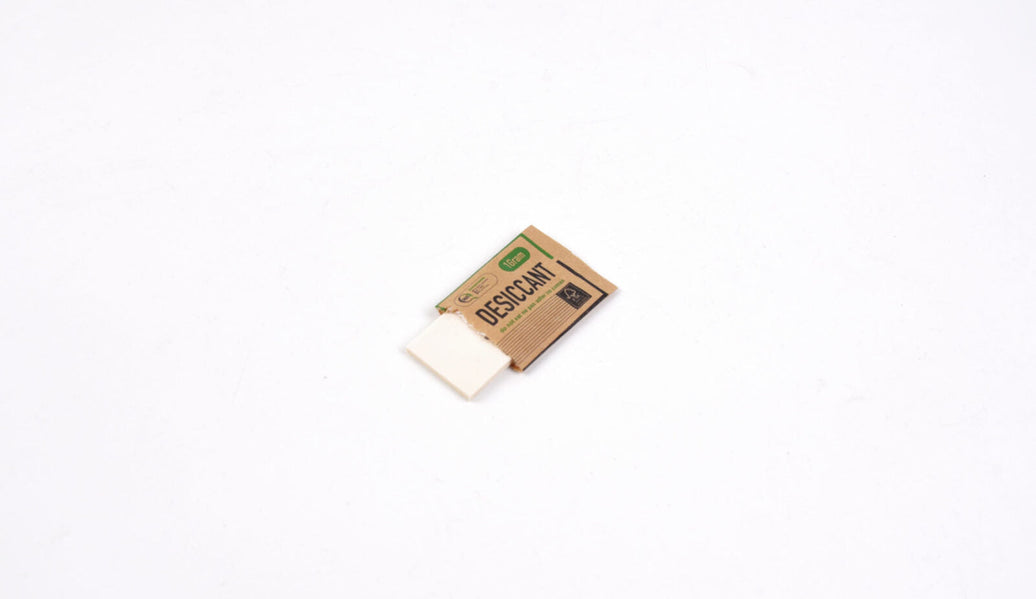
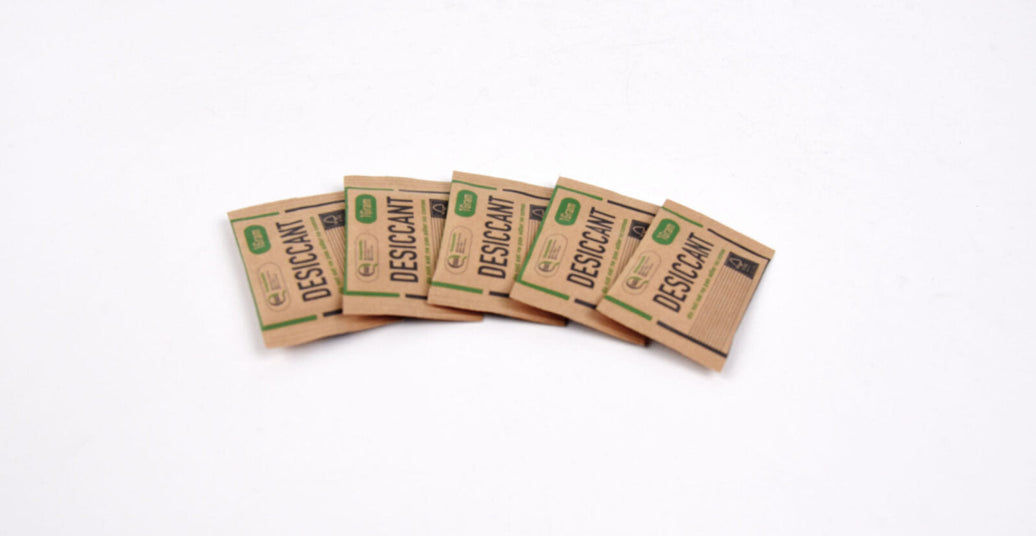
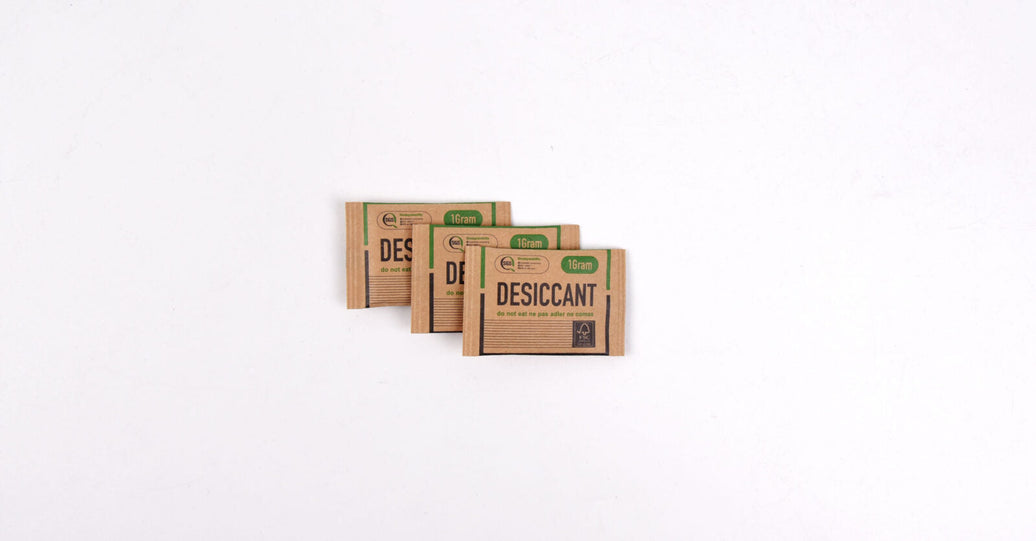
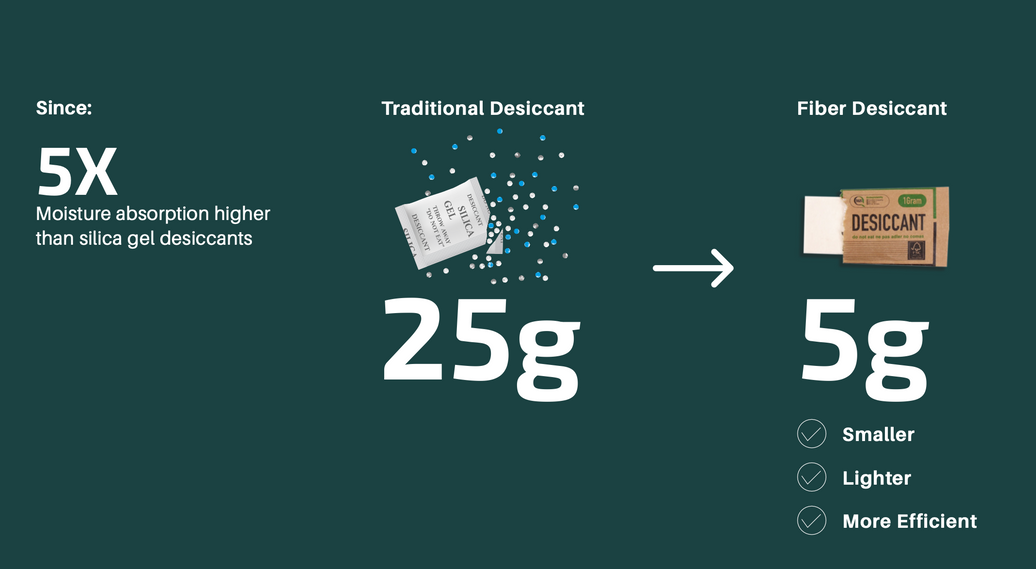
Request the capacity figure at your product’s target RH and temperature, then confirm it independently: seal a known desiccant weight with a calibrated humidity logger in a representative pack and record how long headspace stays below target. Capacity is the deciding spec because a re-opened pack re-loads the desiccant repeatedly. Fiber desiccant absorbs over 70% of its weight at 25°C and 90% RH versus roughly 30% for silica gel — confirm the number that matters for your window, using the equivalency logic in our silica-equivalency guide.
Step 3 — run the dispenser / line-fit test
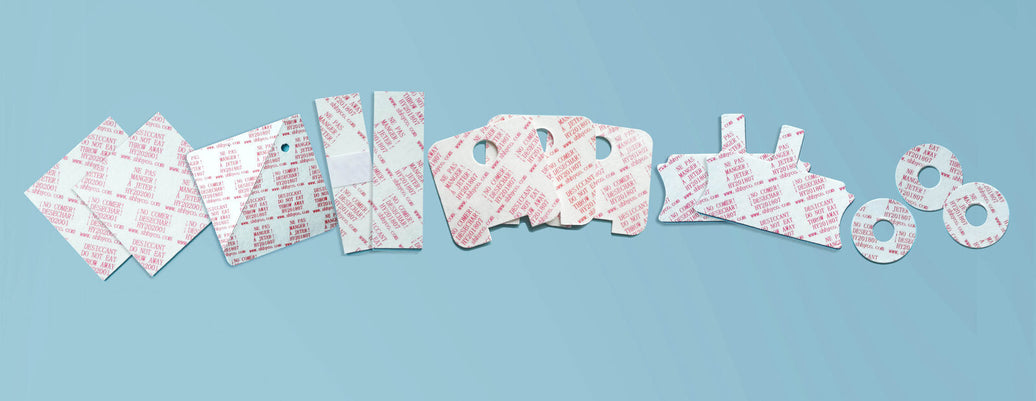
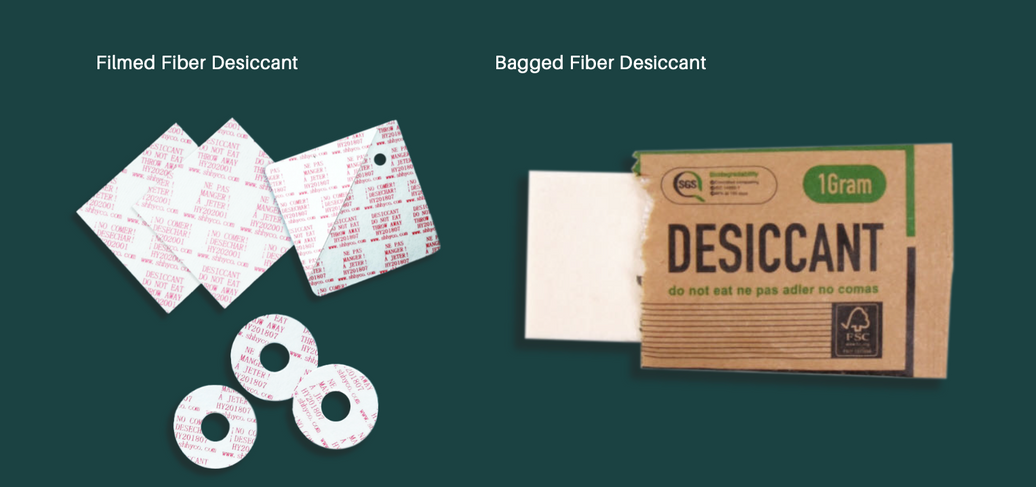
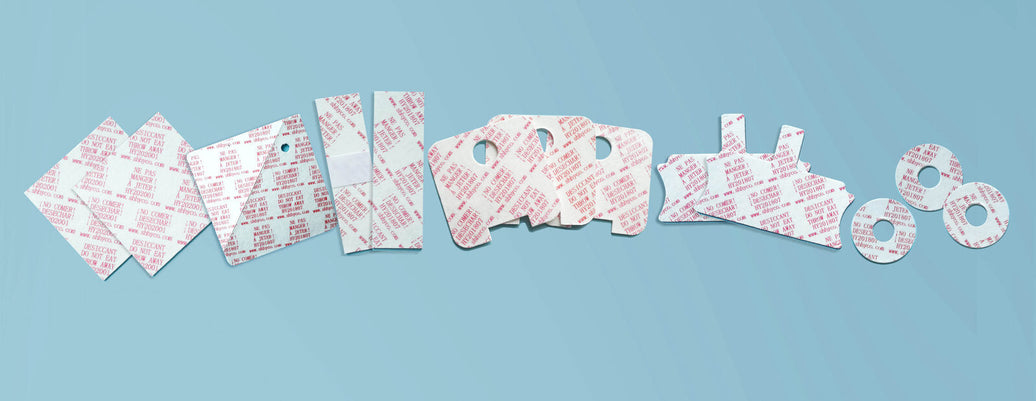
A desiccant that protects perfectly but jams the line is a failed desiccant. Run the sample through the actual insertion equipment at the smallest format: does it feed, sit flat, and stay put without hang-ups or torn print? Dimensional spec — outer diameter, thickness tolerance, edge condition, stiffness — governs this, and is covered in our dispenser compatibility guide. A rigid film card typically feeds where a floppy sachet hangs up.
Step 4 — simulate shelf life, not just day one
Condition sealed samples at accelerated conditions (for example 40°C / 75% RH) and pull at intervals to measure headspace RH, powder flow, and — where relevant — assay, CFU, or color. Pair this with a re-opening simulation: open the pack on a schedule that mirrors real use, since that is the load a desiccant actually carries. The water-activity target behind these pulls is explained in our water activity vs. RH guide.
Step 5 — gate on documentation before you commit
A sample that passes physically still needs the paperwork to clear qualification: COA, SDS, spec, food-contact or regulatory statement, compostability certificates, and a Letter of Guarantee. Gate the final decision on the complete pack, listed in our supplier qualification pack guide. Evaluating documentation in parallel with the physical test is what keeps a good sample from stalling at PO.
What a strong supplier does during evaluation
Ships worst-case sizes early and asks which formats cause grief. Provides a one-page fit sheet — dimensions, tolerance, recommended settings. Offers a co-troubleshoot call with the line running. Sends the full document pack alongside the samples. That responsiveness is itself data: it predicts how the supplier will behave once you depend on them.
Frequently asked questions
Why test the smallest pack instead of the typical one?
The smallest format has the least headspace margin and the tightest dispenser tolerance. Passing there guarantees the rest of the range.
How long should an evaluation run?
Long enough to see the trend — accelerated conditions compress it, but pair with a re-opening simulation to capture in-use load.
Can the supplier help design the test?
Yes — ATMOSIScience provides test methods, worst-case samples, and a fit sheet to structure your evaluation.
Run your worst-case test with the right samples
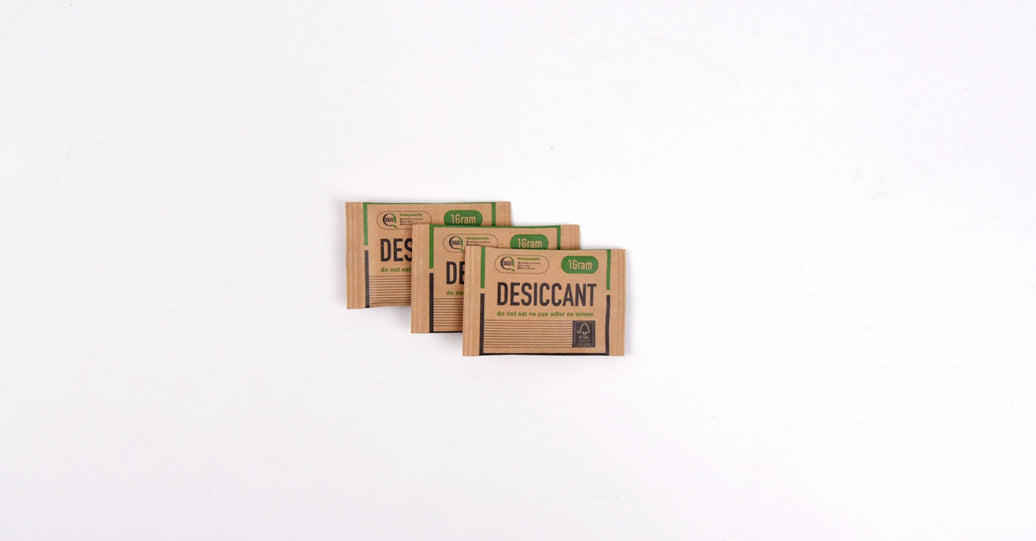
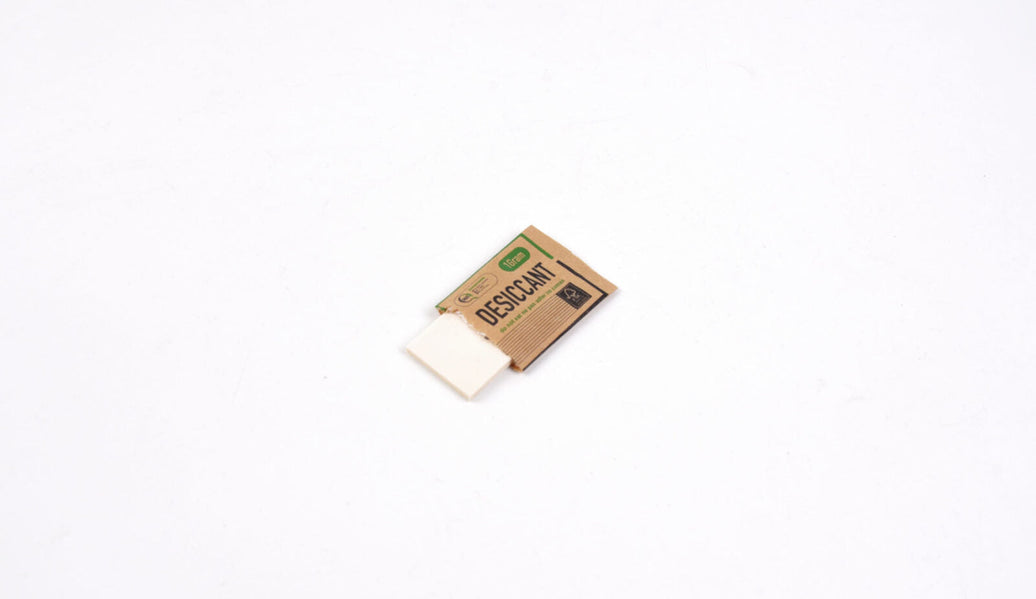
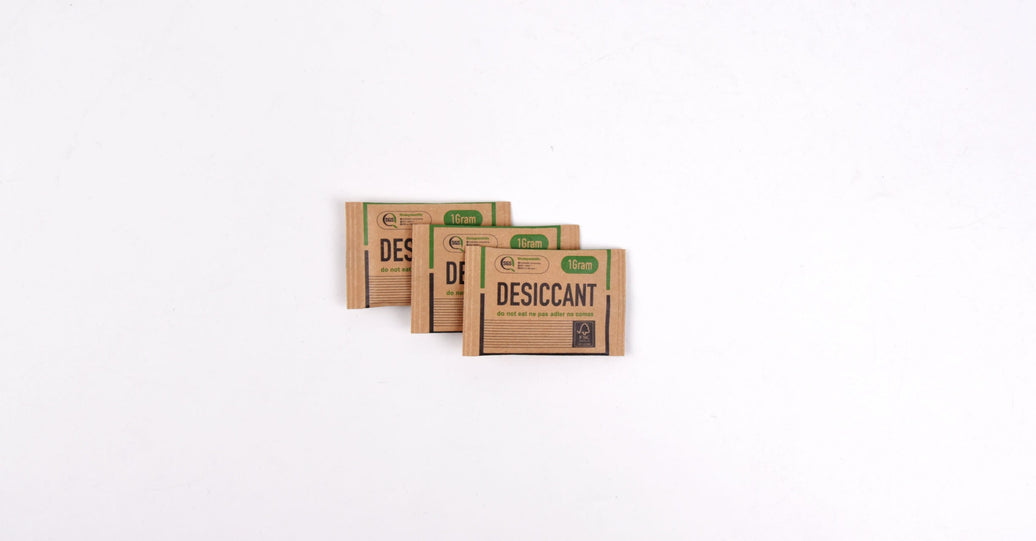
ATMOSIScience ships worst-case-size samples, capacity test methods, and a dispenser-fit sheet to structure your evaluation. Explore ATMOSIScience desiccant solutions, request a sample of the Fiber Desiccant, or contact our team for worst-case samples and a test method.
Related reading: Dispenser Compatibility · Supplier Qualification Pack · Silica Gel Equivalency
Get worst-case samples & a test method for your evaluation
Tell us your hardest format and target RH — we ship the worst-case sizes, a capacity test method, and a dispenser-fit sheet so your evaluation reaches a decision fast.