Quick answer: Excipients make up most of a tablet's mass, and each one manages water differently: microcrystalline cellulose (MCC) holds several percent moisture that affects compressibility, starches carry even more, and lactose is stable until humidity pushes it toward caking and Maillard-driven discoloration with amine drugs. Because excipient moisture history is set before formulation — in drums, warehouses and transit — the control point is packaging-level desiccant plus monitored storage, documented to pharma expectations.
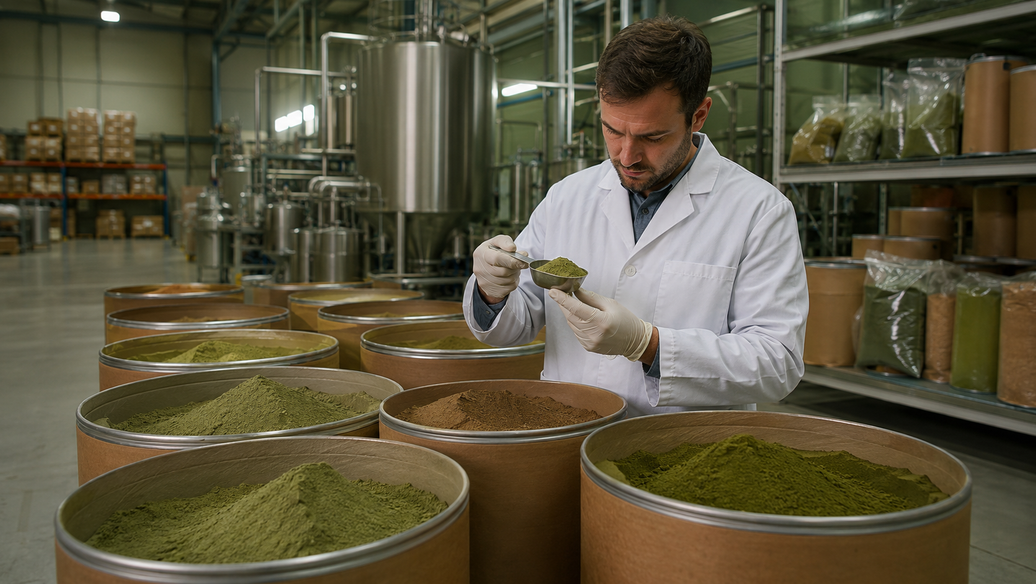
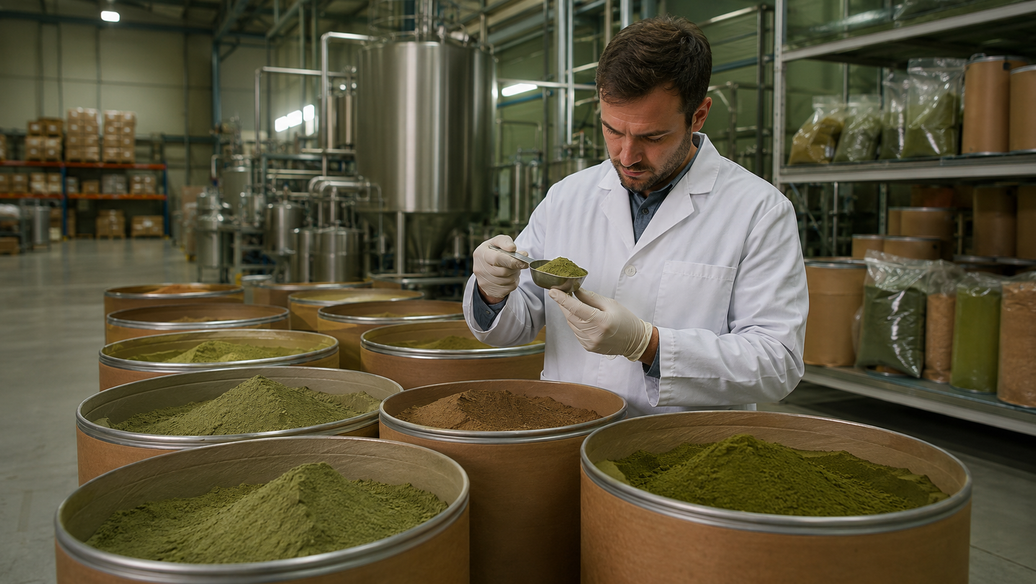
API teams obsess over the active's stability; the excipients arrive as "commodity" drums and get a fraction of the scrutiny. Then a batch fails on flow, capping or a stability pull, and the investigation walks back to moisture the excipient picked up months earlier.
Moisture behavior by excipient
Lactose
The workhorse filler is relatively forgiving — until it isn't. High humidity cakes spray-dried grades, degrades flow, and moisture accelerates the Maillard reaction with amine-containing actives, showing up as discoloration and impurity growth on stability. Grade matters: spray-dried lactose is amorphous-rich and more moisture-sensitive than crystalline monohydrate.
Microcrystalline cellulose (MCC)
MCC ships around 3–5% moisture and its compaction behavior tracks that number: too dry it loses plasticity, too wet it softens tablets and gums the feed frame. The formulation was validated at a moisture level — the supply chain's job is delivering drums still at that level.
Starches and pregelatinized starch
Native and pregelatinized starches are the thirstiest common excipients, with equilibrium moisture into the double digits at humid conditions. Uncontrolled uptake shifts disintegration behavior and invites microbial-limit headaches in long storage.
Premixes and co-processed excipients
Co-processed blends inherit the worst-case sensitivity of their components, and premix value concentrates the loss when a drum bricks. Treat them like the vitamin premix problem: high value, low tolerance.
The control architecture
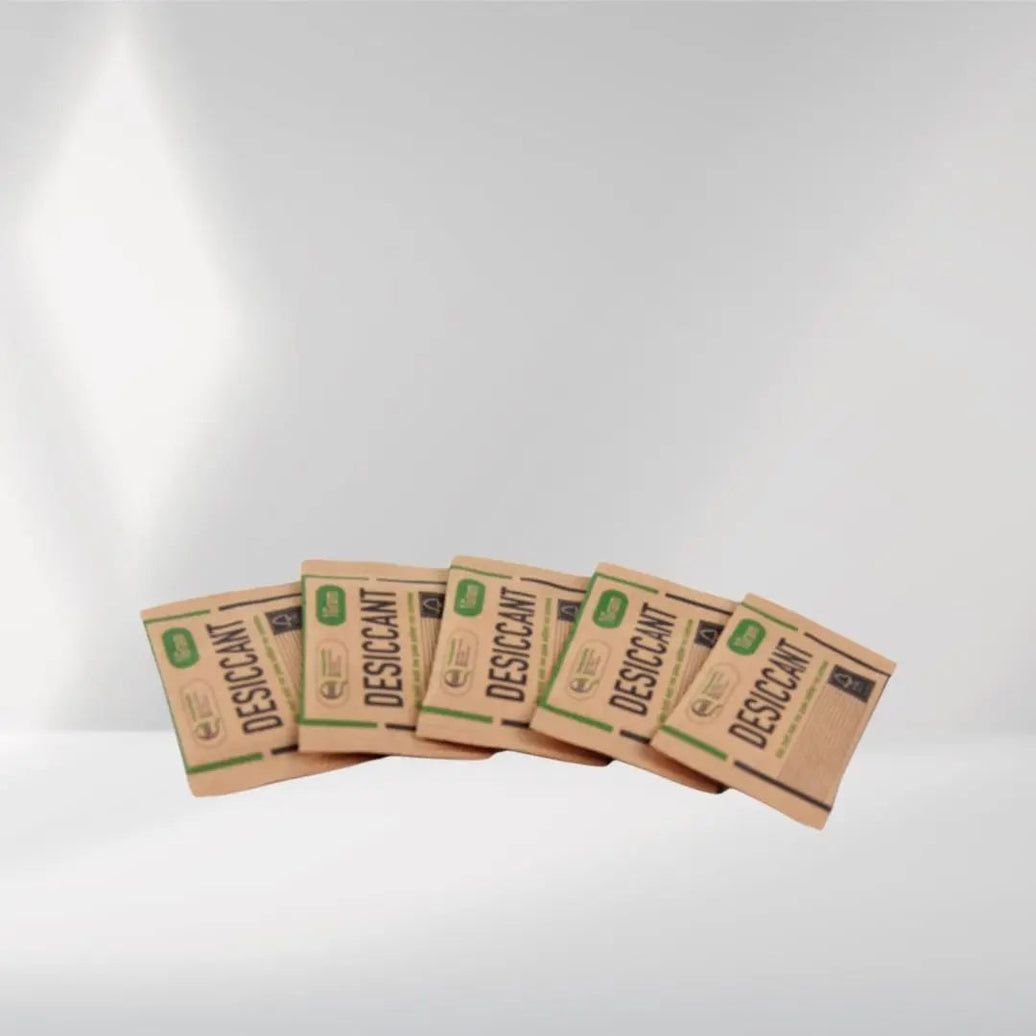
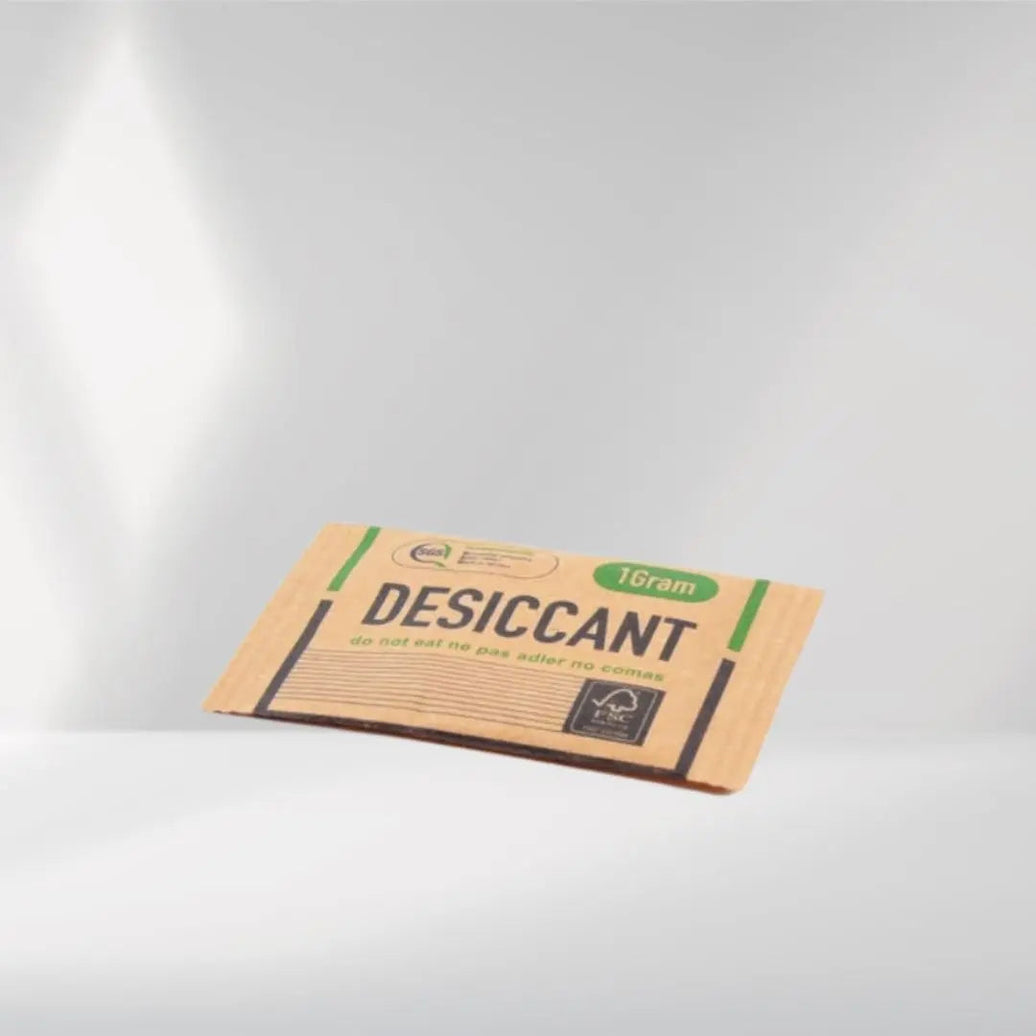
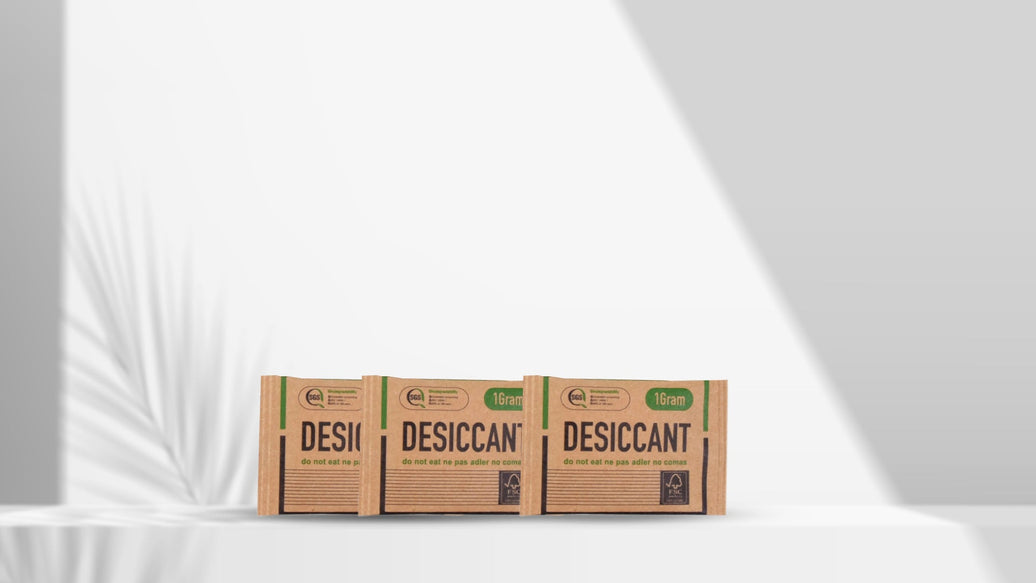
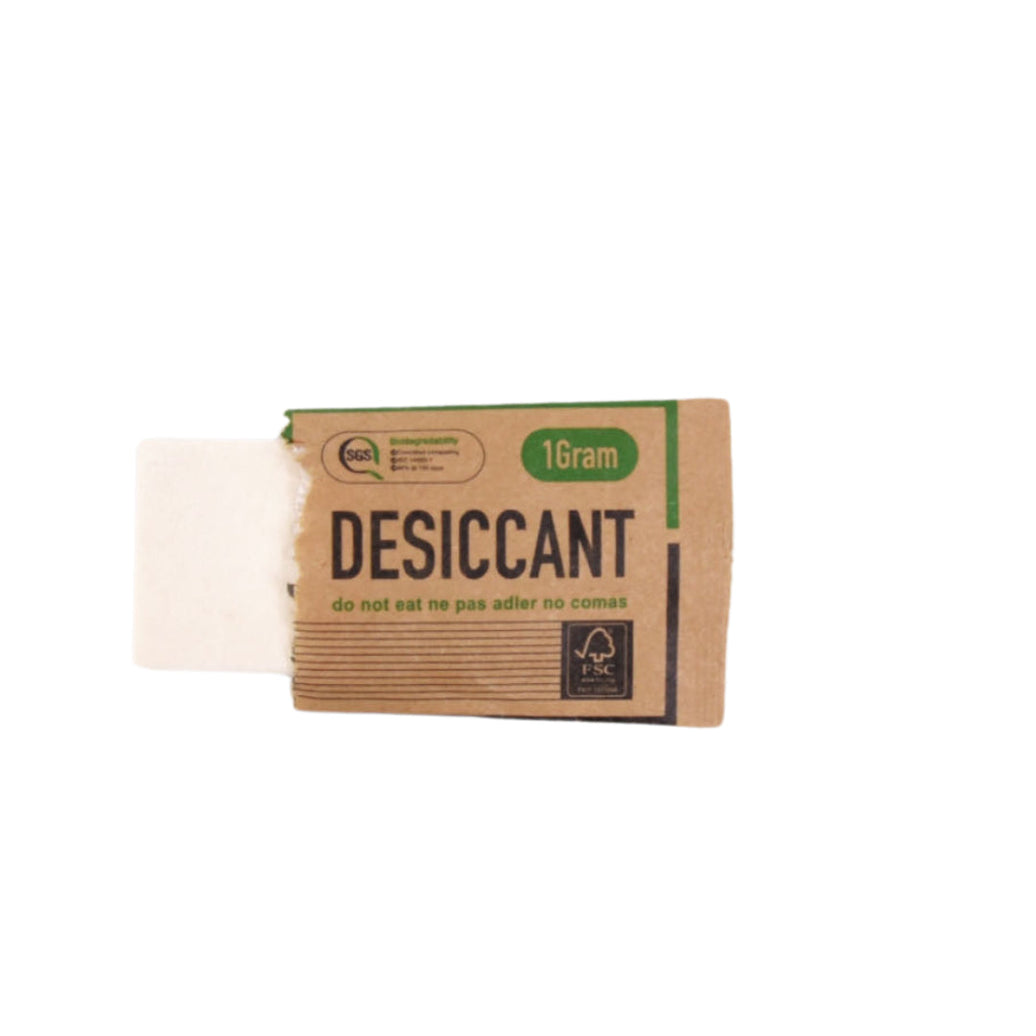
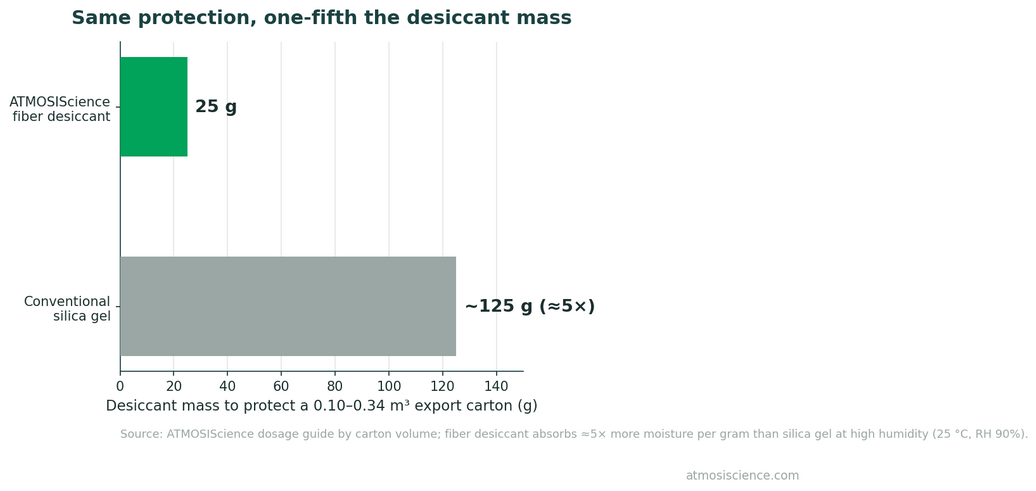
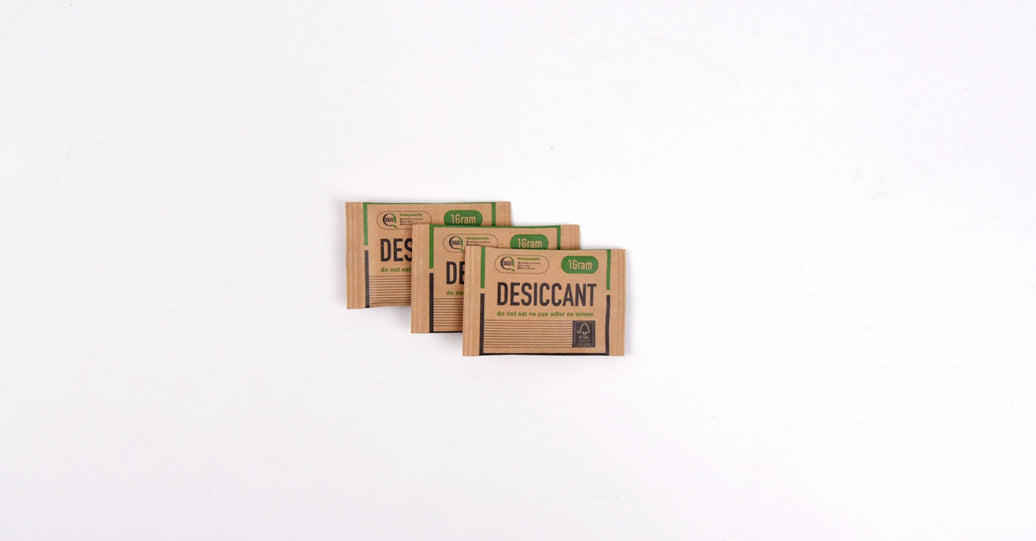
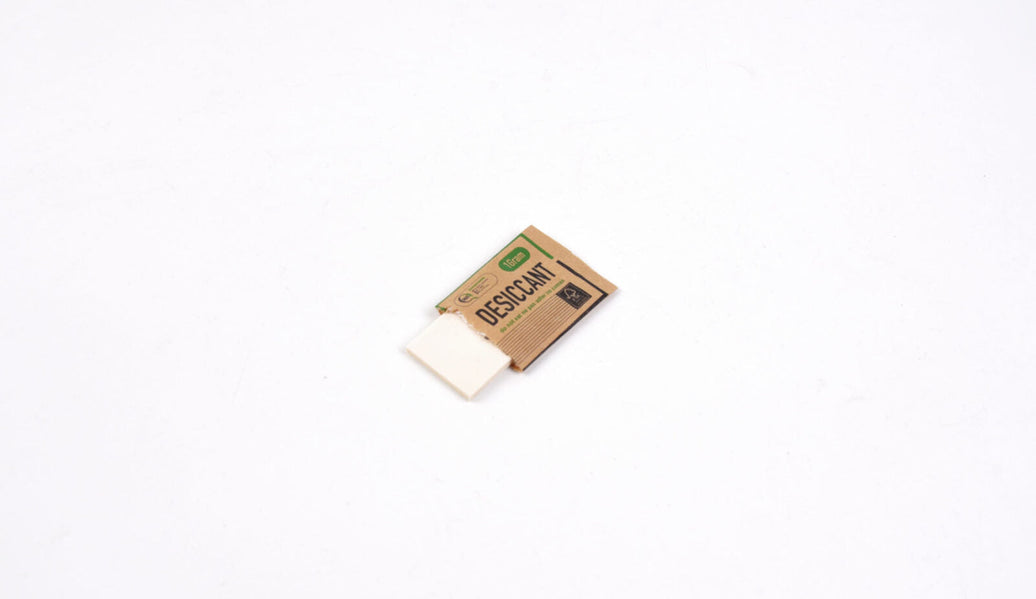
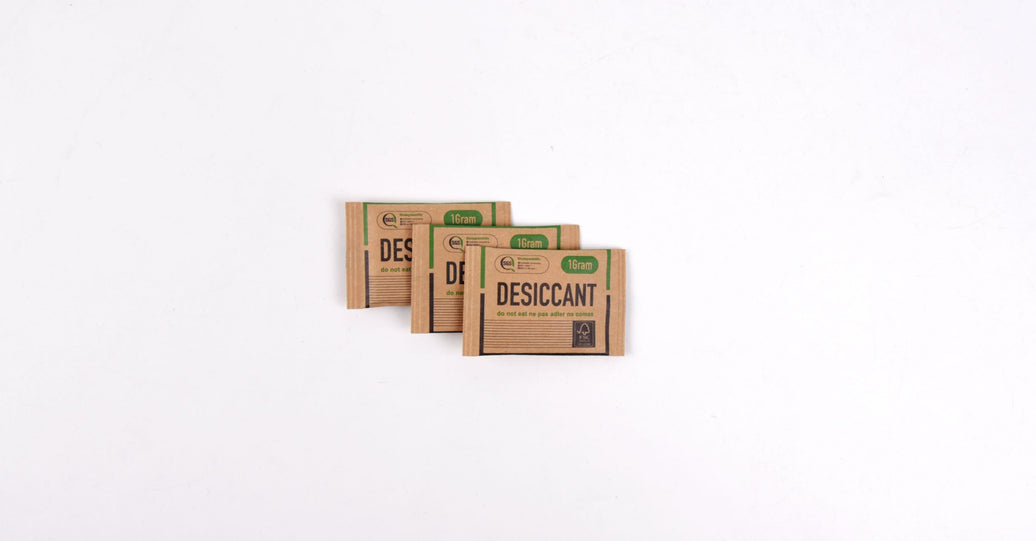
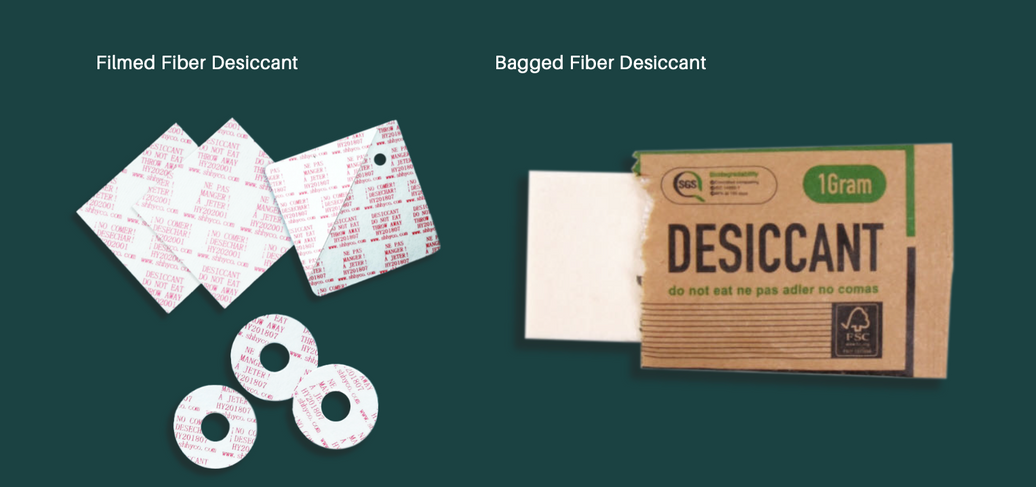
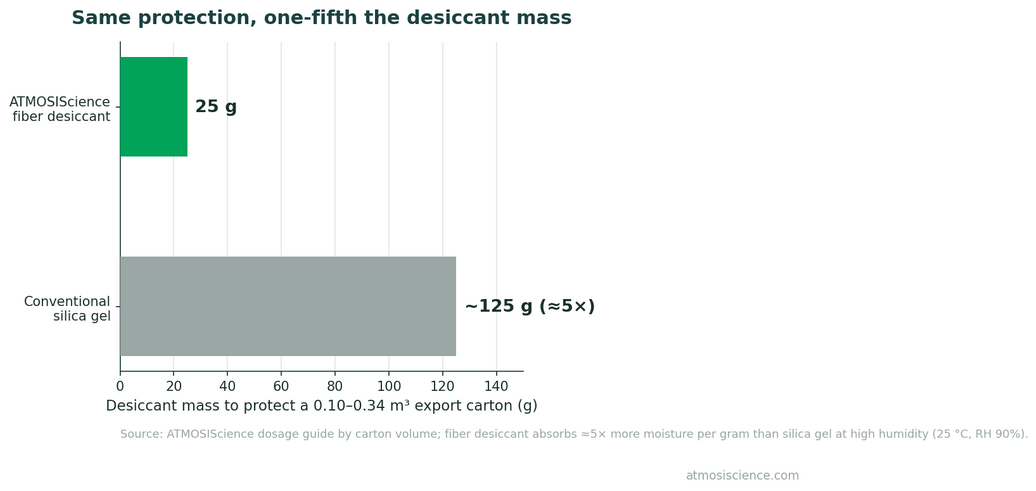
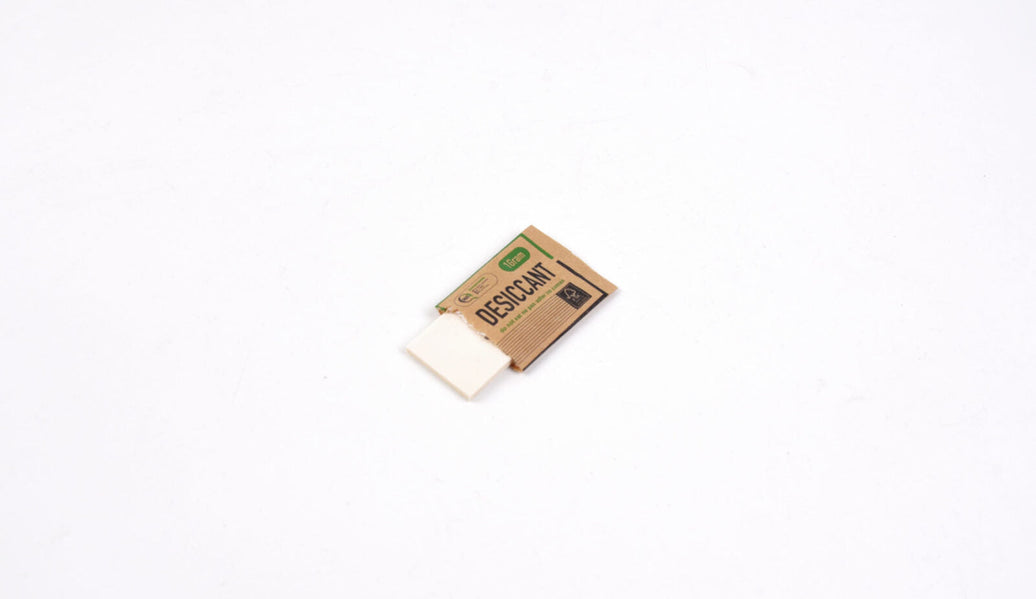
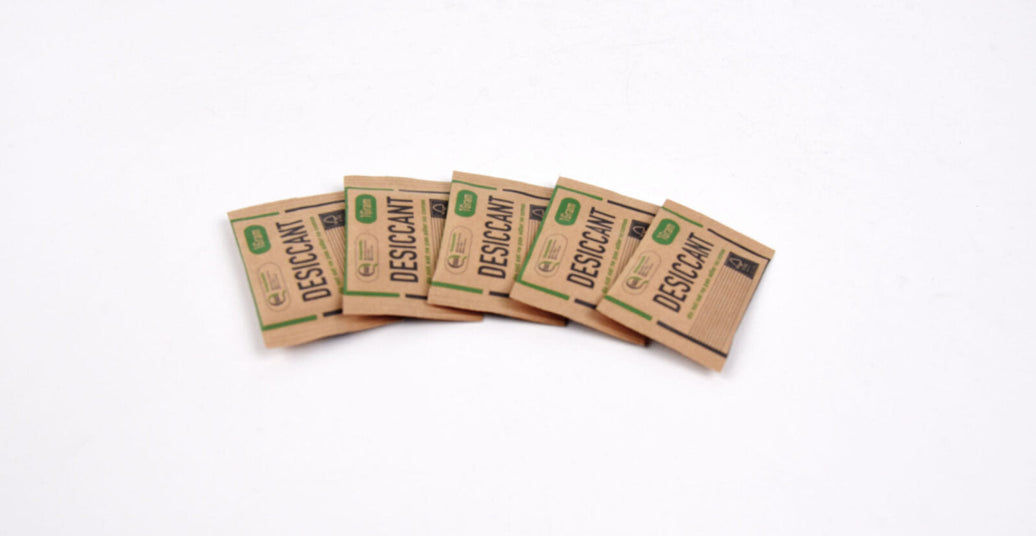
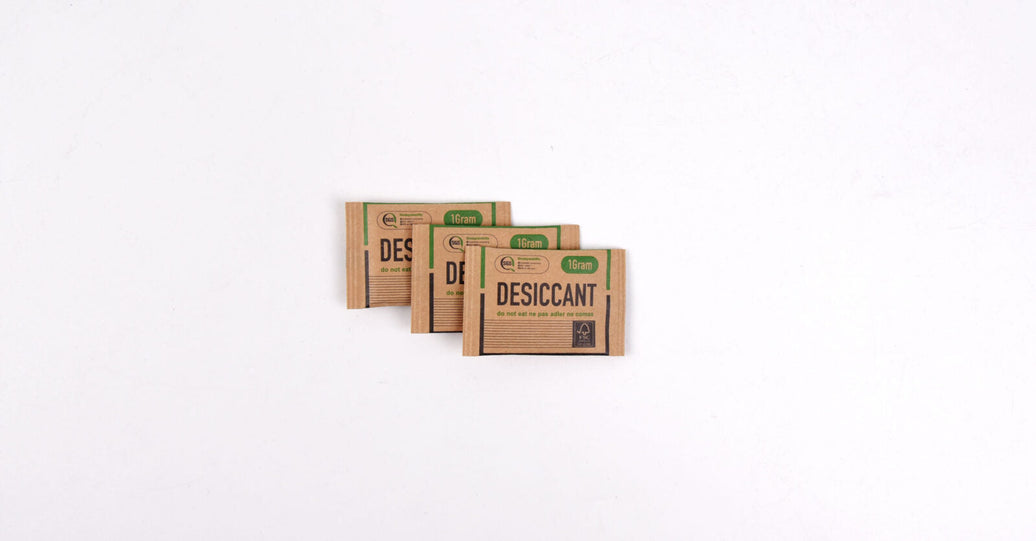
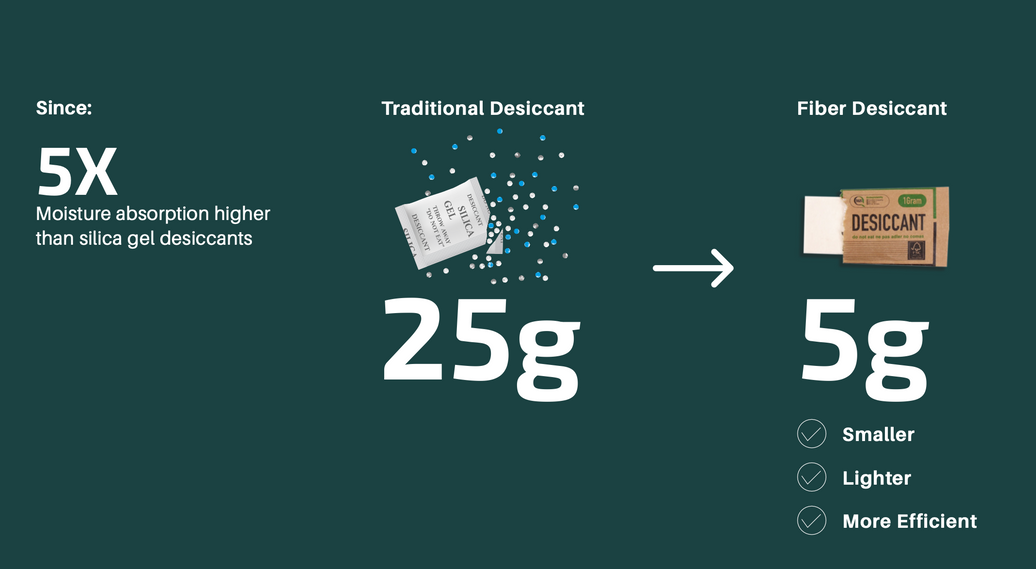
- Drum-level desiccant. A right-sized unit in each drum or FIBC holds headspace RH down through transit and warehouse dwell. ATMOSIScience fiber desiccant scales 1 g to 1,000 g per pouch, with published adsorption bands (>35% of own weight at RH 50%, >70% at RH 90%) that make dosage math auditable.
- Dust-free, non-toxic construction. Pharma QA rejects loose media on sight: the fiber substrate is bonded and sealed — no beads, no fines — and the material set is non-toxic, developed for medicine and food applications.
- Documentation to pharma expectations. Spec sheet, SDS, COA per lot, compliance declarations, change-control notice — the qualification pack maps the stack, and the pharma packaging guide covers finished-dose formats.
- Monitored storage. Warehouse excursions are where excipient moisture history is written; ATMOSIScience's HaaS temperature & humidity platform logs the environment continuously so QA reviews data, not assumptions.
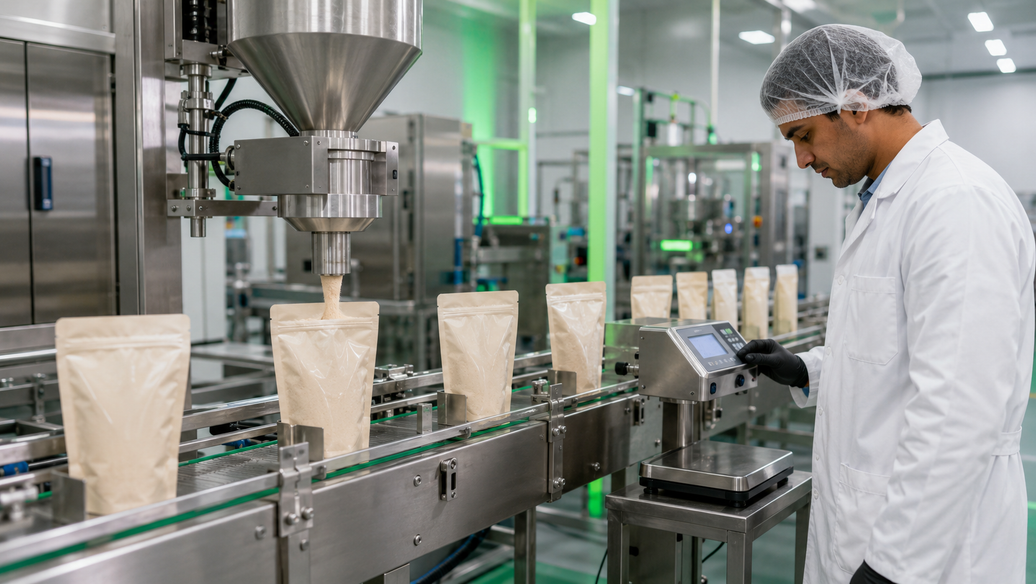
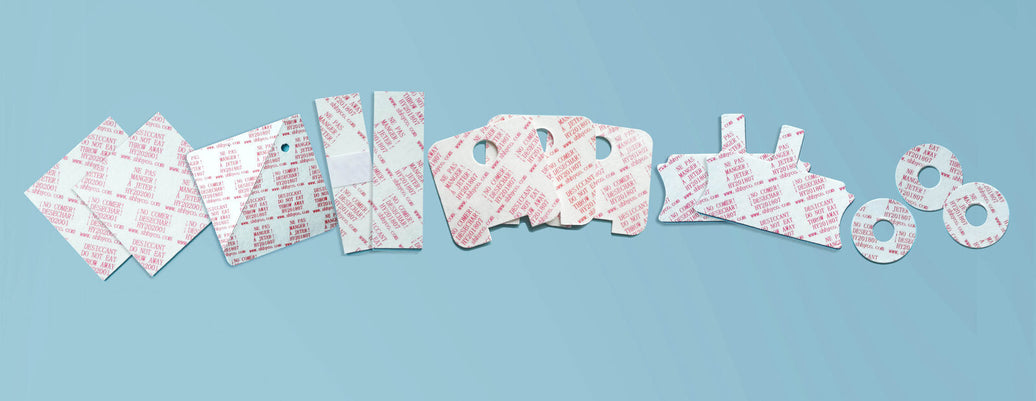
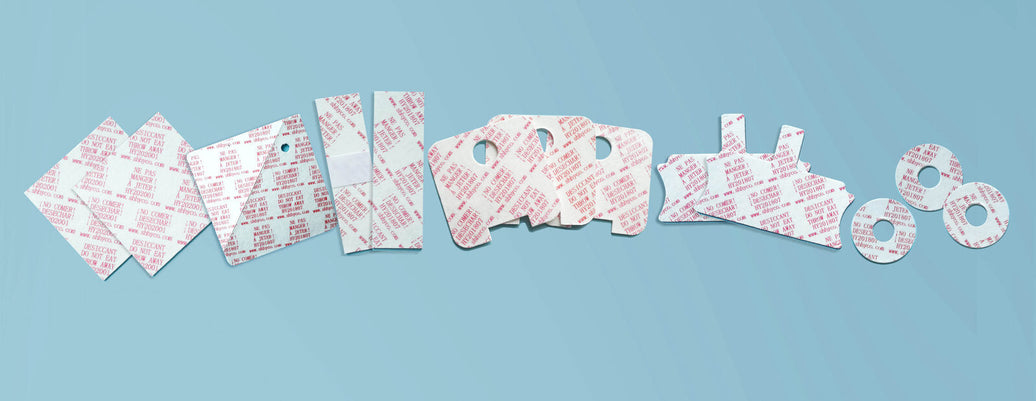
- Finished-dose protection. Downstream, die-cut film desiccant pads and cap inserts carry protection into bottles and blisters — thin (0.5–1.0 mm), cut to shape, running on automated lines.

Setting the spec
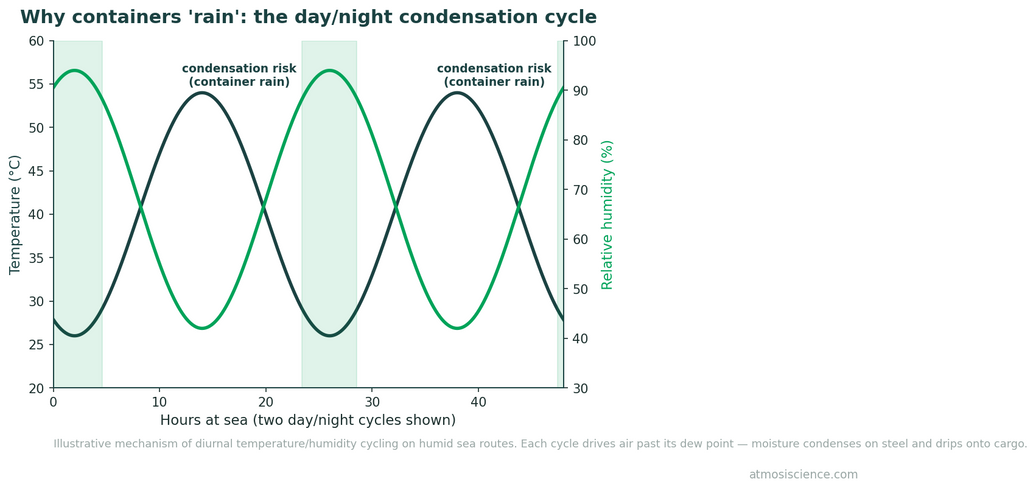
Start from the excipient's moisture spec on your raw-material certificate, map worst-case transit and dwell (sea-freight sizing logic), and validate with a worst-case evaluation before locking the supply spec. The moisture target isn't a generic RH number — it's the level your formulation was validated at.
FAQ
Do excipient drums really need desiccant if the warehouse is conditioned?
The warehouse isn't the route. Drums transit docks, trucks and ports before arriving; drum-level protection covers the whole history, and the desiccant costs a rounding error against a premix write-off.
Is fiber desiccant compatible with pharma audits?
The format was engineered for food and medicine use cases — non-toxic materials, dust-free bonded construction, published specs and lot documentation. Auditors care that the material is qualified and documented like any other component; the COA guide shows what to file.
What about APIs themselves?
Moisture-sensitive drug substance has its own guide: desiccant for API & pharmaceutical powders.
Qualify moisture control for your excipient supply
Send the excipient list, drum formats and lanes — ATMOSIScience returns a protection spec with the pharma documentation stack for QA review.