Quick answer: When cargo arrives caked, rusted or mold-spotted despite desiccant in the container, the desiccant usually didn't "fail" — it was undersized for the route, saturated early, or physically broke open in transit. The fix is capacity matched to transit time and temperature cycling, packet construction that survives handling, and a loading plan — not more of the same packets.
Complaints about sea-freight desiccants cluster into a pattern. The buyer bought a product that absorbed moisture; what the route required was a system sized for six weeks of condensation cycles. The difference shows up as wet cartons at destination.
The four real failure modes
1. Undersized for transit time
A 30–45 day Asia route with port dwell is a different moisture load than a 10-day coastal hop. Desiccant capacity is finite; when it saturates in week two, weeks three through six run unprotected. Sizing must start from route duration and cargo moisture content — wooden pallets, cartons and the product itself all release water vapor as temperature climbs.
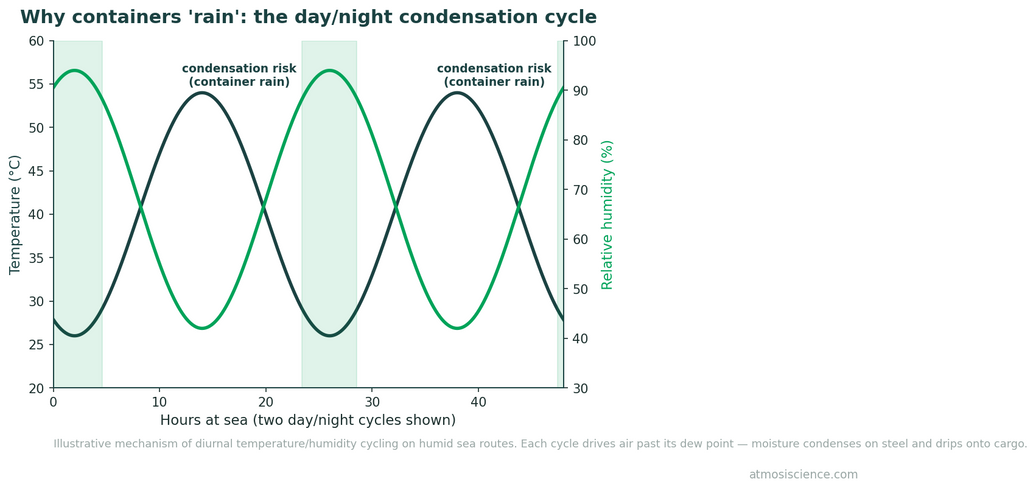
2. Beaten by the day/night condensation cycle
Containers heat above 50°C in sun and cool overnight. Each cycle drives air past its dew point, condensing water on the ceiling and walls — container rain — which drips back onto cargo. A desiccant that only performs at high RH does nothing early in the cycle; two-way behavior and high total capacity both matter.

3. Packaging failure, not adsorption failure
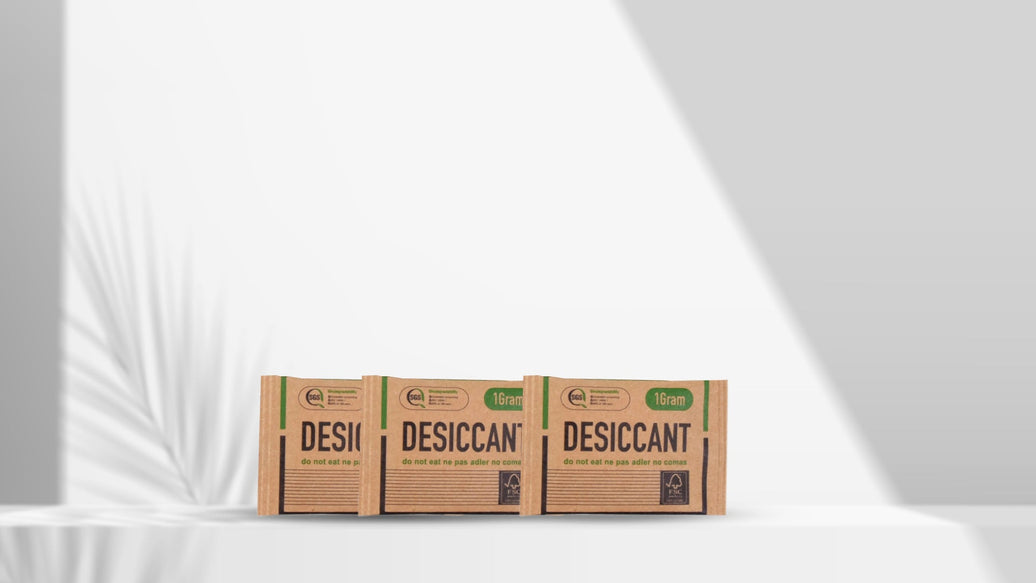
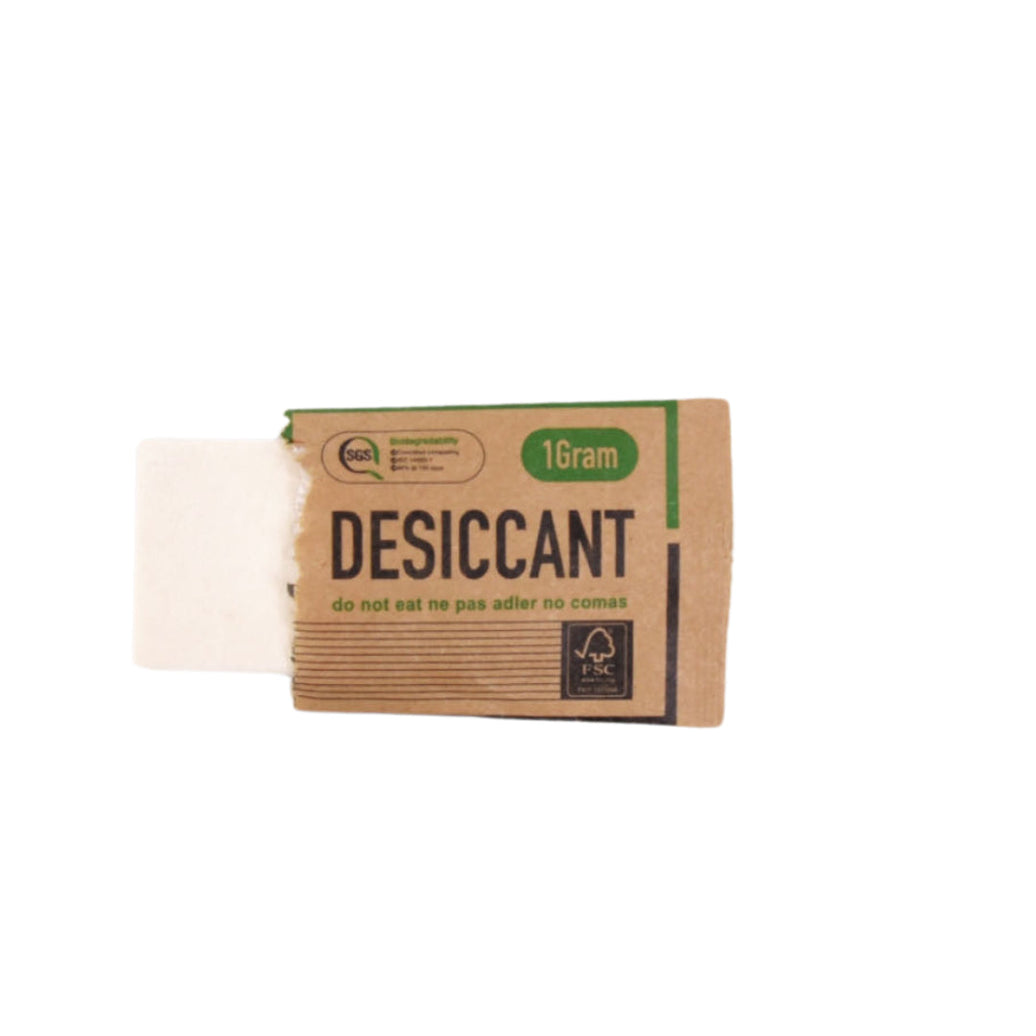
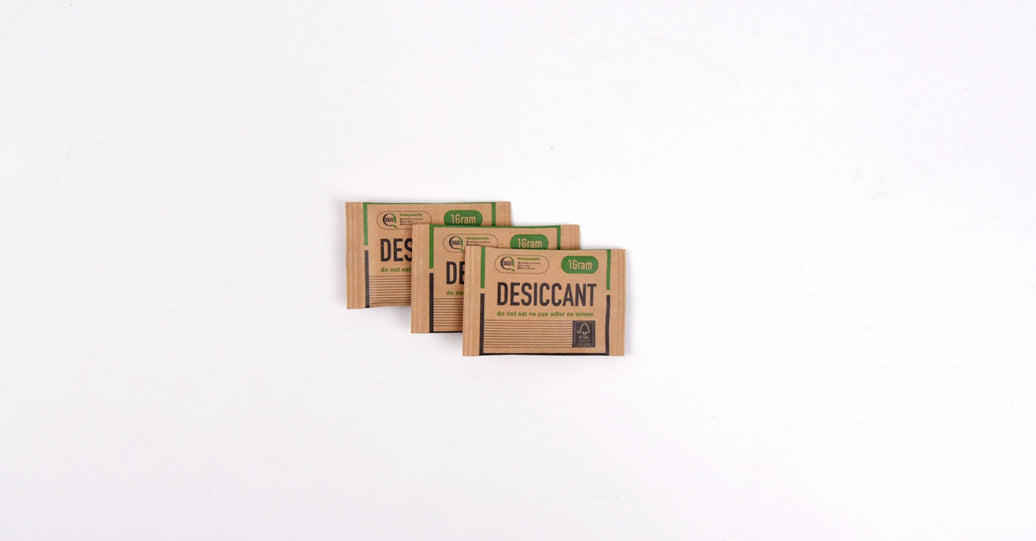
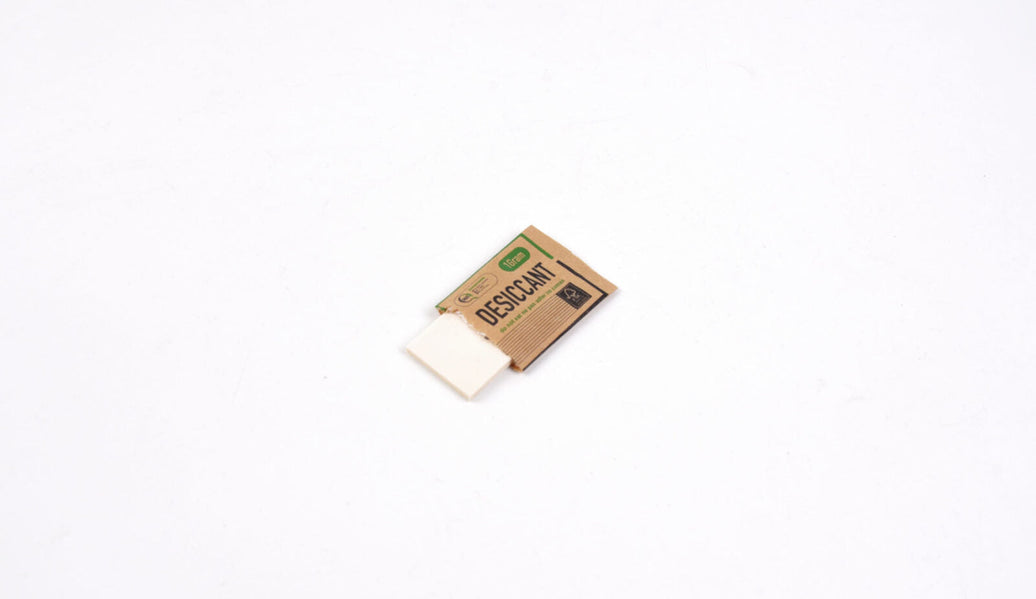
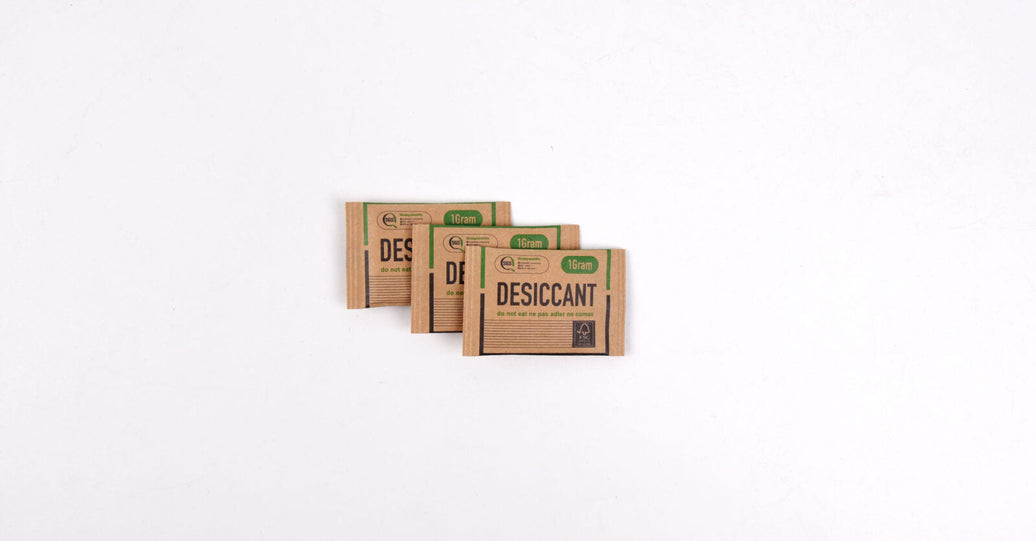
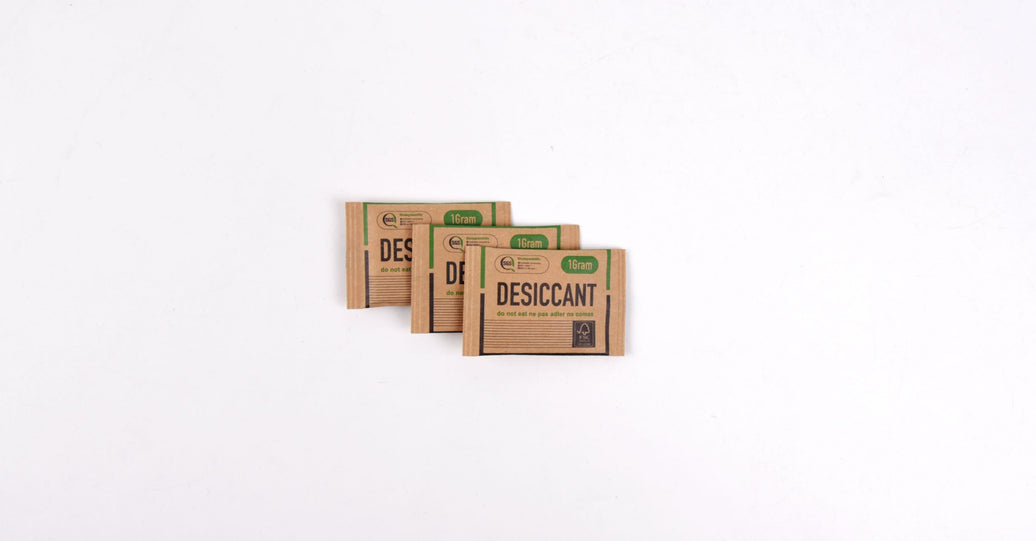
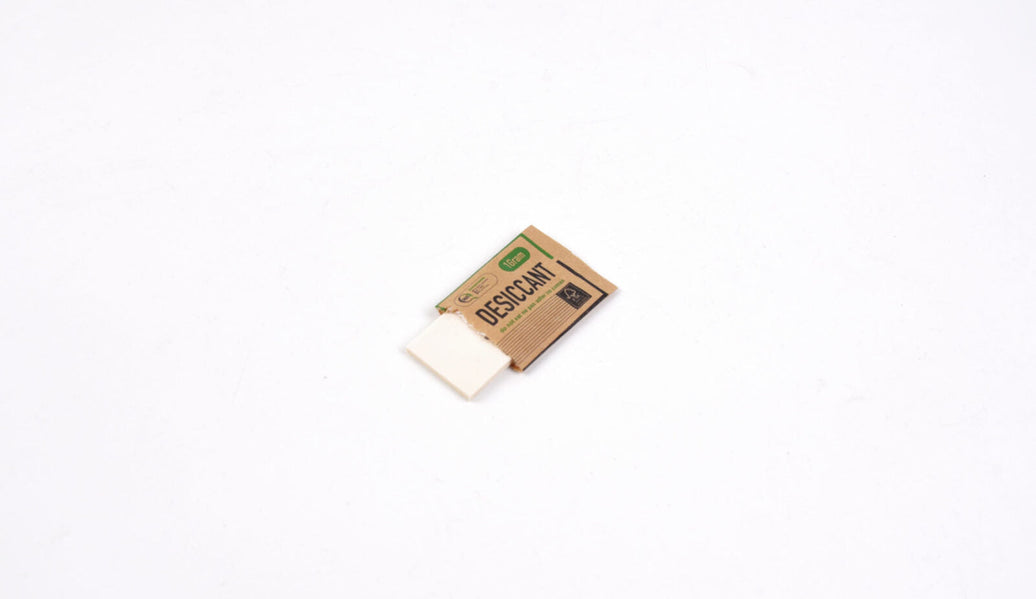
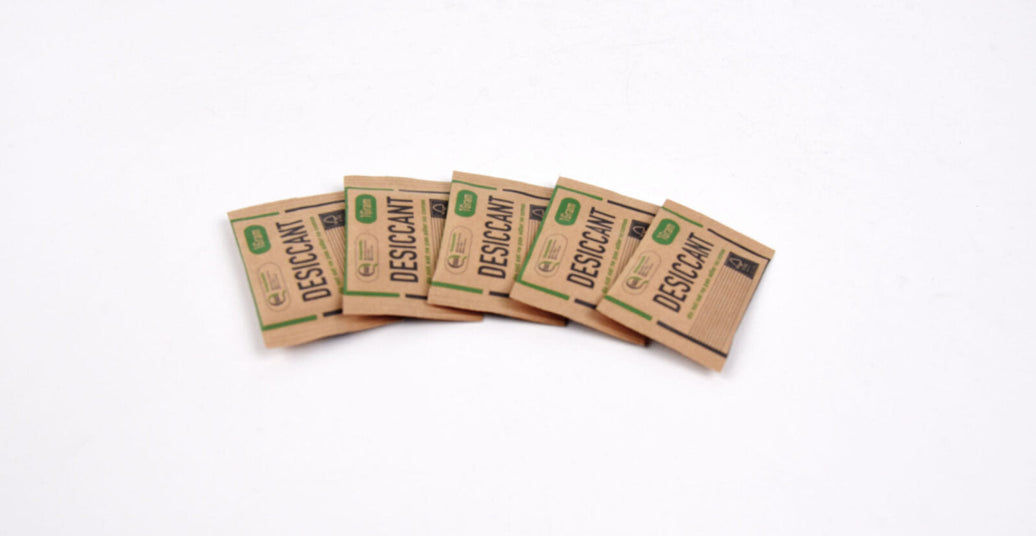
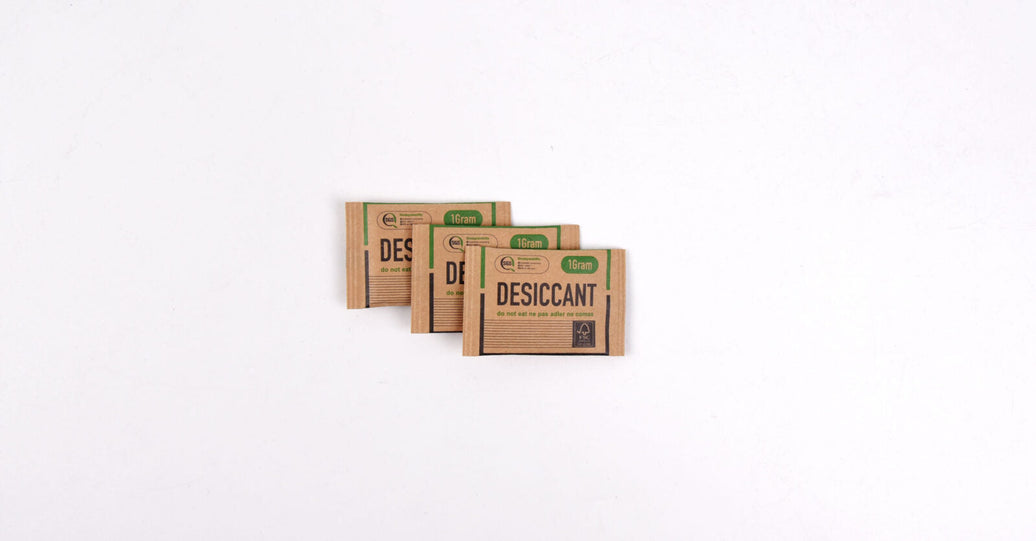
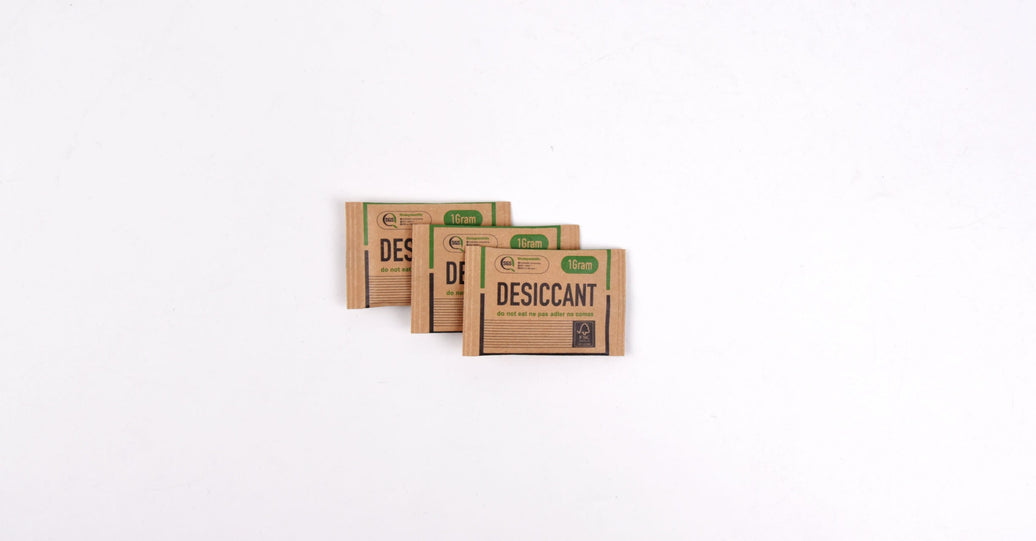
Weak sachets tear on rough handling; loose-fill clay and silica leak granules and dust onto cargo. Buyers then report "desiccant everywhere and moisture damage too." Construction is part of the spec: the ATMOSIScience fiber substrate is a bonded sheet sealed in a compostable pouch — nothing to spill, no loose media.
4. No loading plan
Packets tossed on top of the load protect the top of the load. Moisture control needs placement along airflow paths and near hygroscopic cargo, plus door-area coverage where humid air enters during loading. A supplier should recommend placement, not just quantity.
Sizing logic that survives an Asia route
- Start from the moisture budget: cargo moisture content + packaging moisture + air exchange over transit days.
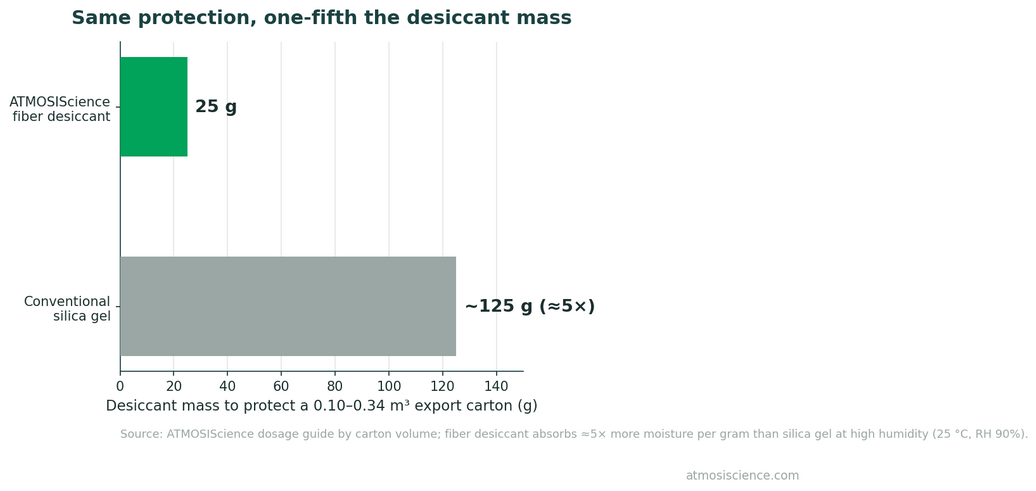
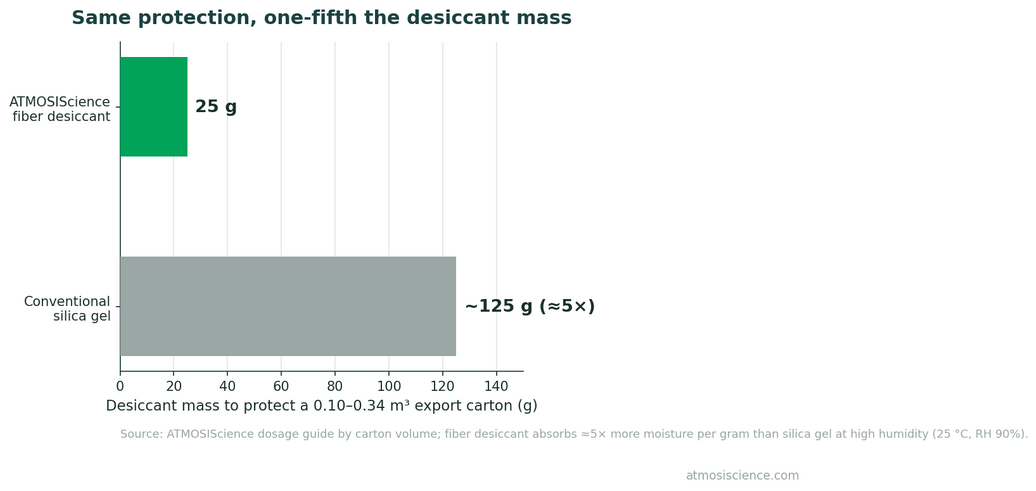
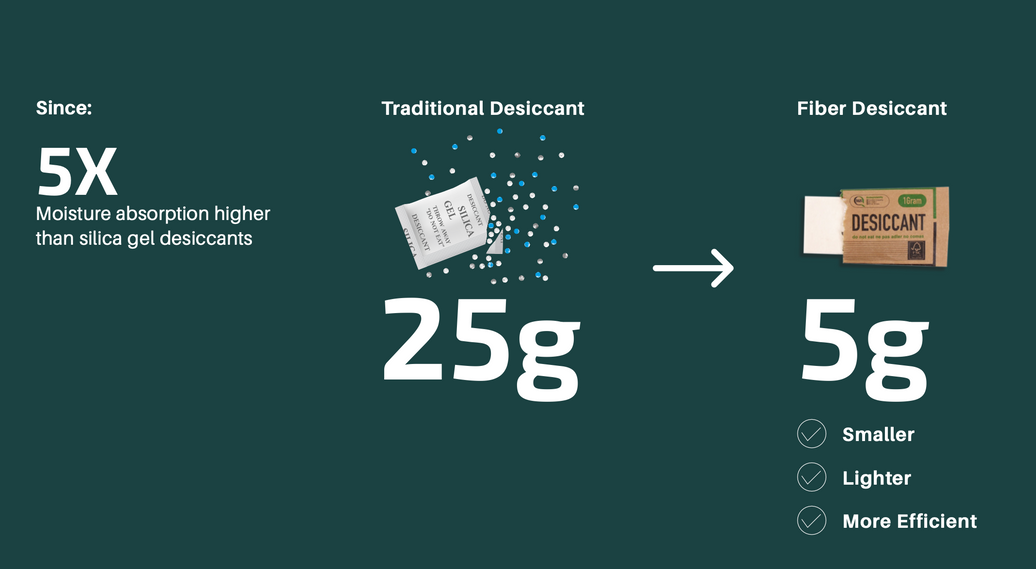
- Use tested capacity figures, not marketing grams. ATMOSIScience fiber desiccant publishes adsorption by humidity band — over 35% of its own weight at RH 50% and over 70% at RH 90%, with saturated capacity above 100% of its own weight. Per-gram working capacity is what determines how many units a container needs; see the silica-gel equivalency math.
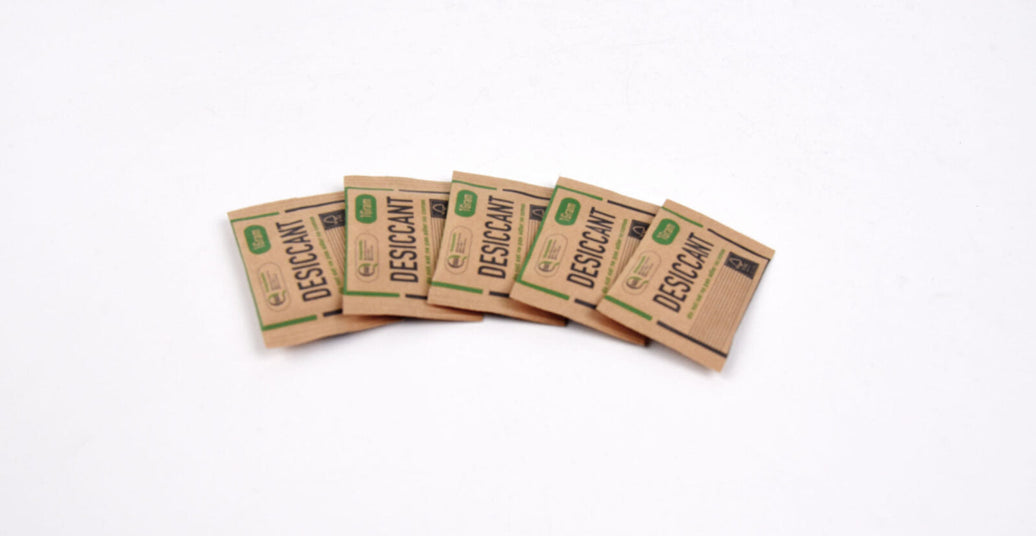
- Choose formats for the load, not the catalog. Pouches from 1 g to 1,000 g cover in-carton protection through container-level units, so protection sits at every layer: retail pack, export carton, pallet, container.
- Validate with a worst-case trial. One instrumented shipment with data loggers settles sizing debates better than any datasheet — protocol in the sample evaluation guide.

What ATMOSIScience ships for container work
High-capacity fiber desiccant in heavy-duty pouches for container and pallet placement, cartons-level sachets for case protection, and dosage guidance built from route inputs. The substrate is natural plant fiber, 100% degradable, with compostable pouch films compliant with ASTM D6400 and EN 13432 — which also simplifies disposal at destination warehouses instead of adding mixed-material waste.
FAQ
How many desiccant units does a 40ft container need?
It depends on cargo moisture, packaging and route — not just container volume. Route duration and hygroscopic load (wood, cartons, textiles) dominate the math. Send the load spec and route; the team returns dosage math the same day.
Do calcium chloride buckets work better?
Calcium chloride has high capacity but turns to brine, which becomes a spill risk over cargo. The procurement comparison covers the trade-offs by cargo type.
Can the desiccant be reused after a voyage?
Container-grade units are sized for one voyage's moisture budget. Re-use after saturation means shipping the next load with a spent desiccant — the most expensive false economy in the container.
Get a route-sized loading plan
Share route, transit days and cargo type. ATMOSIScience returns a container loading plan with dosage math and placement — before the next booking cutoff.