Quick answer: Bulk powder in FIBC bulk bags, super sacks and fiber drums fails differently from retail packs. The moisture load comes mostly from air sealed in at filling and from condensation on the inner liner during temperature swings — not from slow permeation through the wall. That means desiccant belongs inside the liner, in the headspace above the powder, distributed rather than concentrated in one place, and sized against headspace volume plus liner permeability rather than against the 500–1,000 kg of product itself.
A 25 kg retail-adjacent sack and a 1,000 kg FIBC are different problems wearing similar clothes. In the retail pack, moisture creeps in through the film over months. In the bulk bag, the damage is usually done in the first week, by air that was sealed in warm and humid and then met a cold night.
The visible symptoms are familiar to anyone who has opened a super sack at destination: a crust on the top surface, damp streaks down the liner wall, occasional mould at the shoulder, and a receiving QA hold that costs more than the desiccant would have.
Where the moisture actually comes from
Sealed-in headspace air
A filled FIBC still holds substantial free volume above the powder, plus interstitial air throughout the bed. Fill that space at 30°C and 70% RH and you have sealed in a meaningful mass of water before the bag leaves the plant. Nothing about the liner stops it — it is already inside.
Condensation on the liner wall
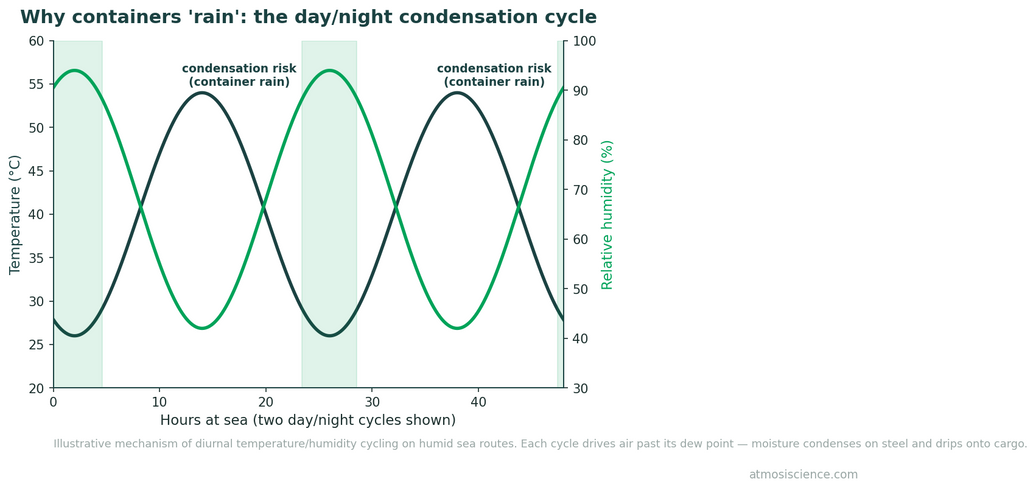
Bulk containers move slowly and have high thermal mass. The powder core stays warm while the liner surface tracks ambient. When the surface drops below the dew point of the enclosed air, water condenses on the inside of the liner and runs down. This is the same physics as container rain, at a smaller scale — the mechanism is illustrated in desiccant for container shipping.
Liner permeation
Real, but usually third in magnitude. A standard PE liner is not a barrier film. If the route is long or tropical, permeation stops being a rounding error — which is when a foil or metallised liner enters the conversation.
Product loaded above target moisture
The most common root cause found in investigations, and the one desiccant cannot fully rescue. If material comes off the dryer above its equilibrium target, the bag is a redistribution vessel, not a moisture source. Verify with loss-on-drying or Karl Fischer before blaming packaging.

Sizing for bulk
Work from headspace, not tonnage. The inputs that matter:
- Free volume inside the liner after filling and settling, including interstitial air in the bed.
- Fill-room conditions — temperature and RH at the moment of closure. This single number often changes required dosage by a factor of two between summer and winter.
- Liner permeability and area for the transit duration.
- Expected temperature swing on the route, which sets condensation risk.
- Target equilibrium RH for the material.
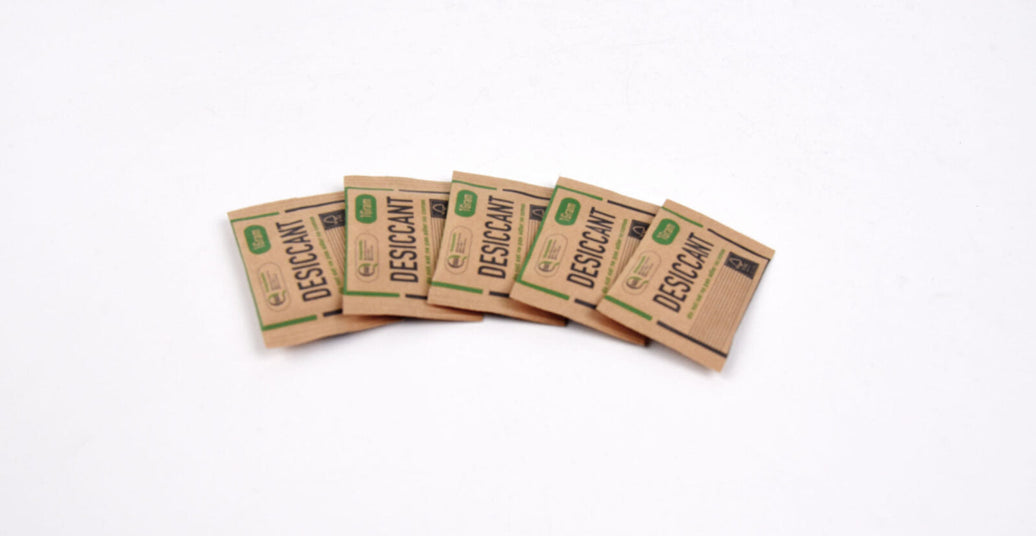
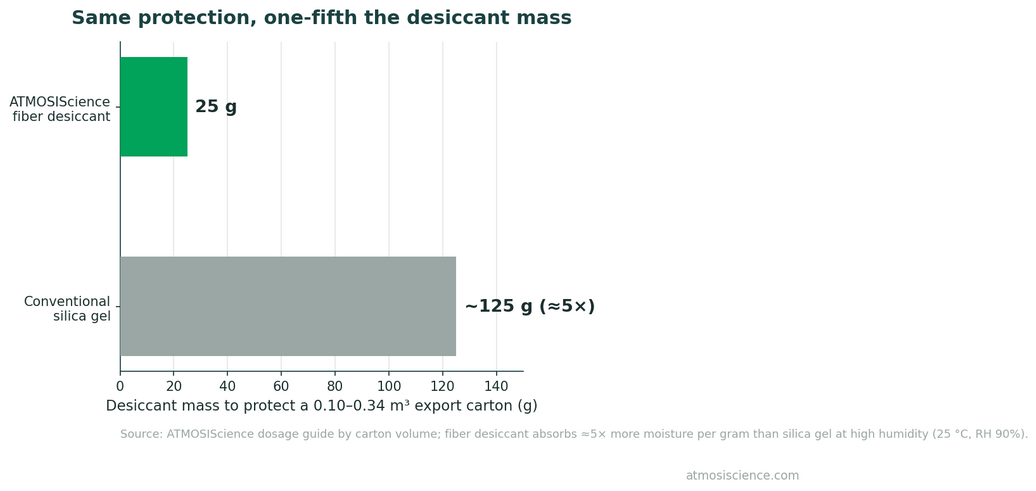
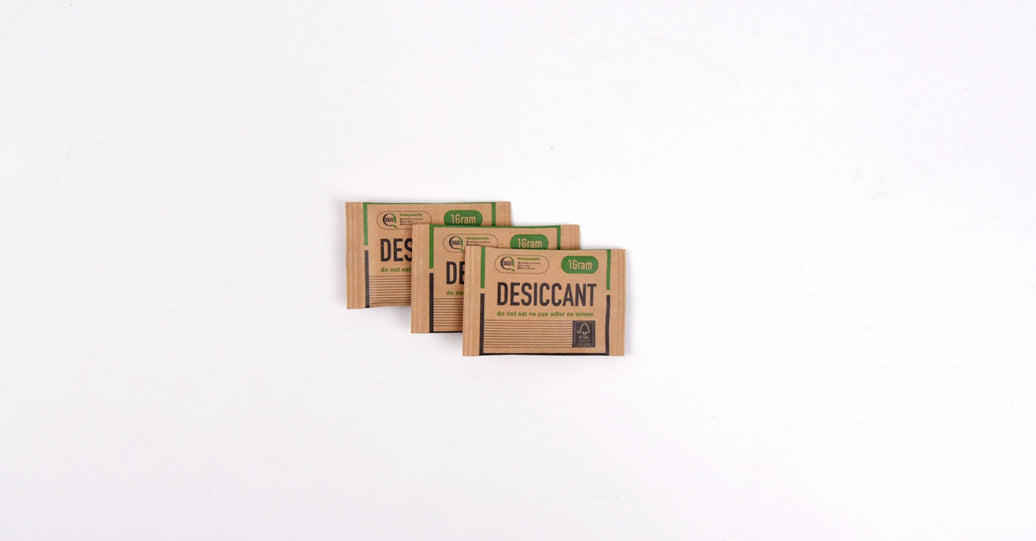
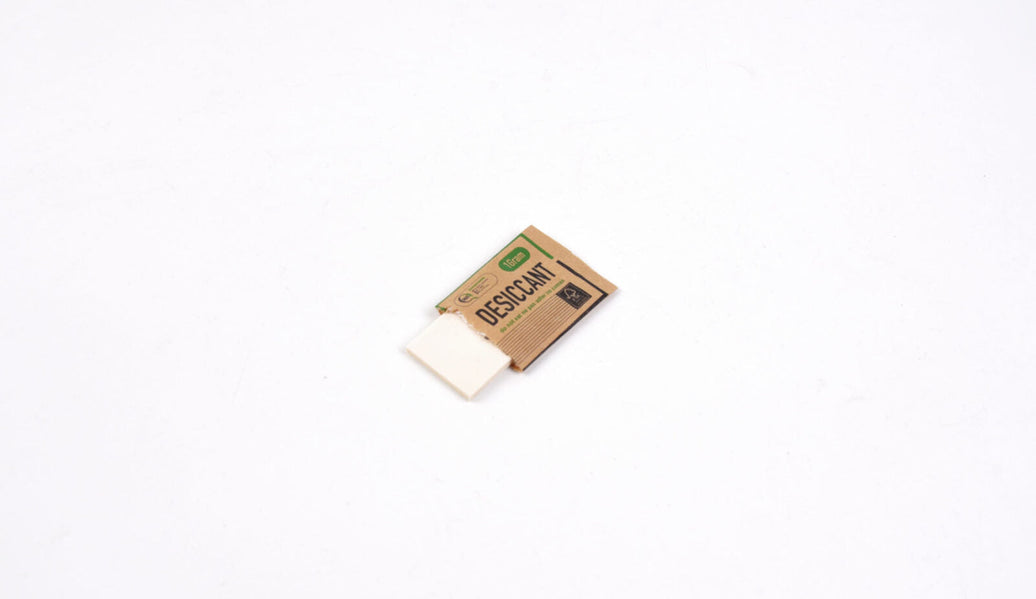
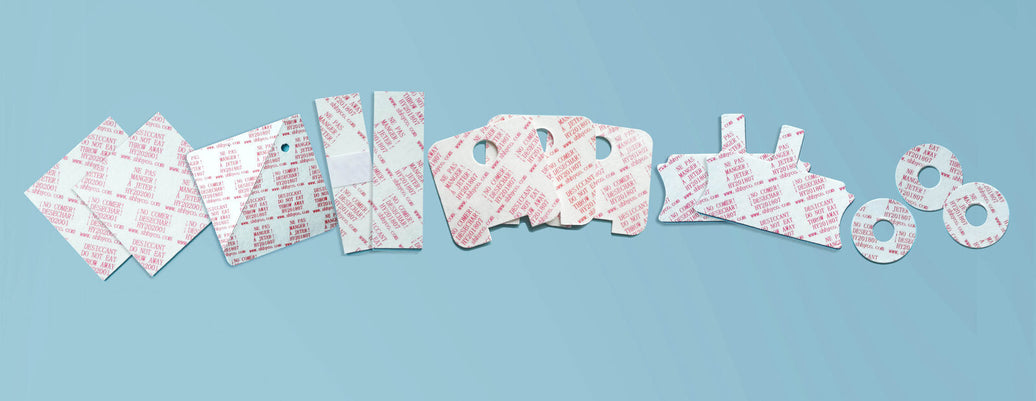
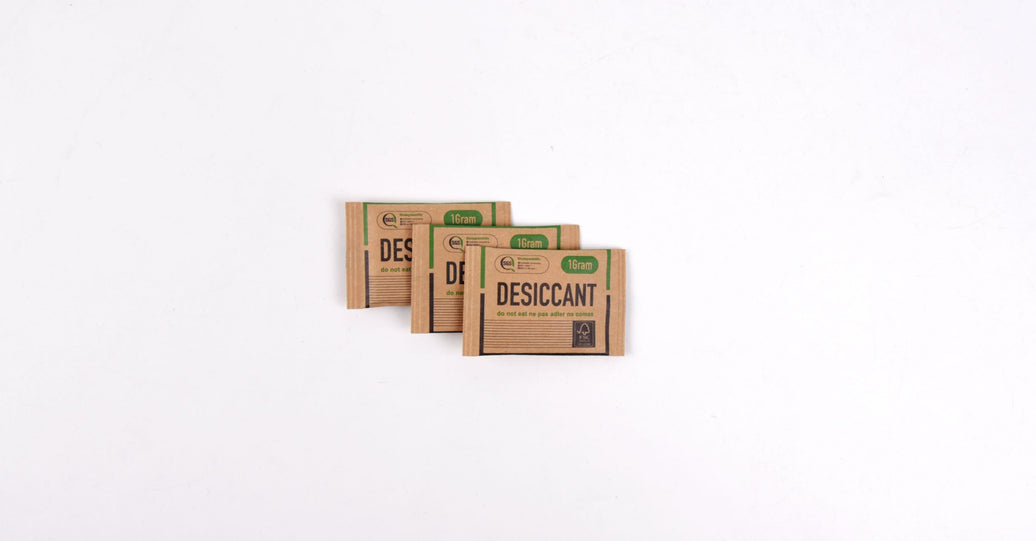
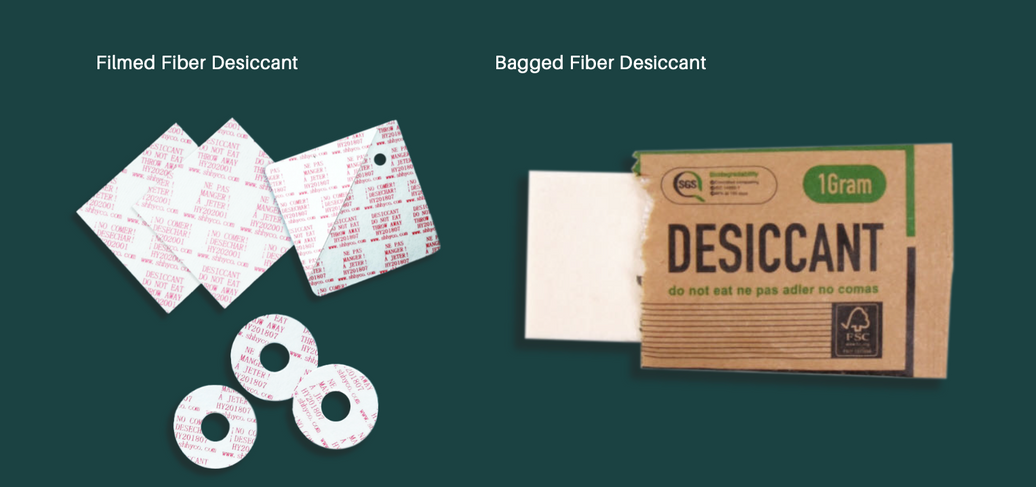
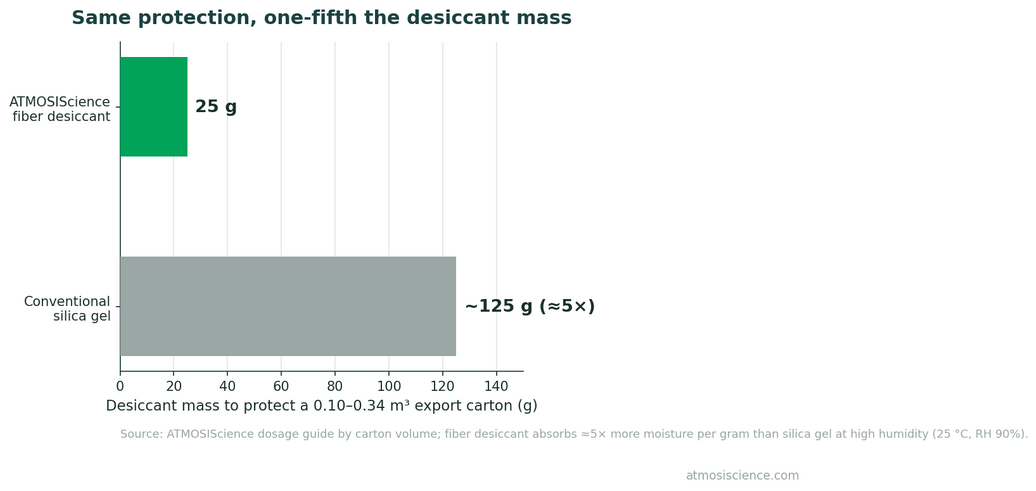
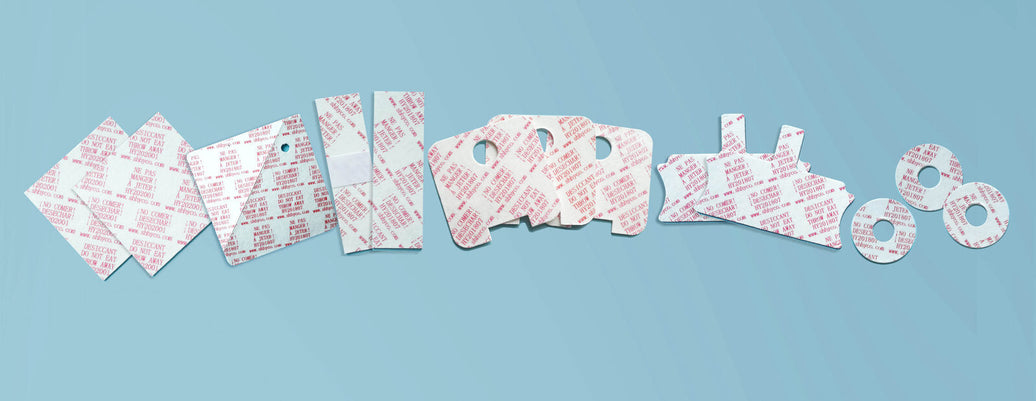
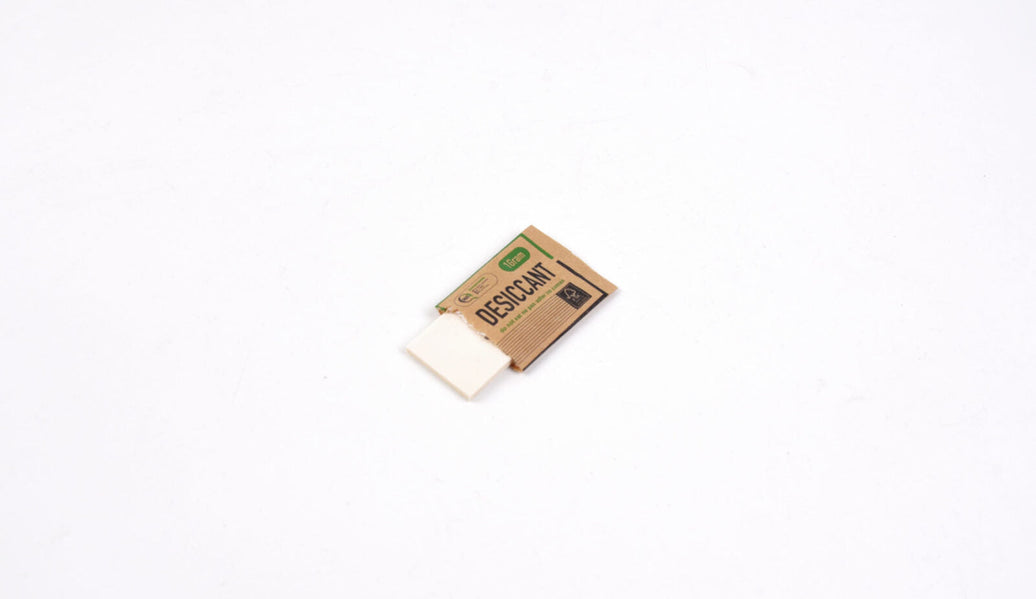
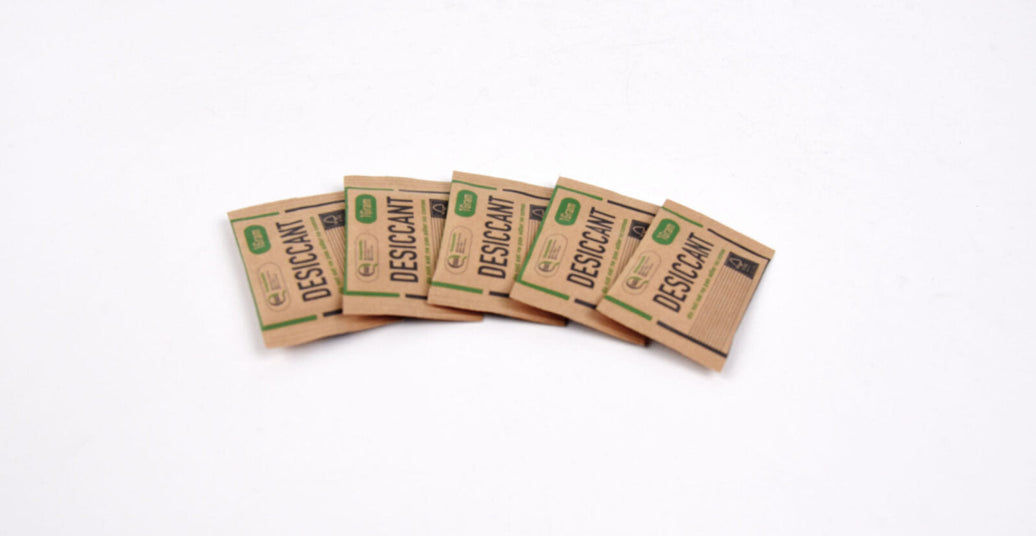
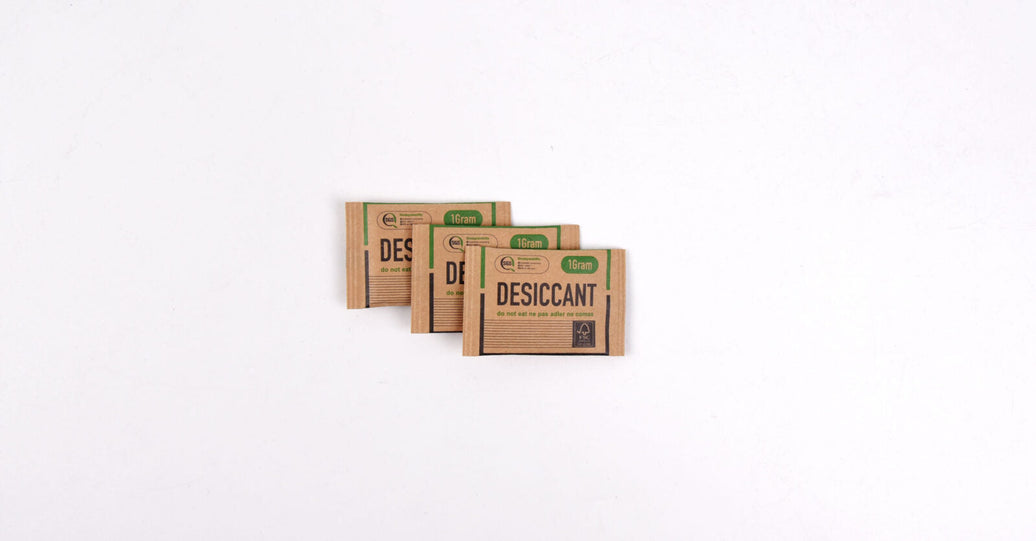
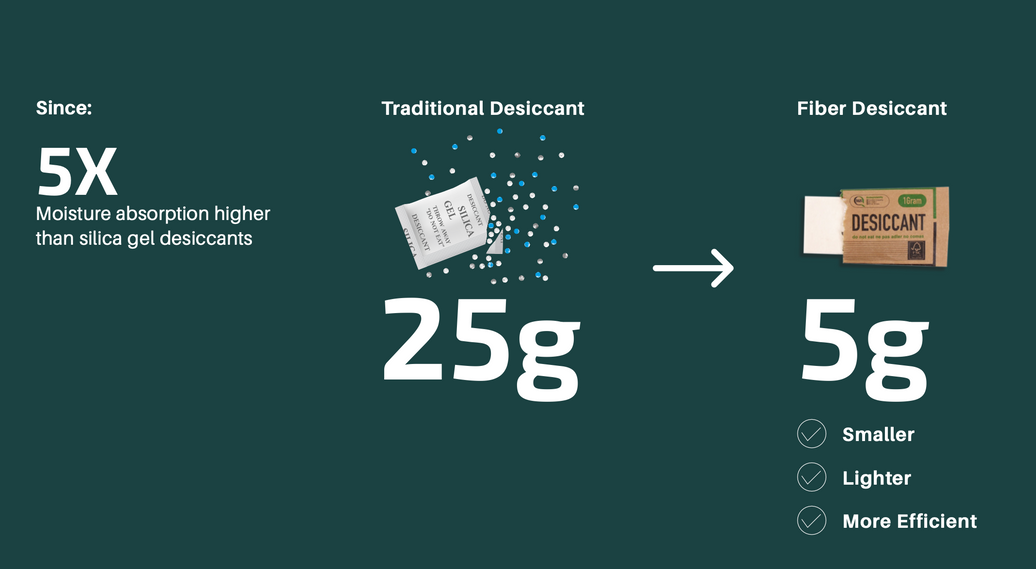
Large formats favour high-capacity, low-mass desiccant for a practical reason beyond cost: someone has to lift, place and later remove it. Bulk dosing in silica gel arrives as several kilograms of loose-fill bags. In fiber form the same protection is materially lighter and, because the substrate is bonded rather than granular, it does not shed into the product if a sachet is abraded during discharge — a real concern covered in loose-fill desiccant risks.
Placement inside a bulk bag
- Distribute, do not centralise. Two or three placements around the headspace perimeter outperform one large sachet at the centre, because moisture moves slowly through a static powder bed.
- Keep it above the fill line and secured to the liner, not resting on the powder where discharge can bury it.
- Make retrieval obvious. Bright tabs, tethers or a documented placement position. A sachet that reaches a mill is a foreign-body incident, and a receiving QA team will treat it as one.
- Record the count. Sachets in, sachets out, on the batch record. Customers increasingly ask for this at audit — the reconciliation logic sits alongside the controls in adding desiccants to a HACCP plan.
Drums and liner-in-drum
Fiber and steel drums behave like small containers with a very low surface-to-volume ratio. Headspace is smaller, so dosage is lower, but the closure is the weak point: a drum opened for sampling and reclosed at ambient resets the moisture budget entirely. Where drums are sampled repeatedly, plan on replacing the desiccant at each reclose or on specifying a two-way product that will not over-dry the remaining material.
What buyers ask for at qualification
- Adsorption capacity with stated RH and temperature conditions.
- Sachet material and its food-contact status, if the powder is food or nutraceutical.
- Migration and foreign-body controls, including tear strength and metal-detectability of the outer.
- Batch traceability and per-lot COA.
- Disposal route for the used desiccant at the receiving site — increasingly a live question where the receiver carries packaging fees.
The full list a QA team typically requests is compiled in the desiccant supplier qualification pack.
FAQ
How much desiccant goes in a 1,000 kg FIBC?
It depends on headspace and route, not on the tonnage. A short domestic move in a climate-controlled truck may need a fraction of what an equatorial sea route needs for the identical bag. Size from free volume, fill-room conditions and transit profile.
Can desiccant go in the powder itself?
No. Sachets belong in the headspace, secured and retrievable. Burying desiccant in the bed creates a foreign-body risk at discharge and does not improve performance, because moisture transport through a static bed is slow.
Does a foil liner remove the need for desiccant?
It reduces permeation but does nothing about the air sealed in at filling or condensation on the inner wall. High-barrier liners usually reduce dosage rather than eliminate it.
What about static and dust during discharge?
Bonded fiber substrate does not shed granules, which is the main reason processors moving to bulk fiber cite it over loose-fill. Line-safety considerations are covered in making desiccant line-safe.
Can the same desiccant handle both drying and over-dry protection?
Two-way fiber products hold a humidity band rather than pulling toward zero, which suits materials with a required moisture window. Confirm the target band before specifying.
Shipping bulk? Get a headspace-based dosage plan
Tell us your bag or drum format, fill-room conditions and route. ATMOSIScience returns a placement diagram, dosage and sample quantity for a trial shipment.
Prefer email? info@atmosiscience.com