Quick answer: Two United States Pharmacopeia general chapters bracket a pharmaceutical moisture strategy. USP <670>, Auxiliary Packaging Components, addresses the desiccant itself — what it is made of, how much moisture it takes up and what evidence should accompany it. USP <671>, Containers — Performance Testing, addresses the container closure system — how much water vapour it admits over time. One tells you what is coming in; the other tells you what can absorb it. A specification that cites only one of them is half a specification. Always work from the current official chapter text, since USP chapters are revised.
Packaging engineers new to pharma often assume the desiccant is a commodity and the container is the regulated part. The chapter structure says otherwise: both are in scope, and they are meant to be read as a pair.
USP <671> — what the container lets in
USP <671> sets out performance testing for containers, including moisture vapour transmission for containers intended to hold solid oral dosage forms. In practical terms it produces a number describing how much water vapour crosses the container closure system under defined conditions.
Three things this chapter is often misread on:
- It tests the system, not the resin. A bottle, its closure, its liner and its seal behave as one. Changing the liner changes the result.
- Conditions are part of the number. A transmission figure quoted without its test conditions cannot be compared to another figure. This is the same discipline required when reading film data — see desiccant dosage by MVTR.
- It is a classification tool, not a shelf-life prediction. It tells you which class of container you have. Whether that class supports your shelf life is a stability question.

USP <670> — what the desiccant has to be
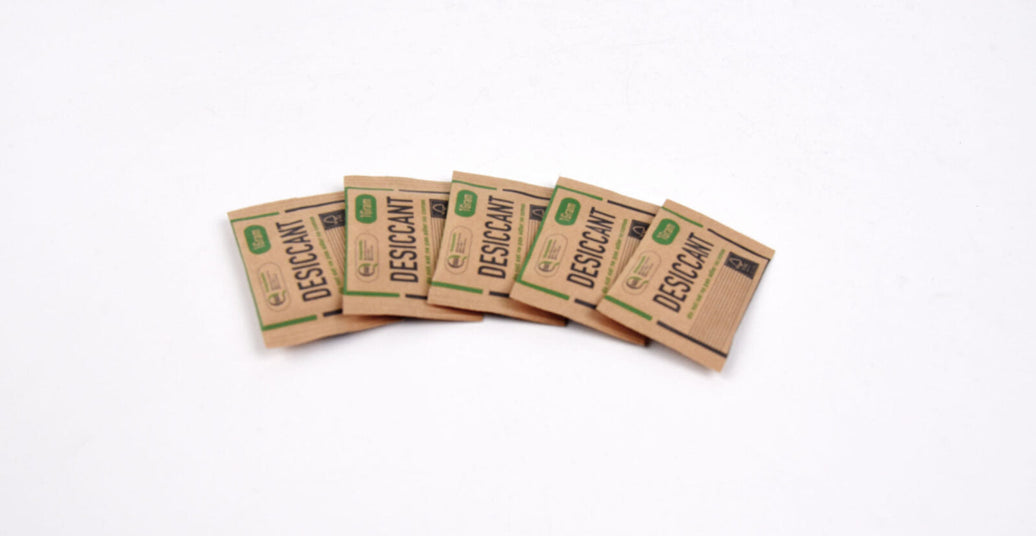
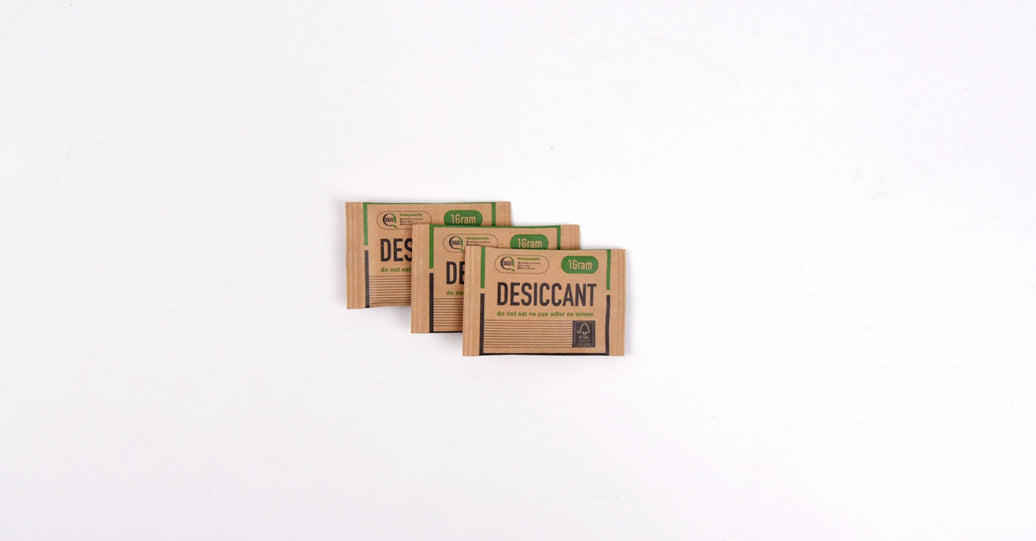
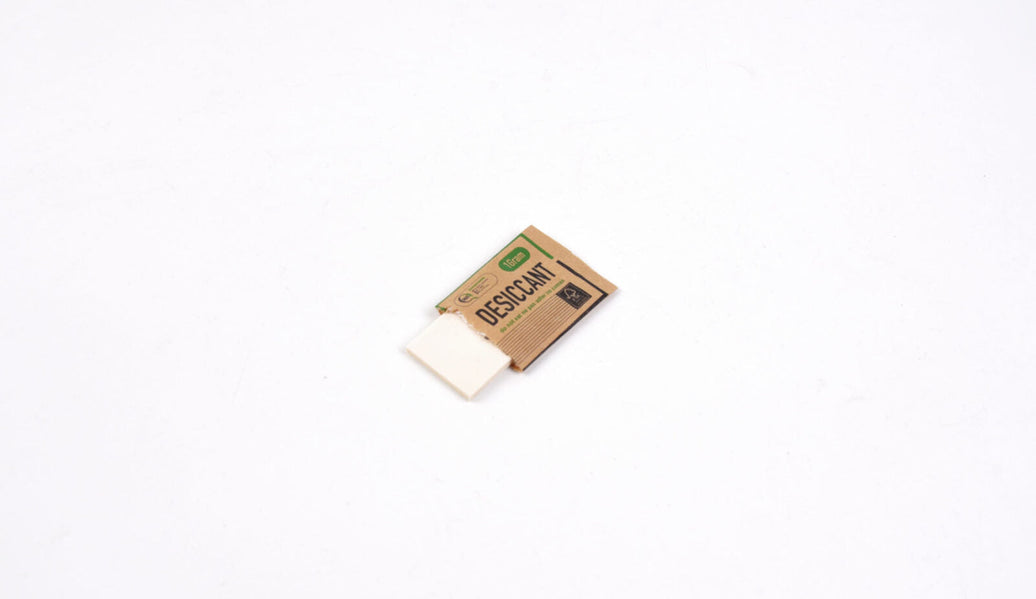
USP <670> covers auxiliary packaging components, the category desiccants and oxygen absorbers fall into. The chapter's intent is that these items — historically treated as consumables — carry defined identity, composition and performance expectations, with adsorption capacity assessed at specified humidity conditions rather than as an unqualified claim.
That last point is the one buyers should hold suppliers to. A desiccant offered with a single capacity percentage and no stated RH and temperature has not been characterised in a way the chapter's logic supports. Reading guidance is in how to compare desiccant spec sheets.
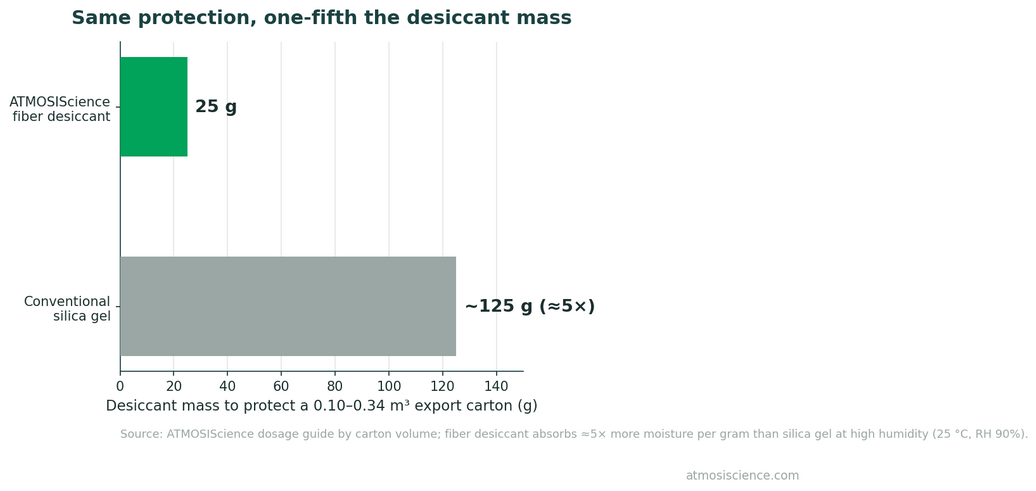
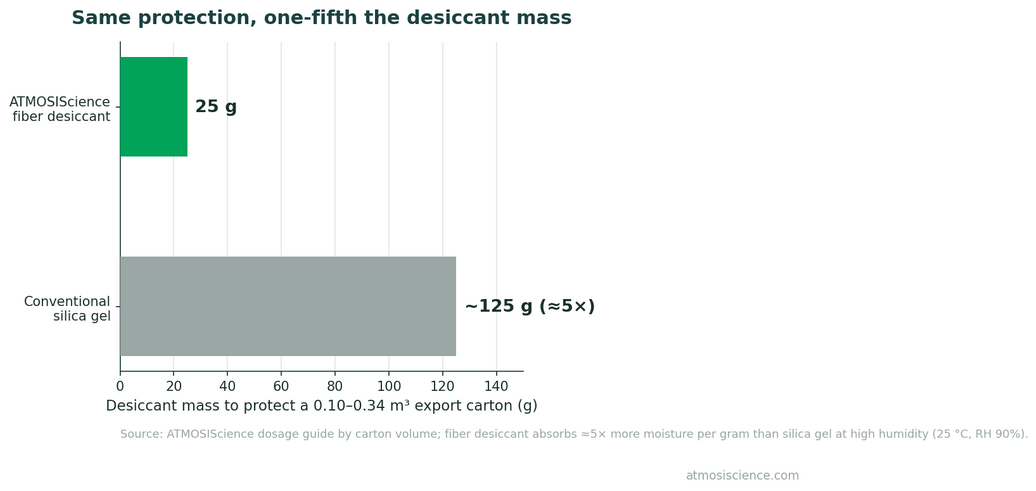
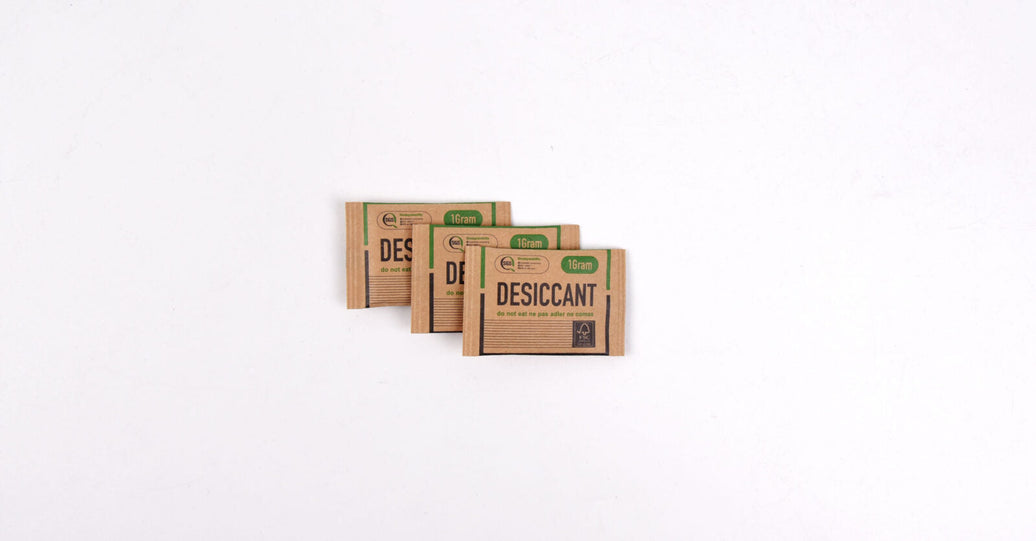
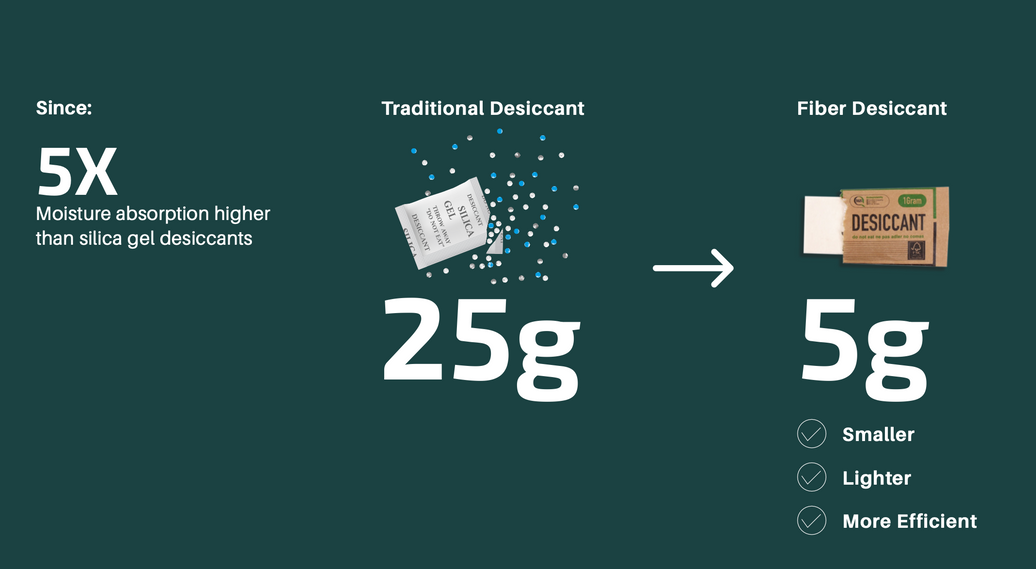
For reference, ATMOSIScience fiber desiccant is characterised across humidity bands rather than at a single point: more than 10% of its own weight at RH20, more than 35% at RH50, more than 70% at RH90 (25°C), more than 100% at saturation, with loss on drying below 10%.

Reading them together
The pair produces a single sizing question:
Over the intended shelf life, how much water will cross this container closure system — and can the auxiliary component inside absorb that, plus the moisture sealed in at packing, while keeping the dosage form below its critical humidity?
Three quantities, one answer. Skipping the container measurement means the dosage is a guess. Skipping the component characterisation means the capacity is a guess. Skipping the sealed-in term means both are optimistic.
Where teams get caught in audit
- Citing a chapter without holding the data. Referencing USP <671> in a specification without a test report on the actual container closure system.
- Carrying a number across a change. New liner, new closure supplier, new resin lot — the system changed, so the classification may have too.
- Accepting a capacity claim with no conditions. Common in commodity supply and the easiest thing to fix: ask for capacity by humidity band with temperature stated.
- No lot traceability on the desiccant. An auxiliary component still needs per-lot documentation — see how to read a desiccant COA.
- Assuming Zone II when shipping to Zone IVb. Chapter compliance does not rescue a package sized for the wrong climate — see the ICH Zone IVb checklist.
Building the file
A defensible pharma moisture file contains: the container closure system performance data; the desiccant's characterisation with stated conditions; a written dosage rationale linking the two to the dosage form's critical humidity; per-lot COAs; quality-system evidence from the desiccant manufacturer — ATMOSIScience manufacturing is SGS ISO 9001 certified; and stability data demonstrating the configuration holds. The stability side is covered in accelerated stability testing with desiccant, and the complete document list in the supplier qualification pack.
Frequently asked questions
Is a desiccant a drug component or a packaging component?
It is an auxiliary packaging component — the category USP <670> addresses. It is not an excipient and is not intended to contact or be consumed with the dosage form, which is why its documentation set differs from an ingredient's.
Does meeting USP <671> mean we do not need a desiccant?
No. The chapter classifies how much moisture the container admits. Whether that quantity is acceptable depends on the dosage form's sensitivity and the shelf life claimed. A well-classified container can still need an insert.
Which format satisfies the requirements best?
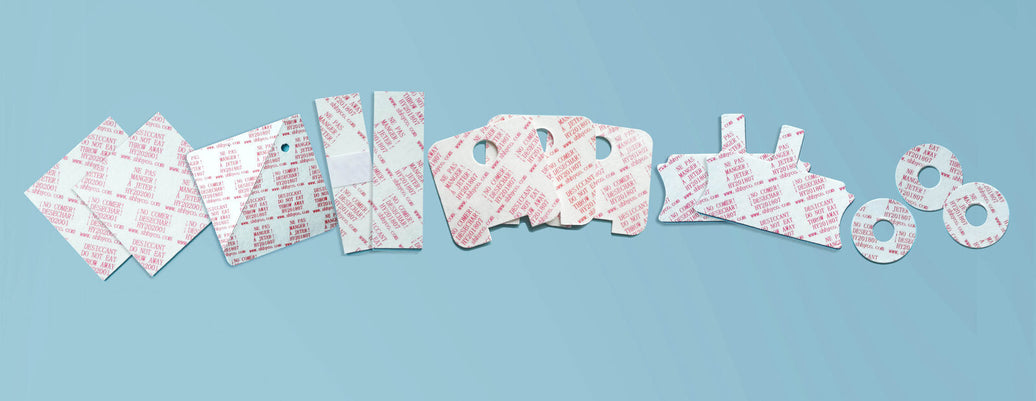
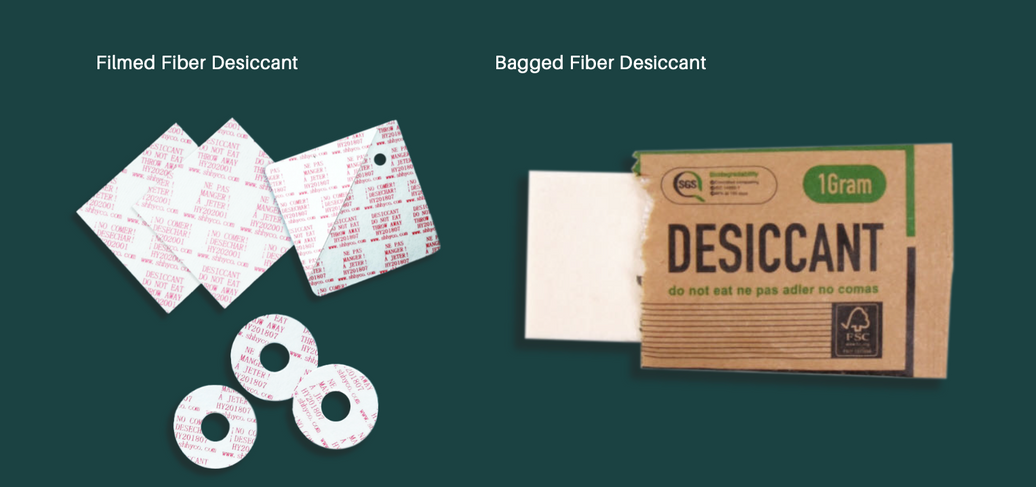
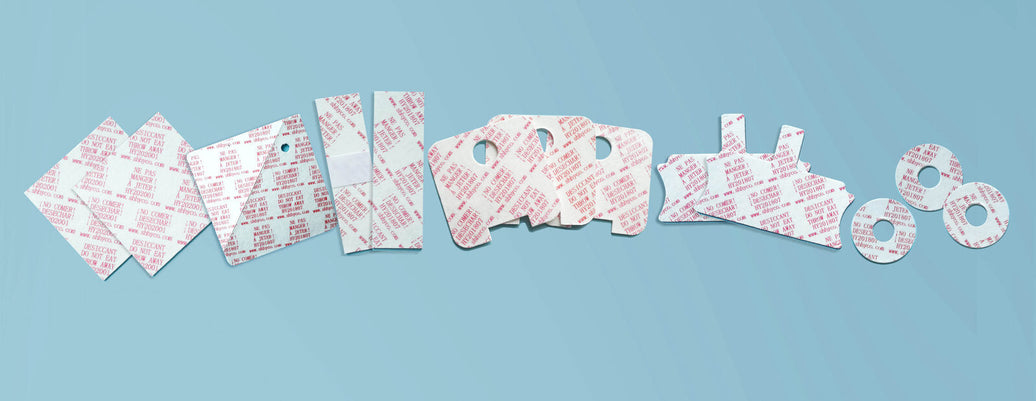
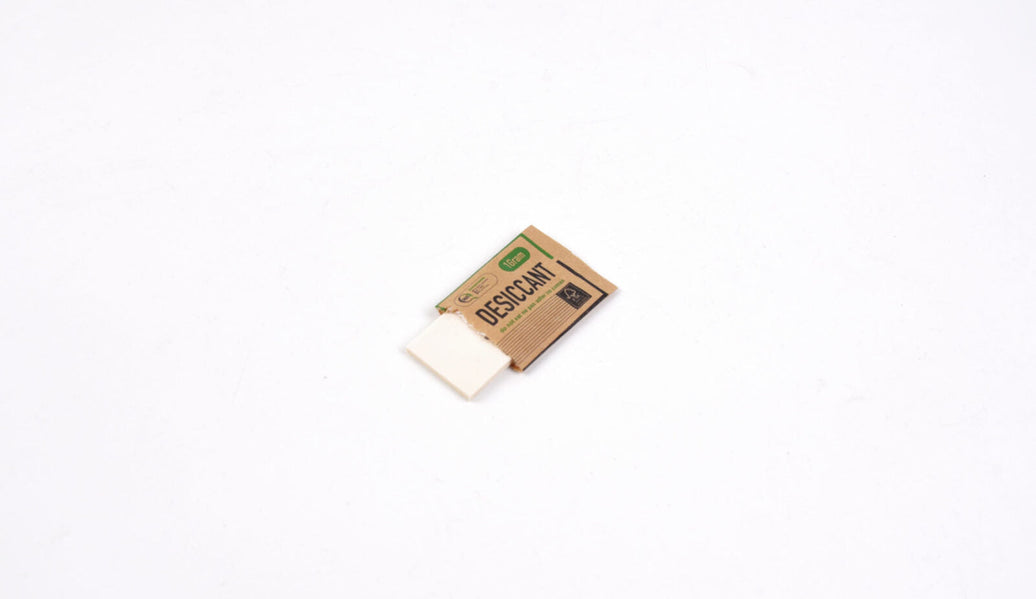
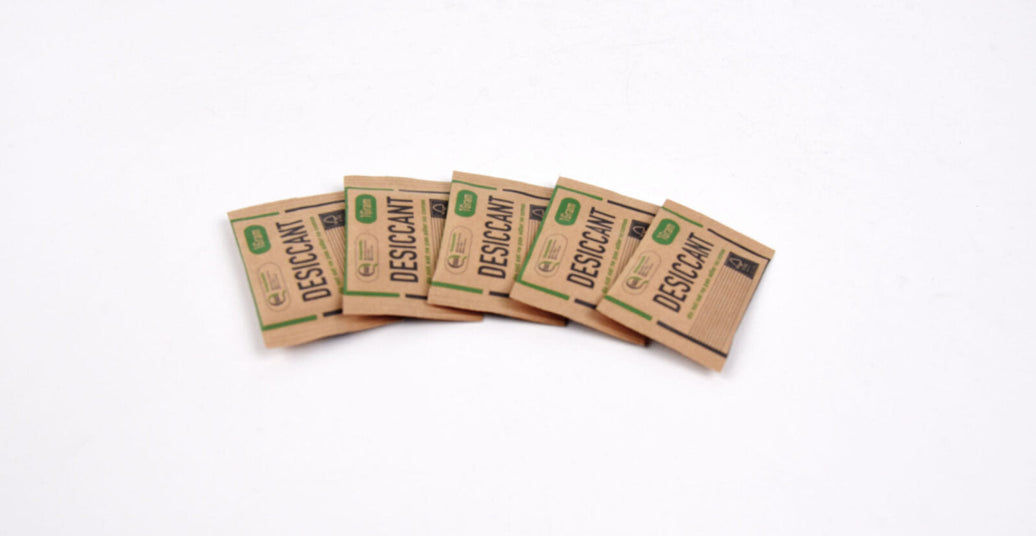
The chapters are about characterisation and evidence, not format. Sachet, canister and die-cut card can all be documented properly. Format is a pack-engineering decision — see blister, bottle or pouch.
Do EU submissions need the same evidence?
The chapter references differ but the underlying expectation — characterised component, characterised container, documented rationale — is the same. Regional packaging obligations add a separate layer; see the EU PPWR compliance hub.
How current is this guidance?
USP general chapters are revised periodically. Treat this article as orientation and work from the current official chapter text for any submission or specification.
Request the characterisation data for your file
ATMOSIScience supplies adsorption data by humidity band with stated conditions, per-lot COAs and quality-system certification for pharmaceutical qualification.
Prefer email? info@atmosiscience.com