Quick answer: Pharmaceutical humidity control has two halves, and most programmes over-invest in one. Facility control (HVAC, dry rooms, dispensing booths) protects product while it is in your building. Packaging control protects it for the remaining 18–36 months in distribution — including ICH Zone IVb markets stored at 30°C/75% RH. If a product is registered for Zone IVb, the in-pack moisture budget has to be sized for that condition, and the desiccant becomes a documented part of the container-closure system, not a consumable.
Ask where humidity control happens in a pharmaceutical operation and most answers describe a building: the dispensing booth, the granulation suite, the dehumidified corridor outside the compression room. All of that is necessary. None of it travels with the product.
The container-closure system is the only humidity control that is present for the whole shelf life. Where a product ships to hot and humid markets, it is also the control under the most stress.
The ICH climatic zones, briefly
Stability requirements vary by the climate a product is registered in. The zones commonly referenced are:
- Zone I — temperate.
- Zone II — subtropical / Mediterranean.
- Zone III — hot and dry.
- Zone IVa — hot and humid, long-term storage typically 30°C / 65% RH.
- Zone IVb — hot and very humid, long-term storage typically 30°C / 75% RH.
Zone IVb is where packaging decisions stop being interchangeable. Much of Southeast Asia, parts of South Asia, Brazil and several Gulf markets sit here. A blister or bottle that comfortably holds a Zone II registration can drift out of specification in Zone IVb on moisture alone — no change in formulation, no change in process.
The packaging-side checklist
1. Know the drug substance's moisture sensitivity before choosing a pack
A moisture sorption isotherm tells you where the material starts taking up water sharply and where physical or chemical changes begin. Without it, every downstream choice is guesswork. The method is set out in how to read a moisture sorption isotherm.
2. Measure the pack, not the film
Finished-package MVTR always exceeds flat-film data because seals, induction liners and closures add transmission paths. Size the moisture budget against measured package data — the method is in desiccant dosage by MVTR.
3. Decide where the desiccant physically sits
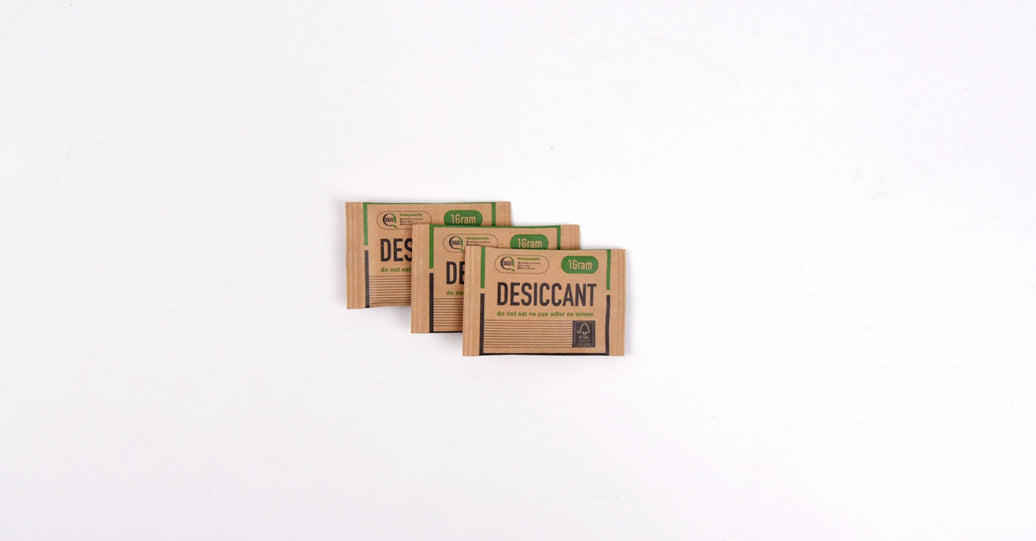
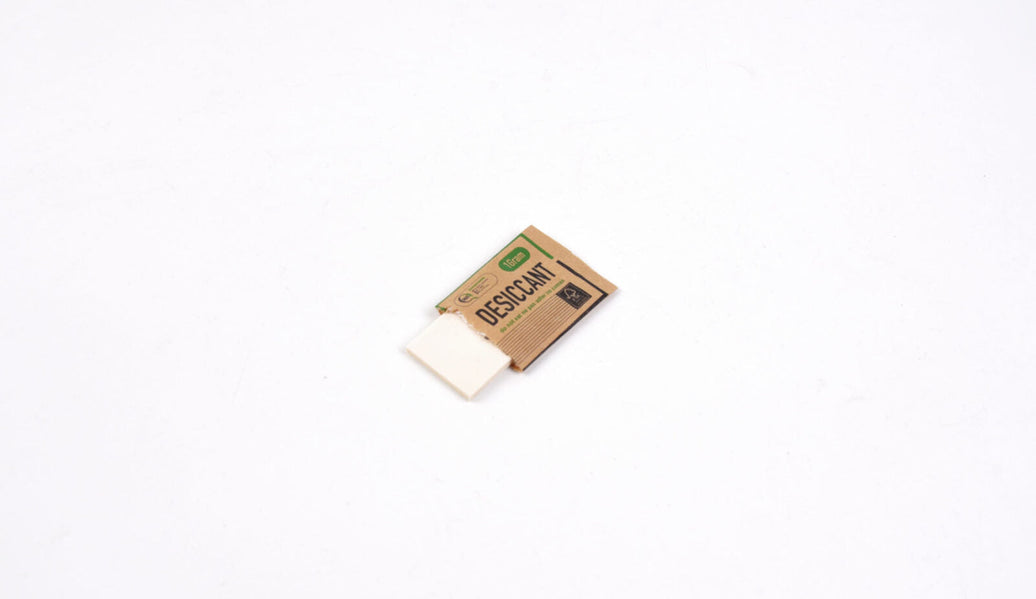
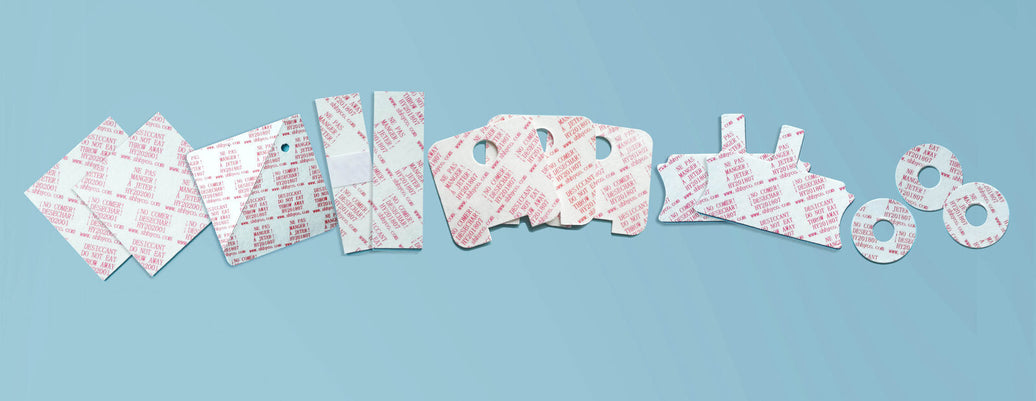
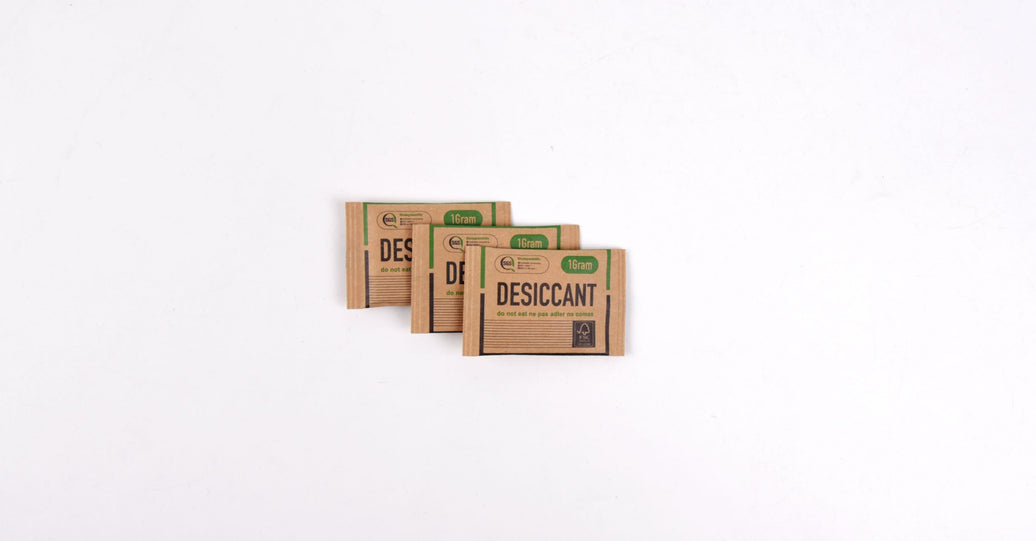
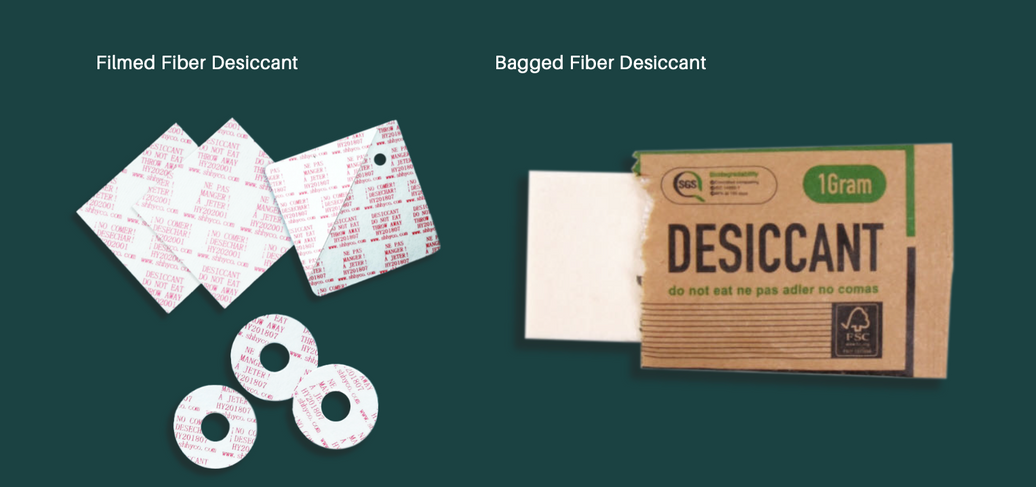
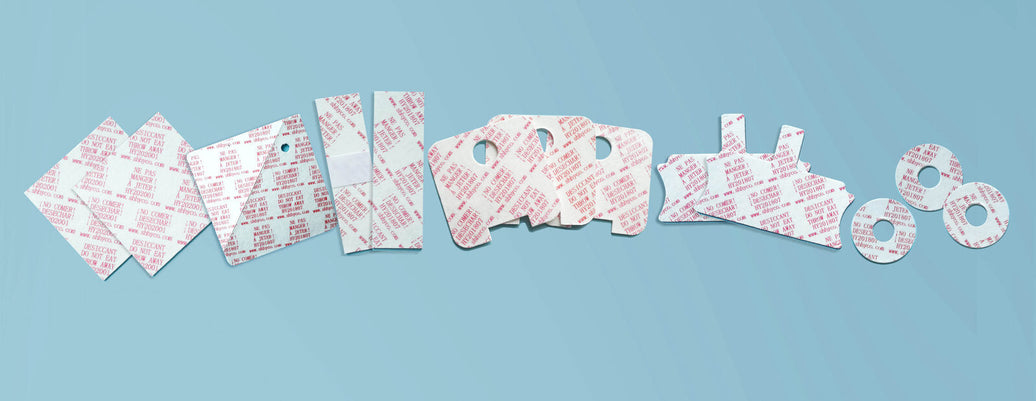
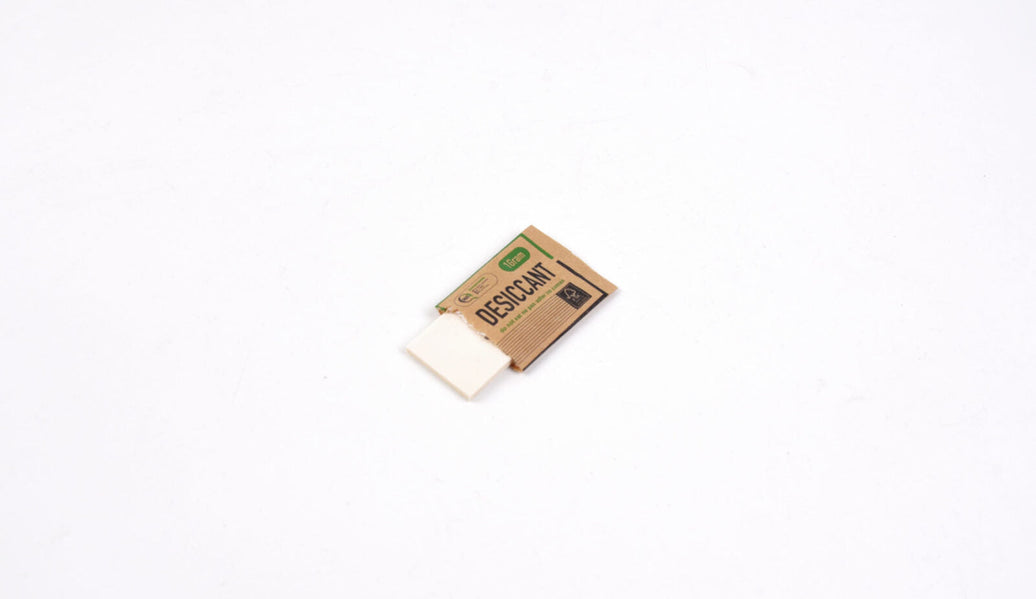
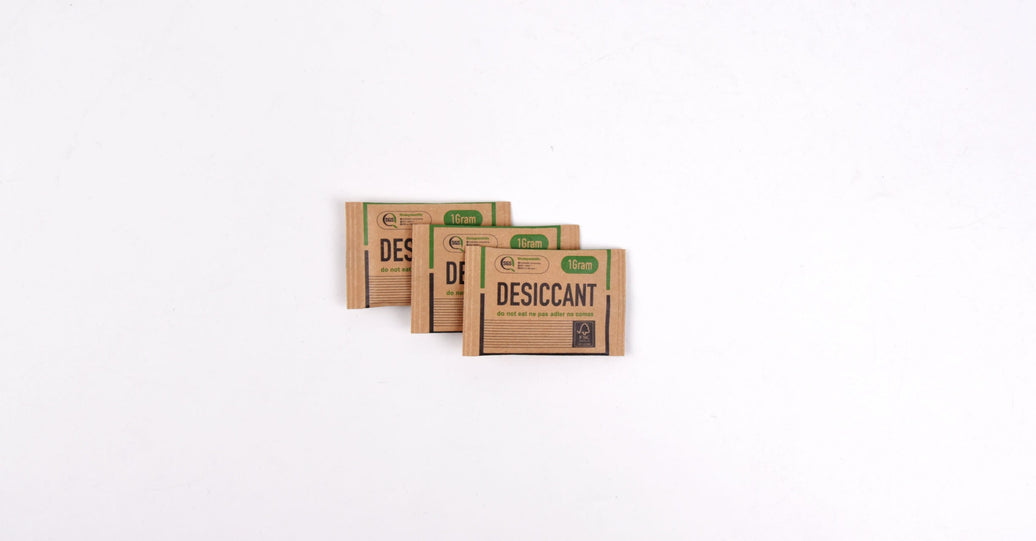
For HDPE bottles the practical options are a loose canister, a sachet, or a film card seated under the cap. Each interacts differently with induction sealing, cotton coil and automated bottling — covered in desiccant for HDPE bottles with induction seals.

4. Size capacity at the humidity you will actually see
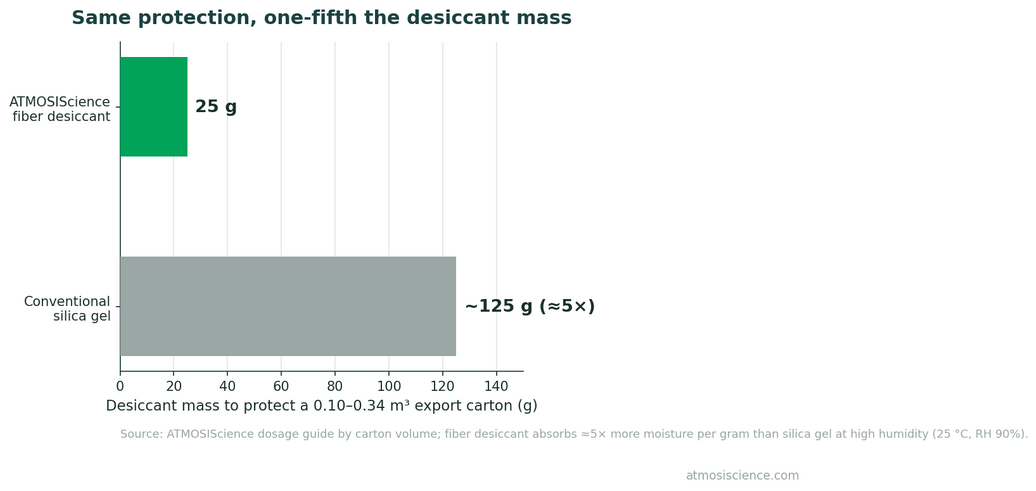
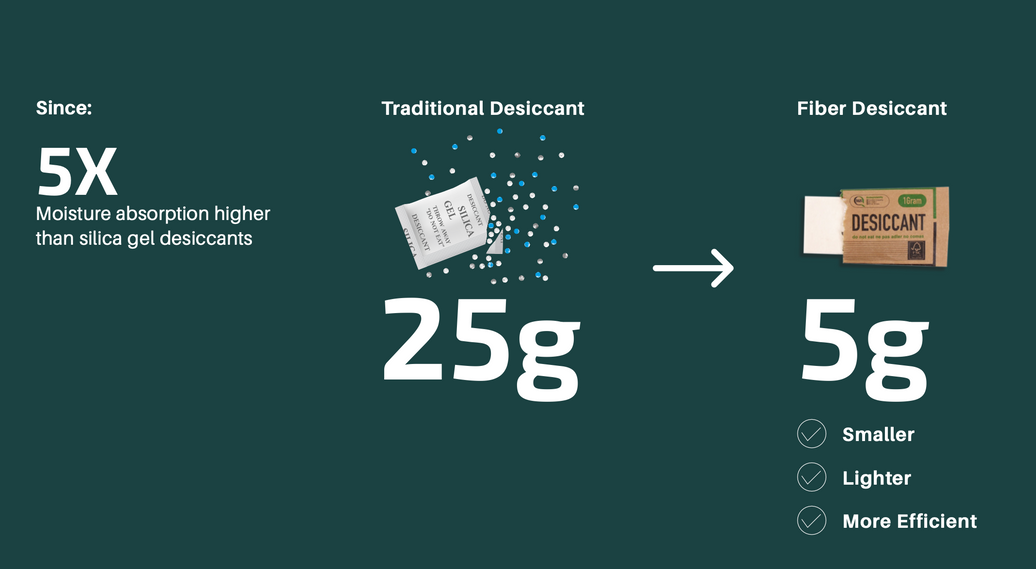
Capacity varies sharply with relative humidity. ATMOSIScience fiber desiccant adsorbs more than 10% of its own weight at 20% RH, more than 35% at 50% RH and more than 70% at 90% RH (25°C). A Zone IVb pack that spends its life near the top of that range has a very different budget from a Zone II pack sitting near the bottom. Sizing against saturation capacity flatters every supplier equally and helps no one.
5. Confirm the desiccant will not over-dry
Some drug substances, capsule shells and effervescent systems have a lower moisture limit as well as an upper one. Gelatin capsules that lose too much water become brittle. For those, a product that holds a band beats one that maximises drying — the reasoning is in the certain-humidity principle.
6. Assemble the documentation before the audit, not during it
For a desiccant inside a pharmaceutical pack, QA typically expects: a specification with capacity and test conditions, food-contact or pharmacopoeial suitability documentation as applicable, per-lot COA, SDS, a statement on materials of construction, manufacturing quality-system certification, and change-control commitments. The consolidated list is in the supplier qualification pack, and COA interpretation is covered in how to read a desiccant COA.
Common failure patterns
- Registering Zone II and shipping Zone IVb. The pack was never sized for the storage condition it now sees.
- Desiccant sized at saturation. Real capacity at working humidity is a fraction of the headline number.
- Desiccant added late. Introduced after stability started, so the stability data does not describe the shipped configuration.
- Bottle opened repeatedly in use. A 30-day patient course opened daily has a moisture budget dominated by opening cycles.
- Cotton coil retained by habit. Coil holds moisture and can work against the desiccant.
FAQ
What is ICH Zone IVb?
The hot and very humid climatic zone, with long-term stability storage typically specified at 30°C / 75% RH. It represents the most demanding routine moisture condition in mainstream registration.
Does a desiccant need to be declared in the registration dossier?
Where it forms part of the container-closure system, it is described alongside the other packaging components. Confirm scope with your regulatory affairs team for each market.
Can I change desiccant supplier without re-doing stability?
That is a change-control question, not a purchasing one. Equivalent measured capacity at matched test conditions strengthens the case, but the assessment belongs to the marketing authorisation holder.
Is facility humidity control still needed if the pack is well designed?
Yes. Facility control protects the product before it is sealed — including the moisture that gets sealed in. A well-designed pack cannot undo material that was packed wet.
How does this relate to accelerated stability testing?
Accelerated conditions (commonly 40°C / 75% RH) test the same moisture budget under stress. What that data does and does not support is discussed in accelerated stability testing with desiccant.
Registering for a Zone IVb market? Start with the pack
Send your container format, target markets and stability condition. ATMOSIScience returns a desiccant configuration with capacity data at your working humidity and the documentation set for your qualification file.
Prefer email? info@atmosiscience.com