Quick answer: An IP-rated outdoor enclosure keeps liquid water out. It does not keep water vapour out, and it does not stop the vapour already inside from condensing when the box cools faster than the air in it. Every day-night cycle drives a breathing action that pumps humid air in through vents, gaskets and cable glands. The fix is a moisture control element sized for the enclosure volume and the daily temperature swing — and for equipment that must not be driven bone dry, a two-way material that buffers rather than only strips.
Field failures in solar, telecom and grid equipment are rarely a single dramatic ingress event. They are the accumulation of small ones: a corroded terminal, a leaking optocoupler, a PCB with dendritic growth across a high-impedance node, a connector that reads fine at noon and fails at 6 a.m.
Why a sealed box still gets wet
Three mechanisms, all of them routine.
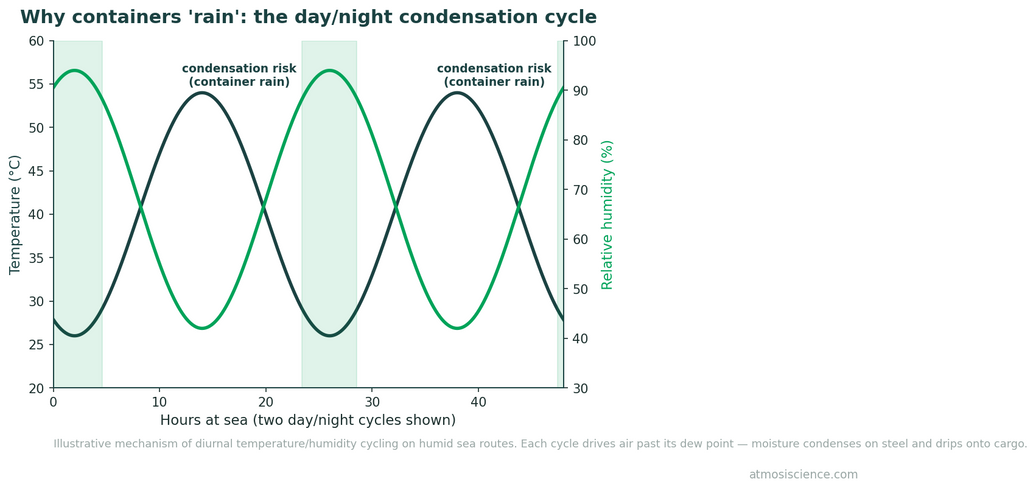
Breathing. Air inside an enclosure expands when the sun hits it and contracts when it cools at night. Contraction draws outside air in through whatever path is available — a breather vent by design, a gasket seam or cable gland by accident. That incoming air carries the ambient dew point with it. Repeat 365 times a year and the enclosure accumulates moisture it never had at commissioning.
Trapped moisture at assembly. Enclosures are assembled in humid factory air and often closed on humid days in the field. Whatever the dew point was at the moment the lid went on is what the box now owns.
Thermal gradient condensation. The metal skin cools faster than the internal air. Condensation forms on the coldest surface first — typically the inside of the door, from where it drips onto electronics below.

Where it bites, application by application
- String and central inverters. Power electronics, high voltages and creepage distances designed for a dry surface. A condensate film across an isolation barrier is a fault, not a nuisance.
- Combiner and re-combiner boxes. Frequently the worst case: large volume, minimal internal heat generation to burn off moisture, and long service intervals.
- PV junction boxes. Potting protects the joints; the remaining void does not. Moisture there feeds backsheet delamination and diode failure.
- Telecom cabinets and 5G radio units. Dense electronics, sealed housings, mast-top locations nobody visits between failures.
- Wind turbine nacelle and tower control cabinets. Salt-laden air offshore lowers the humidity threshold at which corrosion starts.
- EV charging posts and battery energy storage enclosures. Frequent duty cycling and large thermal swings inside a sealed volume.
Why "as dry as possible" is the wrong target
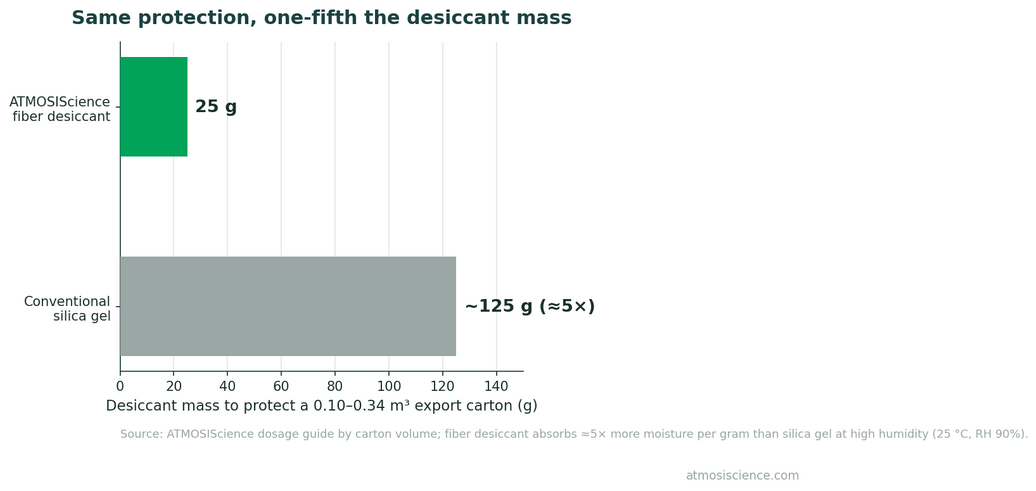
Standard practice in electronics packaging is to drive humidity as low as it will go. For a sealed shipping bag over six weeks, that is correct. For an installed asset expected to run for twenty years, it is a different problem: the enclosure will keep breathing whatever the element does, and a one-way absorber saturates and then stops. Once saturated it is inert — and in some chemistries it becomes a moisture reservoir of its own.
What an installed enclosure needs is buffering: a material that takes up moisture when the internal dew point climbs and gives it back when conditions are dry, keeping the enclosure away from the condensation point rather than parked at zero. That is the operating principle behind two-way humidity control, explained in why 'drier is better' is wrong.

How to spec it
- Free internal volume. Gross enclosure volume minus the equipment inside. This is the air you are managing.
- Daily temperature swing at site. A desert site with a 25°C swing behaves nothing like a coastal site with a 6°C swing at 90% RH.
- Breathing path. Vented with a membrane, or nominally sealed? A membrane vent reduces the pumping volume but does not remove it.
- Service interval. If nobody opens the box for five years, an element sized for one year is decoration.
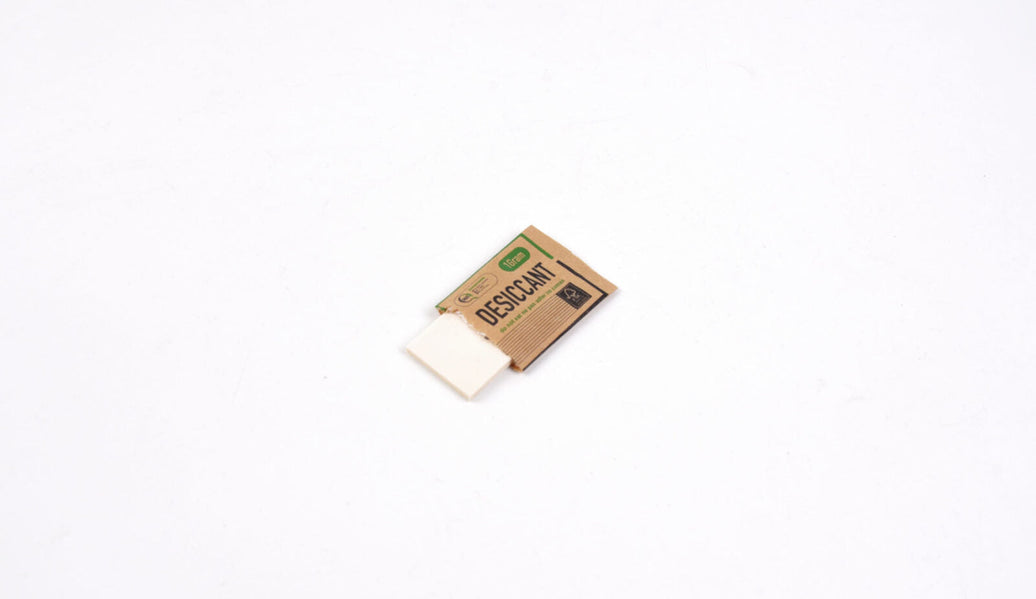
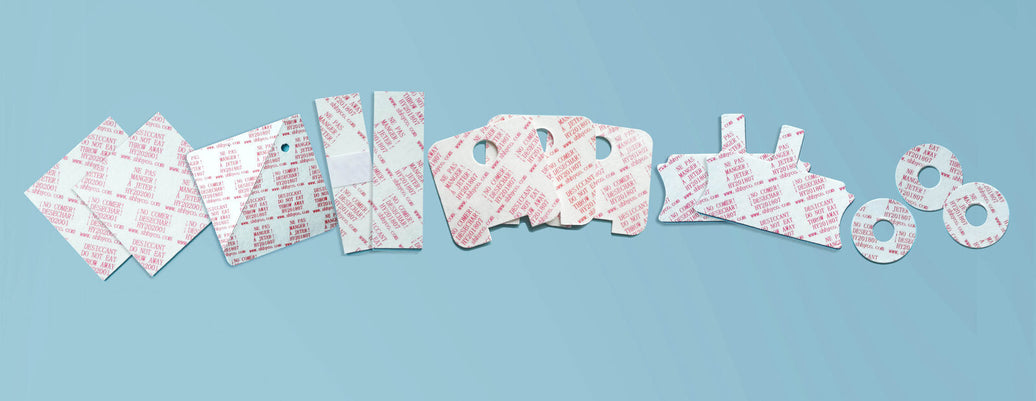
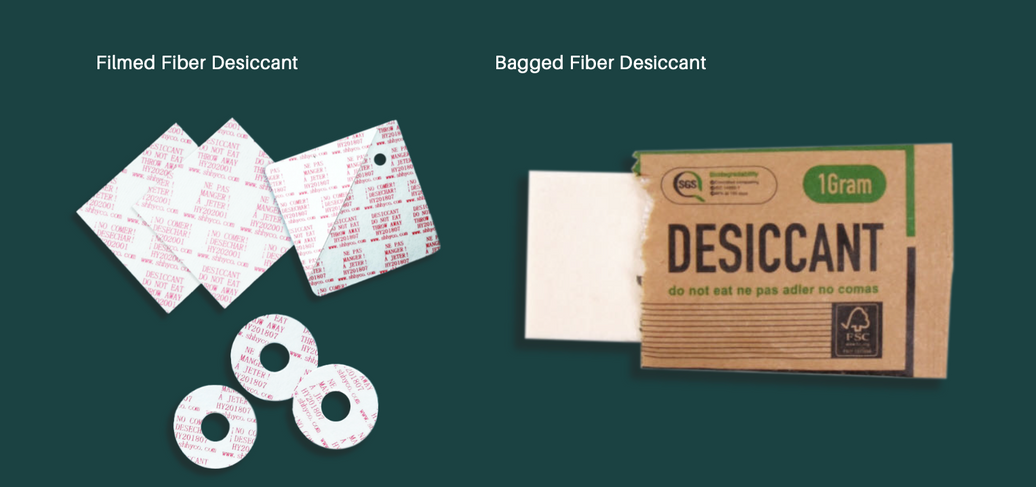
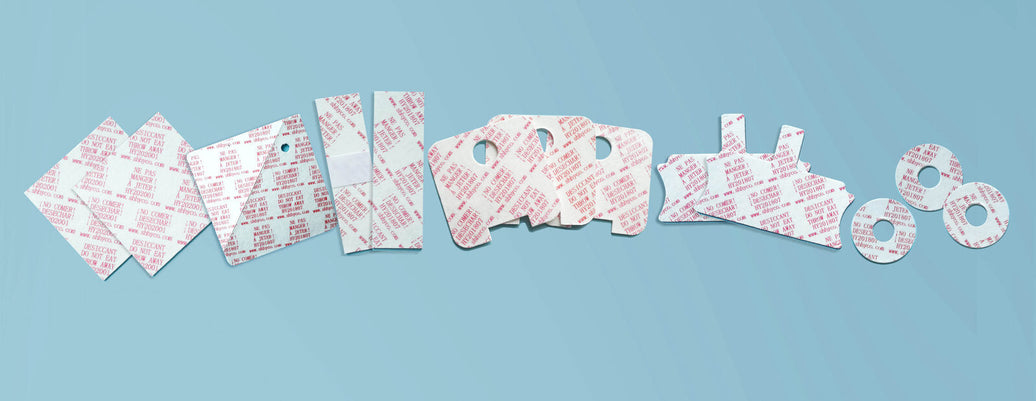
- Mounting. Elements must be fixed where they cannot fall onto live parts or block airflow. Adhesive-backed pack formats exist precisely for this.
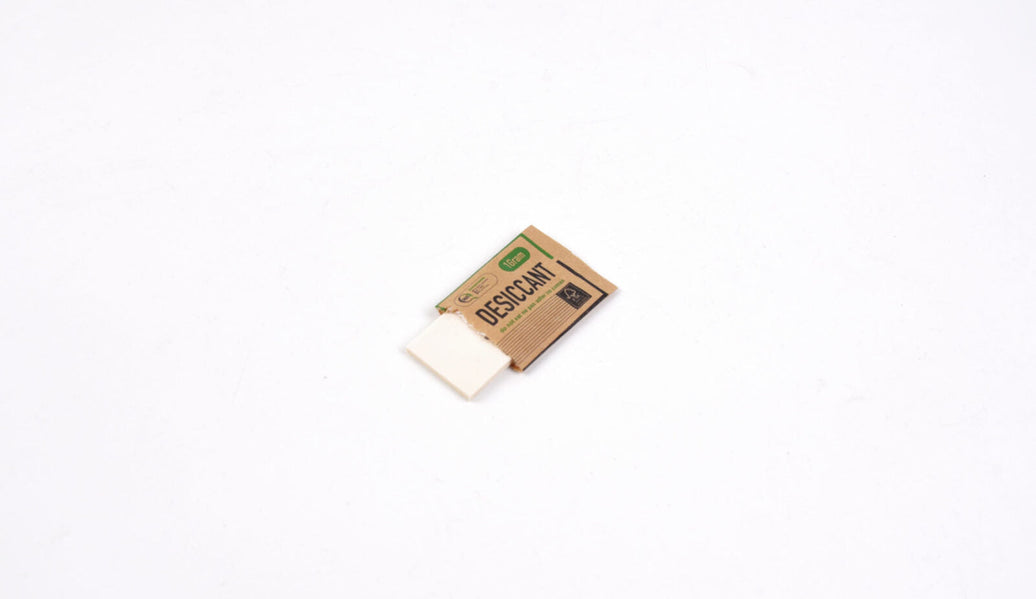
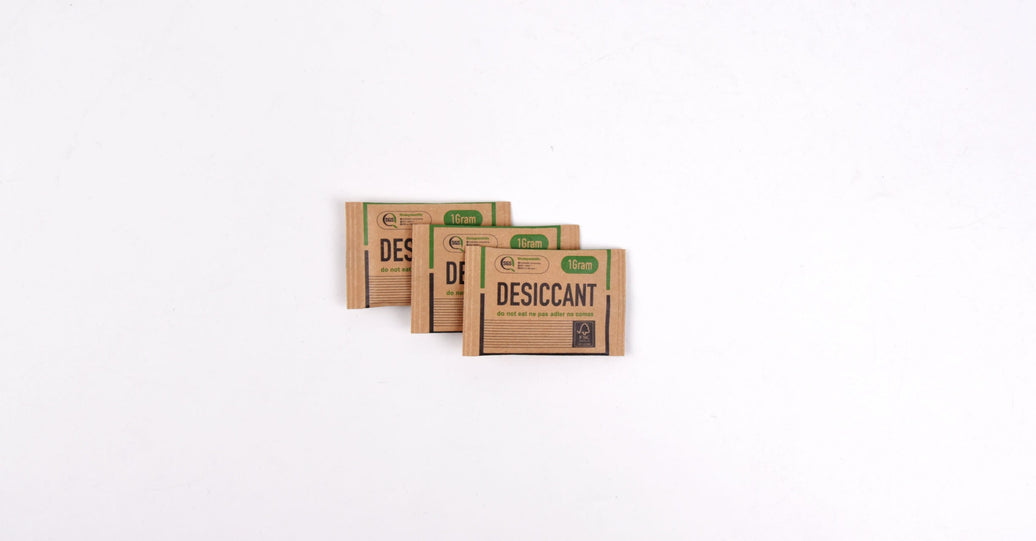
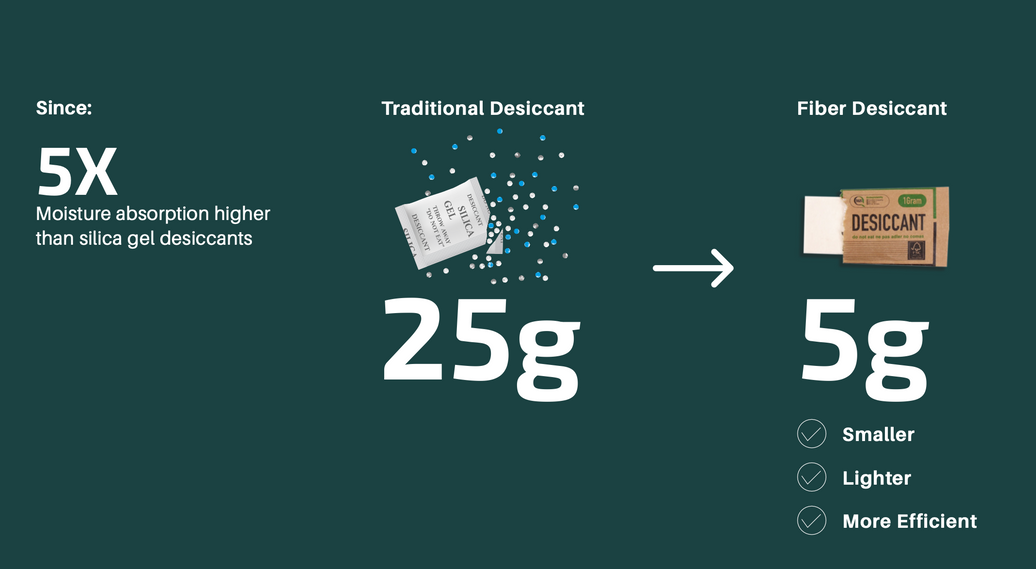
- Materials compatibility. Anything that can shed dust or leach salt near a PCB is disqualified. ATMOSIScience fiber packs are dust-free by construction, with the calcium chloride bound into a lignocellulose matrix rather than loose, and hold a RoHS testing report — relevant when the enclosure itself falls in scope.
What this is not
Moisture control does not substitute for a functioning gasket, correctly torqued glands or a working membrane vent. If an enclosure is taking liquid water, fix the ingress first. Moisture control manages the vapour that a correctly sealed enclosure still admits — a real and separate problem, addressed in desiccant for electronics and PCB and condensation after cold storage.
FAQ
Does an IP66 rating mean I do not need moisture control?
No. IP ratings test against liquid water from outside. They say nothing about water vapour, internal dew point or condensation on a cold surface.
How long does an element last in an outdoor enclosure?
It depends on volume, swing and breathing path, not on a fixed calendar figure. Size it against the service interval and verify with an indicator during commissioning.
Can I use a shipping desiccant sachet in an installed cabinet?
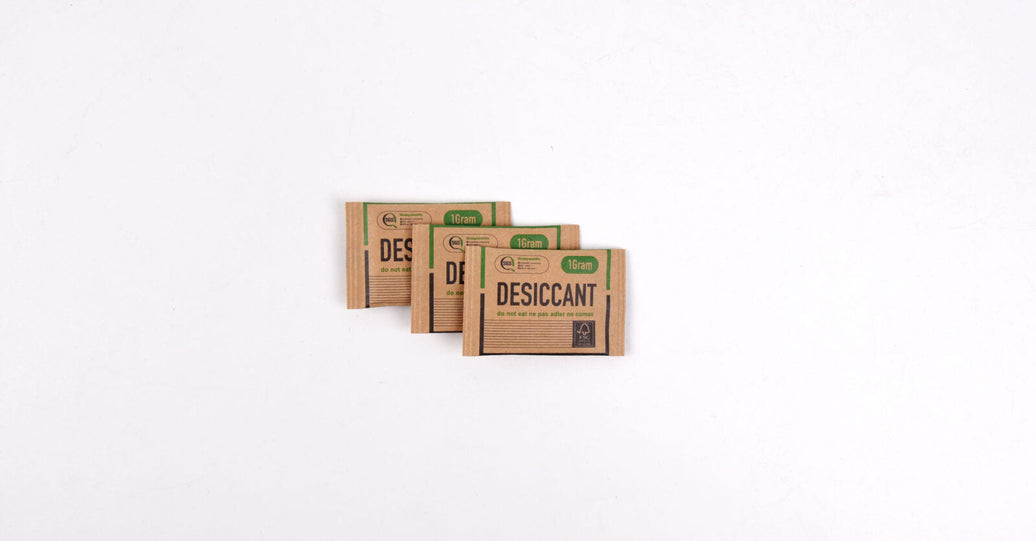
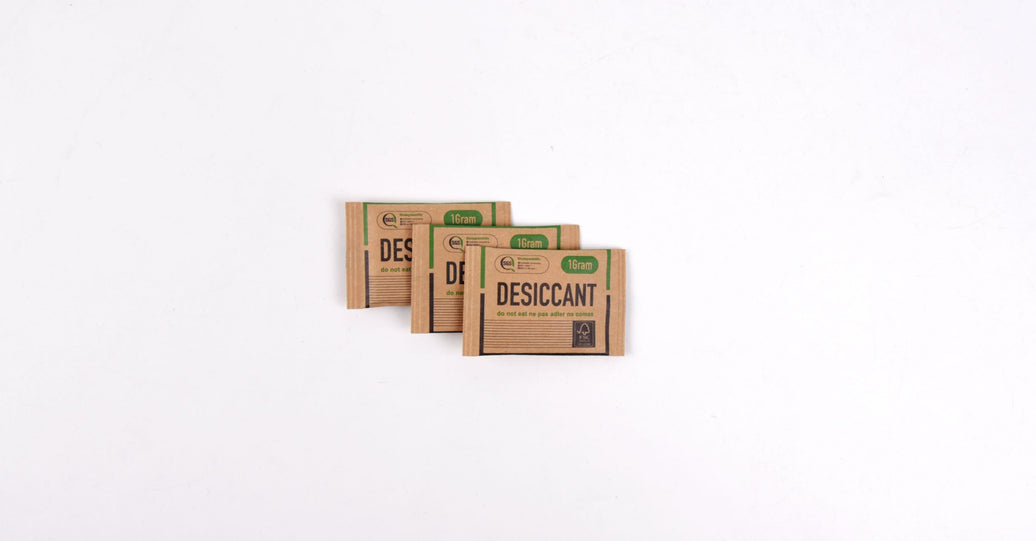
Only as a stopgap. Shipping sachets are sized for weeks in a barrier bag, not years in a breathing enclosure, and they are not designed to be mounted safely near live parts.
Do heaters solve this instead?
Anti-condensation heaters work by keeping surfaces above dew point, and they consume power continuously and add a failure mode. Passive moisture control complements them and covers the periods when they are off.
What about salt-laden coastal and offshore sites?
Salt deposits are hygroscopic, so corrosion begins at a lower relative humidity than inland. Tighten the humidity target and shorten the inspection interval.
Condensation inside your enclosures?
Send the enclosure volume, site climate and service interval. Our team will size a moisture control element and tell you where to mount it.
Prefer email? info@atmosiscience.com