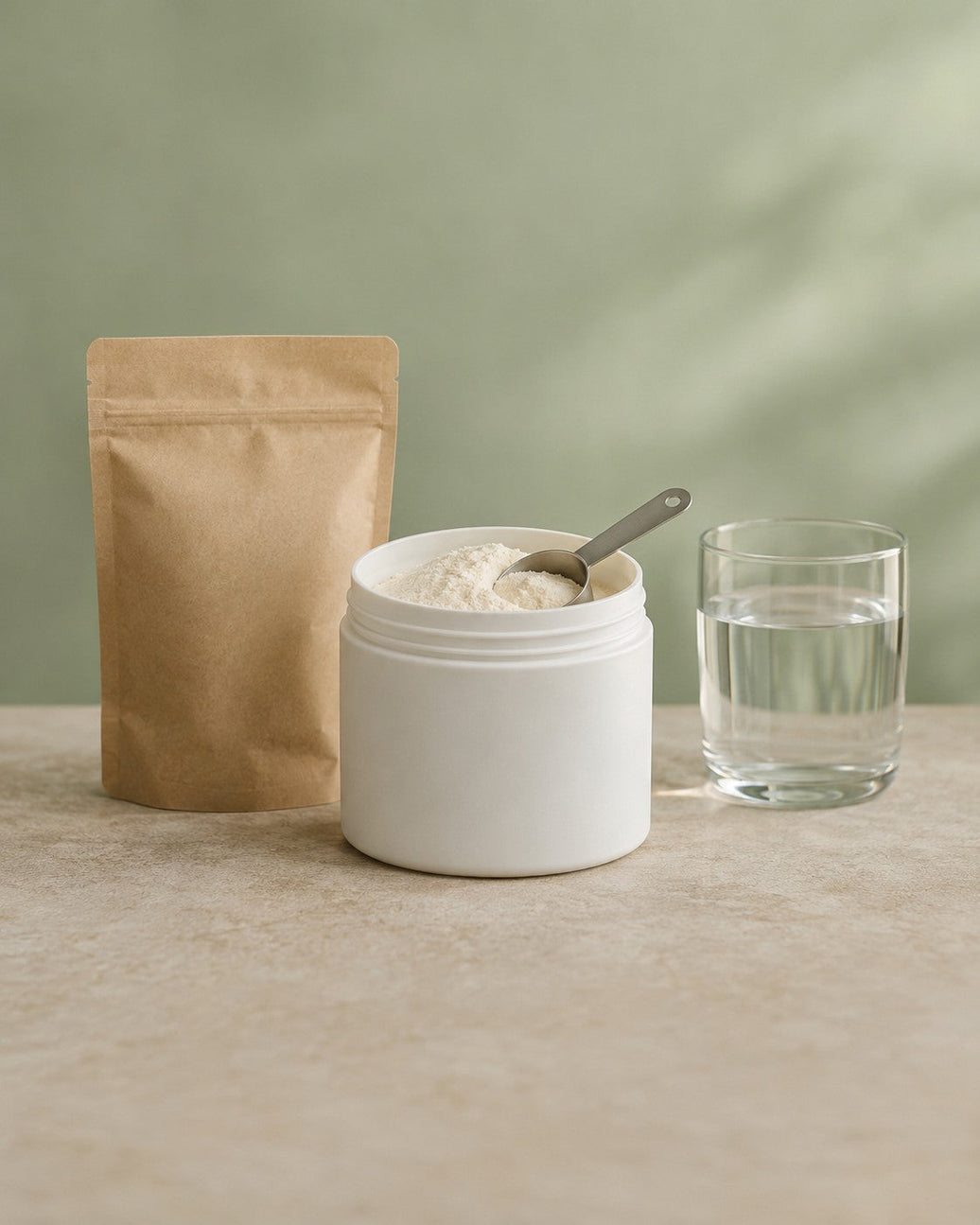
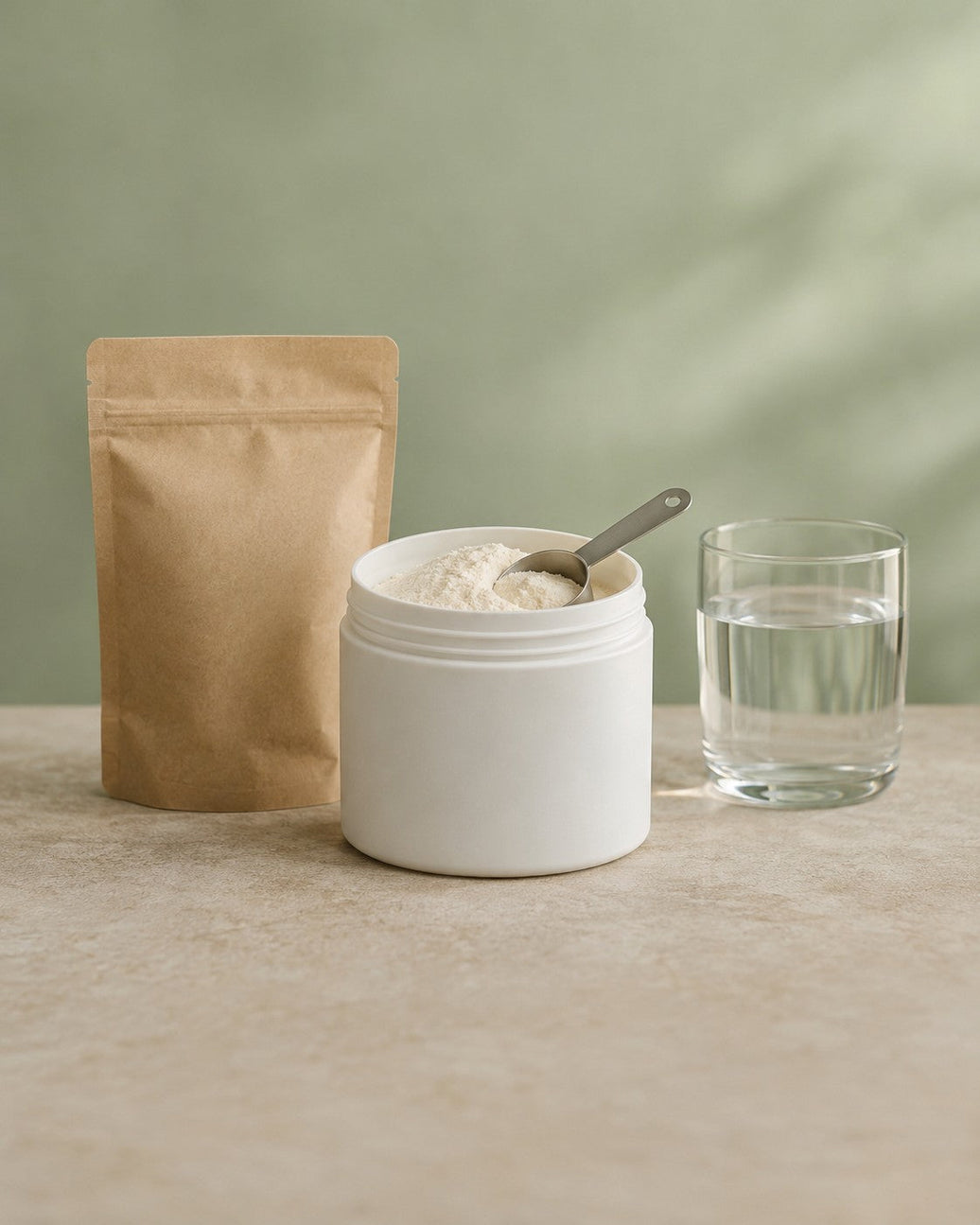
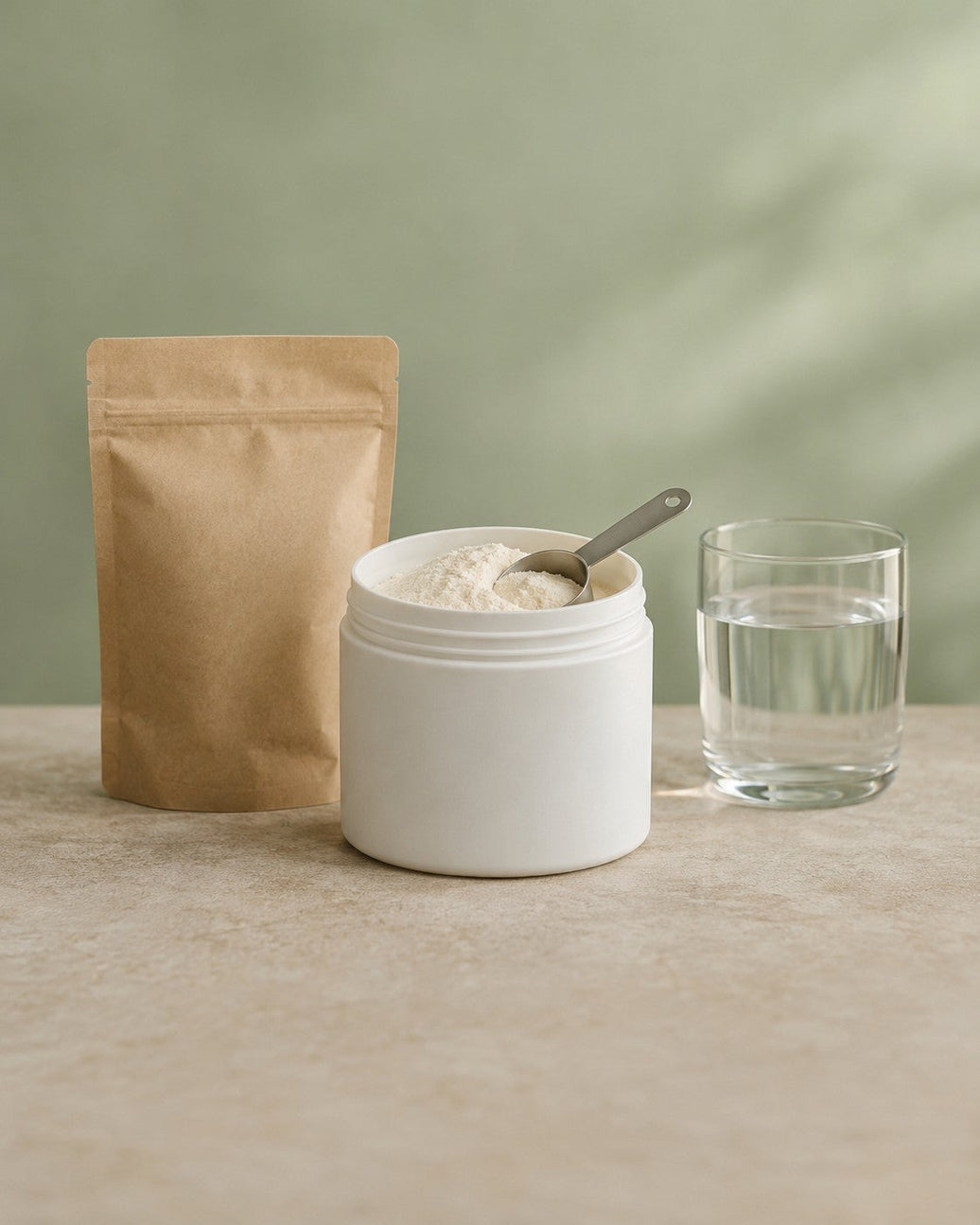
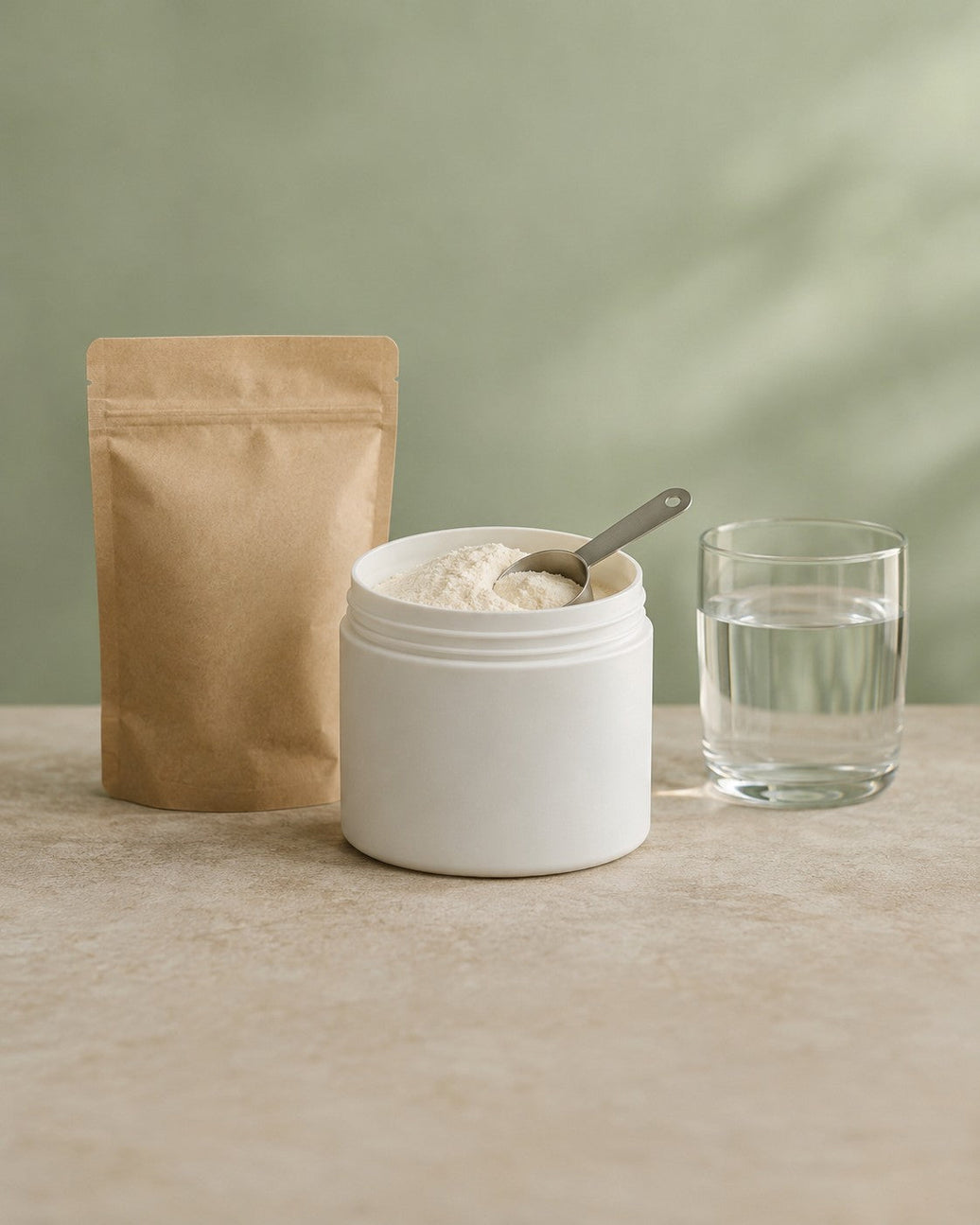
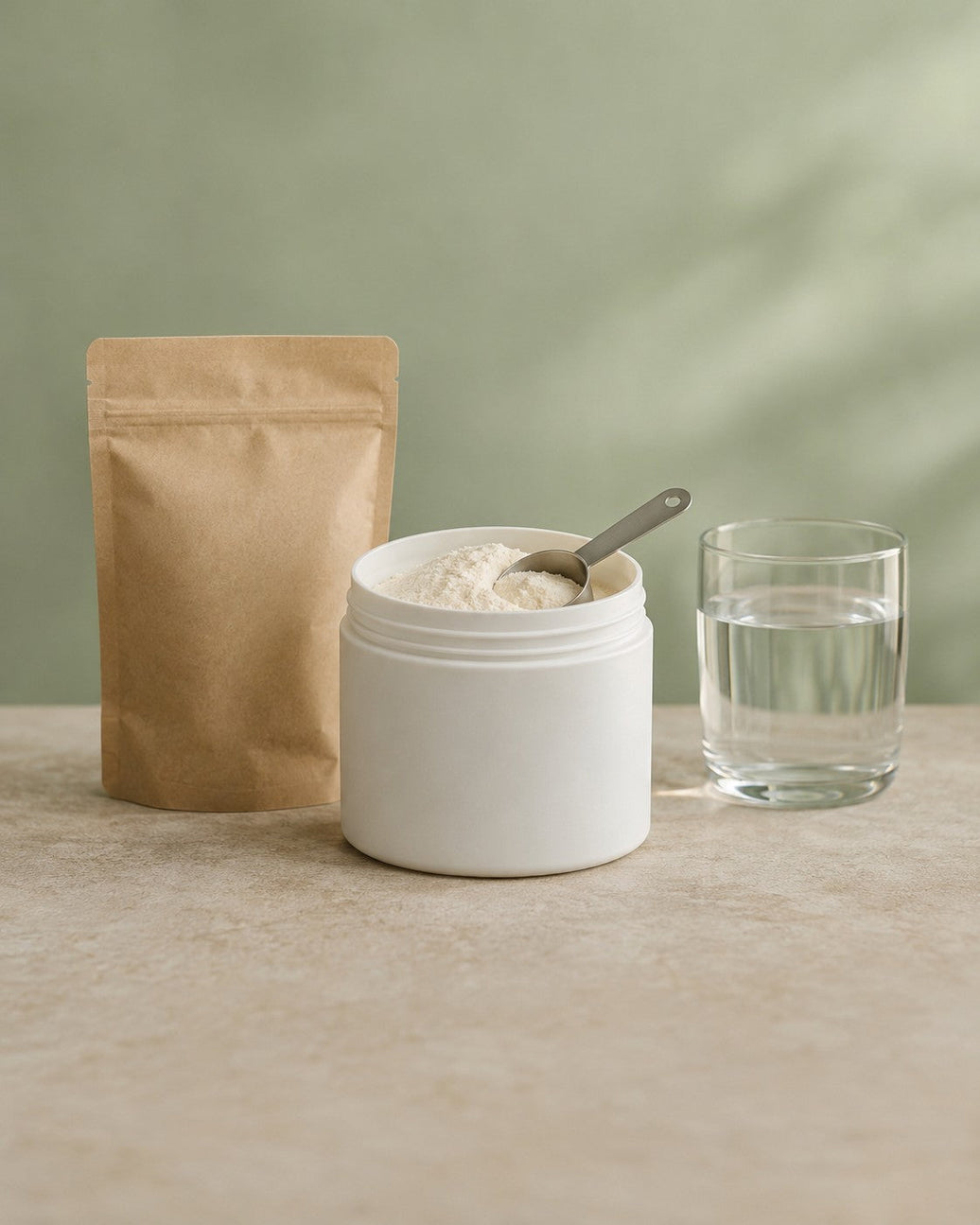
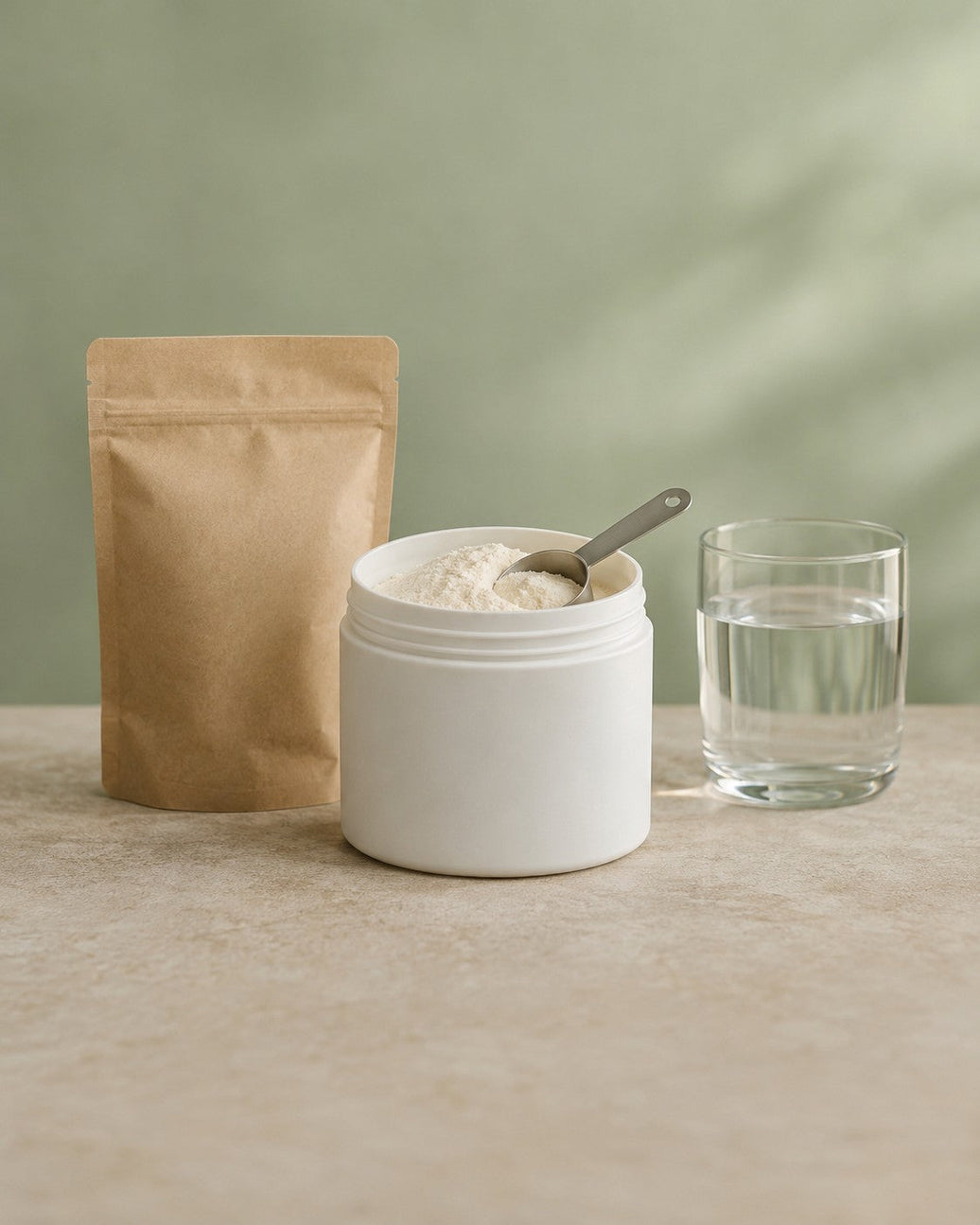
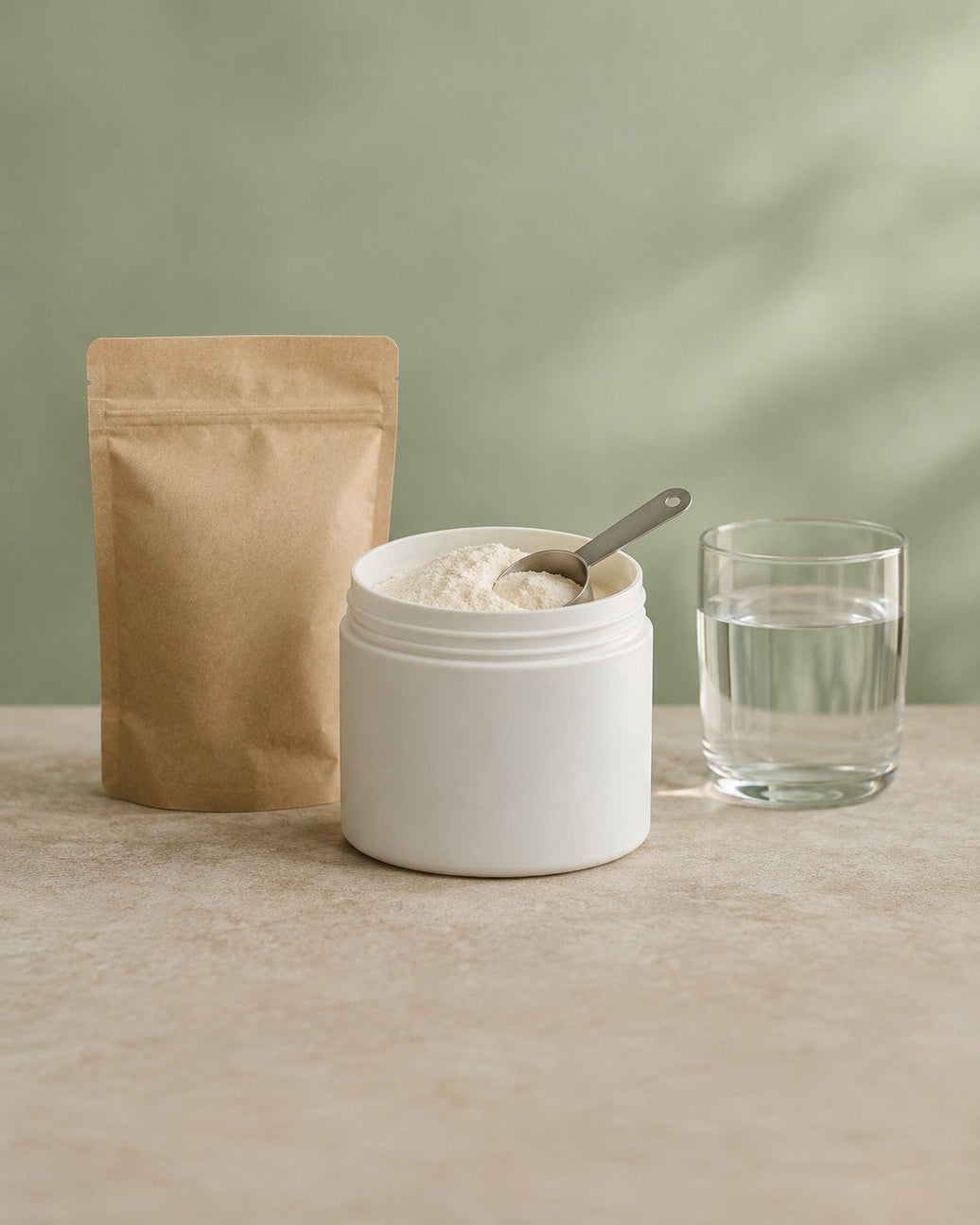
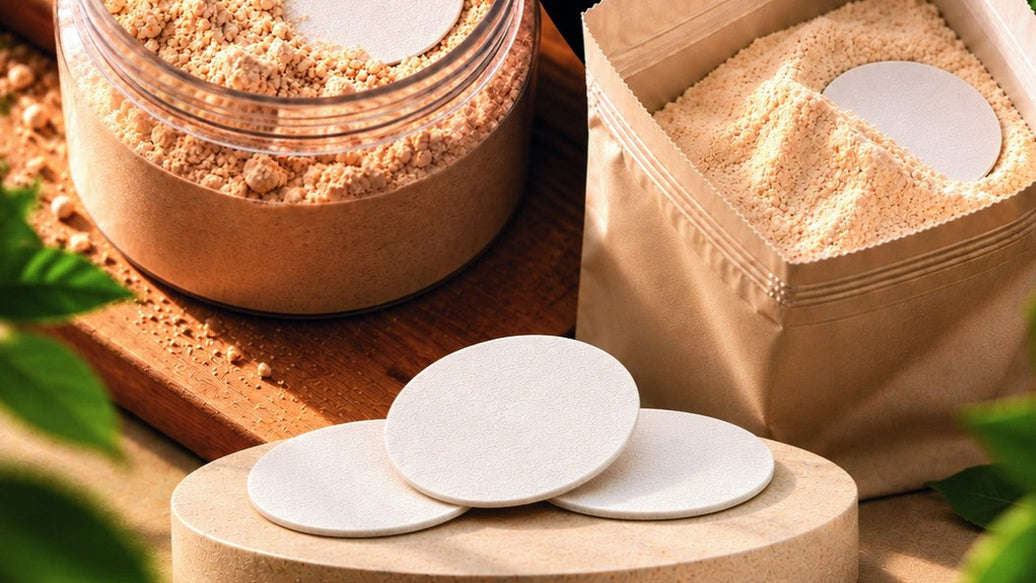
Paper canisters, also called composite cans or paper tubes, are a popular swap for plastic tubs. The paper itself is not a moisture barrier. Protection comes from the inner liner, the bottom seam, the membrane seal and the lid.
Barrier checklist
| Part | Ask your supplier |
|---|---|
| Inner liner | Material and WVTR at stated conditions |
| Bottom | Paper or metal end? How is it sealed? |
| Top seal | Peelable membrane? Induction seal? |
| Lid | Friction fit or screw? Gasket? |
| Humidity in transit | Can the paper soften in humid containers? |
Desiccant sizing
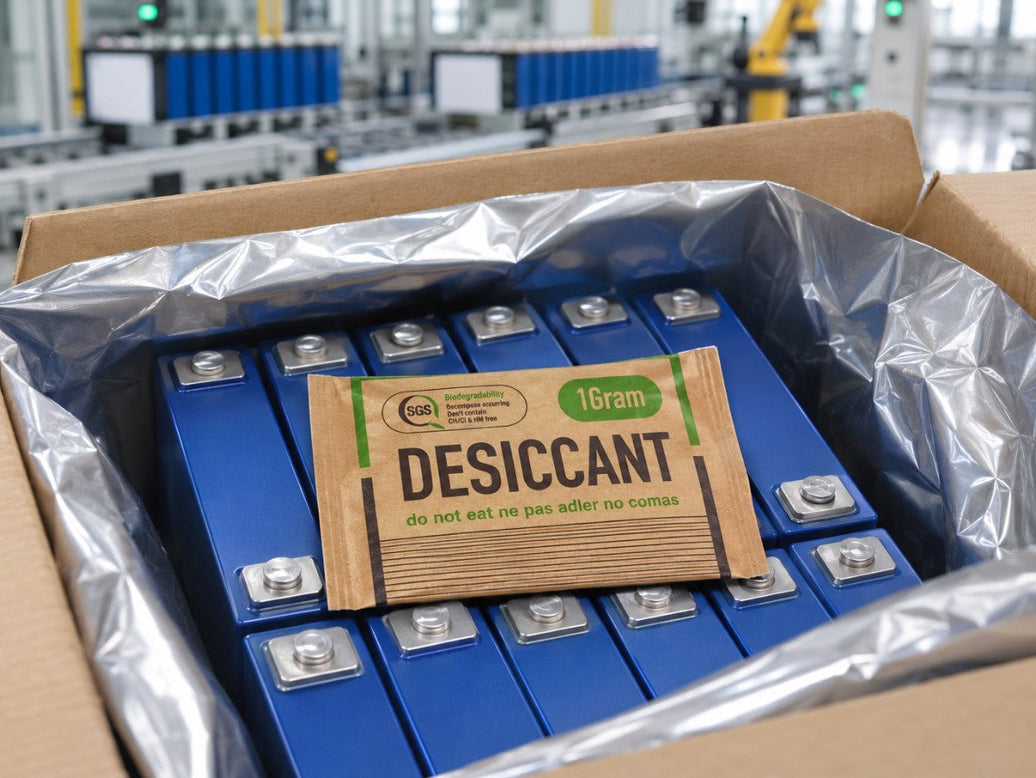
Size to the whole can's moisture ingress, which is set by the liner and seams, plus the use period after the membrane comes off. If you're moving from a plastic tub, don't assume the old desiccant amount still works. Test it.
Format
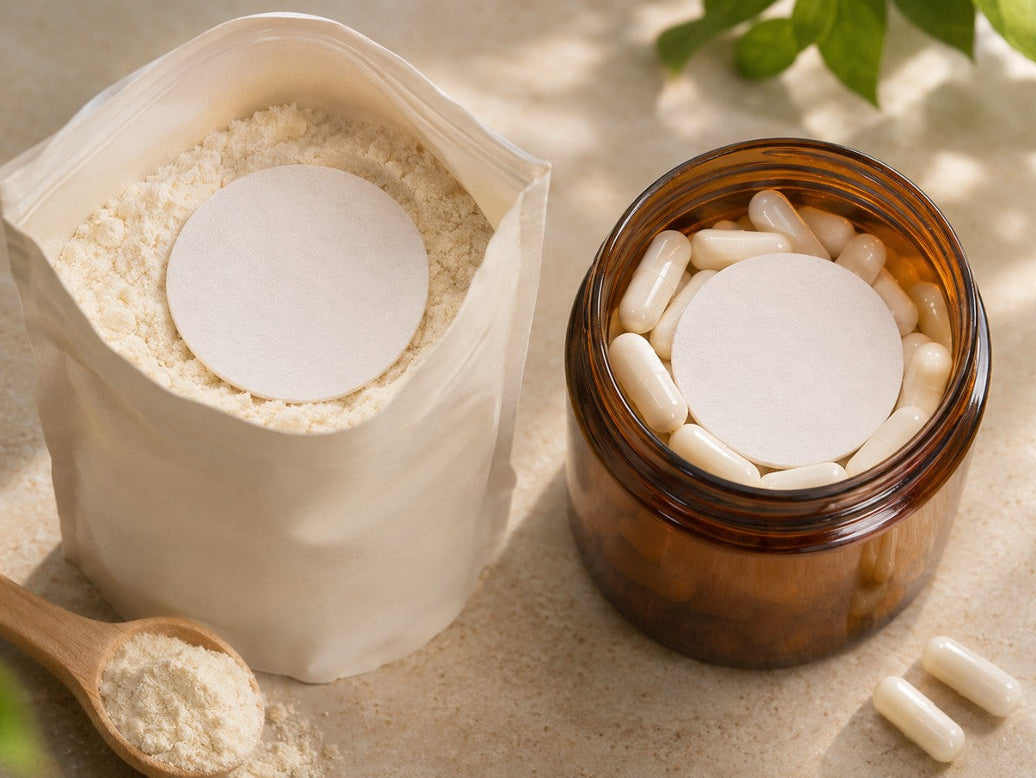
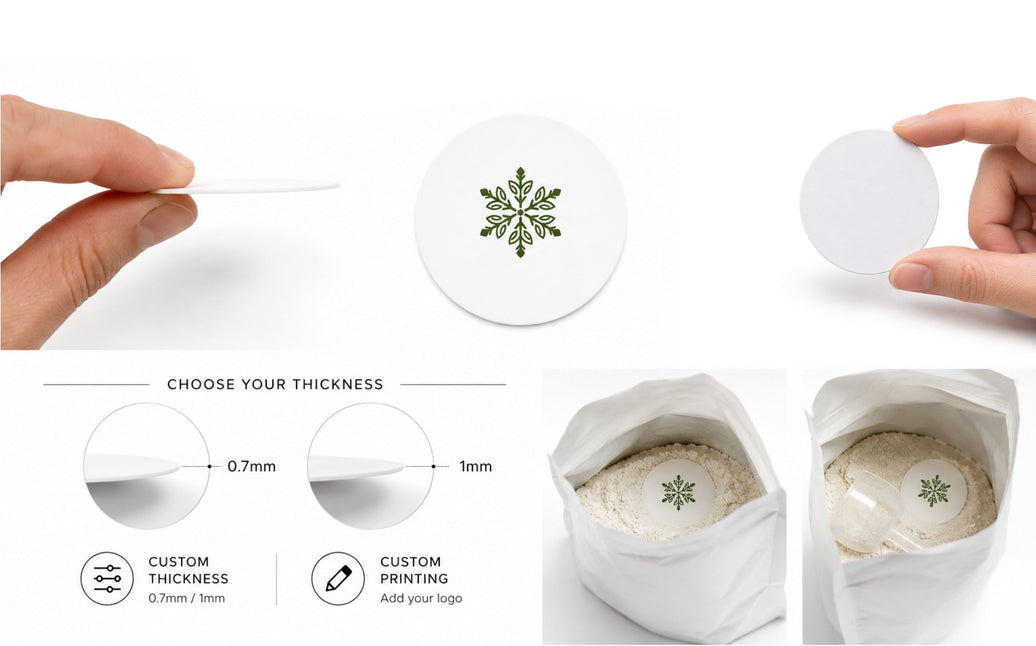
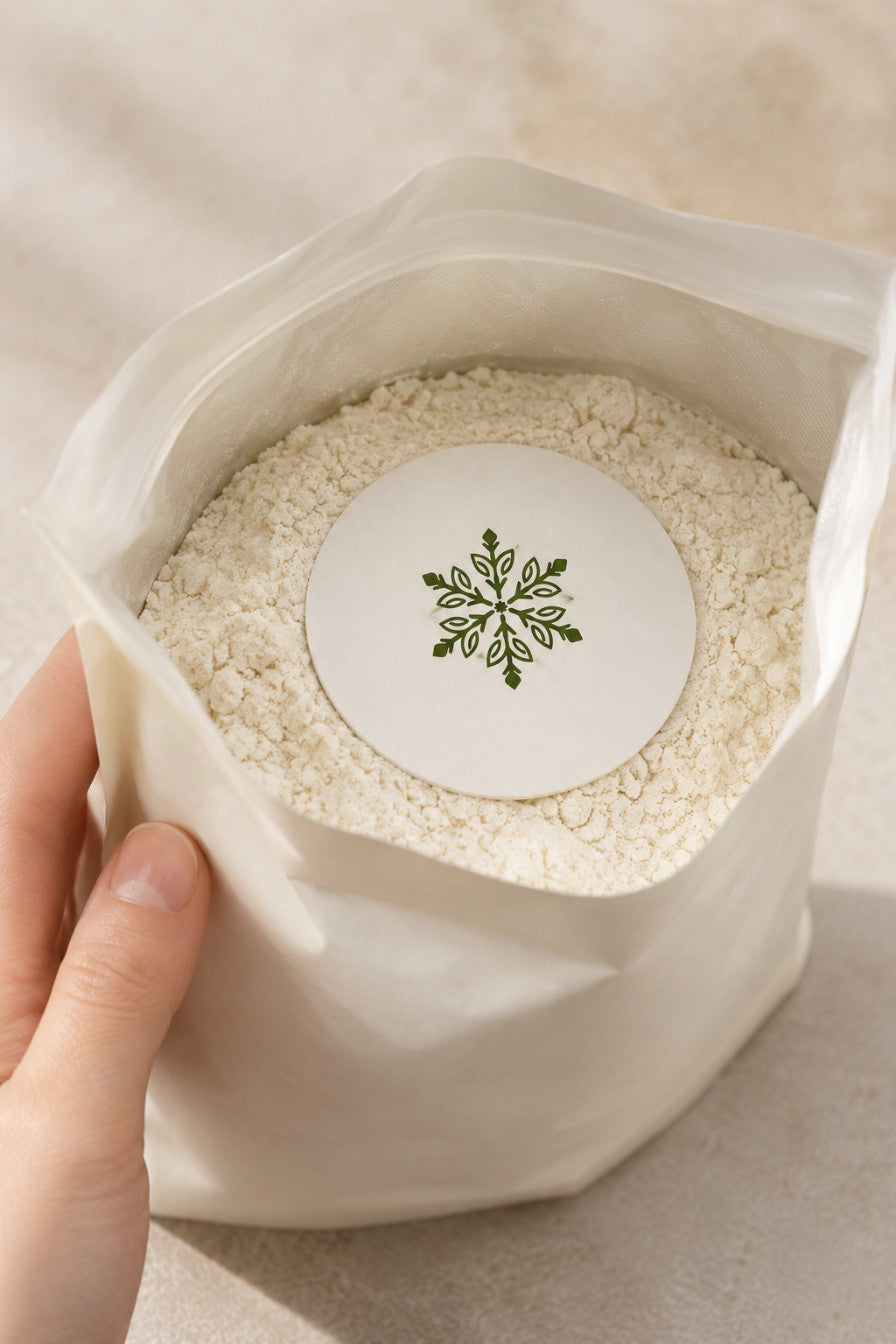
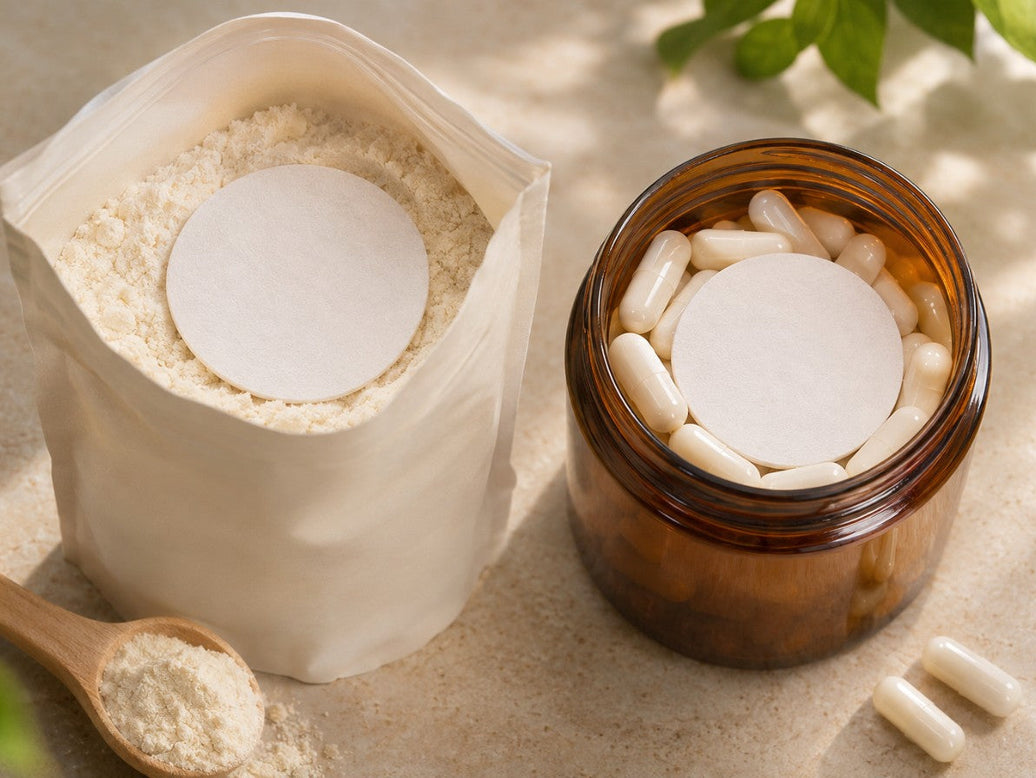
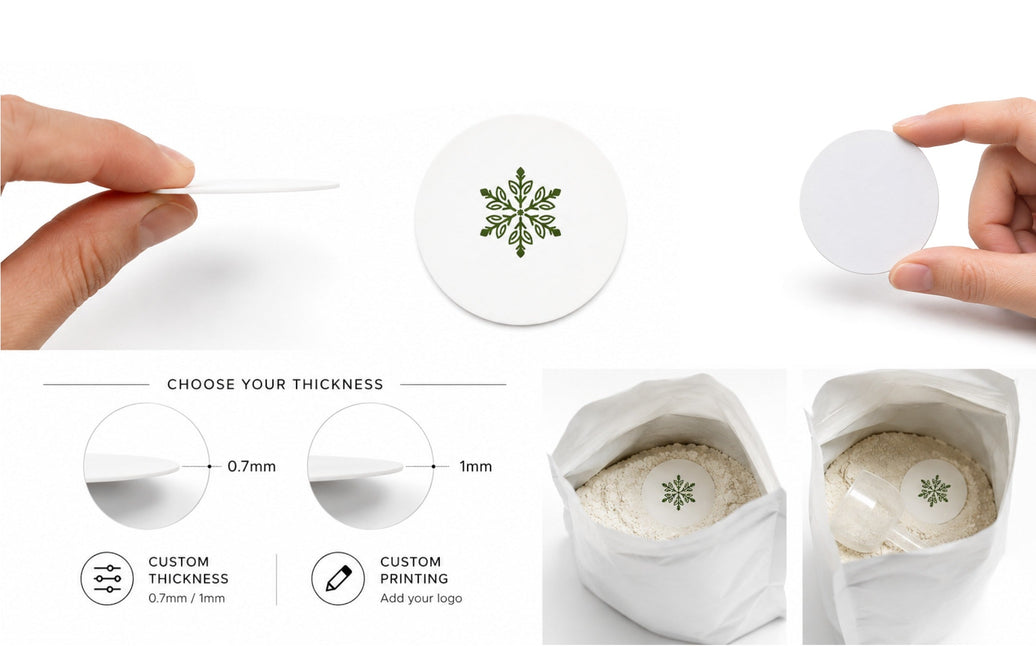
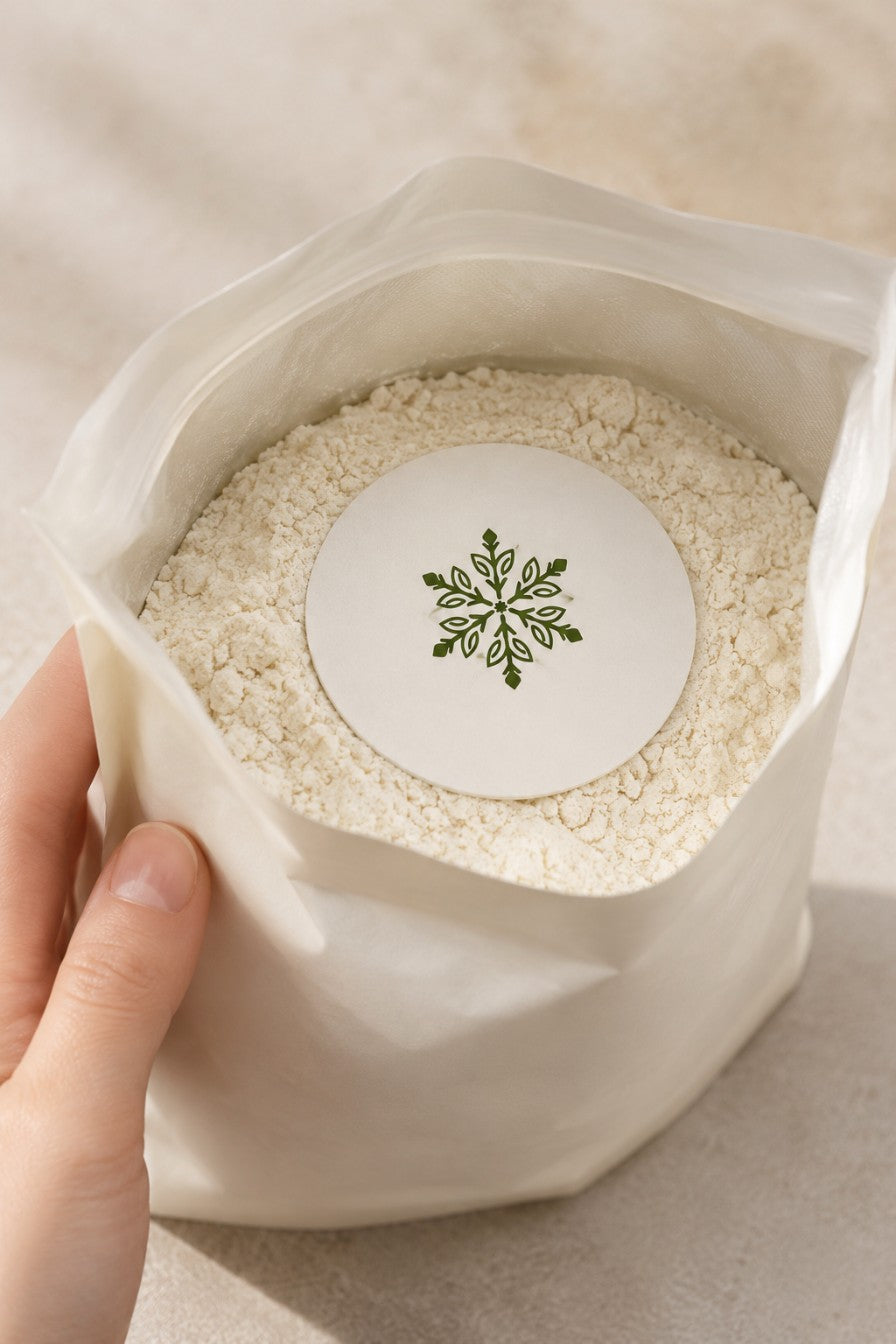
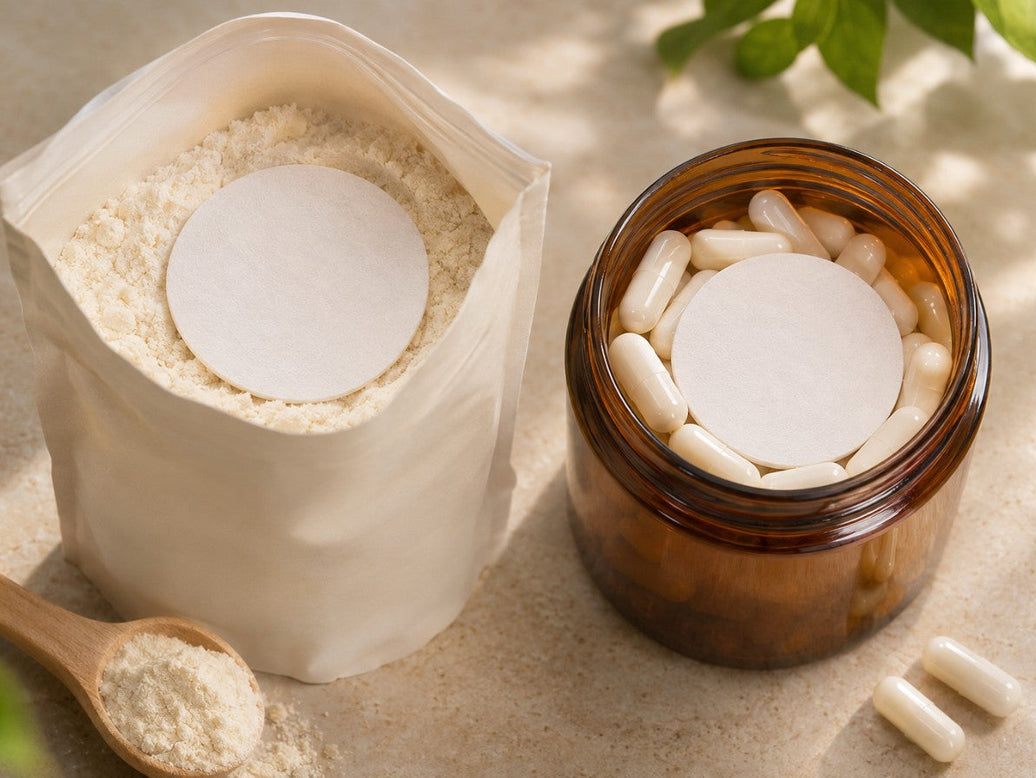
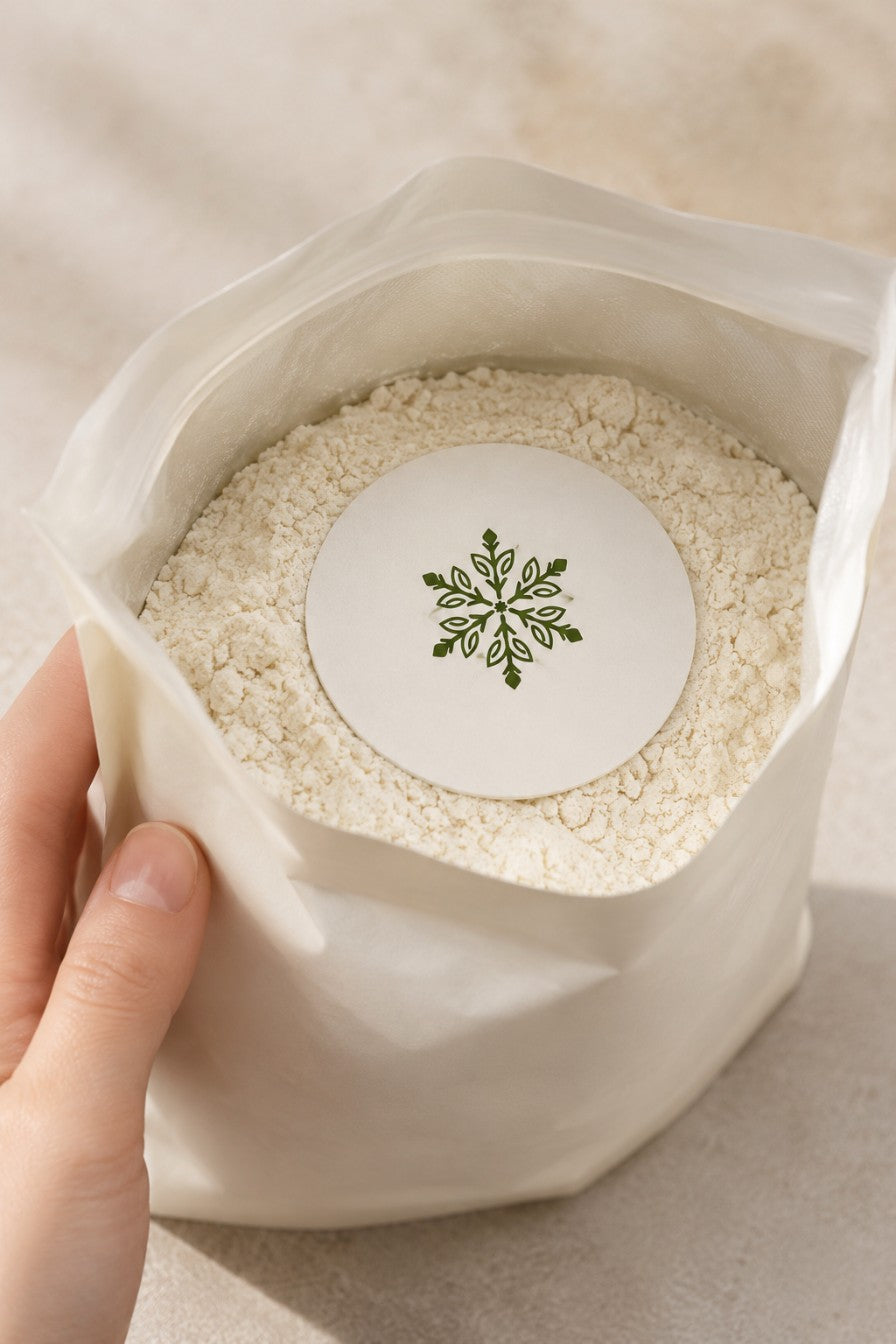
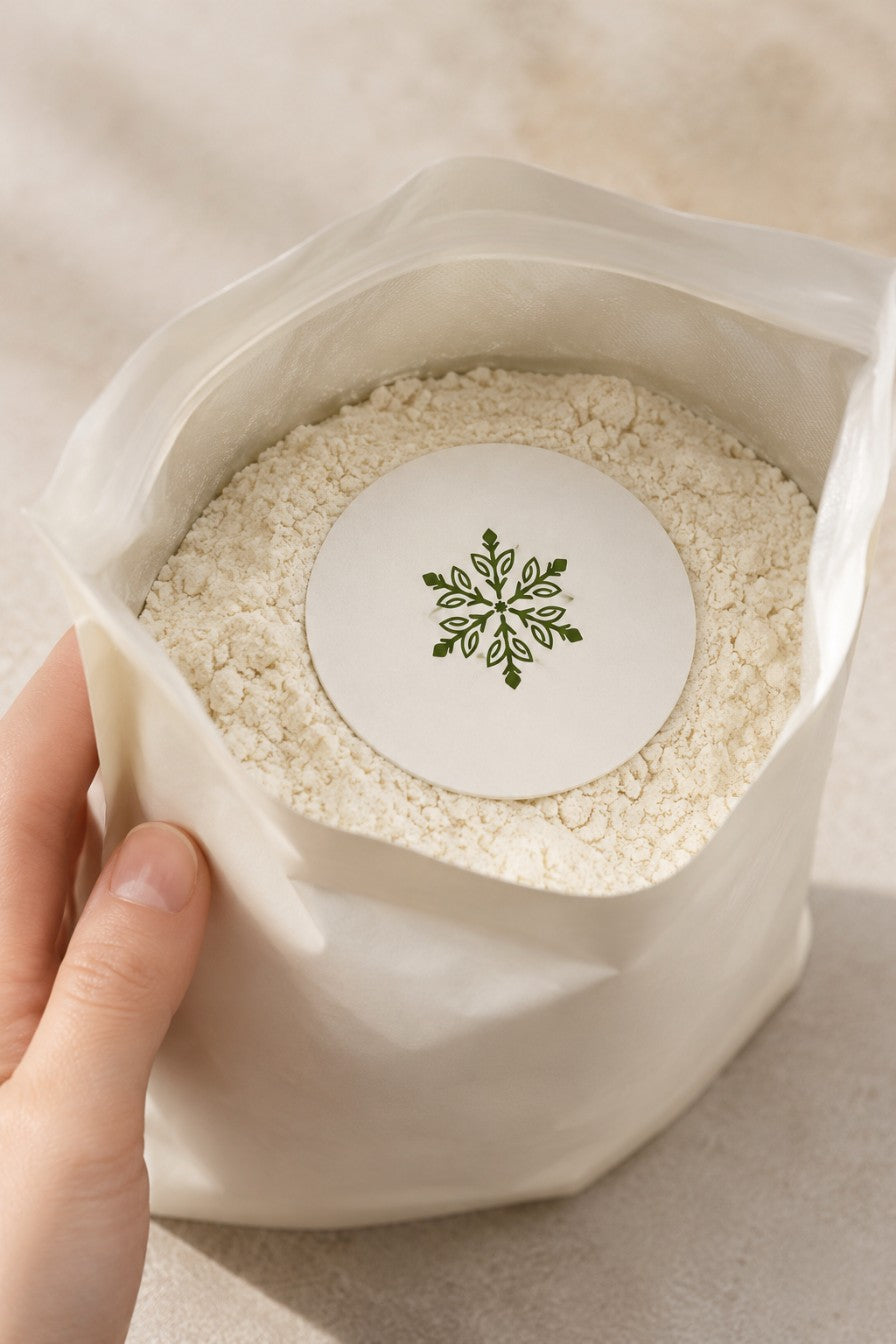
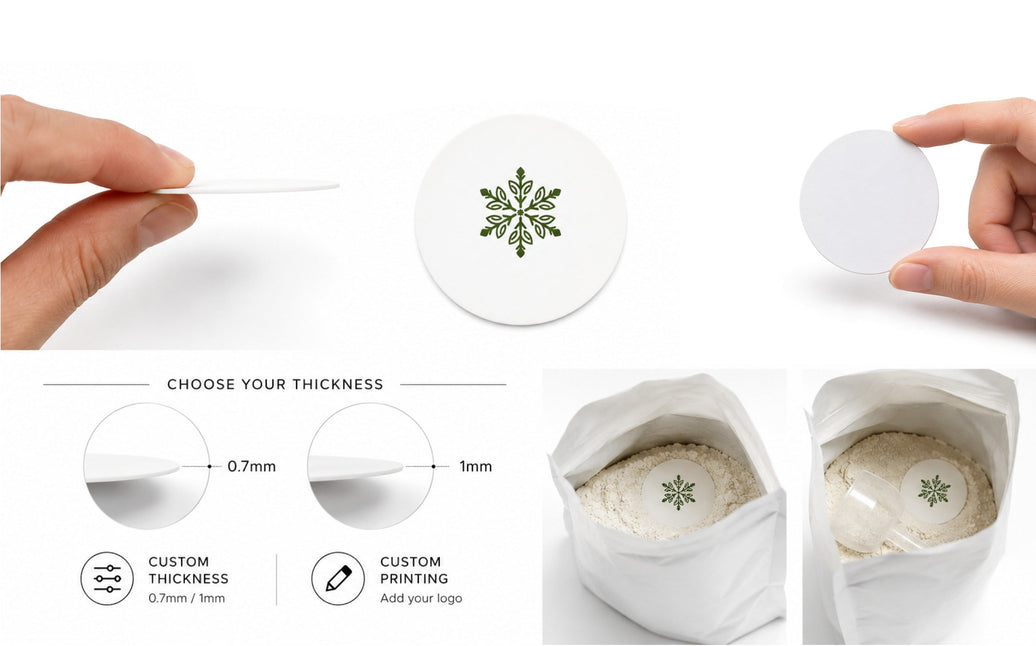
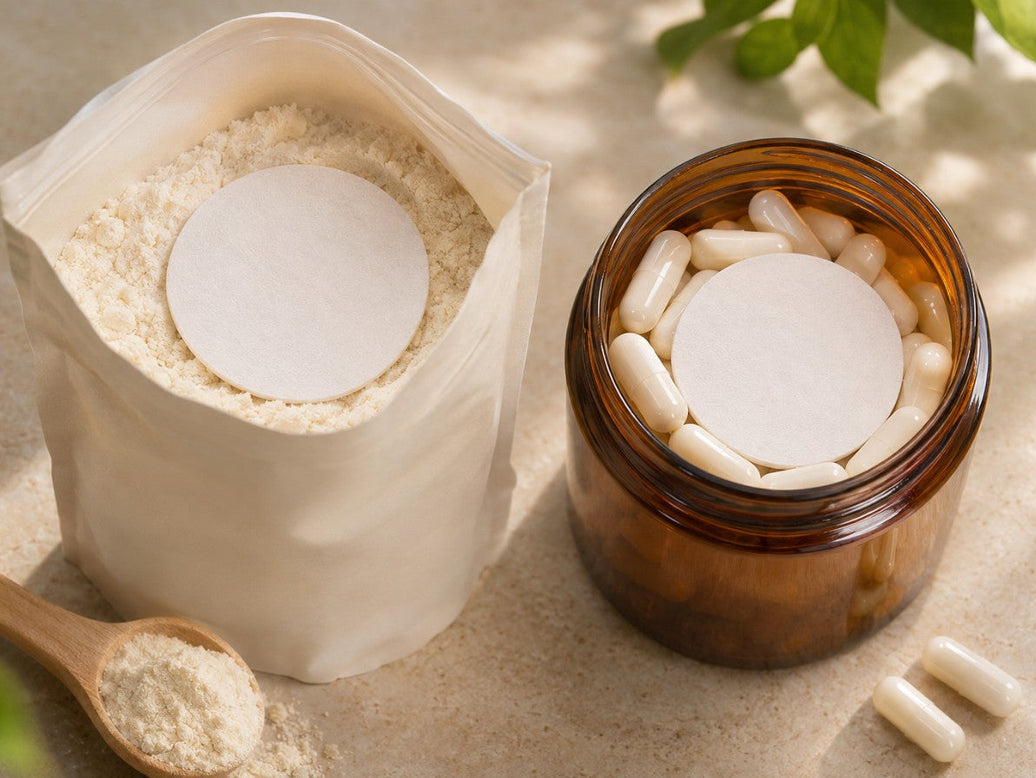
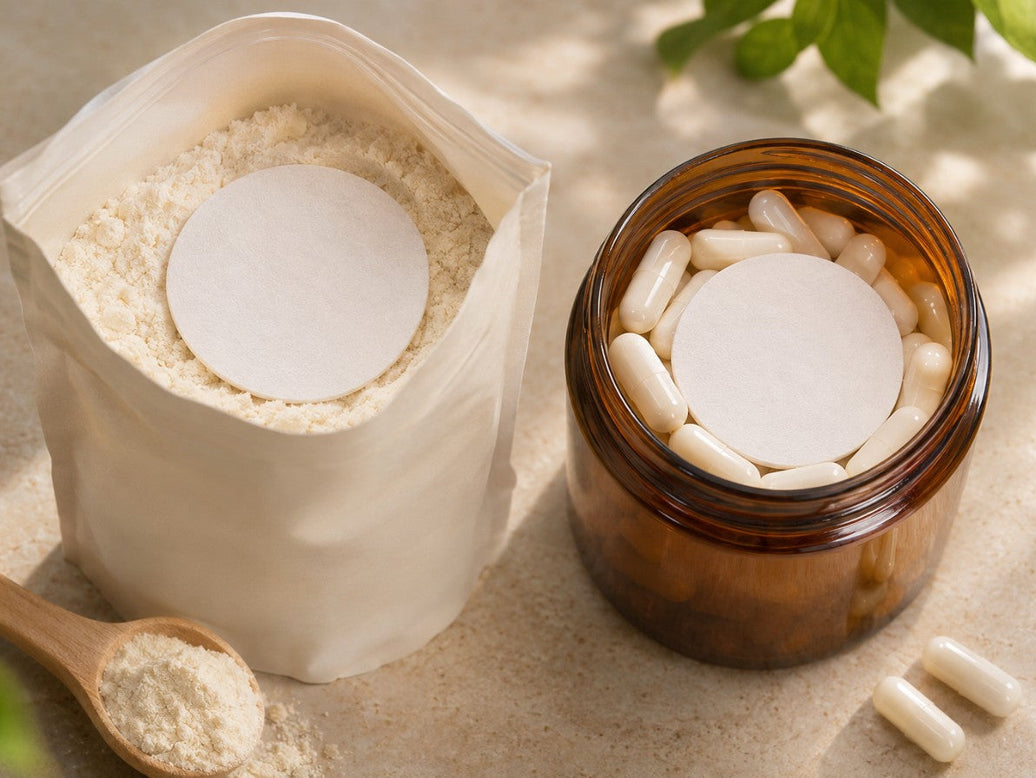
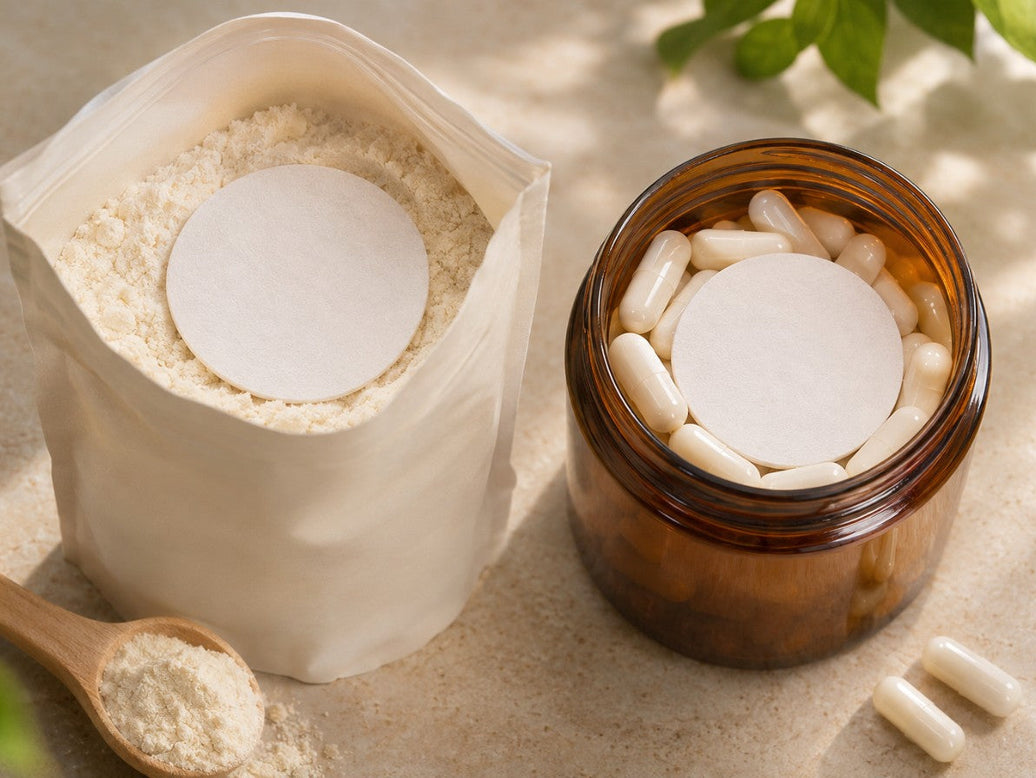
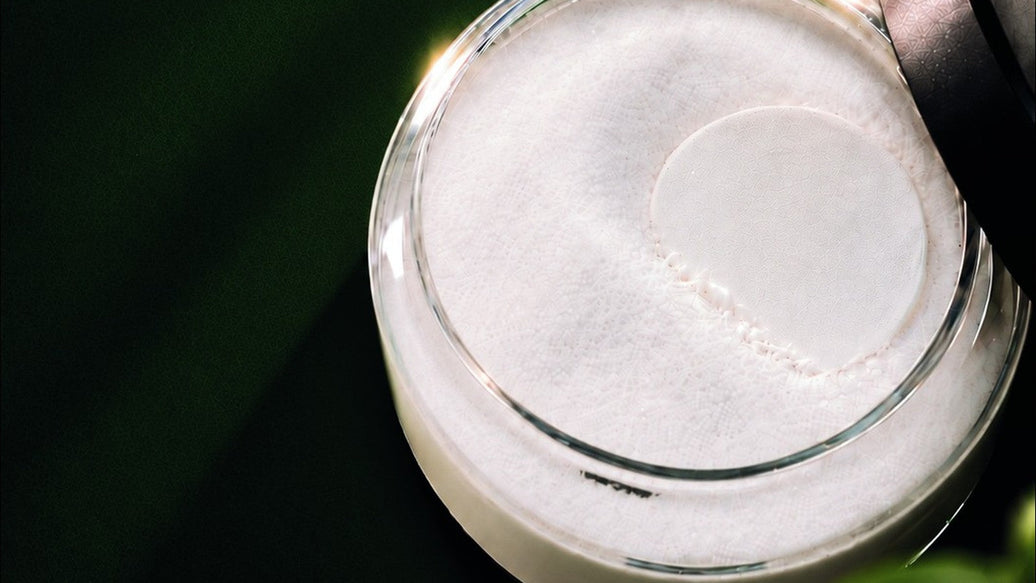
A flat card fits the curve of a can wall or sits under the lid without getting in the scoop's way. A printed card matches a premium canister. What is a desiccant card?
Launching in paper canisters?
Send the can size and liner spec. A real person will reply with sizing and samples.
Or email info@atmosiscience.com
FAQ
Are paper canisters moisture-proof?
Only as good as their liner, seams and lid.
Do paper canisters need desiccant?
For hygroscopic powders, usually yes.
Will the canister soften in humid shipping?
It can. Ask for performance data at high humidity.
Keep reading: Glass jars and tins · Paper pouches · Supplement packaging and paper desiccant