Moisture damage claims cluster in a few product types. If you ship any of these by sea, especially across hot, humid routes or between seasons, plan for humidity inside the package.
The ranking
| Rank | Cargo | Typical failure |
|---|---|---|
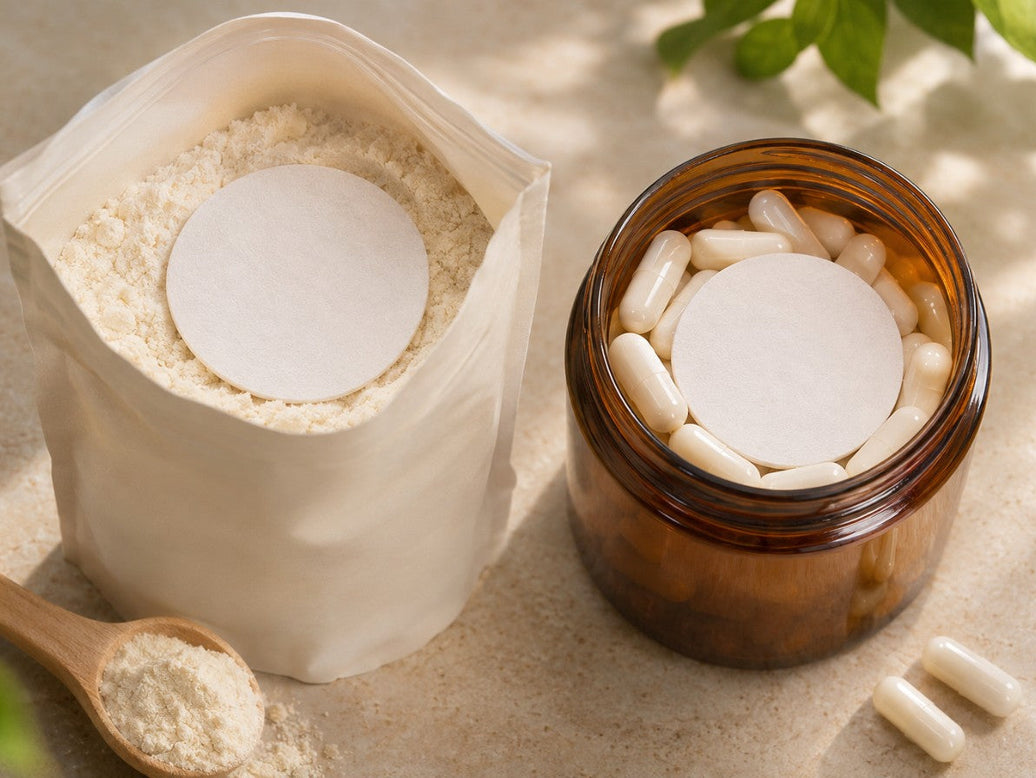
| 1 | Hygroscopic powders (supplements, food, chemicals) | Caking, clumping, microbial growth |
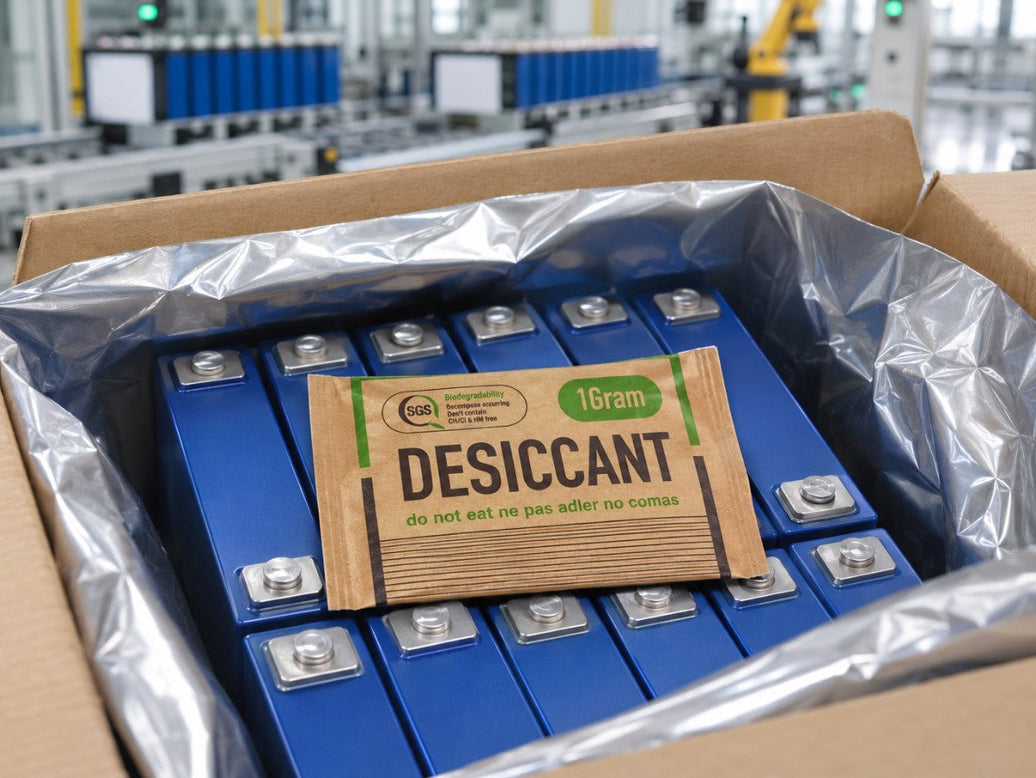
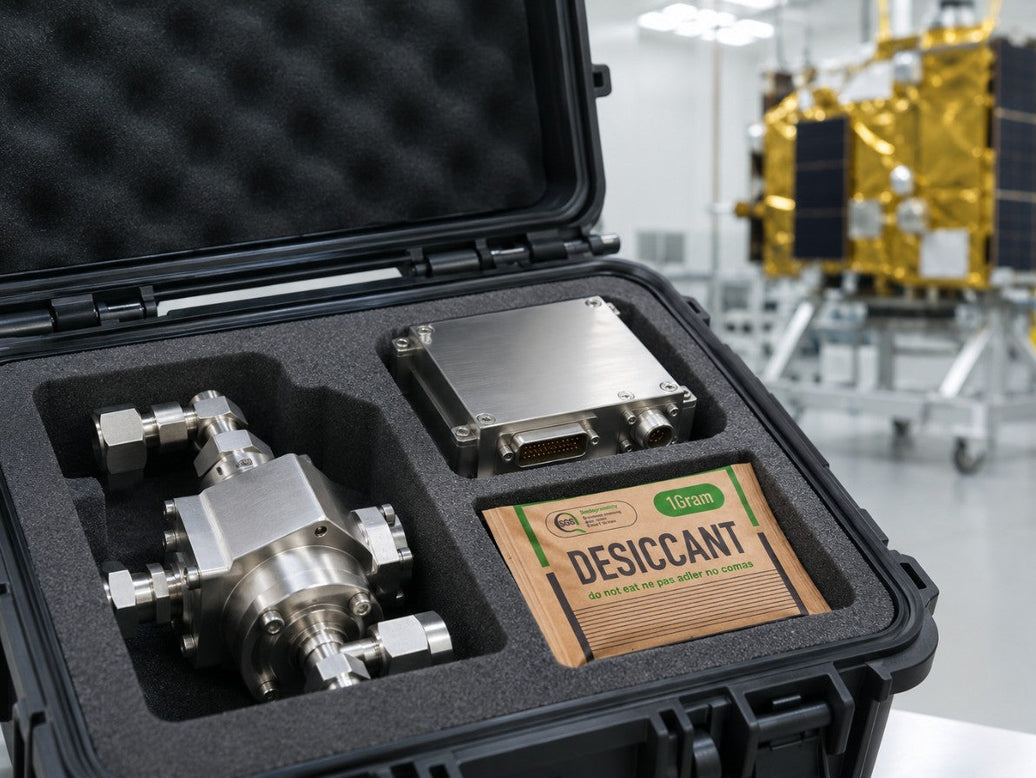
| 2 | Electronics and PCBs | Corrosion, moisture-sensitive components cracking at reflow |
| 3 | Bare metal parts and machinery | Rust |
| 4 | Leather goods and footwear | Mold, white bloom |
| 5 | Garments and textiles | Mildew, musty smell |
| 6 | Wooden furniture and toys | Mold, swelling, warping |
| 7 | Paper, labels and cartons | Softening, collapse, mold |
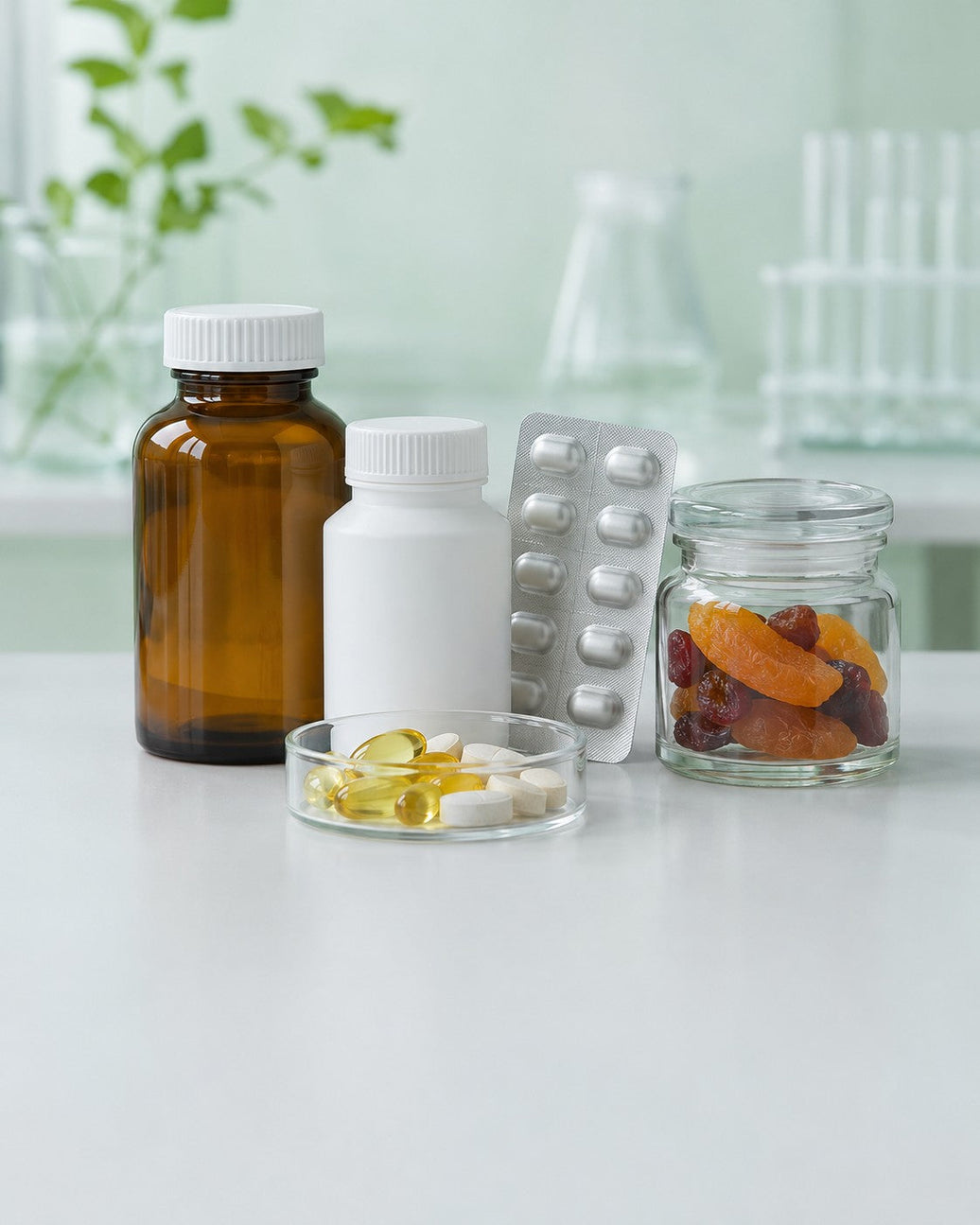
| 8 | Pharma and diagnostics | Stability loss, out-of-spec results |
Pharma ranks last only because it's usually packed carefully already; the consequences are the most serious.
Protection by type
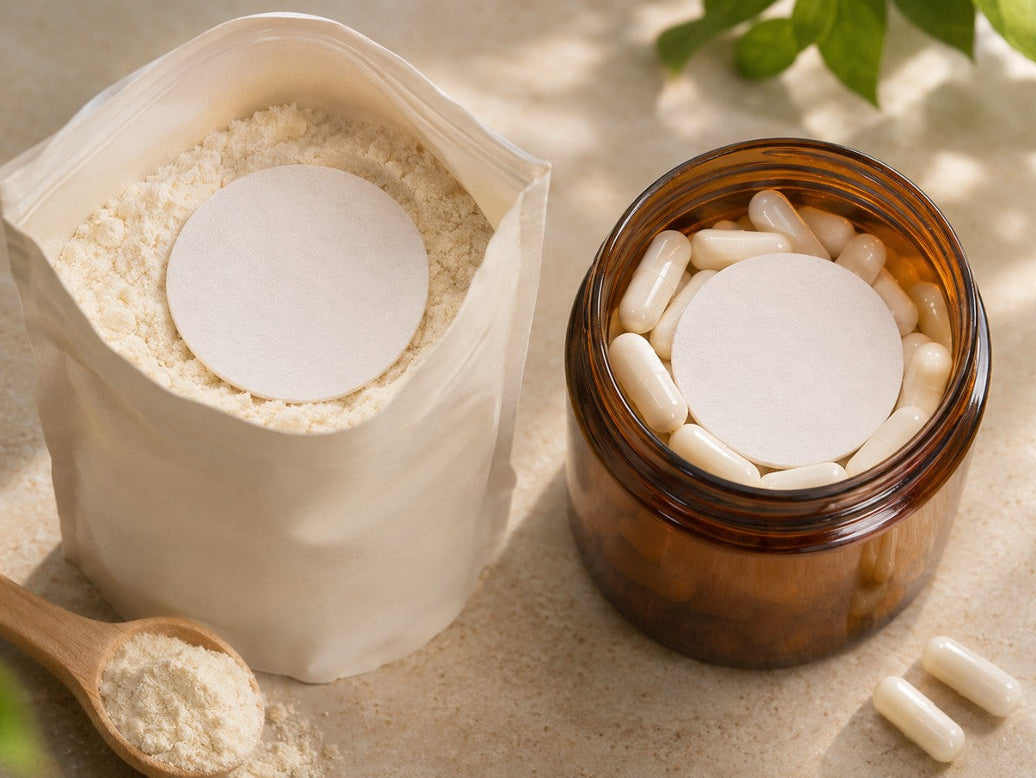
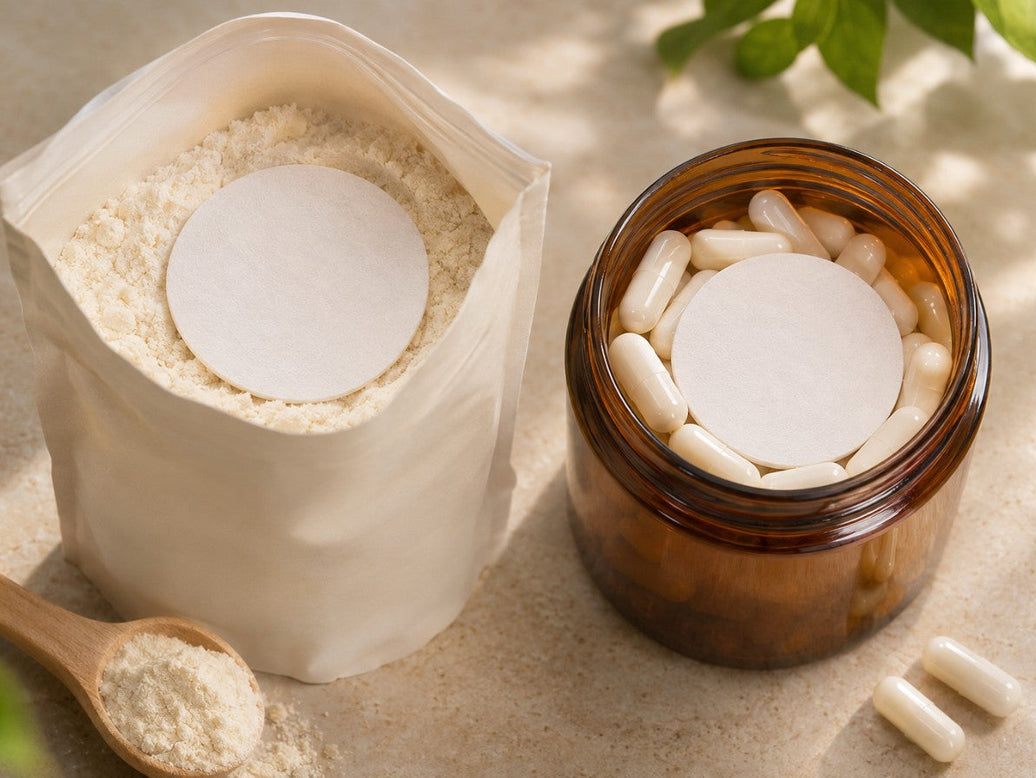
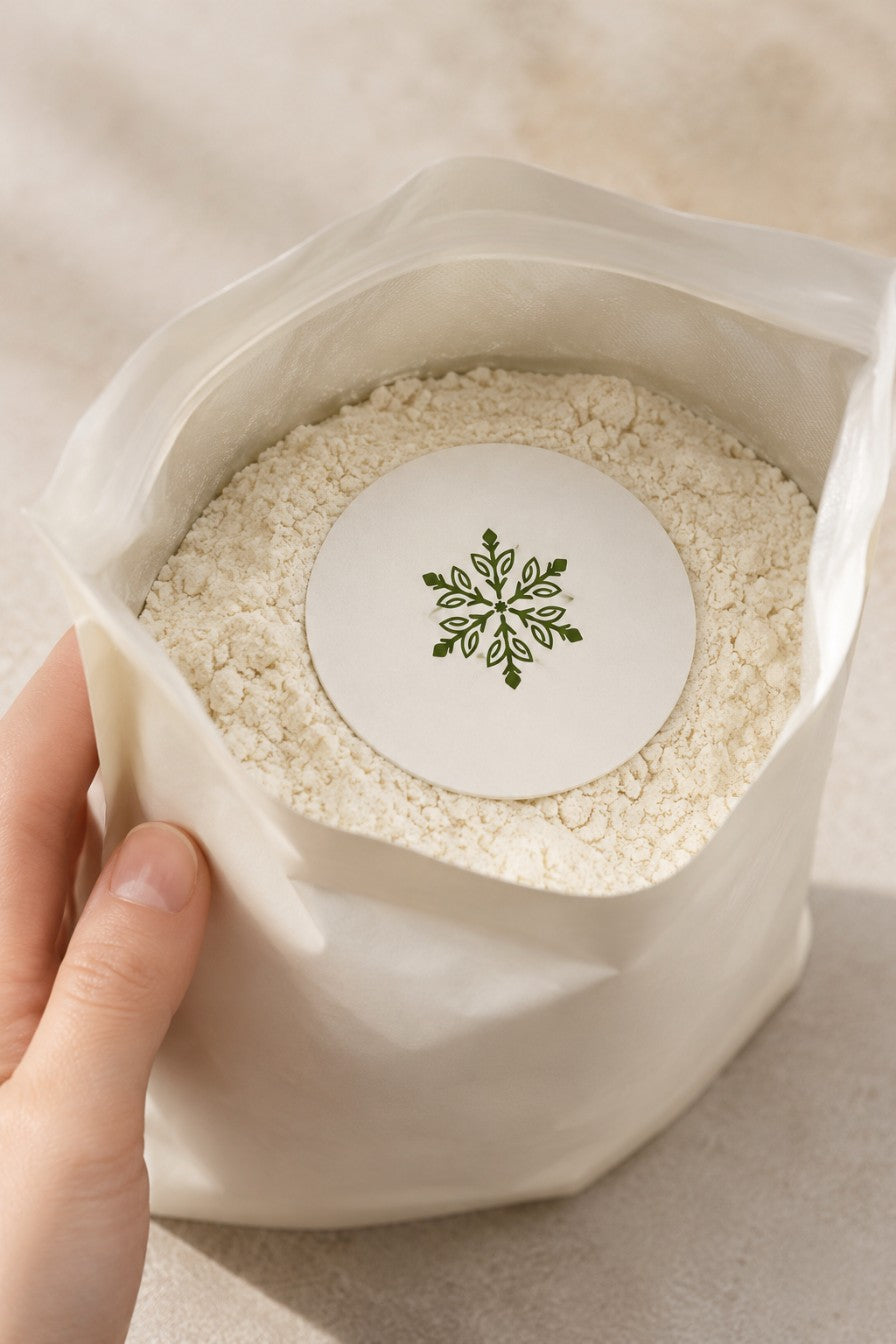
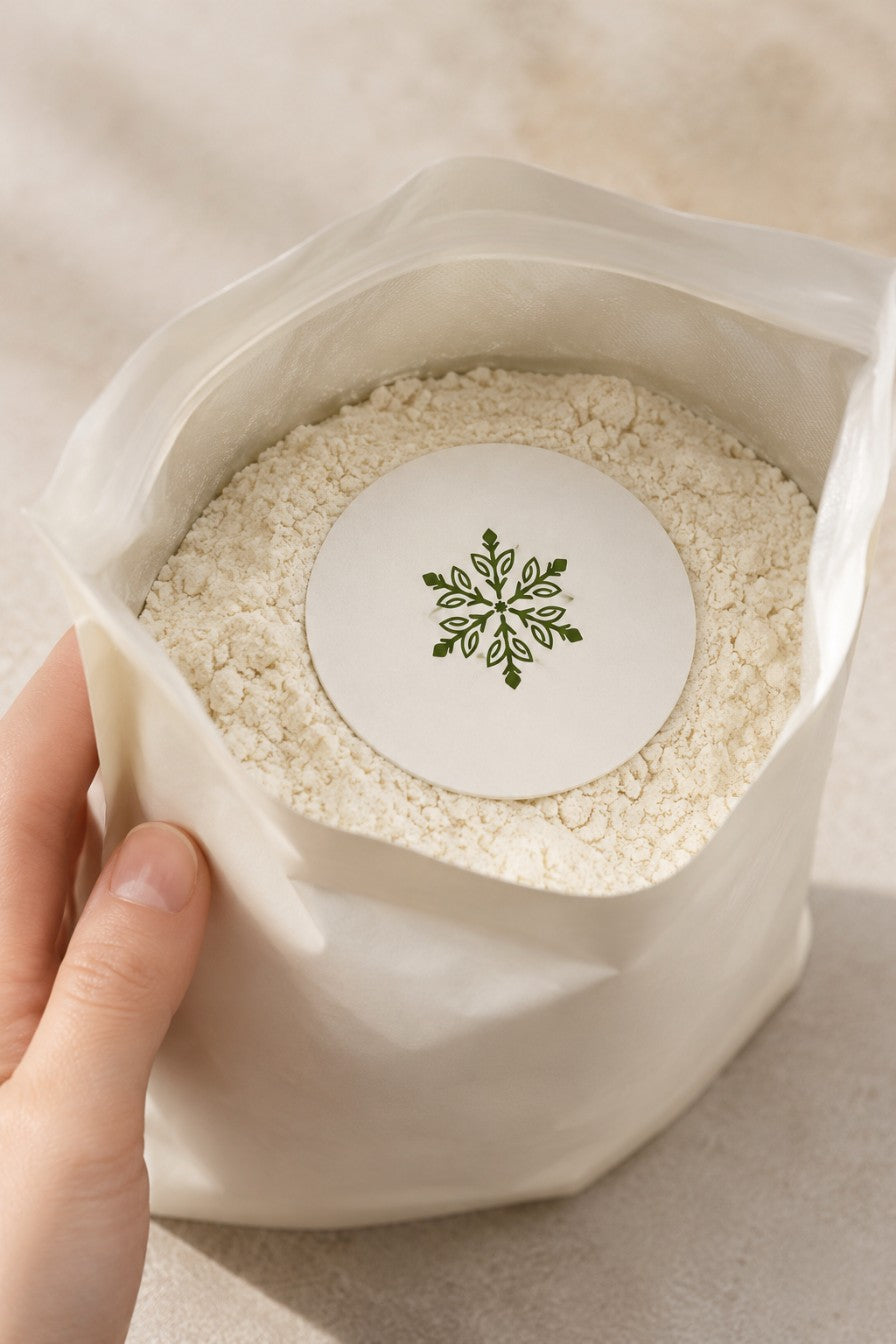
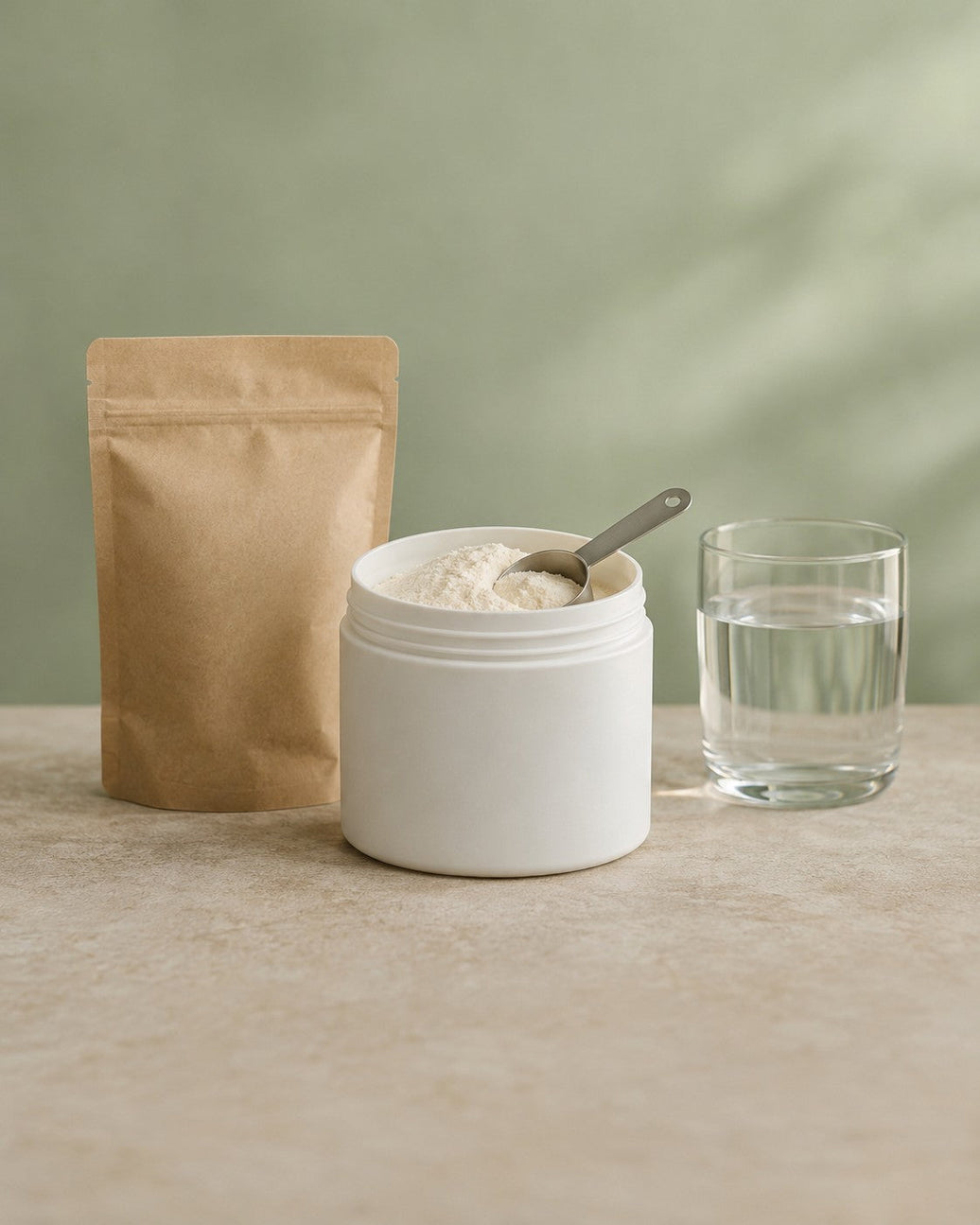
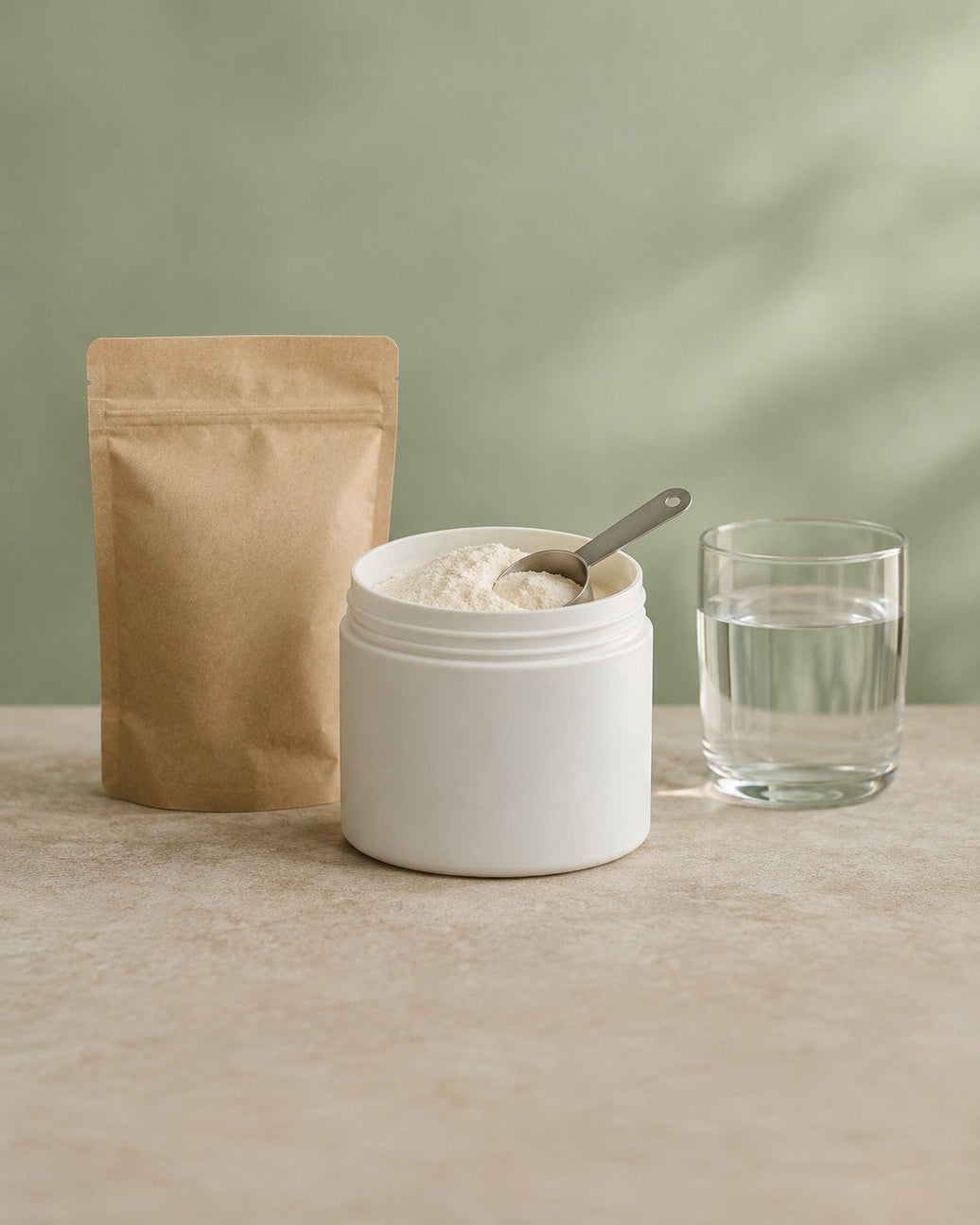
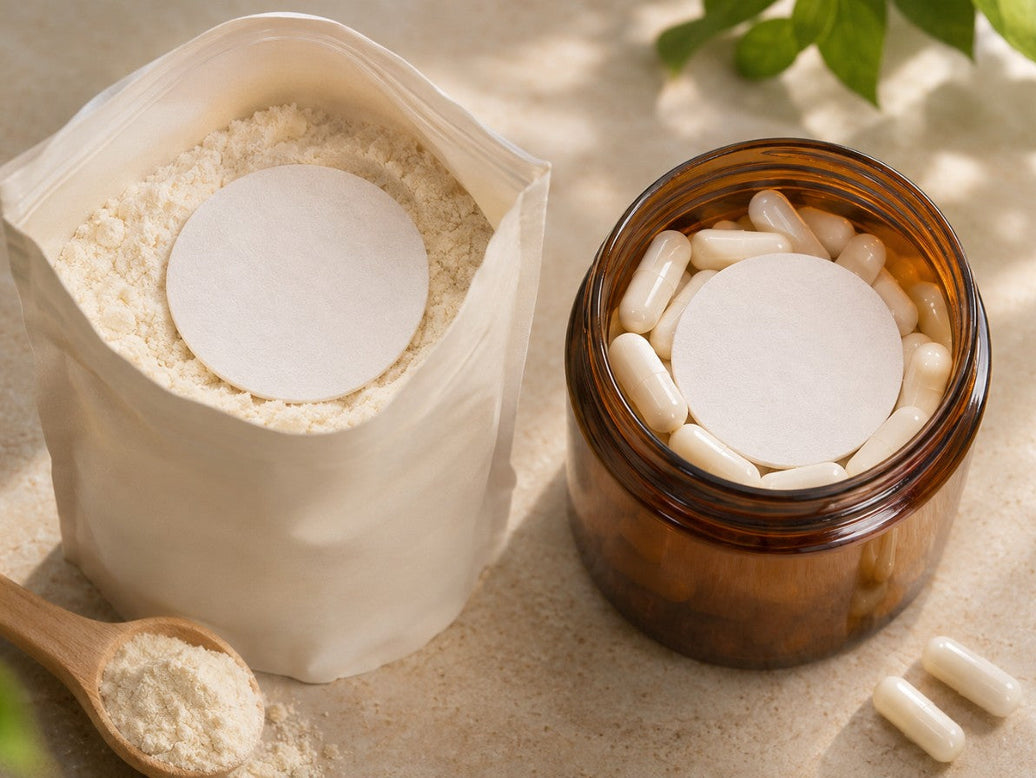
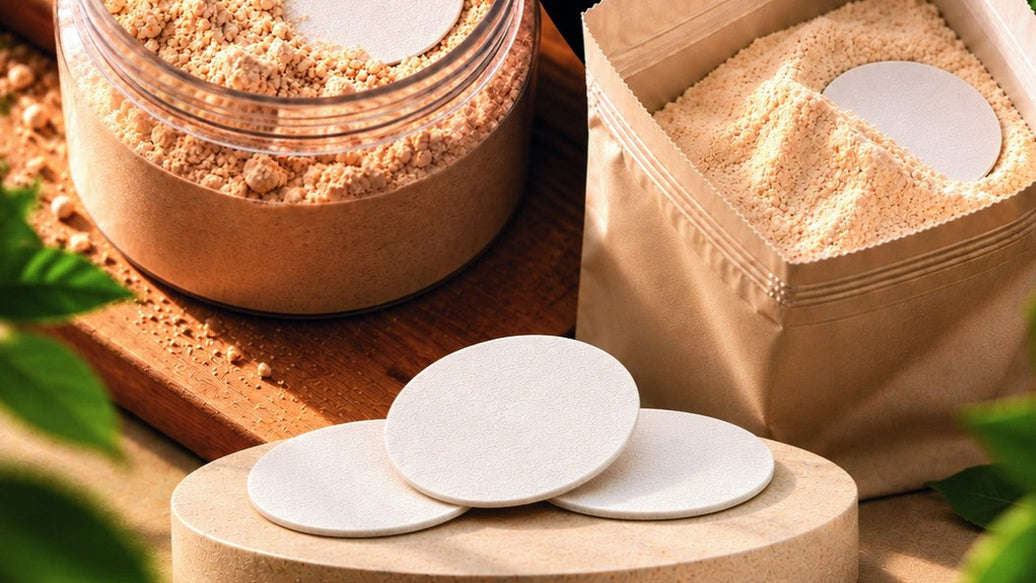
- Powders: barrier packaging plus desiccant sized to the pack. See why powders cake
- Electronics: dry packs to J-STD-033 with indicator cards
- Metal: rust checklist
- Leather and garments: dry before packing, desiccant in cartons. See garments and leather
- Wood: dry timber, container desiccant, carton desiccant
Talk to us
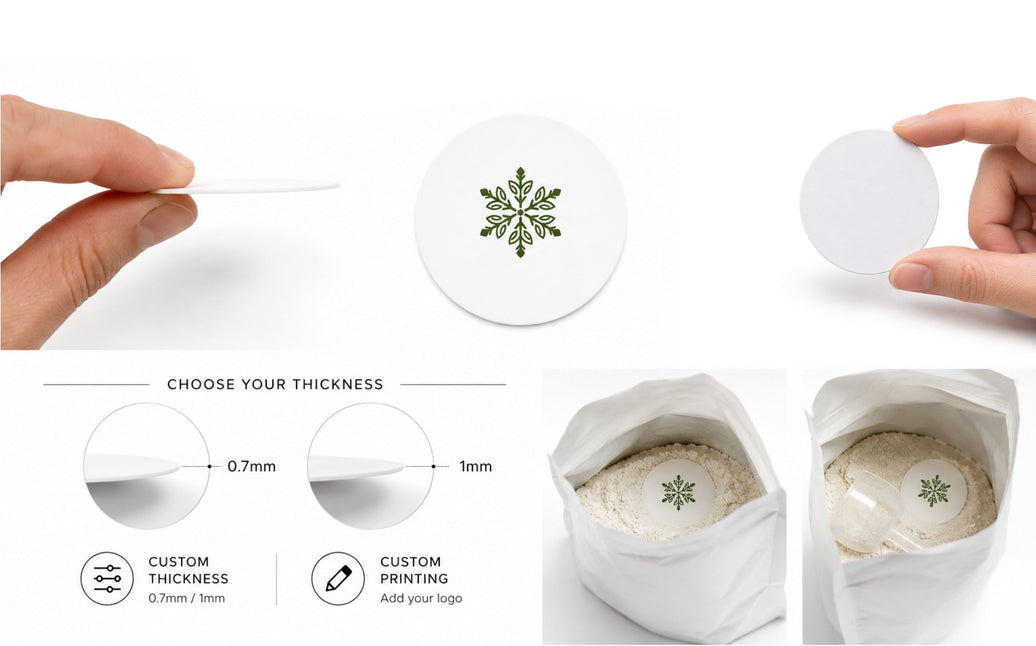
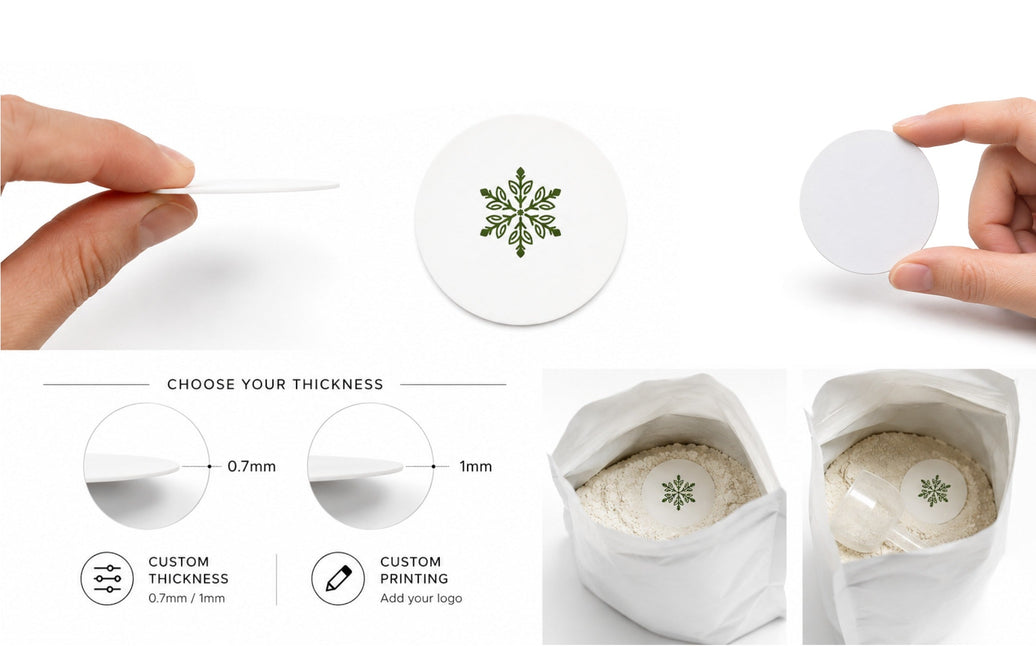
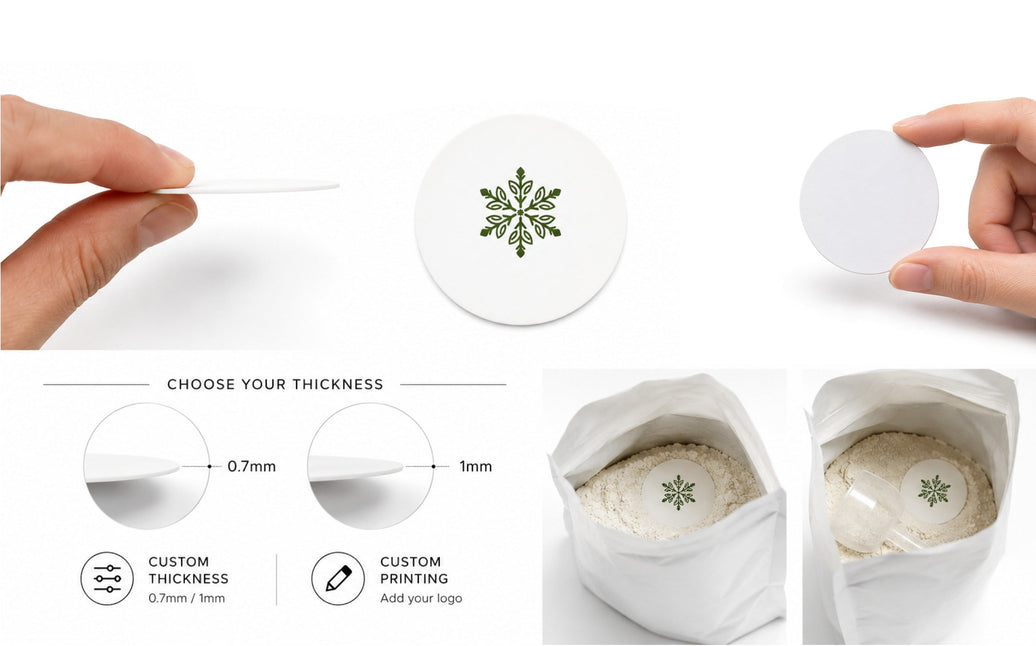
We make plant-fiber desiccant sachets, cards and sheets for these applications. Fiber desiccant · Contact.
FAQ
What causes moisture damage in containers?
Humid air plus temperature swings, which cause condensation called container rain or cargo sweat.
Which goods need desiccant most?
Powders, electronics, metal, leather, garments and wood.
Is container desiccant enough?
For sensitive goods, add protection inside the cartons too.
Keep reading: Cargo claim evidence · Shipping dry food · Industrial desiccant types