Few moisture failures are as visible — or as costly — as mold on a garment. A shipment of jackets, sneakers, or leather goods that leaves the factory clean can arrive at a retailer spotted with mildew, marked by a leaked desiccant, or smelling musty. The whole order gets rejected. For apparel, footwear, and leather brands shipping through humid lanes, the desiccant is frontline mold defense, and the wrong one becomes the source of the stain.
This guide covers how to spec a desiccant for garments, footwear, and leather that stops mold without dust, leaks, or staining.

Why apparel and leather are so vulnerable
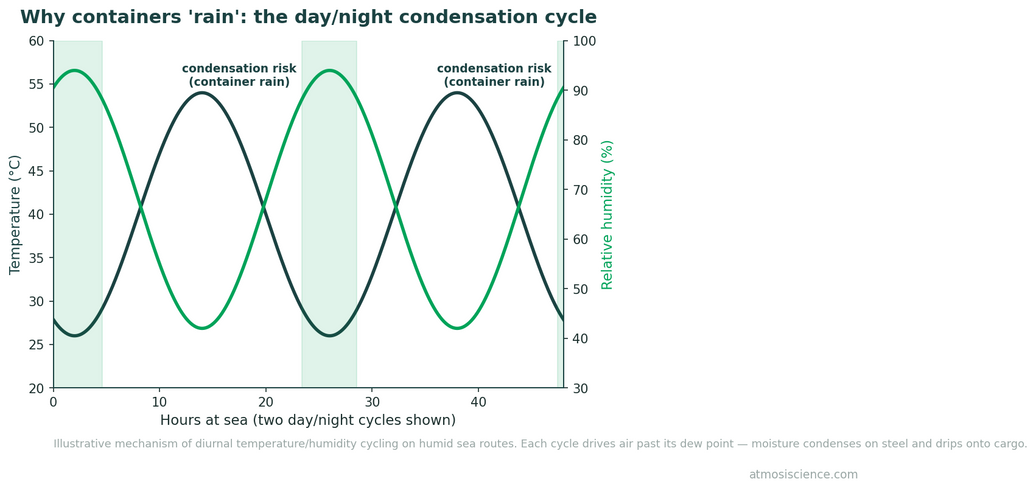
Textiles and leather are hygroscopic — they hold and exchange moisture with the surrounding air. Sealed into polybags and cartons at a humid origin, then shipped through warm, damp lanes, they sit in an environment where relative humidity climbs and mold spores already present on natural fibers find what they need to grow. Leather is especially unforgiving: once mildew takes hold in the grain, it stains and degrades the material, and the smell lingers even after cleaning.
The moisture load is also higher than many shippers assume, because the garments, tissue, cardboard, and trapped air all carry water into the sealed package.
Why the wrong desiccant marks the product
In apparel packaging, a desiccant failure is usually a visible defect. Loose silica-gel beads can shed dust onto light fabrics. Worse, raw deliquescent absorbers can leak brine that stains textiles and corrodes metal trims, zips, and buckles. A leaked or burst sachet against a white shirt or a leather panel is an instant write-off. The requirement is high mold-preventing capacity with zero risk of dust or leak.
What to specify for textiles and leather
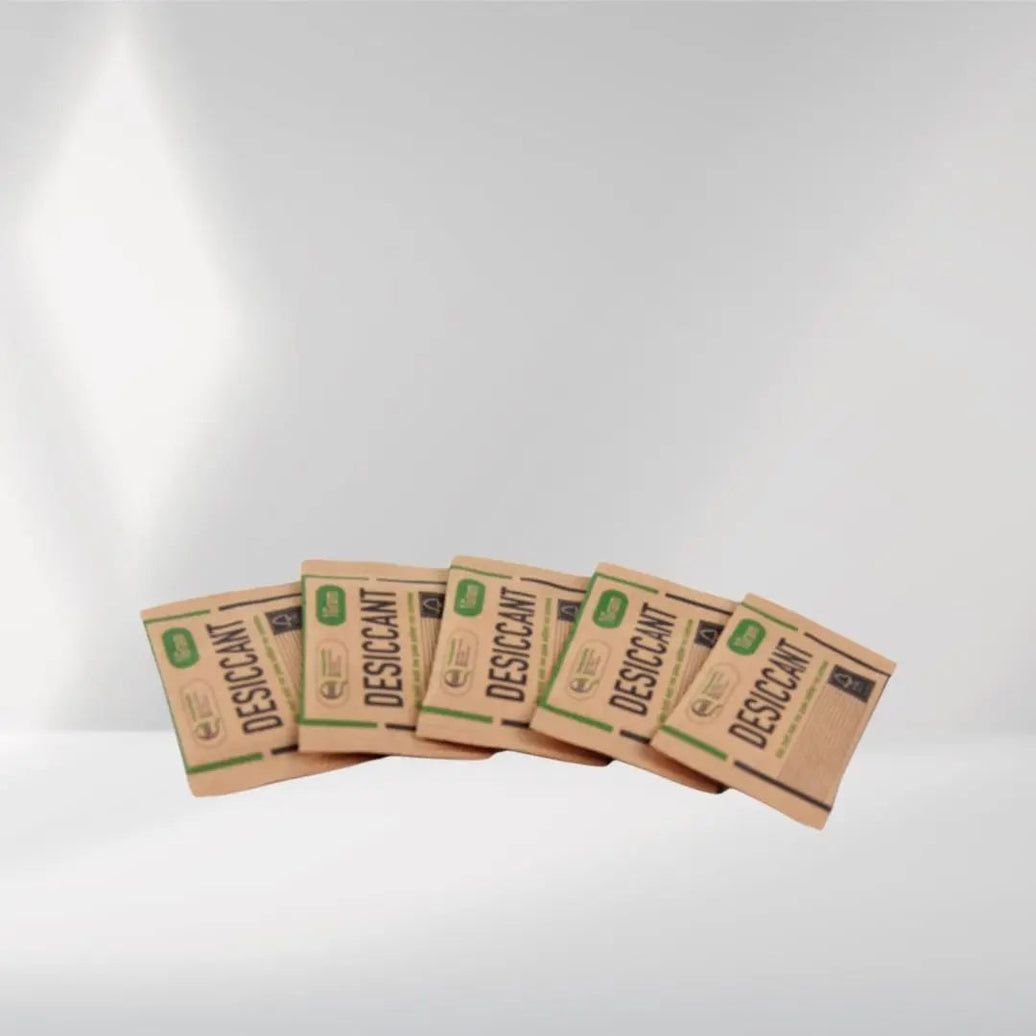
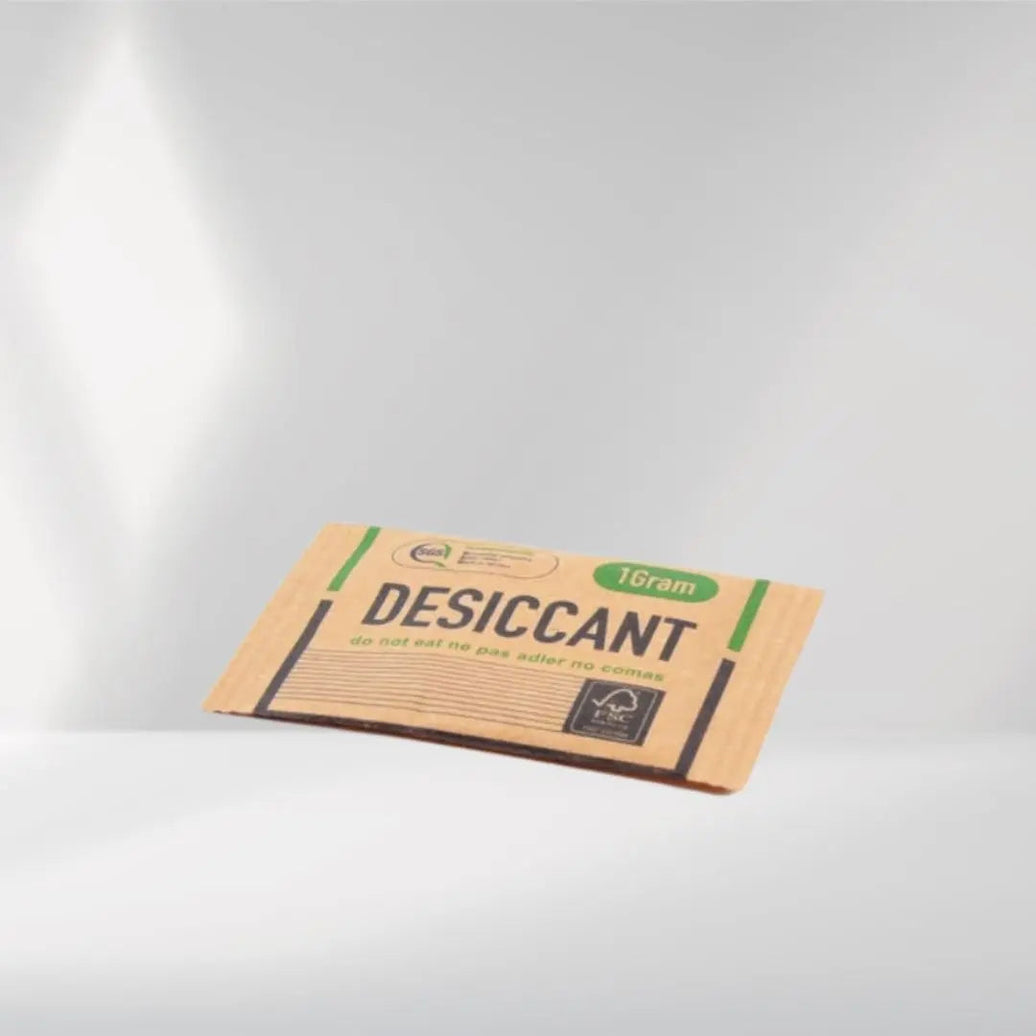
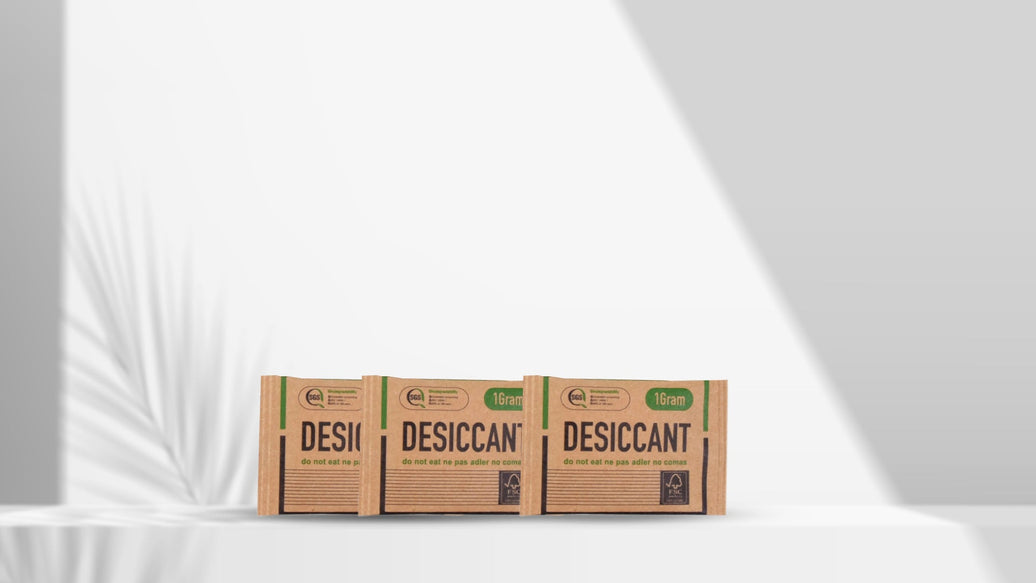
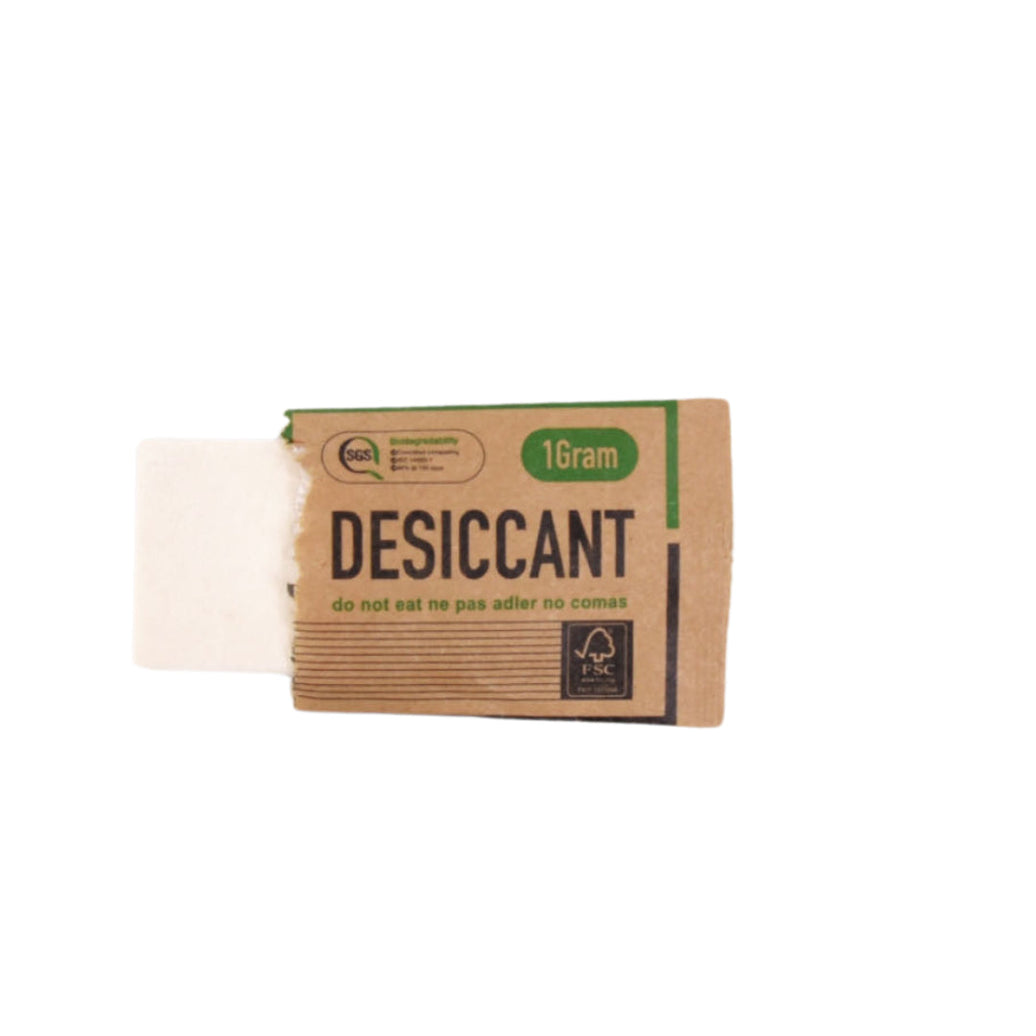
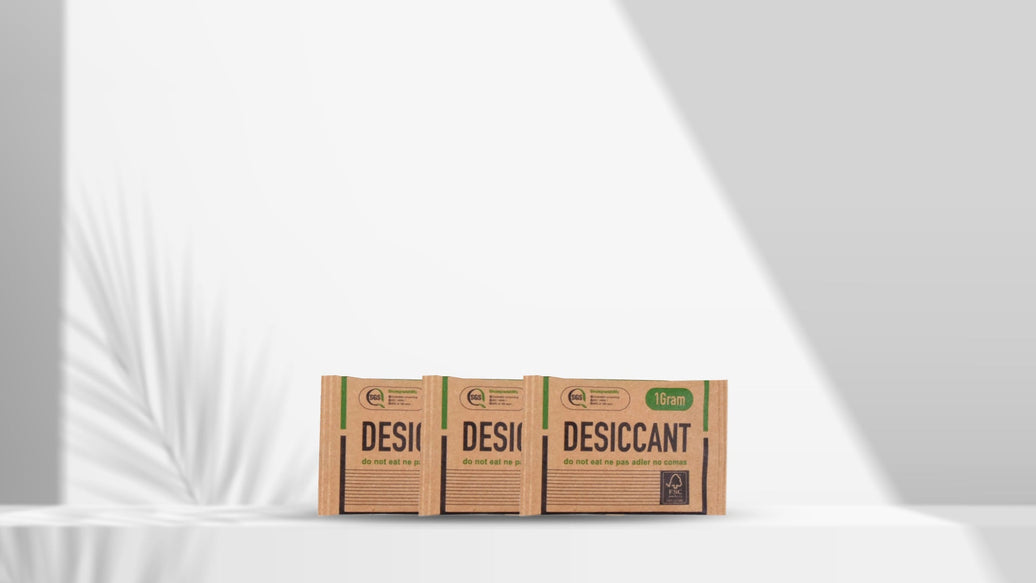
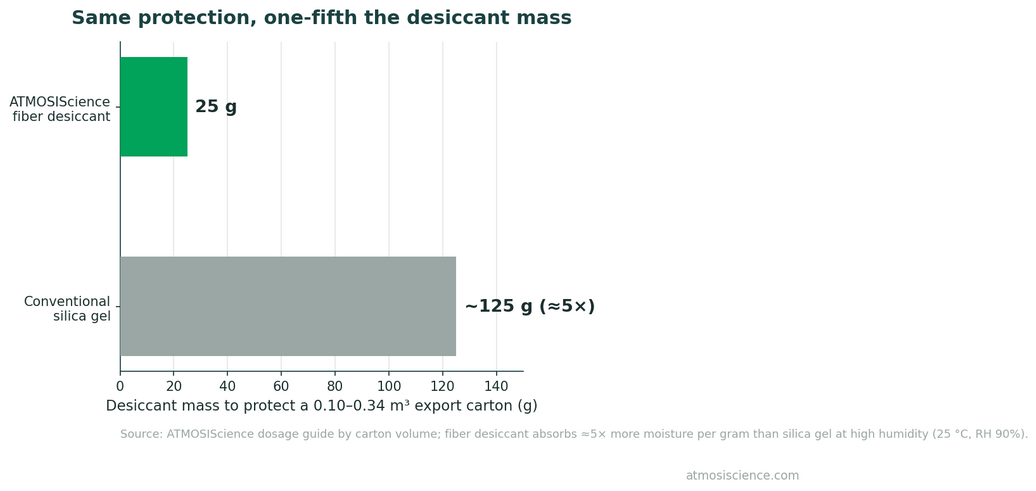
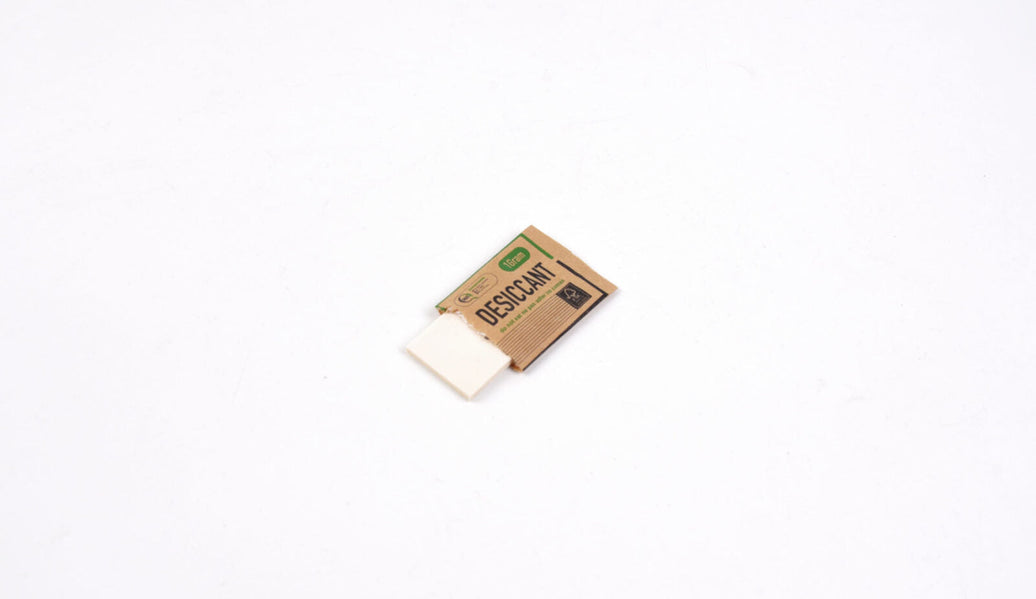
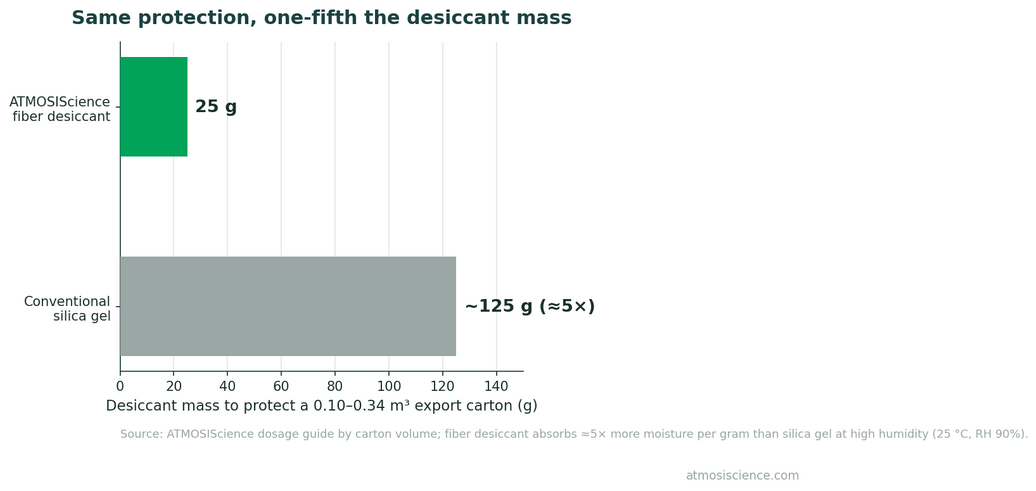
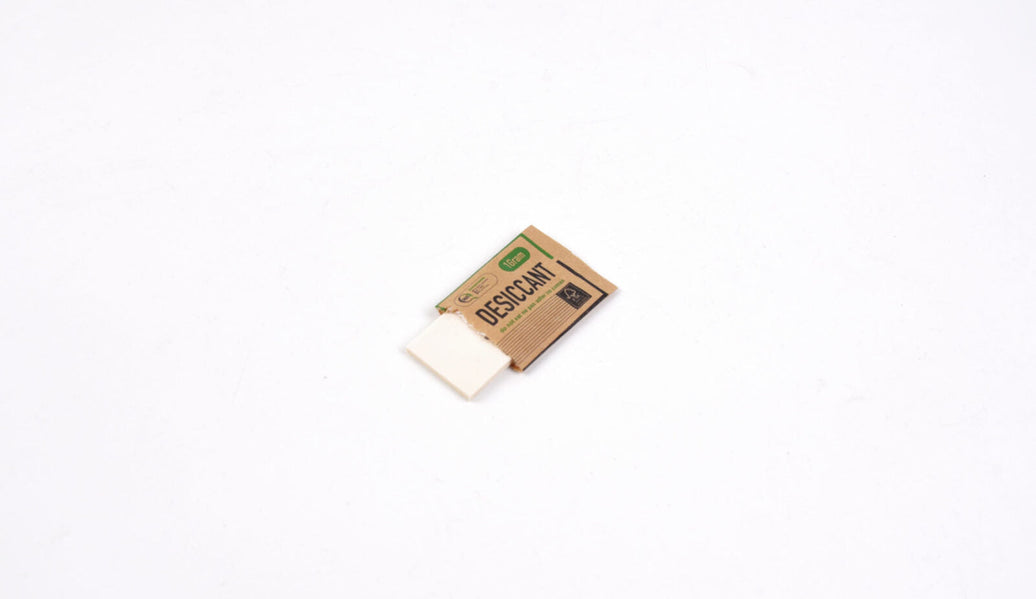
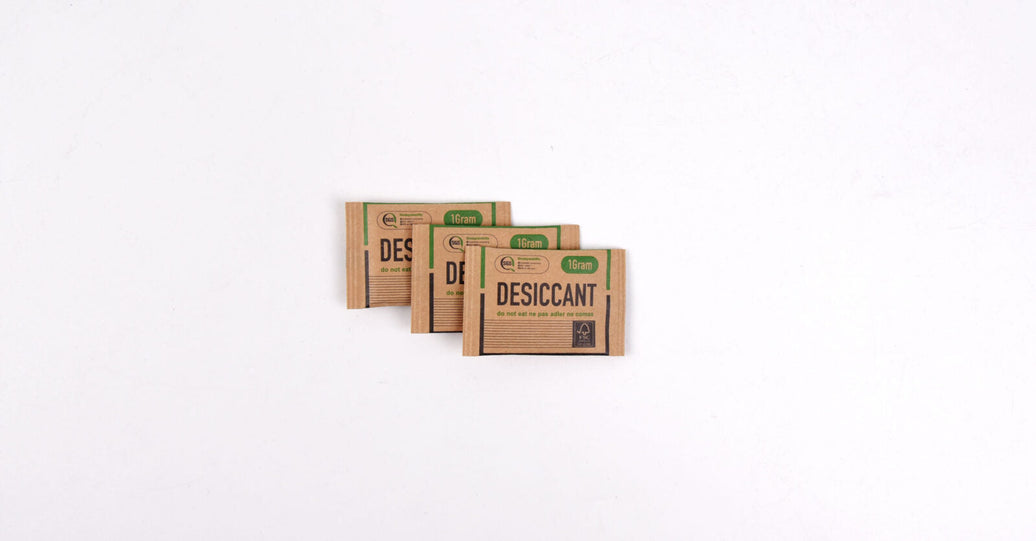
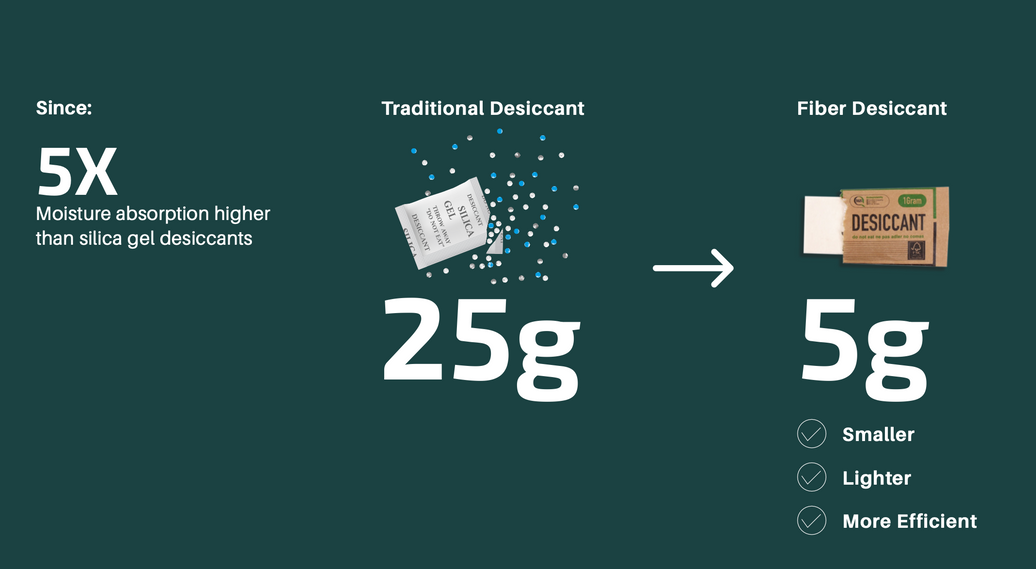
ATMOSIScience fiber desiccant is built for this. The absorbent — including calcium chloride — is bound in a lignocellulose fiber matrix, so it is dust-free and non-leaking even at saturation: nothing to shed onto fabric, no brine to stain leather. It also carries an SGS Anti-mould certification, directly relevant to the failure mode apparel brands fear most. And it absorbs over 70% of its own weight at RH90% / 25°C versus around 30% for silica gel, so it holds the package humidity down through a long, damp voyage.
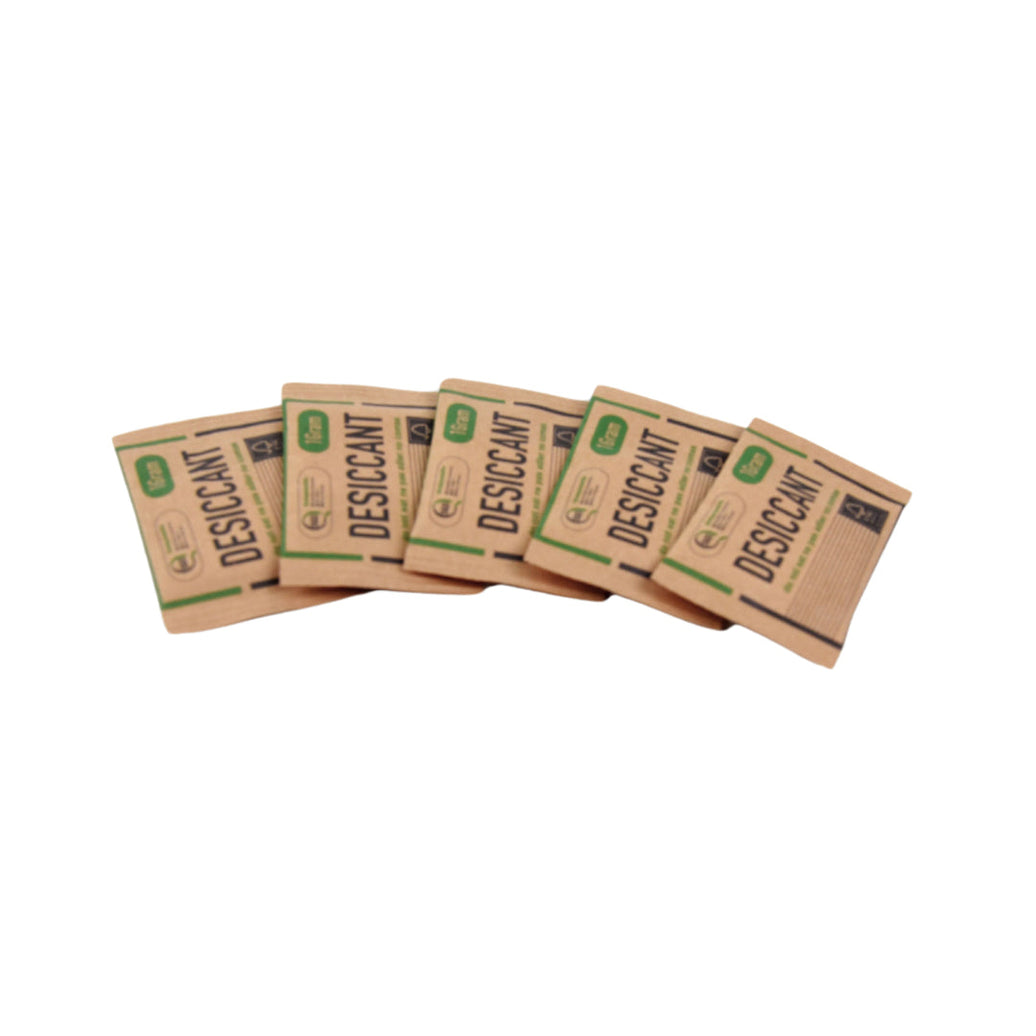
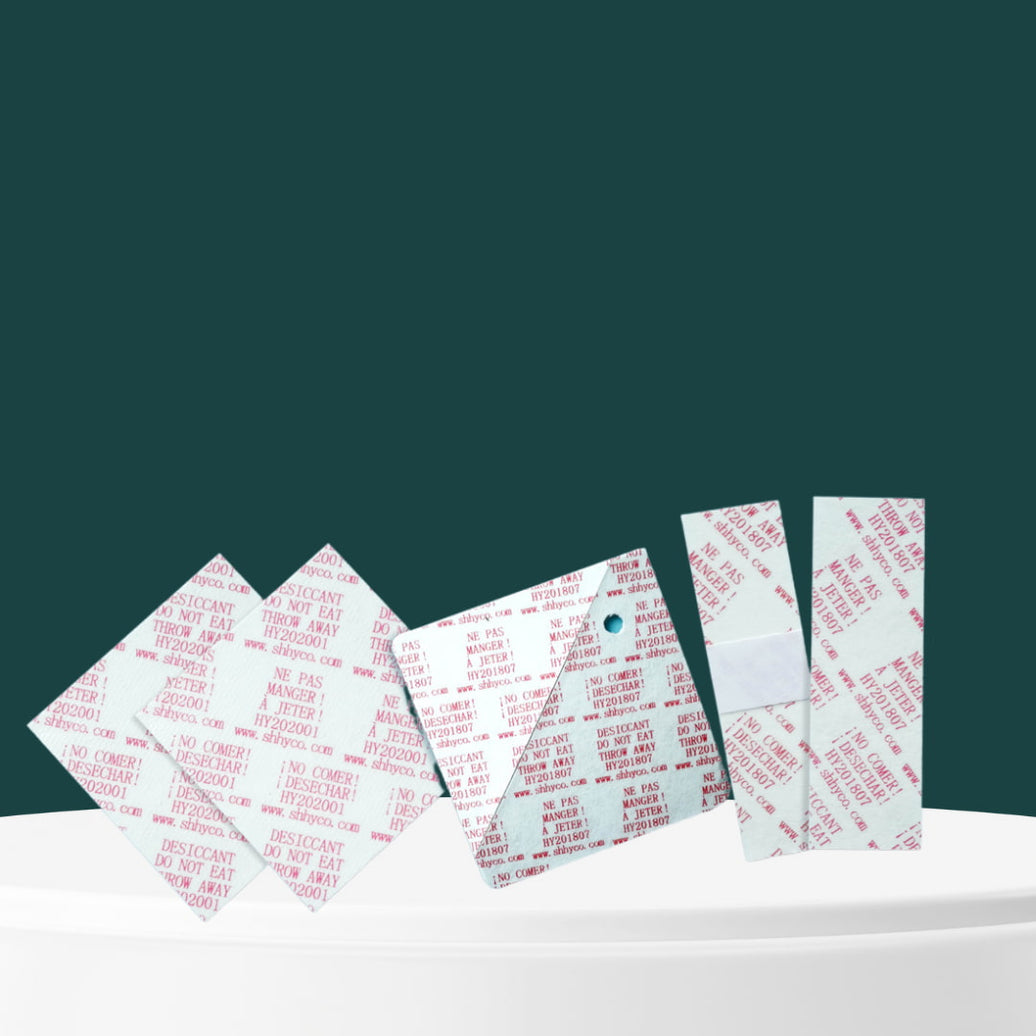
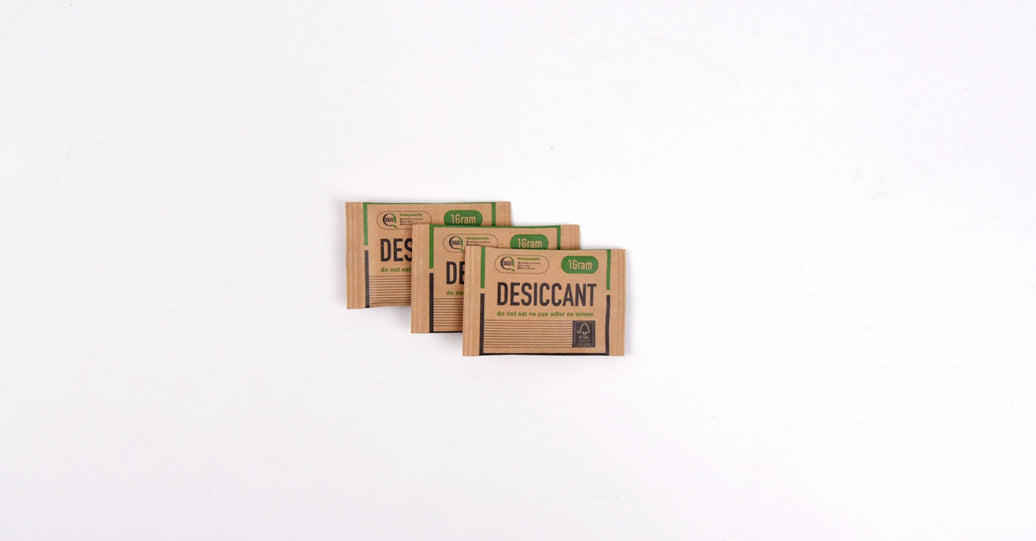
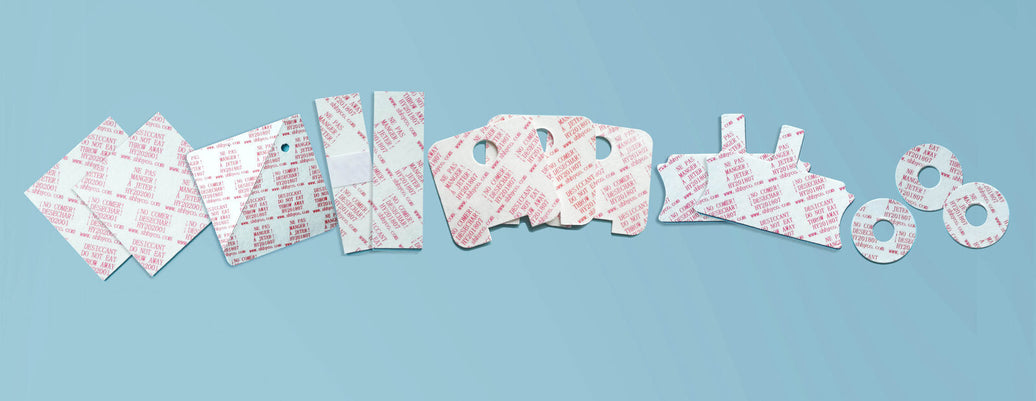
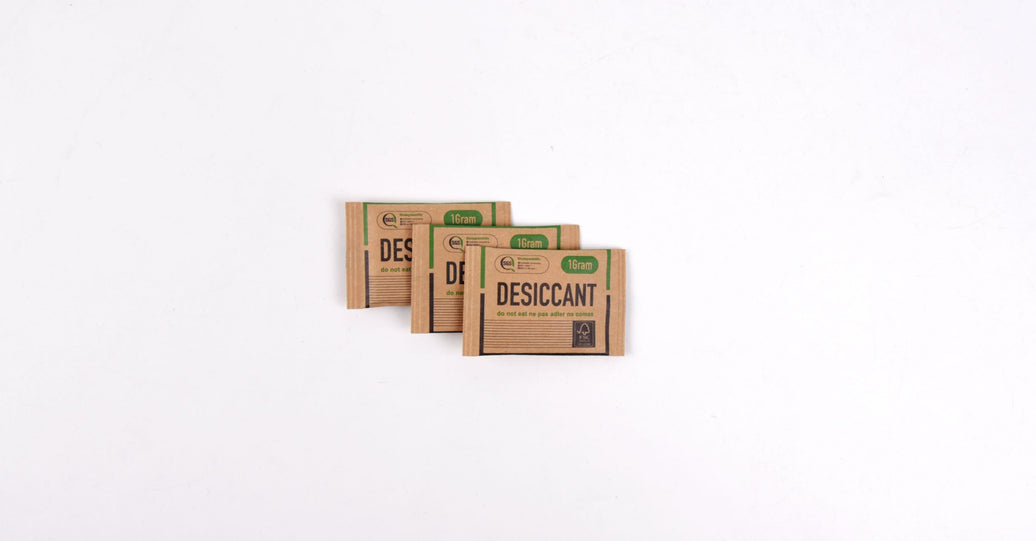
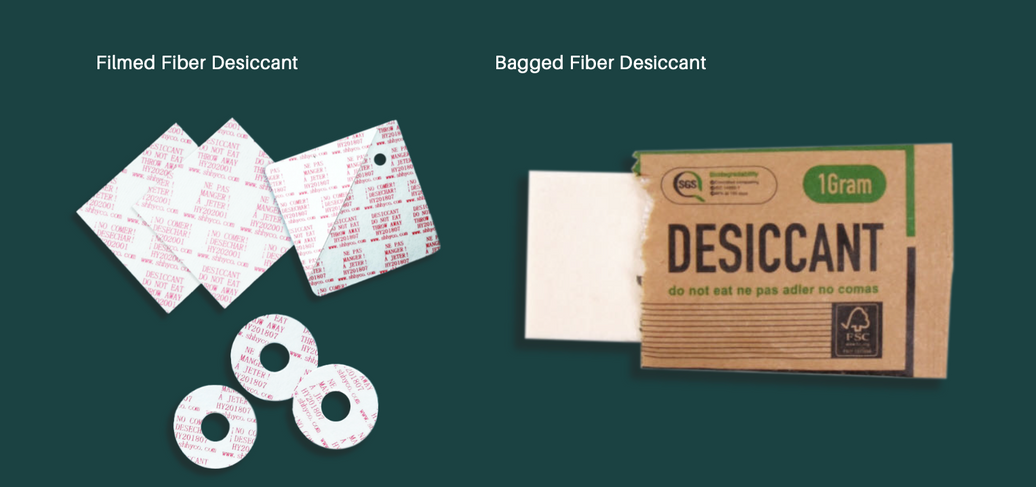
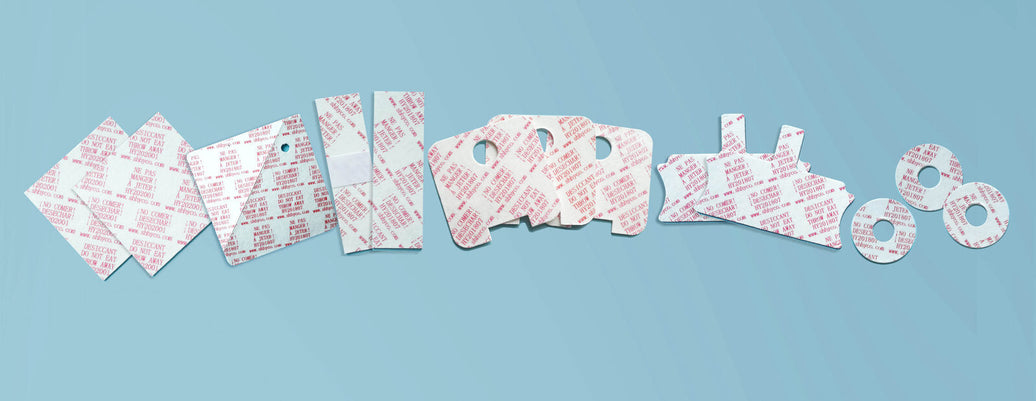
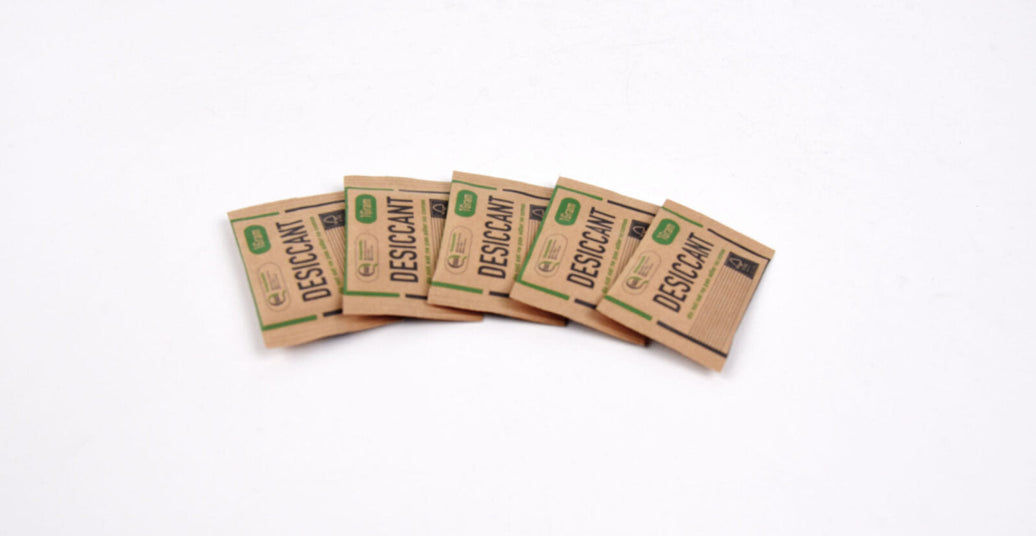
Formats fit the product: filmed pads and printable tags slip into shoe boxes, handbag dust bags, and garment polybags without bulk, and bagged sachets handle larger cartons.
A note on natural-fiber and premium goods
For premium leather, suede, and natural-fiber apparel, the biodegradable, food-contact-grade chemistry is a brand fit as well as a technical one: a clean-label product deserves a clean-label desiccant, not a plastic silica-gel sachet that contradicts the story on the hangtag. The fiber's compostable bag and plant-fiber substrate keep the sustainability message consistent into the packaging.
Frequently asked questions
What desiccant prevents mold on clothing and leather?
A high-capacity, anti-mould-certified, dust-free and non-leaking desiccant. ATMOSIScience fiber desiccant carries SGS Anti-mould certification and absorbs over 70% of its weight at RH90%/25°C.
Why does silica gel sometimes stain or mark apparel?
Loose beads can shed dust onto light fabric, and deliquescent absorbers can leak brine that stains textiles and corrodes metal trims. A bound fiber matrix has nothing to shed or leak.
What format works for shoe boxes and garment bags?
Die-cut filmed pads and printable tags fit shoe boxes, dust bags, and polybags without bulk; bagged sachets suit larger cartons.
Is fiber desiccant suitable for premium leather goods?
Yes — it is dust-free, non-leaking, and biodegradable, so it protects without staining and keeps a premium product's sustainability story consistent.
Protect your apparel and leather shipments
ATMOSIScience supplies anti-mould-certified, dust-free fiber desiccant in tag, pad, and sachet formats for garment, footwear, and leather packaging.
Request samples and bulk pricing through our desiccant solutions page or contact our team, or evaluate the material with the Fiber Desiccant.
Related reading: Desiccant for Container Shipping & Logistics · Desiccant for Wooden Toys & Furniture
Get a desiccant spec & bulk quote for your product
Tell us about your packaging needs, and our sales team will respond with a customized fiber-desiccant solution, supporting certificates and competitive bulk pricing.