Moisture is the quiet enemy of electronics. It does not announce itself the way a drop or an impact does — it works slowly, through condensation cycles, corrosion, and dendrite growth, until a board that passed final test fails in the field. For any team shipping or storing PCBs, sensors, or finished electronics, the desiccant inside the package is a reliability component, not a packing afterthought.
This guide explains how moisture and condensation damage electronics, and how to specify a desiccant for electronics and PCB protection that is dust-free, non-corrosive, and right-sized for the enclosure.

How moisture actually damages electronics
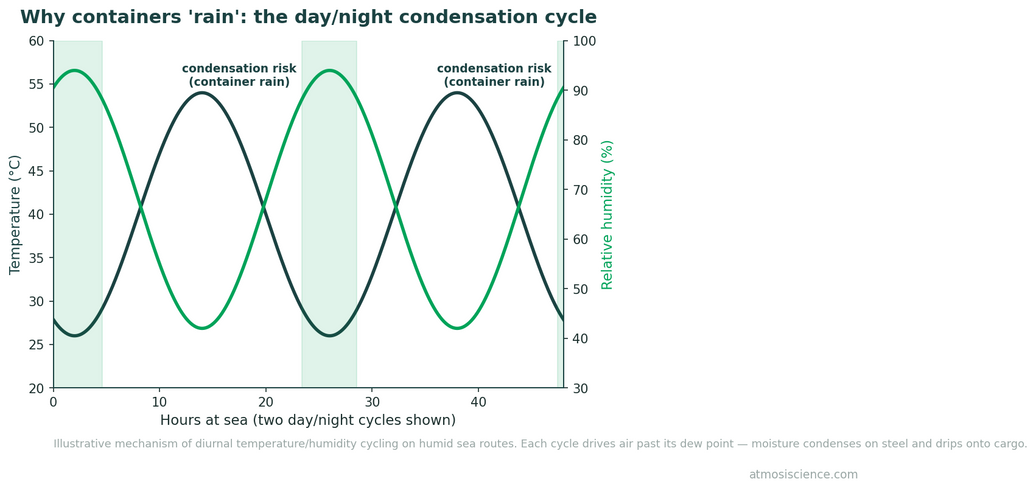
The failure modes are well documented. Condensation forms when a cold board meets warmer, humid air — exactly what happens when a sealed package moves from a refrigerated container into a warehouse. Liquid water on a powered or even unpowered board enables corrosion of fine traces and solder joints, and supports electrochemical migration that bridges conductors over time.
For surface-mount assemblies and moisture-sensitive devices (MSDs), absorbed moisture can also cause “popcorning” — trapped moisture flashing to steam during reflow and cracking the package. The common thread is that the damage is driven by humidity inside the enclosure, which is precisely what a desiccant is there to control.
Why the wrong desiccant makes electronics worse
Not every desiccant belongs near a circuit board. Two problems show up repeatedly.
Dust and particulate. Loose-fill silica gel beads can shed fine dust that settles on connectors and contacts. On precision electronics and optics, particulate is itself a defect.
Leaking and corrosion risk. Raw deliquescent absorbers like loose calcium chloride can liquefy as they saturate. Liquid near a board is the exact condition the desiccant was supposed to prevent — a self-inflicted failure.
The requirement, then, is a desiccant that delivers high absorption without dust and without any possibility of liquid release.
What to specify for electronics packaging
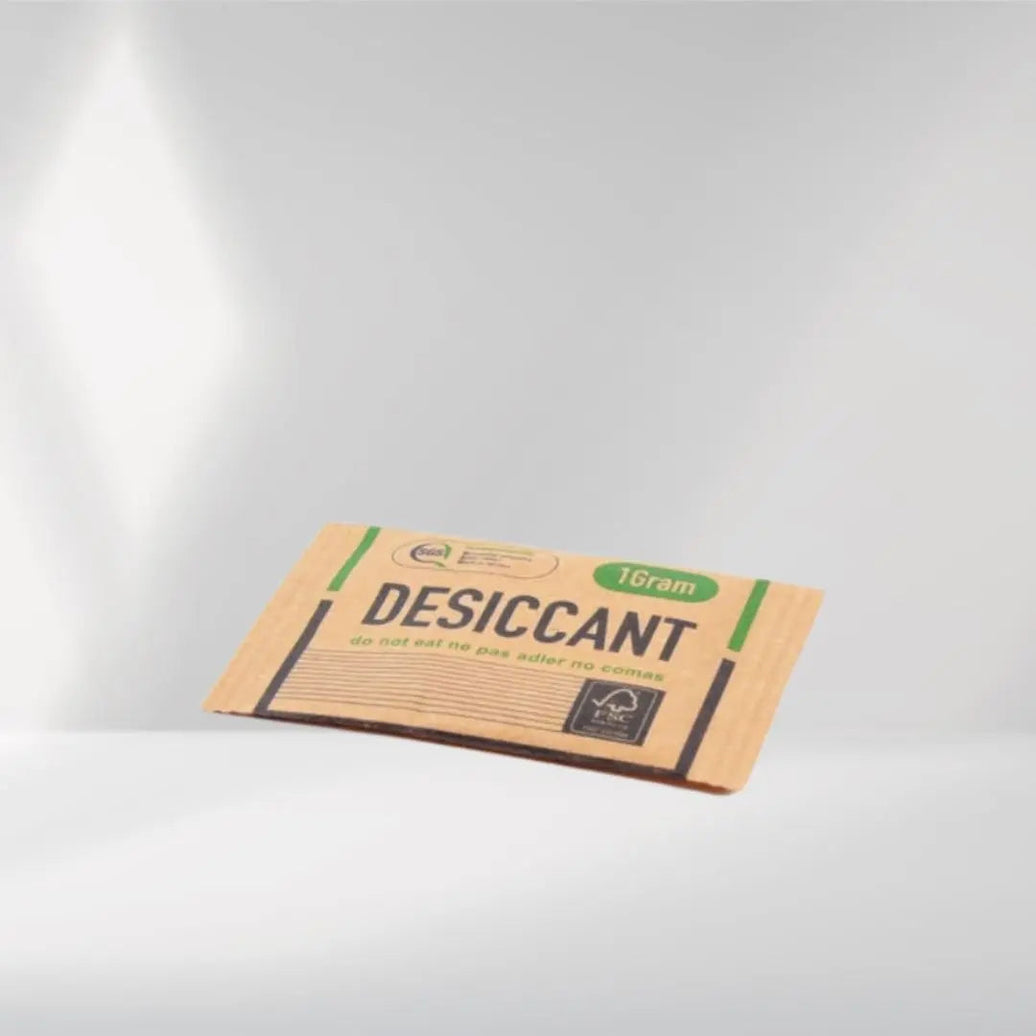
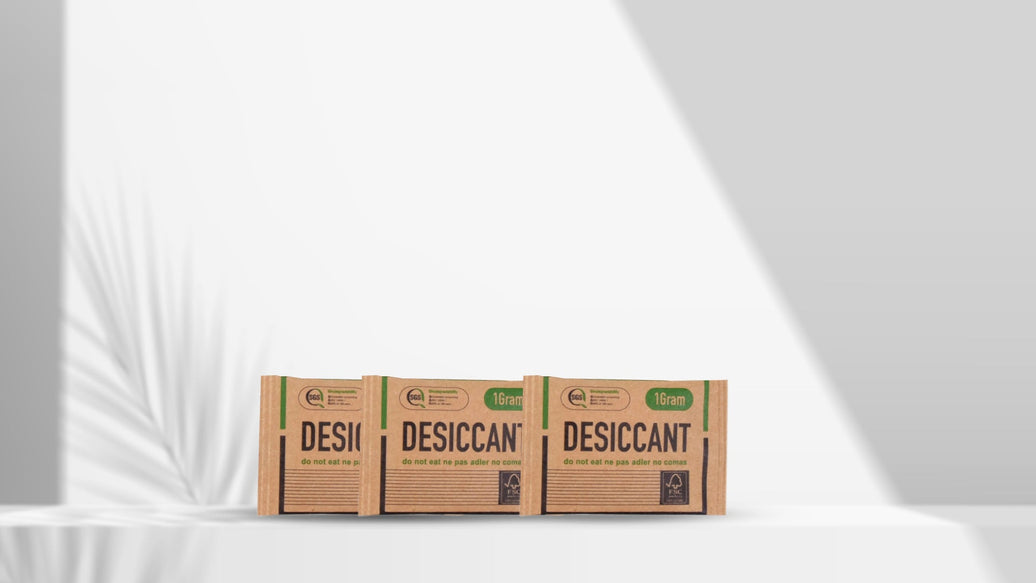
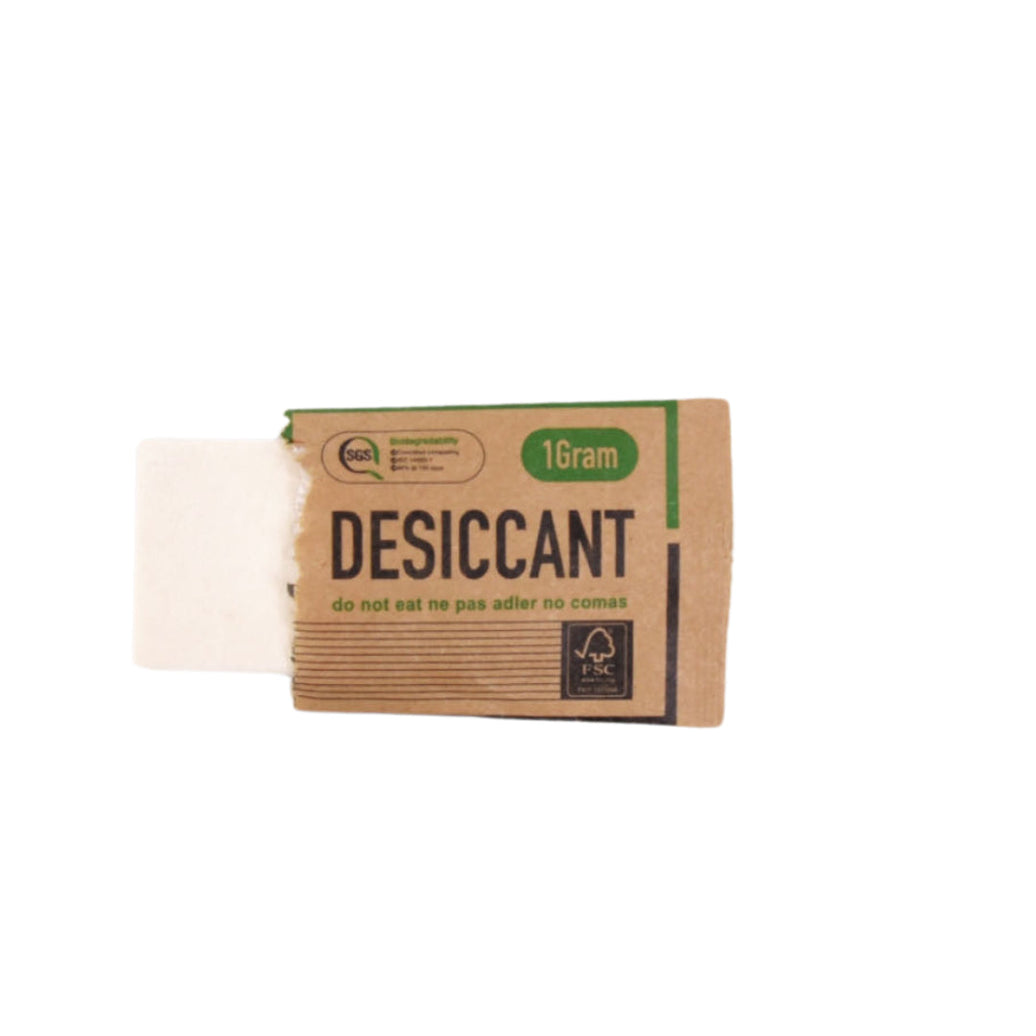
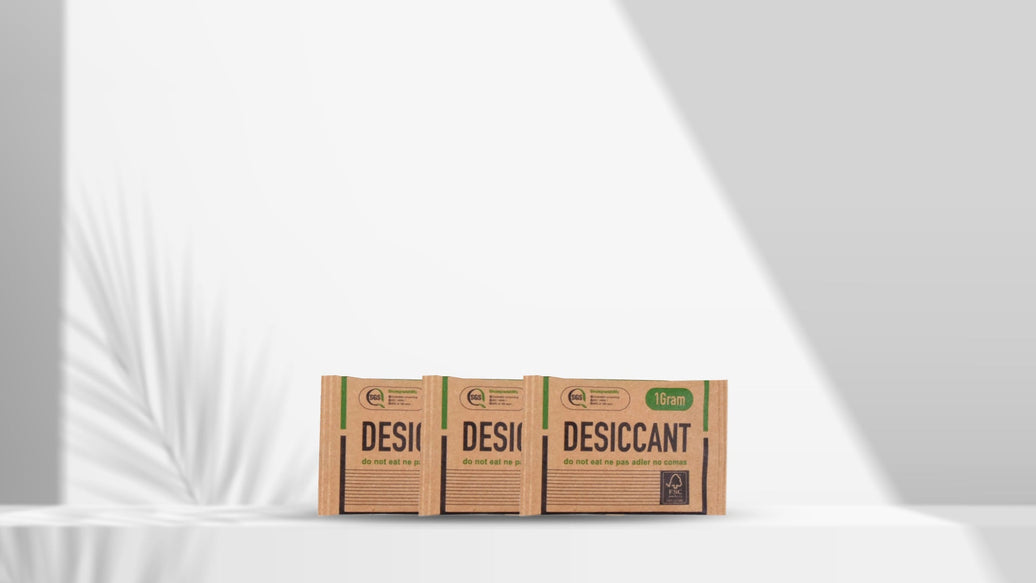
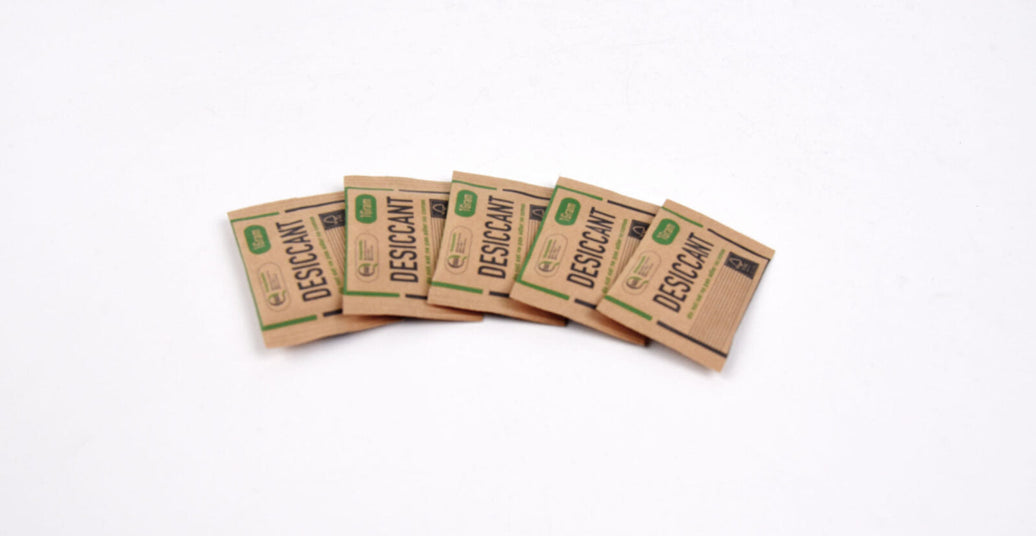
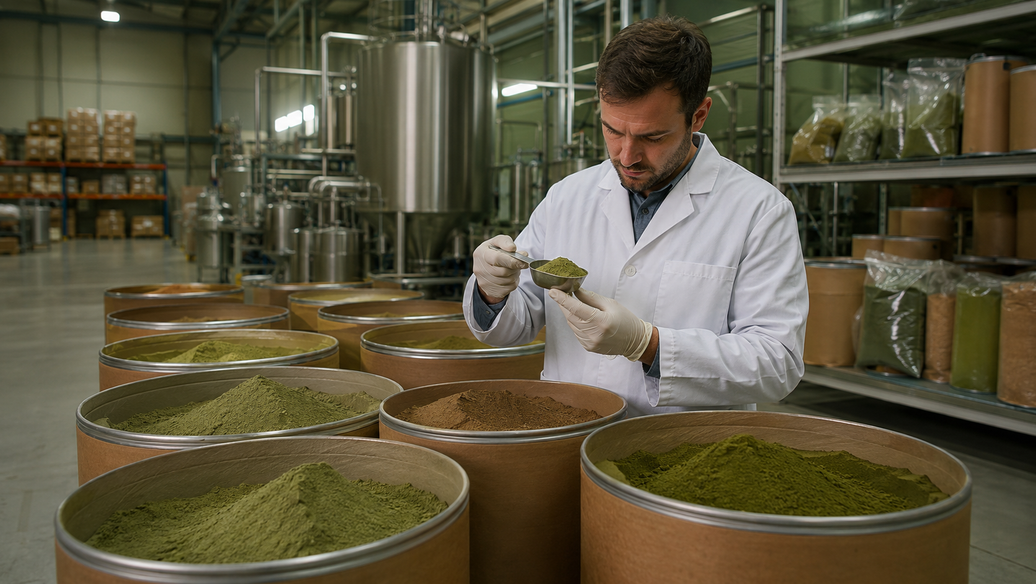
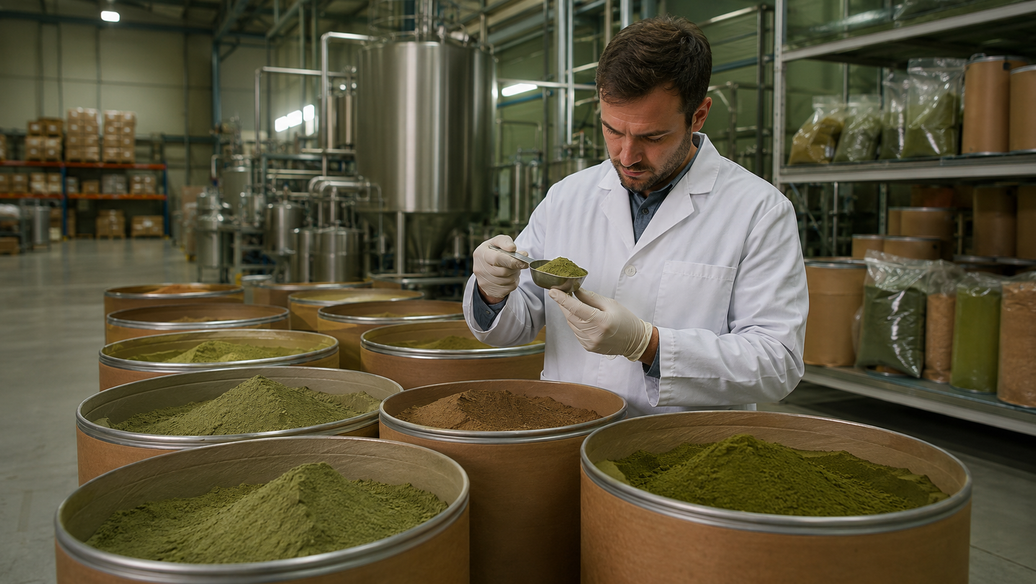
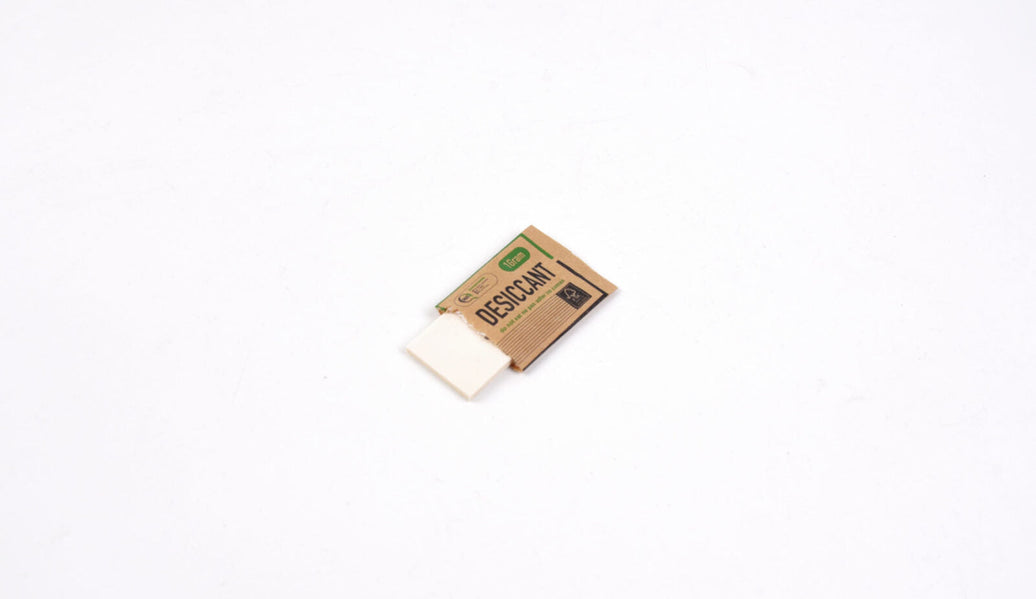
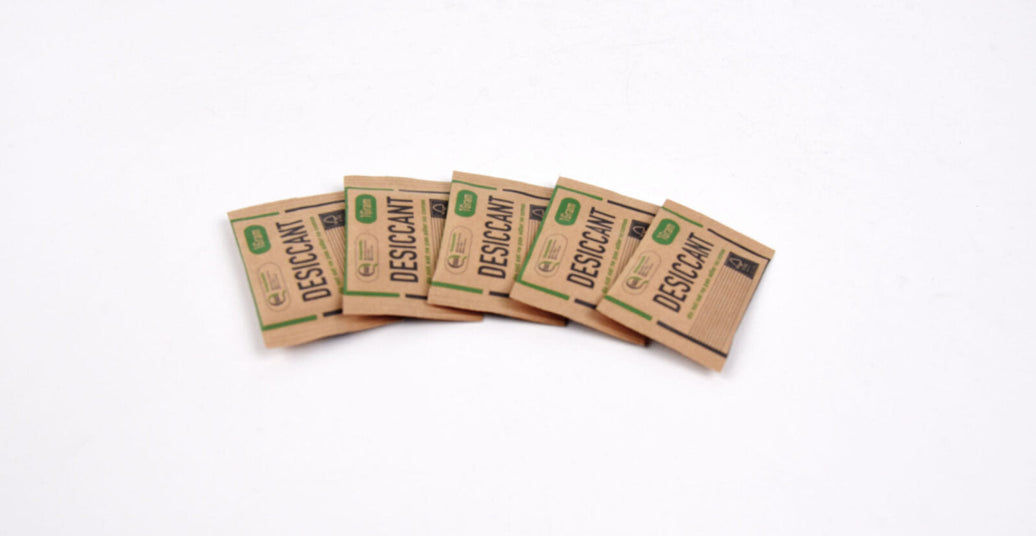
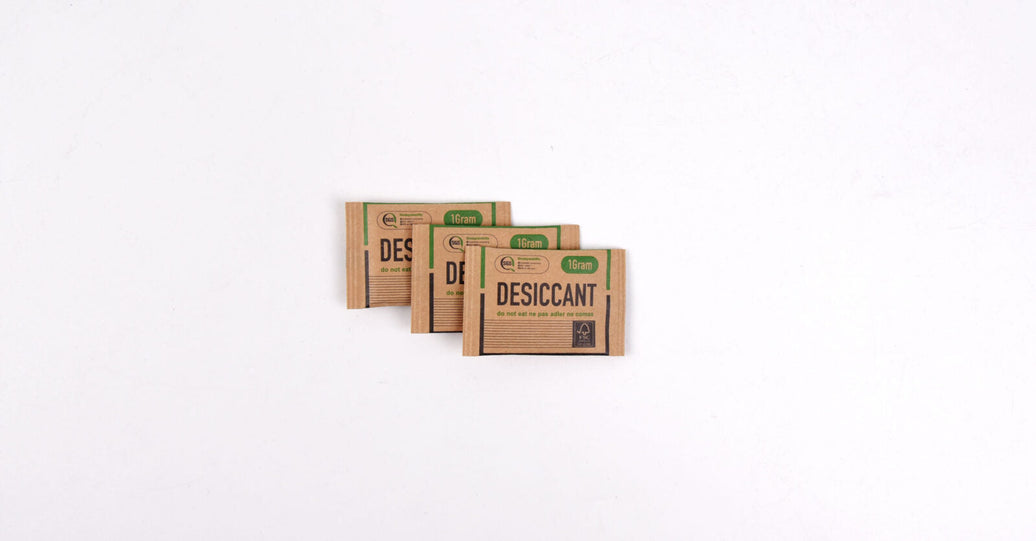
ATMOSIScience fiber desiccant is built around exactly this requirement. The absorbent — including calcium chloride — is bound within a natural lignocellulose fiber matrix, so the format is dust-free and non-leaking even at saturation. It is documented under SGS ISO 9001 and tested to ROHS requirements, which matters for electronics supply chains that screen for hazardous substances.
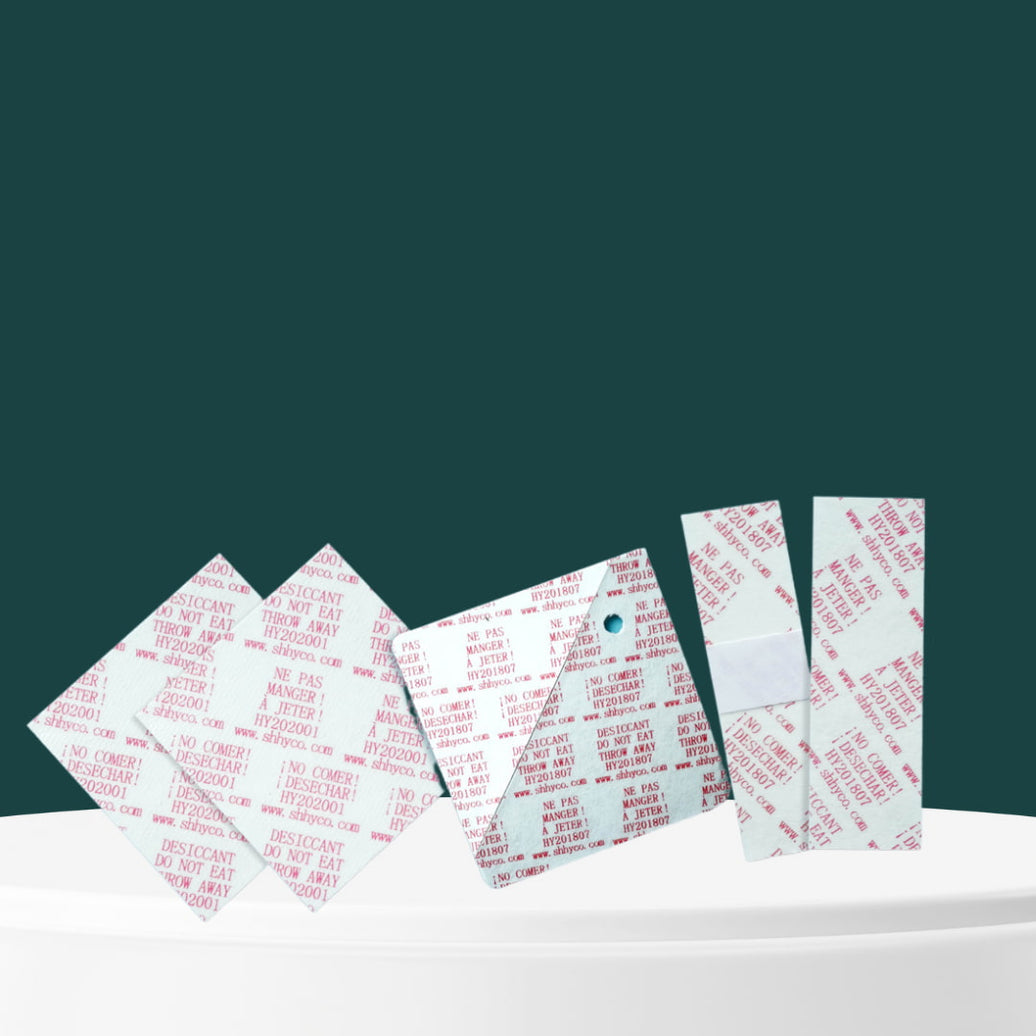
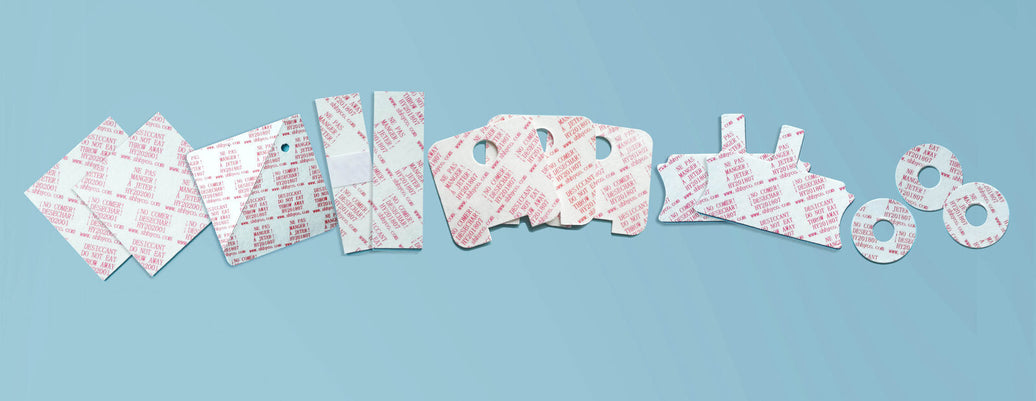
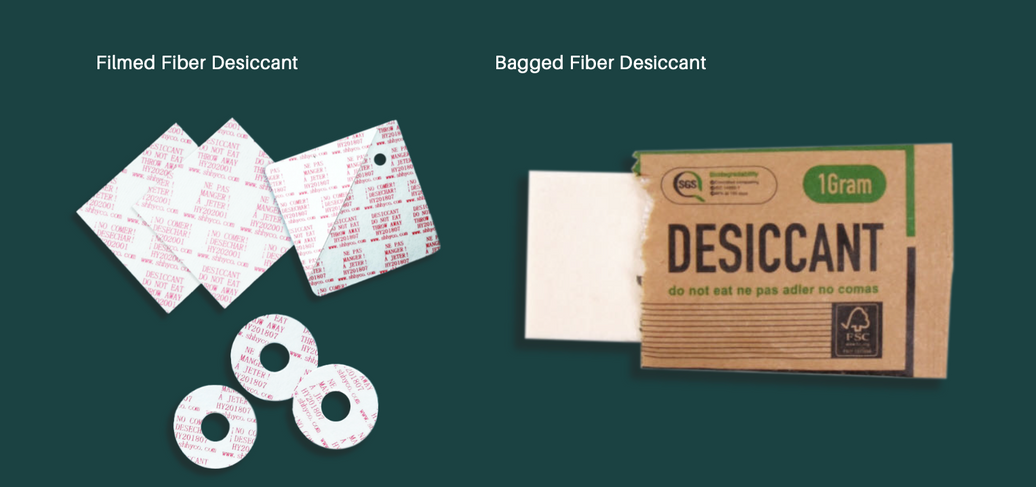
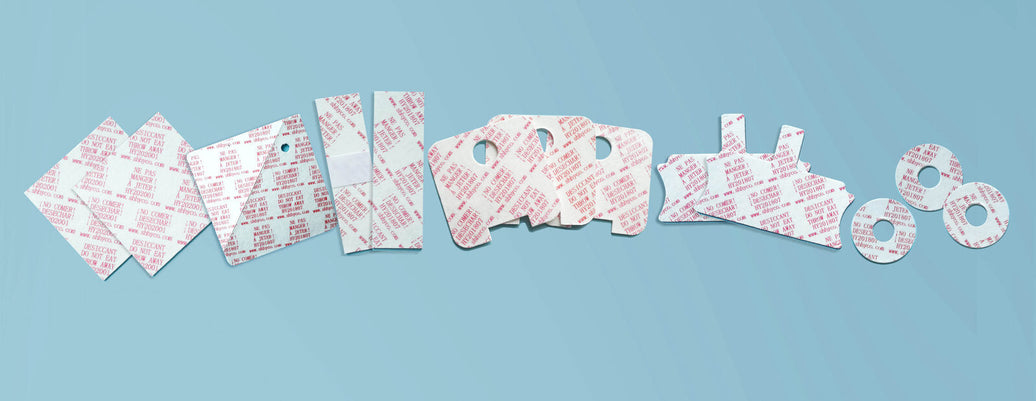
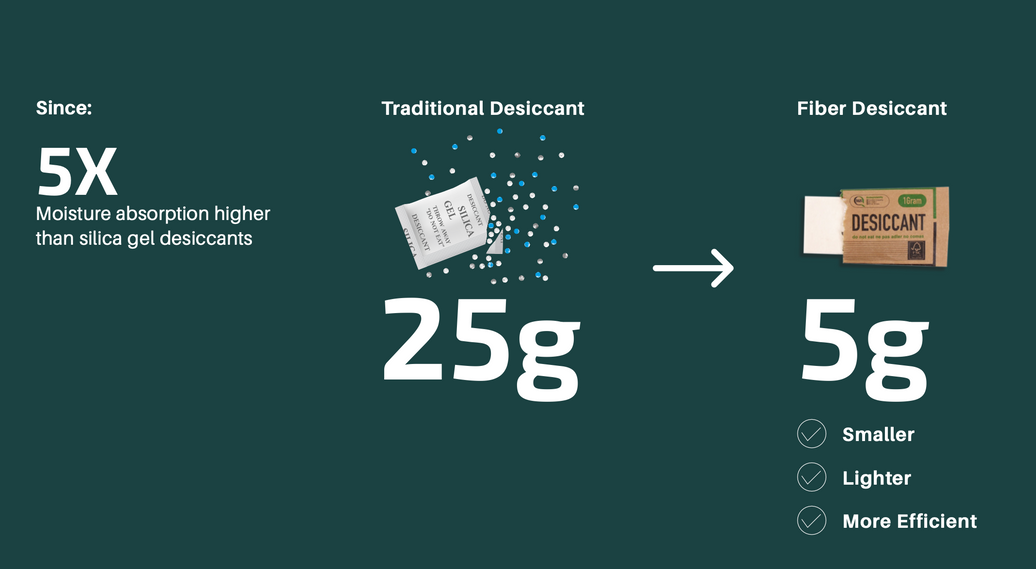
Performance is the other half. The team observed fiber desiccant absorbing over 70% of its own weight at RH90% and 25°C, against roughly 30% for silica gel under the same conditions — so an enclosure stays drier with less material inside it. For tight assemblies, filmed pads can be die-cut to 0.5 mm or 1.0 mm and placed precisely where space allows, rather than forcing a bulky sachet into the design.
The anti-condensation case: temperature-cycling environments
Standard desiccant absorbs moisture until it saturates, then stops. Environments that cycle through temperature — outdoor cabinets, telecom towers, EV battery enclosures, sealed instruments crossing climate zones — need something that manages humidity across repeated condensation events.
This is where a two-way, reversible fiber pack earns its place. ATMOSIScience offers an Anti-Condensation Fiber Pack designed to absorb moisture as humidity rises and release it as conditions change, buffering the enclosure through cycles rather than exhausting itself on the first one. For long-deployment electronics, that reversibility is the difference between protection that lasts and a desiccant that quits halfway through service life.
Right-sizing the dose for an enclosure
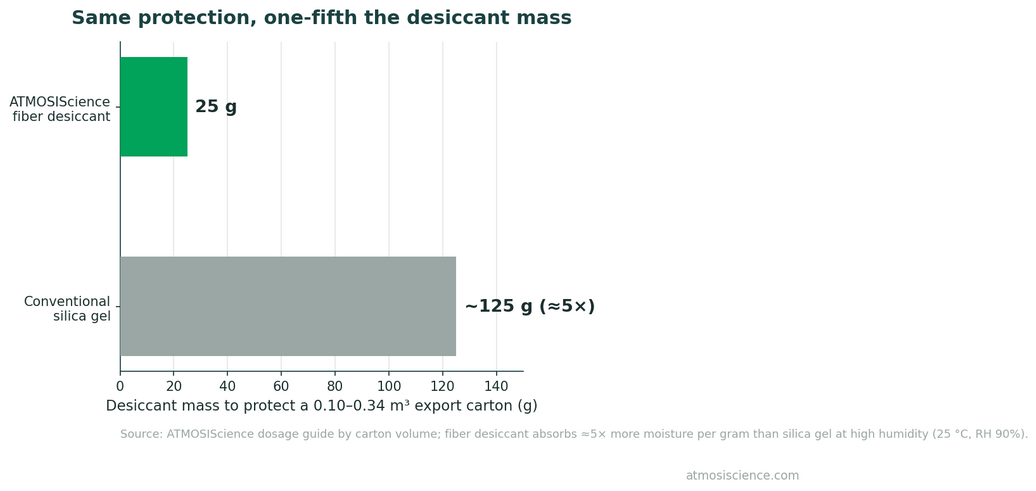
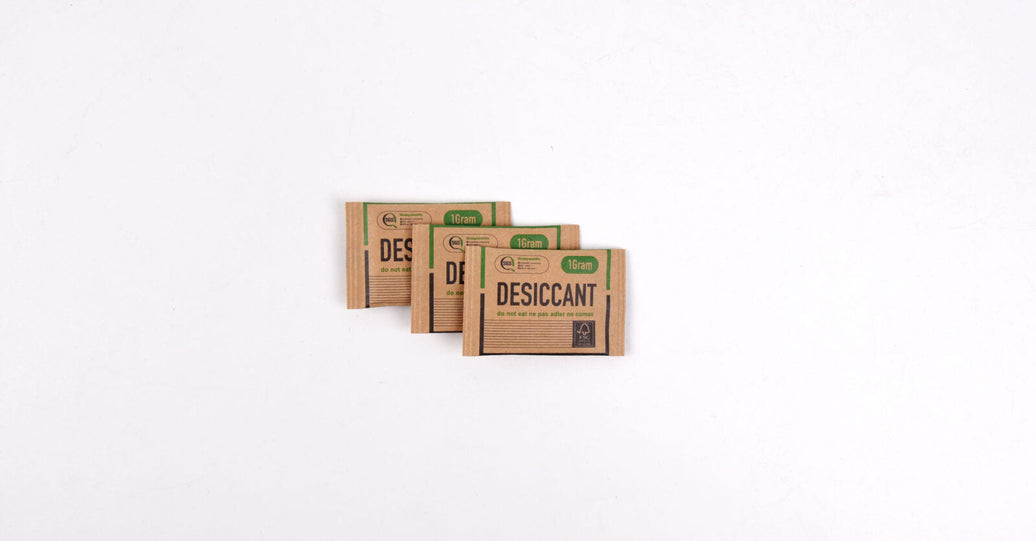
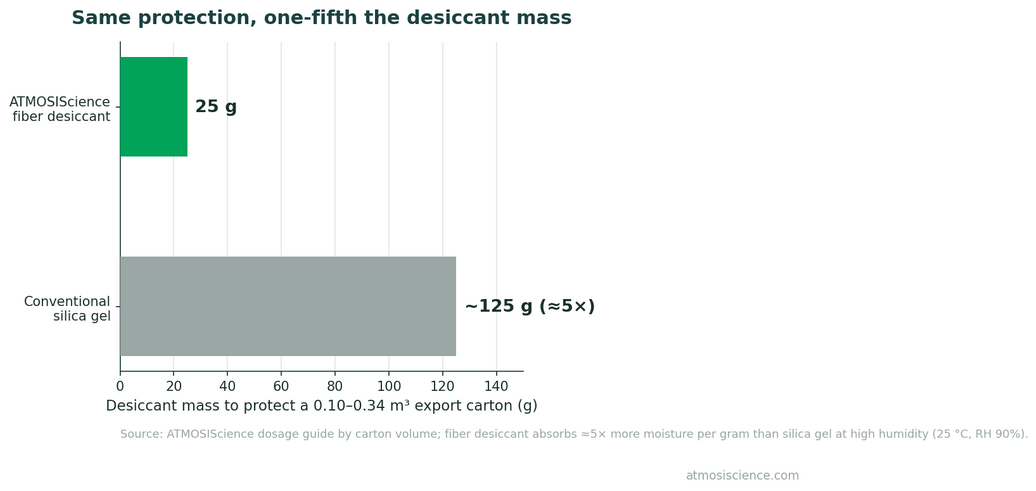
Dose by enclosed air volume, then adjust for how sealed the enclosure is and how long it sits in the field. As a baseline, a 0.10–0.34 m³ volume is protected by about 25 g of fiber desiccant — and because it absorbs roughly 5x more moisture per gram than silica gel, that figure stays low. Validate with a humidity indicator card inside a representative unit before committing a design to production.
Frequently asked questions
What desiccant is best for electronics and PCBs?
A dust-free, non-leaking desiccant with high absorption and no corrosive residue. ATMOSIScience fiber desiccant binds its absorbent in a fiber matrix, is ROHS-tested and ISO 9001-manufactured, and absorbs over 70% of its weight at RH90%/25°C.
Why is silica gel dust a problem in electronics?
Loose beads can shed fine particulate that settles on connectors, contacts, and optics, where it acts as a contamination defect. A bound fiber matrix has nothing loose to shed.
How do I protect electronics against condensation in transit?
Use a reversible, two-way anti-condensation pack that buffers humidity across temperature cycles, rather than a single-use absorber that saturates on the first condensation event.
Is fiber desiccant safe near powered or sensitive boards?
Yes — it is non-leaking and dust-free, so there is no liquid release or particulate to compromise the assembly, unlike loose calcium chloride or shedding beads.

Protect your assemblies — test it first
ATMOSIScience supplies dust-free, non-corrosive fiber desiccant and reversible anti-condensation packs for electronics and PCB packaging, with ROHS and ISO 9001 documentation.
Evaluate the material with the Fiber Desiccant, or request bulk pricing and certificates via our desiccant solutions page or contact our team.
Related reading: Calcium Chloride vs. Silica Gel vs. Fiber Desiccant · Desiccant for Container Shipping & Logistics
Get a desiccant spec & bulk quote for your product
Tell us about your packaging needs, and our sales team will respond with a customized fiber-desiccant solution, supporting certificates and competitive bulk pricing.