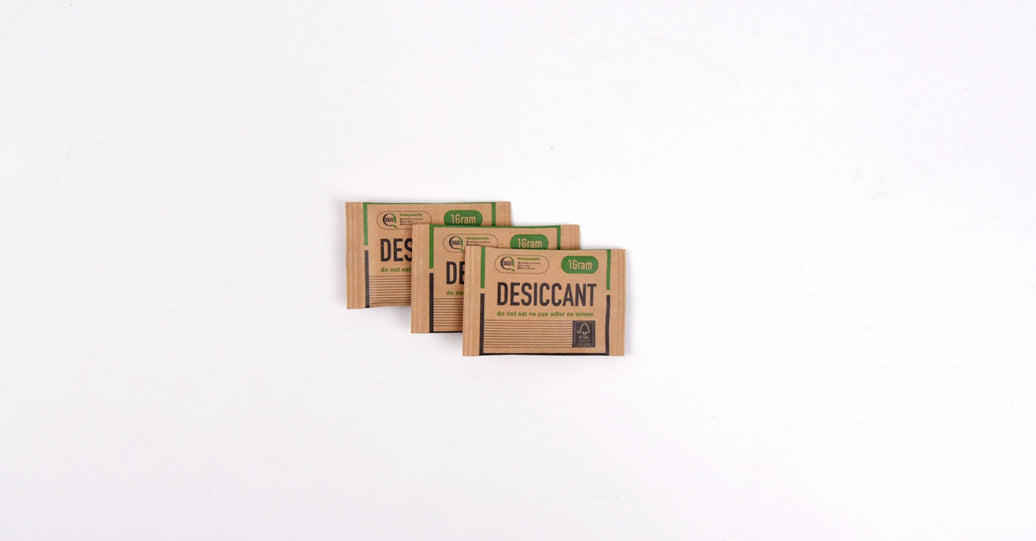
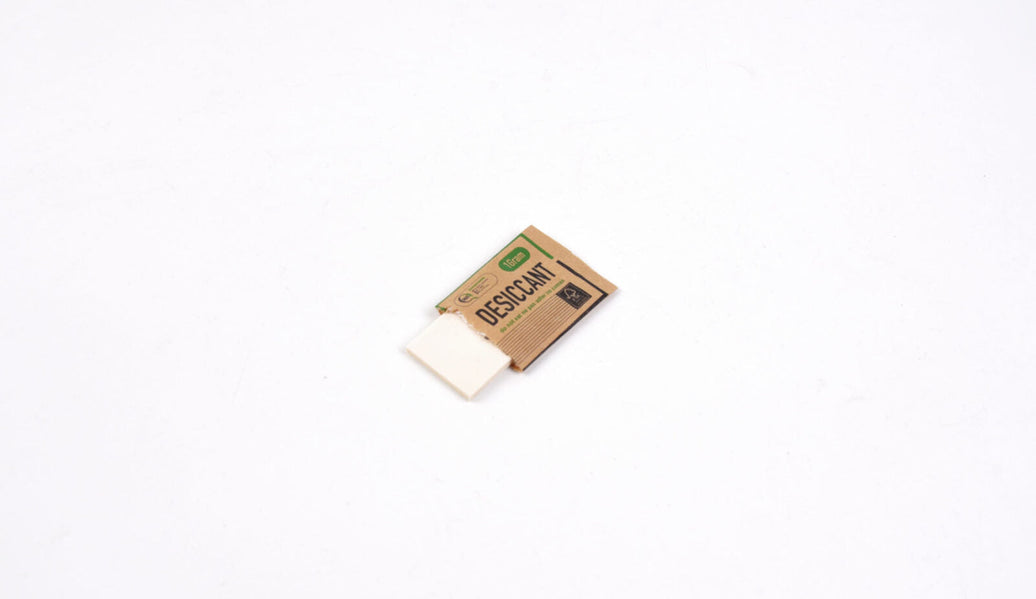
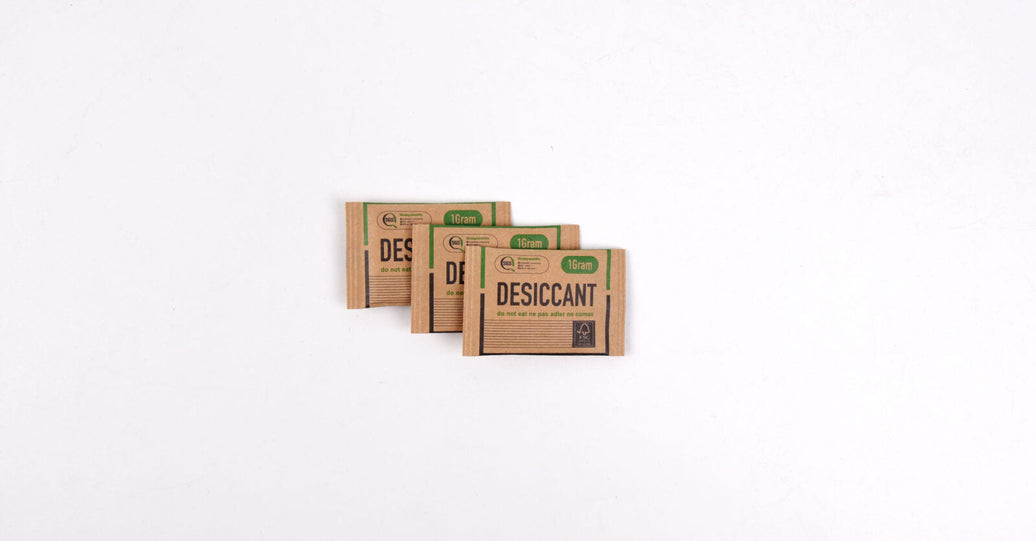
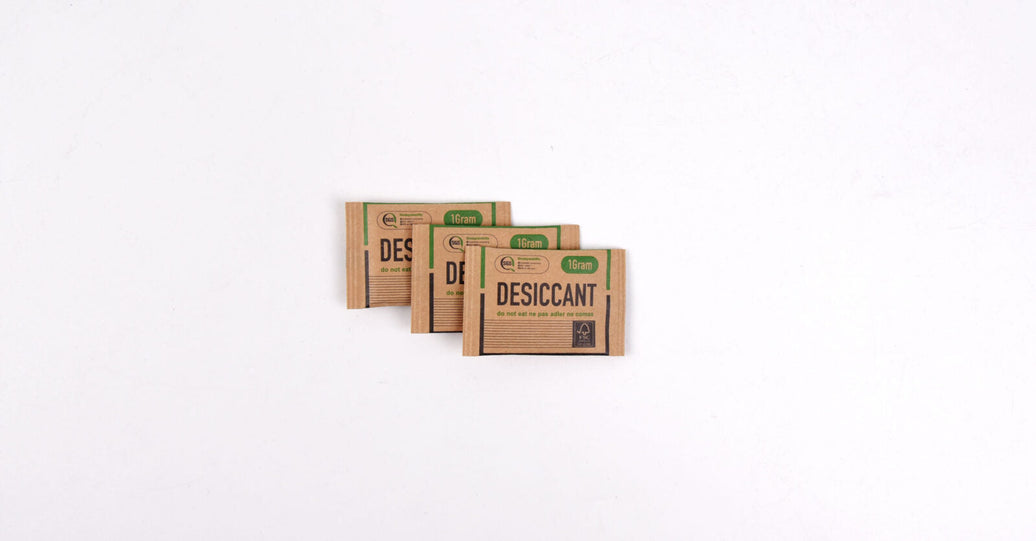
Quick answer: Gelling agents — gelatin, pectin, agar, carrageenan, xanthan and other hydrocolloids — are strongly hygroscopic by design. They grab water, so ambient humidity makes them clump, lose bloom strength and gel inconsistently. A food-grade fiber desiccant sized to the sack or pouch headspace holds humidity low, adsorbing more than 35% of its weight at RH50 and more than 70% at RH90 (25°C), dust-free. It is compostable.
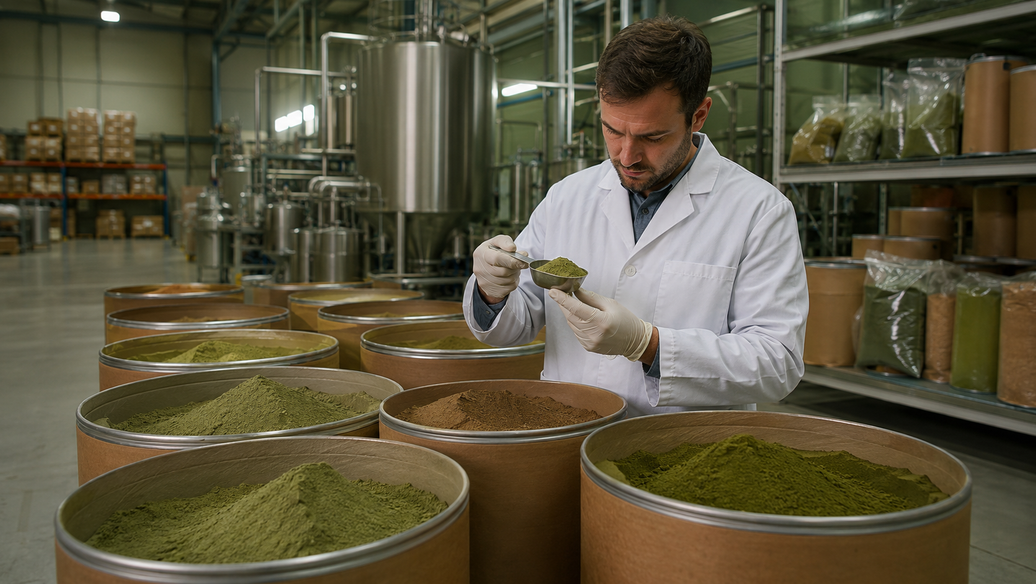
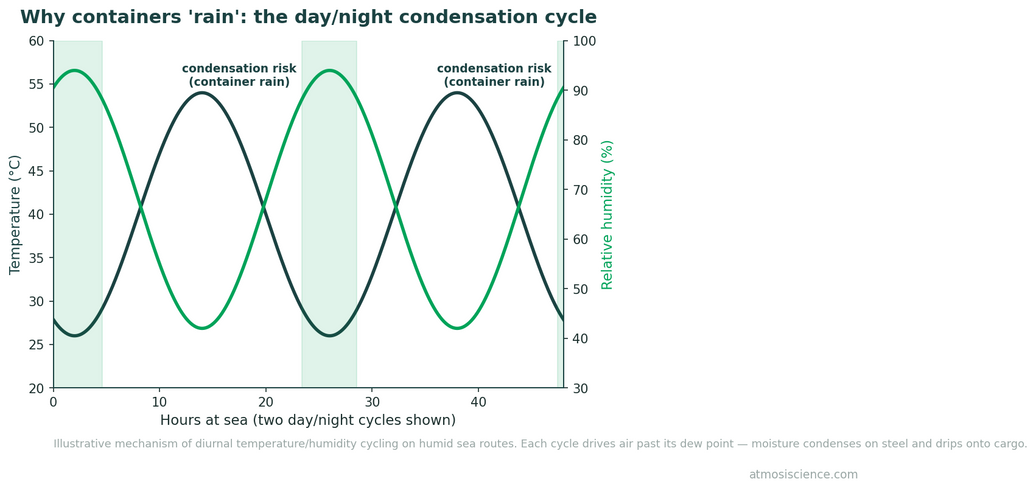
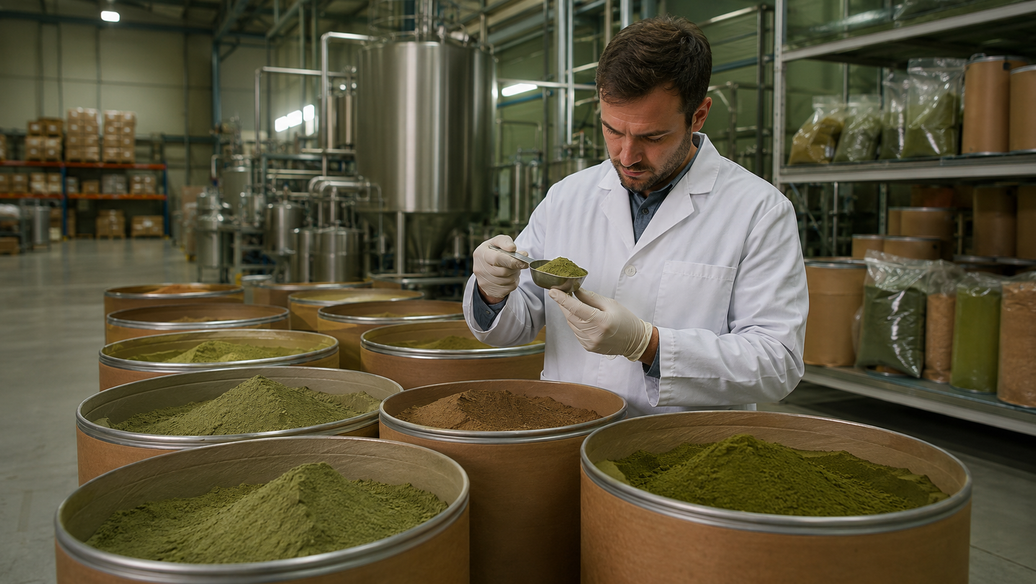
Hydrocolloids are bought for one property: their ability to bind water in a finished food. That is exactly why they are so hard to store — the powder pulls water out of the air just as eagerly as it will in a gummy or a jam. For a food ingredient supplier, moisture during storage means lumps, lost functionality and rejected lots.
Why hydrocolloids clump and lose strength
Gelatin is graded by bloom strength; pectin and gums by gelling power and viscosity. When these powders take on moisture they cake, and the functional spec drifts — a gelatin that has absorbed water may miss its bloom target, so a candy or capsule maker cannot dose it reliably. Because the whole product category is engineered to be water-loving, storage humidity control is not optional.

Formats: sacks, drums and retail
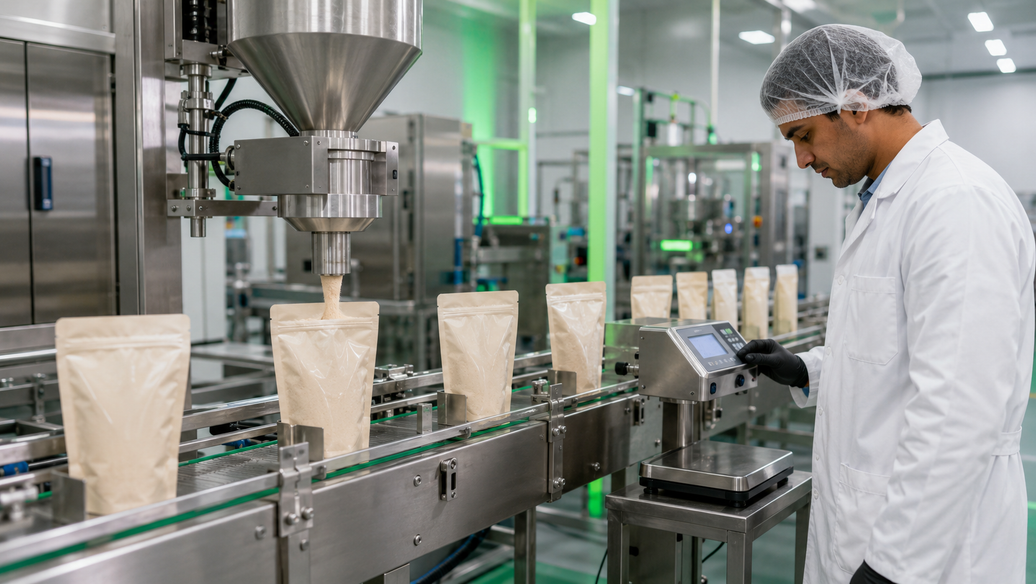
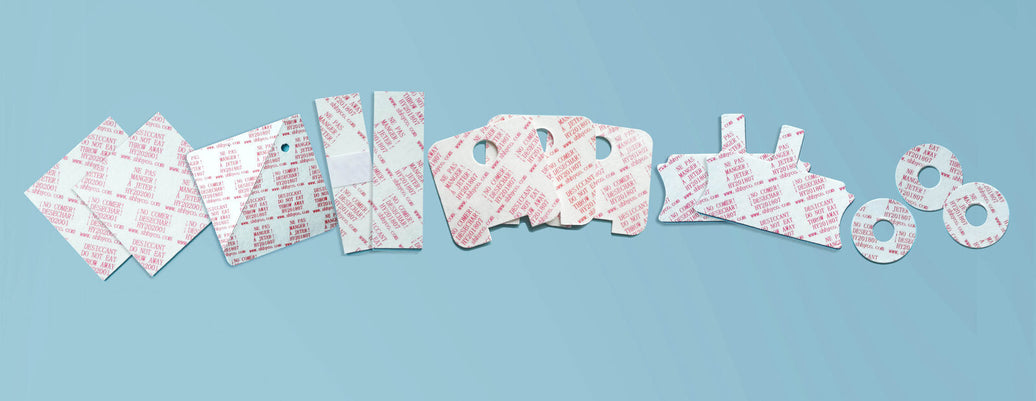
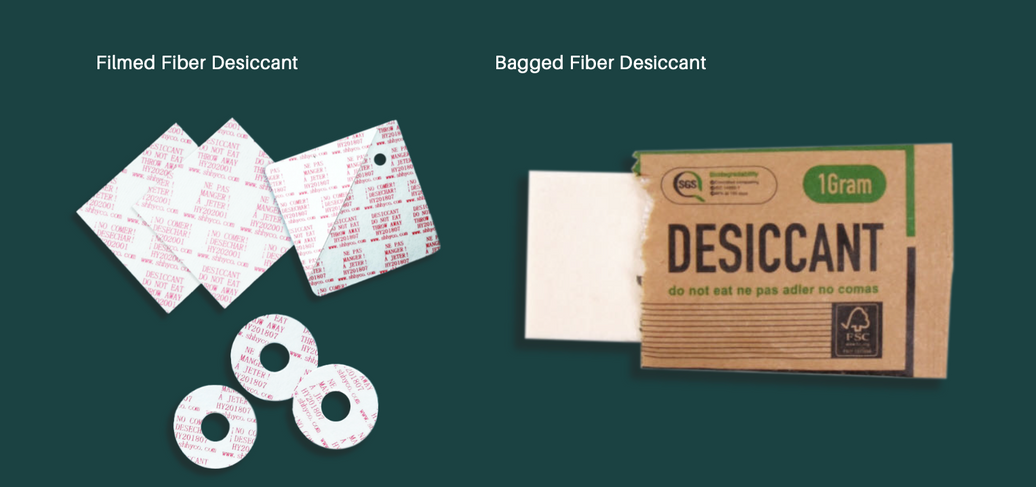
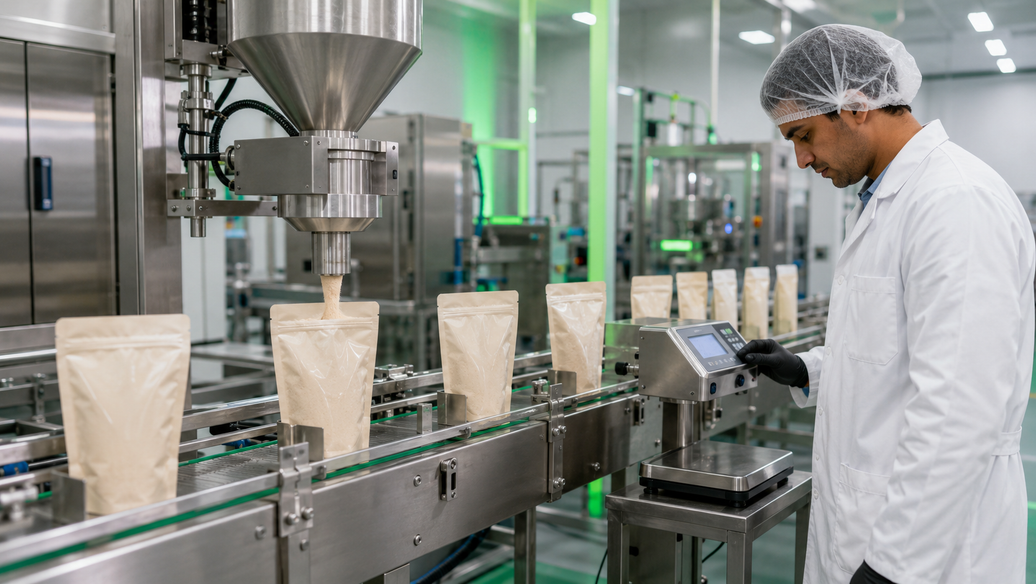
- 25 kg sacks and fibre drums: larger 50–500 g fiber sachets placed through the fill.
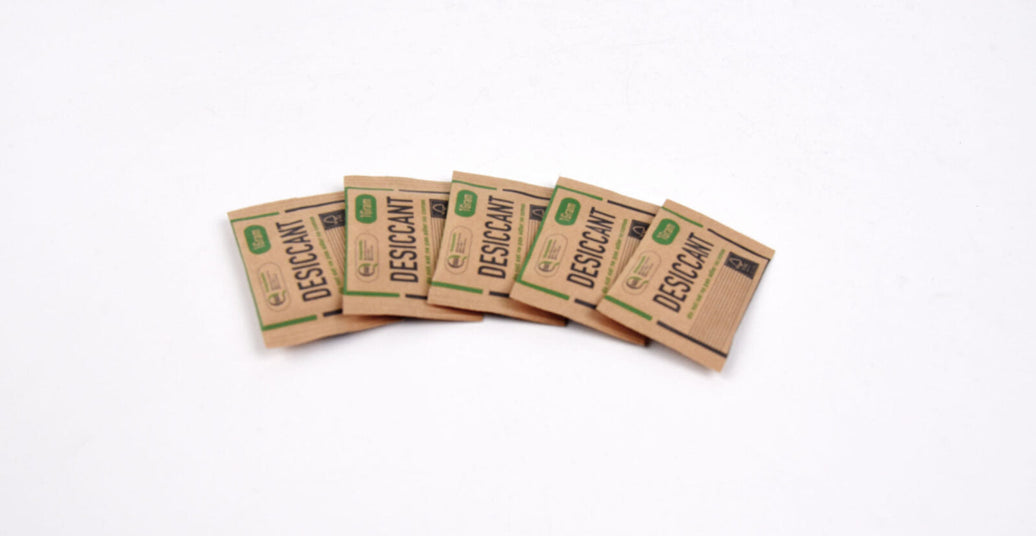
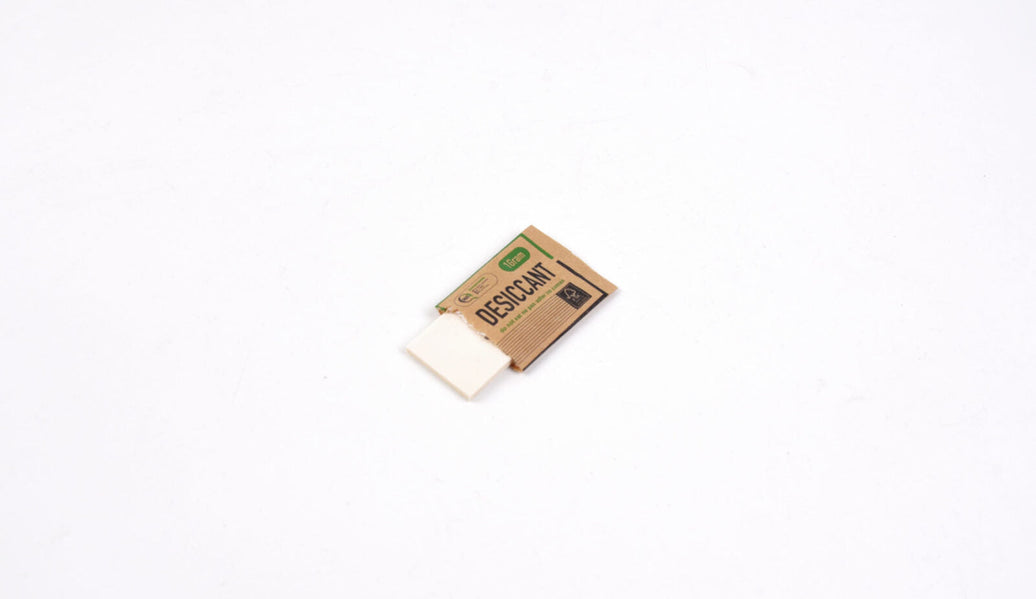
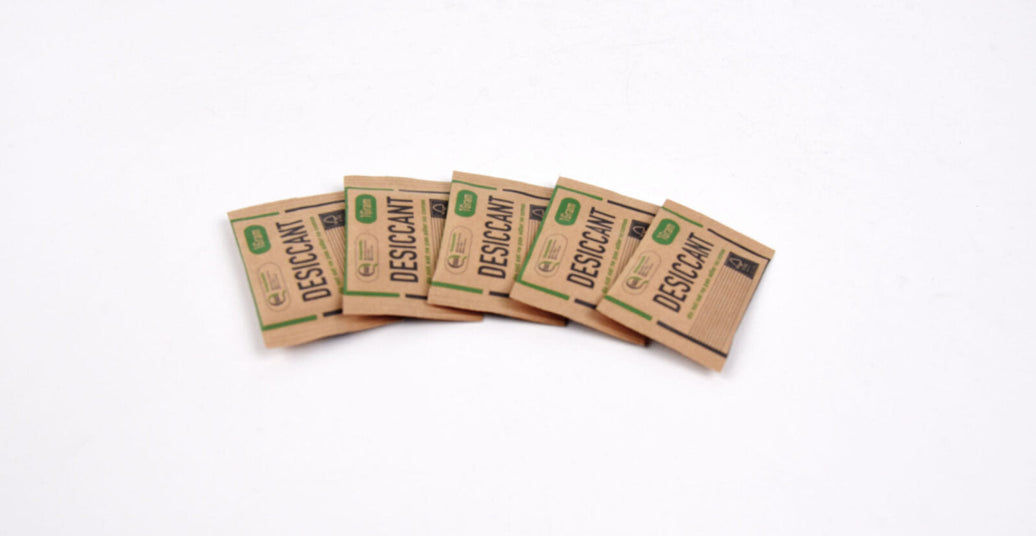
- Retail and food-service pouches: a 1–5 g sachet sized to headspace.
- Capsule- and candy-line totes: matched sachet counts per container.
Why fiber, and why capacity matters here
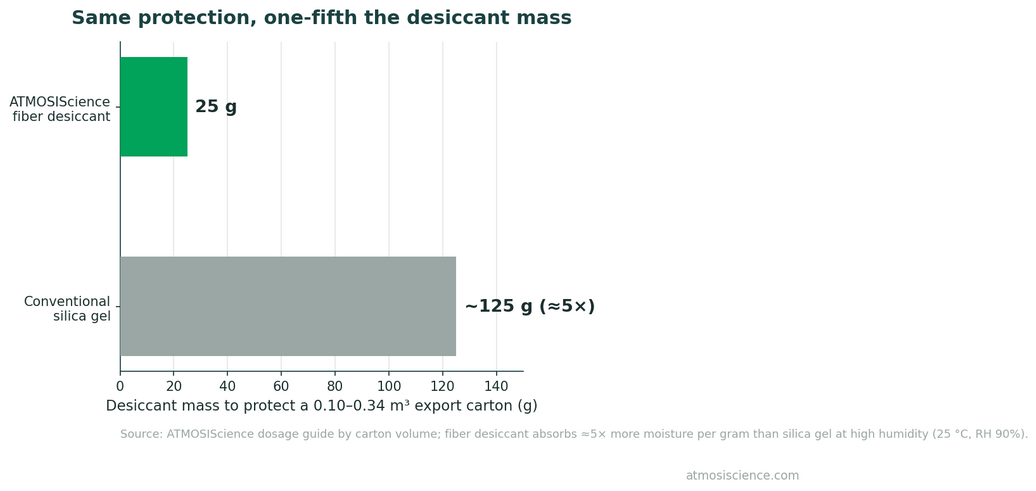
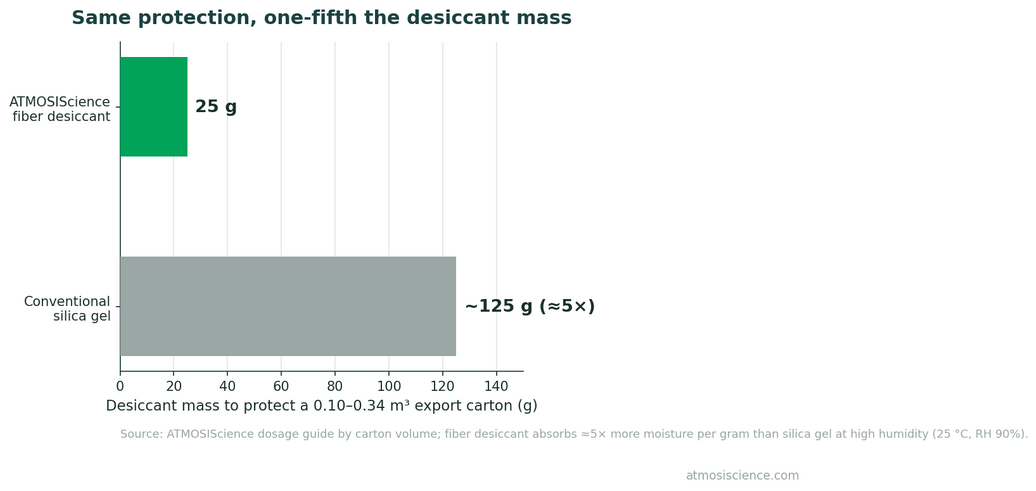
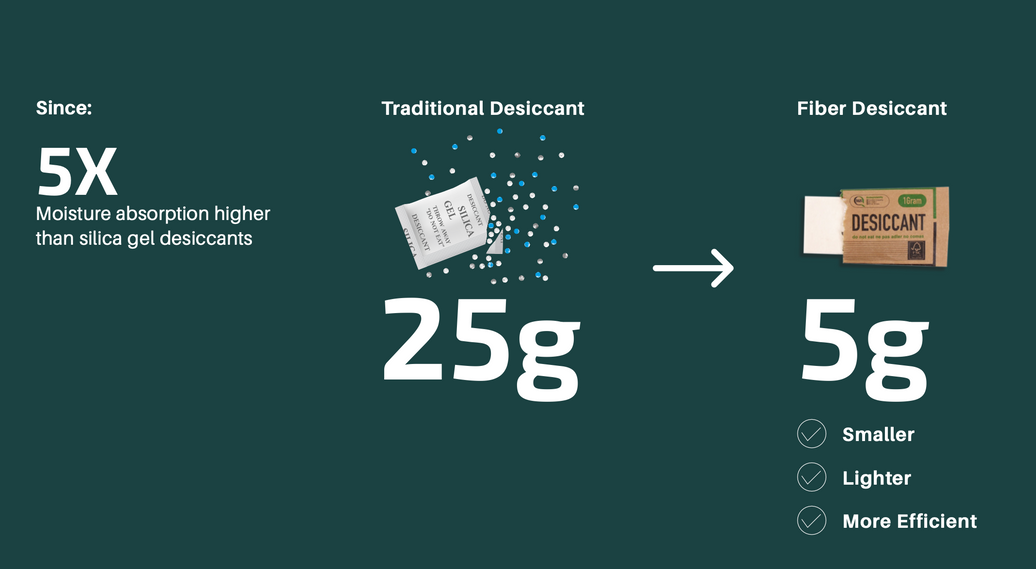
Because hydrocolloids demand a dry environment, capacity is the deciding factor. Fiber desiccant adsorbs more than 70% of its weight at RH90 versus roughly 30% for silica, so it holds a bulk sack drier for longer with less desiccant mass. It is dust-free, and the compostable sachet supports clean-label ingredient positioning.

Frequently asked questions
Can a desiccant preserve gelatin bloom strength? By keeping storage humidity low it prevents the moisture pickup that shifts functional specs; it cannot restore already-degraded material.
How much for a 25 kg sack? It depends on headspace and barrier; the team can recommend a sachet size and count from your pack spec.
Is it safe for food ingredients? Yes — food-contact grade, dust-free, safe for direct contact.
Related reading: desiccant for gummy supplements and soft chews, desiccant for pharmaceutical excipients, and how desiccants extend powder shelf life. Browse the fiber desiccant range.
Storing gelatin, pectin or gums?
Send your ingredient, pack format and monthly volume. ATMOSIScience will size a food-grade fiber desiccant and ship a free sample to test against your storage lane.