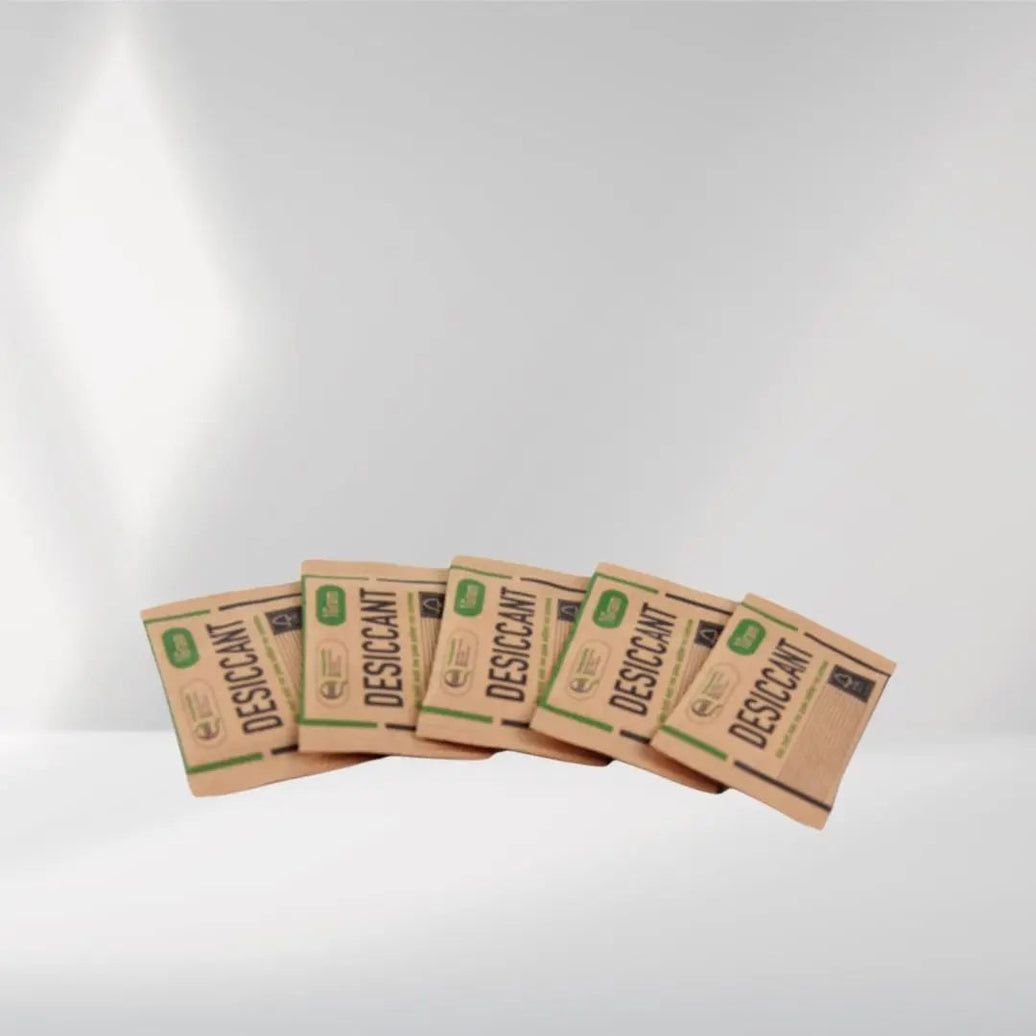
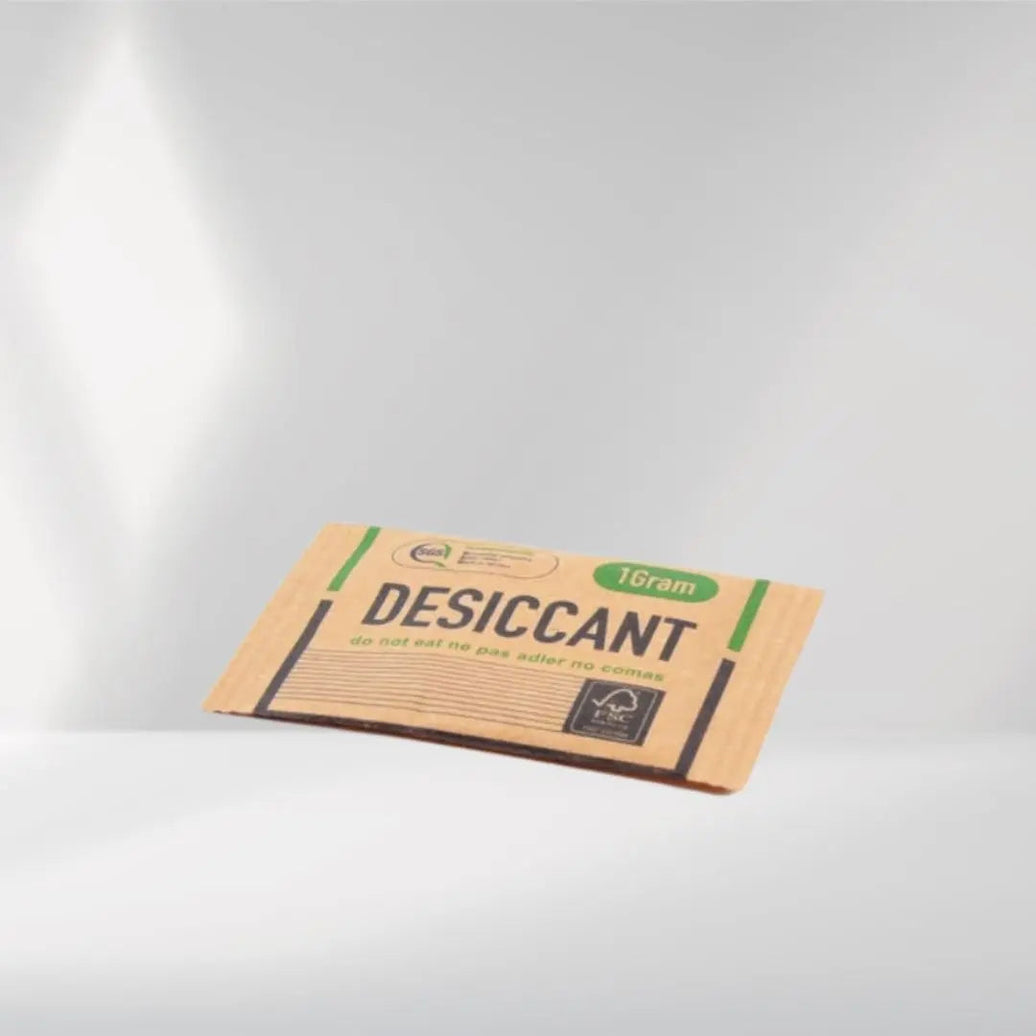
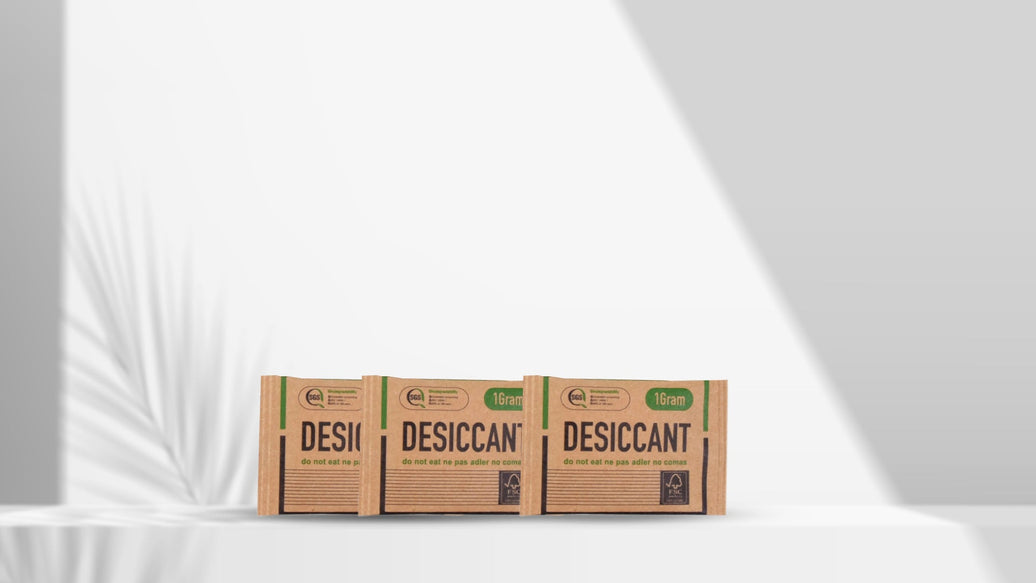
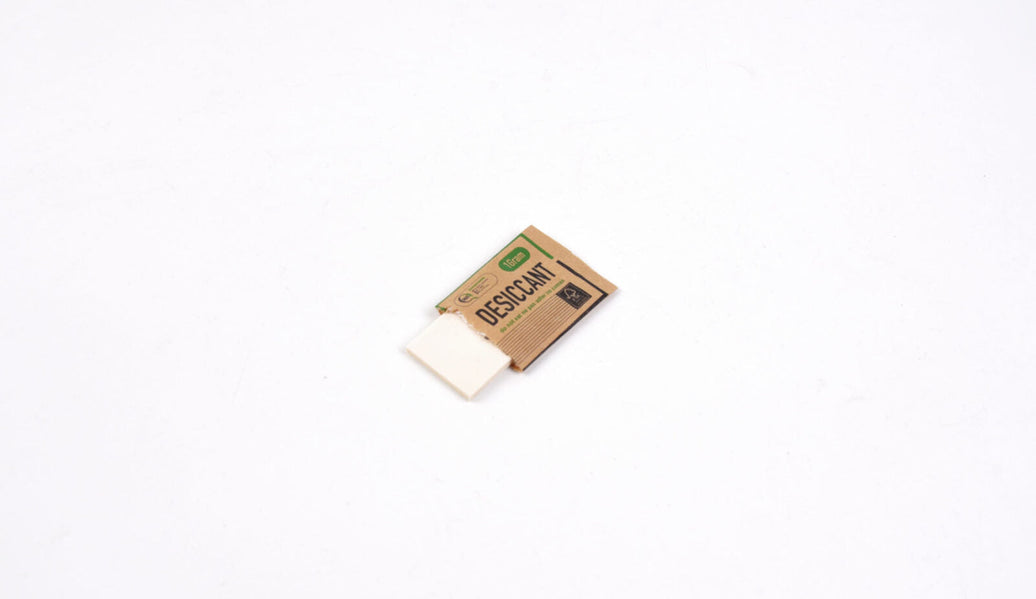
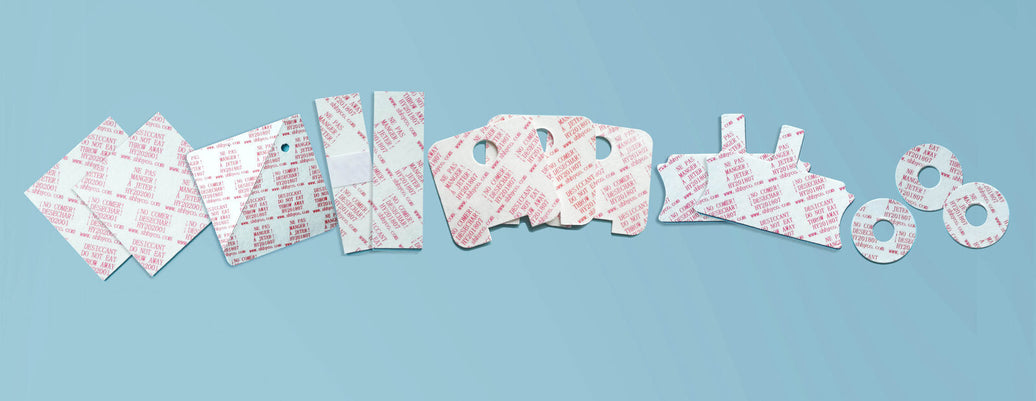
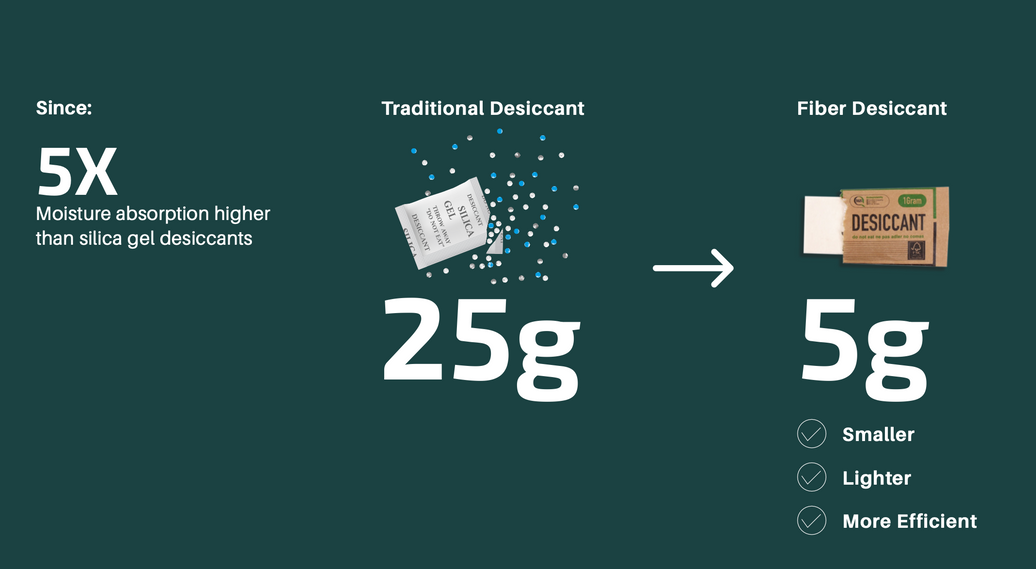
Quick answer: A desiccant inside a medical device package is a packaging component subject to the same validation as the rest of the sterile barrier system. It must not shed particulate, must not interfere with the sterilisation method, must be included in the ISO 11607 stability and integrity study, and must be part of the biocompatibility assessment if it can contact the device. Where headspace is tight, a die-cut filmed pad is generally preferred over a loose-fill sachet — the pad has no fill to shed if the wrapper is compromised.
Moisture damages medical devices through several independent routes: corrosion of metal instruments, hydrolysis of absorbable polymers, degradation of adhesives and coatings, reagent instability in device-diagnostic combinations, and fogging of optical components. Each has a different sensitivity threshold, and a package protecting several of them has to satisfy the tightest one.
The desiccant is part of the sterile barrier system
This is the framing that most often gets missed. Under ISO 11607, the sterile barrier system is validated as a whole — materials, seals, sterilisation compatibility and stability over the claimed shelf life. A desiccant added inside that system is not an accessory. It is a component within the validated configuration.
The practical consequences are procedural rather than technical:
- Adding or changing a desiccant is a packaging change and triggers change control.
- The desiccant must be present in the accelerated-ageing and real-time stability studies, because it affects the internal environment those studies characterise.
- It must be compatible with the sterilisation method actually used.
- If it can contact the device, it enters the biocompatibility assessment under ISO 10993.
Sterilisation method drives the decision
Ethylene oxide. EO sterilisation deliberately humidifies the load — moisture is required for the process to work. A desiccant present during the cycle can interfere with humidification and will itself load with moisture and EO. Where a desiccant is used with EO, its placement relative to the cycle and its aeration behaviour both need to be established rather than assumed.
Gamma and E-beam. Radiation sterilisation is generally the most permissive case. Materials should still be assessed for radiation-induced change, but there is no humidification step to disturb.
Steam. Saturated steam and in-pack desiccant are fundamentally at odds. A desiccant that survives the cycle arrives substantially loaded and has little remaining capacity for shelf life.
Vaporised hydrogen peroxide. Adsorbent materials can take up hydrogen peroxide and complicate aeration. Residual testing is the deciding evidence.
Why particulate construction matters more here
In food packaging, a shed desiccant bead is a contamination finding. In a sterile device package it is a particulate on a device that may enter the body. The tolerance is different in kind, not degree.
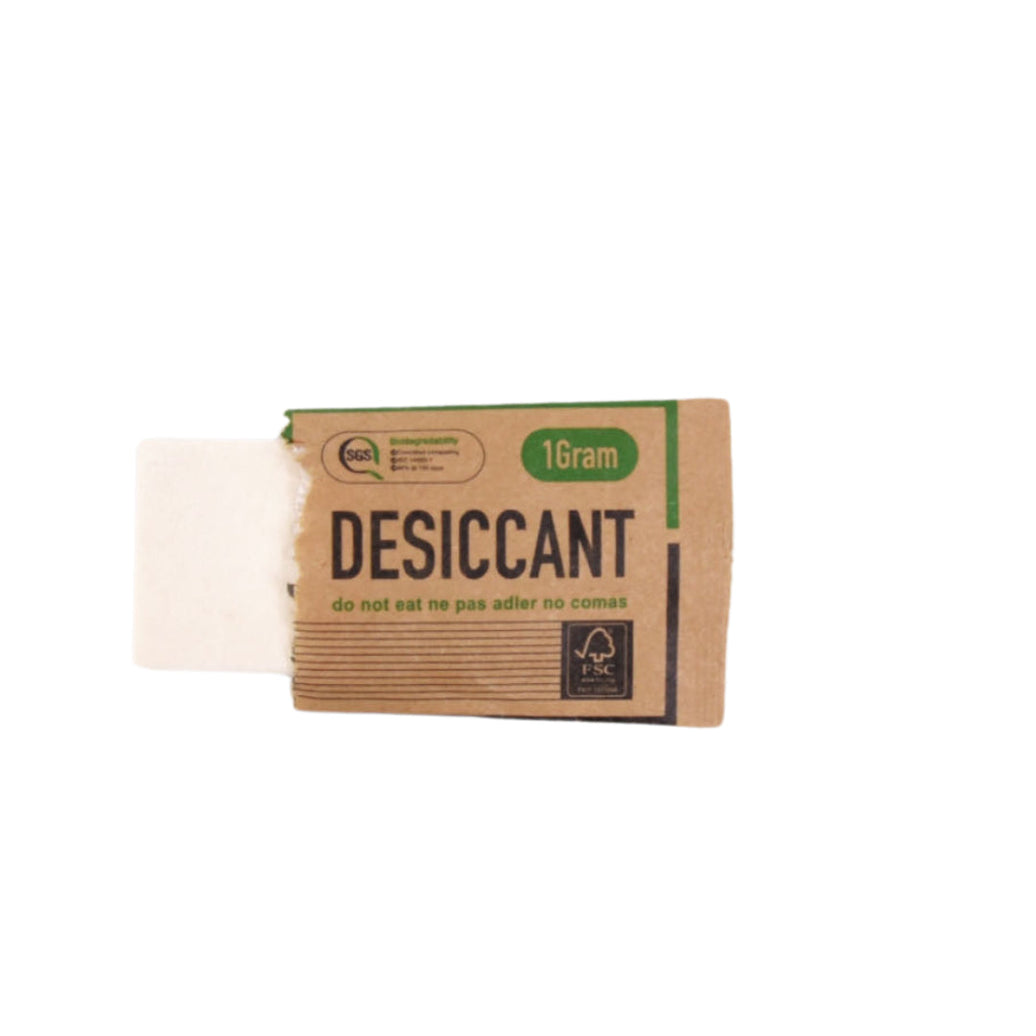
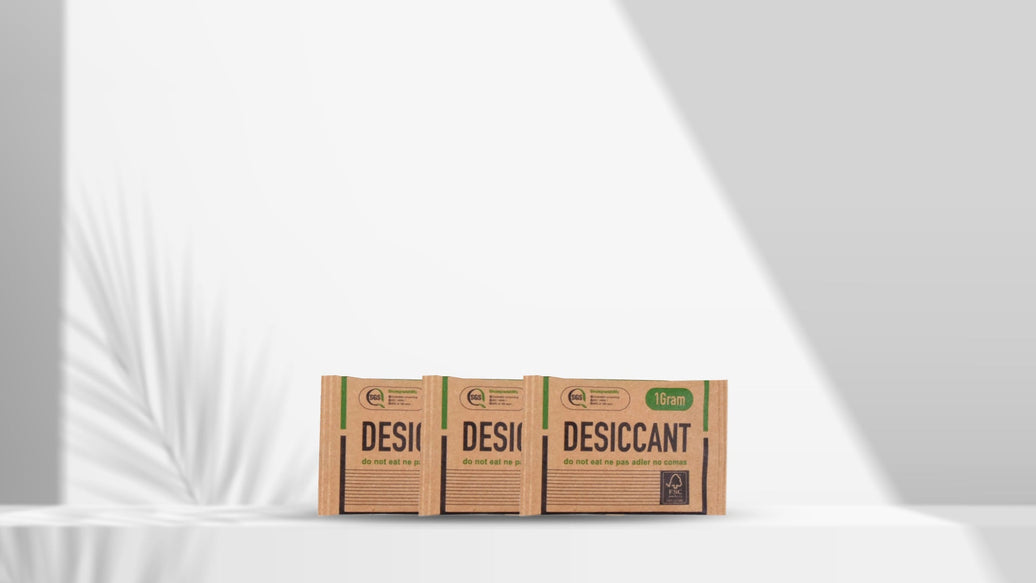
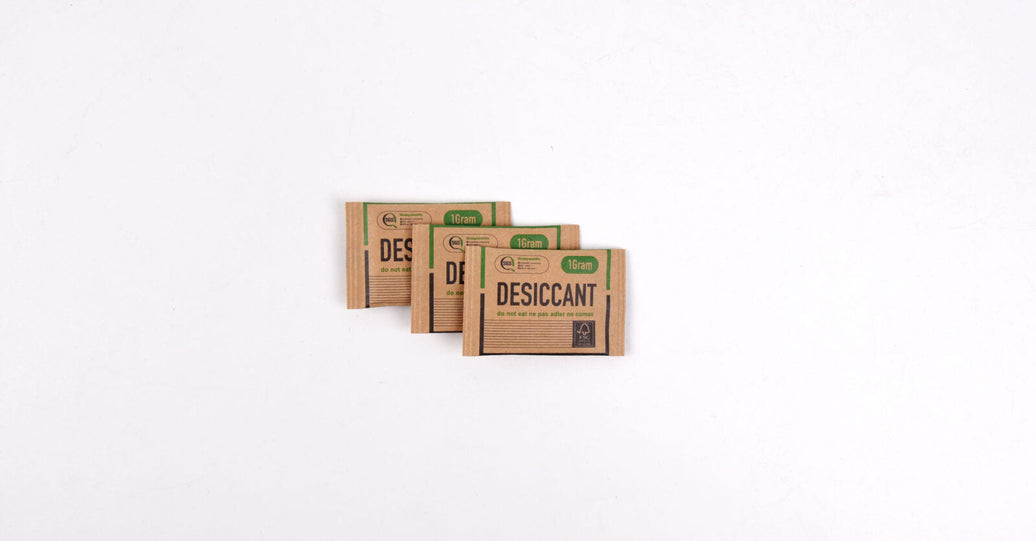
Loose-fill formats — silica beads, clay granules, loose powders — depend entirely on wrapper integrity. Wrappers abrade in transit, get nicked in handling, and fail at seams. A bound-matrix pad has no loose fill to release even if the wrapper is compromised, which removes the failure mode rather than mitigating it. Broader case: powder and loose-fill desiccant risks.

Format and geometry
Device packaging is usually headspace-constrained: thermoformed trays with contoured cavities, pouches sized close to the device, blisters with millimetres to spare. A sachet that does not fit the cavity will migrate, abrade against the device, or block a seal path.
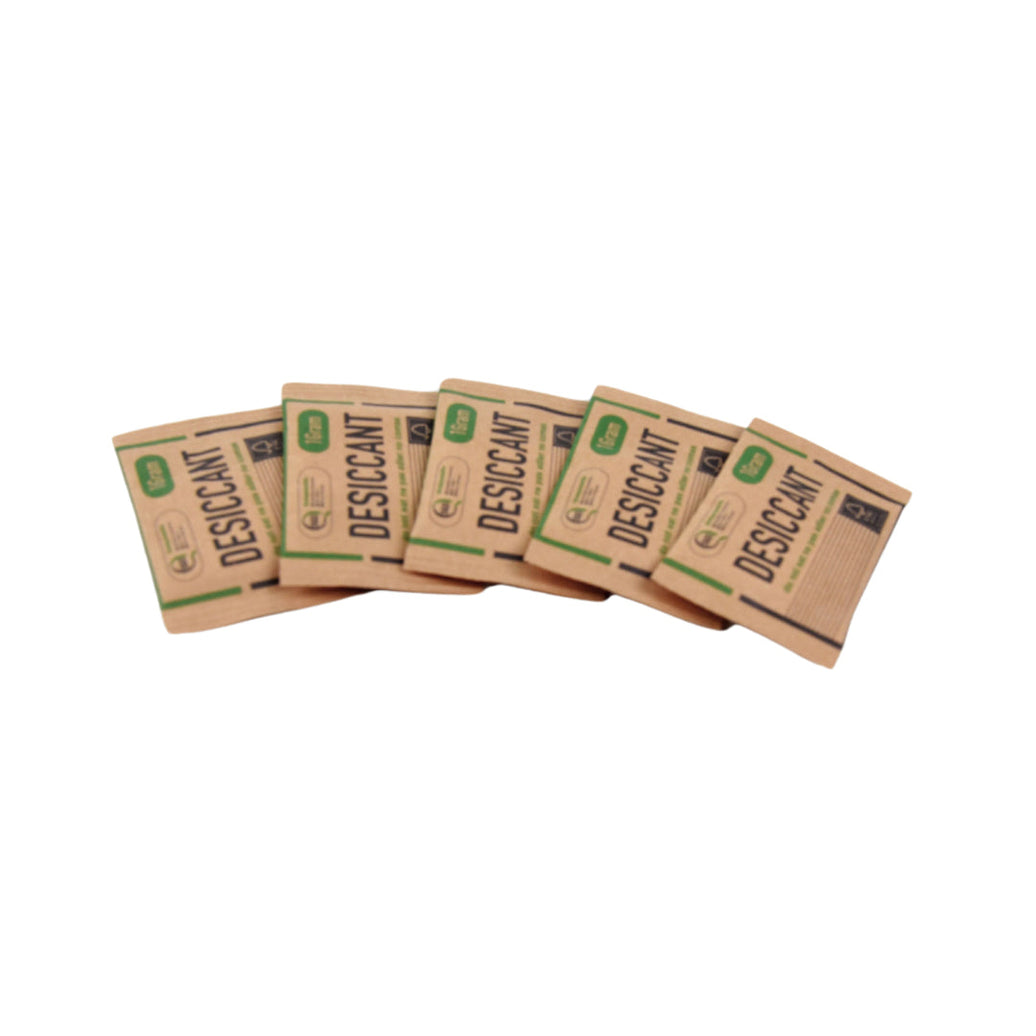
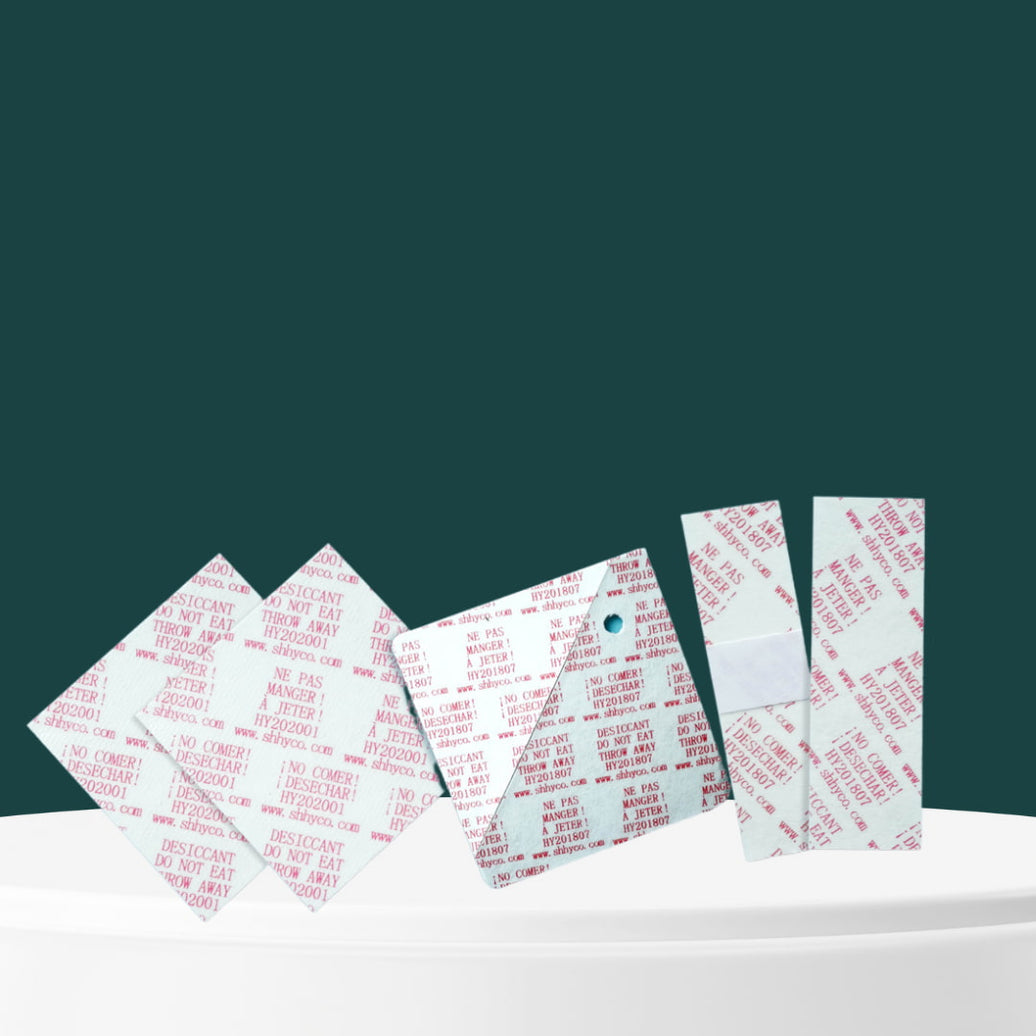
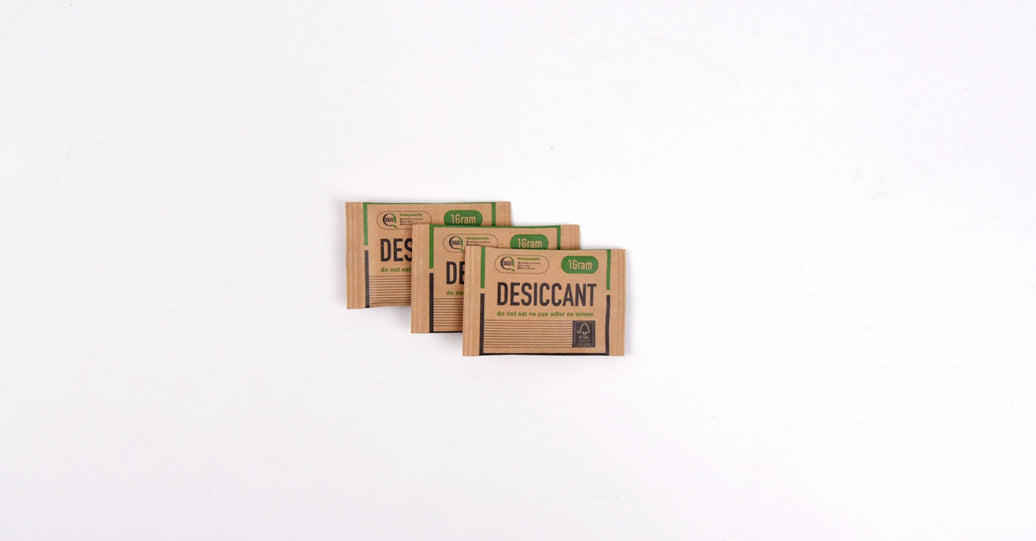
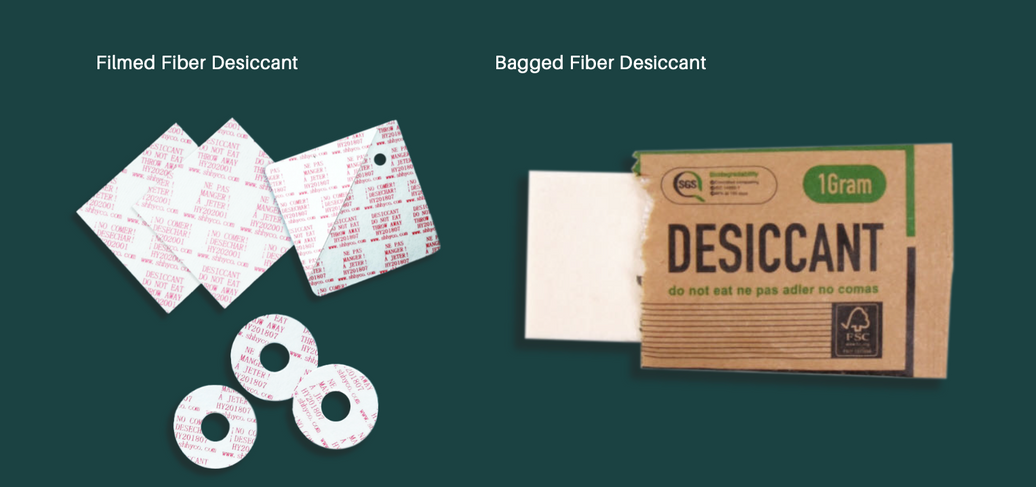
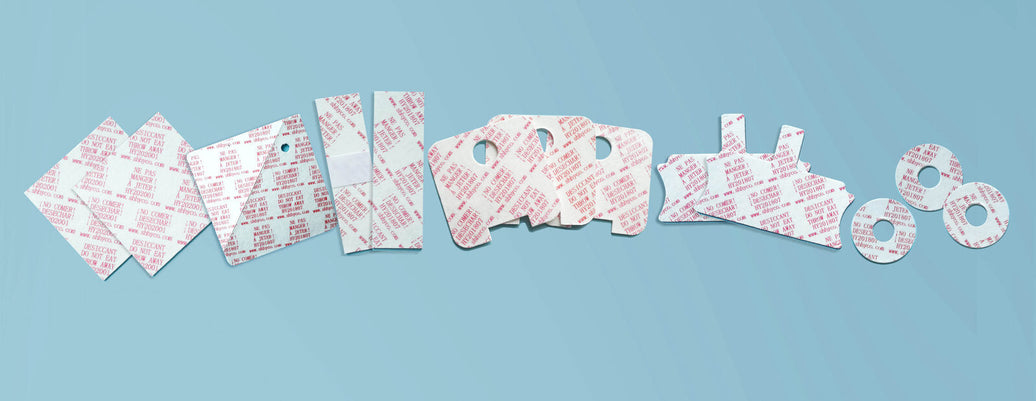
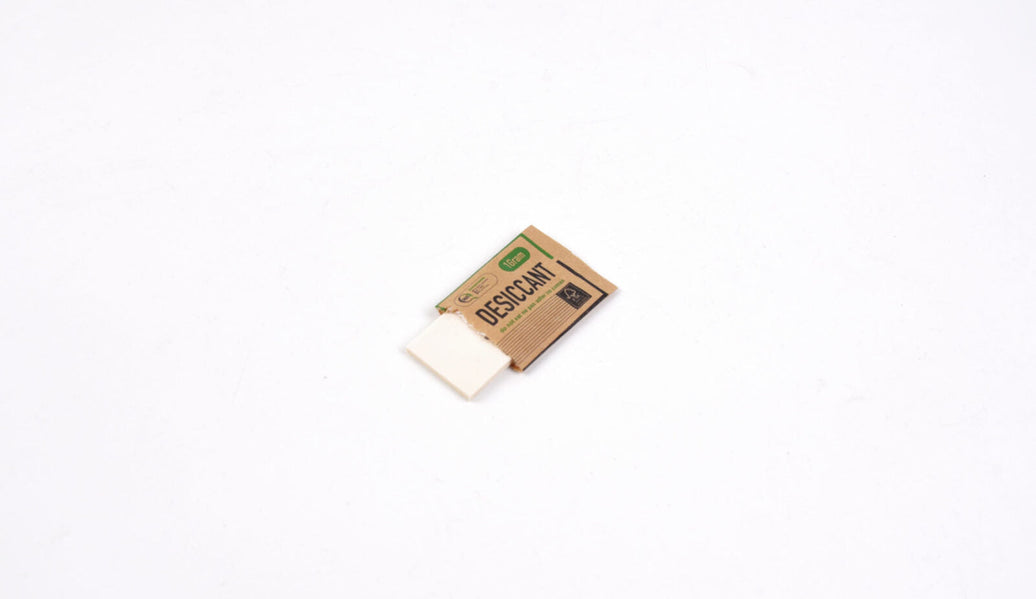
Die-cut filmed pads suit this environment. Available at 0.5 mm and 1.0 mm thickness, cut to square, circular or custom geometry to match a tray cavity or lid area, and printable on the laminated film if part identification is needed. Reference specifications on the fiber platform: FF-3 at 25×12×1 mm and 0.15±0.05 g; FF-6 at 30×20×1 mm and 0.35±0.08 g; FF-15 at 60×25×1 mm and 1.0±0.1 g. Format selection: sachet, film card or cap insert.
Sizing across a long shelf life
Device shelf lives commonly run three to five years, which makes permeation the dominant term rather than sealed-in air. Size against film WVTR × surface area × humidity differential × the full claimed shelf life, add the sealed-in load, and apply a safety factor sized to the consequence of failure. Method: the service-life math.
Accelerated ageing gives an early read, but real-time data is what supports the claim. Both studies should run with the desiccant in place and in its final position.
Documentation a device QA team will request
Certificate of analysis per lot; composition disclosure sufficient for biocompatibility assessment; extractables and leachables data where contact is possible; manufacturing quality-system certification with a named site; sterilisation compatibility evidence for the specific method; and written change control. Baseline list: the supplier qualification document pack.
Relevant available documentation on the ATMOSIScience fiber platform includes FDA 21 CFR 175.300 food-contact documentation, a ROHS testing report, and SGS ISO 9001 manufacturing certification. Device-specific biocompatibility testing is scoped per application rather than supplied generically.
Frequently asked questions
Can a desiccant go inside a sterile barrier system?
Yes, provided it is validated as part of that system — included in stability and integrity studies, compatible with the sterilisation method, and assessed for biocompatibility if device contact is possible.
Does adding a desiccant require re-validation?
It is a packaging change and follows change control. Whether full re-validation or a documented assessment is sufficient depends on the risk analysis and the regulatory pathway for the device.
What about diagnostics packaged with devices?
Combination presentations usually follow the tighter of the two requirements. Reagent-side considerations are covered in desiccant for diagnostic test kits.
Is over-drying a risk for devices?
For most rigid devices, no. For hydrogel-containing products, some polymer components and certain coatings, yes — those need a controlled band rather than the lowest achievable humidity. Reasoning: the certain-humidity principle.
Should a moisture indicator be included?
Useful during validation and stability work, where it gives a visual read on the internal environment. In commercial packs it adds a component to the validated system, so the value has to justify the added qualification.
Spec a desiccant for a sterile barrier system
Send the tray or pouch geometry, sterilisation method, film WVTR and claimed shelf life. ATMOSIScience returns a die-cut format, dosage and the documentation your QA team needs.
Prefer email? info@atmosiscience.com