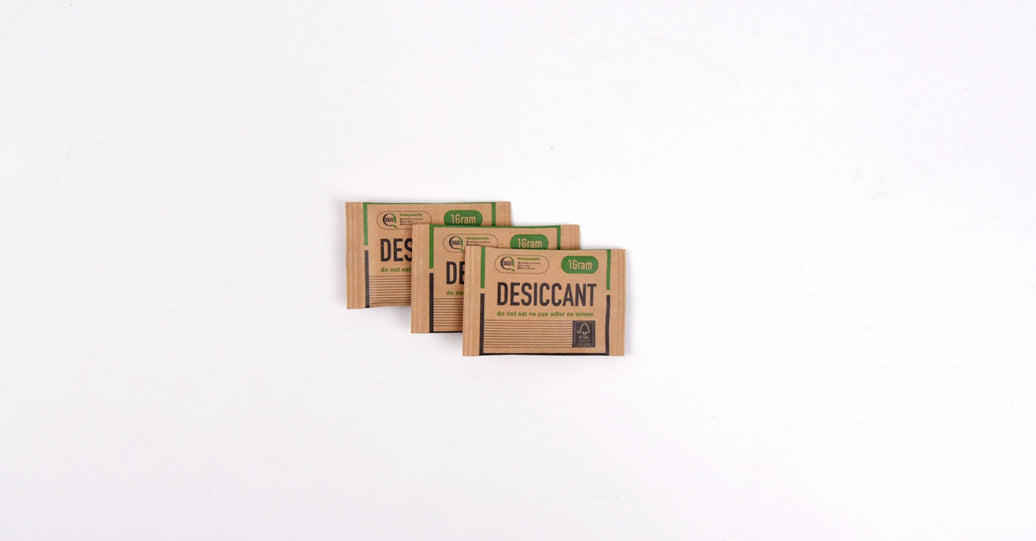
Quick answer: Lateral-flow and rapid diagnostic kits require a desiccant in every foil pouch because the nitrocellulose membrane, conjugate pad and reagents are moisture-sensitive — humidity degrades sensitivity, causes false results and shortens shelf life. The specs that matter most are capacity matched to pouch headspace, very low particle generation (dust can contaminate the assay), documented non-toxic materials, and stable performance across the labeled storage range. A humidity indicator card adds verification.
A diagnostic test that reads wrong is worse than no test. Yet the failure often begins long before the sample is applied — in a pouch that let moisture reach the strip during storage or transit. That is why the desiccant inside a rapid-test pouch is not packaging garnish; it is part of the assay's validated performance.
Why humidity attacks a lateral-flow assay
The membrane and pads that wick and react rely on defined material properties. Excess humidity swells and alters the membrane, degrades antibody conjugates, and shifts flow behavior — which shows up as reduced sensitivity, weaker lines, or outright false results. Kit inserts routinely instruct users to keep the pouch sealed until use and not to remove the desiccant, precisely because exposure compromises the result.
The specs that actually matter for kits
1. Capacity matched to pouch headspace
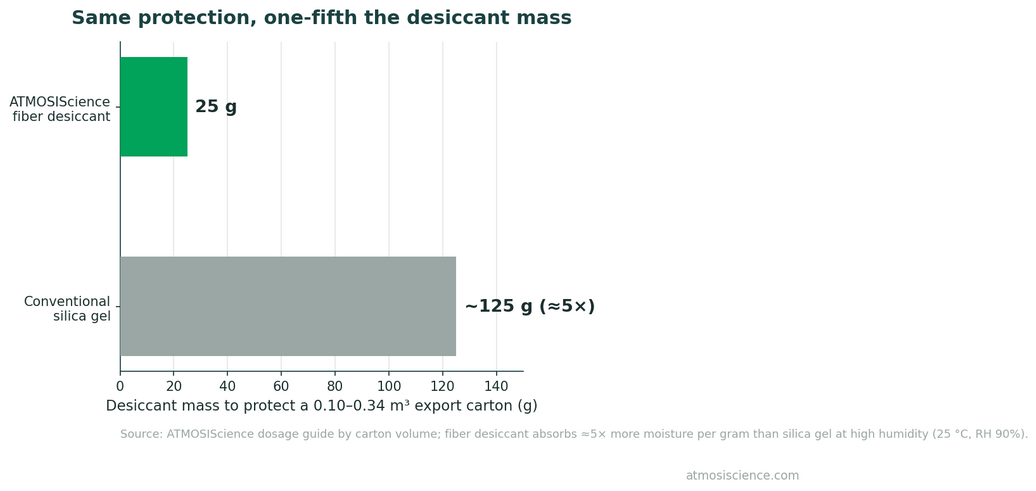
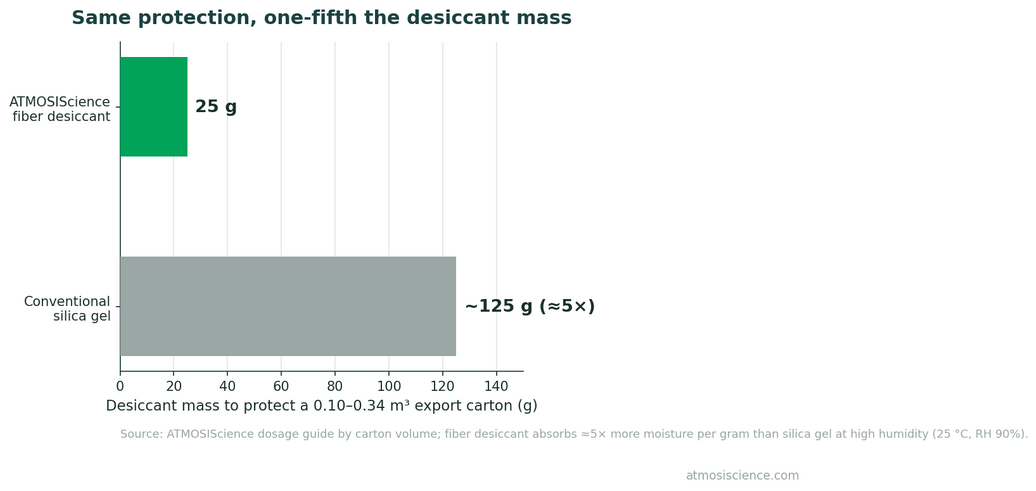
A foil pouch is small; the moisture budget is the sealed-in headspace plus slow permeation over shelf life. Published accelerated-condition work on rapid-test packaging has found on the order of 1.5 g of desiccant sufficient for a single-test pouch at 30°C / 75% RH — a useful reminder that dosage should be matched tightly to the pouch, not over-loaded. The sizing method generalizes in the dosage guide.
2. Very low particle generation
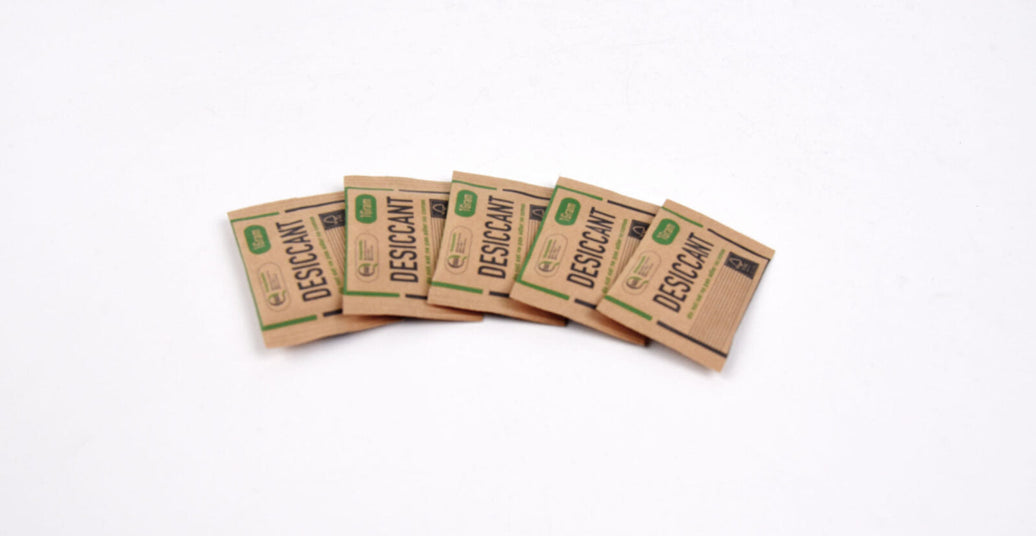
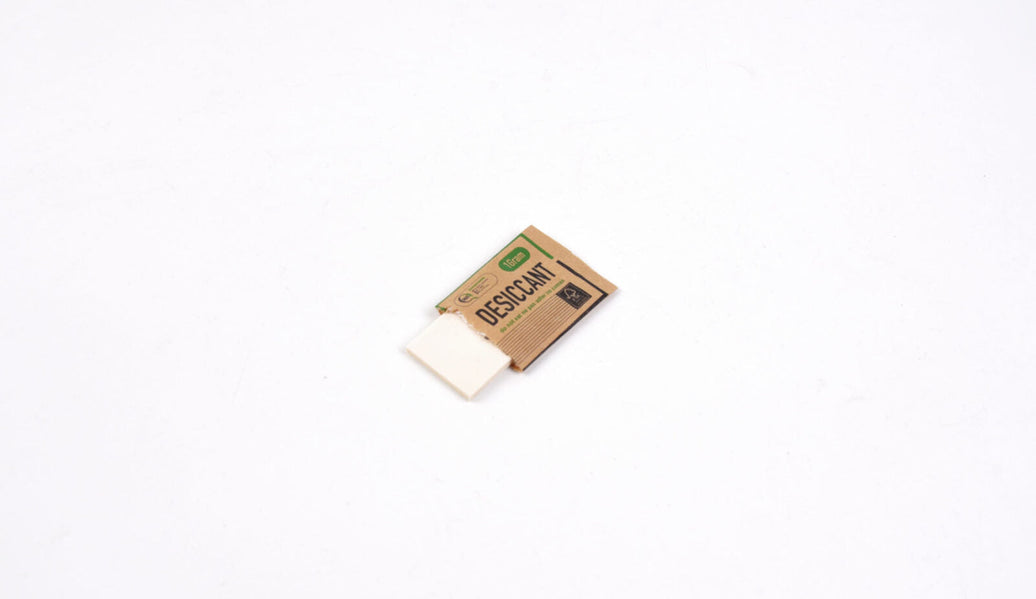
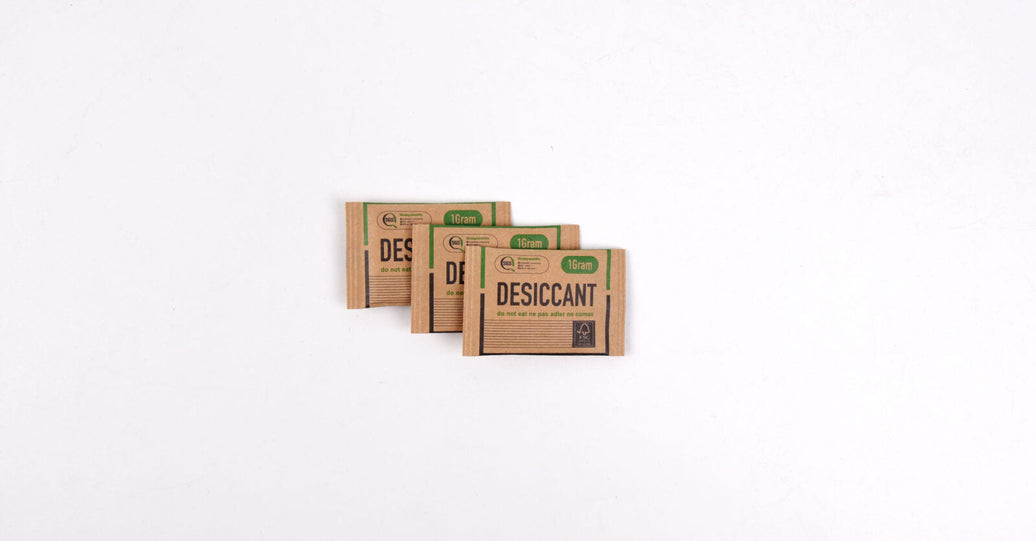
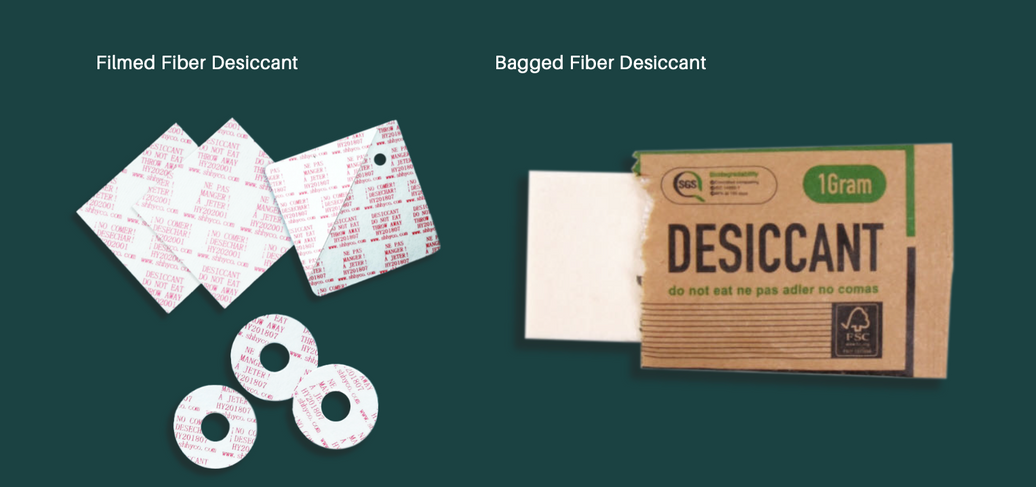
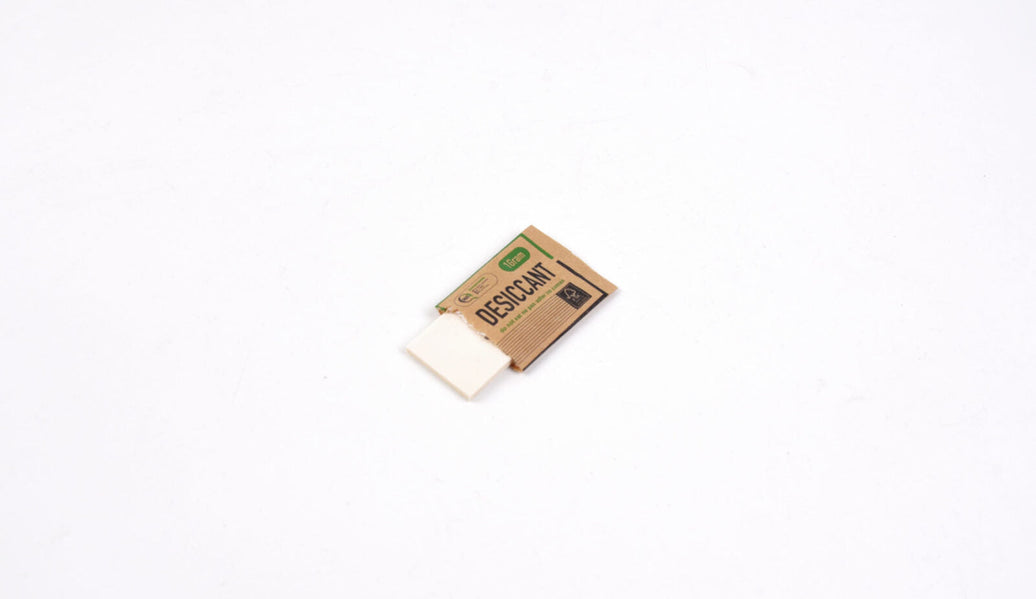
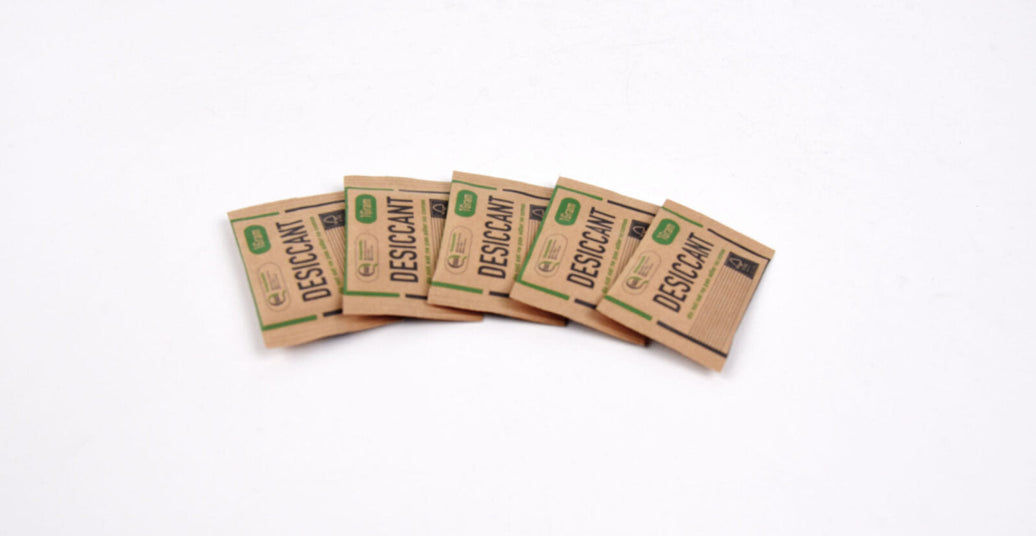
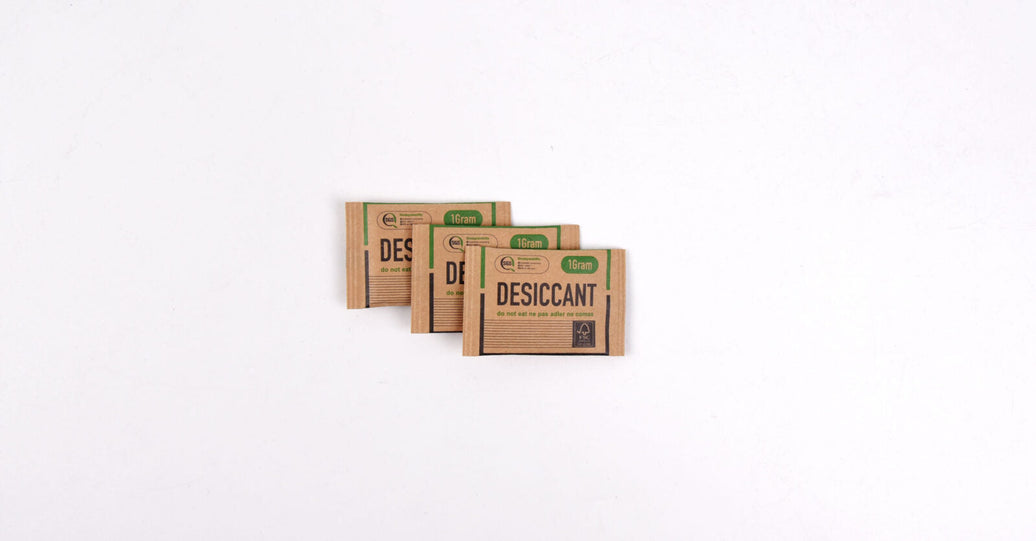
This is the diagnostic-specific requirement. Loose silica beads or clay dust can migrate onto the strip and interfere with the read. Fiber desiccant is dust-free by construction — a bagged or paper-wrapped substrate rather than loose fill — which is why it suits open-membrane environments; the distinction is in loose-fill desiccant risks.
3. Documented, non-toxic materials
Kits used at home and point-of-care need materials with a documentation trail: ROHS testing on file supports device safety files. What to require is in the supplier qualification pack.
4. A format that fits automated pouching
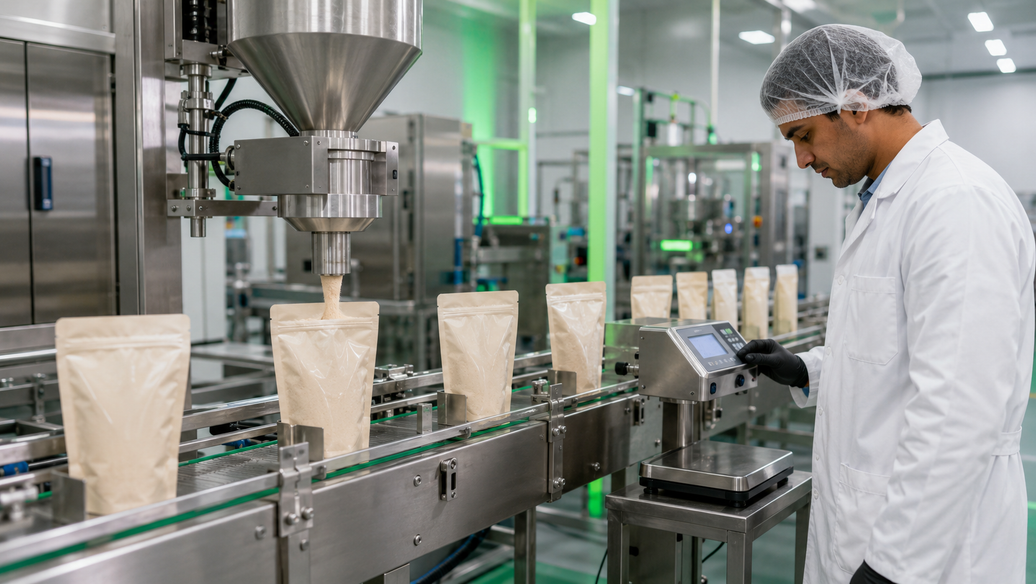
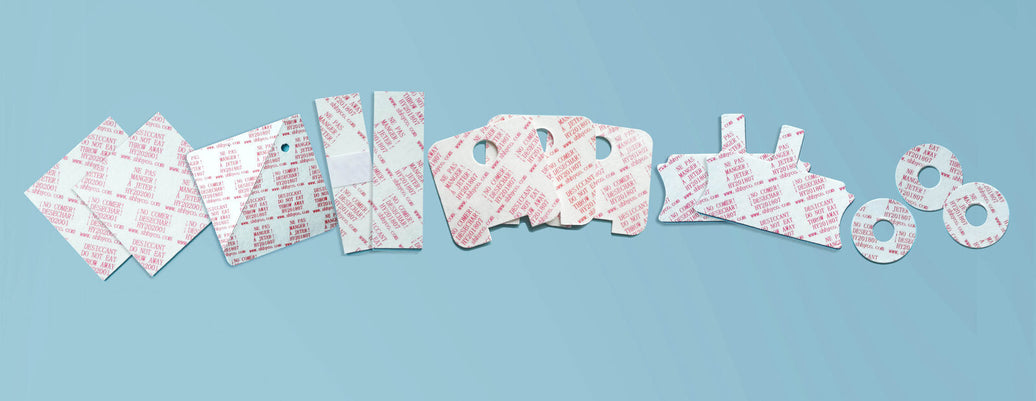
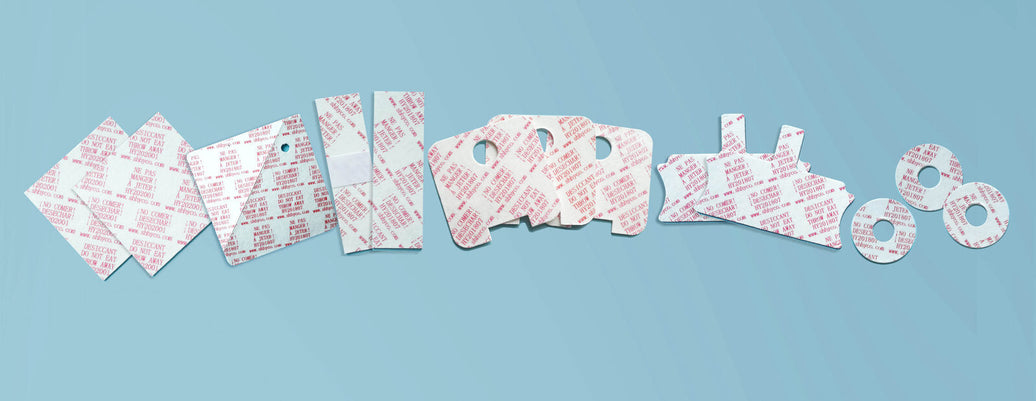
High-volume kit lines insert desiccant automatically — so card stiffness and consistent dimensions decide line speed. Thin fiber film cards (0.5 or 1.0 mm), die-cut to a repeatable shape, feed cleanly; the automation considerations are in the co-packer's insertion guide.

Add verification: the humidity indicator card
For diagnostics, verification is cheap insurance. A humidity indicator card in the pouch (or in a QC sample) turns "we assume it stayed dry" into a visible reading, and gives QA an artifact for the batch record. It's the same logic that governs effervescent tablets — the most moisture-sensitive products get both protection and proof.
Why fiber fits diagnostics specifically
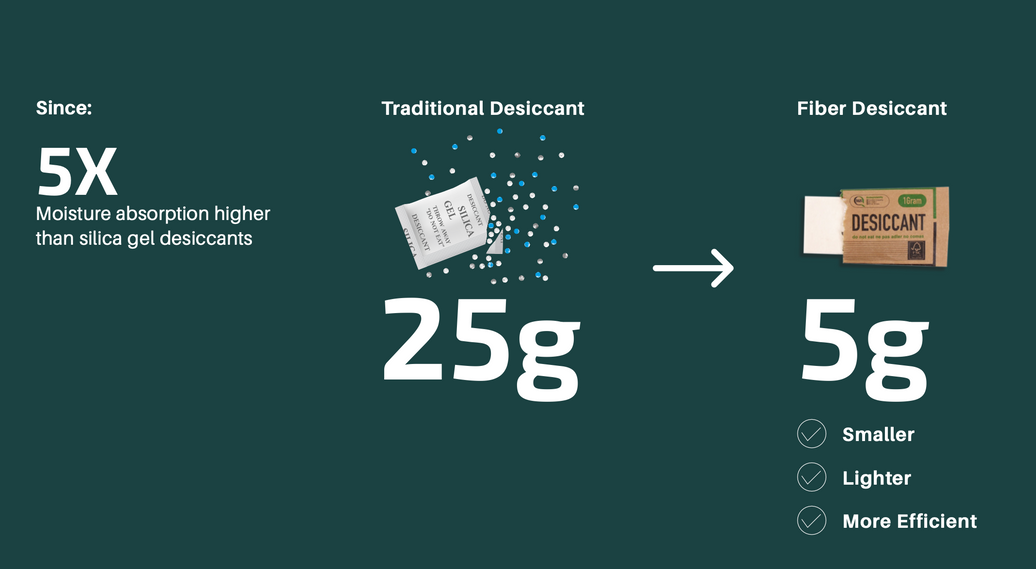
Dust-free construction protects the membrane; high capacity per gram keeps the pouch small; documented food-contact and ROHS materials support the device file; and customizable die-cut cards fit automated lines. The two-way mechanism — explained in the science of fiber desiccant — also buffers against brief over-dry excursions that can matter for sensitive reagents.
FAQ
Can one desiccant spec cover a whole kit range?
Often not — a single-test pouch and a multi-cassette box have different headspace and opening profiles. Size each SKU; the method is the same but the number changes.
Is a humidity indicator card required?
Not universally required, but widely used in diagnostics because it provides batch-level verification at negligible cost. Check the applicable regulatory guidance for the device class.
Why not just use the silica the contract manufacturer stocks?
It may work — but verify dust generation and documentation against the assay's needs. Particle shedding onto a membrane is a diagnostics-specific risk that generic silica isn't always specified against.
What information is needed to spec kit desiccant?
Pouch internal dimensions, foil/film permeability, labeled shelf life and storage conditions, insertion method (manual vs automated), and any device-file documentation requirements.
Spec'ing desiccant for a diagnostic kit?
Send the pouch dimensions, shelf-life target and insertion method — an ATMOSIScience specialist will recommend a dust-free format and dosage, with the documentation your device file needs. Samples available for line trials.