An effervescent tablet is a controlled explosion waiting for water: citric or tartaric acid sitting against sodium bicarbonate, formulated to react violently in a glass — and to not react at all in the tube. The margin between those two states is humidity. Even trace headspace moisture starts the acid–base reaction at particle contact points, releasing CO₂ and water, which feeds further reaction. A swollen, fizz-less, mottled tablet is the end state of a process that began with a few hours of bad headspace.
No product category tolerates less moisture. This guide covers how US supplement and OTC manufacturers protect effervescent tablets and powders, and where film desiccant fits inside the closures this category depends on.
Why effervescents fail differently from other powders
Most powders degrade gradually — caking is annoying but the product still works. Effervescents are autocatalytic: the moisture-triggered reaction produces water as a byproduct, so degradation accelerates itself once started. The practical consequences:
Loss of fizz. The CO₂ potential consumed in the package is gone from the glass. A weak fizz is a one-star review in a category sold entirely on the fizz.
Tablet swelling and mottling. Internal gas generation cracks and swells tablets; moisture migration mottles the surface. Visible defect, immediate return.
Powder hardening. Effervescent drink powders (hydration, vitamin C, electrolyte sachet lines) cake through the same deliquescent-acid mechanism described in our pillar on why powders cake — but with the added reaction loss.
Protection by format
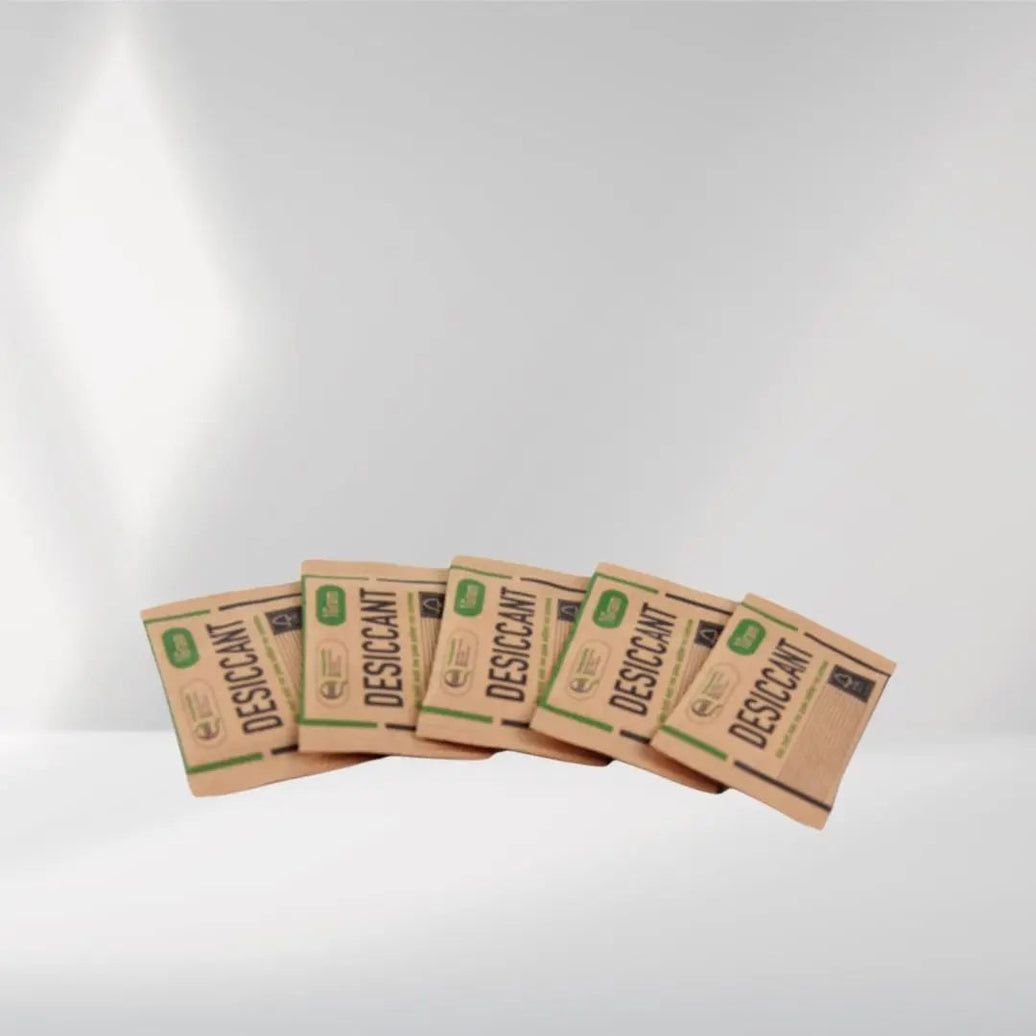
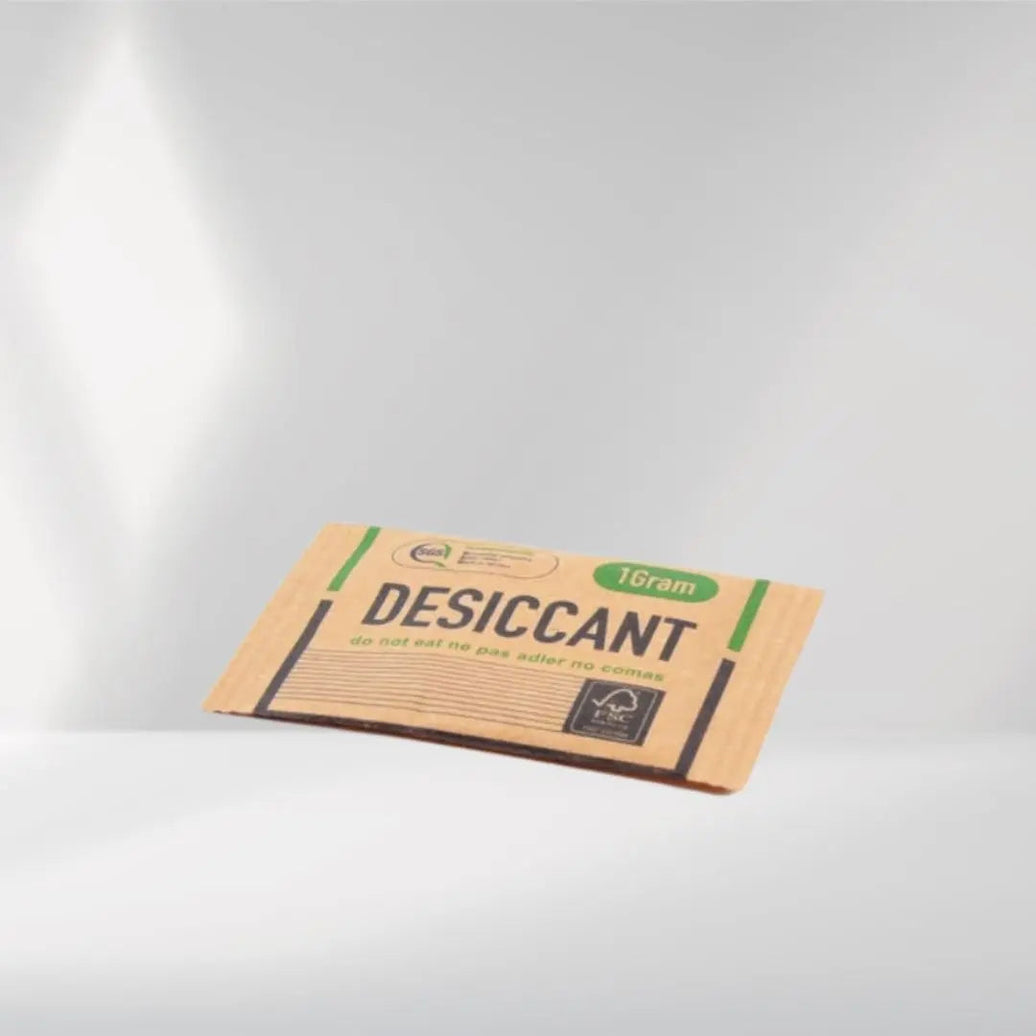
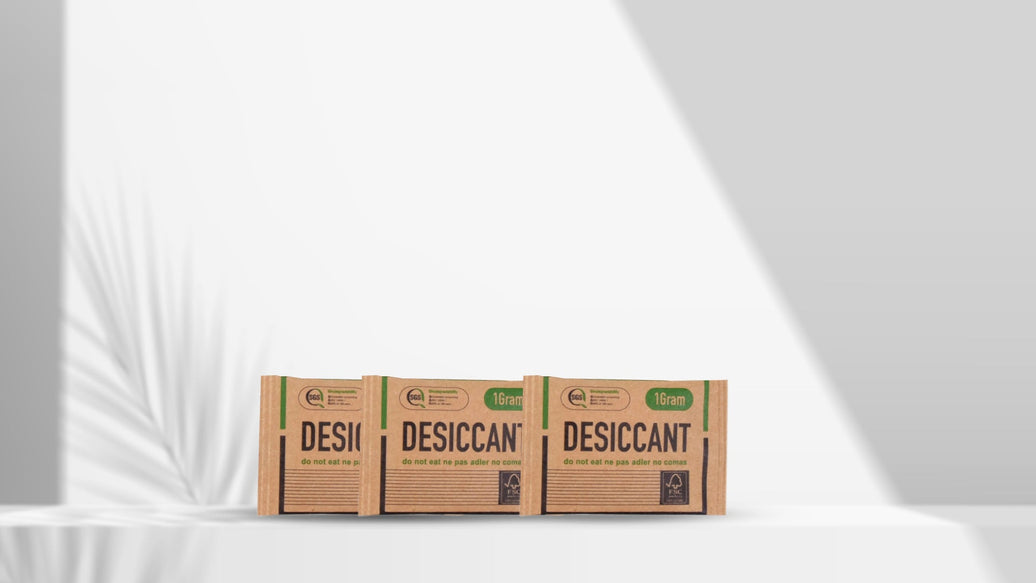
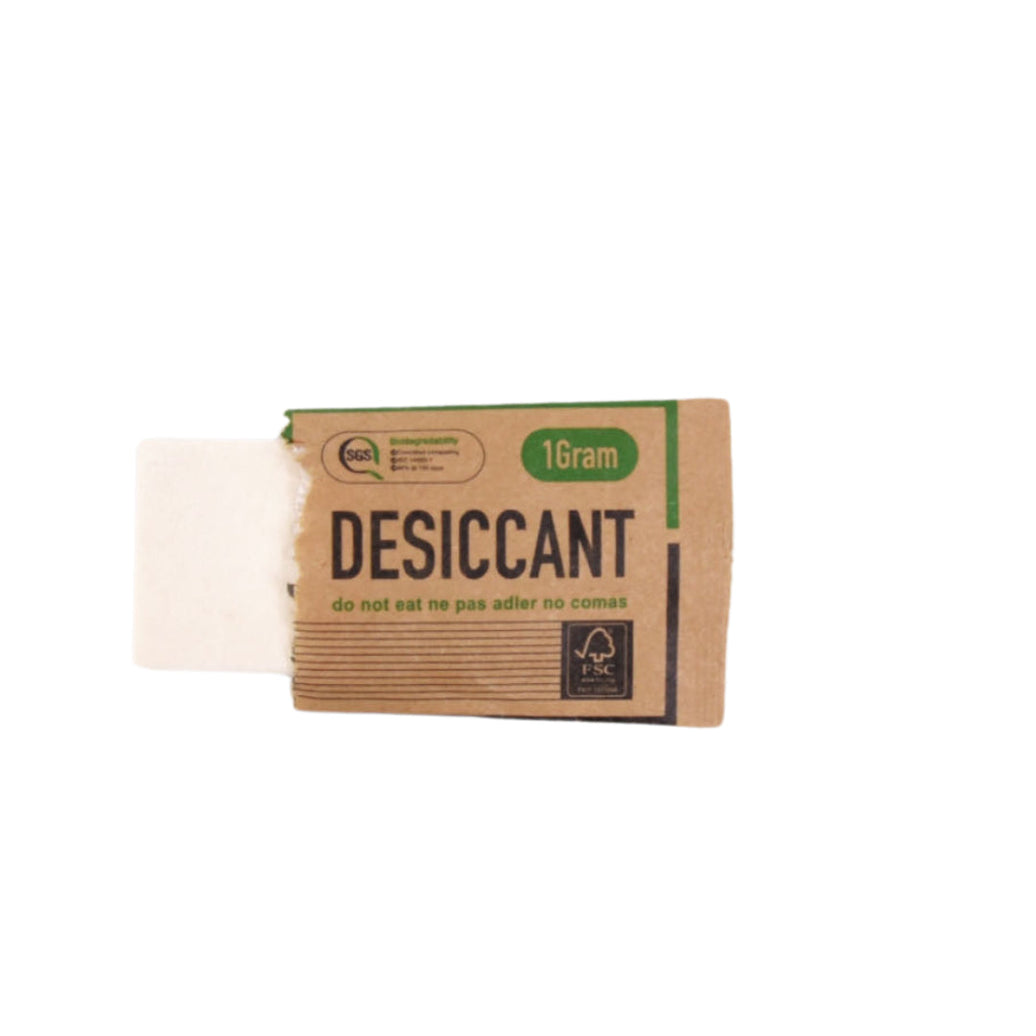
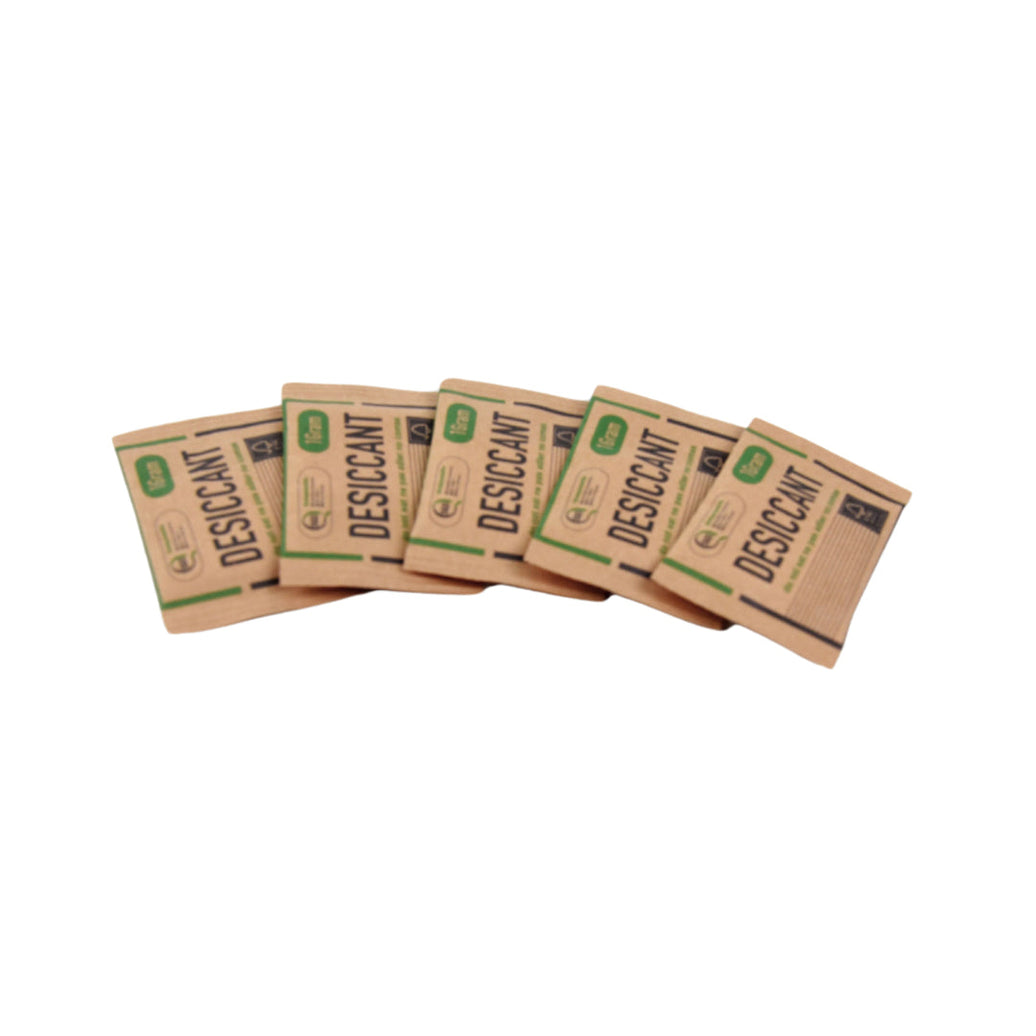
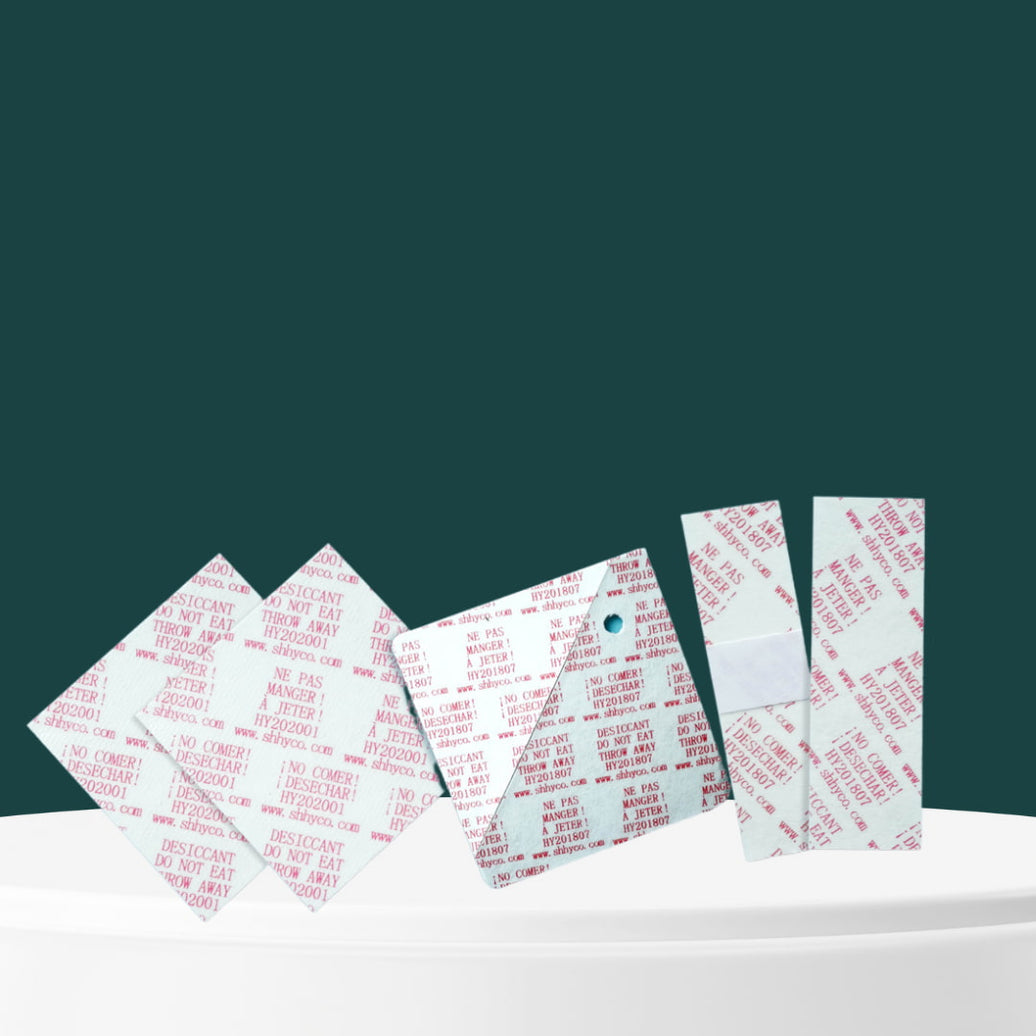
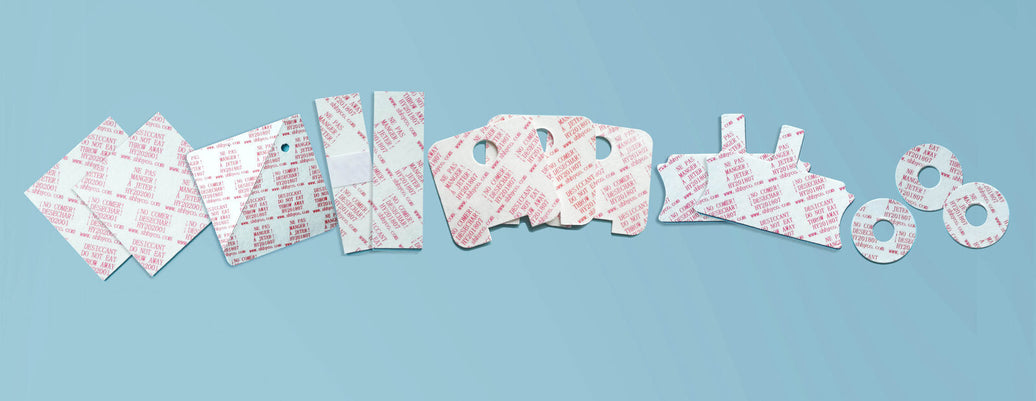
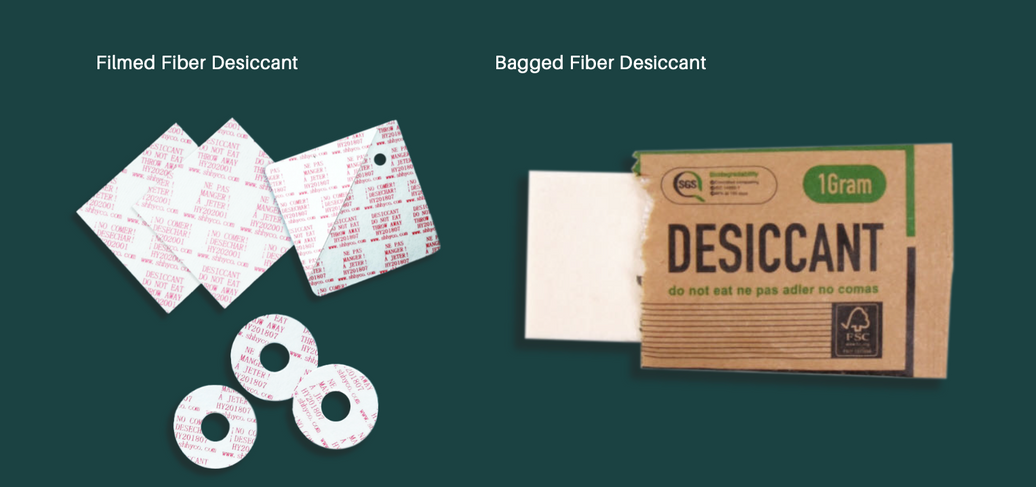
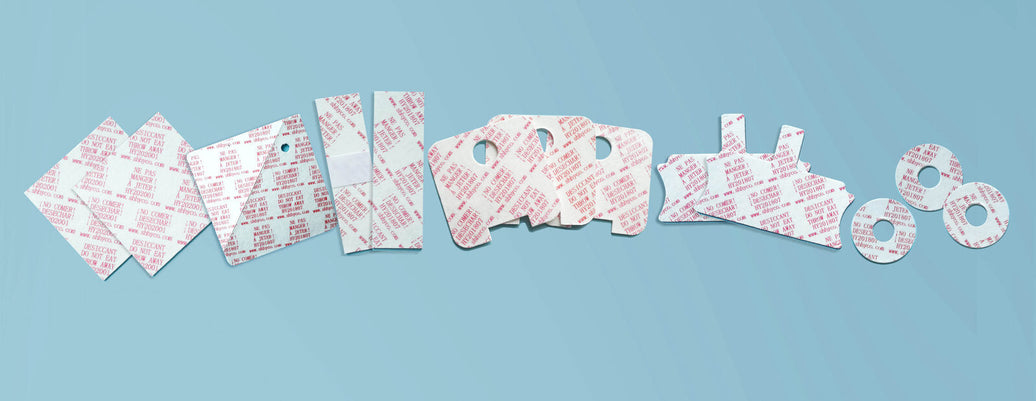
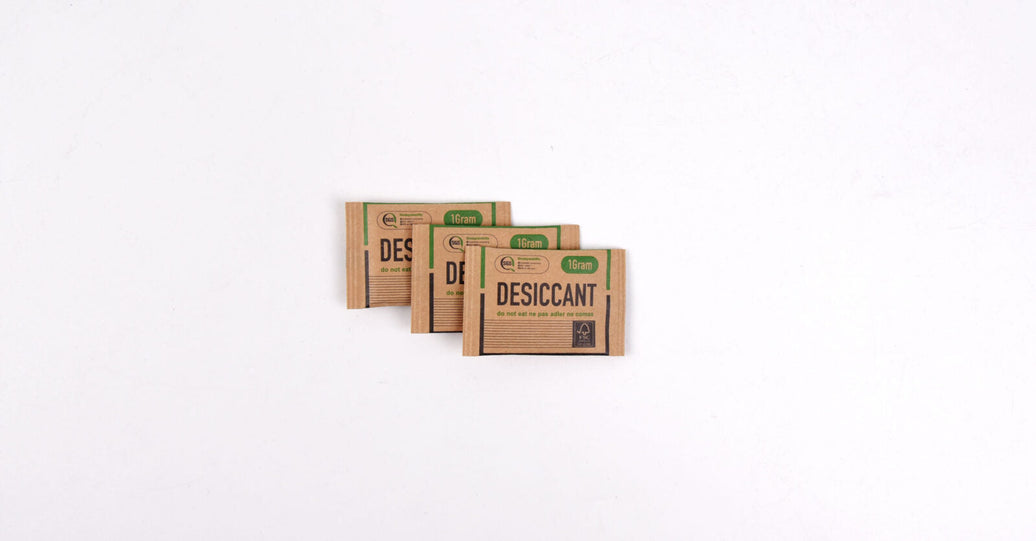
Tubes with desiccant closures — the category standard. Effervescent tubes live or die on the desiccant in the cap. This is the natural home of film desiccant: a rigid die-cut disc — stiffer than some credit cards — that seats flat inside the closure as a moisture-absorbing cushion, with zero headspace cost and nothing loose to rattle. ATMOSIScience film desiccant cuts to any cap diameter (square or circle), in 0.5 mm and 1.0 mm thickness, and is wrapped in paper rather than plastic. Reference specs (FF-3 / FF-6 / FF-15) and the full application map are in the film desiccant guide, and the closure application specifically in bottle-cap desiccant inserts.
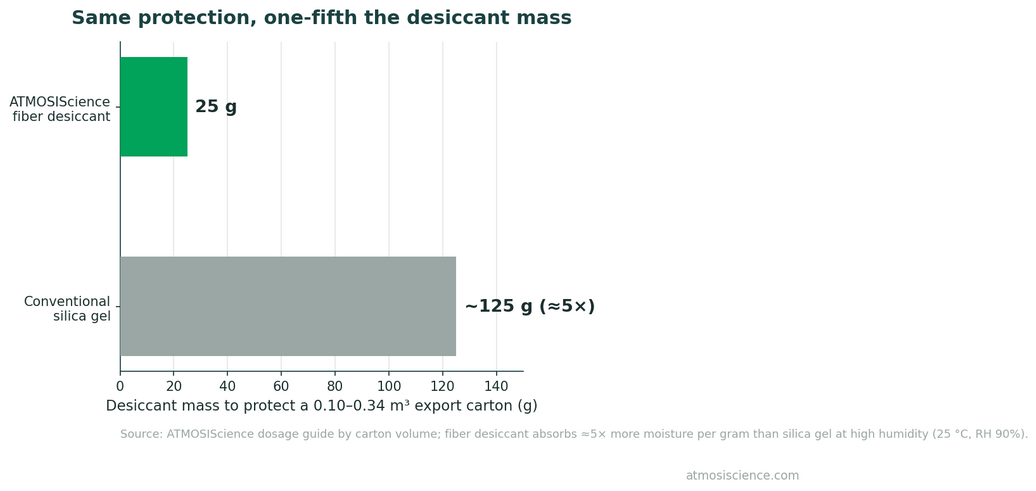
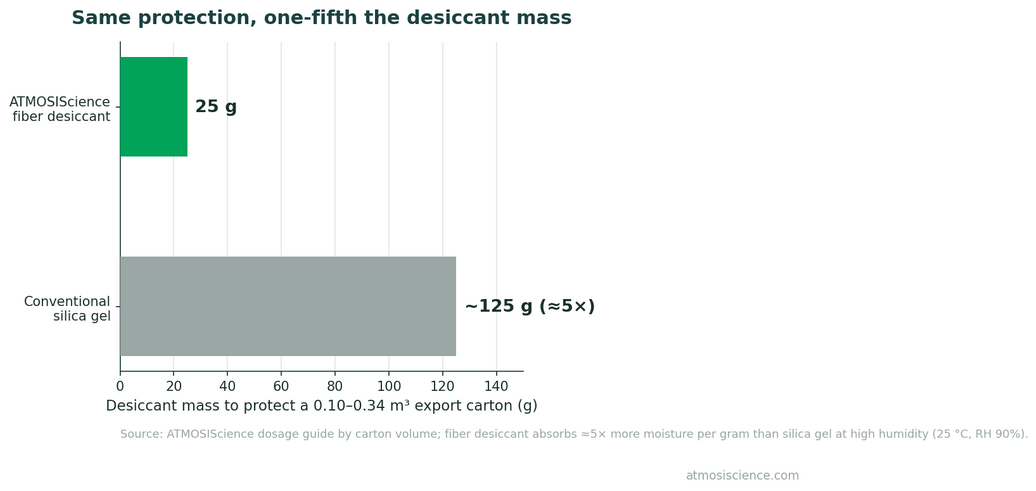
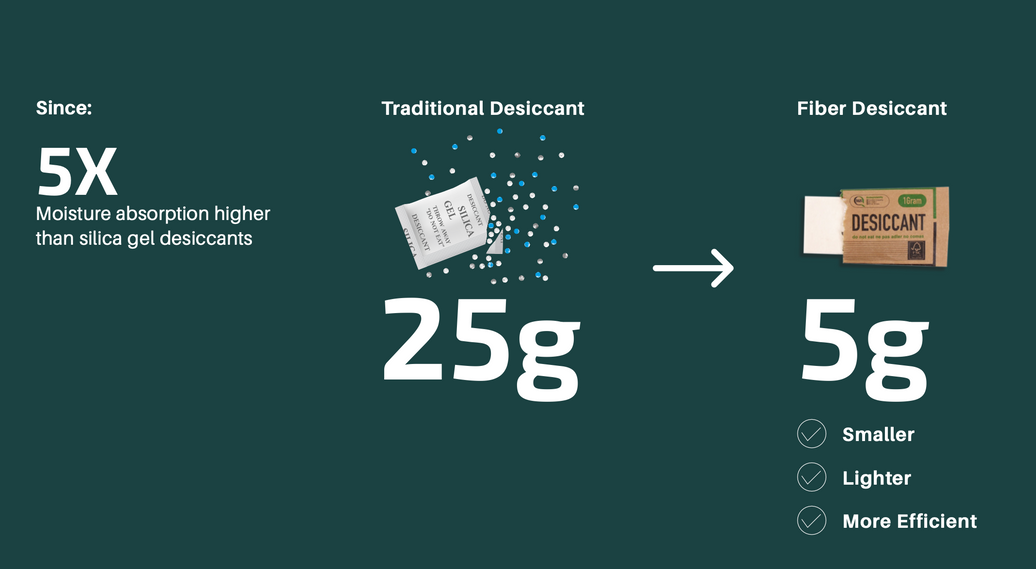
Capacity matters at reopening. A tube is opened daily for weeks. Fiber desiccant absorbs over 70% of its own weight at 25°C and RH 90% — roughly 5x conventional silica gel — which is the margin between a cap that protects through tablet twenty and one that saturates by tablet eight.
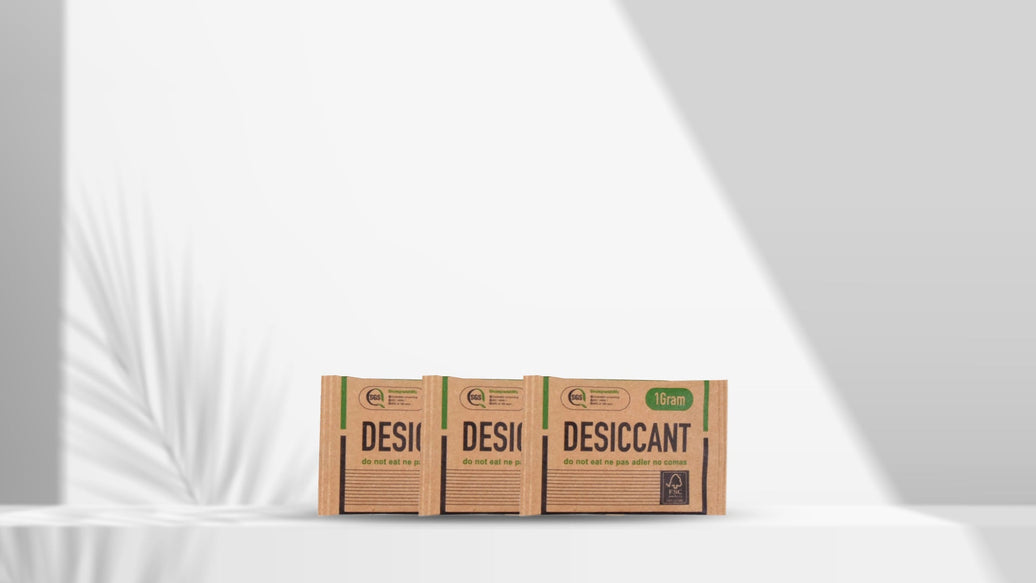
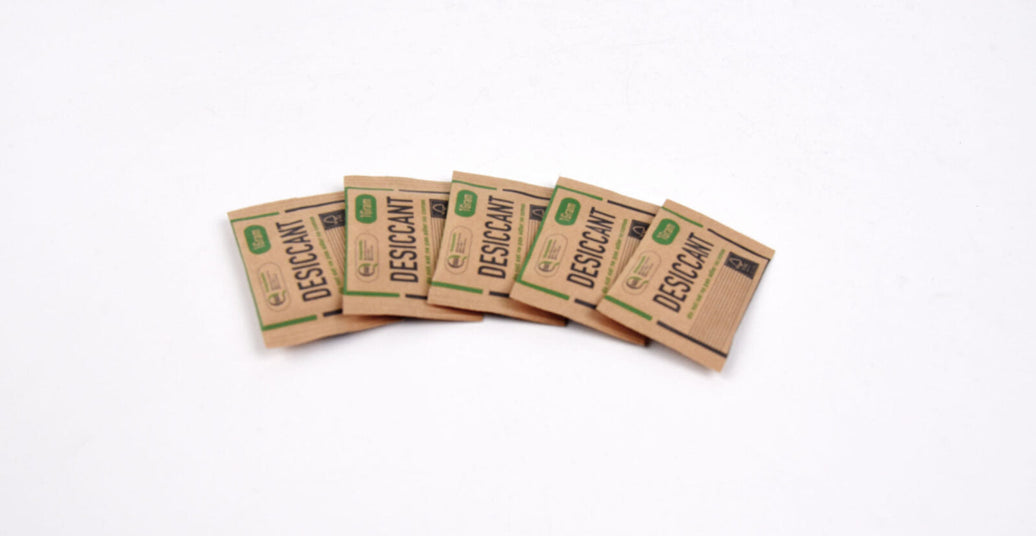
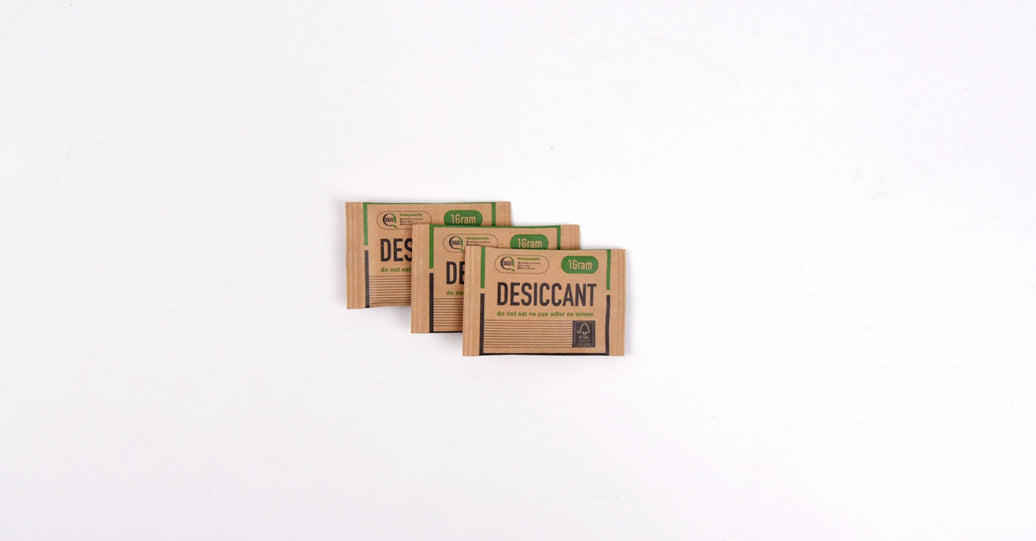
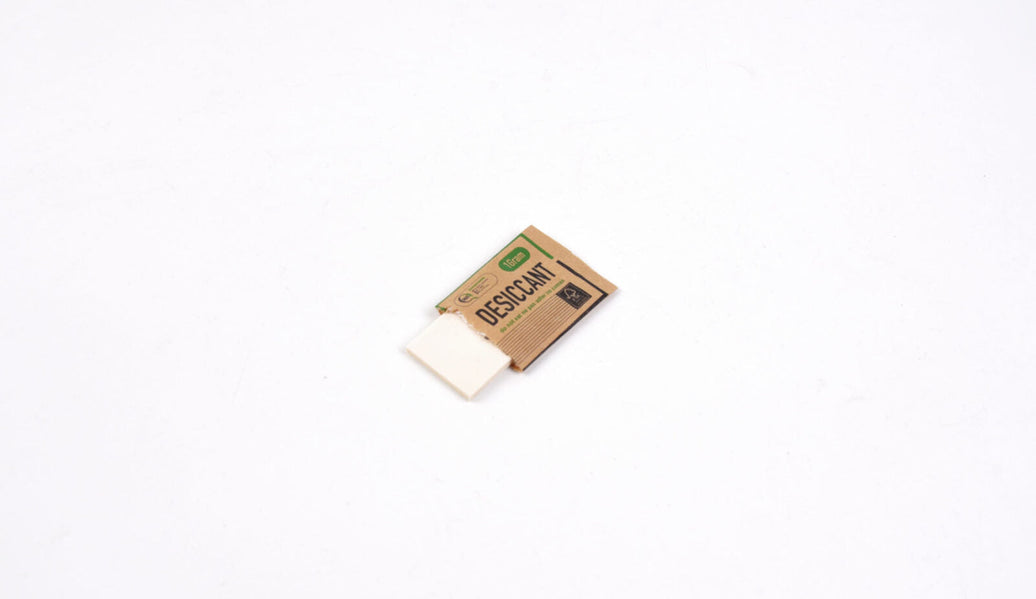
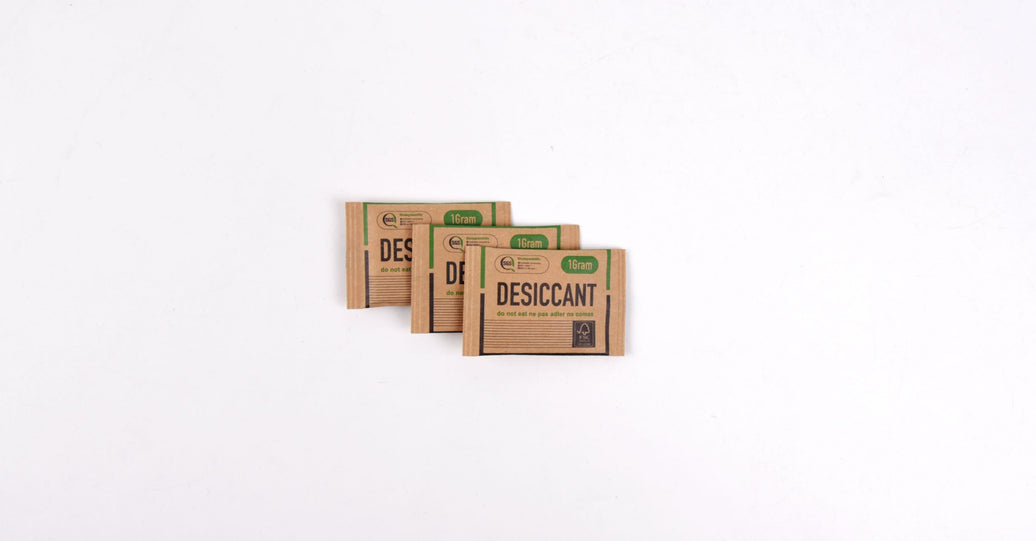
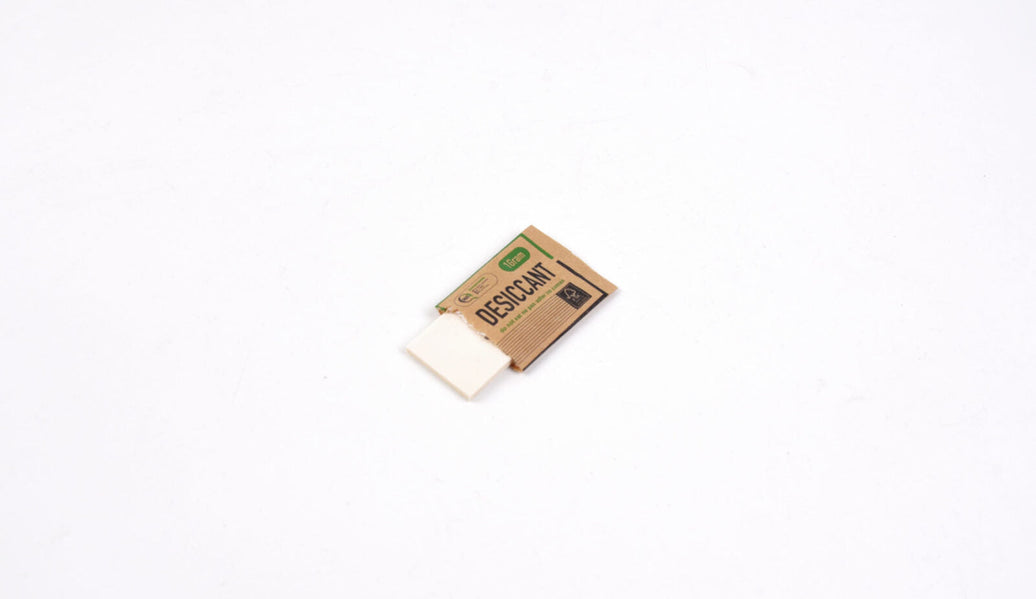
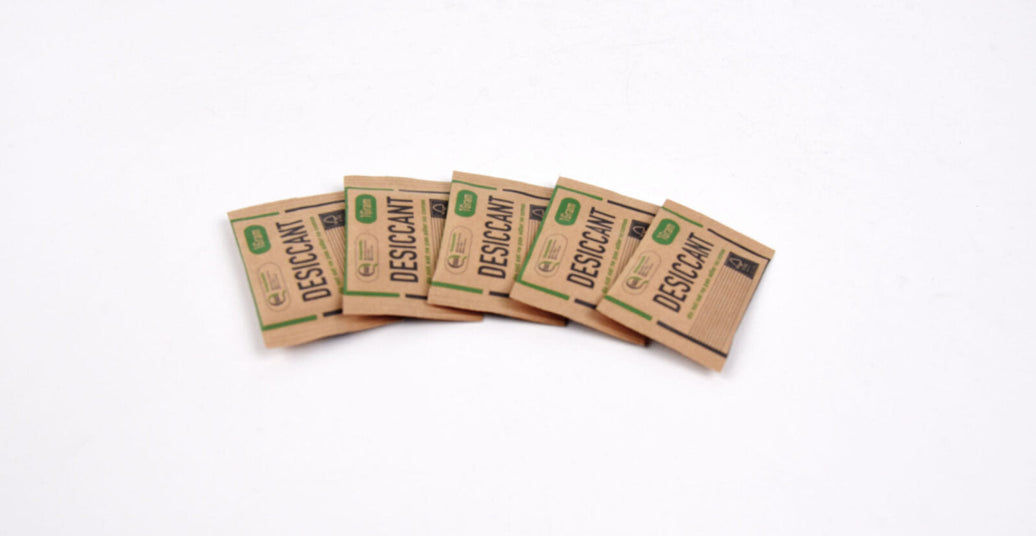
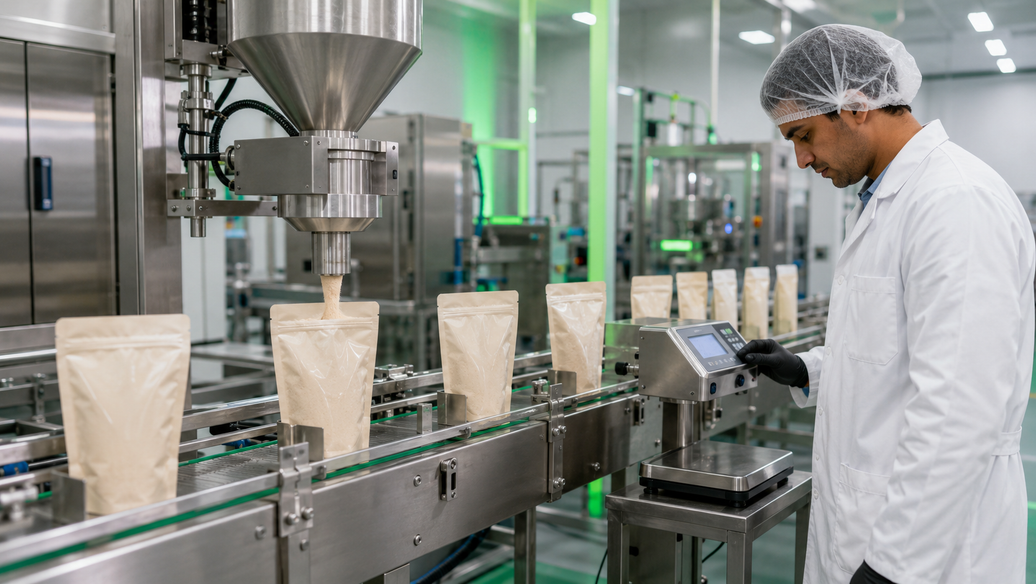
Sachets and stick packs. Single-serve barrier film carries the protection — but the bulk powder feeding the sachet line does not. High-capacity fiber sachets (25–60 g) in totes and bulk liners keep the powder reactive-dry through staging; about 25 g protects a standard 0.10–0.34 m³ carton (see the dosage guide).
Bottles and jars of effervescent powder. A film card under the lid — rigid, visible, removable, printable with a full-color logo in the center.
The compliance file
Effervescent supplements run under 21 CFR Part 111; OTC effervescents under drug cGMP. Either way the desiccant needs documentation: ATMOSIScience fiber desiccant is manufactured under SGS ISO 9001 (Cert. CN05/31171), dust-free by construction, with full raw-material disclosure (lignocellulose fiber, calcium chloride, PLA, food-grade paper, water). The verification checklist lives in our guide to FDA-compliant desiccants. Compostability under ASTM D6400 and EN 13432 adds the sustainability line retail buyers now score.
Frequently asked questions
How much desiccant does an effervescent tube need?
It depends on tube volume, tablet count, climate, and reopening frequency — effervescents are specced against daily-opening worst case, not transit. Our team runs the calculation against your closure dimensions as part of a quote.
Can the cap insert be branded?
Yes — the film card prints with a full-color logo in the center. In a category where the consumer looks into the cap daily, it is the most-seen brand surface in the package.
Why not a silica gel canister dropped in the tube?
A loose canister rattles, consumes tablet space, and ends up in a glass of water eventually. A die-cut disc seated in the closure protects without occupying product space — and cannot be dispensed by accident.
Does two-way humidity control apply here?
No — effervescents want the driest achievable headspace, not a buffered RH. This is a one-way desiccant application at maximum capacity.
Engineer for the worst day, not the average one
ATMOSIScience supplies film desiccant discs die-cut to closure dimensions and bulk fiber sachets at B2B scale, with the ISO 9001 and compostability documentation effervescent QA requires.
Test it against your own tubes first. Order the Fiber Desiccant, or request samples and bulk pricing through our desiccant solutions page or contact our team.
Related reading: Bottle-Cap Desiccant Inserts · FDA-Compliant Desiccants · Desiccant for Dietary Supplements
Get a desiccant spec for your effervescent line
Tell us your closure dimensions, tablet count, and climate exposure — our team responds with a die-cut recommendation, capacity calculation, certificates, and bulk pricing.