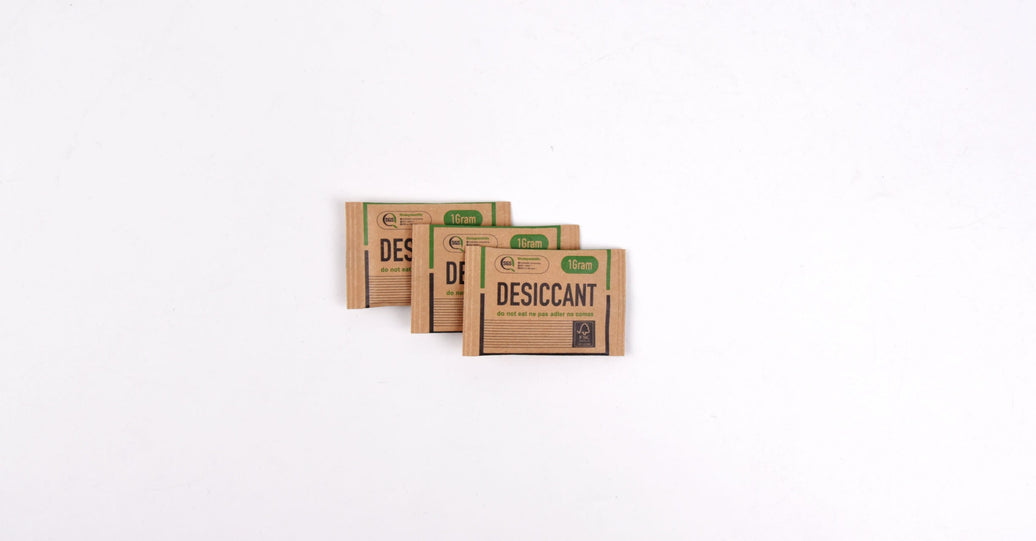
Every bottle has unused real estate: the inside of the cap. A desiccant cap insert puts the moisture protection there — a thin disc seated in the closure — instead of dropping a canister into the product space, where it rattles, displaces fill, and eventually gets shaken into someone's hand. For tablets, test strips, effervescents, and powders in bottles, the cap is usually the best place the desiccant can live.
This guide covers when a cap insert beats an in-bottle format, how to size it, and how the current generation of film desiccant changes what a cap insert can do.
Cap insert vs. canister vs. sachet: the placement decision
Dropped-in canister or sachet. Works, but carries known costs: it occupies fill volume, rattles in transit, confuses consumers ("is this a pill?"), and can be dispensed accidentally — the failure QA teams write deviation reports about.
Integrated desiccant closure. Molded desiccant caps exist but lock the buyer into a specific closure SKU and tooling, and the desiccant cannot be changed without changing the cap.
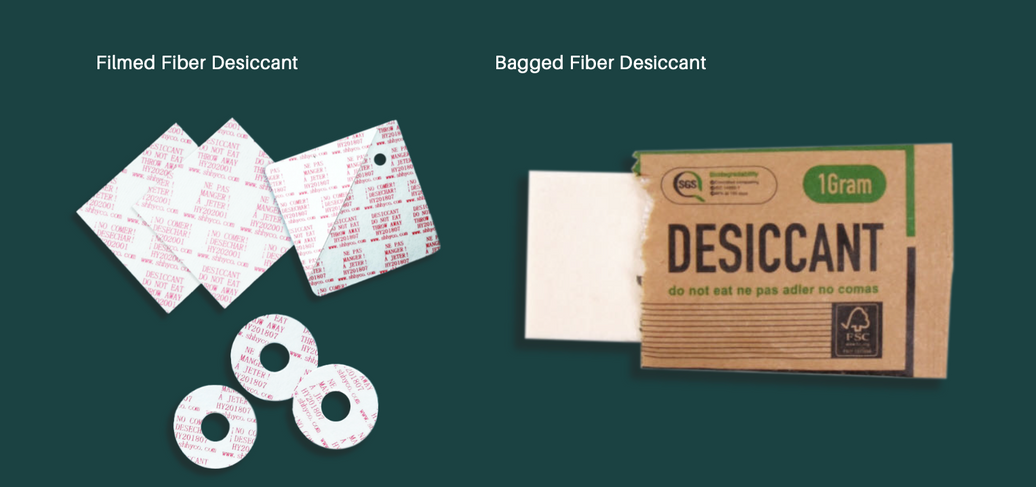
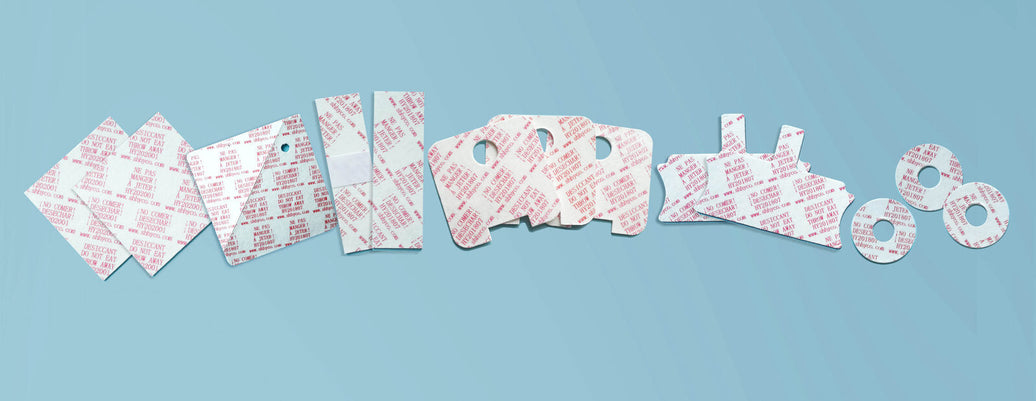
Die-cut film insert. A flat disc pressed into the existing standard closure — no new tooling, no product-space cost, no rattle, nothing dispensable. The desiccant spec can change (size, capacity, thickness) without touching the closure supply chain. This flexibility is why cap inserts dominate moisture-sensitive bottle formats like effervescent tubes — covered in depth in our effervescent guide.
What the film card brings to the closure
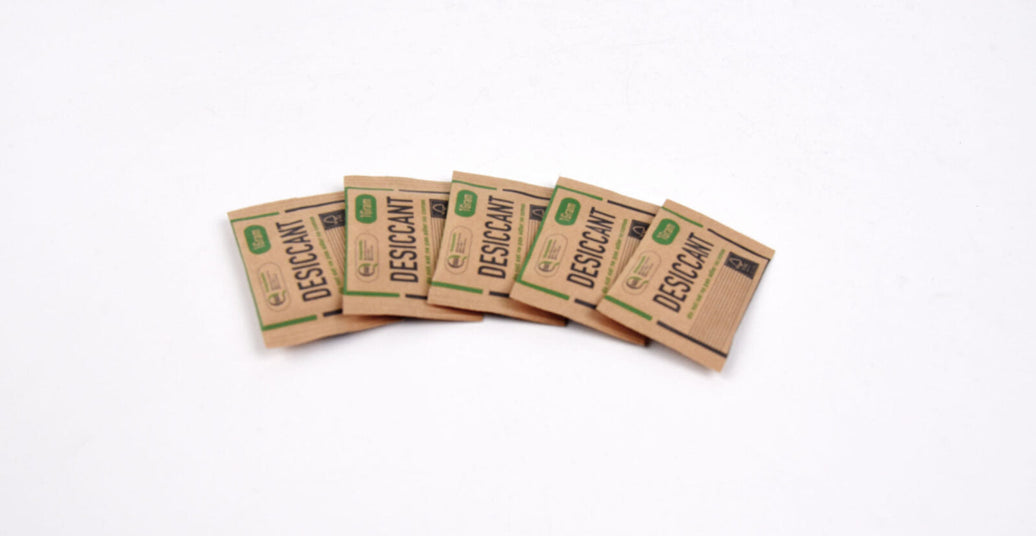
ATMOSIScience film desiccant is built for exactly this geometry:
Rigid — stiffer than some credit cards. The disc seats flat against the closure liner and stays seated through capping torque, transit vibration, and hundreds of open/close cycles. A floppy insert works loose; a rigid one does not.
Thin. 0.5 mm and 1.0 mm thicknesses fit inside standard closures without affecting cap engagement or liner sealing.
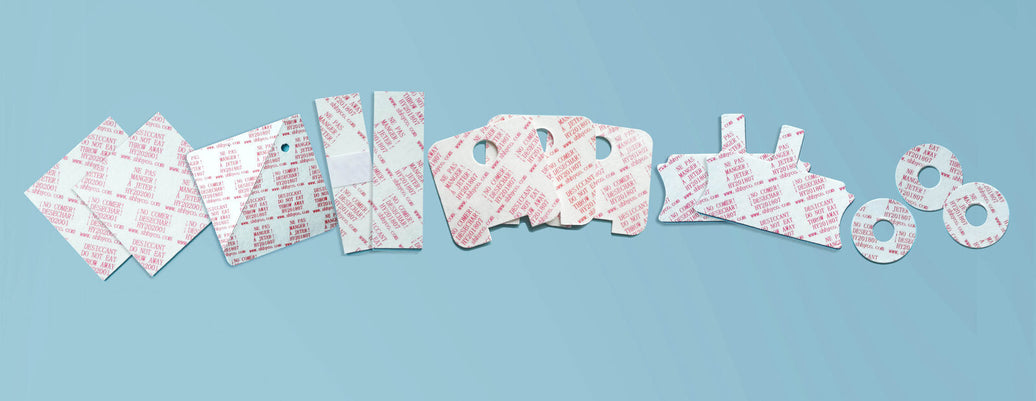
Die-cut to any diameter. Circles (or squares for tins and jars) cut to the closure spec — reference sizes FF-3 (25×12 mm), FF-6 (30×20 mm), FF-15 (60×25 mm), with custom dimensions the normal B2B path. The fiber substrate cuts cleanly with no shedding.
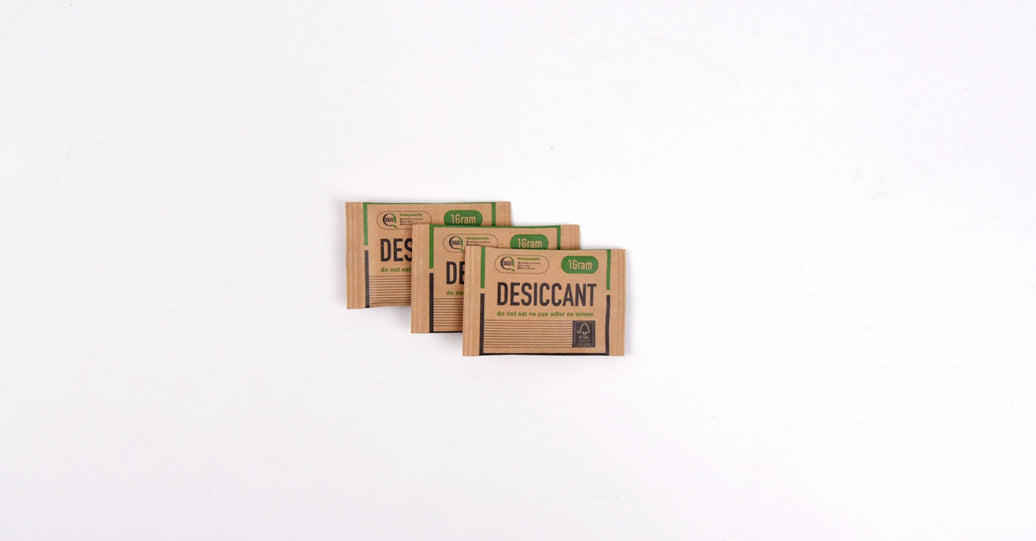
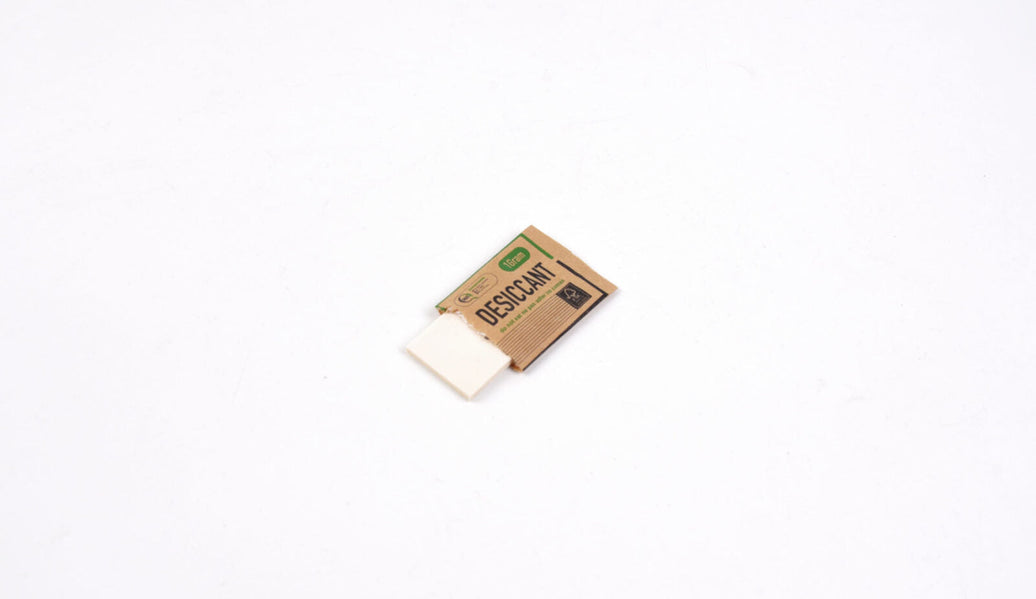
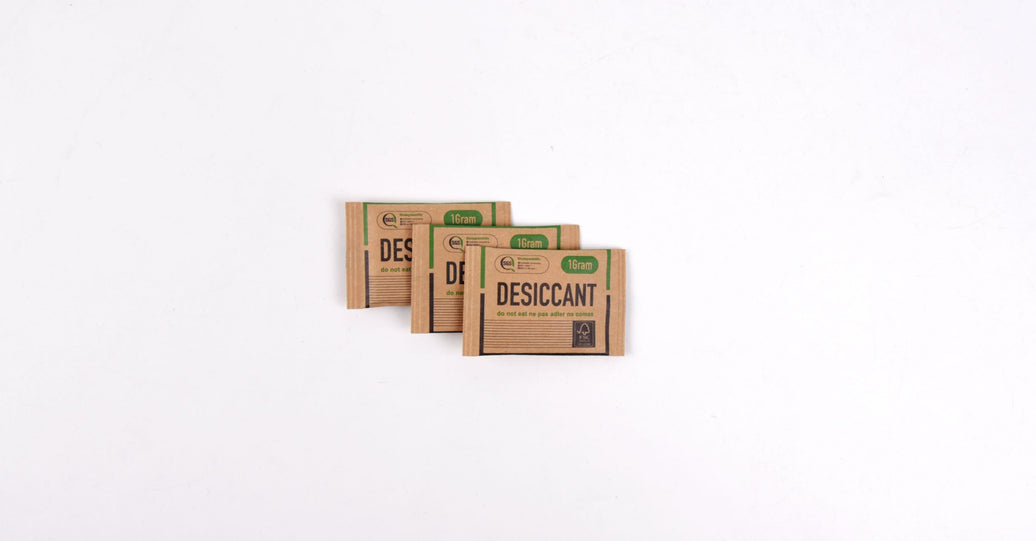
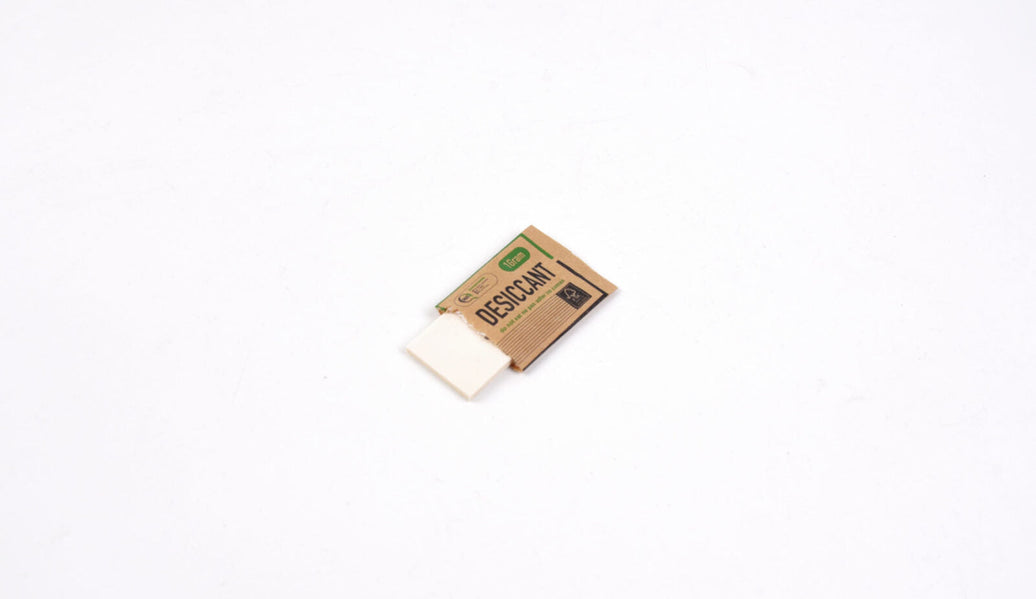
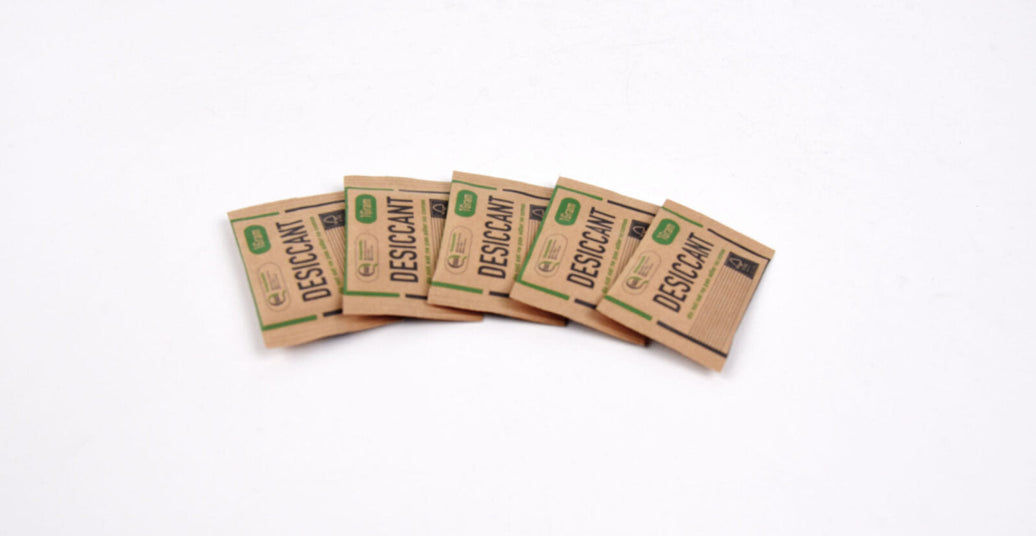
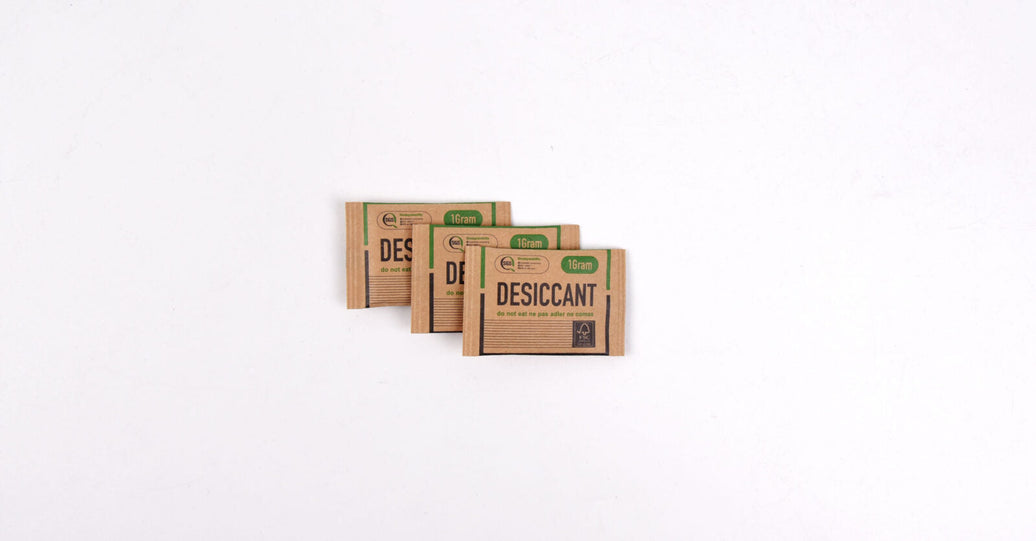
Paper-wrapped, not plastic. The current construction wraps the card in paper — consistent with compostability certification under ASTM D6400 and EN 13432 and with the sustainability scorecards retail buyers run on closures and liners.
Printable — full-color logo in the center. The inside of a cap is a surface the consumer sees at every single use. A printed insert turns it into the most frequently viewed brand impression in the package. The branding application is covered in custom-printed desiccant cards.
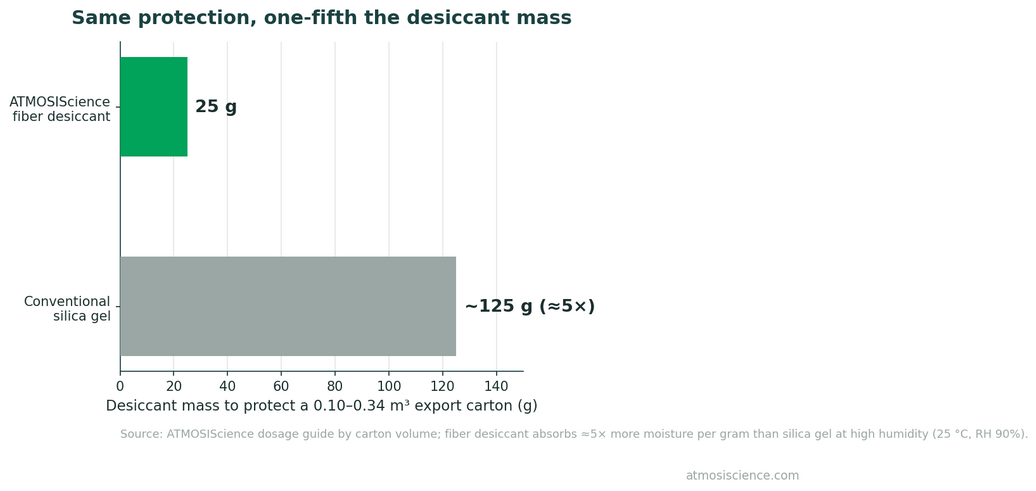
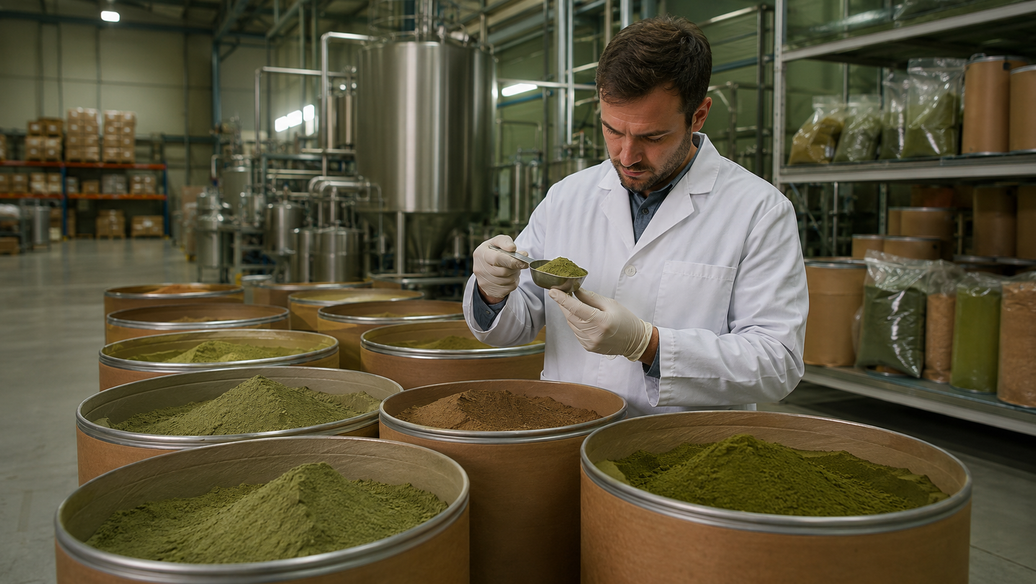
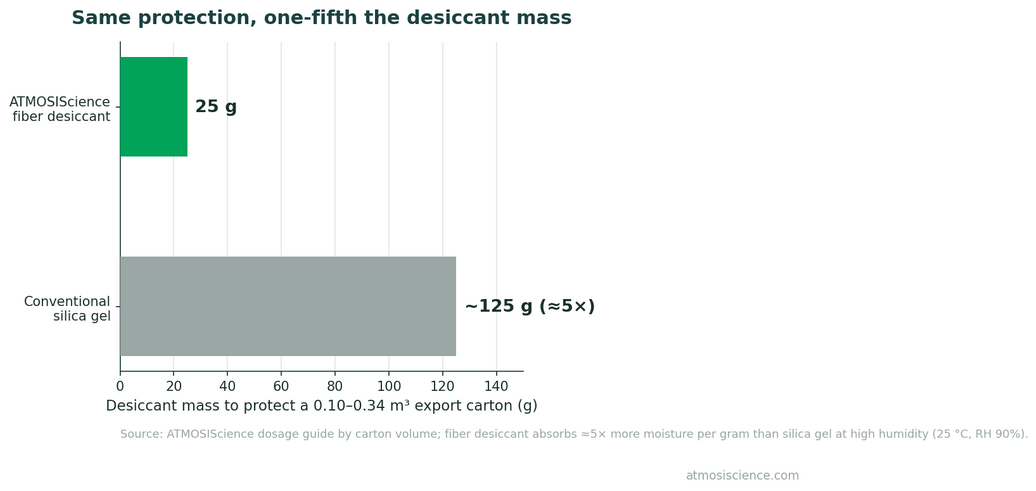
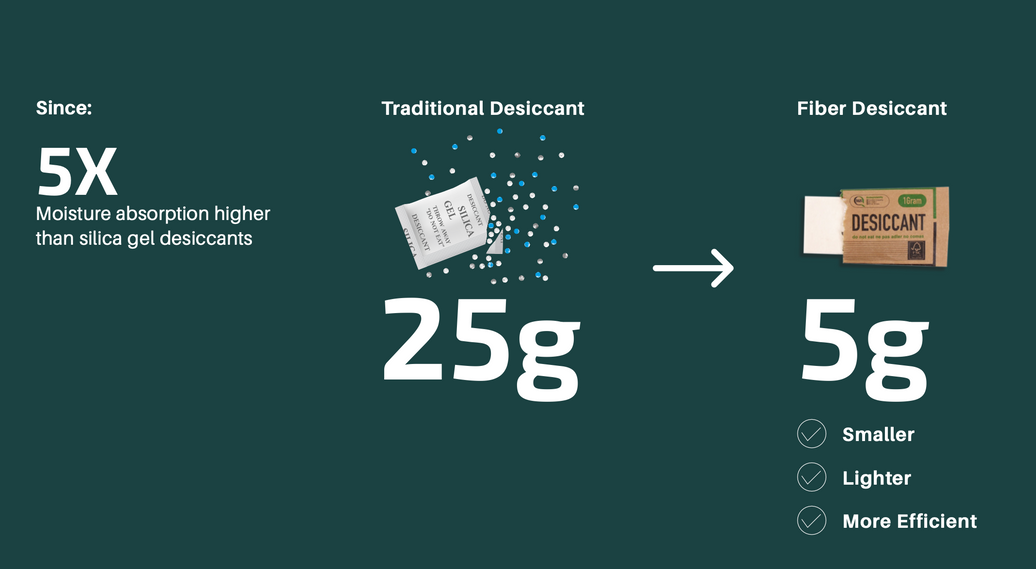
High capacity per gram. The fiber substrate absorbs over 70% of its own weight at 25°C and RH 90% — roughly 5x conventional silica gel — so a thin disc delivers protection that previously required a bulkier canister. Mechanism details: the science of fiber desiccant.
Where cap inserts earn their keep
Nutraceutical and OTC tablet bottles — protection without the dropped-in canister consumers complain about; documentation against FDA 21CFR175.300 and SGS ISO 9001 (Cert. CN05/31171) for the audit file (see FDA-compliant desiccants).
Effervescent tubes — the category standard application.
Diagnostic test-strip vials — strips demand tightly controlled headspace and zero particulate; the dust-free fiber mat suits both.
Powder jars and canisters — a disc in the lid supplements or replaces an on-powder card for products covered across our powder series, from protein to drink mixes.
Chewing gum, mints, and moisture-sensitive confectionery bottles — thin protection in the lid with no product contact concerns, given food-contact paperwork.
Sizing a cap insert
Three inputs drive the spec: closure internal diameter (sets the die-cut), headspace volume and wall permeation (sets the base load), and opening frequency over use life (usually the dominant term for daily-use products). From those, capacity determines thickness and grade. Our team runs this calculation against the closure drawing as part of a quote — the general method is in the dosage guide.
Frequently asked questions
Does a cap insert require new closure tooling?
No — the disc is die-cut to fit the existing standard closure. That is its main advantage over molded desiccant caps.
How is the insert held in place?
The rigid card press-fits against the closure geometry; insertion method is confirmed per closure spec during sampling. Stiffness is what makes the press-fit reliable.
Is direct contact with tablets acceptable?
The food and pharmaceutical grades carry FDA 21CFR175.300 food-contact documentation and are dust-free. Certificates ship with the quote for the QA file.
What is the minimum order for die-cut inserts?
MOQ depends on diameter and print; request a quote with the closure drawing and annual volume for MOQ and lead time.
Put the desiccant where the product isn't
ATMOSIScience supplies die-cut film desiccant inserts at B2B scale — sized to your closure, paper-wrapped, optionally logo-printed, with FDA, ISO 9001, and compostability documentation.
Sample it against your closure first. Request die-cut samples and bulk pricing on our desiccant solutions page, evaluate the material via the Fiber Desiccant, or contact our team.
Related reading: Film Desiccant Explained · Desiccant for Effervescent Tablets · Custom-Printed Desiccant Cards
Get a die-cut cap insert quote
Send us your closure dimensions and annual volume — our team responds with a die-cut spec, capacity calculation, optional print mockup, and bulk pricing.