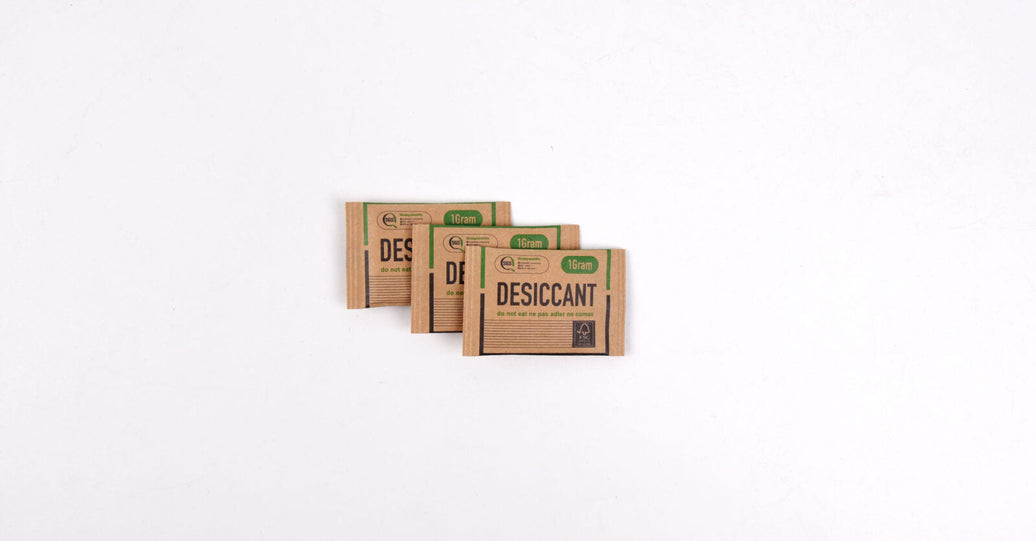
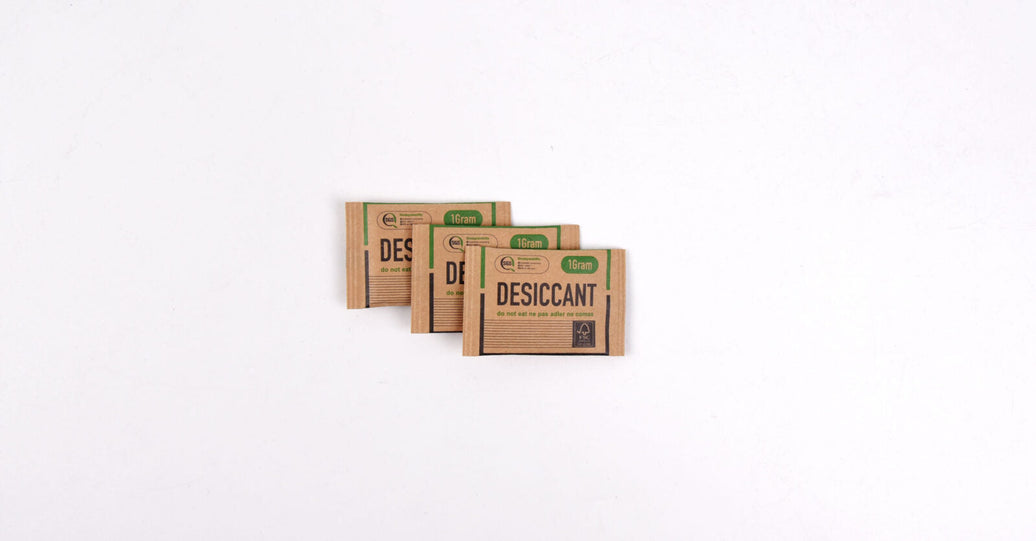
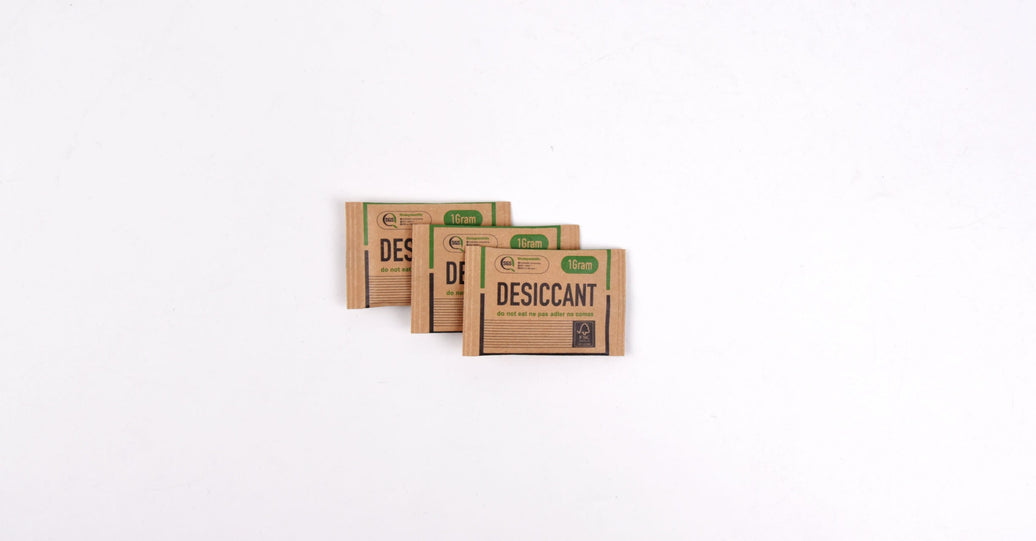
Quick answer: Pre-workout and amino-acid powders are among the most moisture-hungry supplements on the market — citrulline malate, beta-alanine, BCAAs, betaine and creatine blends are hygroscopic or outright deliquescent, hardening into a brick at surprisingly low humidity. A food-grade fiber desiccant sized to the tub or stick-pack headspace holds the interior below that threshold, adsorbing more than 35% of its weight at RH50 and more than 70% at RH90 (25°C) with no dust. ATMOSIScience supplies compostable fiber sachets and printable film cards, FDA food-contact and ASTM D6400 / EN 13432 certified.
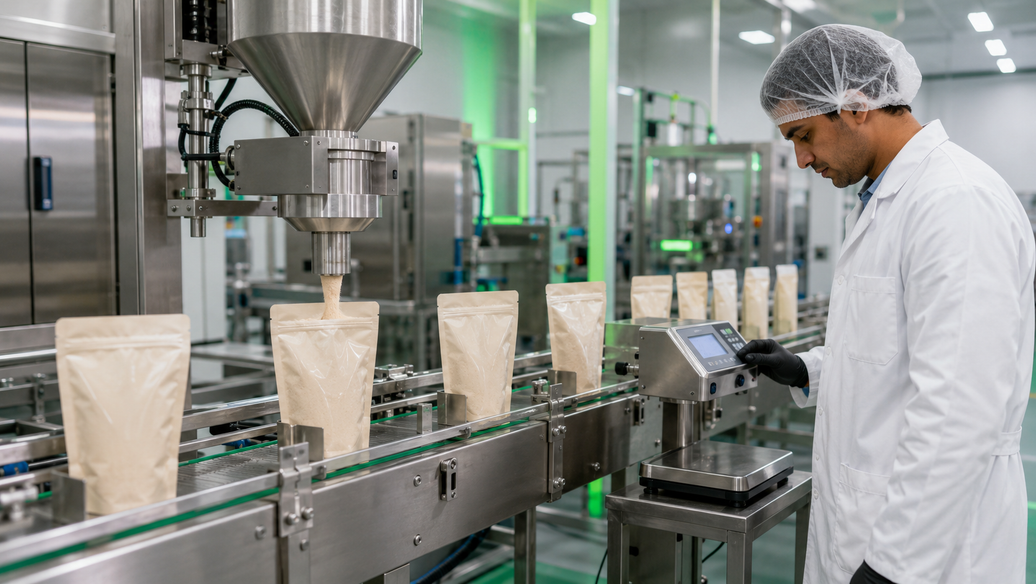
Ask any supplement co-packer which SKU jams the line first in summer and the answer is usually a pre-workout. The same actives that make the category effective also make it a moisture magnet, and a single humid shift can turn a tub of powder into a solid puck before it ever reaches a customer.
Why pre-workout and amino powders clump so fast
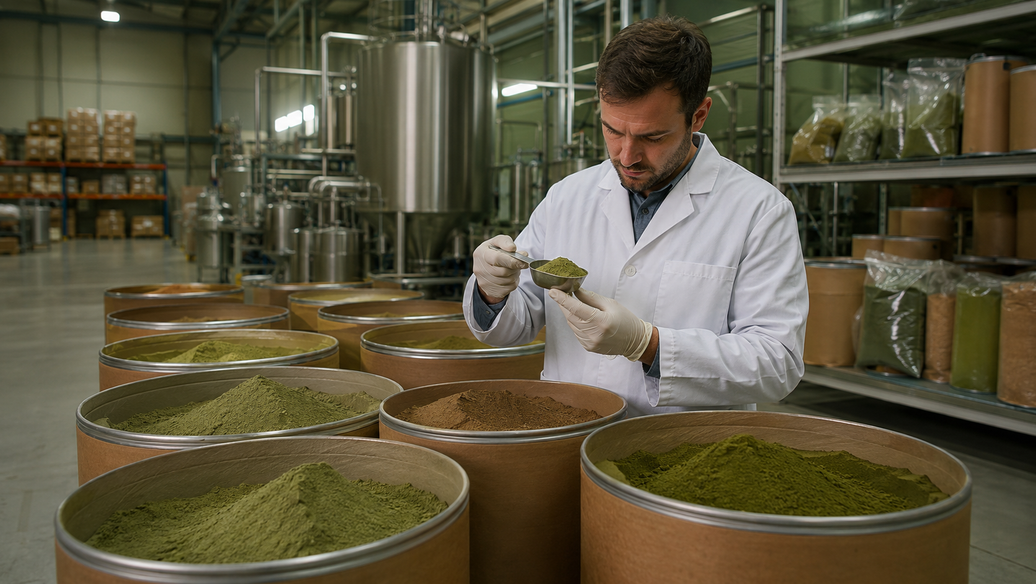
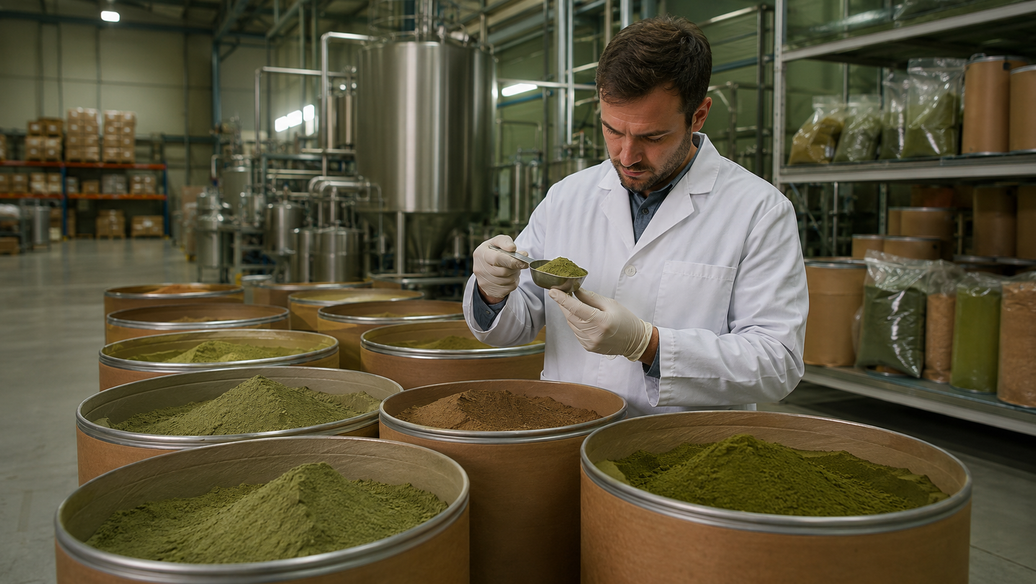
Several flagship ingredients are deliquescent — above a critical humidity they pull water out of the air until they dissolve. Citrulline malate is the classic offender, followed by beta-alanine, betaine anhydrous, glycerol powders and some BCAA and electrolyte salts. Because these actives are dosed in grams, not milligrams, a pre-workout can contain a large fraction of highly hygroscopic material. As the ATMOSIScience team observes on packing lines, the result is rapid surface wetting, then hard caking that resists augers and clumps in the scoop.

The actives that need the most protection
Formulations built around citrulline, beta-alanine, betaine, glycerol monostearate blends, creatine HCl and free-form amino acids should be treated as worst-case. Stick packs are especially exposed: a single-serve sachet has a high surface-area-to-volume ratio and is opened straight into a shaker, so it has no second chance against humidity.
Sizing desiccant for tubs and stick packs
Dose to the trapped air, not the powder weight:
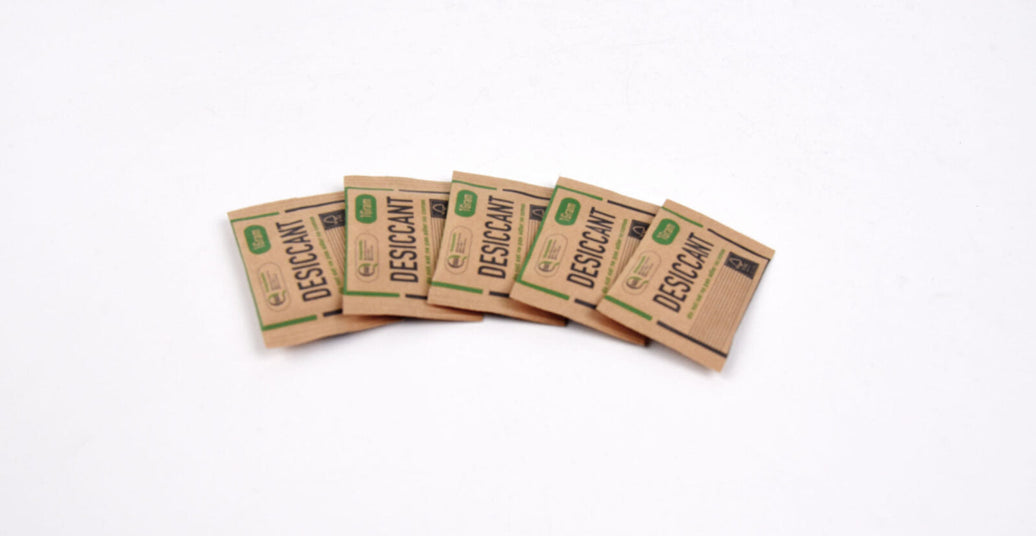
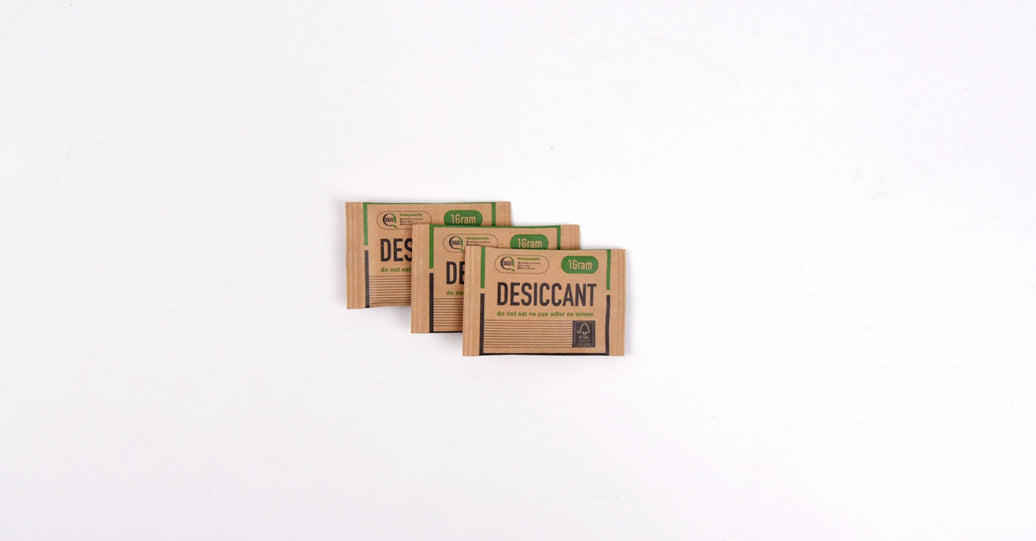
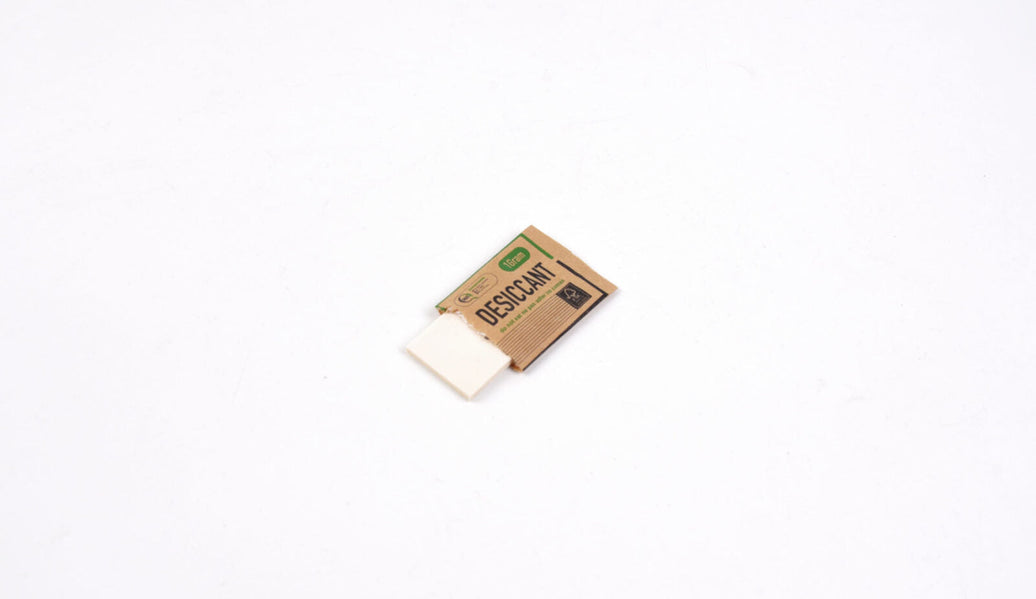
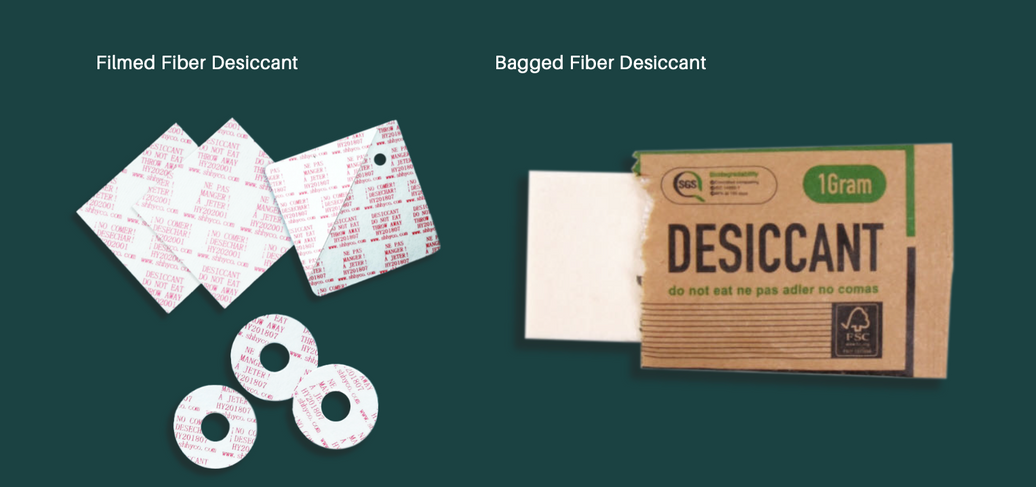
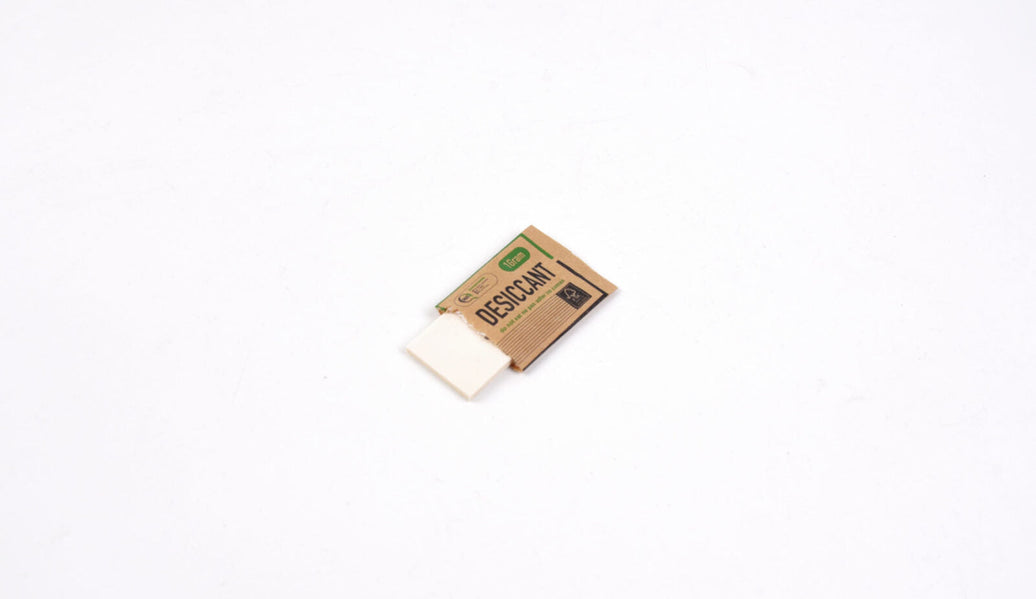
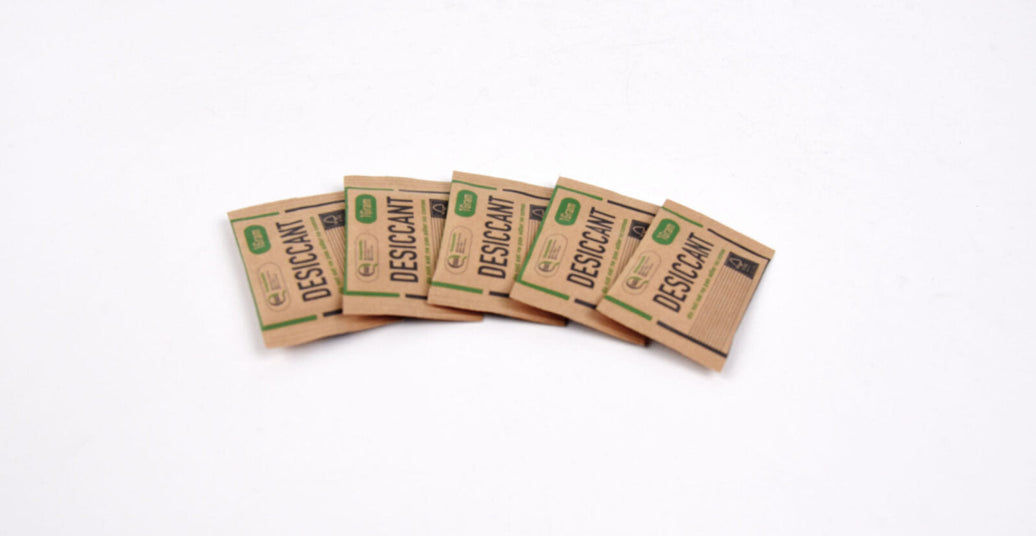
- Bulk tubs (20–50 servings): a 2–5 g fiber sachet under the induction seal.
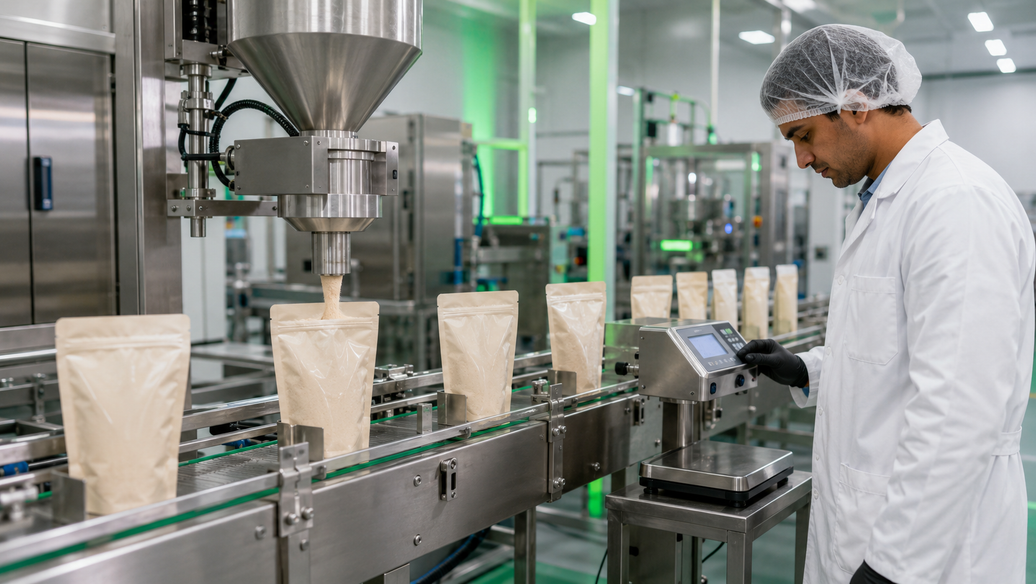
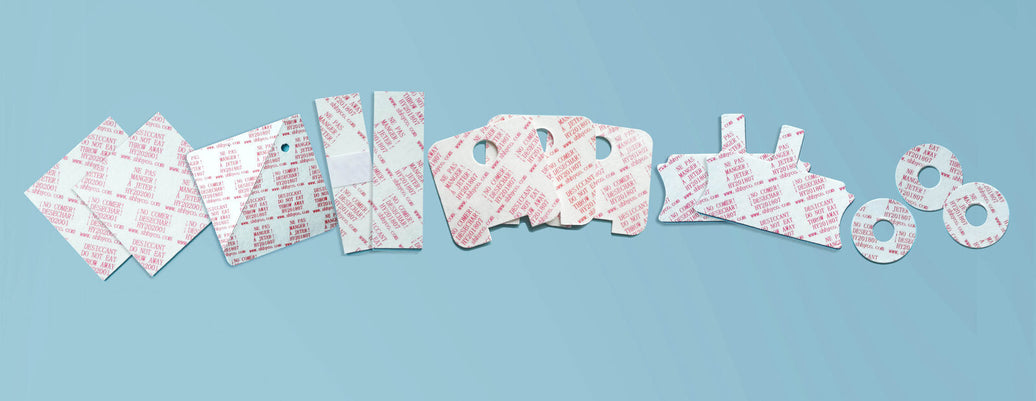
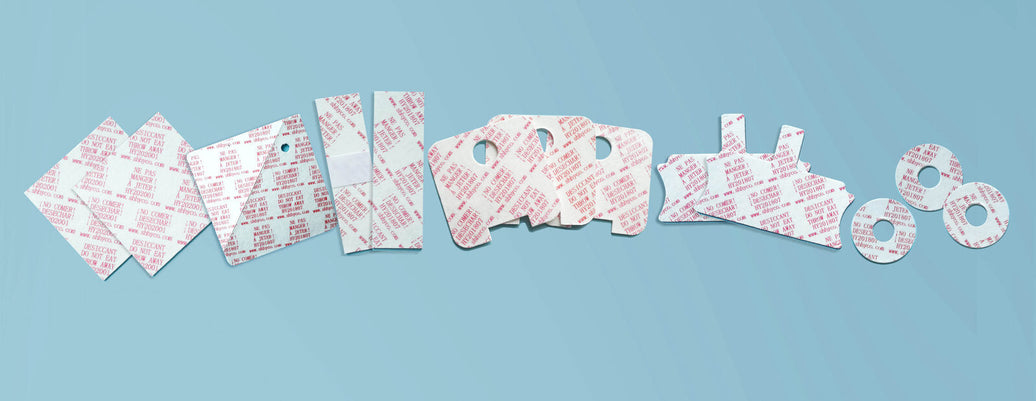
- Stick packs and single-serve: a thin printable film card that runs through the sachet machine without jamming the web.
- Sample and travel packs: a 0.5–1 g sachet.
Because film cards are credit-card stiff and die-cut to size, they insert cleanly on automated stick-pack lines where a loose sachet would fold or misfeed.
Why fiber beats silica for this category
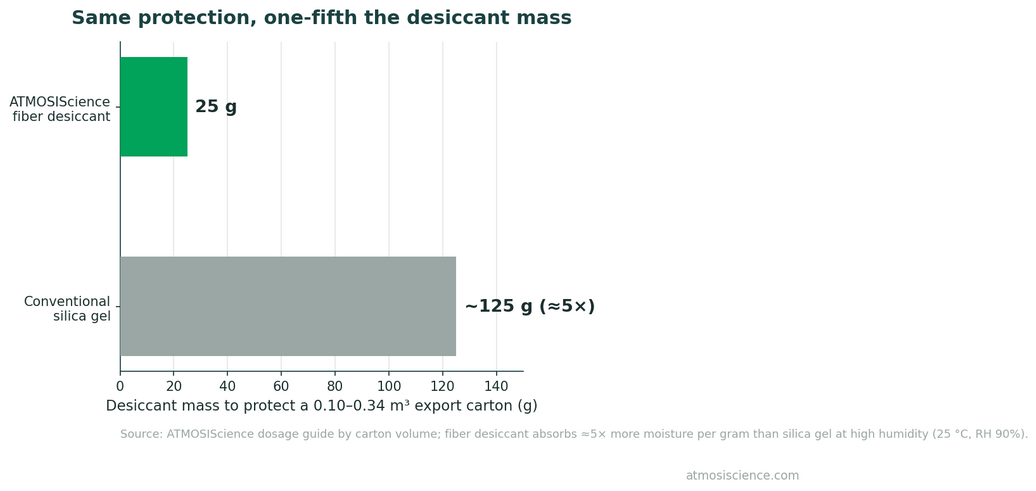
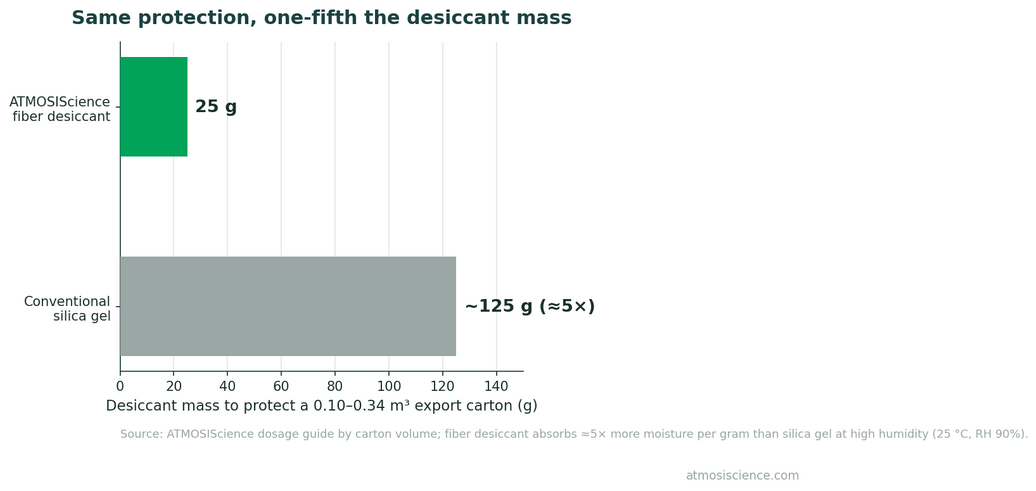
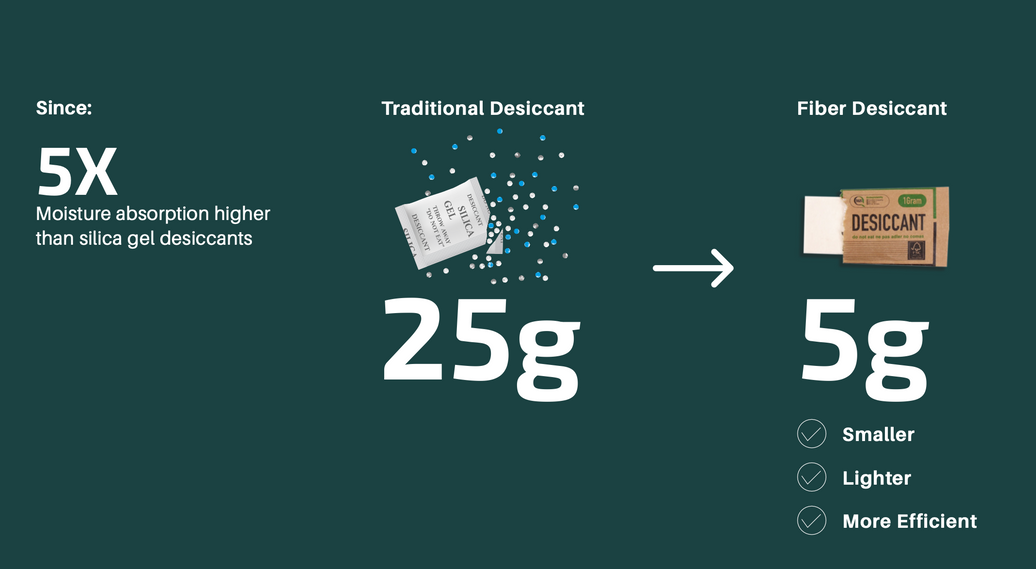
Deliquescent actives demand real capacity. Fiber desiccant adsorbs more than 35% of its weight at RH50 and more than 70% at RH90, versus roughly 30% for silica at RH90 — so it keeps pulling when a silica packet has already saturated. It is also dust-free and FDA food-contact grade (21 CFR 175.300), which matters when the desiccant shares a tub with an ingestible powder, and the sachet is compostable to ASTM D6400 and EN 13432.

Frequently asked questions
Can a desiccant stop citrulline from turning to mush? It slows and prevents it by keeping headspace humidity below the deliquescence point. Pair the right desiccant dose with a high-barrier film for best results.
Will it over-dry a creatine or amino blend? A two-way fiber desiccant holds a band rather than stripping the powder, so it avoids the static and dustiness that oversized silica loads can cause.
Do you have a format for stick-pack machines? Yes — die-cut printable film cards are designed for automated stick-pack and sachet lines.
Related reading: desiccant for electrolyte and hydration powders, desiccant for powdered drink mixes, and how desiccants extend powder shelf life. Browse the fiber desiccant range.
Fighting a caking pre-workout?
Send your active list, tub or stick-pack format and monthly volume. ATMOSIScience will size a food-grade fiber desiccant to your worst-case lane and ship a free sample, usually the same business day.