Quick answer: Desiccant costs cents per unit; a moisture failure costs a batch. The worksheet: (batch product value) + (rework or disposal labor) + (freight both ways) + (customer credits and chargebacks) + (re-inspection and QA time) + (review and reorder damage) versus (protection cost per unit × annual units). Run honestly, the protection line is routinely one to two orders of magnitude smaller than a single failure event — which is why underspending on moisture control is the most expensive saving in powder packaging.
Procurement sees desiccant as a line item to shave; QA sees the batch it saves. Both are looking at the same asymmetry from different ends. ATMOSIScience audits moisture programs for powder brands, and the recurring finding is not overspend — it is under-protection justified by a cost comparison nobody actually wrote down. So here is the worksheet, written down.
The worksheet
(Illustrative structure — insert your own numbers; every line exists in real failure post-mortems.)
| Cost line | What to enter |
|---|---|
| Product value at risk | Units in the affected lot × landed cost (not retail — keep it defensible) |
| Disposition labor | Hours to quarantine, inspect, sort, rework or destroy × loaded rate |
| Freight, twice | Return/recall shipping + replacement shipping (expedited, usually) |
| Customer make-goods | Refunds, credits, retailer chargebacks and fines for missed fill rates |
| QA overhead | Root-cause investigation, re-inspection of adjacent lots, documentation, audit follow-up |
| Demand damage | Review-score hit, subscription cancellations, lost reorders — estimate conservatively, but not zero |
| Compare against | Protection cost per unit × annual volume |
The lines people forget
The batch value is never the whole bill. Retailer chargebacks for missed windows arrive months later on a different ledger. The QA hours spent on root-cause are hours not spent releasing product. And the demand line compounds: a review that says “arrived as a brick” keeps converting shoppers away long after the lot is destroyed. The failure patterns behind these events — and the ten questions that surface them before they happen — are in the powder moisture risk audit; the subtler in-plant version, where humidity taxes fill weights without ever “failing,” is quantified in the fill-weights article.

The other side of the ledger: what protection actually costs
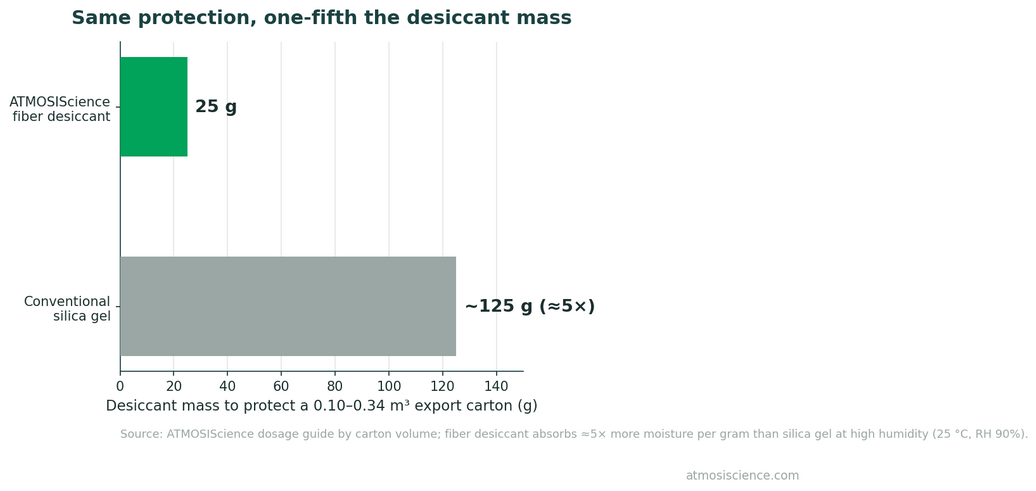
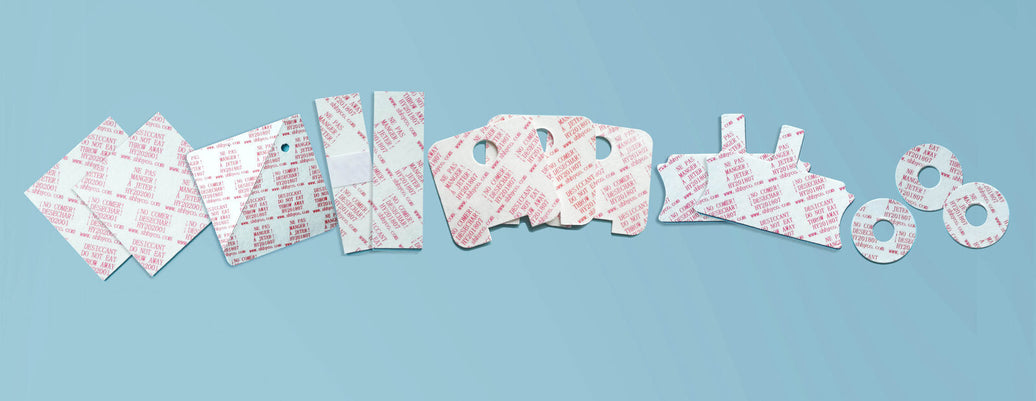
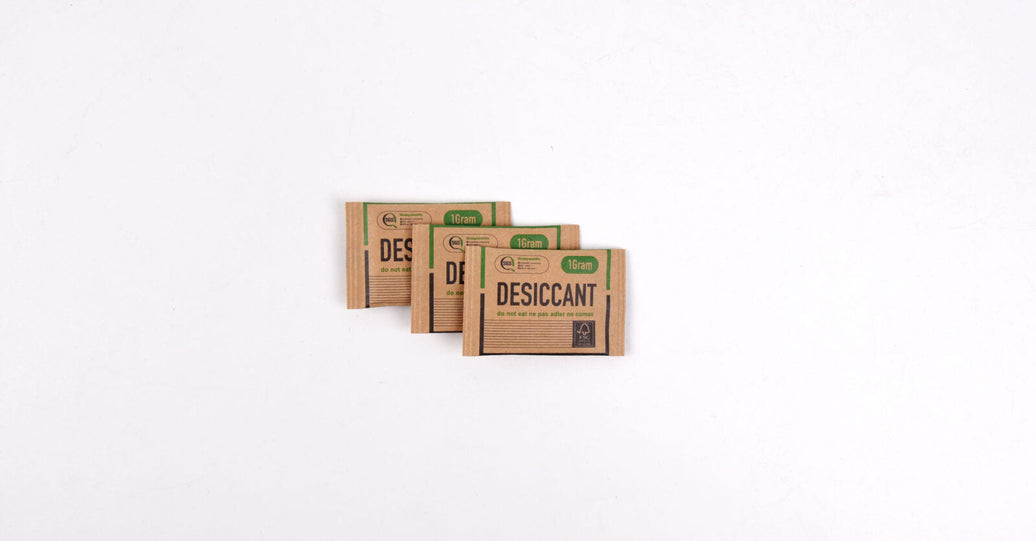
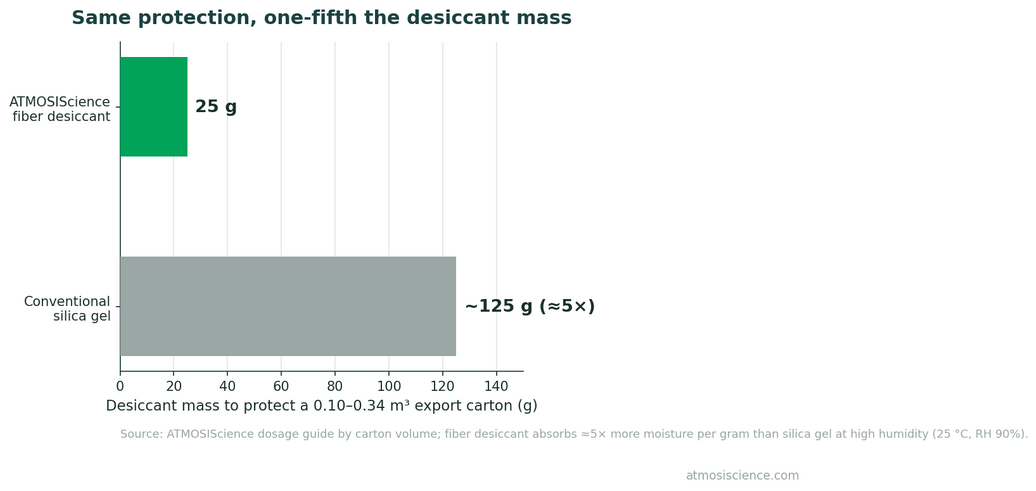
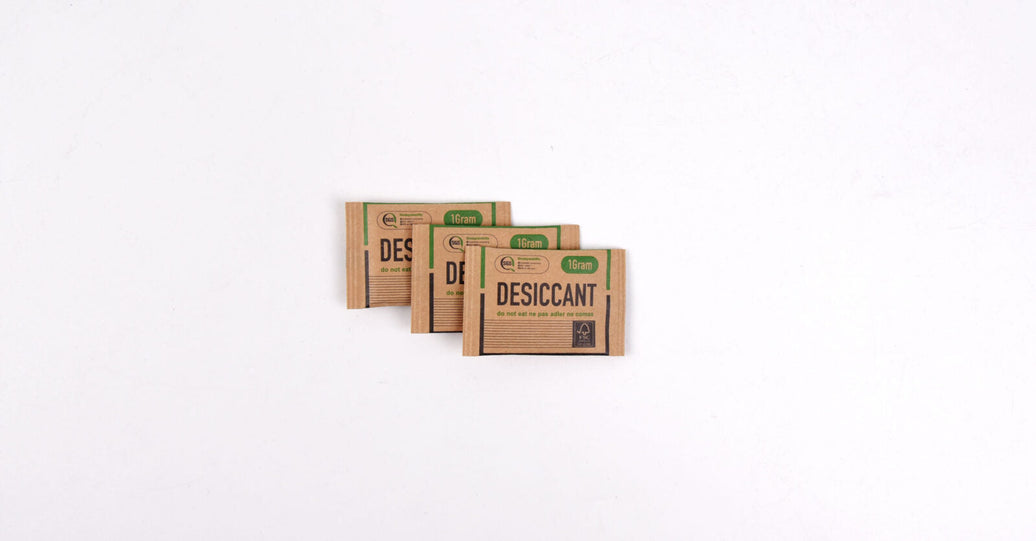
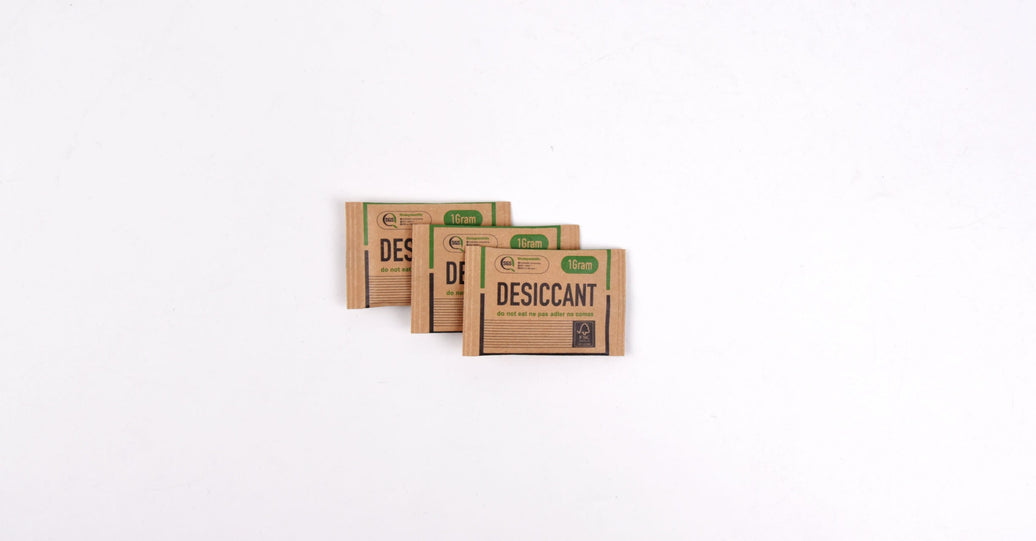
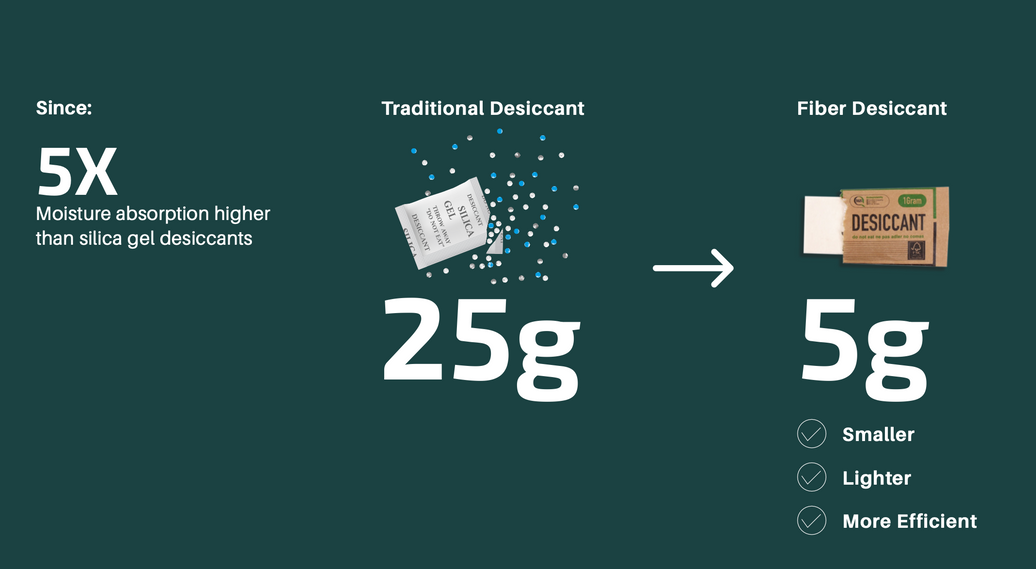
Desiccant pricing is volume- and format-dependent, but the honest frame is cents per protected unit — and right-sizing pushes it down further. Fiber's capacity per gram lets an 18-gram-class unit do the work of a 30-gram silica or 35-gram clay load per carton, cutting both material and freight weight; the dosage logic is in the dosage guide.

How to use the result
Divide one failure's total by your annual protection spend. Teams that run it typically find a single event costs several times the year of desiccant — often ten times or more once demand damage is included honestly. That ratio is the business case for protecting every unit at worst-case sizing rather than average-case, and for treating claims like “desiccant is an unnecessary cost” with the skepticism catalogued in 7 Desiccant Myths.
FAQ
What does moisture damage actually cost per incident?
It is company-specific — which is the point of the worksheet. The pattern across post-mortems: total cost lands at several multiples of the batch's product value once labor, freight, credits and demand damage are added.
Is this worksheet only for full batch failures?
No — run it on partial events too: one humid-season lot with elevated returns, one export shipment with clumped units at arrival. Partial events repeated quarterly quietly outcost one dramatic failure.
What is the cheapest way to cut moisture-failure risk?
In order: fix seals, place desiccant correctly inside the barrier, size for worst-case exposure, then optimize material. Three of the four are process discipline, not spend.
How does this feed a desiccant purchasing decision?
It sets the ceiling: any protection cost far below your per-failure exposure with a real capacity margin is cheap insurance. Comparing suppliers at that point is a spec exercise, not a price race.
Run your numbers with the team
Send last year's moisture-related incidents (even rough) and current protection spend. The team returns the completed worksheet and a right-sized protection plan — with the assumptions on paper for your CFO.