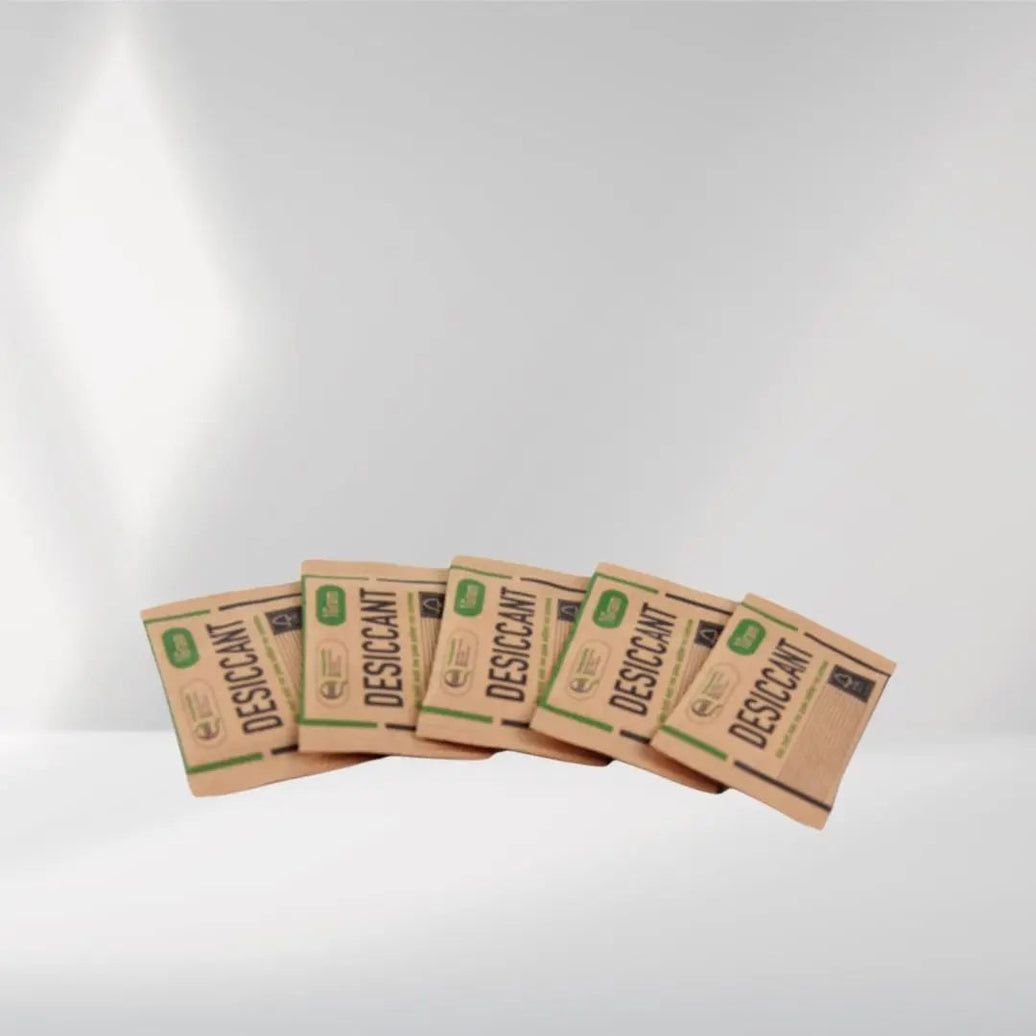
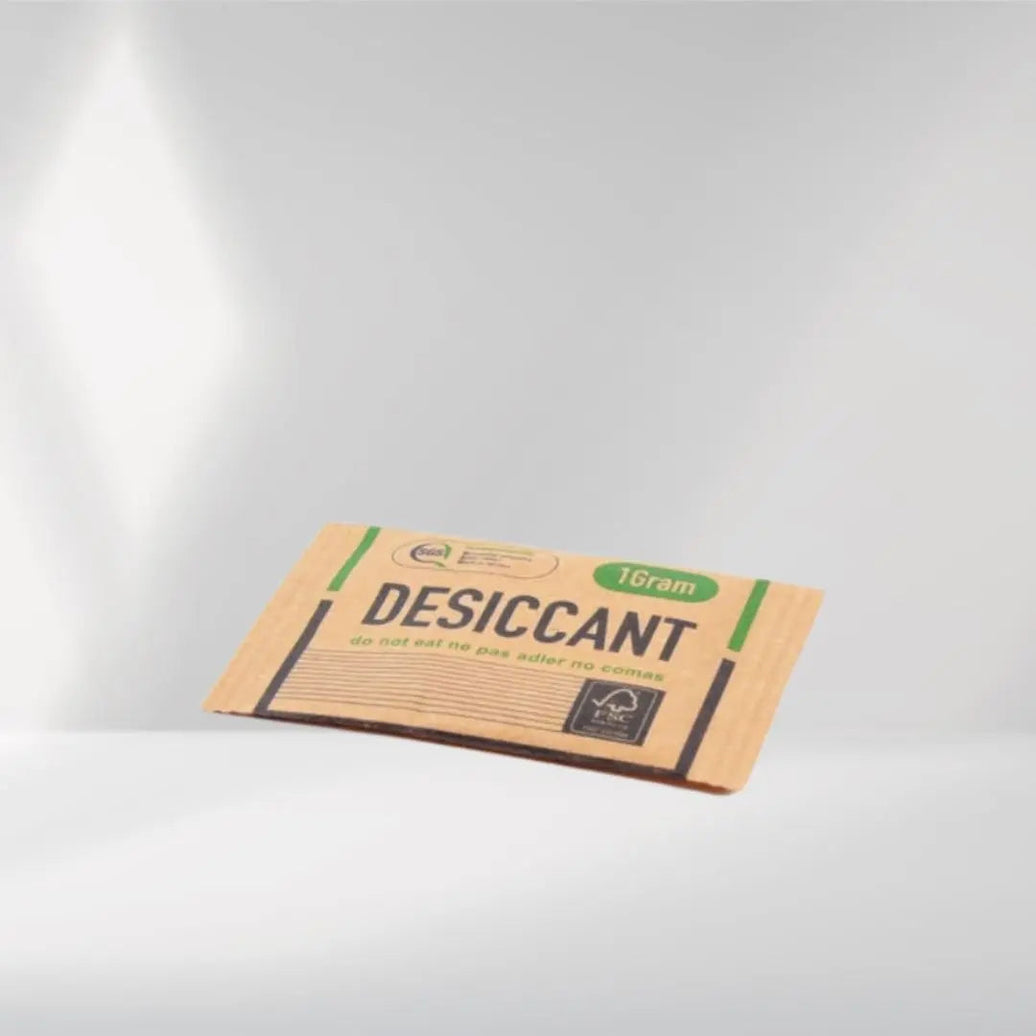
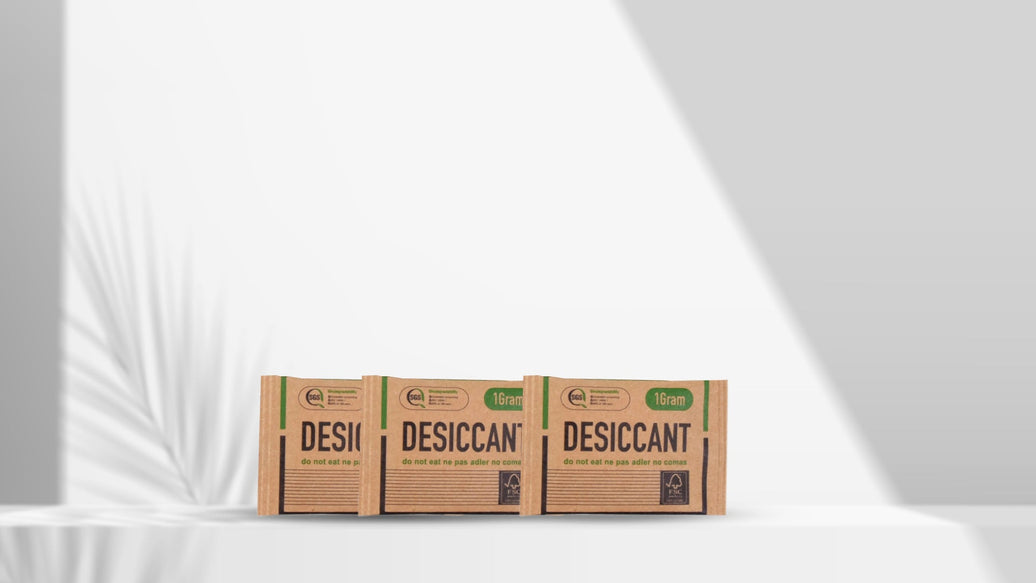
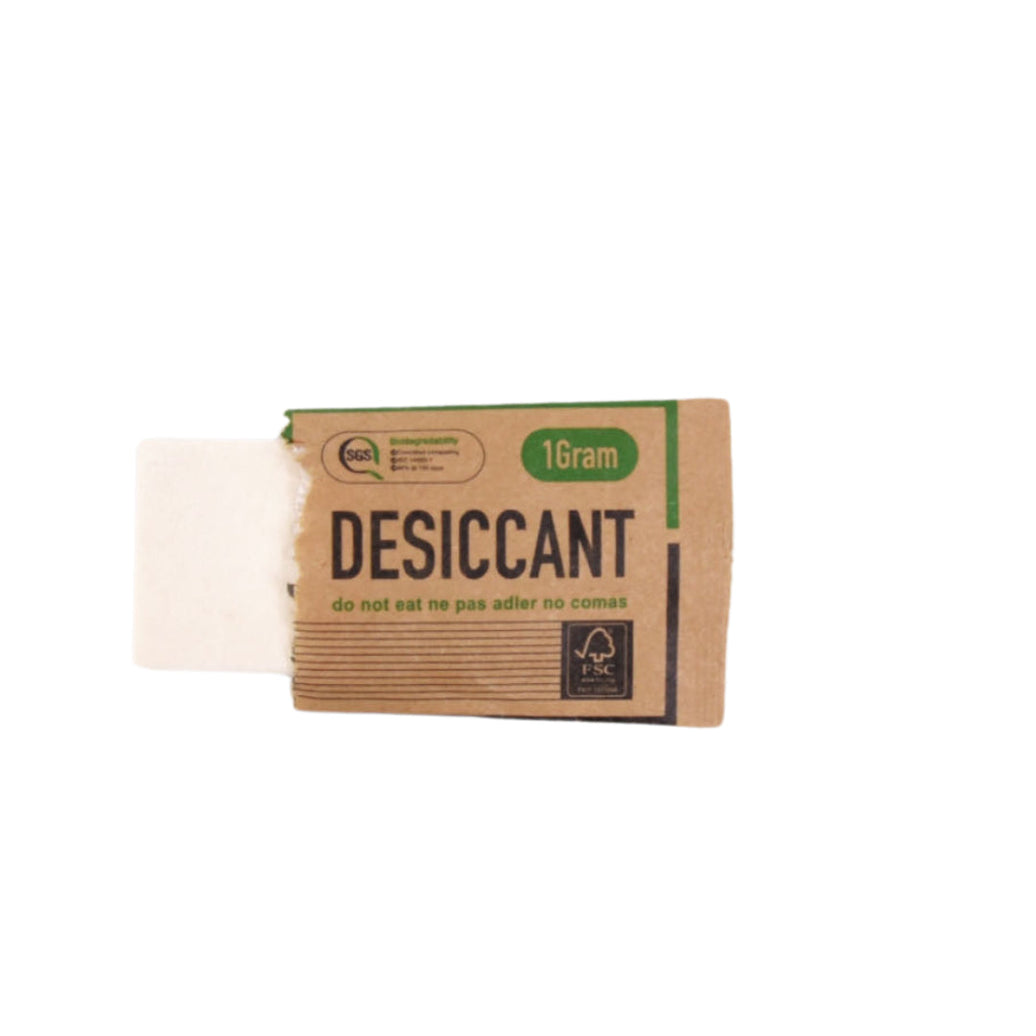
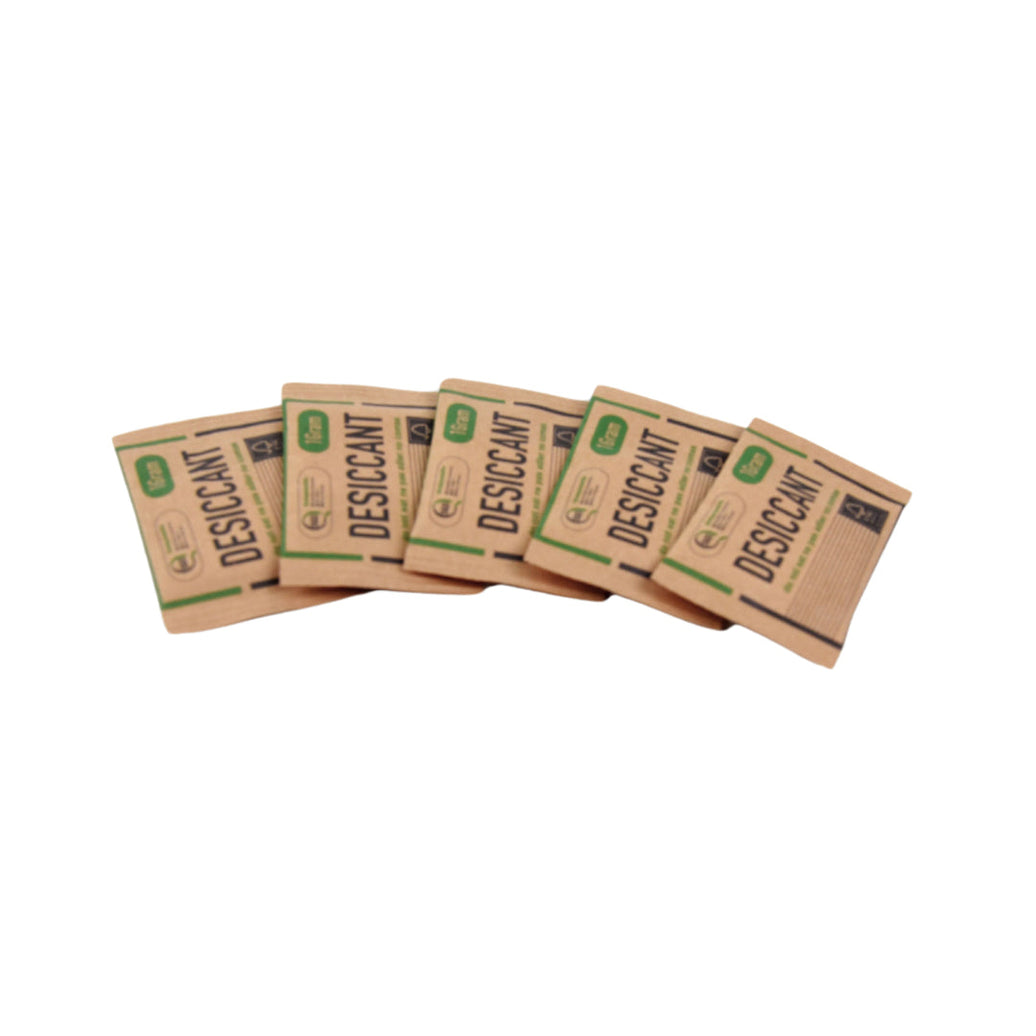
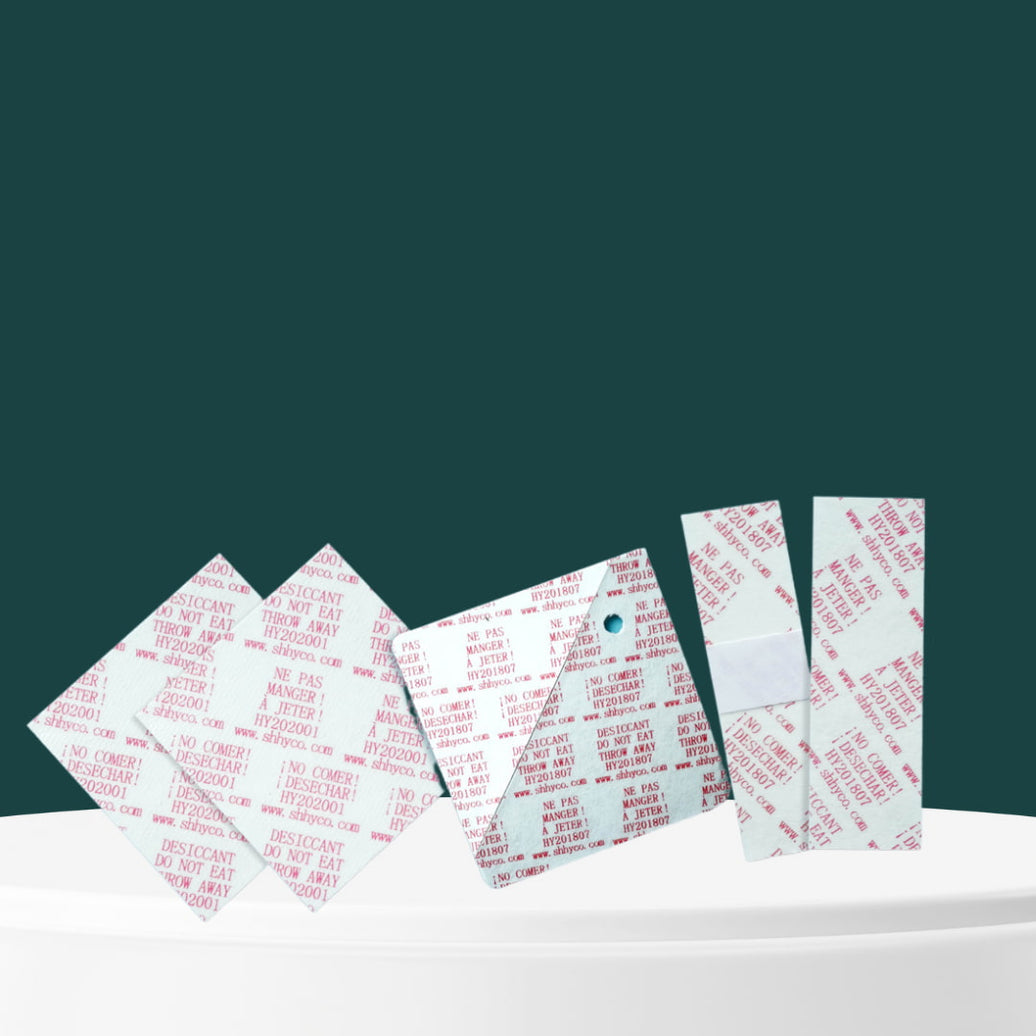
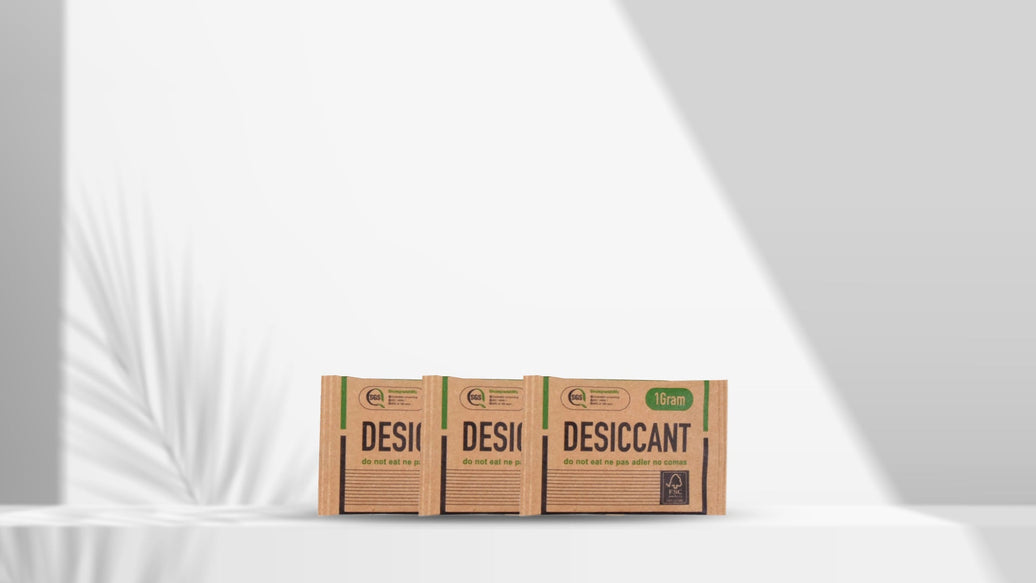
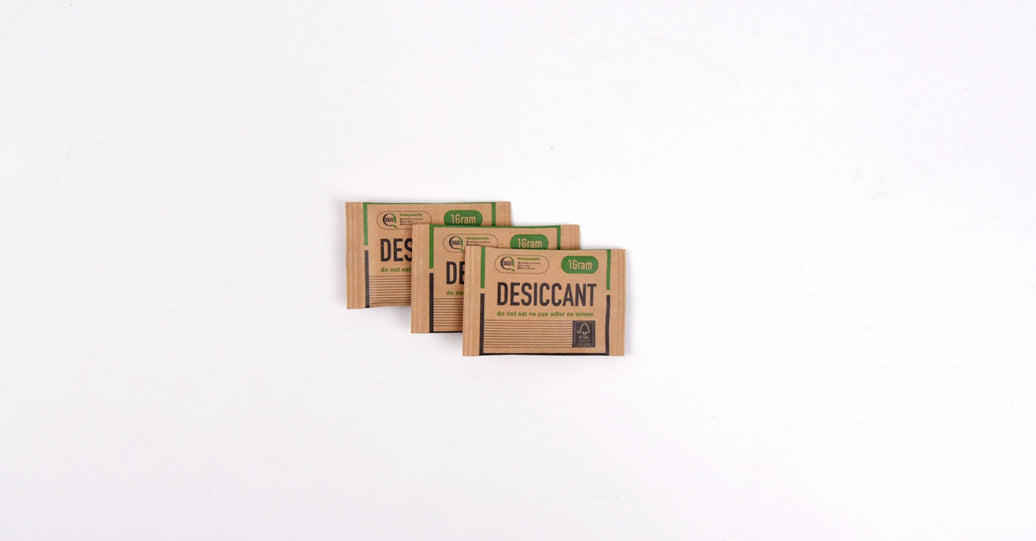
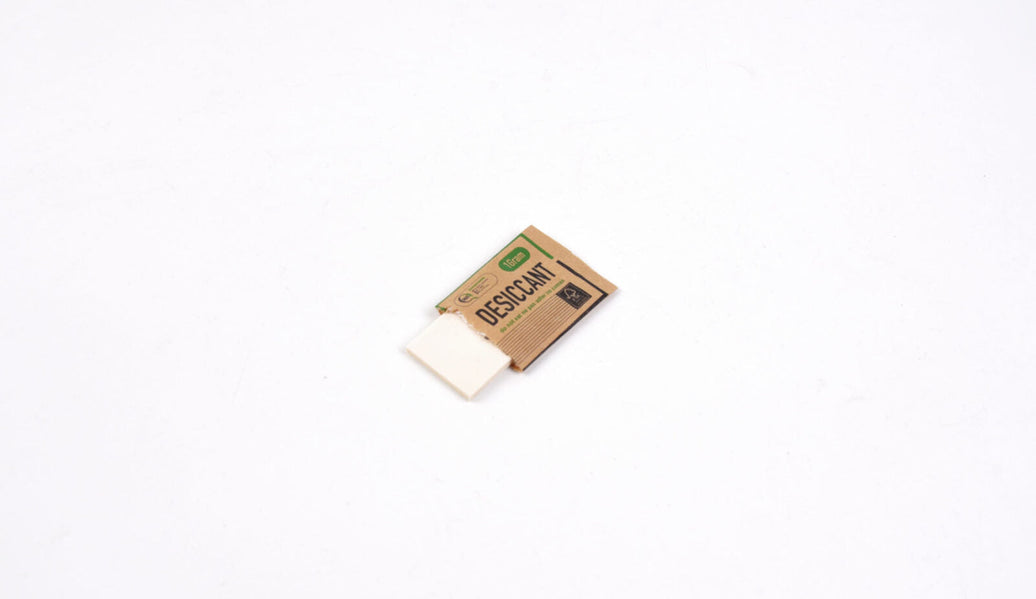
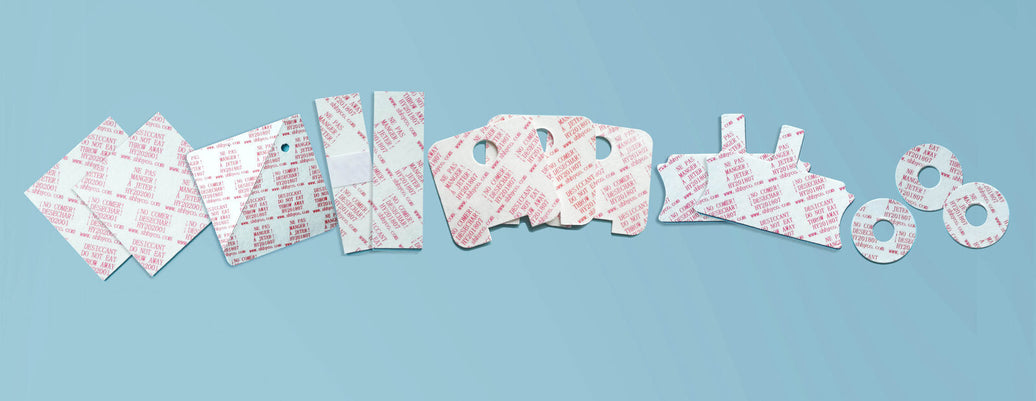
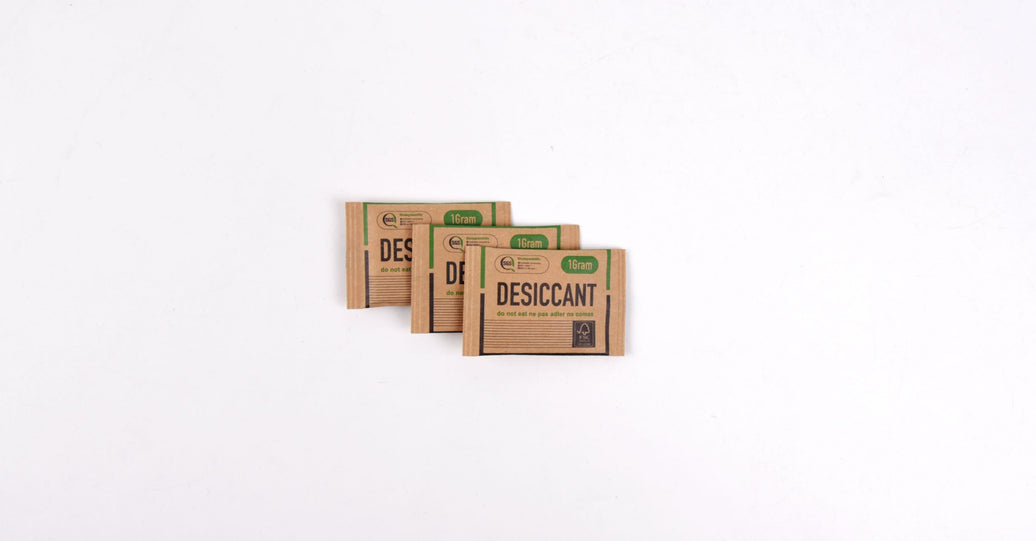
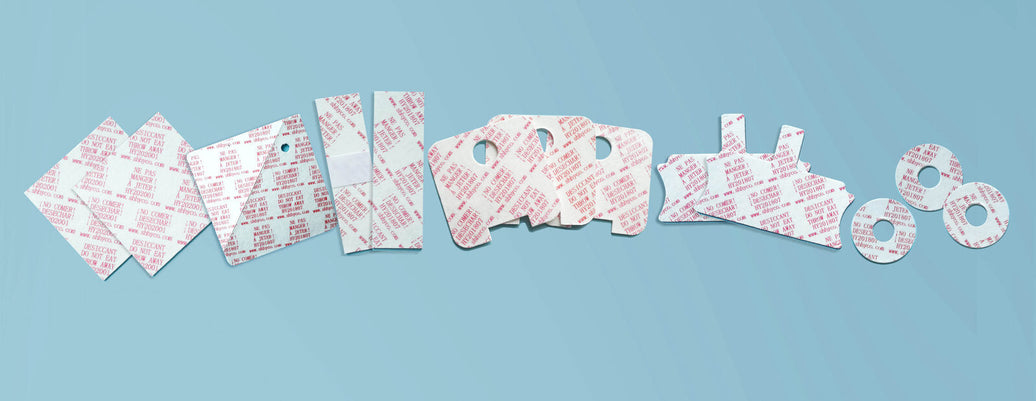
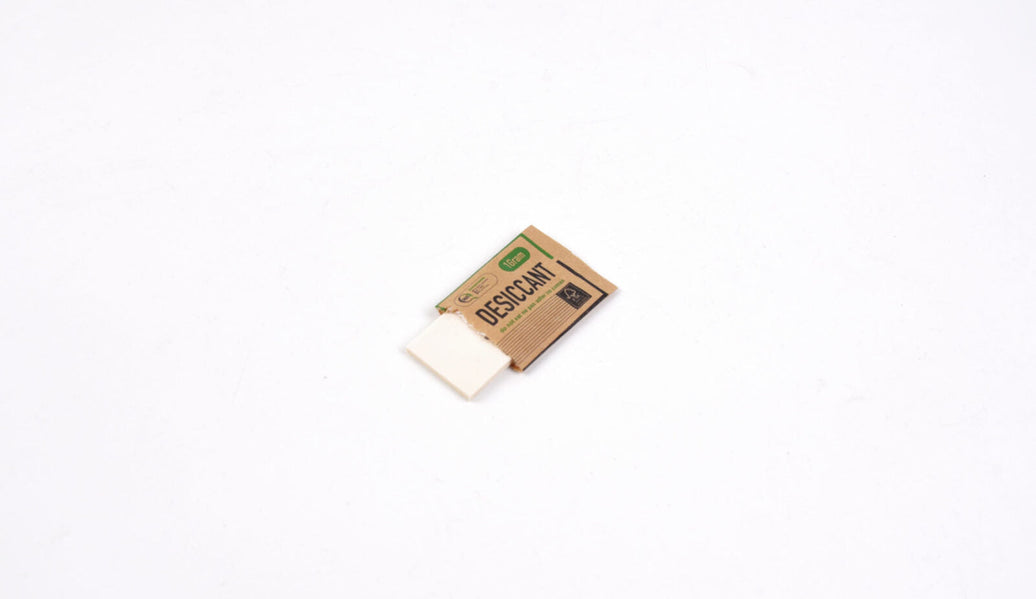
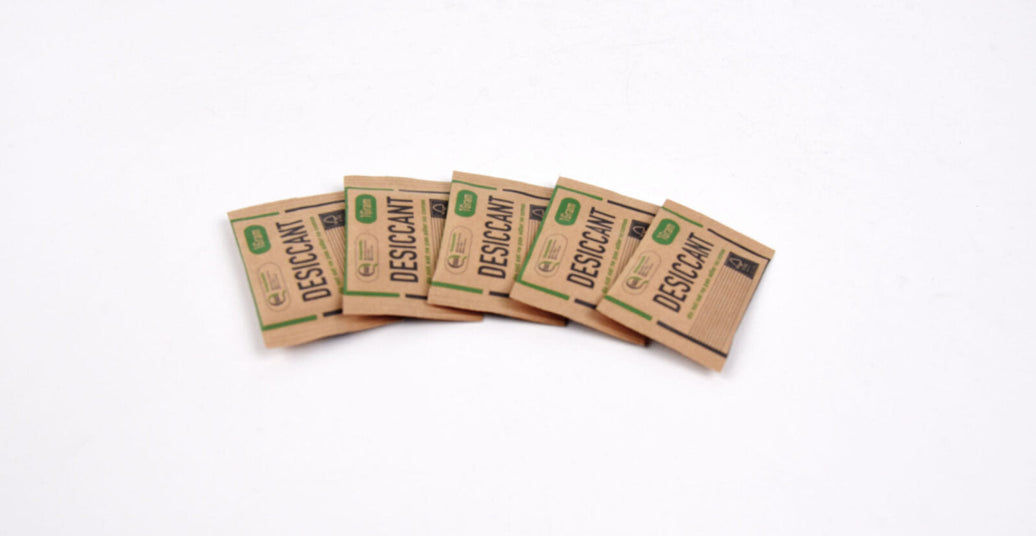
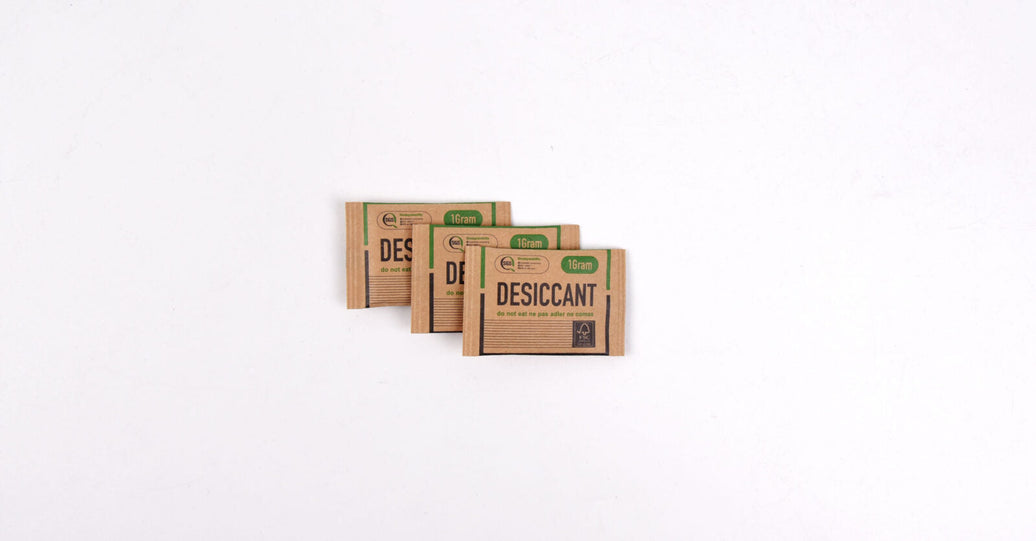
Quick answer: A fiber desiccant is not a granule. ATMOSIScience fiber desiccant is built on a natural plant-fiber (lignocellulose) substrate combined with a biodegradable polymer and amide-bond polymer, carrying calcium- and sodium-salt moisture-active compounds, and wrapped in food-grade paper, non-woven fabric or PET film. It is produced as a paper-like sheet rather than loose beads — which is why it does not shed dust, leak, or spill even if the pack is cut open. Its moisture capacity is 2–3× that of standard silica gel.
Most desiccant spec sheets describe what a product does. Fewer explain what it actually is. Because ATMOSIScience developed its fiber desiccant specifically to solve the problems of granular desiccants, the composition is the story — so here it is, from the raw materials up.
The substrate: natural plant fiber, not a mineral
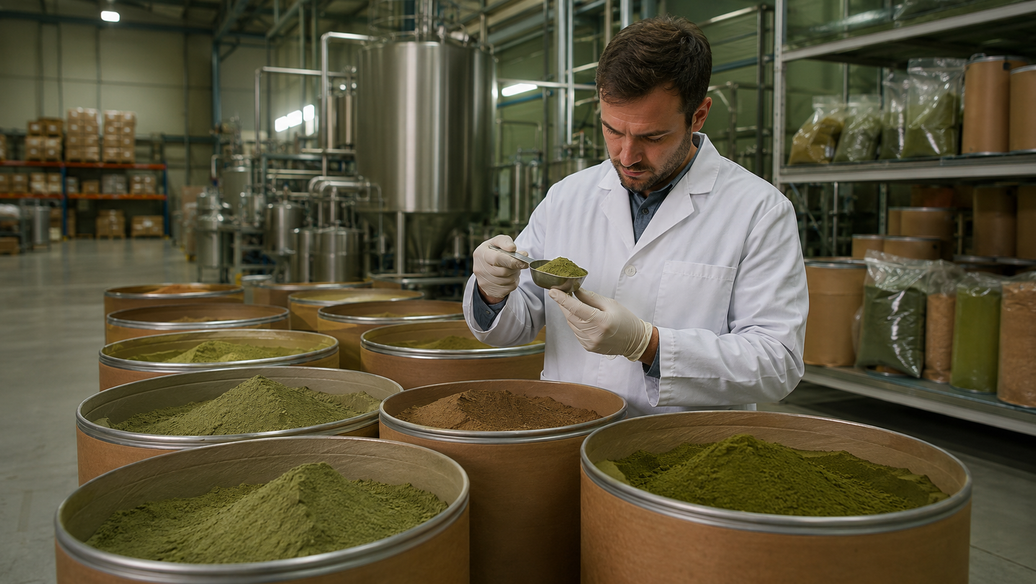
Conventional desiccants — silica gel, clay, molecular sieves, alumina — are porous minerals. They can only be used one way: packed as loose granules or powder into a bag, then dropped into the package. That form takes up space and carries a standing risk of particle leakage. ATMOSIScience's answer was to replace the loose-granule format entirely: the moisture-active compounds are carried on a carboxylated plant-fiber substrate (lignocellulose) and formed into a sheet, so the desiccant and its structure are engineered together.

The full material stack
The cradle-to-gate material inventory documented in the product's ISO 14067 carbon footprint study lists the real inputs:
- Lignocellulose — the natural plant-fiber substrate.
- PLA (polylactic acid) — a biodegradable polymer binder.
- Calcium chloride and sodium salts — the moisture-active compounds that adsorb and hold water.
- Amide-bond polymer — part of the moisture-locking chemistry.
- Food-grade paper — wrap material (also available as non-woven fabric, PET film, or a plastic cylinder depending on format).
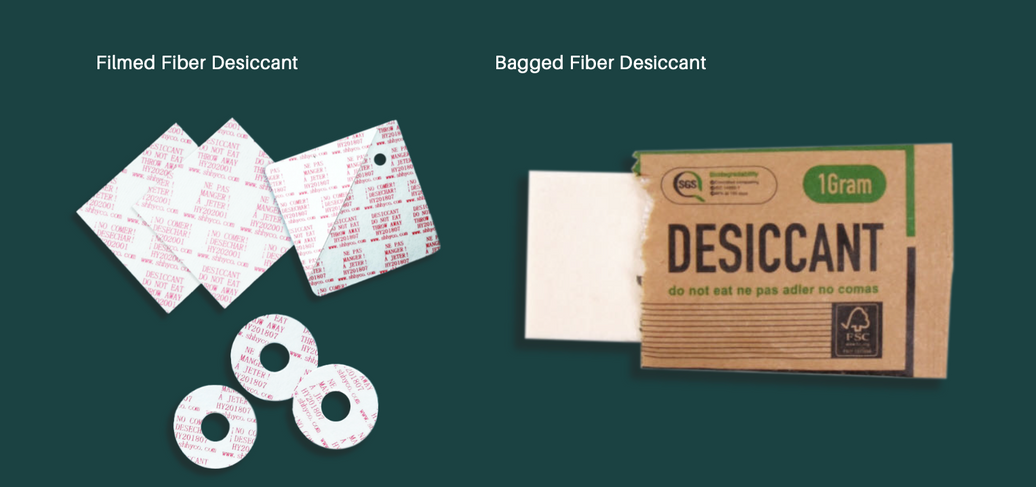
The combination of plant fiber and PLA is what makes the product biodegradable, and the sheet-plus-wrap construction is what makes it dust-free and leak-safe. The film/card version is a paper-wrapped, credit-card-stiff card with a printable surface — never loose fill.

How it compares to the mineral desiccants
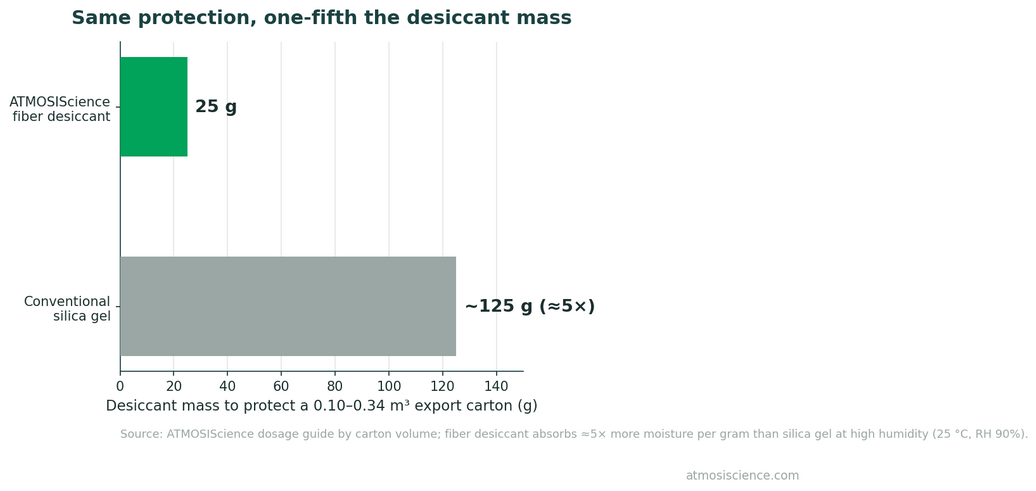
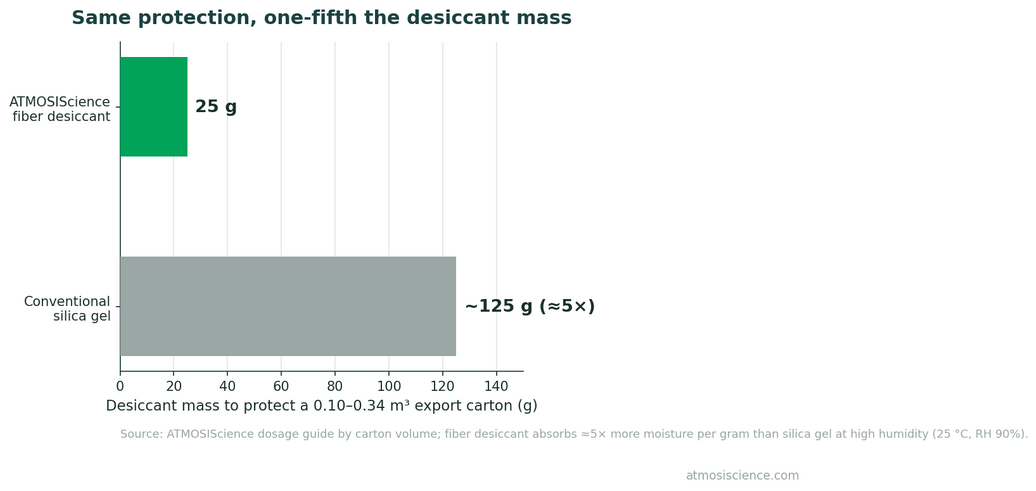
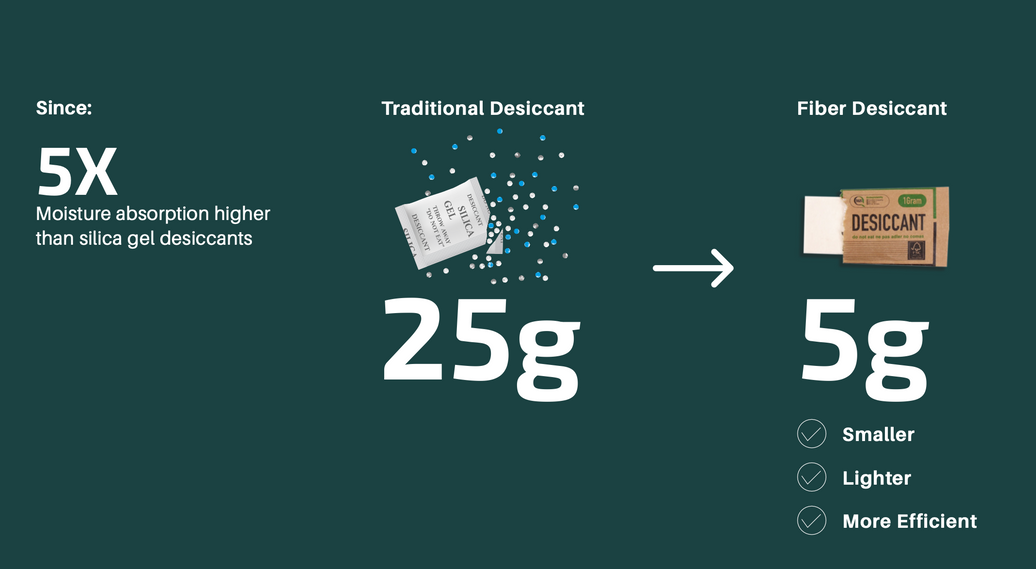
The practical difference is capacity and safety. Fiber desiccant adsorbs up to 100% of its own weight at saturation — roughly three times the capacity of ordinary silica gel — while generating no dust and posing no granular-leak risk. The full gram-for-gram breakdown across chemistries is in calcium chloride vs. silica gel vs. fiber desiccant, and the silica-replacement math is in silica gel equivalency.

Why the composition matters to a buyer
Three properties fall directly out of the material choices: it is food-contact documentable (relevant for supplements, food and pharma — see food-contact desiccants and FDA 21 CFR), it is compostable by material (plant fiber + PLA), and it is dust-free, which matters wherever particles could contaminate an open product or a sensitive surface.
FAQ
Is fiber desiccant just silica gel in a paper wrap?
No. The active chemistry and the substrate are different — a plant-fiber sheet carrying calcium/sodium-salt actives, not silica beads. The format and the material both differ.
What happens if the pack is punctured?
Nothing spills. Because the actives are held on a fiber sheet rather than as loose granules, there is no bead or powder leakage — a key safety advantage over granular desiccants.
Does the calcium chloride content make it corrosive or wet?
The actives are bound in the fiber matrix and wrap, so the product stays a dry sheet in normal use rather than deliquescing into a corrosive slurry the way loose calcium-chloride powder can.
Is it really biodegradable?
The substrate (plant fiber) and binder (PLA) are biodegradable materials, and the pouch films are offered to compostability standards. Compostability claims should always be matched to certificates — see compostable desiccant & the Green Claims Directive.
Want the composition and documentation for your file?
ATMOSIScience can share the material breakdown, food-contact documentation and capacity data for your application. Request the spec pack →