Quick answer: Biotech moisture risk sits in three layers that are usually owned by three different teams. The room — HVAC and facility RH — protects operators, equipment and open product during handling. The process — isolators, dry rooms, nitrogen purge, lyophilisation — protects product while it is exposed. The package protects it for everything that happens after the seal closes, which is most of its life. Facility humidity control does nothing for a vial once it leaves the building. Confusing the layers is the single most common reason a well-controlled site still gets moisture excursions in the field.
Search "biotech humidity control" and the results split into two unrelated conversations: HVAC engineers sizing dehumidification for a cleanroom, and packaging engineers sizing desiccant for a pouch. Both are correct. They are answering different questions, and teams routinely buy the wrong one.
Layer 1 — the room
Facility RH control exists to keep the manufacturing environment inside its qualified range. It governs operator comfort and gowning behaviour, electrostatic discharge on sensitive equipment, microbial growth risk on surfaces, and the condition of product that is open to the room.
What it does not do is follow the product. Once a pouch is sealed or a closure is crimped, room RH is irrelevant to what is inside — except for one thing that matters enormously: the air sealed in at that moment is captured permanently. A room running toward the top of its range writes that humidity into every unit produced that shift.
This is the bridge between the layers, and it is why fill-room RH belongs on the packaging engineer's dashboard, not only the facilities team's. The mechanism is described for powder lines in how in-plant humidity taxes powder packing lines.

Layer 2 — the process
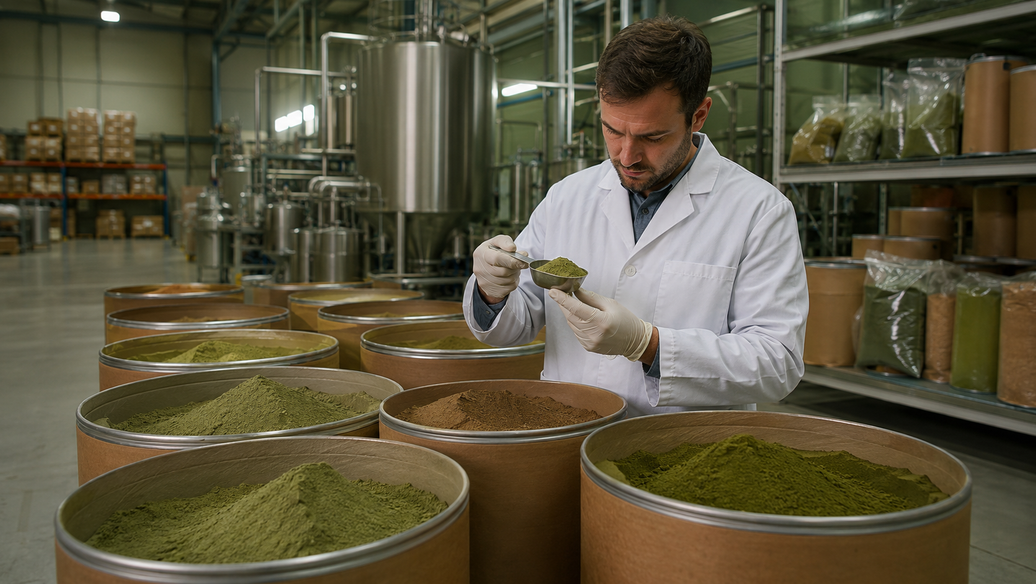
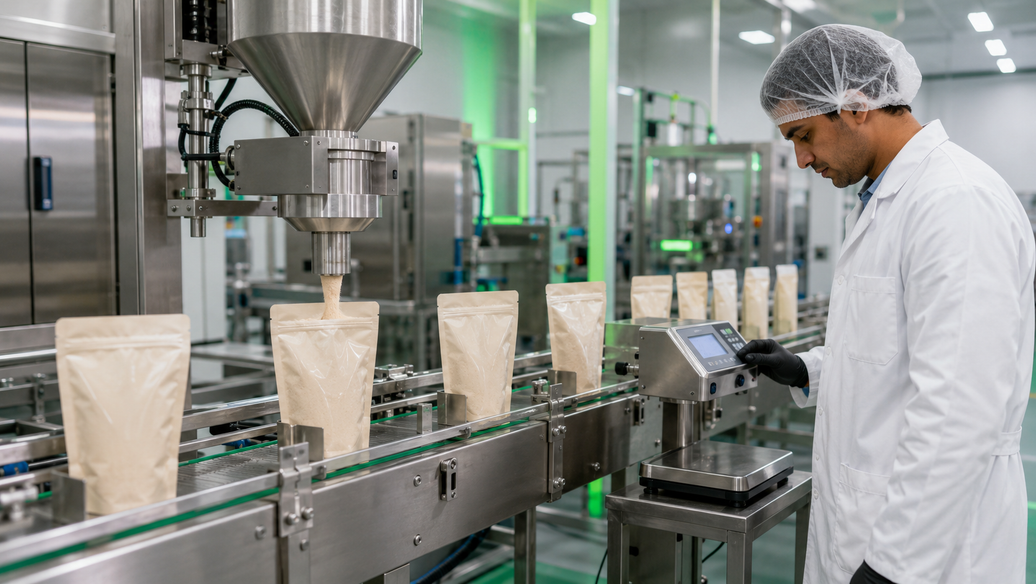
Process controls protect the product during the window when it is exposed and vulnerable: lyophilisation cycles, isolator or RABS environments, dry rooms for hygroscopic intermediates, nitrogen purge before sealing, and controlled handling of freeze-dried cake before stoppering.
These are the most expensive controls per unit of protection, and the most precisely engineered. They are also strictly time-bounded. They end when the product is closed.
Two things go wrong here in practice. The first is a validated process feeding an unvalidated hold step — material sitting in a corridor between operations, in an intermediate container nobody specified. The second is a lyophilised product whose residual moisture specification is met at release and then drifts because the container closure system passes more vapour than the stability model assumed.
Layer 3 — the package
The package owns the longest span by far: warehouse, distribution, customs hold, pharmacy shelf, clinic fridge, in-use period. It is also the only layer that travels.
Three inputs set the moisture budget:
- Sealed-in headspace — inherited from Layer 1, fixed at seal.
- Permeation — set by the container closure system, measurable, and the input that most often gets assumed rather than tested. Method in desiccant dosage by MVTR.
- Opening cycles — relevant for multi-use presentations and diagnostic kits, irrelevant for single-use vials.
Desiccant operates only in this layer, and only against these three terms. It cannot compensate for an out-of-range fill room; it can only absorb what that room already put inside.
Mapping risks to the layer that actually owns them
- Lyophilised cake collapse or reconstitution failure in the field — package layer. Permeation over shelf life, addressed by container closure selection plus in-pack desiccant. See desiccant for lyophilised, peptide and cold-chain pouches.
- Condensation on product removed from cold storage — package layer, and a dew-point problem rather than an RH problem. See condensation after cold storage.
- Lateral-flow assay or reagent strip drift — package layer. Covered in desiccant for diagnostic test kits.
- Excipient or API caking before compression — process and package layers together, depending on hold time. See desiccant for pharmaceutical excipients.
- Batch-to-batch variance tracking the weather — room layer. If results correlate with outdoor dew point, the fill environment is the variable, not the insert.
- Product shipped into a tropical market failing at 12 months — package layer, sized against the wrong climatic zone. See the ICH Zone IVb packaging checklist.
Where the layers should be argued together
The most useful conversation a biotech packaging team can have is a short one with facilities: what is the actual RH in the room at the moment of seal, across a year, and what is the worst case? That single number sets the starting load for every package in the layer below, and it is cheaper to tighten a fill room by a few points than to carry the consequence in every unit for its full shelf life.

Then instrument it. Humidity indicator cards at the RH points that matter give a per-unit record rather than a room average — spec guidance is in humidity indicator cards: which RH points to spec.
What ATMOSIScience contributes, and what it does not
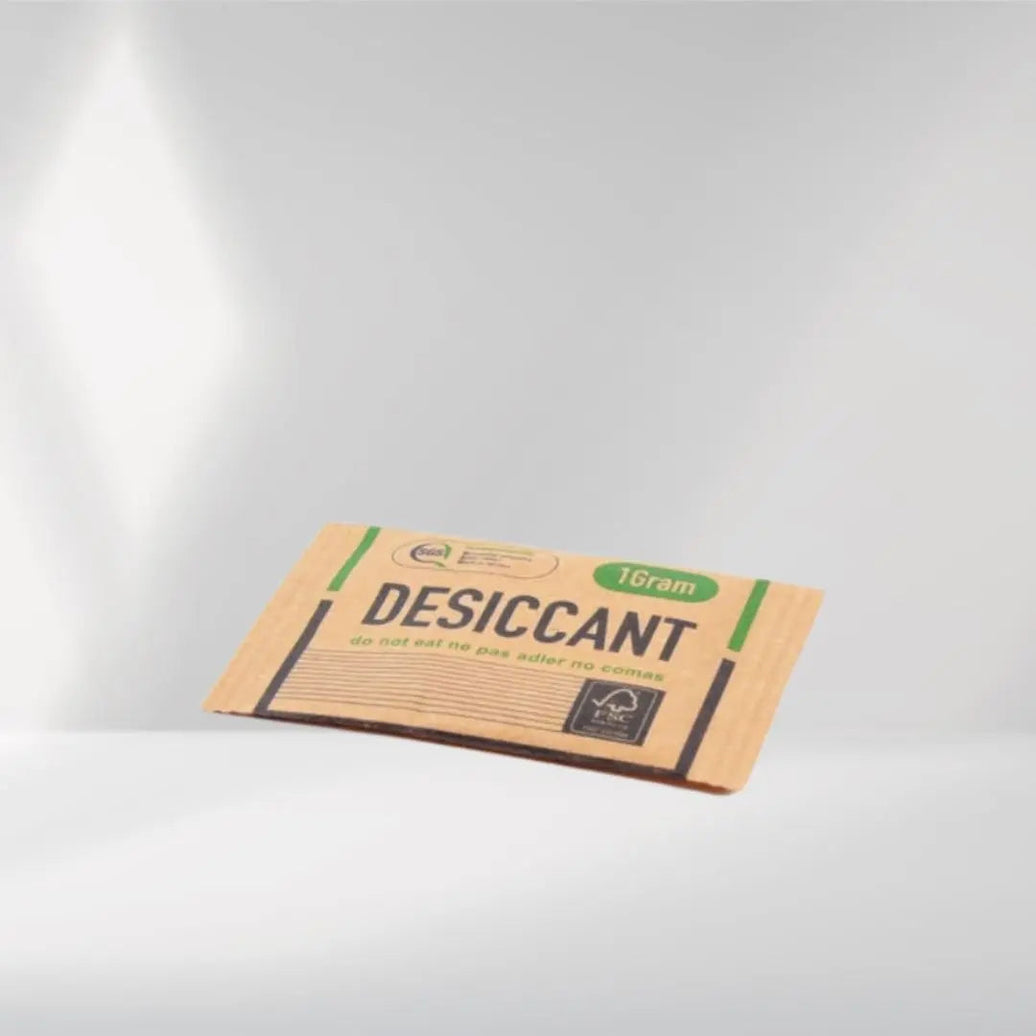
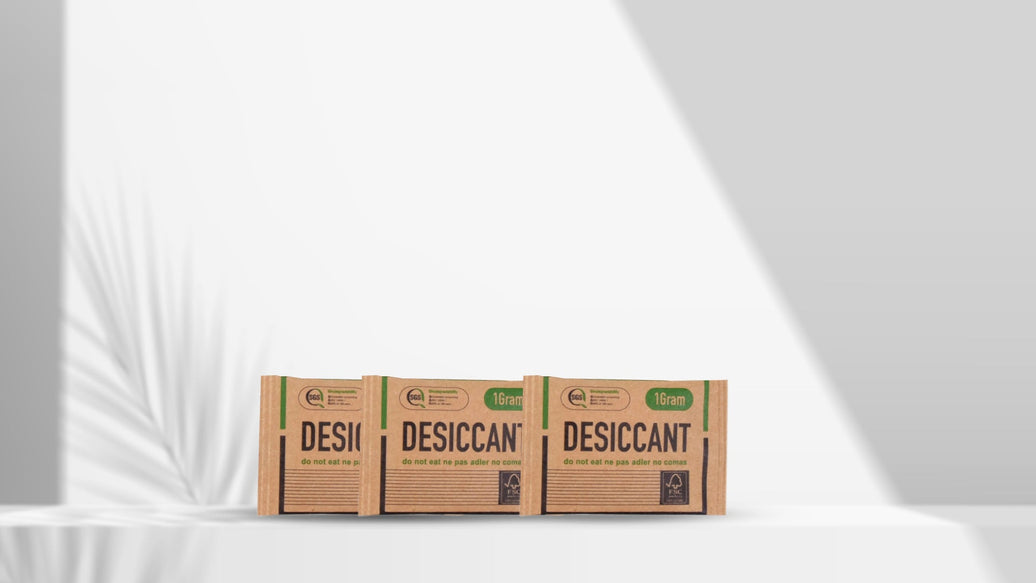
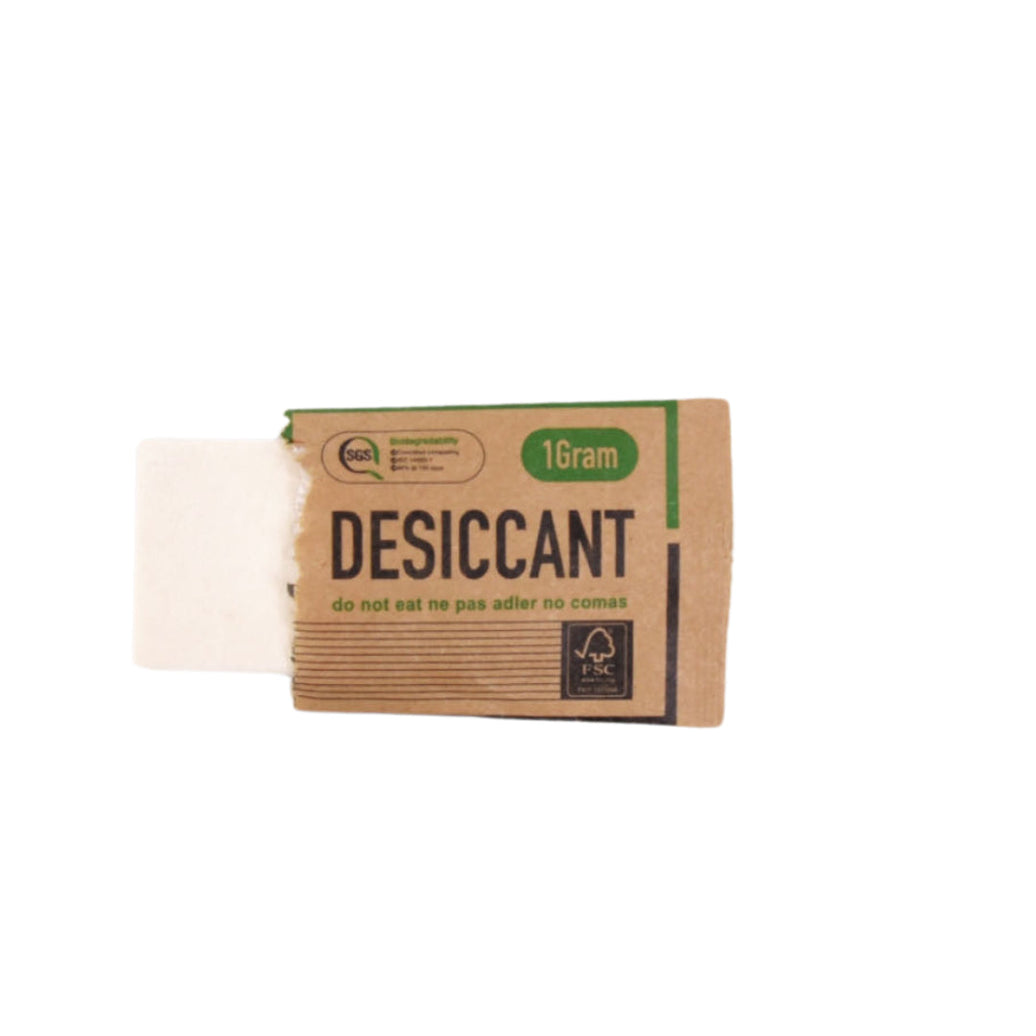
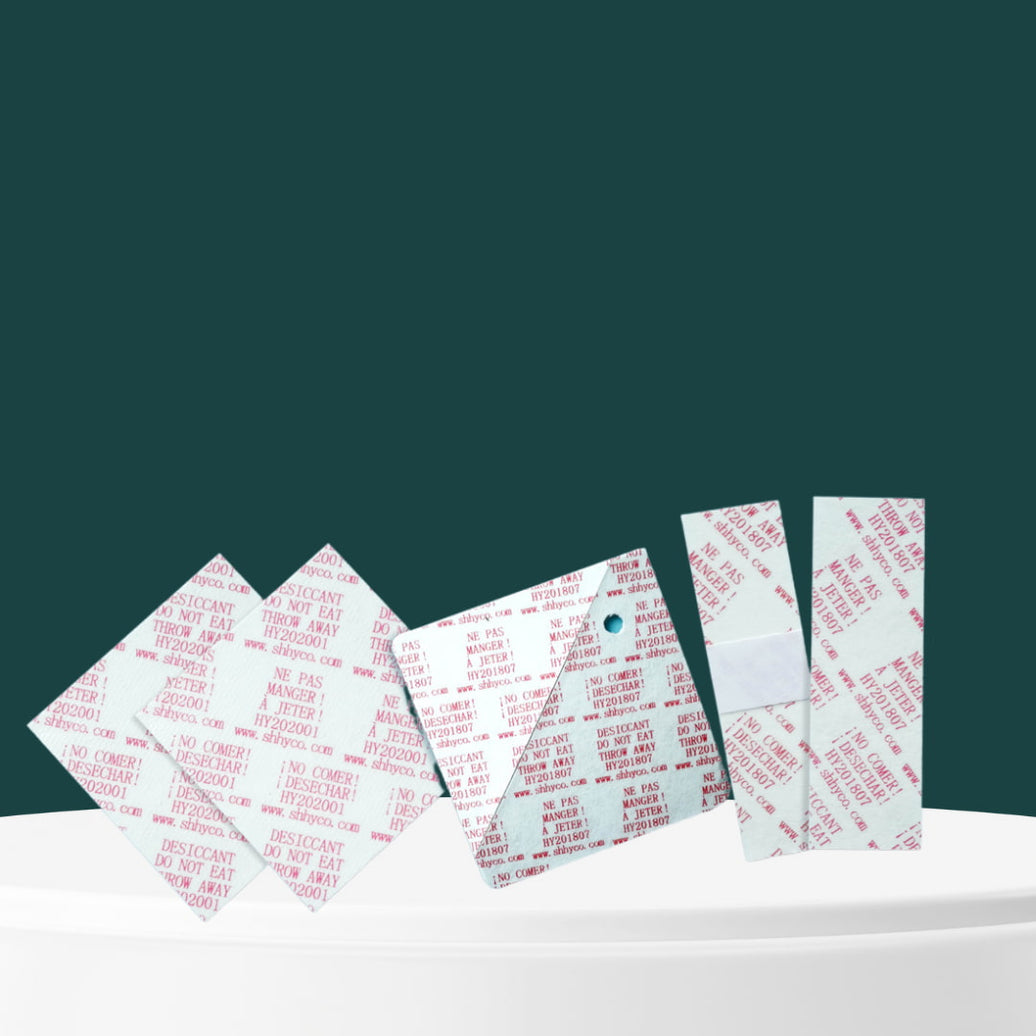
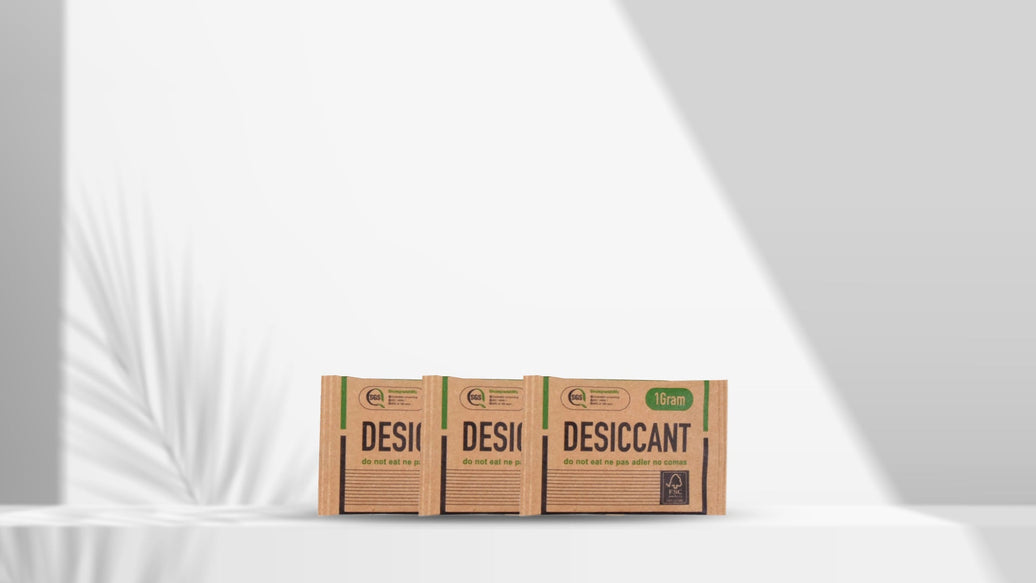
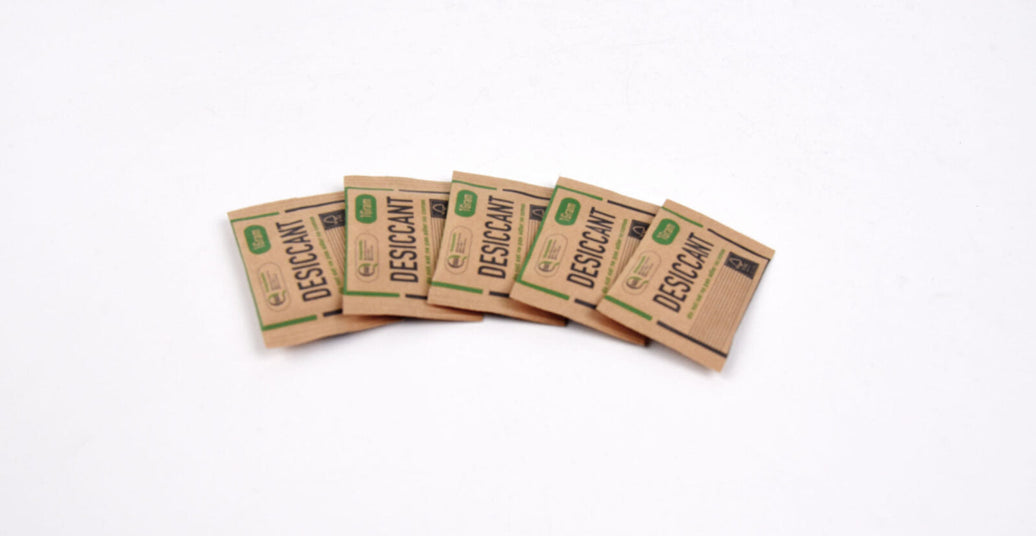
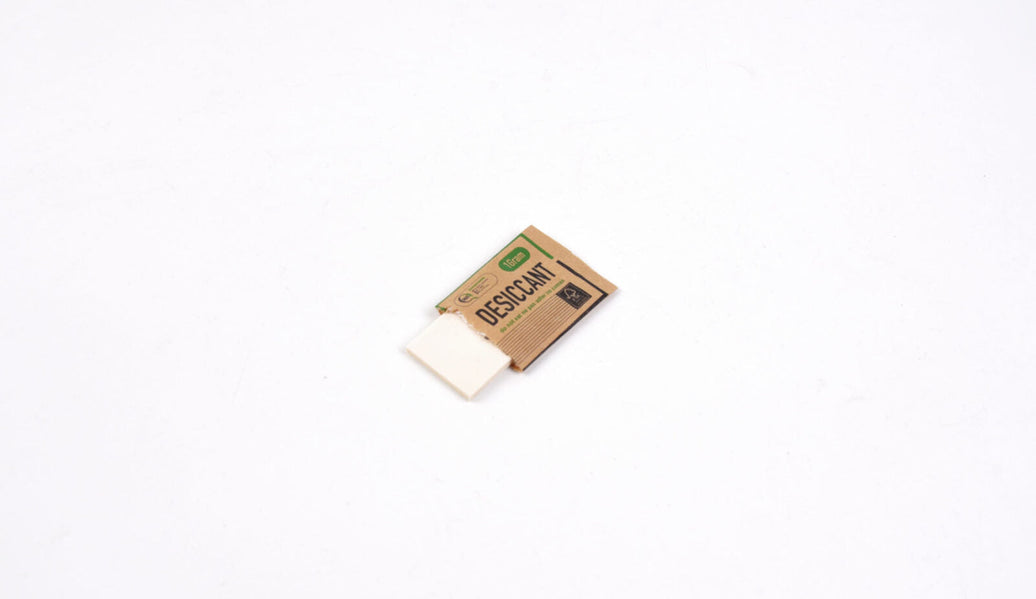
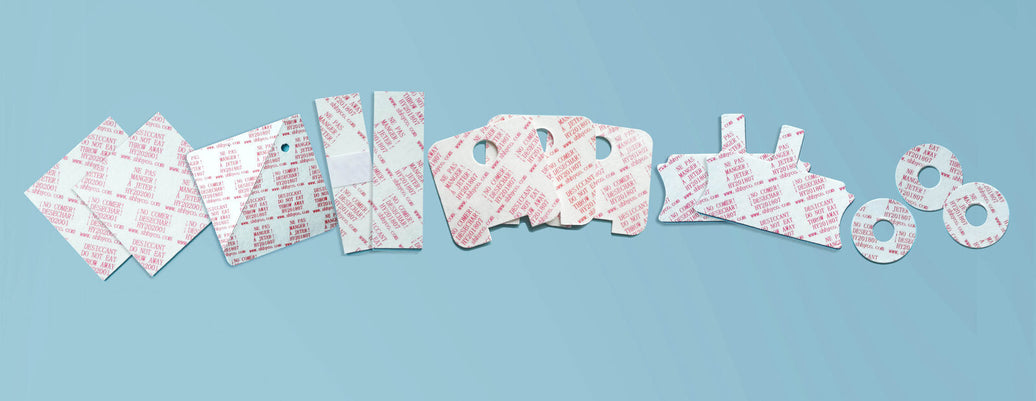
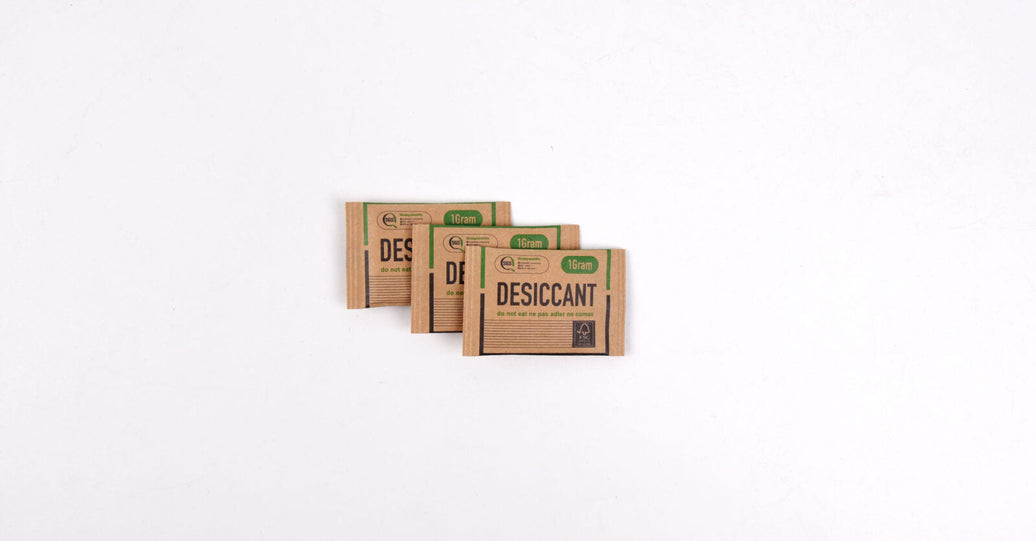
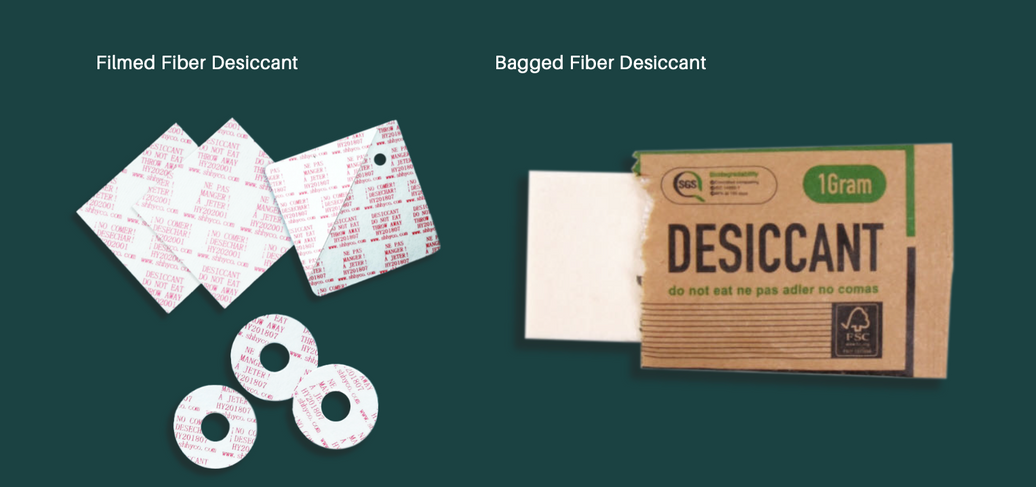
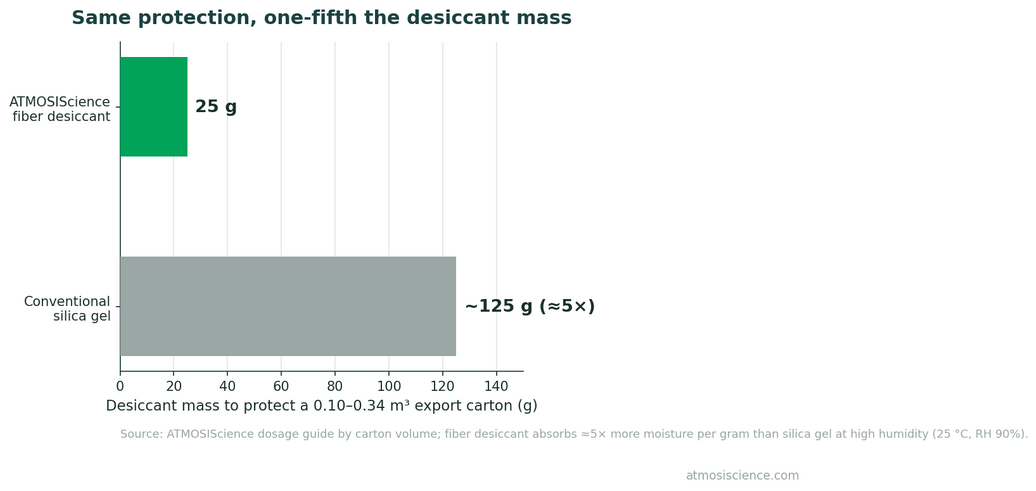
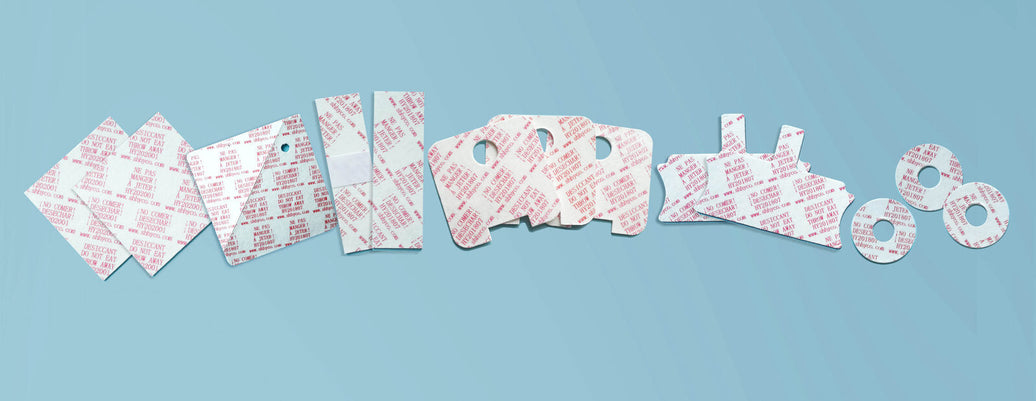
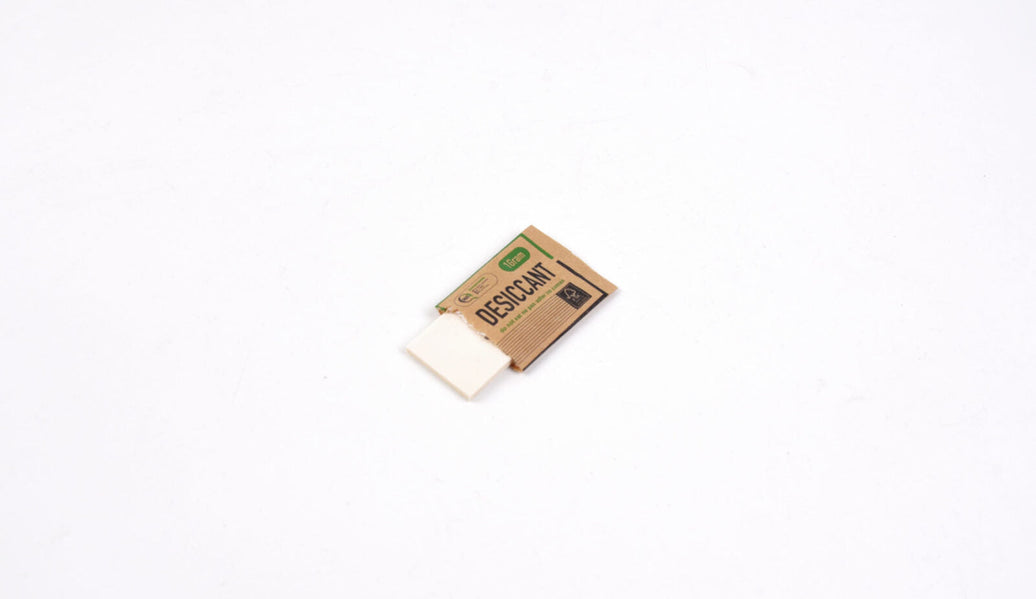
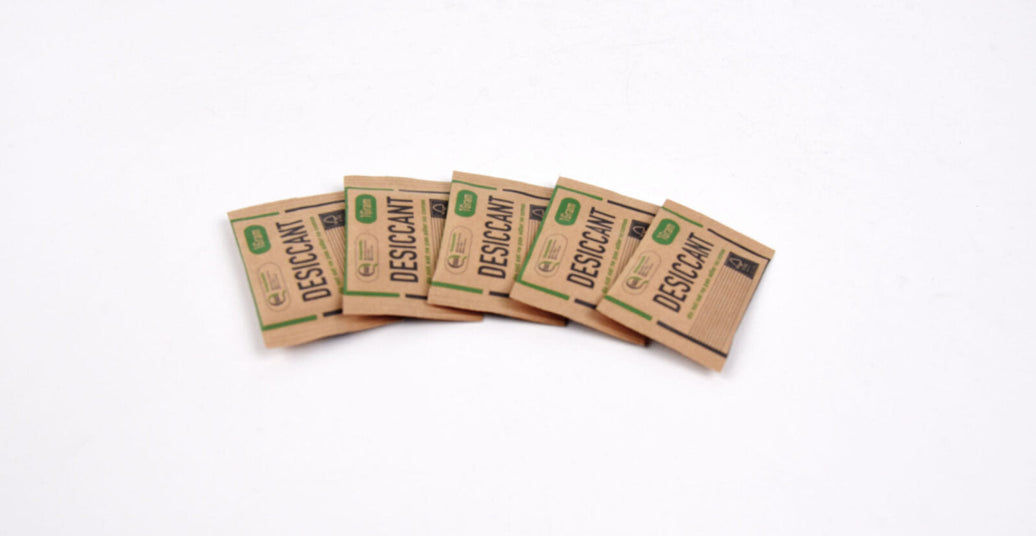
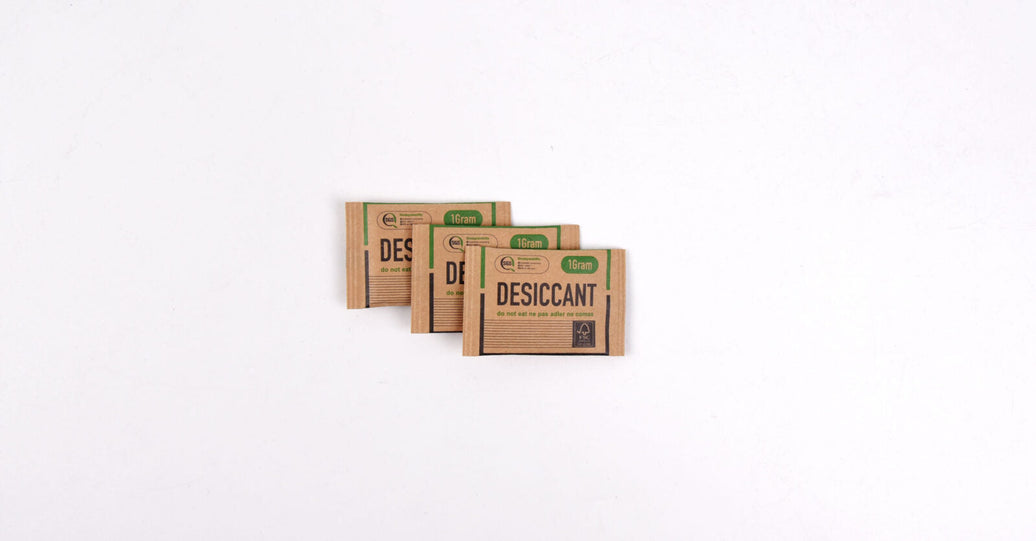
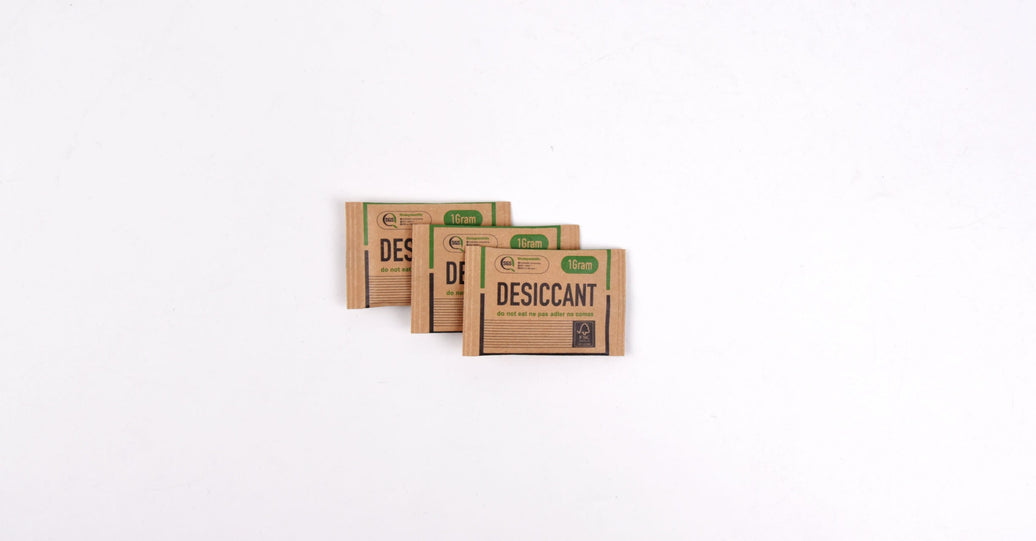
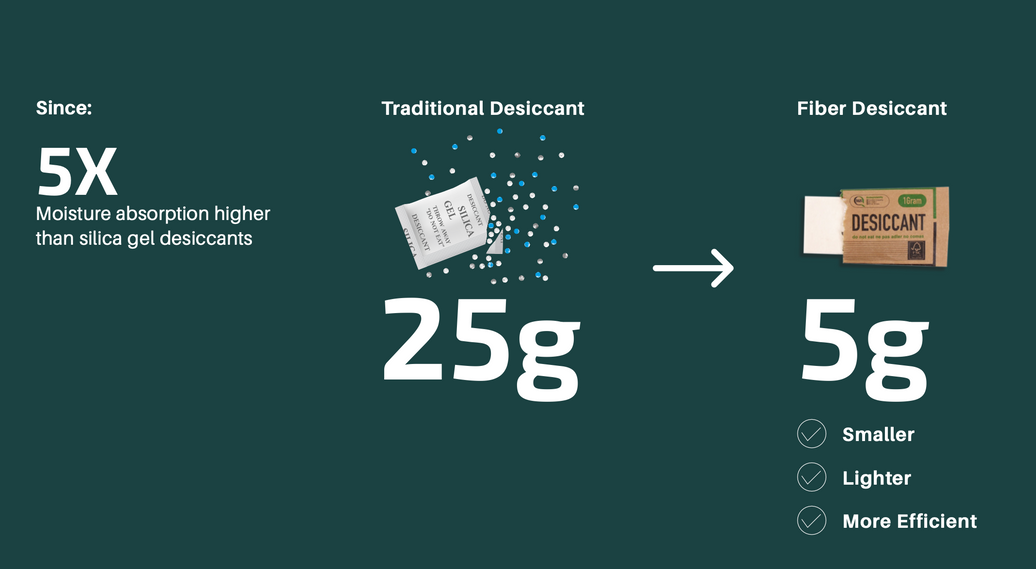
ATMOSIScience works in the package layer. The fiber desiccant platform adsorbs more than 35% of its own weight at RH50 and more than 70% at RH90 (25°C), reaching more than 100% at saturation, with loss on drying below 10%, and is supported by FDA 21 CFR 175.300 documentation with SGS ISO 9001 certified manufacturing. Formats run from 1 g to 1,000 g pouches and die-cut Fiber Card paper desiccants at 0.5 mm and 1.0 mm.
It is not an HVAC solution and will not fix a room. Any supplier presenting an in-pack desiccant as facility humidity control is selling the wrong layer.
Frequently asked questions
Can in-pack desiccant compensate for a fill room running high?
Partly, and expensively. Every point of excess RH at seal is load the desiccant has to carry for the whole shelf life. It is almost always cheaper to control the room than to over-size the insert.
Which layer owns residual moisture in a lyophilised product?
Process owns the value at release. Package owns whether it holds. Both need to be specified, and stability data should demonstrate the second.
Do single-use vials need desiccant?
Depends entirely on the container closure system and the shelf life. Where the closure passes measurable vapour and the product is moisture-sensitive, a desiccant in the secondary pack or a barrier overwrap is the usual answer.
How is this different from ICH stability testing?
Stability testing tells you whether a configuration passes. It does not tell you which layer to change when it fails. Mapping the risk to a layer is what makes the corrective action obvious — see accelerated stability testing with desiccant.
Who should own the fill-room RH number?
Facilities measures it; packaging has to design against it. It belongs in both dashboards, and disagreements about it are usually the sign of a genuine unowned risk.
Review your package-layer moisture budget
Send the container closure system, fill-room RH range and shelf-life target. ATMOSIScience will map the budget and recommend a dosage.
Prefer email? info@atmosiscience.com