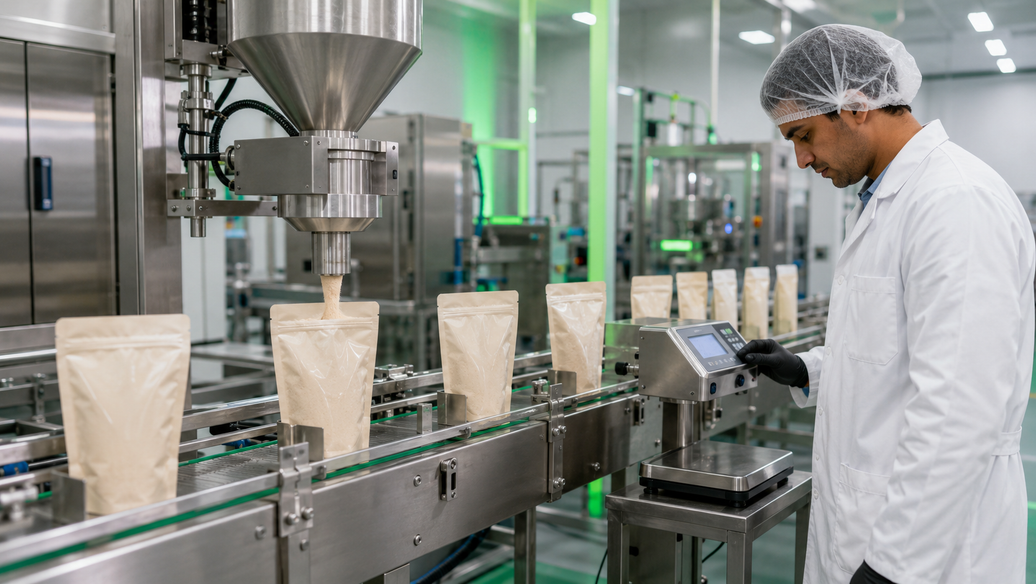
Industrial powders fail quietly. A powder coating that absorbed moisture in the warehouse still pours — then clogs the gun, spits, and orange-peels the finish. Humid toner streaks the print. Nylon powder that sat open beside an SLS printer comes out of the build chamber as porous, brittle parts. In every case the material was "fine" until the application stage, where rework is most expensive.
This guide covers moisture control for the three industrial powder families that generate the most field problems — coatings, toner, and polymer printing powders — and how producers, distributors, and heavy users spec an industrial desiccant program.
Three industrial powders, three failure modes
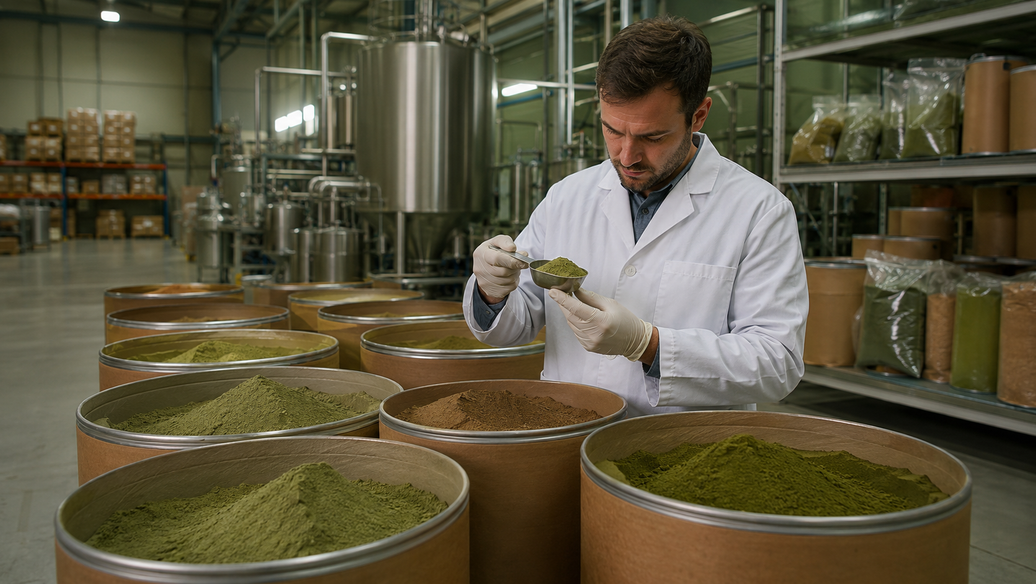
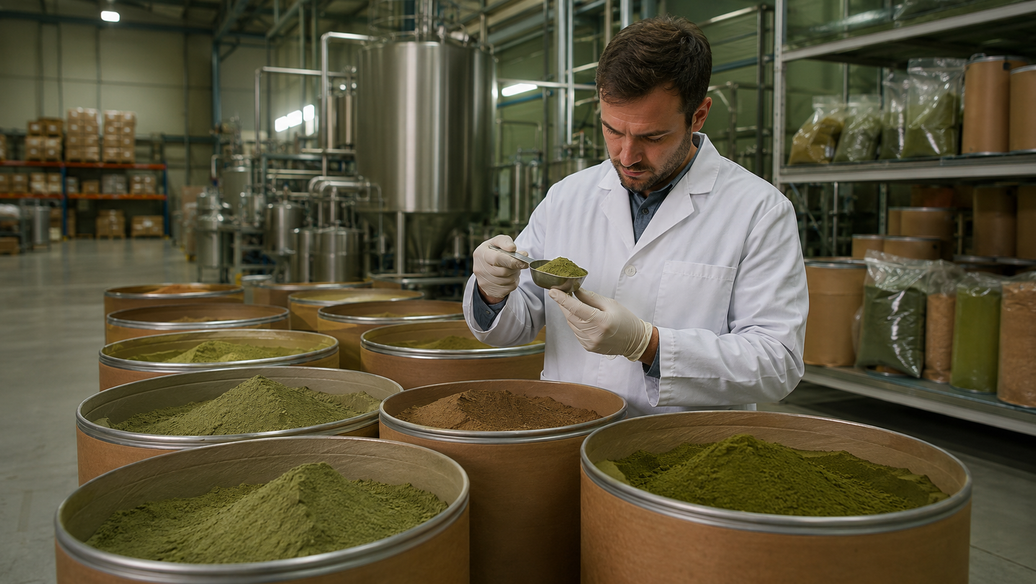
Powder coatings. Thermoset coating powders pick up moisture during warehouse storage and partial-box returns. The symptoms are operational: clumping in the hopper, poor fluidization, spitting at the gun, inconsistent charging, and surface defects after cure. Manufacturers specify cool, dry storage for good reason — but the spec ends at the customer's loading dock, and most job shops store powder beside the booth.
Toner and imaging powders. Toner is engineered around precise triboelectric charging, and adsorbed moisture changes charge behavior — visible as streaking, background fog, and density drift. The failure is climate-dependent, which is why it surfaces as "summer complaints" from humid-region customers.
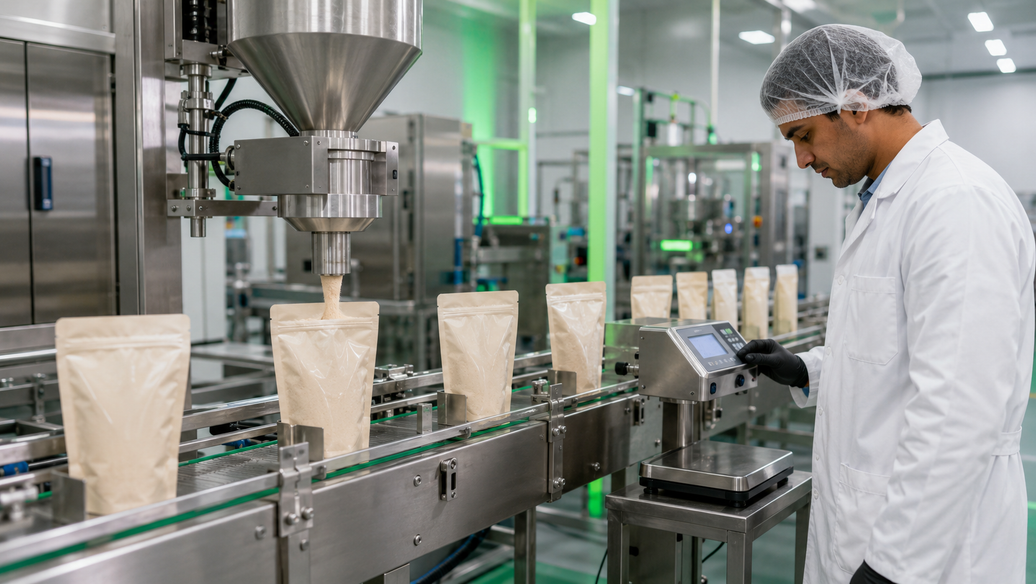
Polymer 3D-printing powders. Nylon (PA11/PA12) and TPU powders for SLS and MJF are hygroscopic; moist powder degrades flow in the recoater and produces porosity and weak layer bonding in finished parts. Because builds reuse blended recycled powder, one humid storage event contaminates many future builds.
The underlying physics — adsorption, liquid bridging, flow loss — is the same cascade covered in our pillar on why powders cake; industrial powders simply hide the damage until application.
Where to put the protection
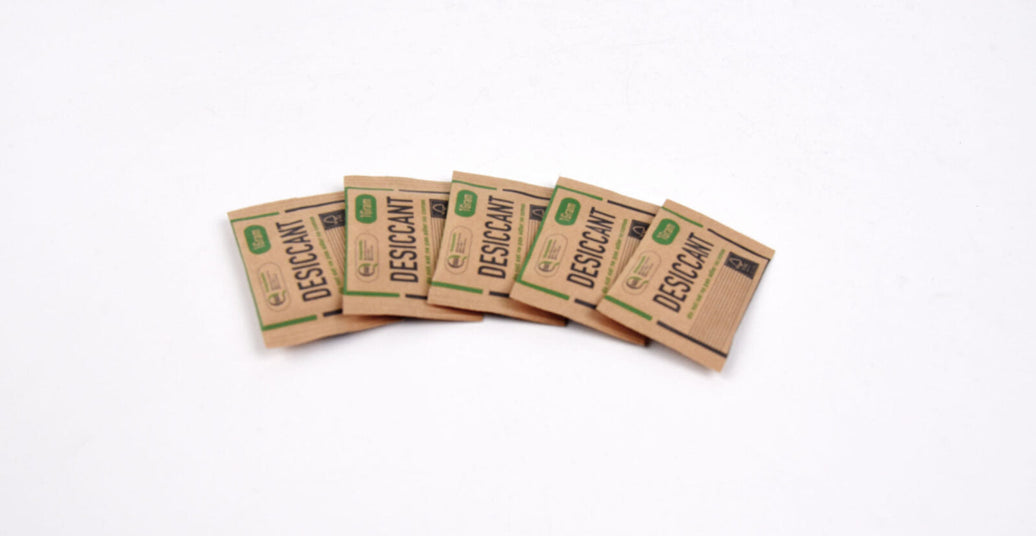
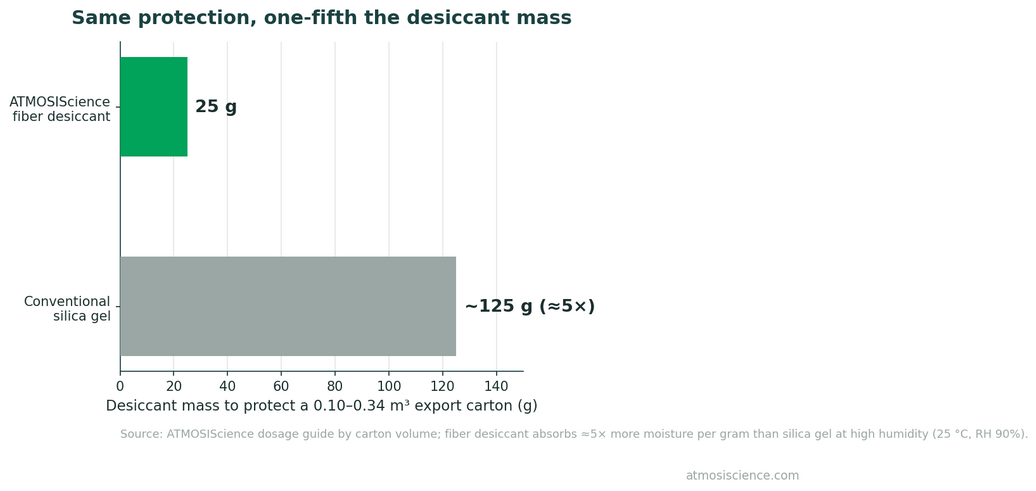
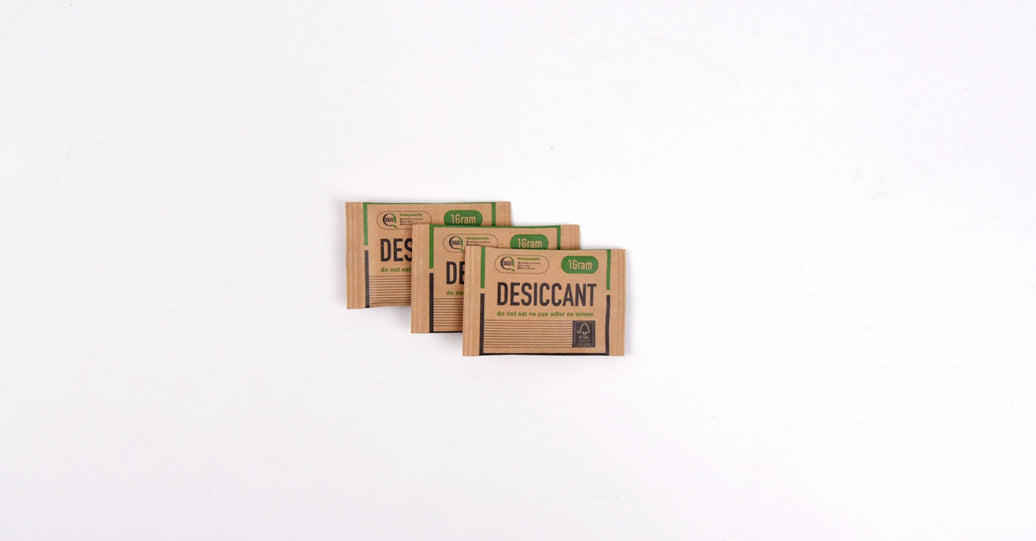
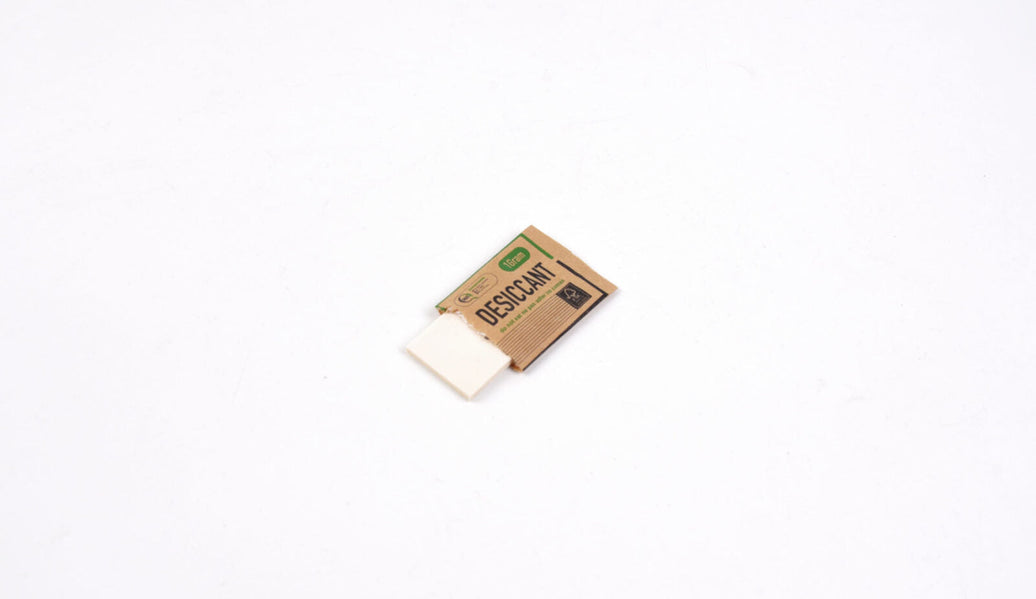
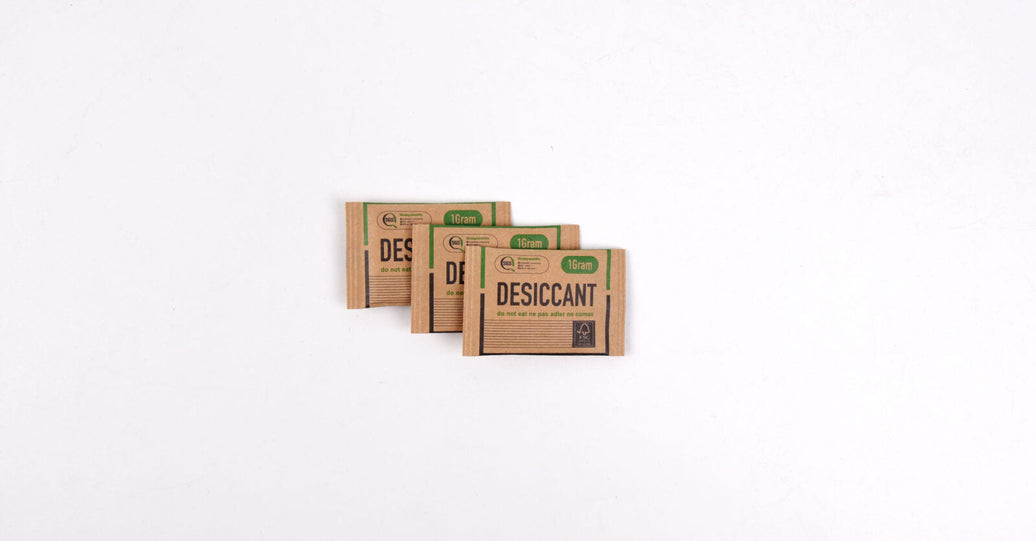
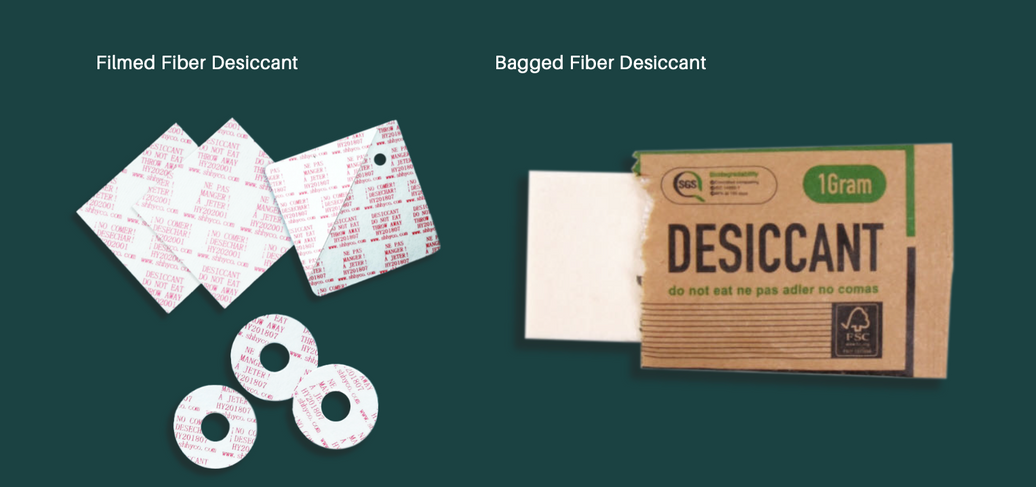
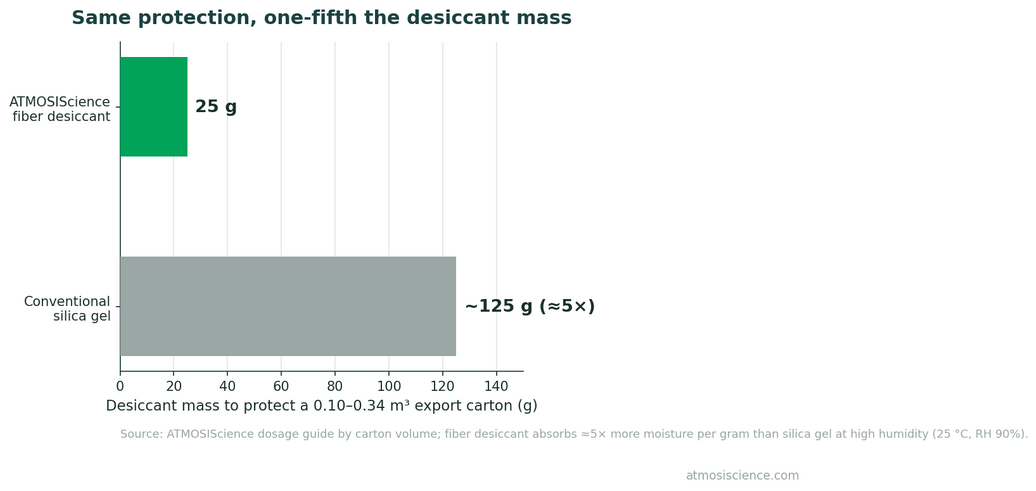
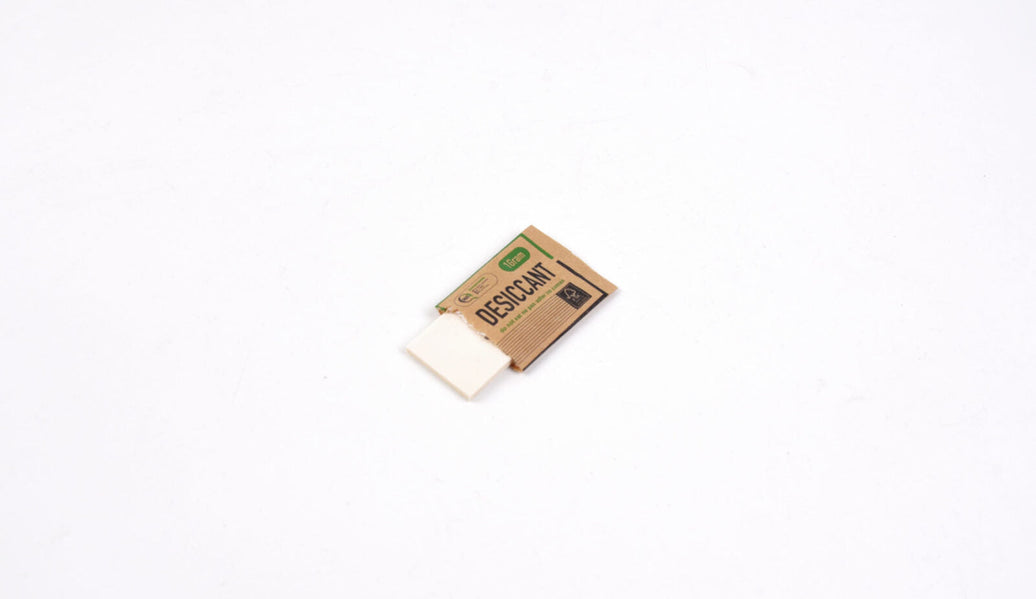
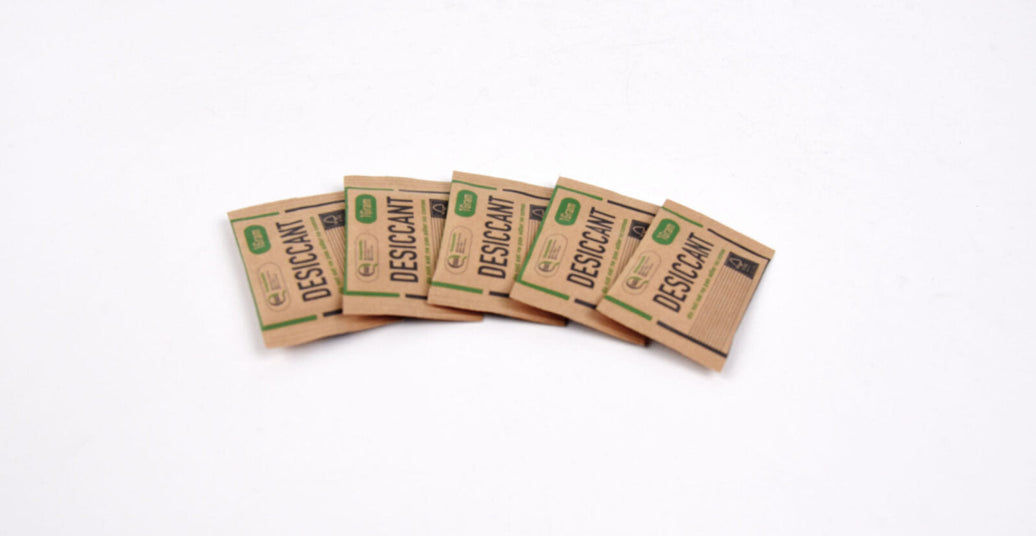
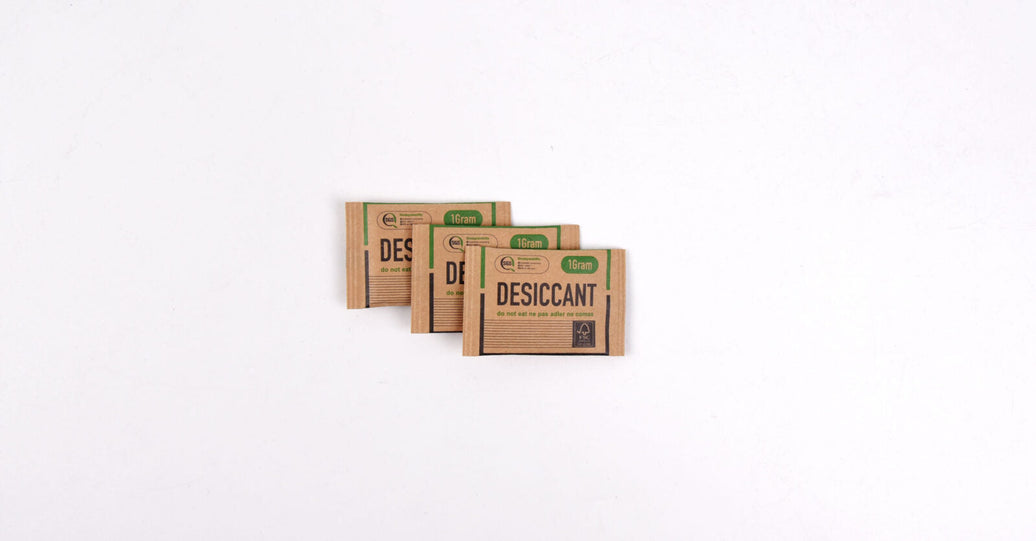
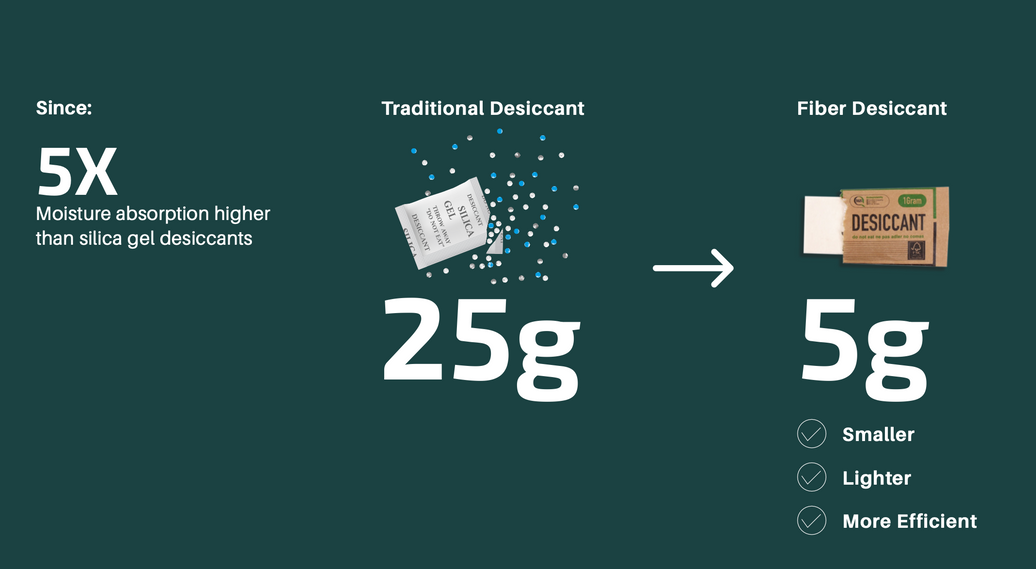
Original cartons and drums (producer side). A high-capacity fiber sachet in each box or drum liner holds the headspace down from the line to the customer. Fiber desiccant absorbs over 70% of its own weight at 25°C and RH 90% — roughly 5x conventional silica gel — so about 25 g protects a standard 0.10–0.34 m³ carton. Dosage math: the dosage guide. Sachets run from 1 g to 60 g with custom weights for drums and gaylords.
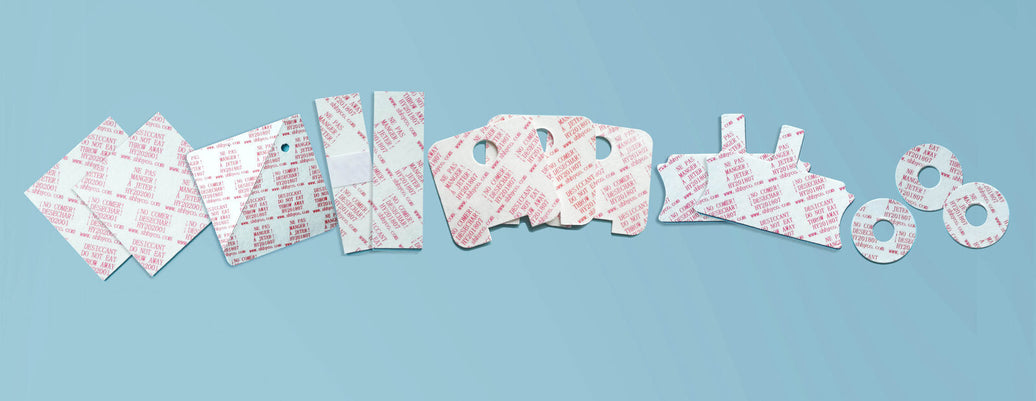
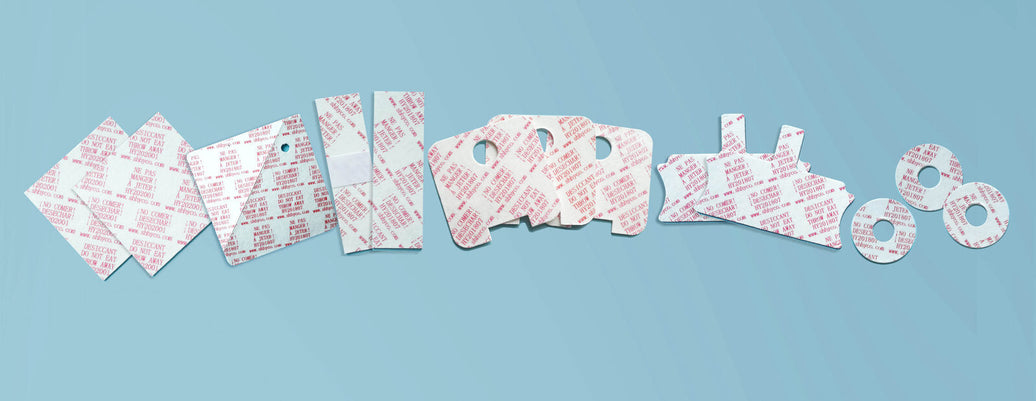
Opened and partial containers (user side). The biggest losses come from resealed partial boxes — the coating left over from a short run, the half-bag of PA12 between builds. A fresh sachet dropped in at reseal is the cheapest insurance in the shop. For flat lids and powder hoppers, a film desiccant card — rigid (stiffer than some credit cards), paper-wrapped, die-cut to size — sits flat where a sachet would sink; specs in the film desiccant guide.
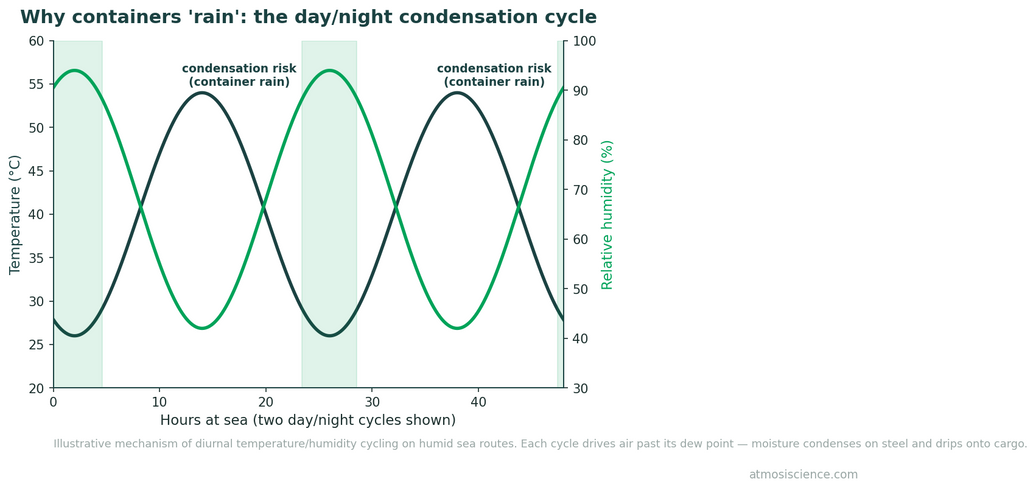
Export and container legs. Sea-freight humidity cycling is its own problem set — covered in the container desiccant guide. For condensation-prone electronics-adjacent applications, see desiccant for electronics & PCB.
Why fiber over clay or silica for industrial programs
Capacity per gram. Roughly 5x silica gel means fewer, lighter sachets per container — which matters at pallet scale, where desiccant freight is a real line item. The math is in how to cut desiccant mass by up to 80%.
Dust-free construction. Clay and silica formats shed fines — unacceptable around coating booths, toner lines, and AM powder handling, where foreign particulate is the enemy. The fiber substrate is a continuous mat with nothing loose to migrate; see loose-fill desiccant risks.
Documentation. Manufactured under SGS ISO 9001 (Cert. CN05/31171), with full raw-material disclosure, compostability under ASTM D6400 and EN 13432, and a documented carbon footprint of 1.44 kg CO₂e/kg — roughly 31% lower than silica gel — a line that flows directly into customer ESG reporting. Supplier-vetting criteria: the B2B buyer's checklist.
Frequently asked questions
Can desiccant fix powder coating that already clumped?
No — once liquid bridges form and cure chemistry advances, the damage is done. Desiccant is prevention; sieving recovers marginal powder at best.
How should 3D-printing powder be stored between builds?
Sealed container, minimal headspace, fresh desiccant at every reseal, and dry blending stock kept separate from suspect lots. One sachet per container is cheap against a failed build plate.
Does the desiccant need to be food-grade for industrial use?
Not required, but the fiber platform's documentation (ISO 9001, raw-material disclosure, food-contact paperwork) simplifies multi-industry procurement — one SKU serves the food and industrial sides of a distributor's catalog.
What size sachet for a 20 kg powder coating box?
It depends on box volume, liner, and climate exposure. Our team runs the calculation against your packaging spec as part of a quote.
Stop paying for moisture at the application stage
ATMOSIScience supplies high-capacity fiber desiccant in sachets (1–60 g and custom) and die-cut film cards at B2B scale, with ISO 9001 manufacturing and full sustainability documentation.
Test it against your own powder first. Order the Fiber Desiccant, or request bulk pricing through our desiccant solutions page or contact our team.
Related reading: Why Powders Cake · Replace Silica Gel 1-for-1 · Desiccant for Fertilizer & Agrochemical Powders
Get an industrial desiccant spec & bulk quote
Tell us your powder, container format, and storage conditions — our team responds with a capacity calculation, sachet/card recommendation, and bulk pricing.