Quick answer: A desiccant for multivitamin and chewable tablets has to handle the moisture that enters each time the bottle is opened, not just what passes through the bottle wall. Chewable tablets built on sugars or sugar alcohols soften, stick and lose their bite. Multivitamins can develop spots or mottling and lose potency in moisture-sensitive vitamins such as vitamin C. Coatings can dull or crack. Size the desiccant for the daily opening pattern, place it under the cap or against the bottle wall so it stays put, and validate with appearance, hardness, disintegration and assay checks over shelf life.
Tablets are often treated as the easy dosage form for moisture. They are compressed, dense and sometimes coated. Yet bottle complaints for tablets are common: chewables that turn tacky, multivitamins with brown specks, tablets that crumble. Most of these come back to moisture let in by daily use.
How moisture shows up in tablets
| Symptom | Typical cause | Most affected |
|---|---|---|
| Softening, tackiness, tablets sticking together | Water uptake by sugars and sugar alcohols | Chewables |
| Spots, specks or mottling | Moisture-driven reactions and migration of colours or minerals | Multivitamins with minerals and colours |
| Potency drift | Moisture-sensitive vitamins degrading faster | Formulas with vitamin C and some B vitamins |
| Dull, cracked or peeling coating | Swelling of the core beneath the coat | Film-coated tablets |
| Crumbling, high dust in the bottle | Weakened tablet structure after moisture cycling | Uncoated, high-dose tablets |
Vitamin and mineral sensitivity in powder form is covered in desiccant for vitamins and mineral premixes; the same chemistry continues inside a tablet.
Why chewables are the most sensitive
Chewable tablets are built for taste and texture, which usually means a large share of sugars or sugar alcohols. These ingredients differ a lot in how readily they take up water. Mannitol is relatively resistant; sorbitol and xylitol take up water more readily, and sugars with flavour systems and acids add to the load. A chewable that is pleasantly firm at release can turn soft and sticky after a few weeks of daily opening in a humid kitchen. Gummies share the same problem in a more extreme form; see desiccant for gummy supplements.
Bottle, closure and openings
Most tablet supplements are sold in HDPE bottles with an induction seal. Before the seal is removed, moisture only enters slowly through the wall. After it is removed, every opening exchanges the headspace with room air. In a 90-count bottle taken daily, that is 90 exchanges. The desiccant needs capacity for those, plus permeation over the remaining shelf life.
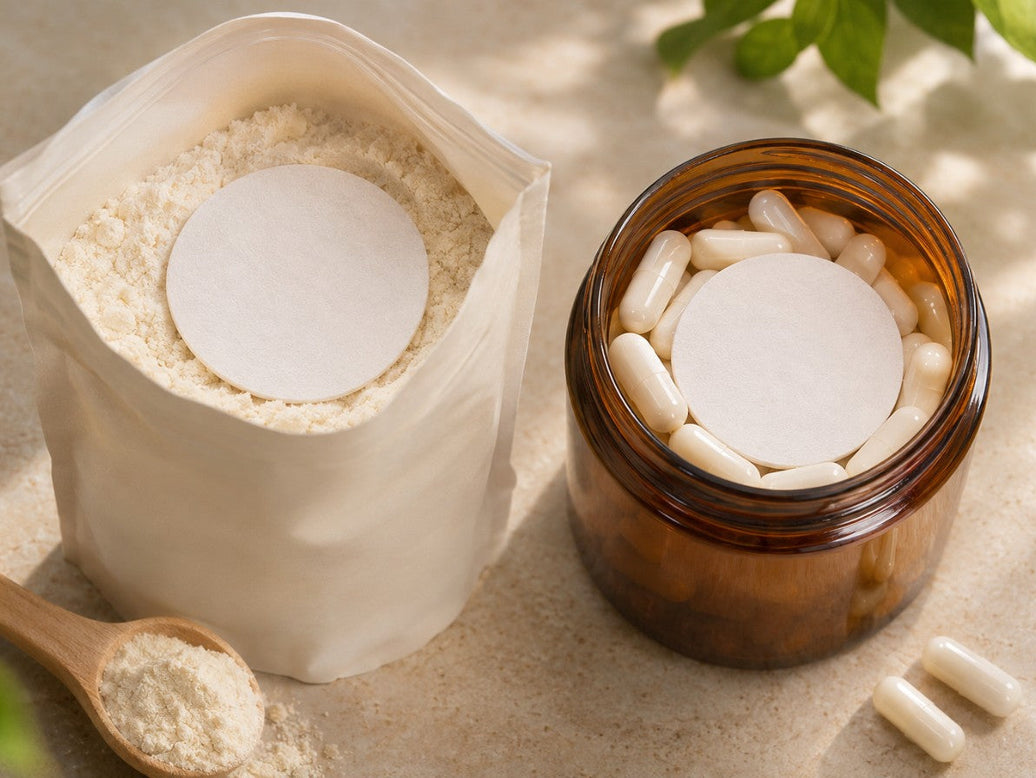
Placement matters too. A loose sachet rolls among the tablets, gets tipped out with a dose, or is thrown away by customers. A flat card fixed under the cap or against the wall stays in position. See desiccant for HDPE bottles with induction seals and bottle-cap desiccant inserts.
Sizing the desiccant
- Find the humidity your tablets tolerate. A sorption test on the tablet or blend shows where water uptake speeds up. See how to read a moisture sorption isotherm.
- Add up the load: wall permeation, the air sealed in at filling, and each opening.
- Use capacity at your target RH. ATMOSIScience fiber desiccant adsorbs more than 10% of its own weight at 20% RH, more than 35% at 50% RH and more than 70% at 90% RH (25 °C). Design on the row that matches your target.
- Add a margin for hot, humid markets. See desiccant sizing for Zone IV markets.
Validating the change
- Appearance: spots, colour change, coating defects, sticking.
- Physical tests: hardness, friability and disintegration at each pull point.
- Assay: moisture-sensitive vitamins at release and end of shelf life.
- Water content of the tablets.
- Use simulation: open and close bottles on a daily schedule during the study.
Study design is covered in accelerated stability testing with desiccant. If you are replacing an existing desiccant, see switching desiccant suppliers without restarting validation.
Where Fiber Card fits
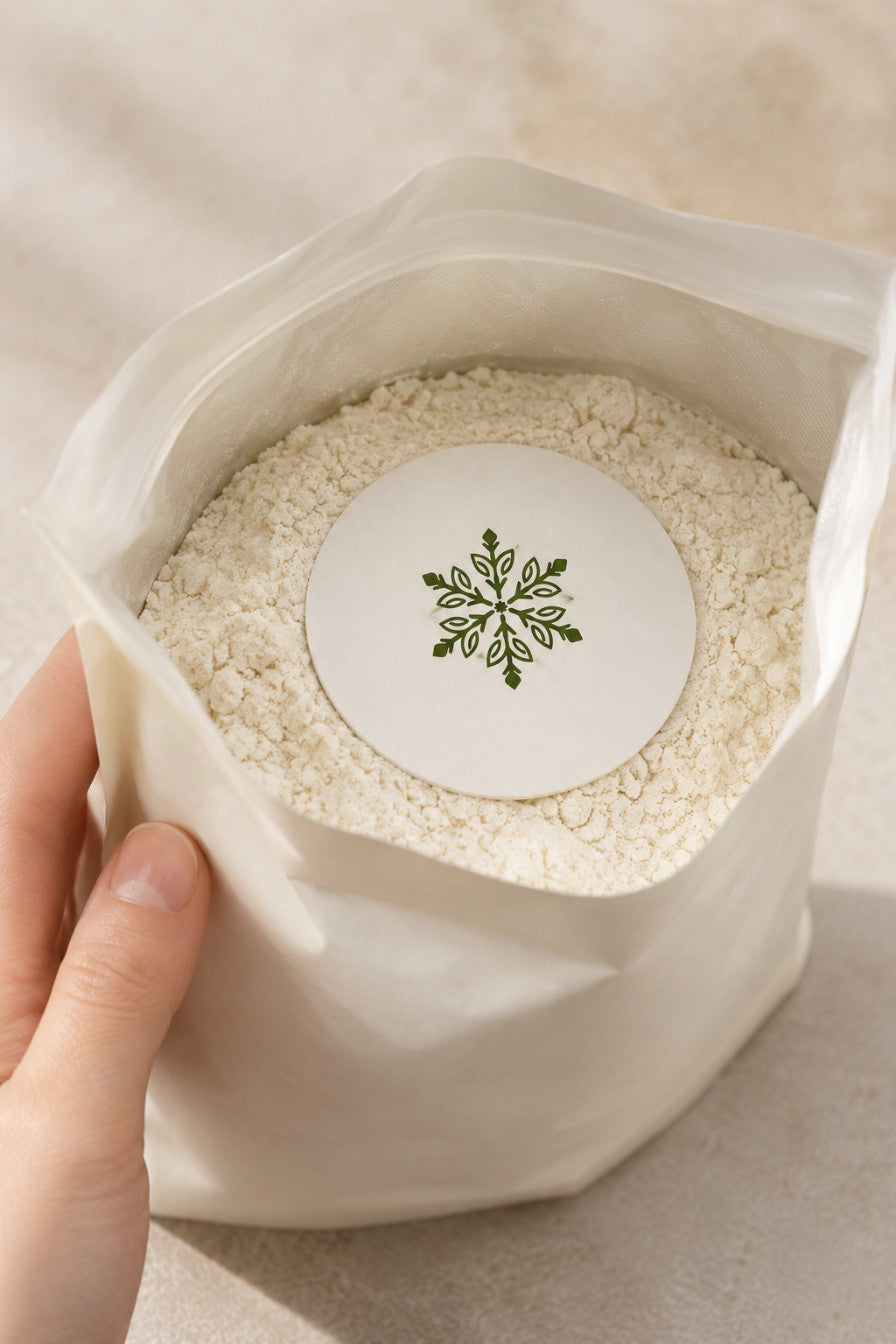
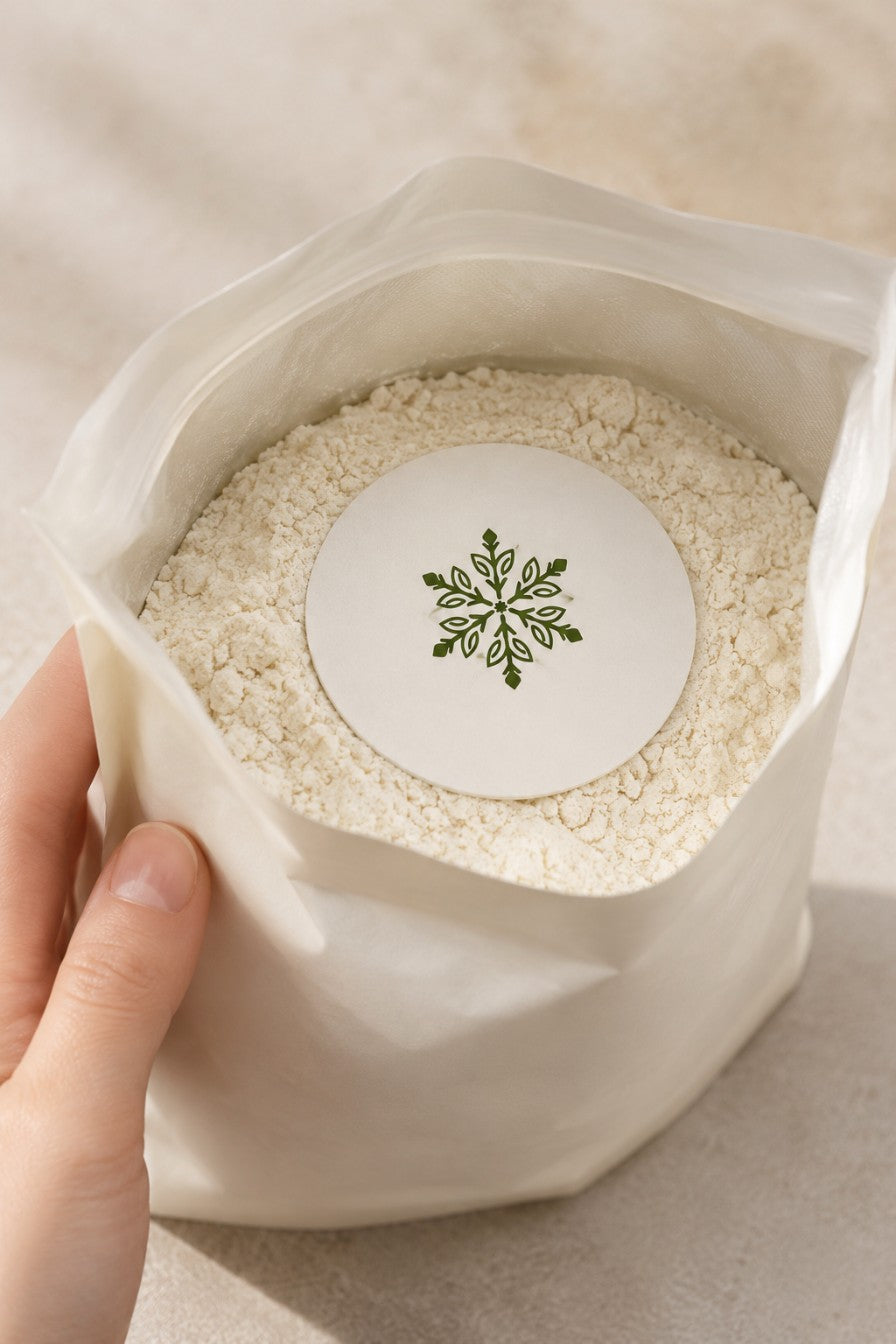
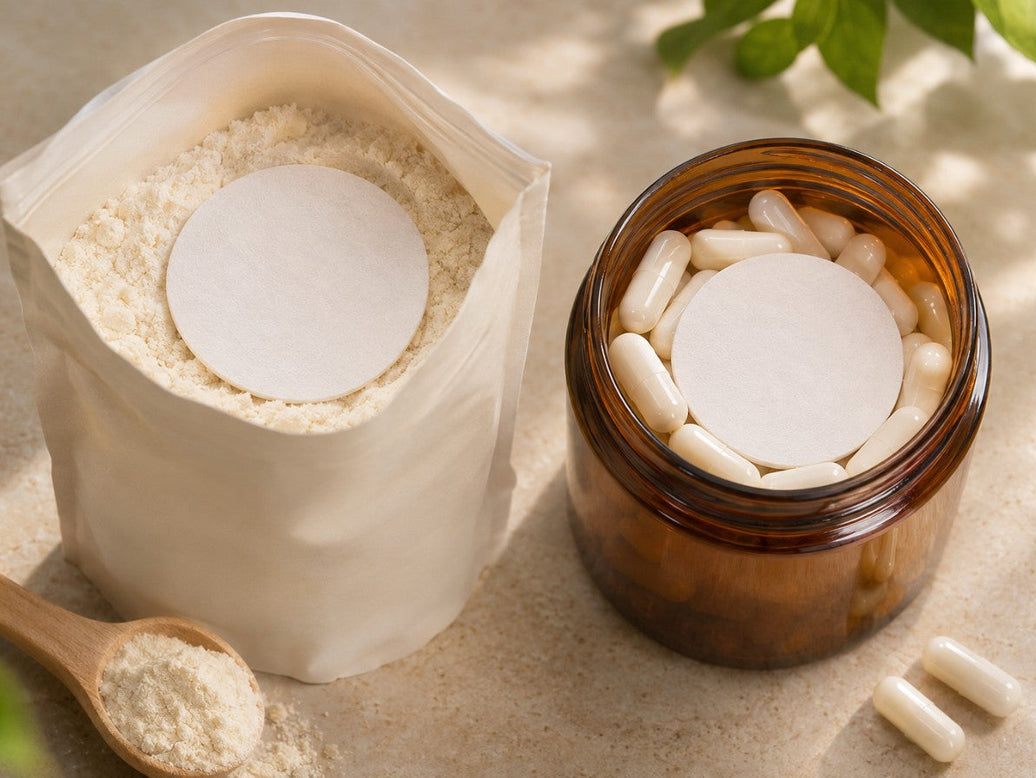
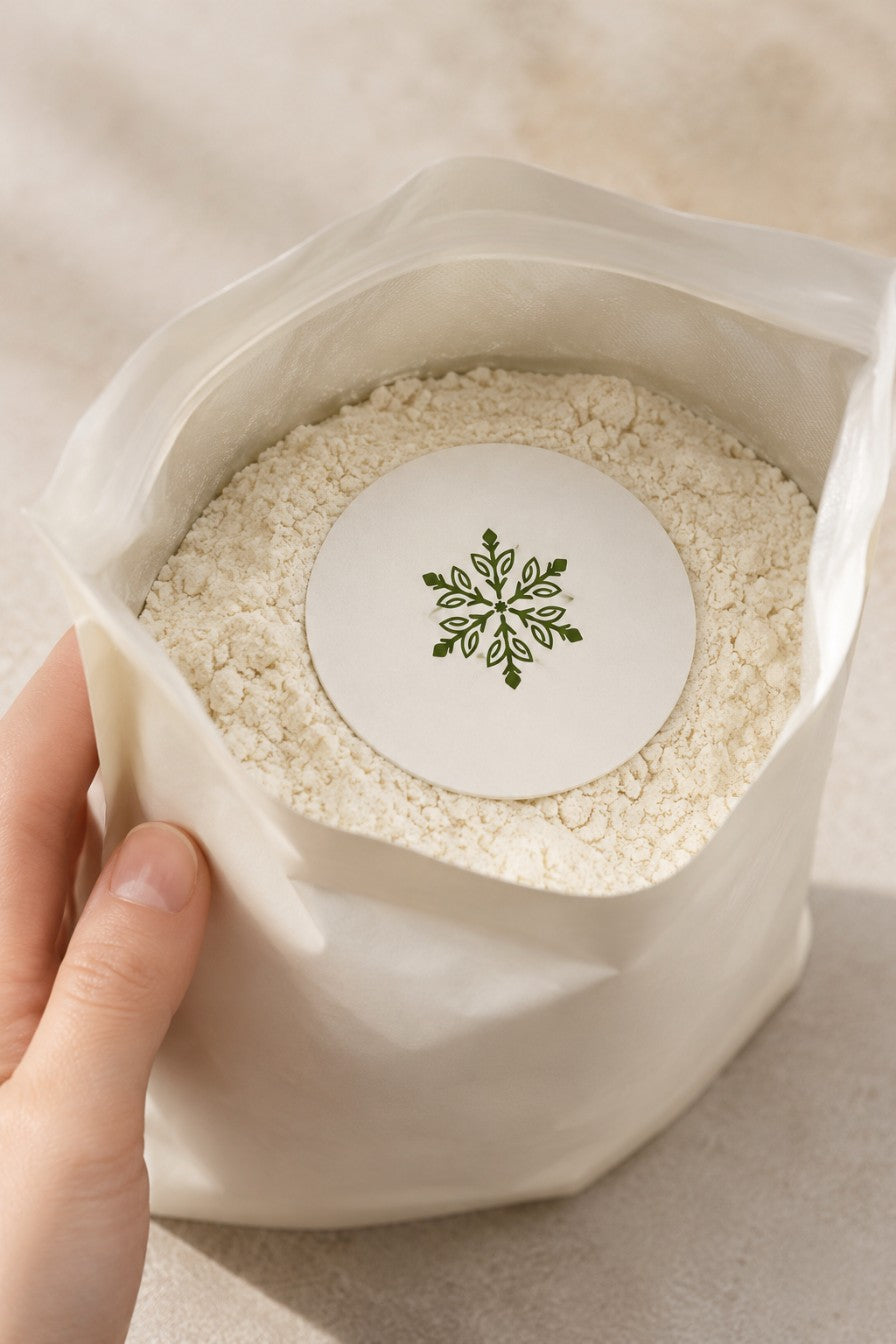
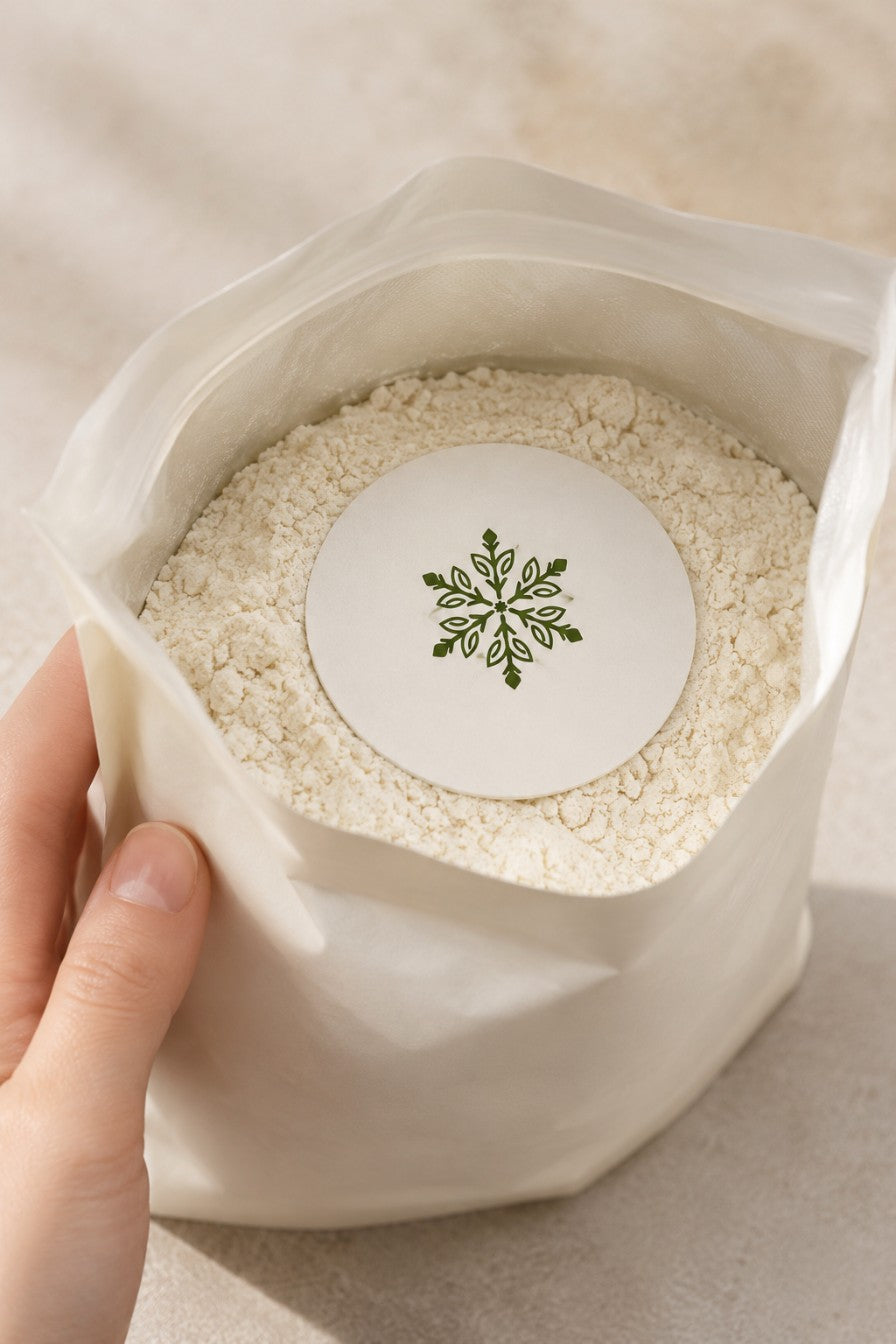
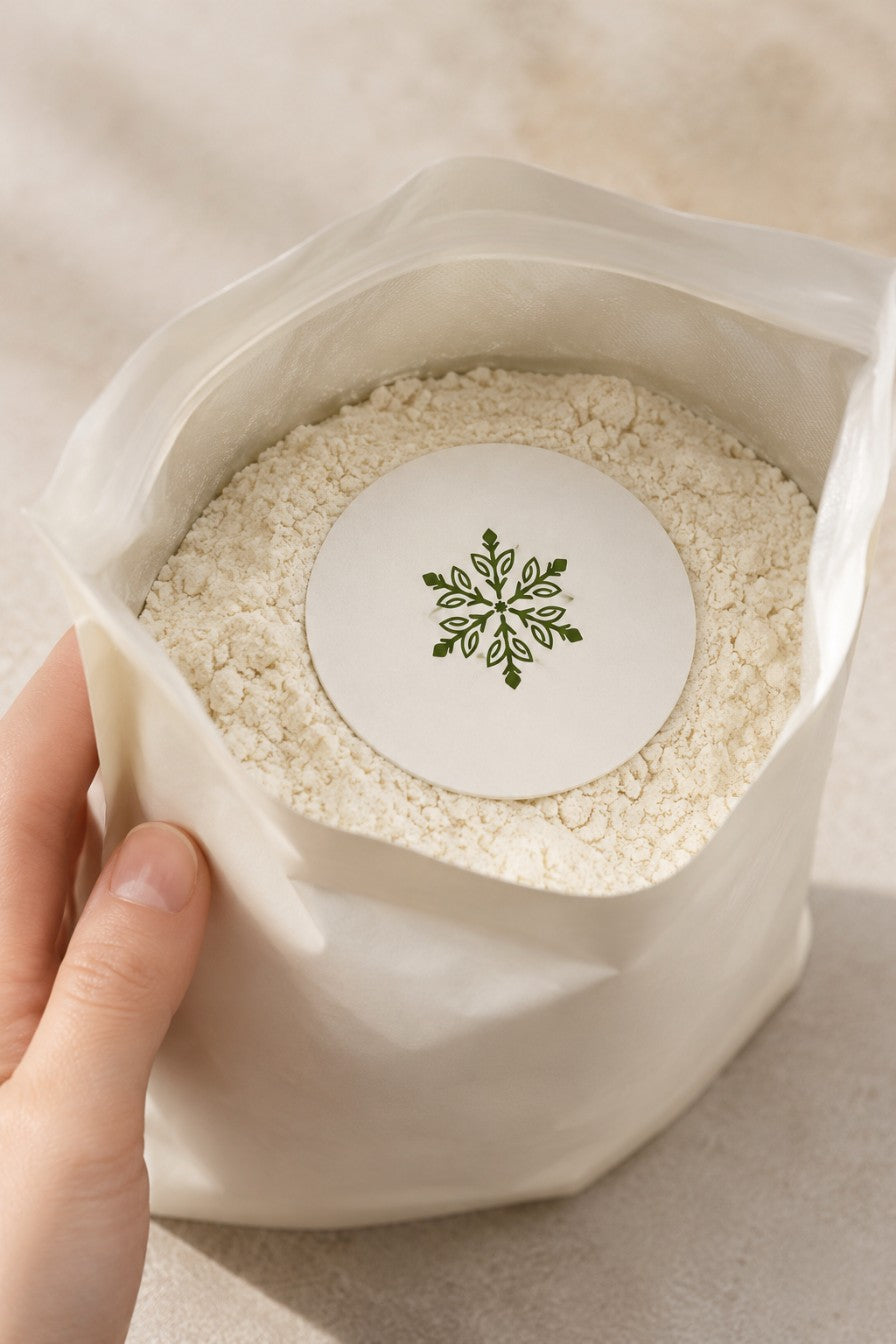
For tablet bottles, a paper desiccant card under the cap or against the wall gives a fixed, known dose, cannot shed beads among tablets, and can carry a printed keep-in-bottle line. The FF-6 reference card, about 0.35 g, is rated as equivalent to 1 g of silica gel. Sizes and documents are in the Fiber Card spec guide.
Frequently asked questions
Why are my chewable vitamins soft and sticky?
They have taken up moisture, usually from daily opening in a humid room. Sugar alcohols such as sorbitol and xylitol soften when they absorb water.
What are the brown spots on multivitamin tablets?
Often moisture-driven changes involving colours, minerals or vitamins at the tablet surface. If tablets look different from when you bought them, contact the brand.
Do coated tablets need a desiccant?
A coating slows moisture but does not stop it. Whether you need a desiccant depends on the core’s sensitivity, the bottle and how often it is opened.
Can a desiccant damage tablets?
Tablets are rarely harmed by dry conditions. Capsules and softgels are different; see desiccant for capsule supplements.
Where should the desiccant go in a tablet bottle?
Under the cap or fixed against the wall, so it does not mix with doses or get thrown away.
Tablet brand? Keep the last dose like the first
Tell ATMOSIScience the tablet type, bottle and count. We will recommend a Fiber Card size for daily opening and a validation plan.
Prefer email? info@atmosiscience.com