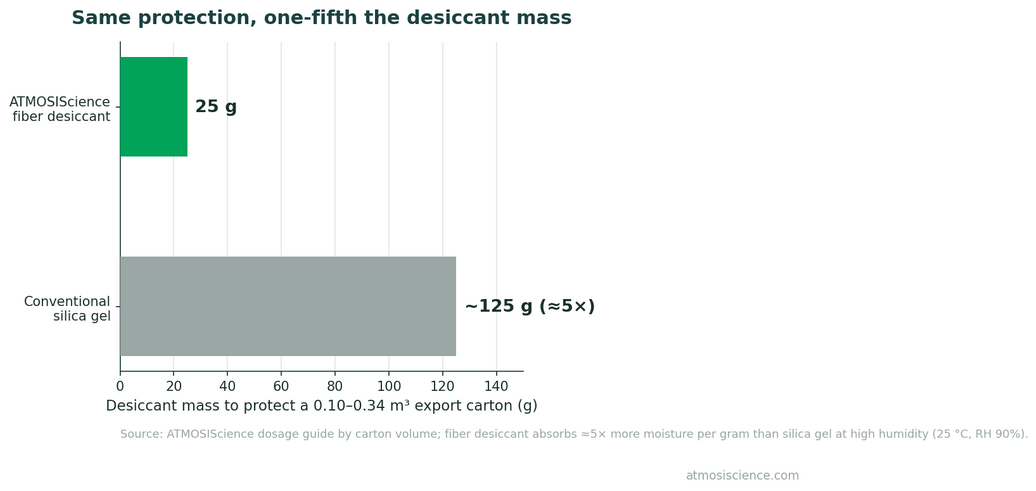
Ready to move beyond silica gel packets? ATMOSIScience returns a fiber-desiccant spec and bulk quote the same day — request a quote →
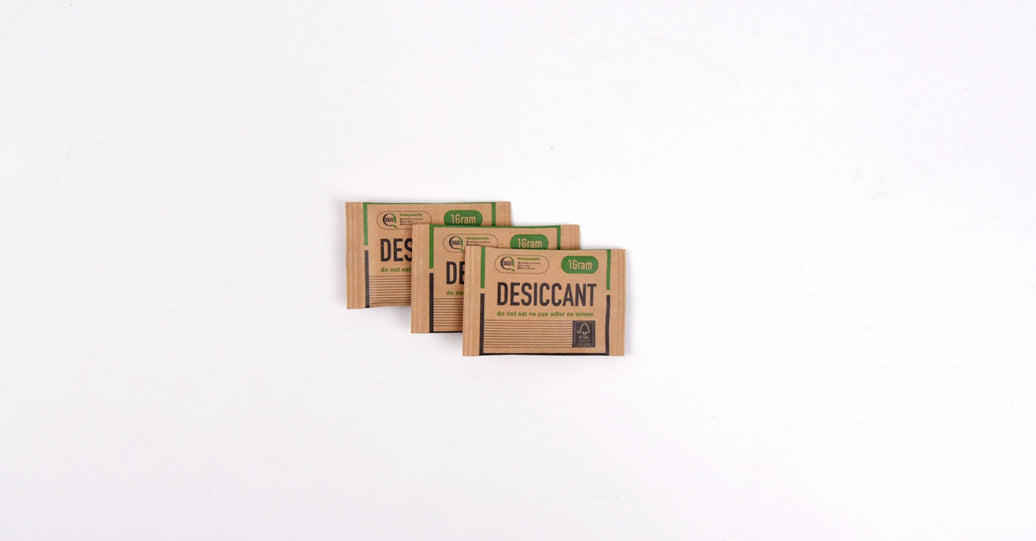
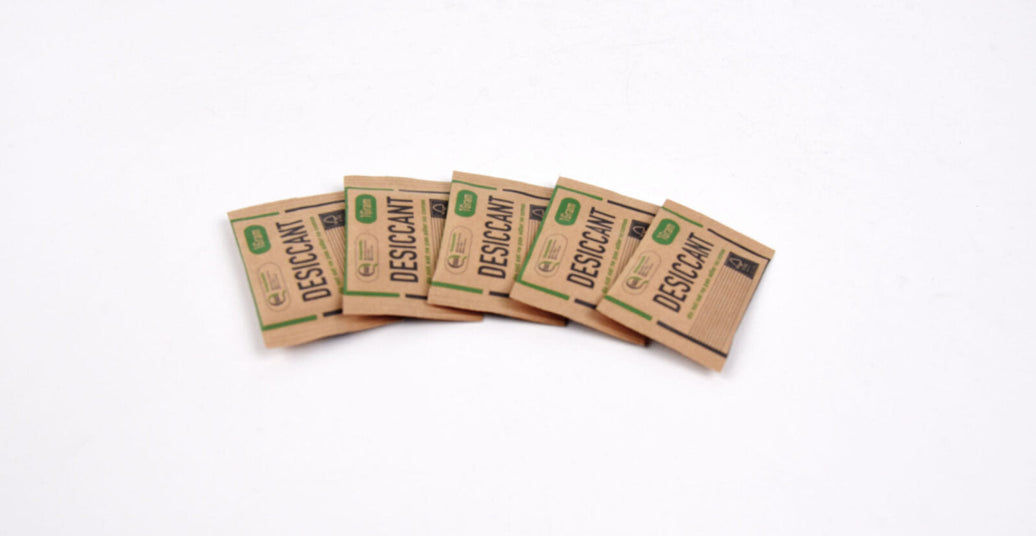
When people think about moisture protection, they usually think about silica gel packets. They are familiar, widely used, and easy to recognize. But in real packaging, they are not always the best fit.
Loose packets can take up space. Granules can become a problem if the packet is damaged. In some applications, they can leave packaging looking cluttered or make it harder to protect the product neatly and consistently. For many brands, the question is no longer whether moisture control matters. It is whether there is a cleaner, safer, and more practical way to do it.
At ATMOSIScience, that is exactly the problem we set out to solve.
Moving beyond the packet
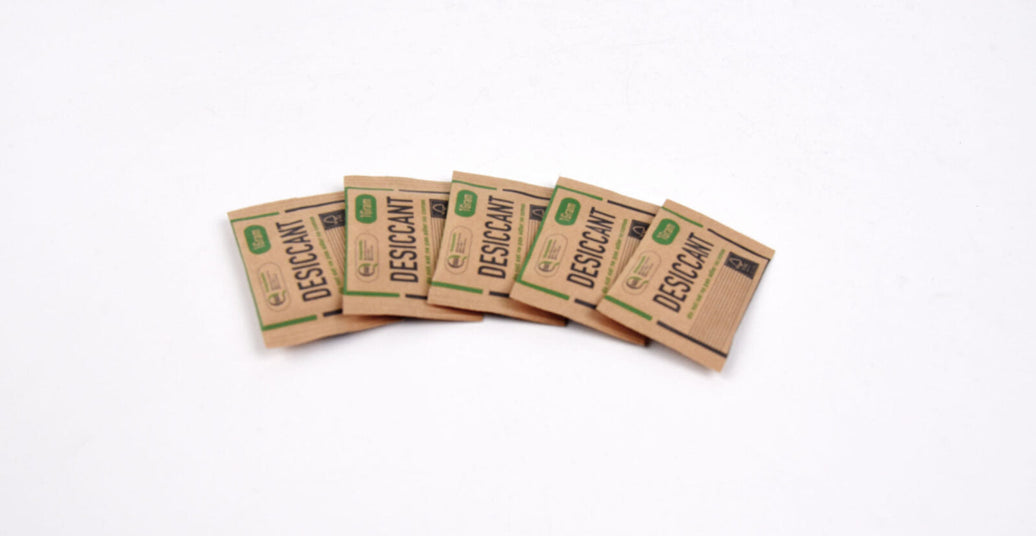
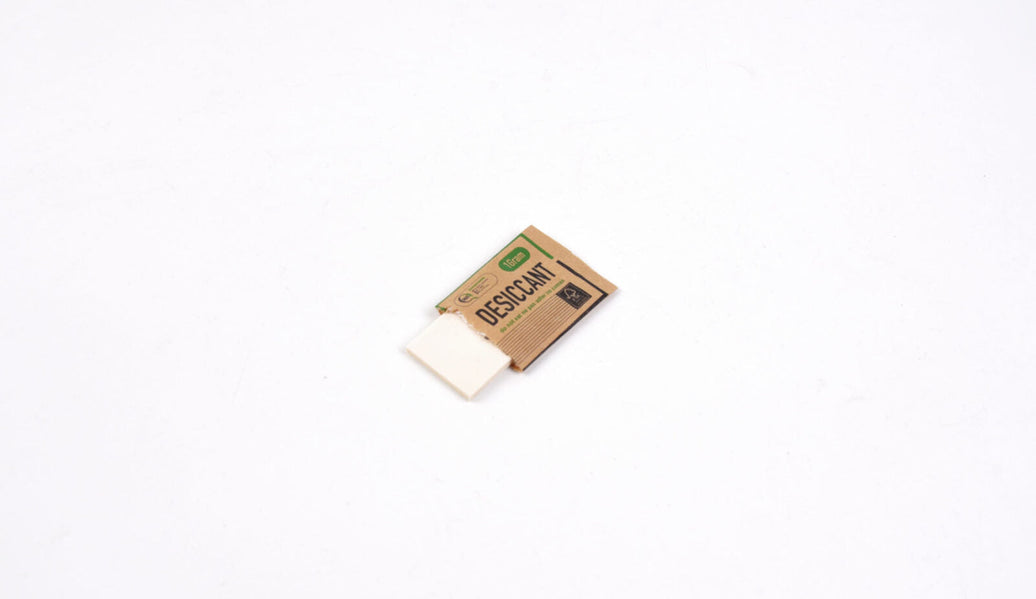
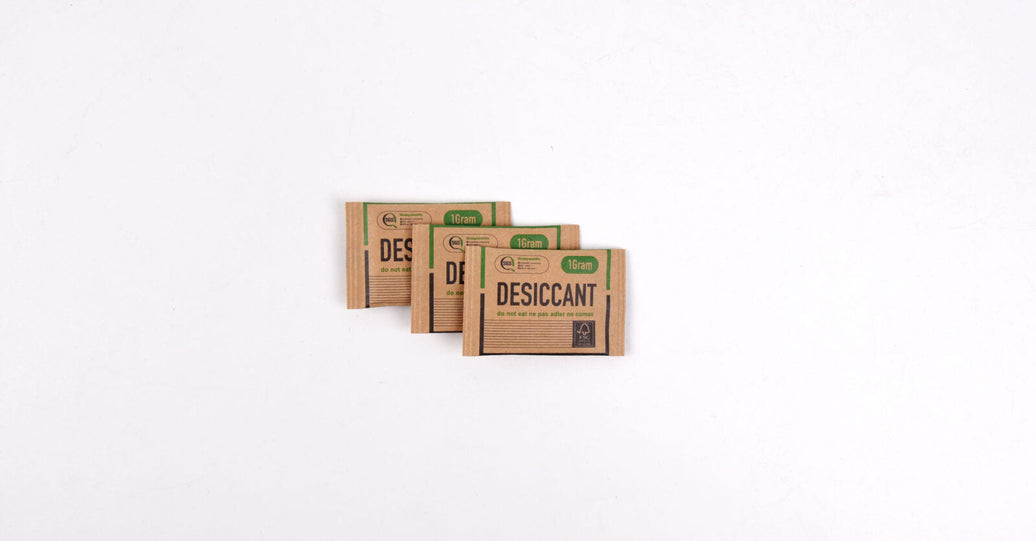
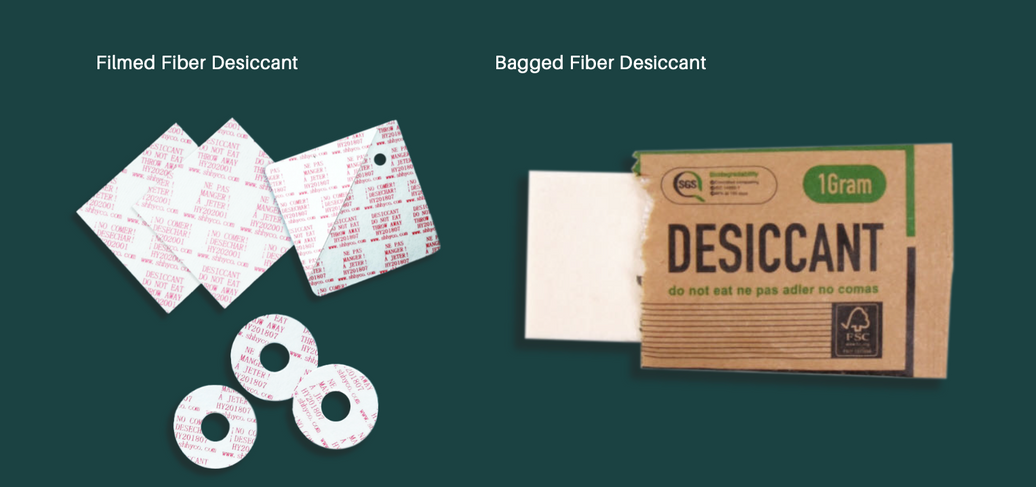
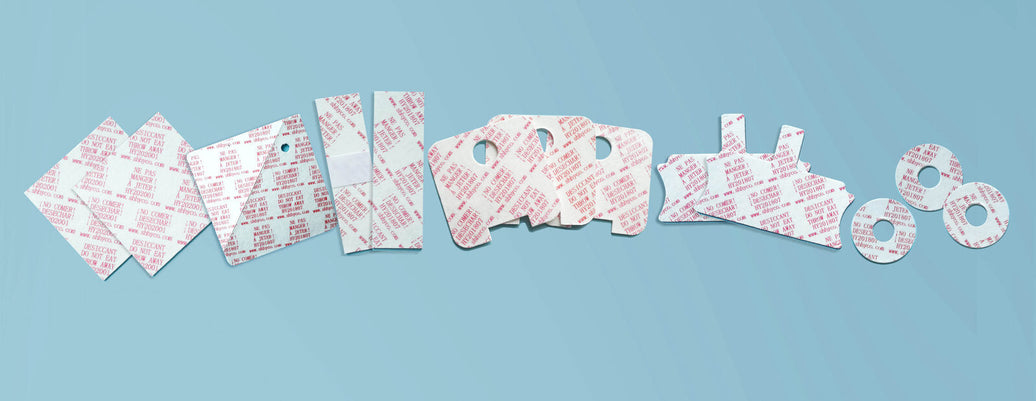
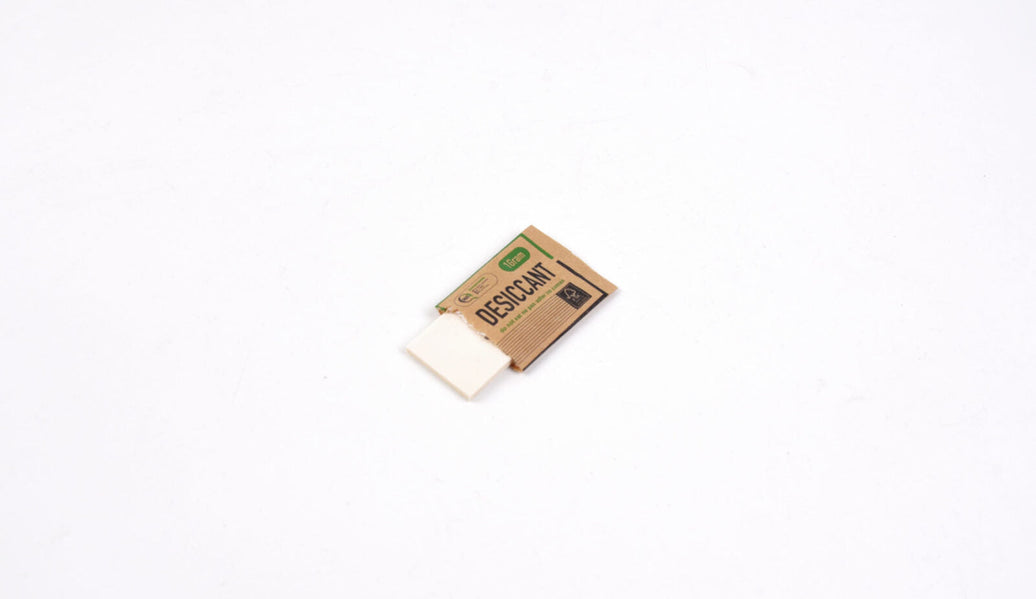
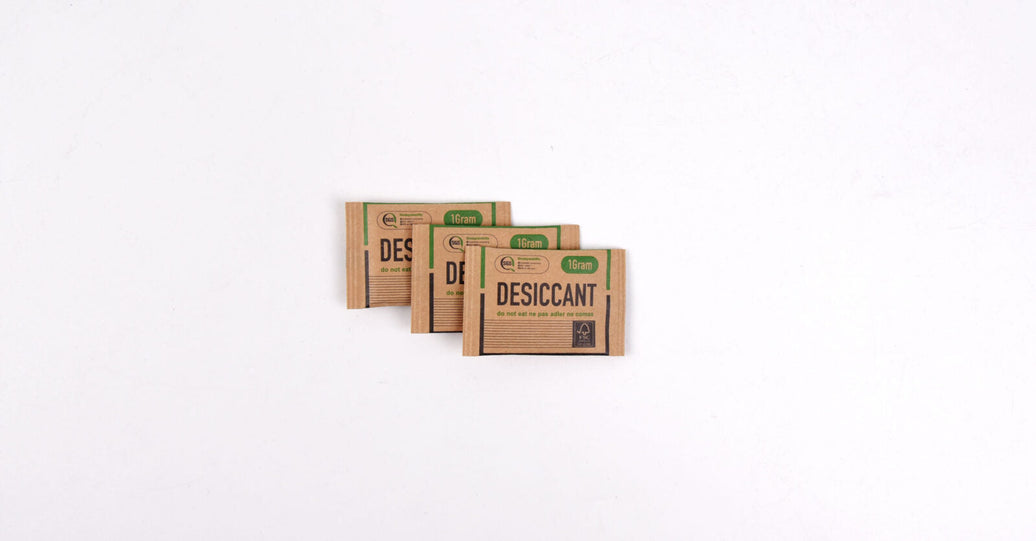
Our fiber desiccant was designed as a different kind of moisture-control material. Instead of using loose granules, we use a solid, paper-like sheet made from plant-based fibers and moisture-active materials. The result is a desiccant that is cleaner to handle, easier to place, and more adaptable to modern packaging.
This matters more than it may seem. In packaging, small details shape both performance and user experience. A flat sheet can sit along a wall, under a lid, around an edge, or inside a tight space without interfering with the product itself. It protects quietly, without adding unnecessary bulk.
What a fiber desiccant actually is
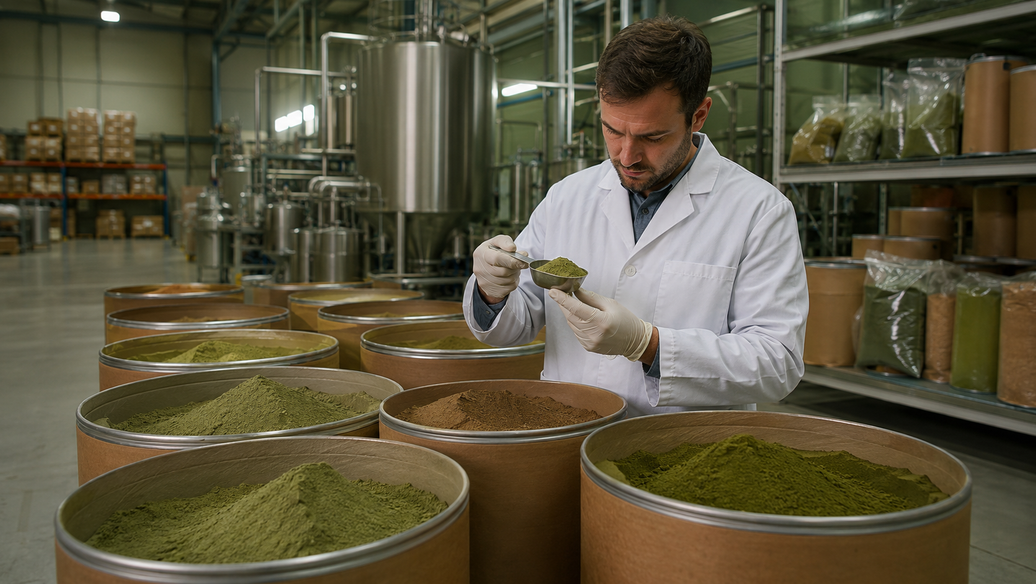
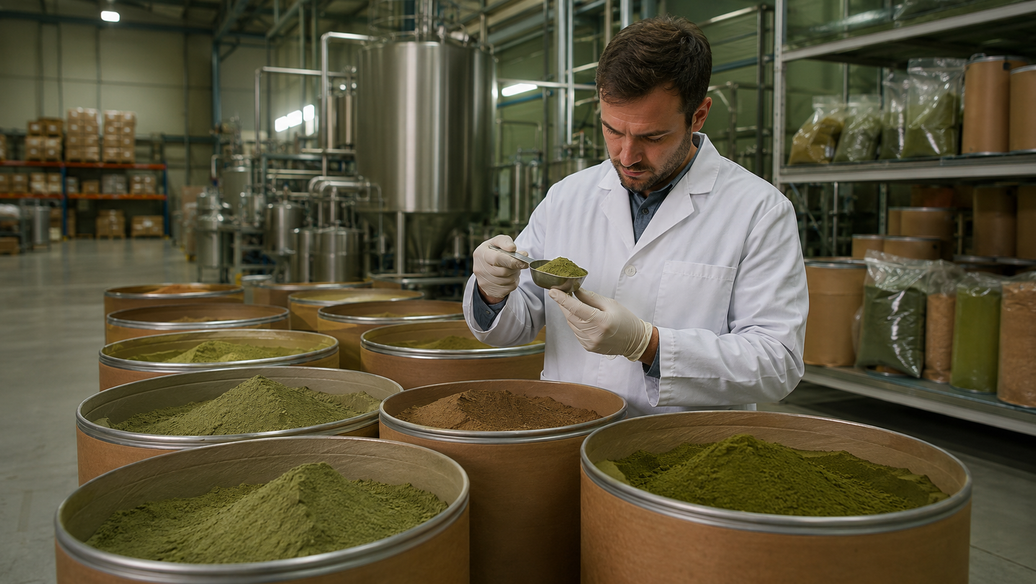
Our fiber desiccant is made from natural plant fibers such as wood pulp and cotton, combined with functional materials that help the sheet capture and hold moisture. Instead of behaving like a loose drying agent, it works as a structured material with a large surface area and active moisture-holding capacity.

A simple way to think about it is this: it works like an intelligent drying sheet. The fiber structure draws in moisture from the surrounding air, while the active materials inside help lock that moisture in place. This happens through both physical and chemical adsorption, which gives the material a steadier and more controlled way to protect enclosed spaces from excess humidity.
Why the format makes such a difference
Traditional desiccants often do the job, but they are limited by form. If the desiccant is bulky, dusty, or awkward to place, it becomes something the package has to work around.
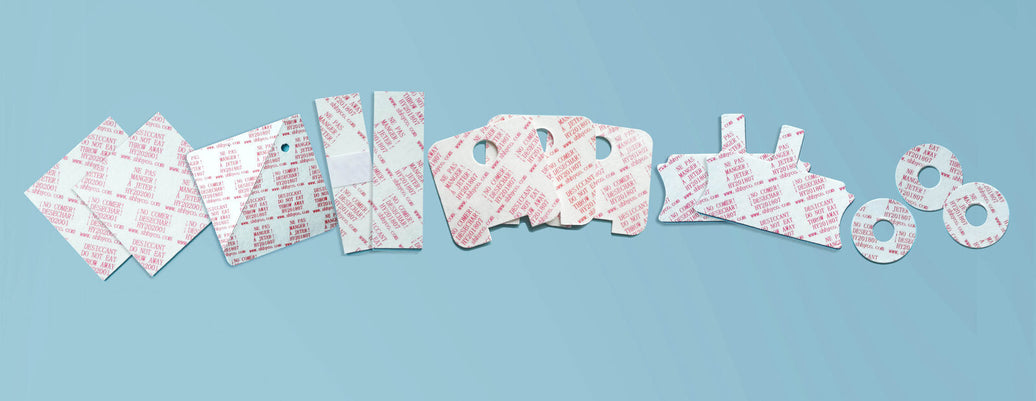
A fiber sheet changes that. It can be cut into custom shapes and sizes, which makes it easier to fit into tray walls, box corners, lid interiors, and other areas that would otherwise go unused. That gives brands more freedom to protect products without changing the look or function of the package.
This is especially useful for products where presentation matters. In garments and textiles, for example, a flat sheet avoids the bulky pressure points that can come from traditional packets. In compact packaging, it can provide protection without adding clutter.
Clean protection, without the mess
One of the biggest advantages of fiber desiccants is peace of mind.
Because the material is made as a solid sheet, there is no loose powder moving around inside the pack. There is no liquid-filled pouch to worry about. That makes the solution easier to trust in applications where cleanliness, safety, and consistency matter.
This is also why sheet-based desiccants are a better fit for many sensitive products. When packaging needs to stay neat and the product itself cannot be exposed to mess, leakage, or abrasive contact, form becomes part of performance.
Built for real-world use
Another thing we value is practicality. Moisture protection should not feel complicated.
Our fiber desiccant softens when it reaches full water capacity. Once it is air-dried and hardens again, it can be reused. That makes handling simpler and helps reduce waste in the right applications.
It also gives users a more intuitive experience. Instead of guessing whether a packet is still working, the material itself gives a clearer sign of its condition.
A more thoughtful material choice
At ATMOSIScience, we believe moisture protection should solve one problem without creating another.
That is why we developed this technology around plant-based fiber structures and a cleaner solid-state format. Our fiber desiccant is biodegradable, and our broader material platform has also been supported by compostability certification. For brands looking for packaging materials that align better with long-term sustainability goals, that matters.

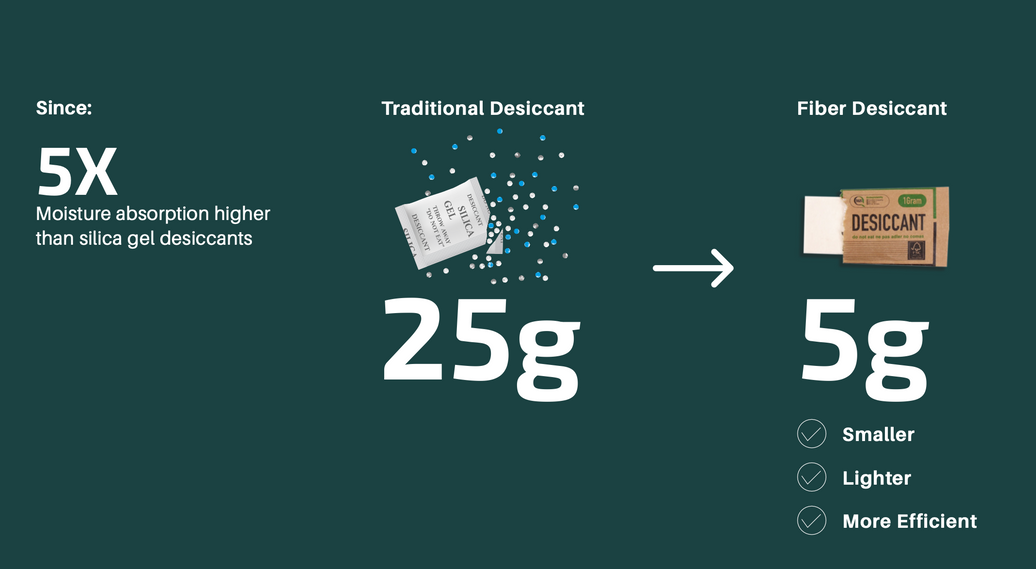
Sustainability, in our view, should not be just about replacing one material with another. It should also mean designing something that is lighter, more efficient, and easier to integrate into packaging without wasteful complexity.
Where fiber desiccants can help
Moisture damage shows up in many ways. It can affect appearance, texture, shelf life, performance, and stability. That is why fiber desiccants are being used across a wide range of industries, from garments and food packaging to electronics, pharmaceuticals, instruments, and other sensitive goods.
The need may look different from one product to the next, but the goal is usually the same: keep the package dry, keep the product protected, and do it in a way that feels clean and dependable.
A better way forward
Silica gel has been part of packaging for a long time, and for good reason. But packaging has changed. Product expectations have changed. And the materials we use should evolve too.
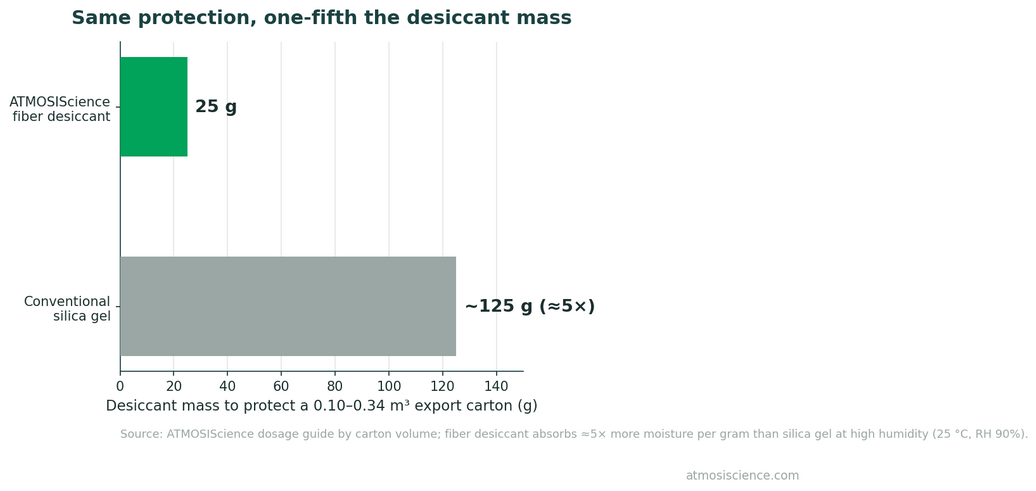
We see fiber desiccants as a quieter, smarter step forward. They are easier to integrate, cleaner to use, safer in form, and better suited to brands that care about both protection and presentation.
Sometimes innovation is not about making things more complicated. It is about making them work better in the real world. That is what we believe fiber desiccants can do.
Evaluate fiber desiccant for your packaging
Tell us your product, package format and current desiccant — the team returns a drop-in fiber format, silica equivalency math, certificates and bulk pricing the same day.