Moisture is a quiet problem in the supplement aisle until it becomes three loud ones at once: powder that clumps, a desiccant that jams the packaging line, and a plastic sachet that breaks a compostable-pouch promise. This is the story of how one collagen brand solved all three — recounted with the company anonymized at their preference — and, more usefully, what any powder brand can take from how they did it.
The takeaway up front: the wins were not about buying a different desiccant. They were about protecting the product a customer opens, keeping the line running, and keeping a brand promise intact. Here is how each played out.
The situation
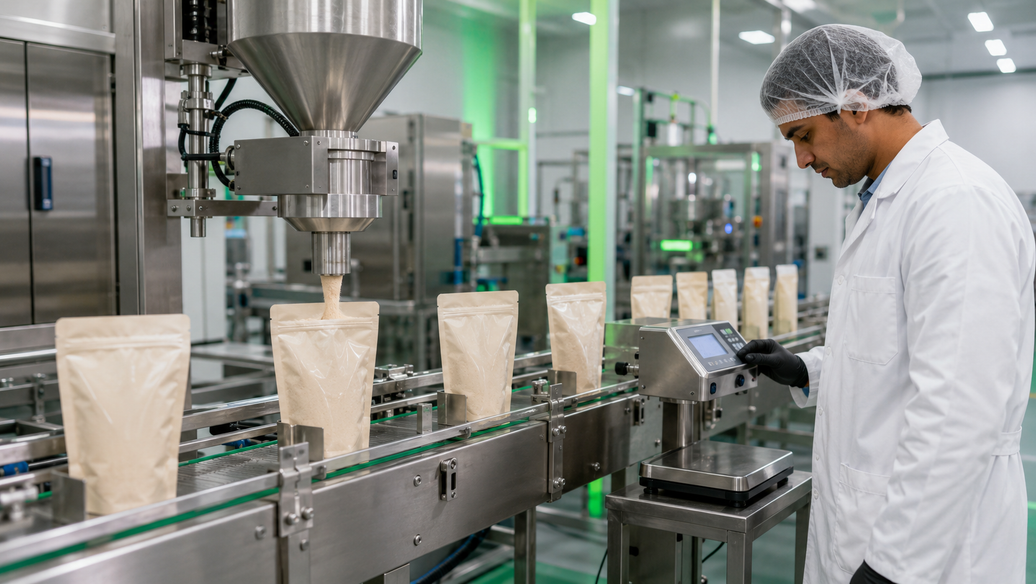
A Texas-based collagen brand — multi-collagen and beauty-and-sleep blends sold direct to consumers and through retail — was midway through an 18–24 month move to compostable packaging across its range. The powder was hygroscopic, the pouches were filled on an automated line, and the sustainability story was central to the brand. Three pressure points had built up at the same time, and each one touched the customer.
Benefit 1: powder that stays free-flowing to the last scoop
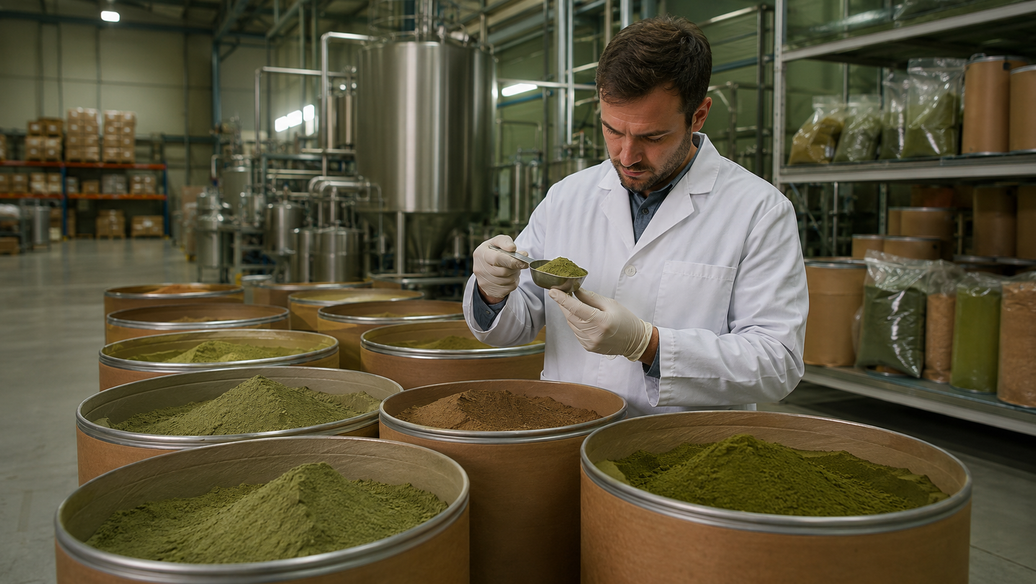
Hydrolyzed collagen is amorphous and thirsty; add hygroscopic co-actives and the powder turns tacky, bridges, and sets into clumps. For the person who bought it, that shows up as a scoop that won’t pour and a texture that reads as “stale” — which becomes a one-star review and a canceled subscription. The mechanism is covered in the collagen desiccant guide.

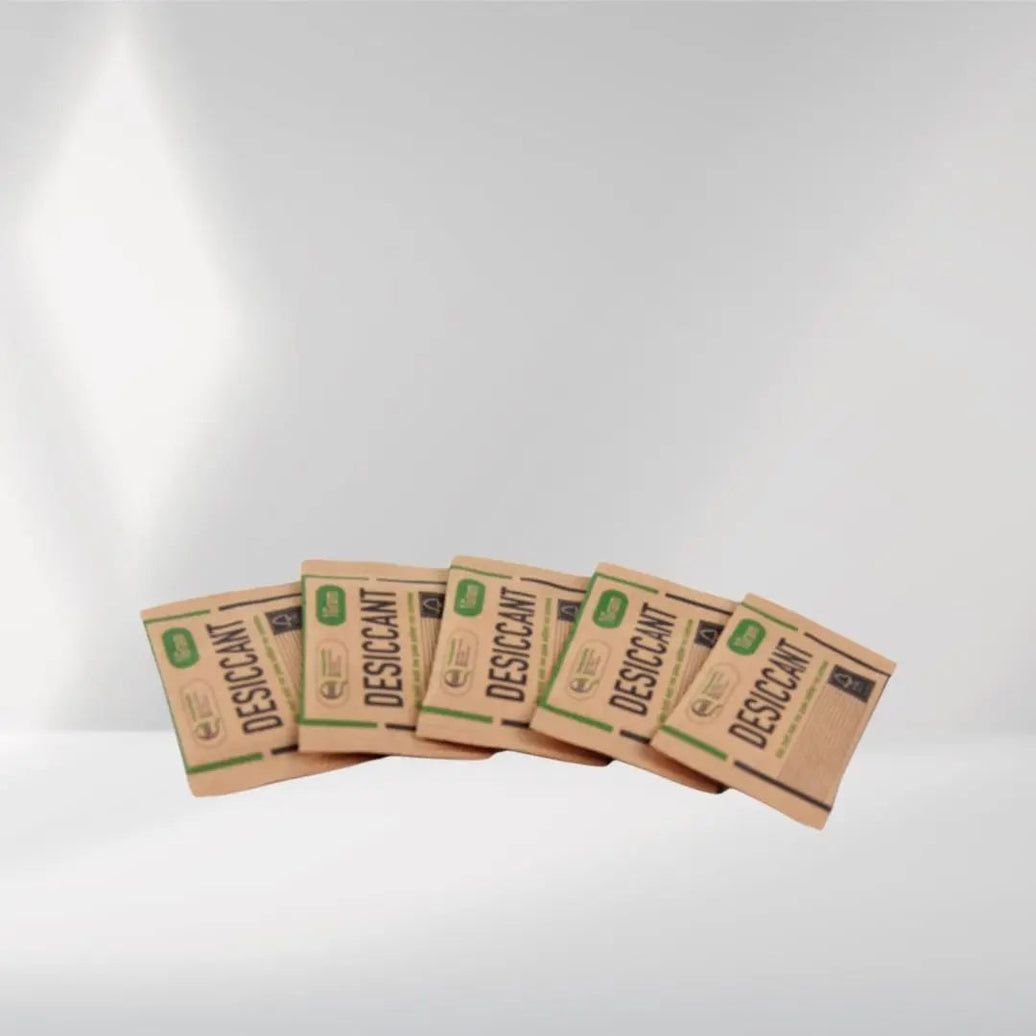
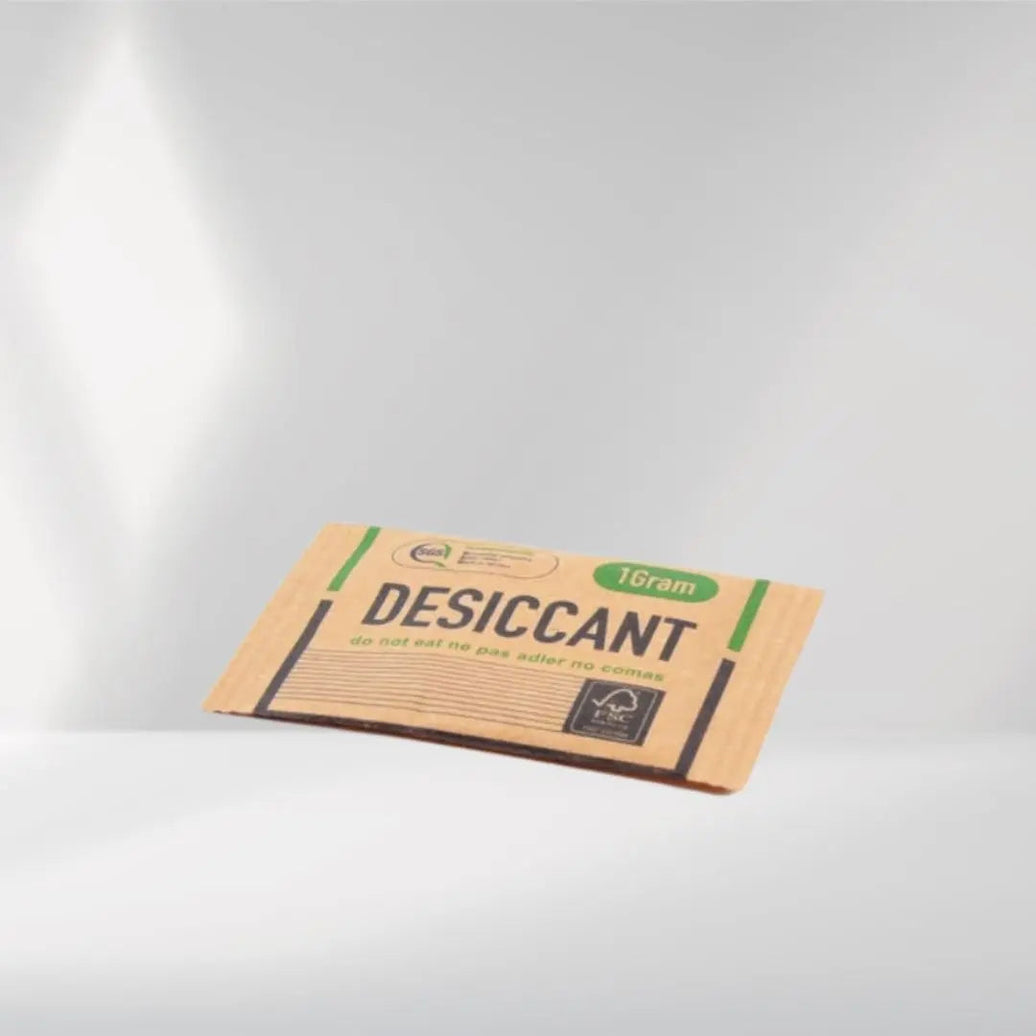
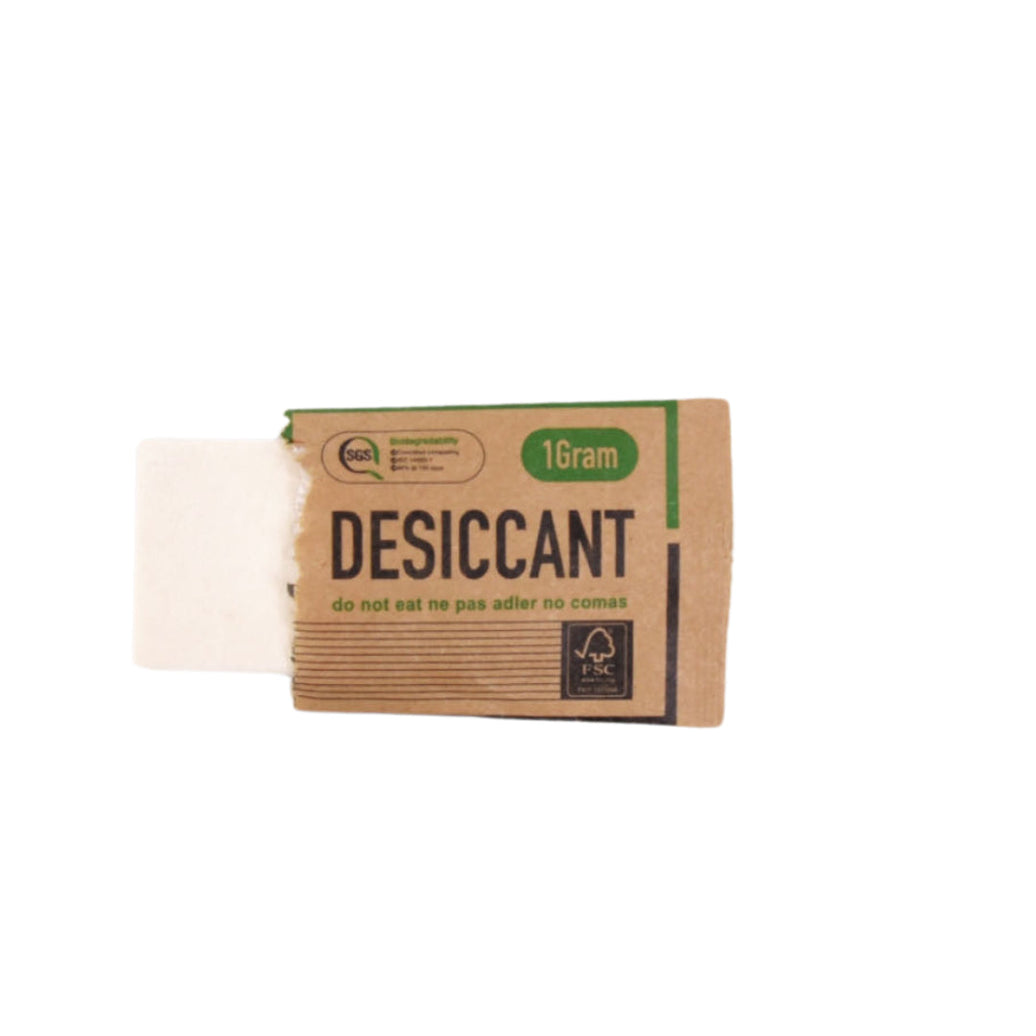
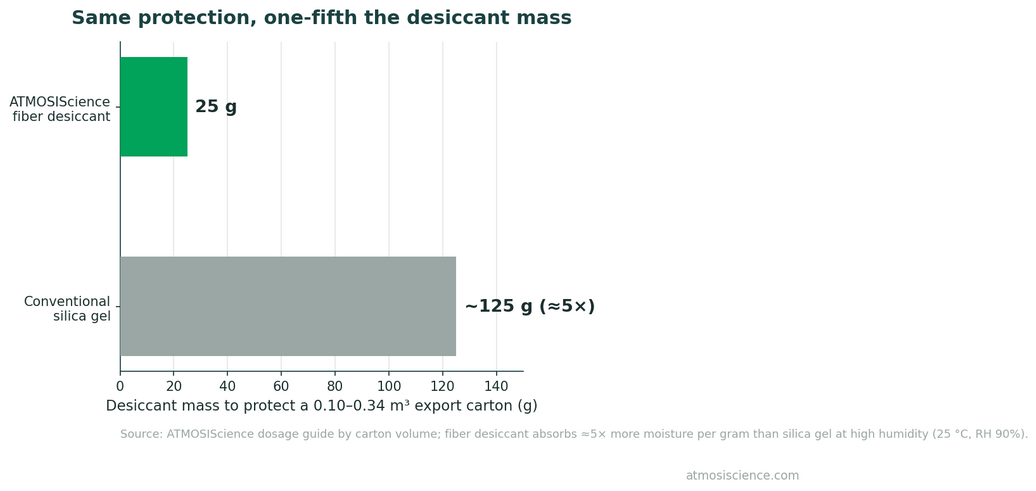
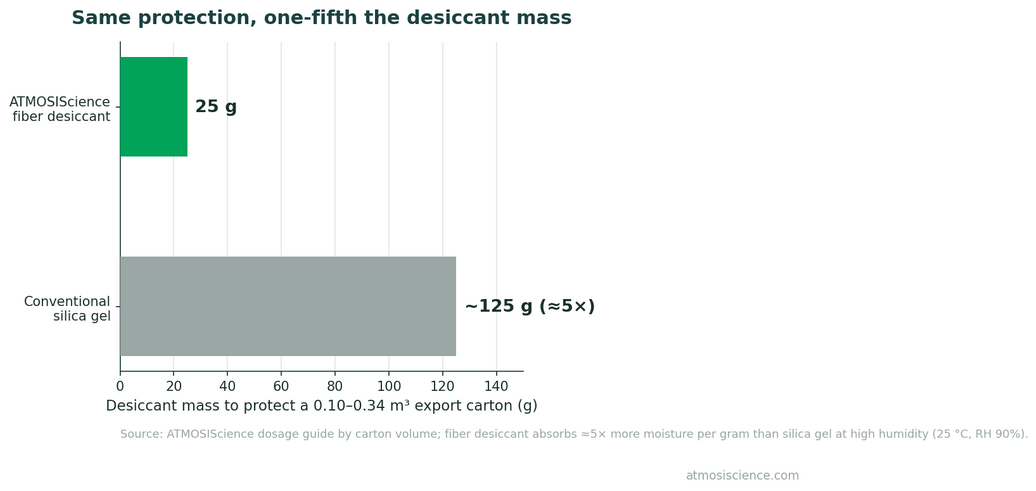
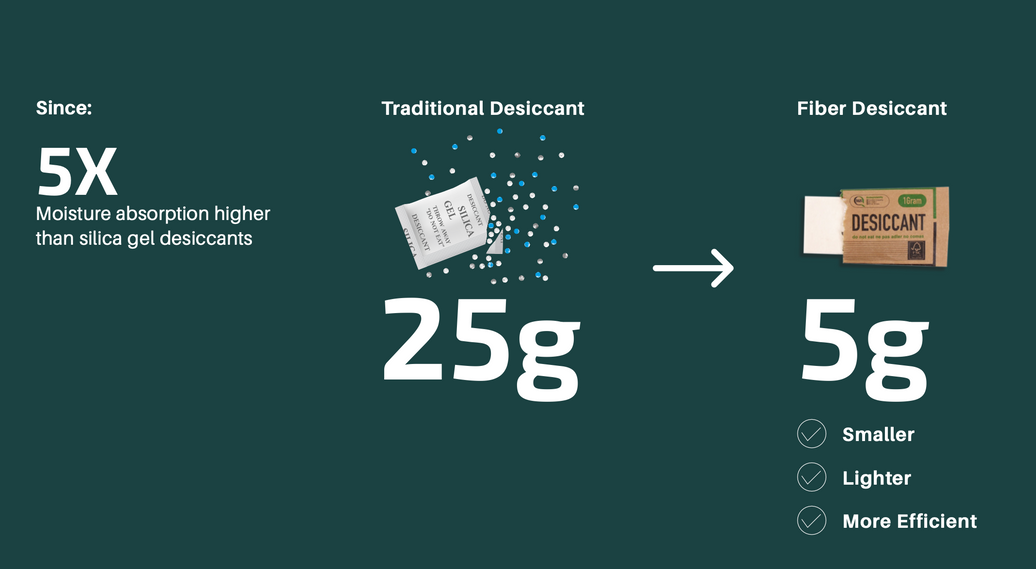
The benefit of getting the desiccant right is felt entirely by the end customer: a powder that pours cleanly on day one and on the last serving, a consistent daily ritual, and an unboxing that matches what the label promised. A high-capacity fiber desiccant — absorbing over 70% of its own weight at 25°C and 90% RH, versus roughly 30% for silica gel — keeps headspace dry through the whole re-opening life of a pouch or tub, so the last scoop performs like the first. Fewer clumping complaints and returns follow naturally.
Benefit 2: a desiccant that fits the line instead of fighting it
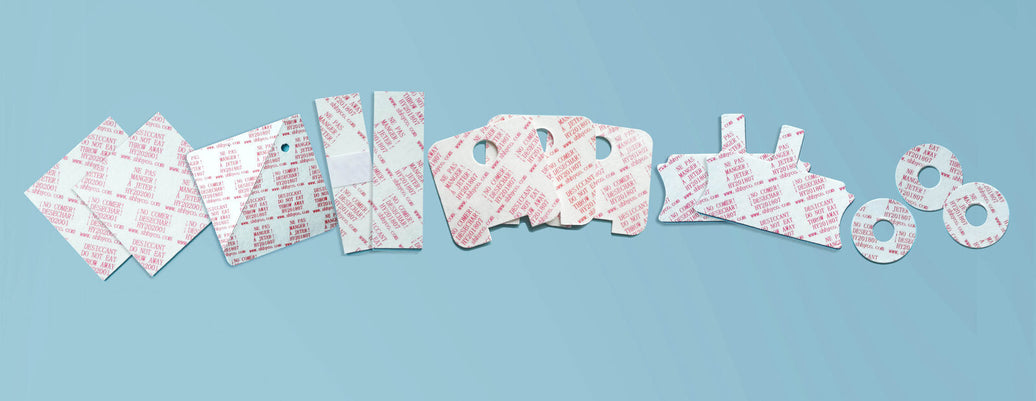
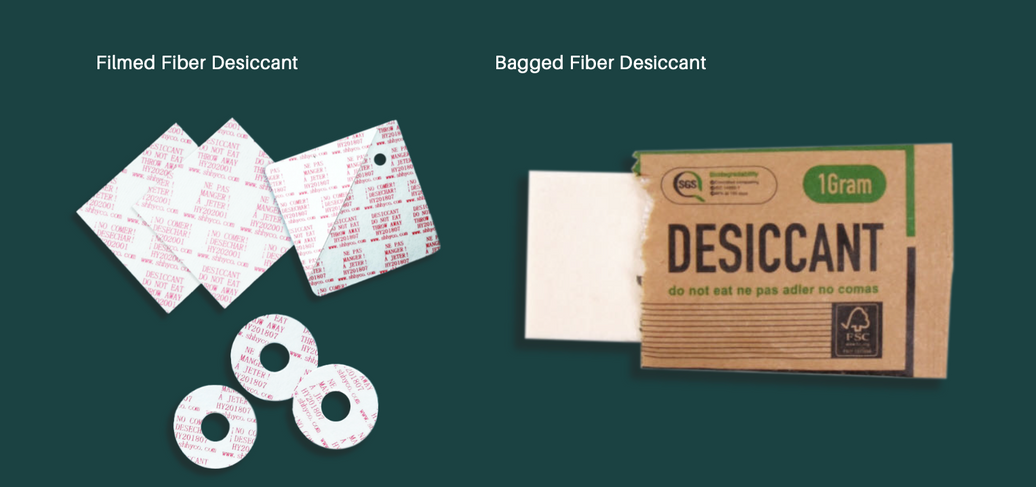
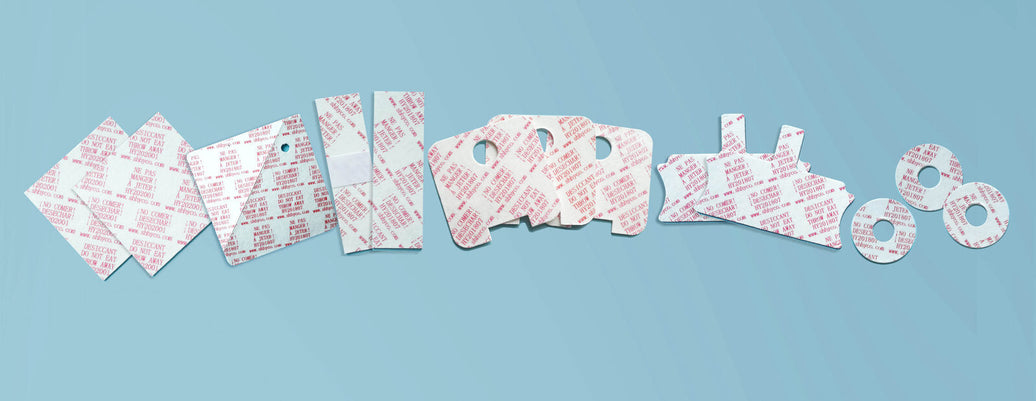
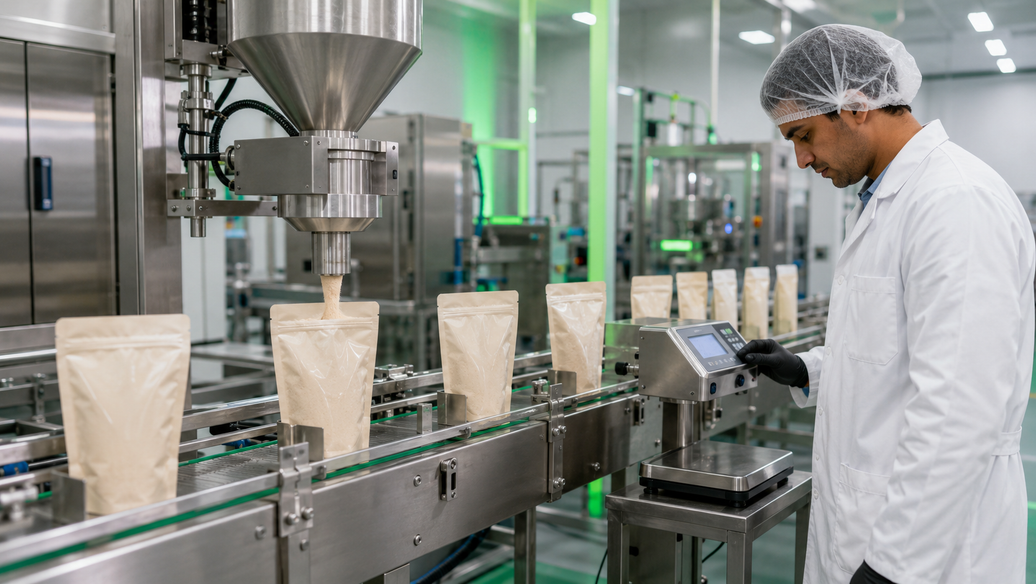
The brand’s incumbent desiccant was an oversized 3×3 inch card that hung up in the auto-dispenser at the smallest pouch format. A jam on a packaging line is lost time, rework, and inconsistent protection when a pouch slips through under-dosed. The fix was a die-cut disc sized to the smallest pouch, which fed cleanly where the oversized card had stalled — the dimensional thinking behind that is in the dispenser compatibility guide.
The benefit is operational calm: a line that runs at speed, every pouch dosed the same way, and a QA team that isn’t chasing under-protected units. A rigid card presents a constant, flat shape the machine can place reliably — the reason brands moving to automated lines leave floppy loose-fill sachets behind.
Benefit 3: a compostable pouch that stays a compostable pouch
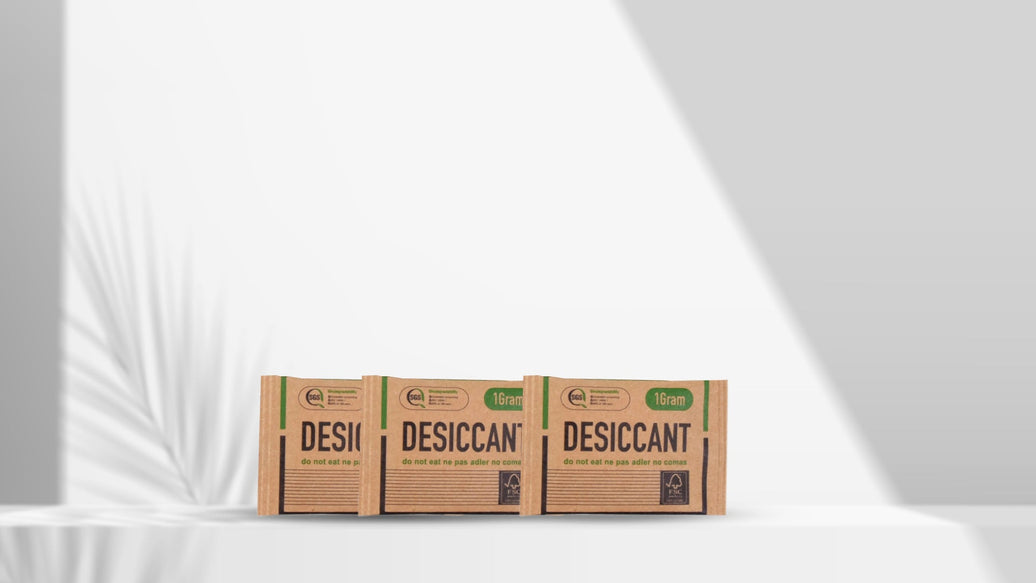
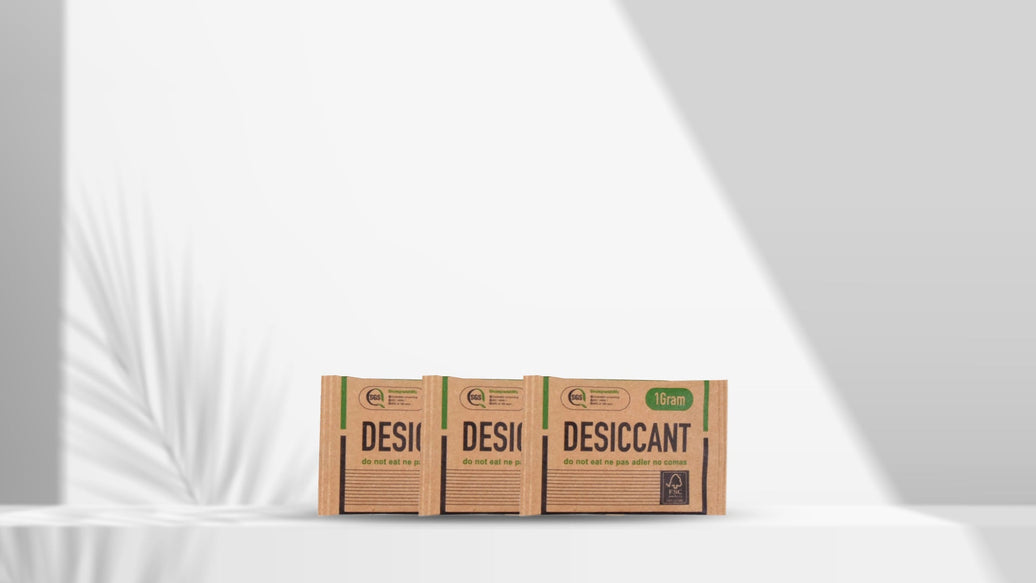
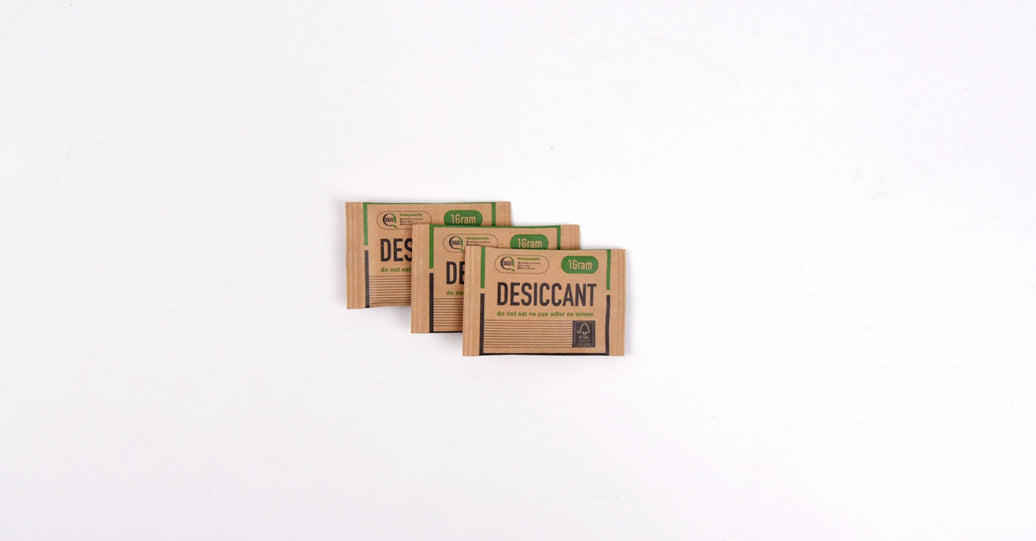
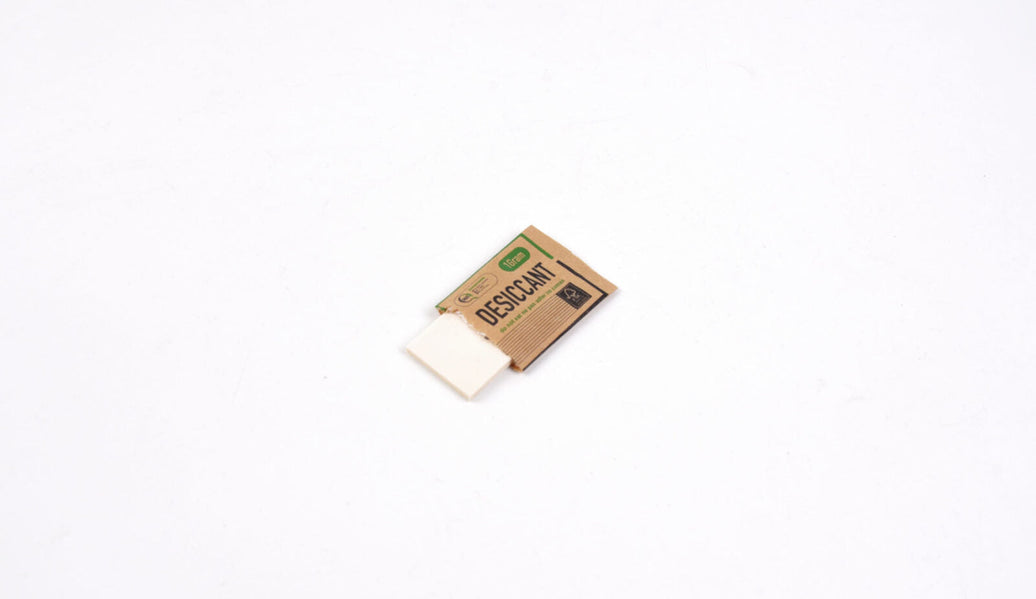
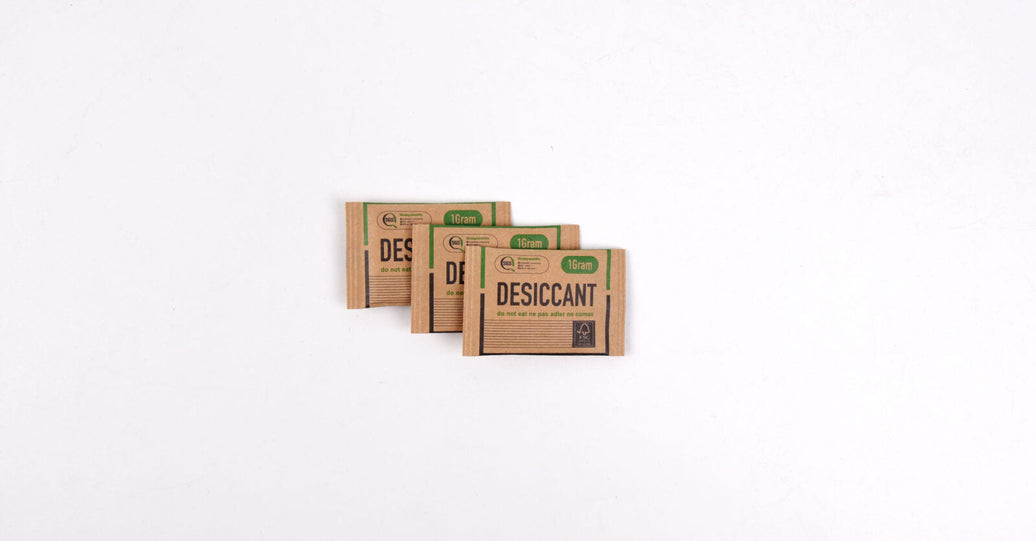
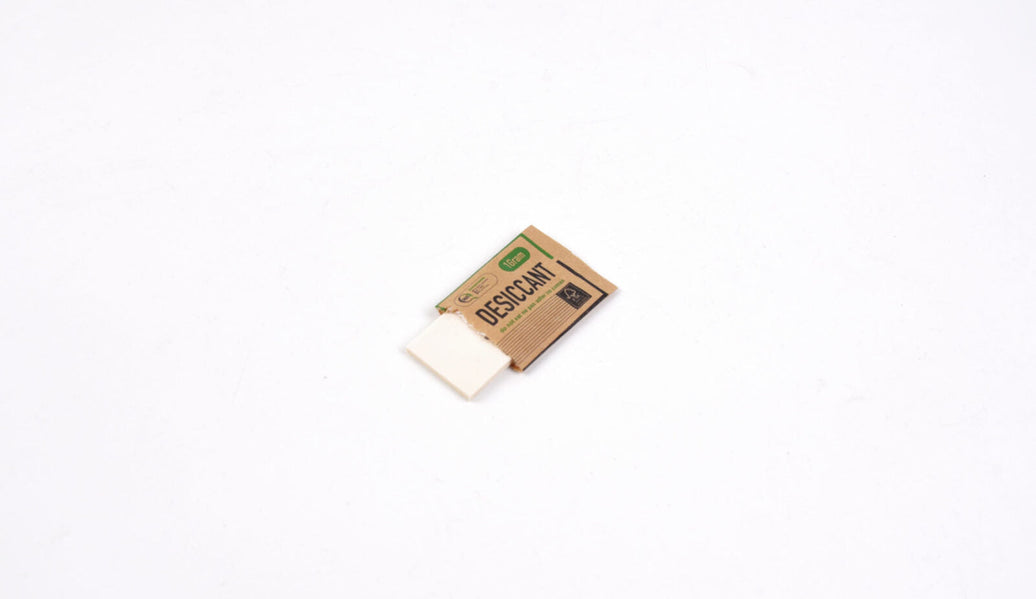
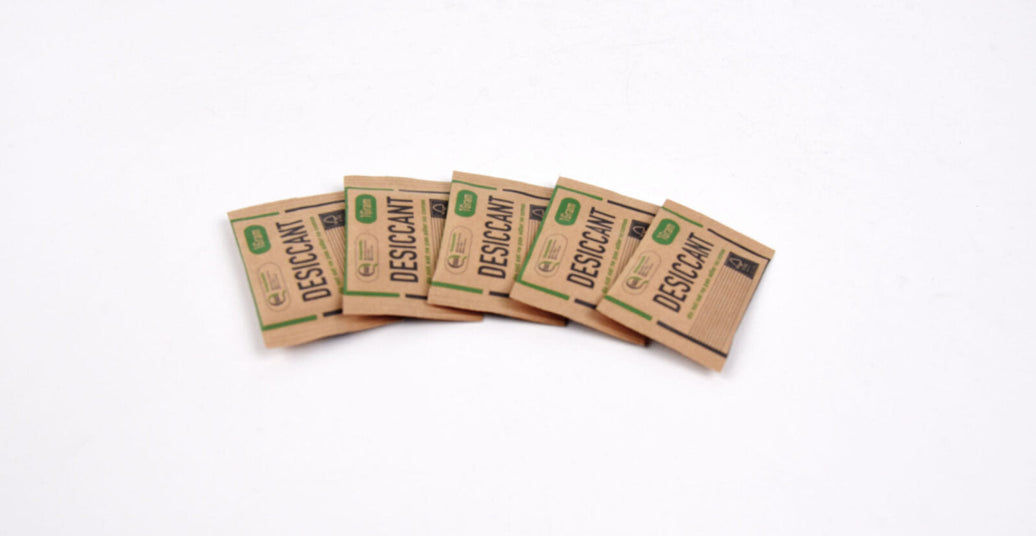
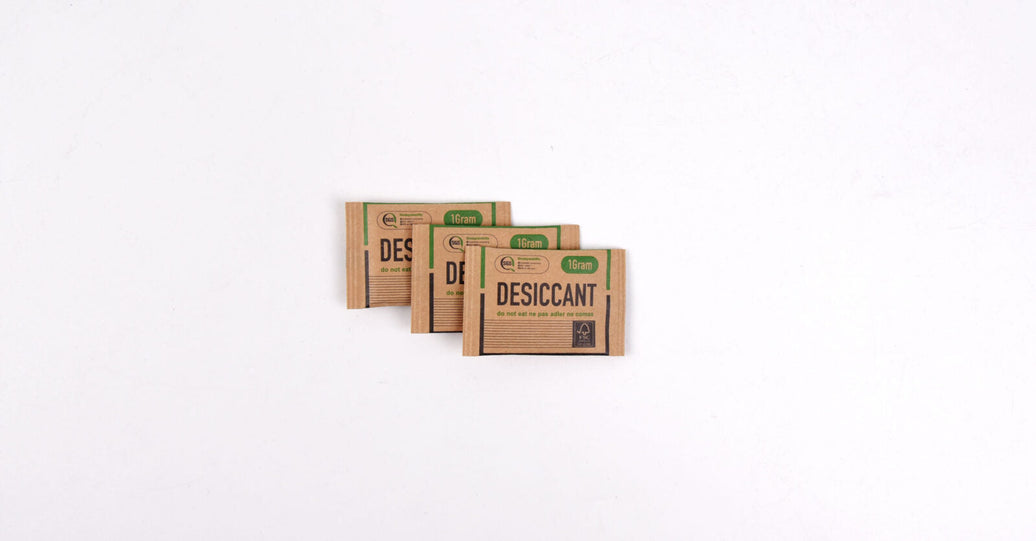
The whole point of the packaging migration was compostability — and a plastic silica sachet inside a compostable pouch is exactly the contradiction a customer photographs. Swapping to a plant-fiber desiccant that is paper-wrapped and certified compostable under recognized standards let the brand keep its promise intact, so the pack a shopper composts is compostable all the way through. Loose beads were gone too, removing the foreign-matter worry in a powder people drink, detailed in the guide to loose-fill desiccant risks.

There was an upside beyond compliance. Because the film card’s center prints in full color, the first thing a customer sees on opening is the brand — turning a required insert into a small piece of brand real estate rather than an anonymous warning tab. The print options are in the custom-printed desiccant guide.
Benefit 4: QA approval without the paperwork scramble
A supplement brand can’t use a packaging component its QA team can’t document. Having the full pack ready — food-contact documentation, ISO manufacturing certificate, raw-material disclosure, compostability certificates by name, and capacity test methods — meant the brand’s QA and regulatory reviewers could qualify the desiccant quickly and defend it in an audit, instead of stalling on missing forms. The complete checklist is in the supplier qualification pack, and the brand’s smallest-pouch-first trial followed the worst-case evaluation protocol.
The benefit for the brand: less work for the QA team, a faster path to a shelf-ready pack, and confidence that the component would hold up to a third-party auditor.
The outcome, in the terms that matter to a brand
Set aside procurement for a moment — what the brand actually gained was a set of customer-facing outcomes:
Consistent product quality across shelf life, so the powder performs the same in month one and month twelve. A protected brand promise, with a compostable pack that is compostable throughout and a desiccant that reinforces the sustainability story instead of undermining it. A reliable, jam-free line, so every unit ships correctly dosed. And a confident QA function, with audit-ready documentation on file. Those are the outcomes any powder brand is really buying when it gets moisture control right.
What your brand can take from this
The pattern is repeatable, and none of it is exotic. Match the desiccant format to your smallest, hardest pack so the line runs clean. Choose capacity that lasts the whole re-opening life so the customer’s last scoop is as good as the first. If your pack is compostable, make sure the desiccant is too — and use its printable face to reinforce the brand. Ask for the full documentation pack up front so QA approval is quick and defensible. Any powder brand fighting clumping, a dispenser mismatch, or a compostable-pouch contradiction can follow the same path — starting with the vertical guide that matches its product.
Frequently asked questions
What does the customer actually notice from a better desiccant?
A powder that pours cleanly to the last serving, no clumps or hard cake, and an unboxing consistent with the brand’s promise — which shows up as better reviews and fewer returns.
Why did the format change matter so much?
A desiccant that jams the line at the smallest pouch causes downtime and under-dosed units. A dispenser-fit die-cut card keeps every pack correctly protected without slowing production.
How does the desiccant support a compostable claim?
It is plant-fiber based, paper-wrapped, and certified compostable, so it doesn’t break the pack’s compostability — and its printable face can carry the brand instead of a generic warning.
Can our brand get the same benefits?
Yes — request worst-case samples and the documentation pack, test on your smallest format first, and size for your full shelf life.
Get the same outcomes for your powder
If clumping, a dispenser mismatch, or a compostable-pouch contradiction sounds familiar, ATMOSIScience will help you protect the product, the line, and the brand promise — with worst-case samples and the full documentation pack. Explore ATMOSIScience desiccant solutions, request a sample of the Fiber Desiccant, or contact our team for worst-case samples and the full document pack.
Related reading: Desiccant for Collagen Peptide Powder · Worst-Case Sample Evaluation · Supplier Qualification Pack
Run the same evaluation for your powder line
Tell us your powder, smallest pouch format, and whether compostability is a requirement — we ship worst-case samples and the full document pack to get you to a decision.