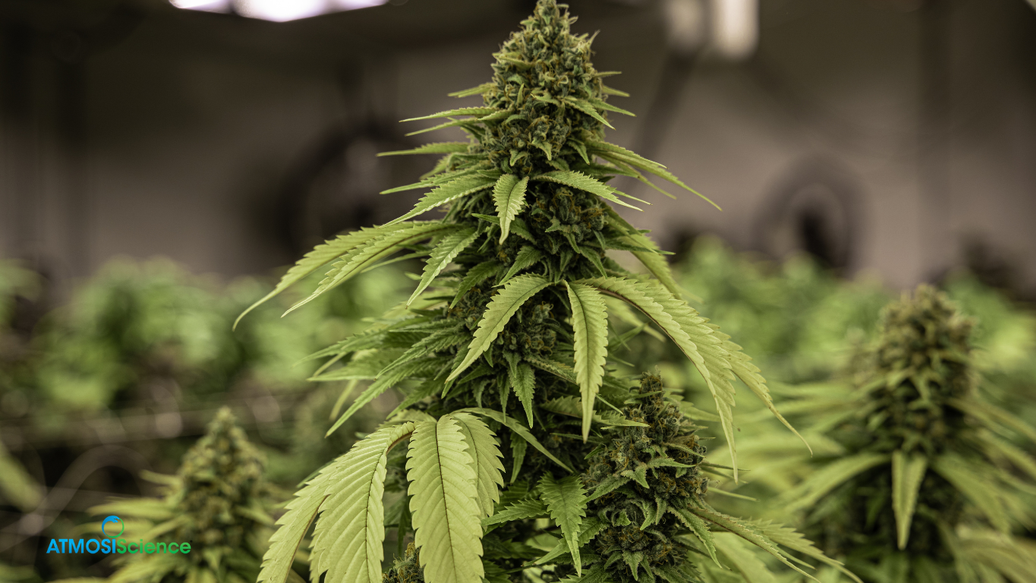
It feels logical: freezers keep food fresh for months, so a big harvest should go in the freezer, right? For cured flower, no — and the reasons are mechanical. Here's what freezing and refrigeration actually do to cannabis, the narrow case where freezing makes sense, and the storage protocol that genuinely keeps a harvest fresh for a year.
What the freezer does to trichomes
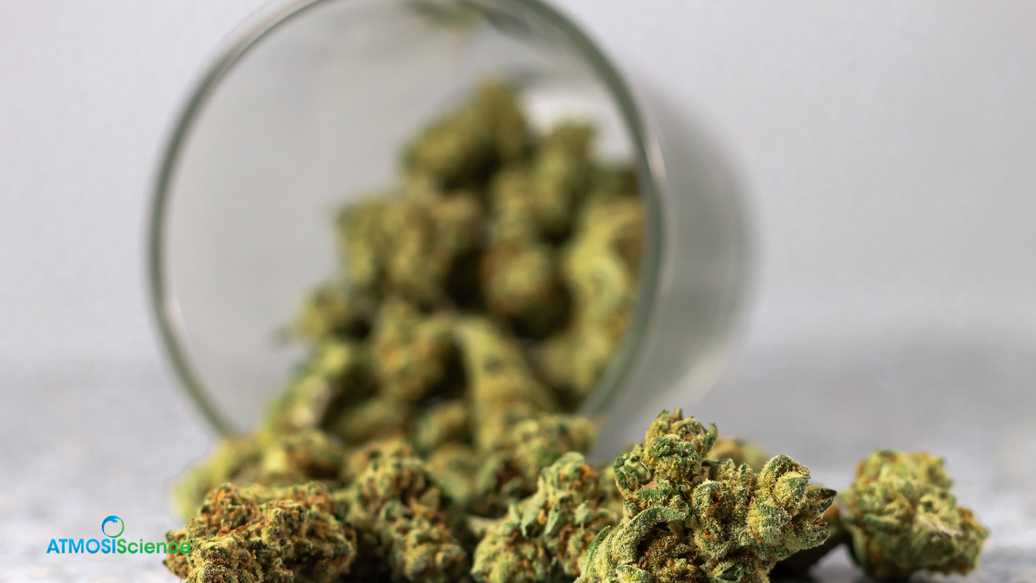
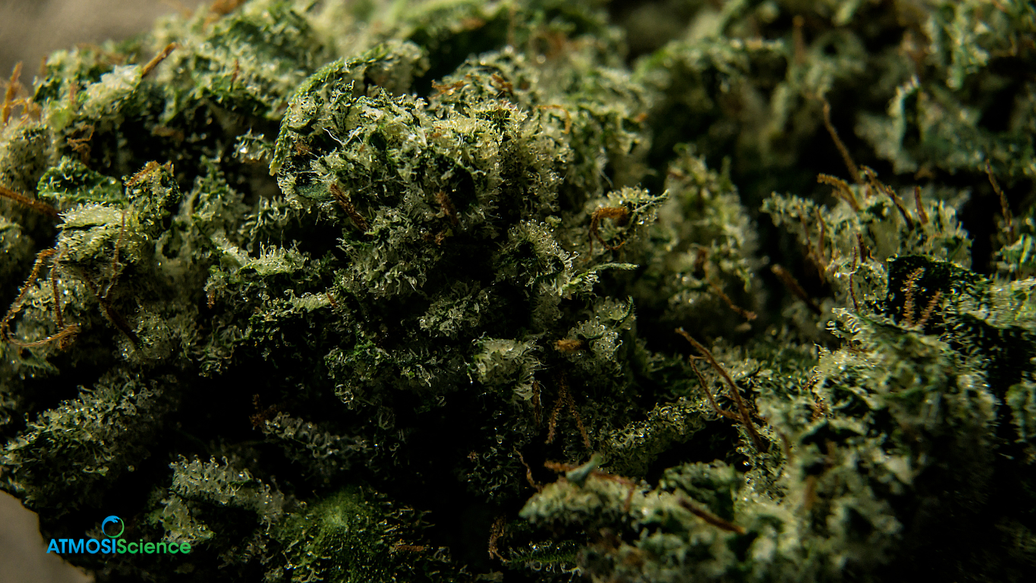
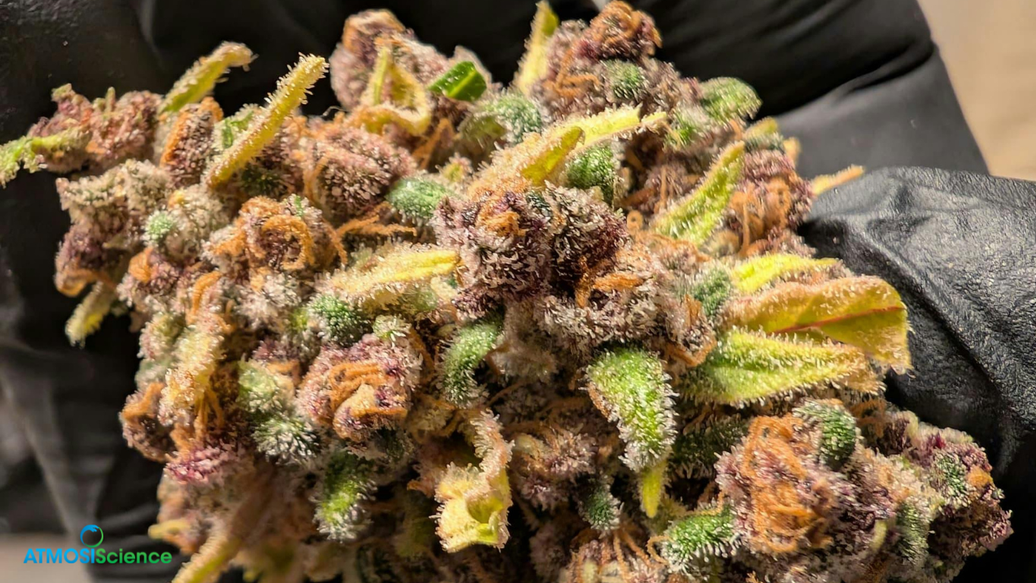
Trichomes — the resin glands carrying most of the cannabinoids and terpenes — become brittle as glass at freezer temperatures. Every time a frozen bud is handled, bumped, or has a neighbor settle on it, trichome heads snap off and collect at the bottom of the container. That's why hash makers deliberately freeze material before sieving: cold makes trichomes easy to remove. Storing smokable flower in that state means slowly converting your top-shelf harvest into jar-bottom dust.
Freezing also locks in whatever moisture state the flower had: buds frozen slightly wet develop ice microcrystals that rupture cell walls, and on thawing the moisture redistributes unevenly — prime conditions for mold.
Why the fridge is quietly worse
Refrigerators run at 35–40°F with cycling humidity, and every time the jar comes out into a warm room, condensation forms on the cold glass and the flower inside. Repeat that cycle weekly and the jar interior swings far outside the safe band — the same moisture-cycling problem covered in how storage causes mold. Fridge doors also mean light exposure and odor transfer in both directions.
The case where freezing is correct
Two legitimate uses: fresh-frozen material destined for extraction (frozen at harvest, processed frozen, never thawed for smoking) and edibles, where trichome structure no longer matters — see edibles storage science. For flower you intend to smoke, freezing solves a problem you don't have and creates several you do.
What actually works: the 4-factor protocol
| Factor | Target | Why |
|---|---|---|
| Temperature | 60–70°F, stable | Slows terpene evaporation without trichome embrittlement |
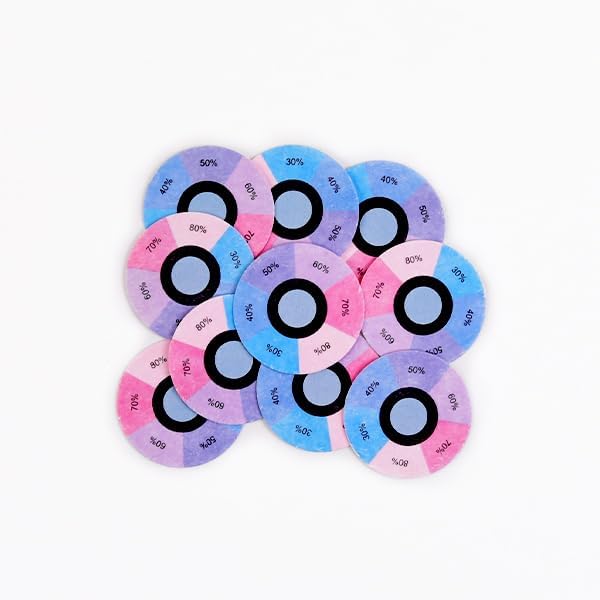
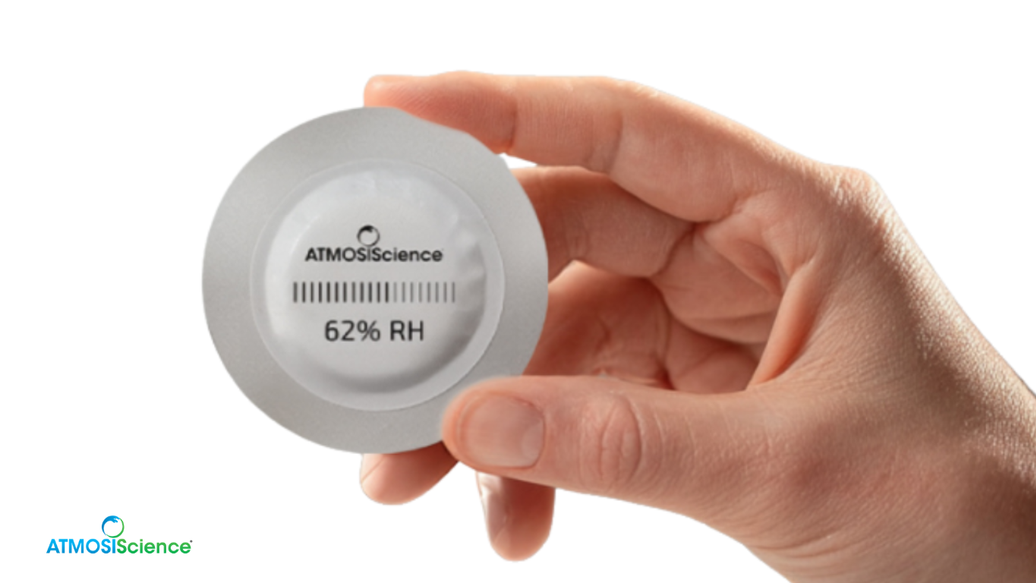
| Humidity | 62% RH, 2-way controlled | Below mold threshold, above the dry-out line |
| Light | None — opaque container | UV degrades THC faster than any other factor |
| Air | Airtight, minimal headspace | Oxygen oxidizes THC toward CBN (the sleepy cannabinoid) |
Flower held this way stays smooth and aromatic for 6–12 months — no freezer required. The full method is in long-term storage without losing terpenes.
A year of freshness, no freezer burn
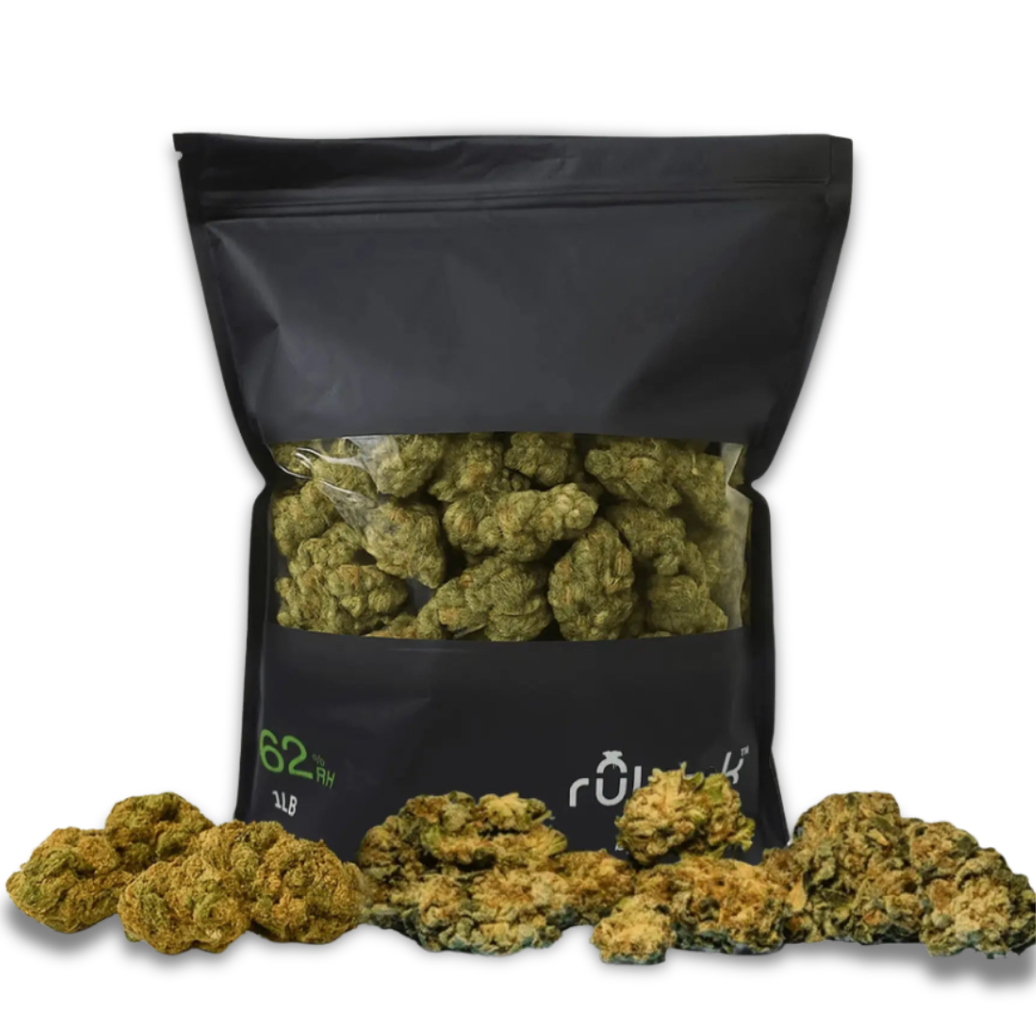
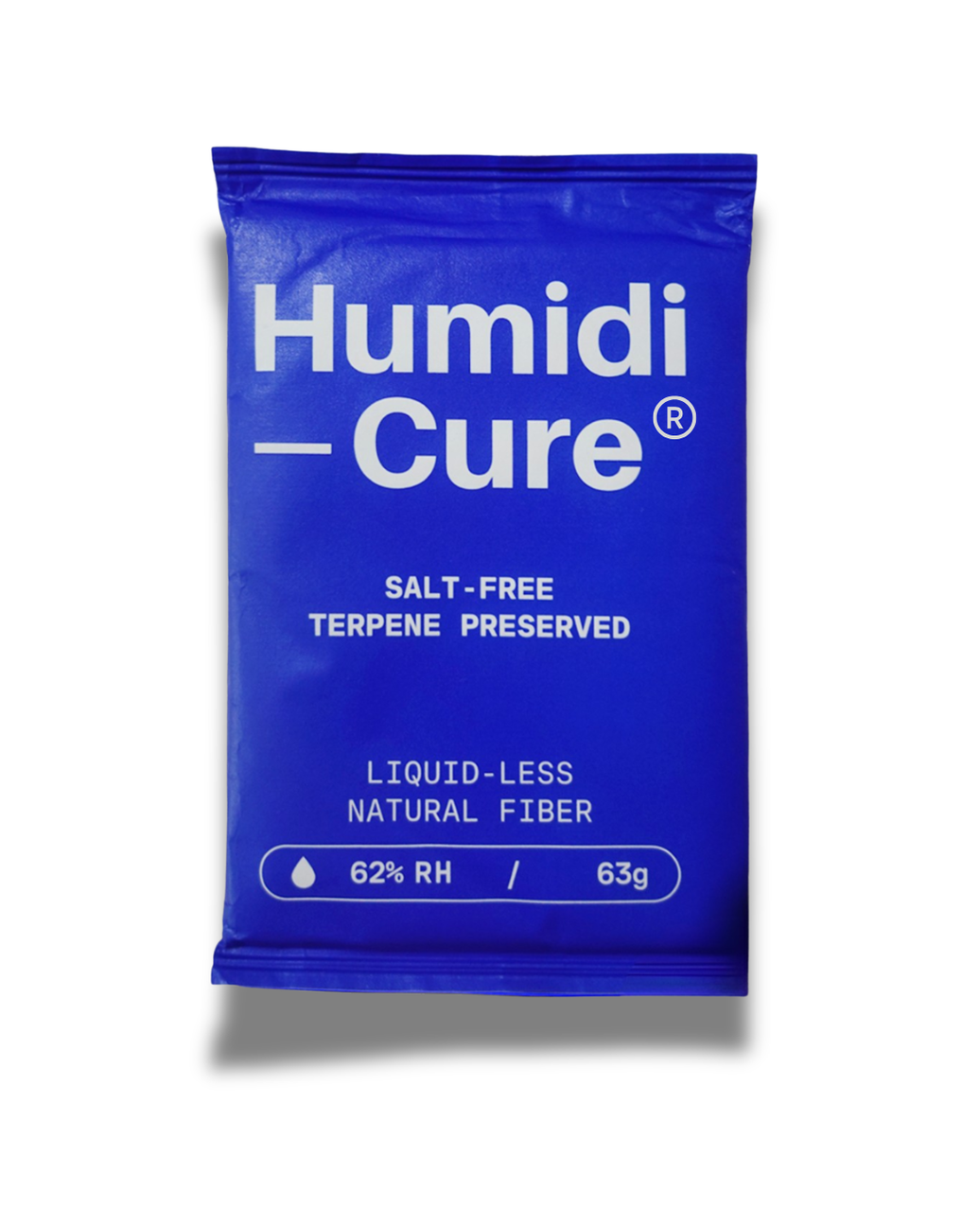
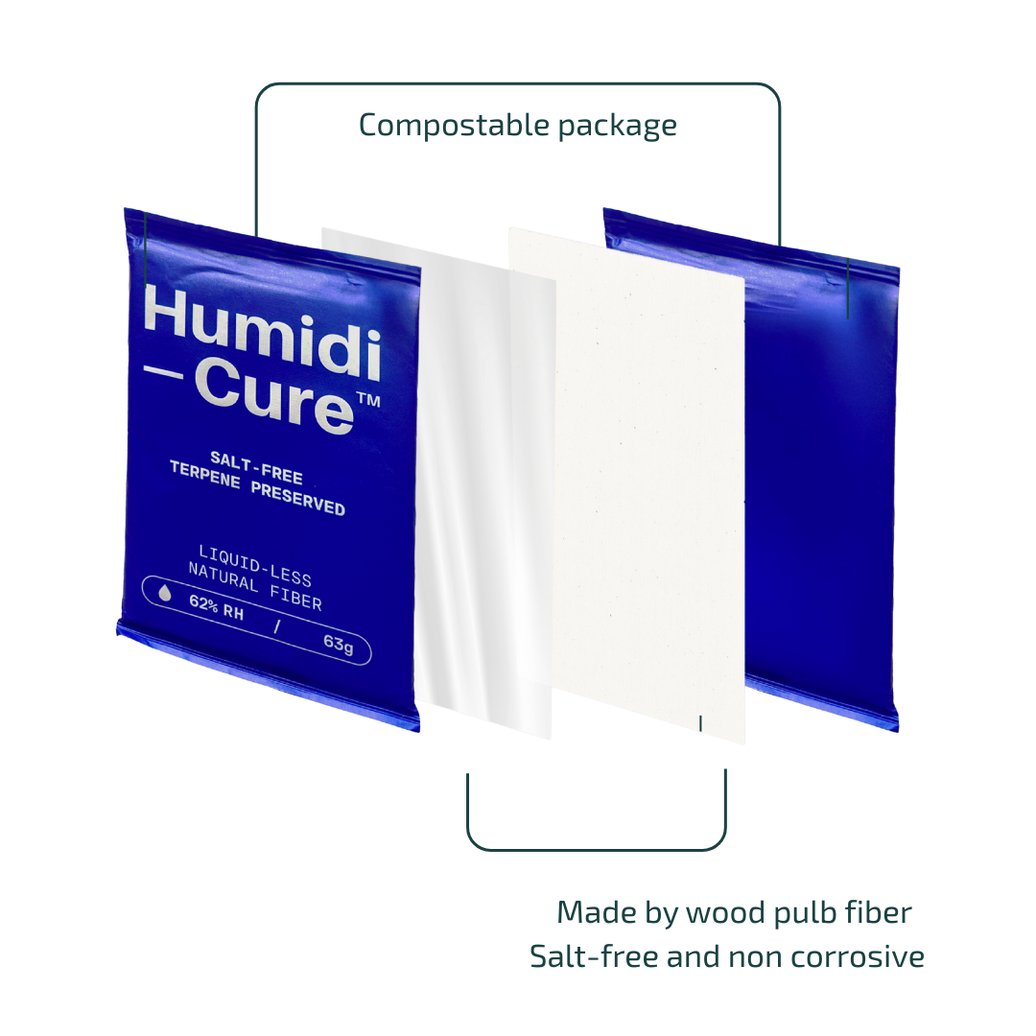
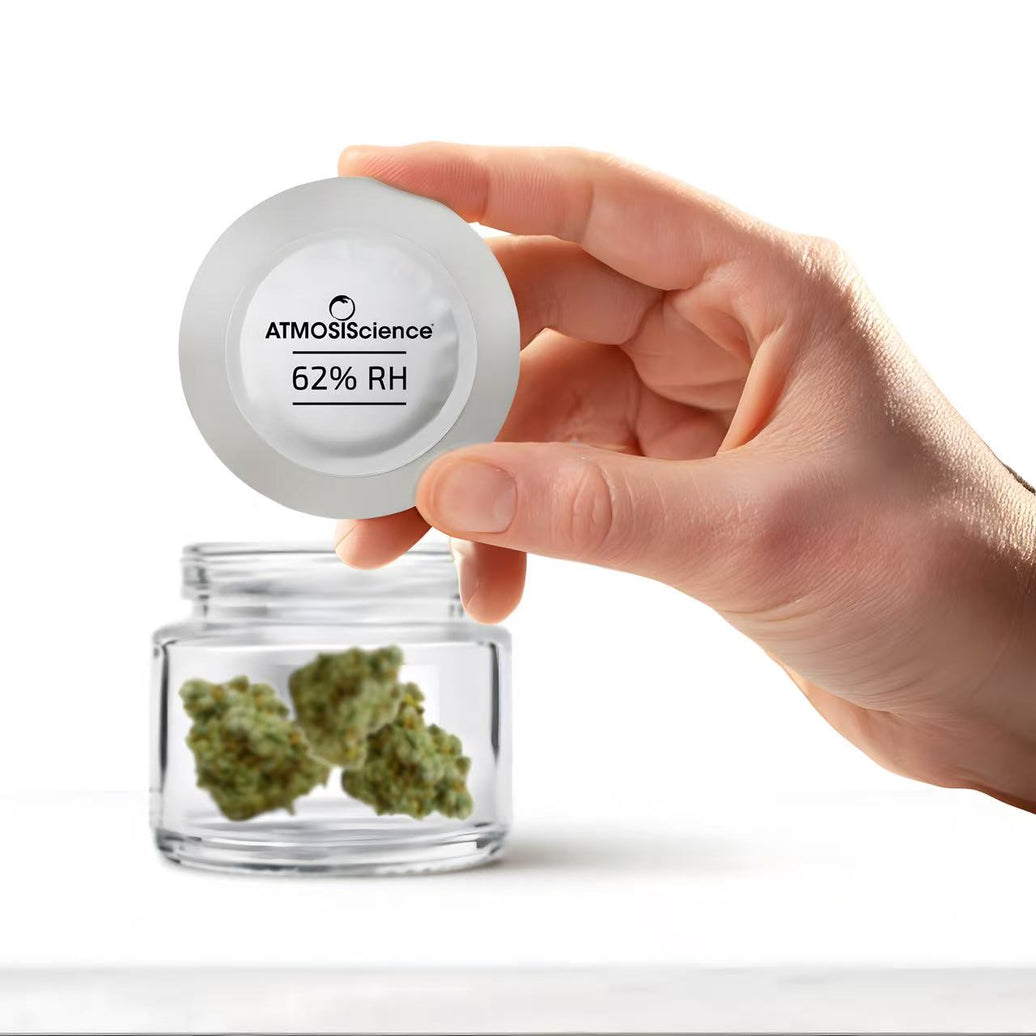
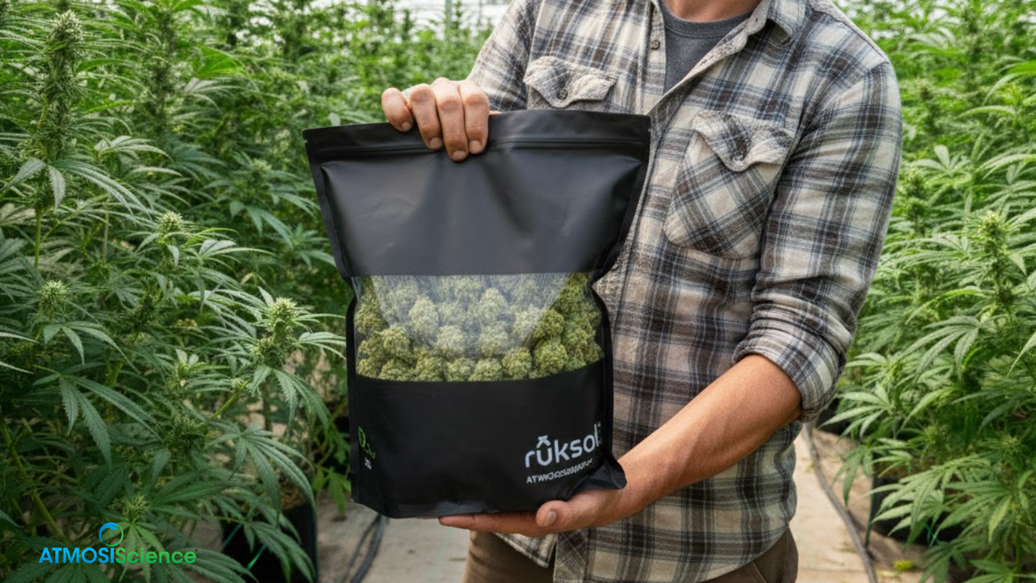
ruksak™ delivers all four factors in one container: opaque, airtight, child-resistant, with built-in 2-way 62% RH fiber control. For jars, add a Humidi-Cure® 62% pack.
Shop ruksak 1 lbShop Humidi-Cure 62%FAQ
Can you freeze weed in a vacuum-sealed bag?
Vacuum sealing removes the oxygen problem but not the brittleness problem — trichomes still shatter on handling, and compression damages frozen buds further.
How long does weed last in the freezer vs at room temperature?
Cannabinoids degrade slowly in both. But freezer flower loses trichomes mechanically every time it's touched, while flower at 60–70°F / 62% RH in the dark stays intact for a year or more.
My weed was frozen — is it ruined?
Not ruined. Thaw it sealed and unmoved at room temperature (condensation forms outside the container, not on the flower), then re-equilibrate at 62% RH and handle gently.