Most home growers don't have a dedicated drying room — they have a closet, a spare bathroom, or a cardboard box. The good news: small spaces can produce excellent dries, because the targets don't change with square footage. The bad news: small air volumes swing harder. One door opening, one humid afternoon, and a closet's RH can move 15 points in an hour. This guide covers the setup and the stabilization.
The numbers (same as any pro dry room)
Temperature: 60–68°F. Relative humidity: 55–60%. Darkness. Gentle indirect airflow. Duration: 7–14 days. Fast drying — warm air, low humidity — strips terpenes that took months to grow and locks in the harsh, grassy taste covered in our guide to common drying mistakes. Slow and even always beats fast and convenient.
Closet setup, step by step
1. Clear and clean the space. Dust and fabric harbor mold spores; wipe surfaces down.
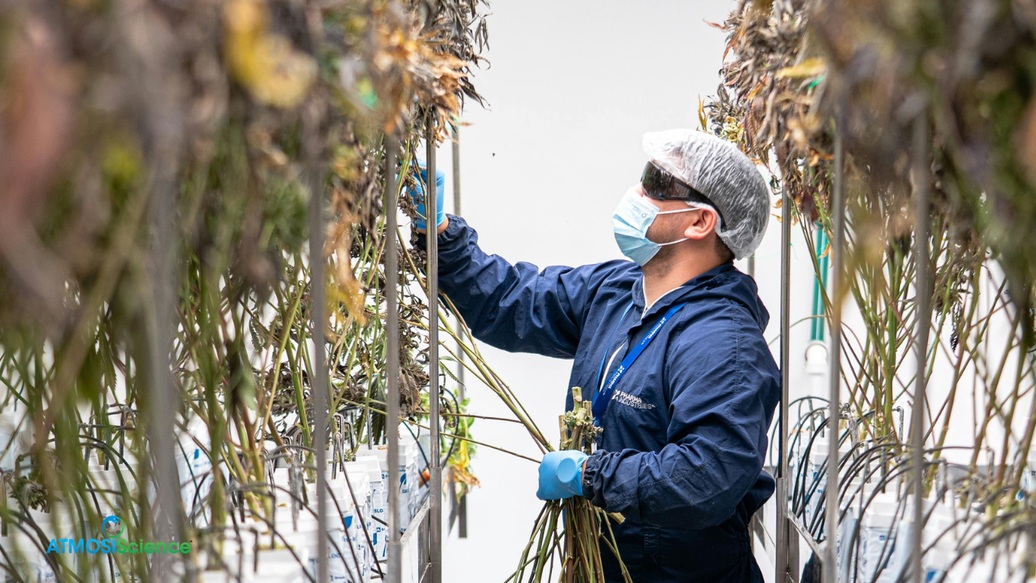
2. Hang branches on a rod or hangers with 2–3 inches between them — air must reach every bud. For trimmed buds without branches, use a stackable drying rack or a clean cardboard box with buds in a single layer, turned daily.
3. Aim a small fan at a wall, never at the flower. Direct airflow is the single most common small-space mistake — it crisps the outside while the core stays wet, trapping chlorophyll (the hay smell).
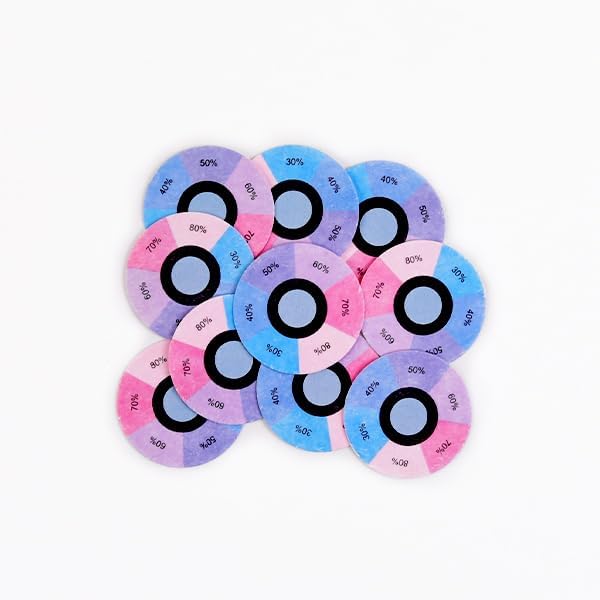
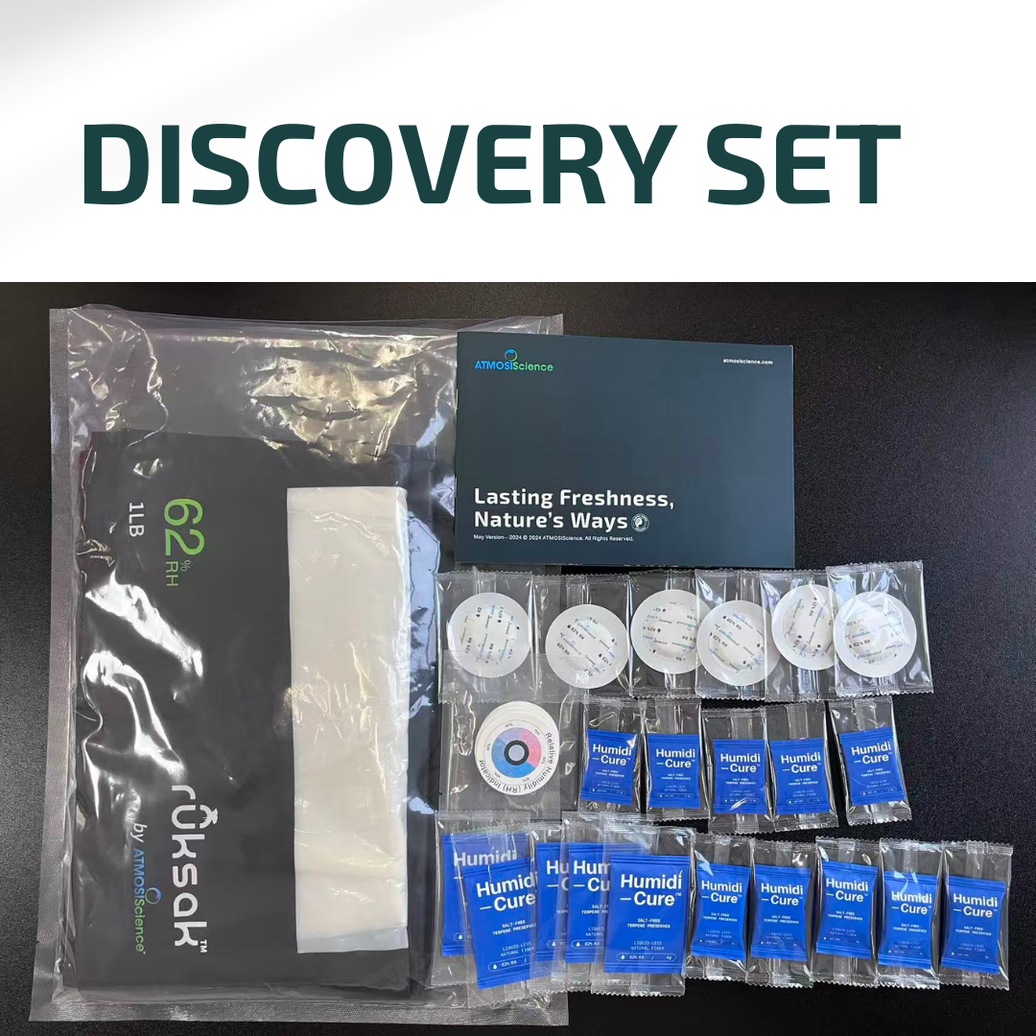
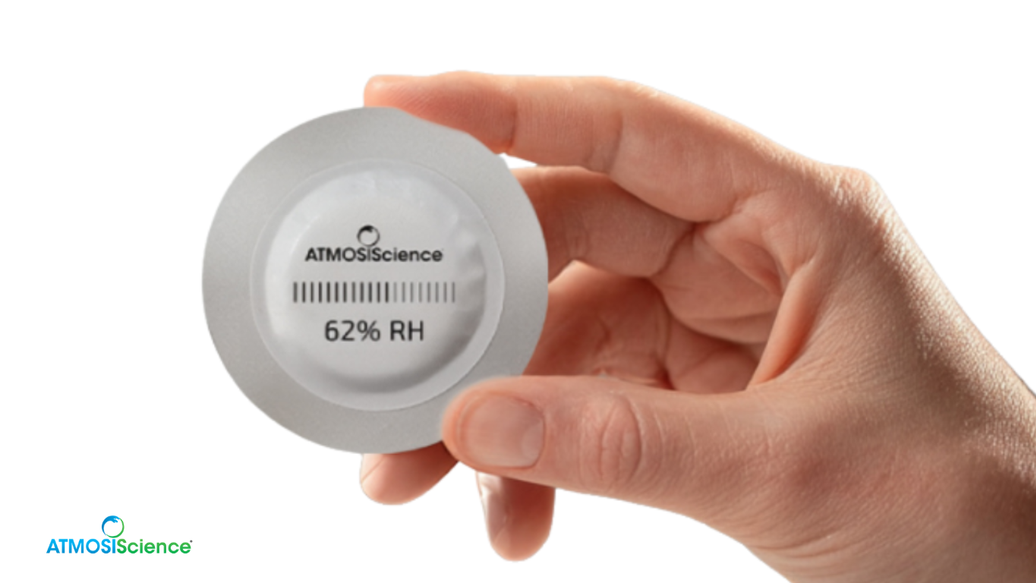
4. Put a hygrometer or an RH indicator card at bud height. A closet without measurement is a guess.
5. Keep the door cracked one inch for air exchange, or open it twice daily for five minutes.
The small-space problem: RH whiplash
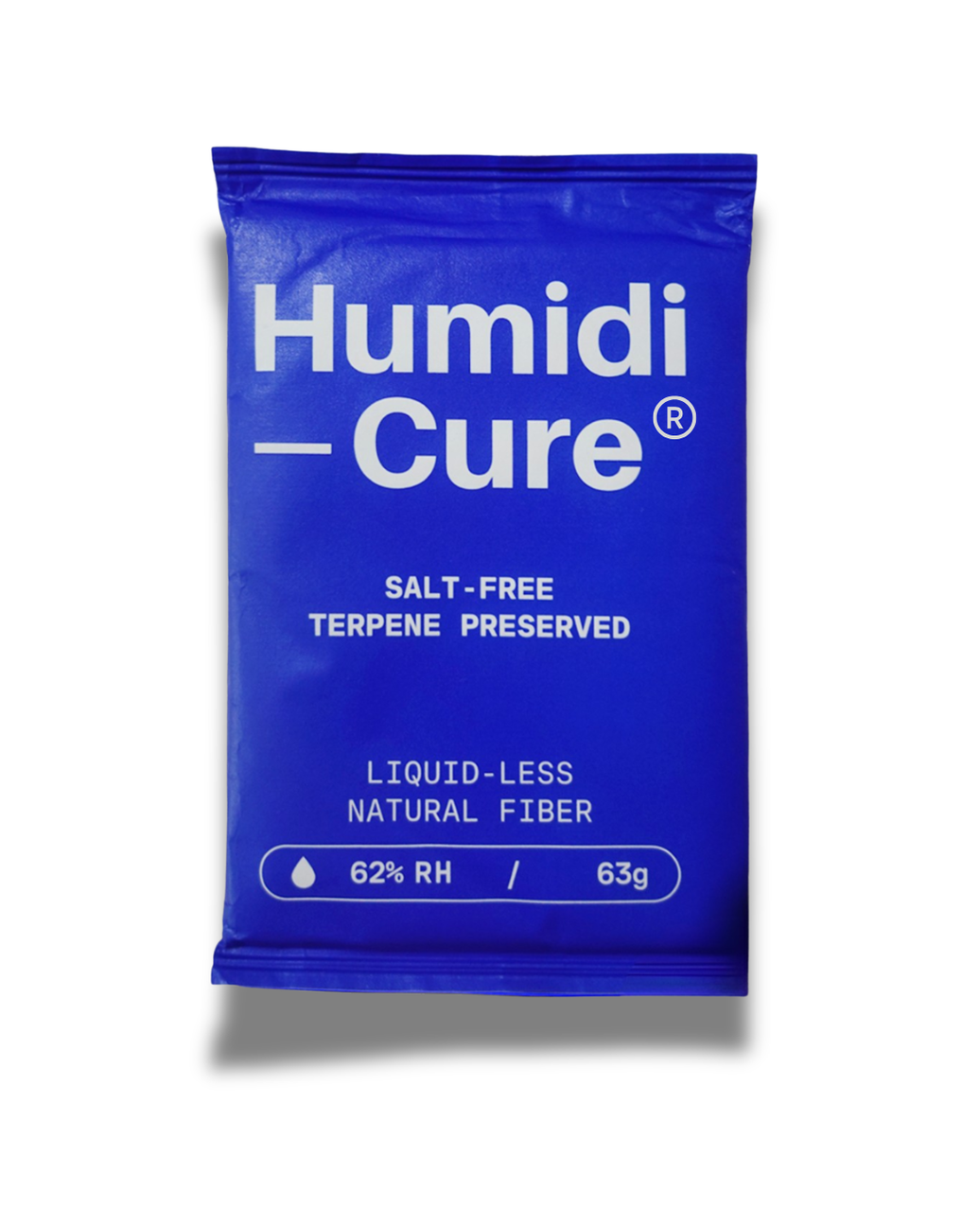
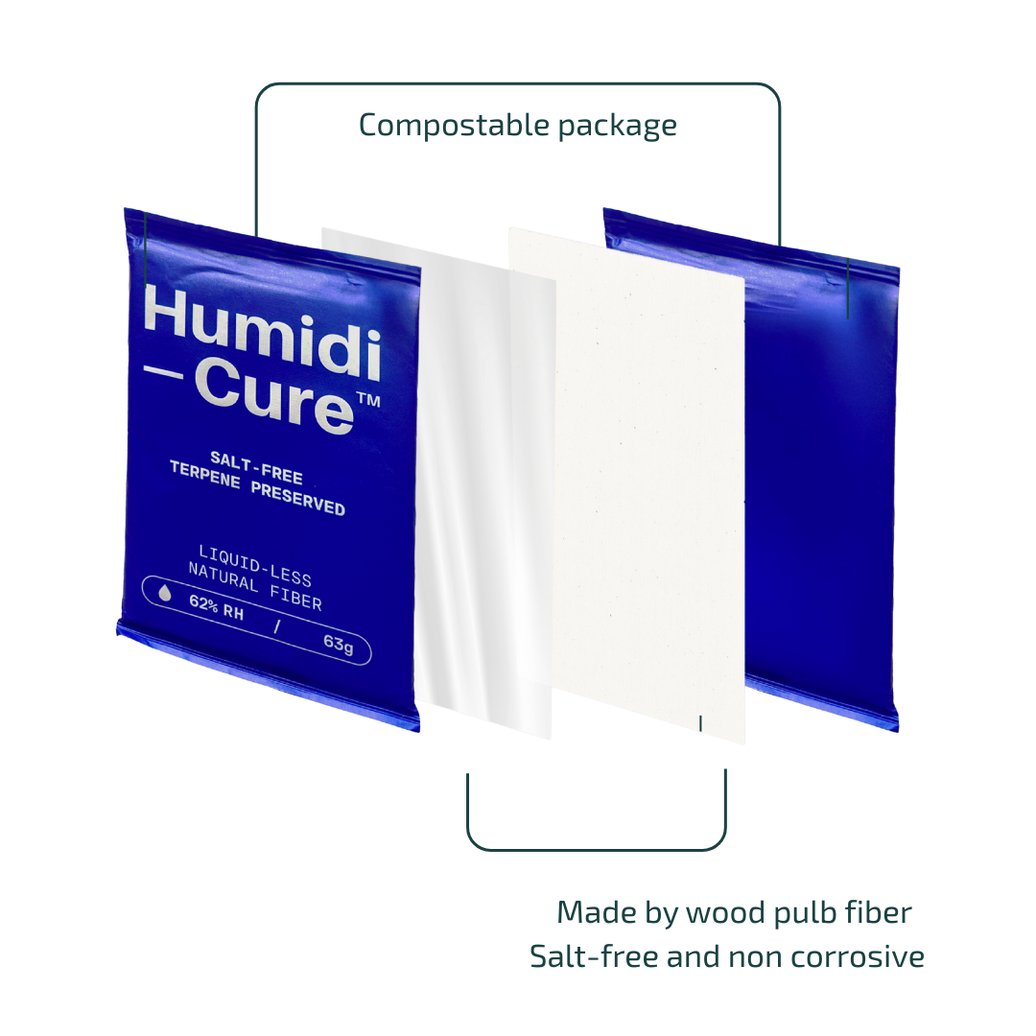
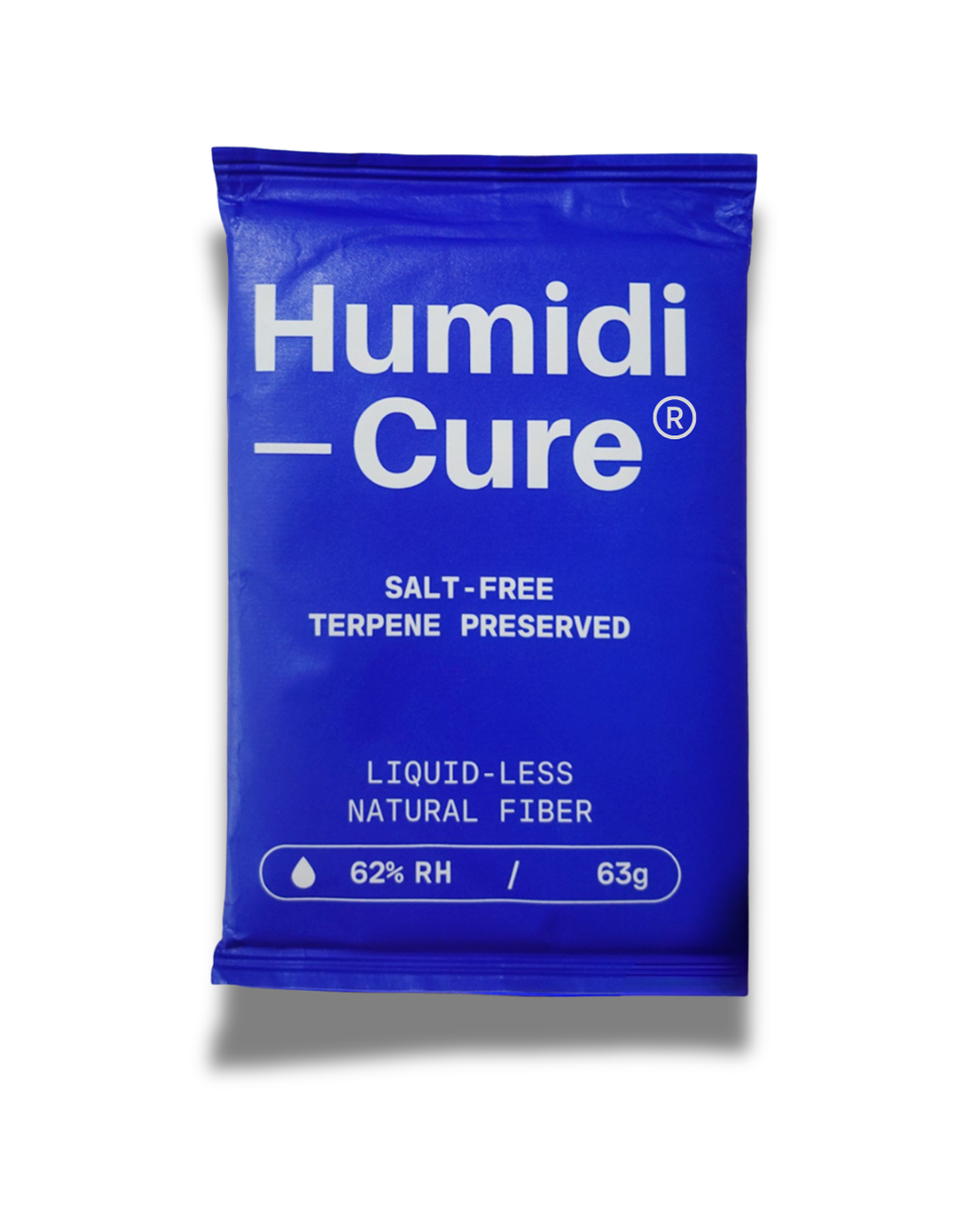
A 10 sq ft closet holds very little air, so its humidity tracks the house's HVAC, the weather, and every door event. The team at ATMOSIScience designed Humidi-Cure® Plus drying mats for this exact failure mode: fiber sheets that absorb moisture when the closet spikes and release it back when the air runs dry — passive 2-way buffering, no electricity, no noise, no compressor heat in a tiny space. Lay sheets along the closet floor or shelf; for a box dry, line the bottom under a mesh layer.
Turn any closet into a drying room
Humidi-Cure® Plus mats buffer small-space humidity swings automatically — 144 fiber packs per sheet, reusable, zero power draw.
Shop Humidi-Cure PlusShop RH Indicator CardsOdor, briefly
A drying closet smells. A small inline fan with a carbon filter solves it properly; activated-carbon bags help marginally. See the full guide to cannabis carbon filters.
When is it done?
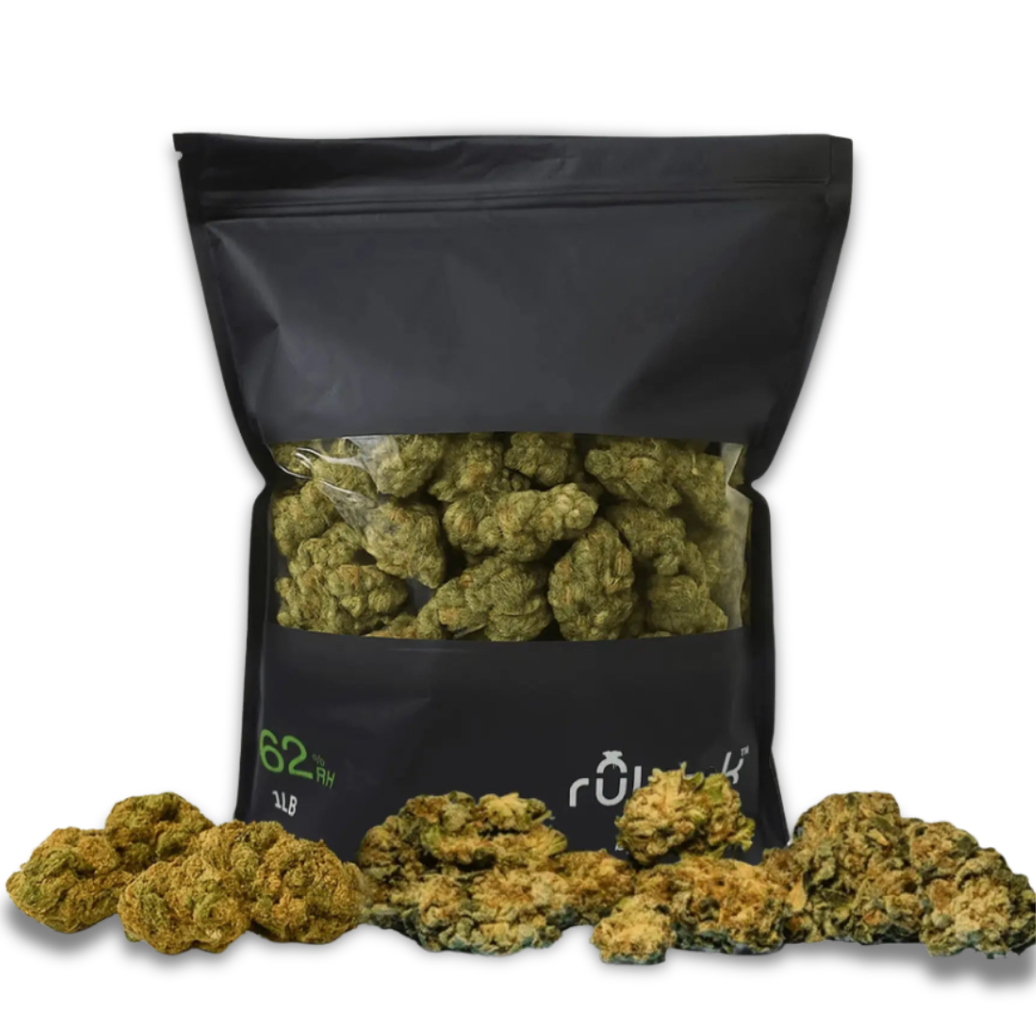
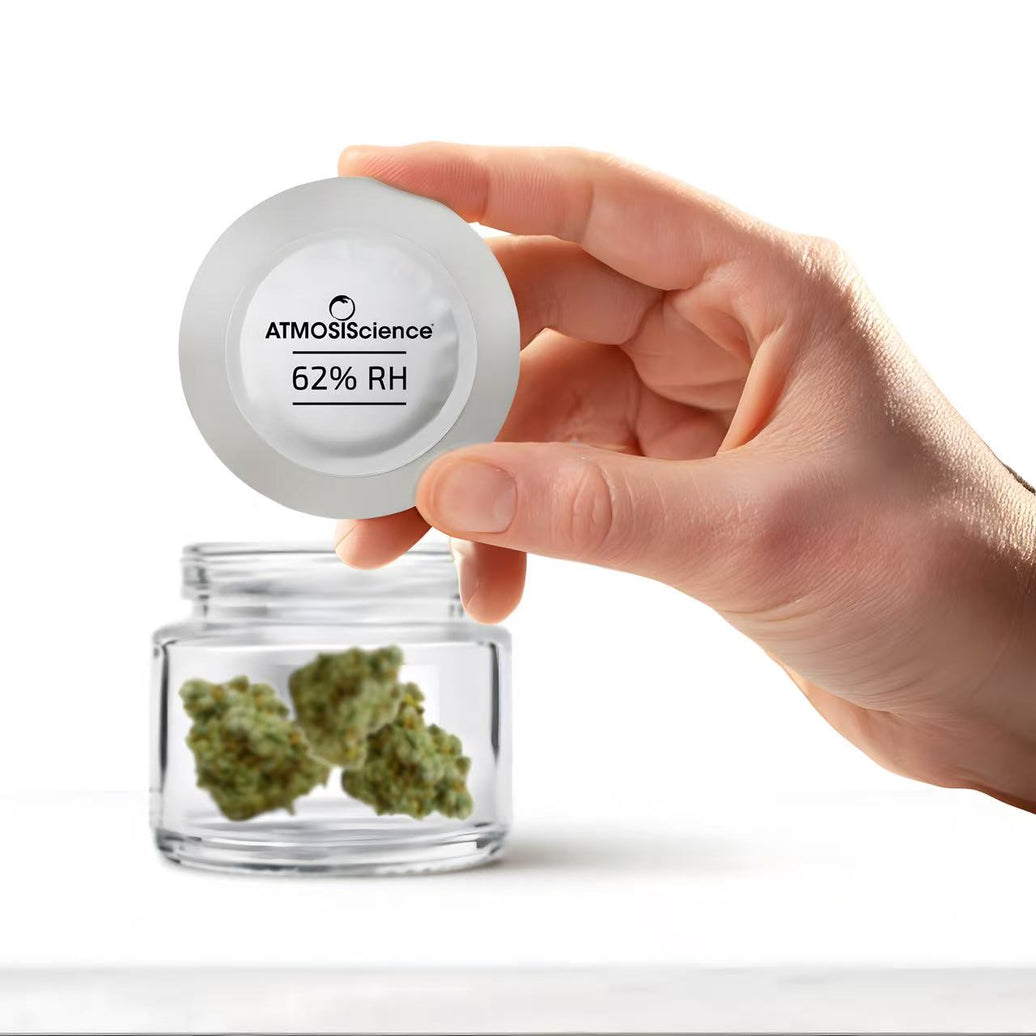
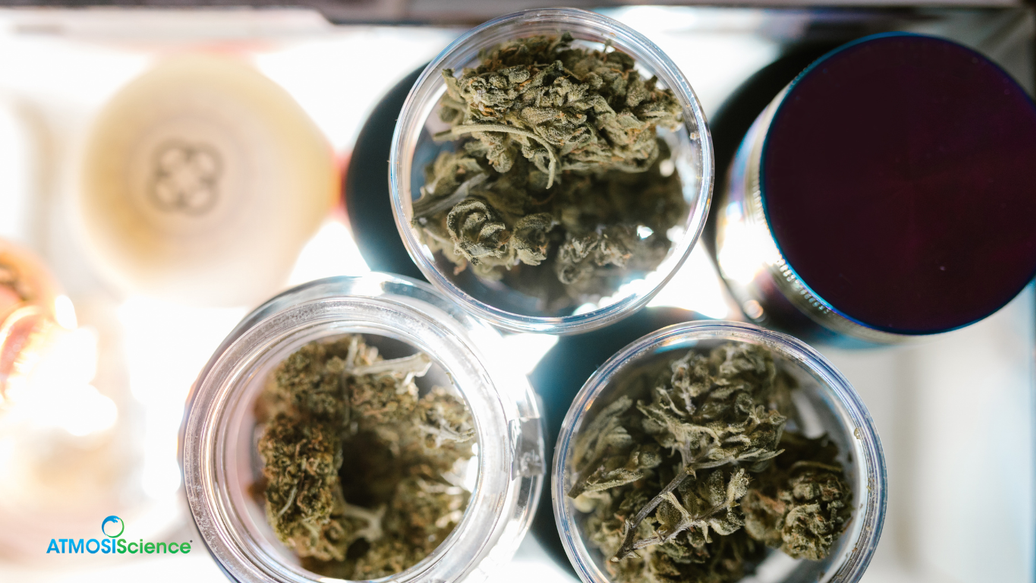
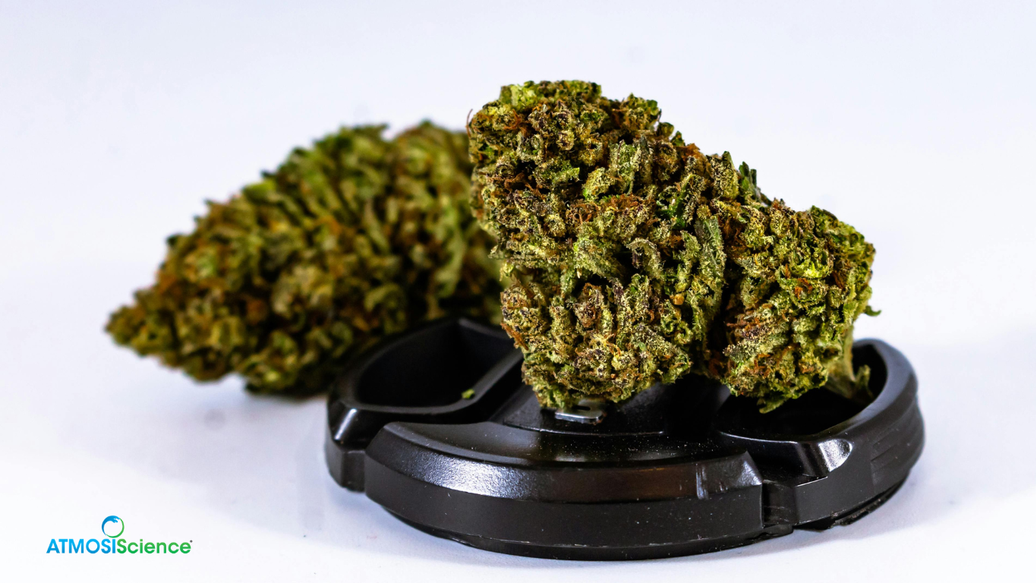
Small stems snap instead of folding; buds feel dry outside with a slight spring inside. Typical closet dries land at day 8–12. Then jar at 62% RH — the cure finishes what the closet started. If buds dried too far, don't panic: rehydrate them safely at 62% RH rather than with orange peels or bread.
FAQ
Can weed dry in a cardboard box?
Yes — single layer, turned daily, box cracked open for air exchange. Expect a slightly slower, darker dry; many growers like the result.
What if my closet is at 40% RH?
That's too dry — buds will crisp in 4–5 days. Add 2-way humidity buffering (Humidi-Cure Plus) and reduce air exchange; do not add a wet towel, which invites mold.
Is 70°F too warm to dry?
It's workable but at the warm edge — keep RH near 60% and airflow gentle to slow the dry.