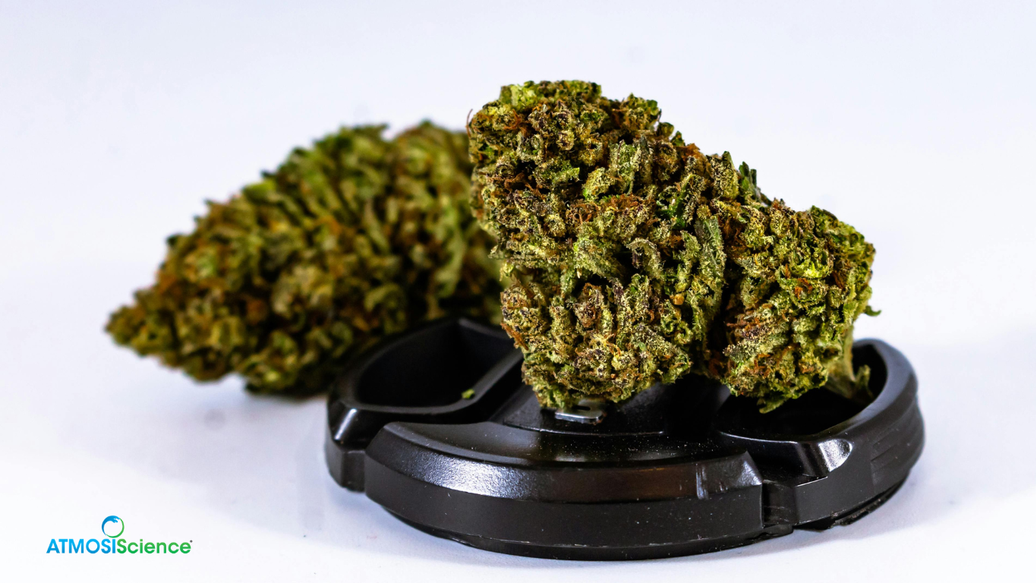
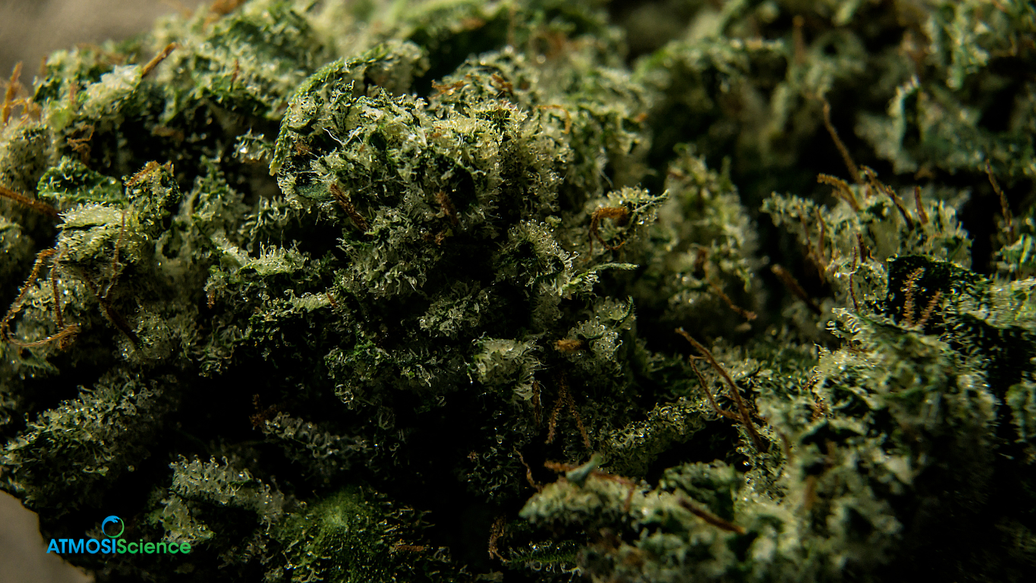
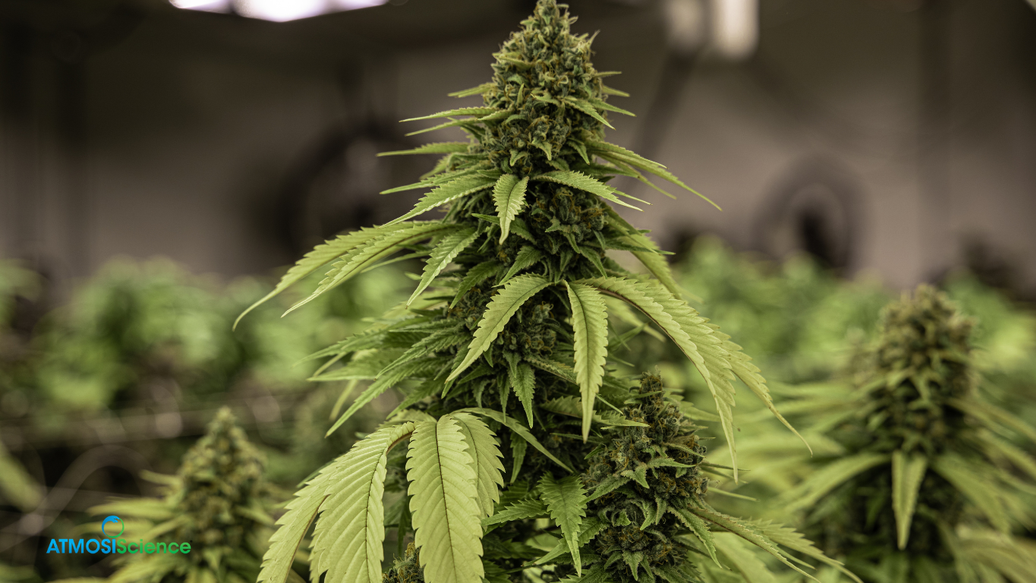
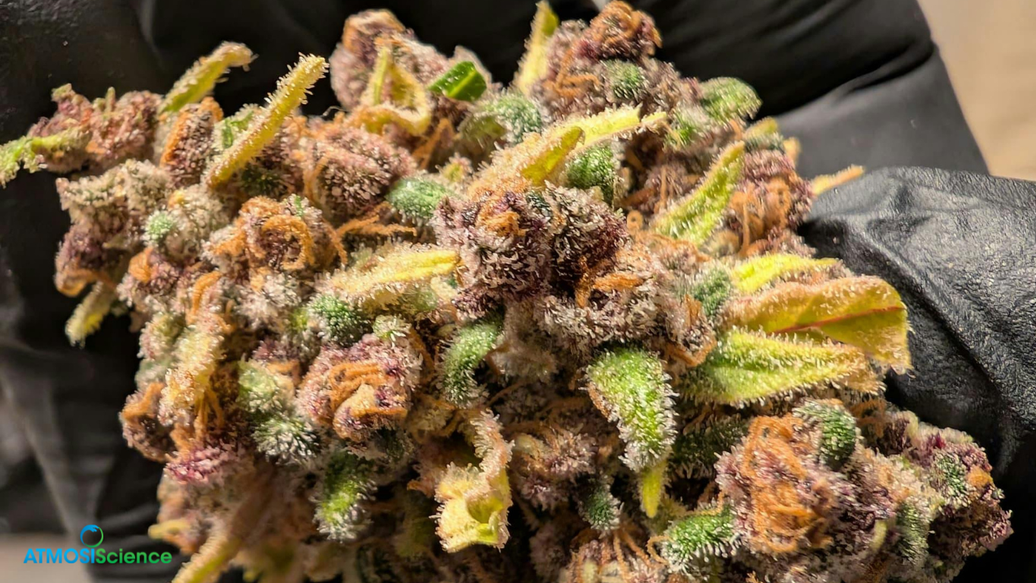
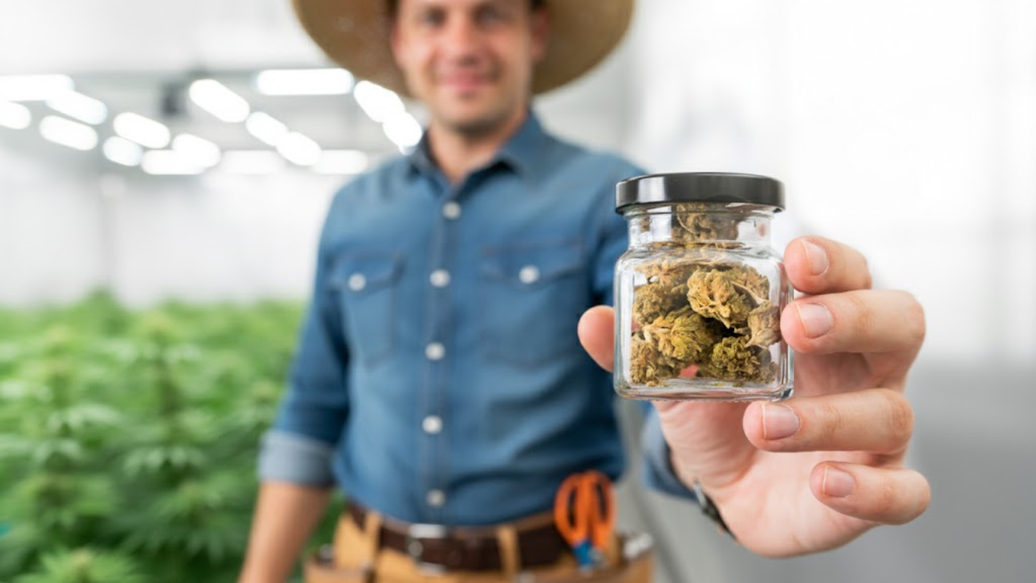
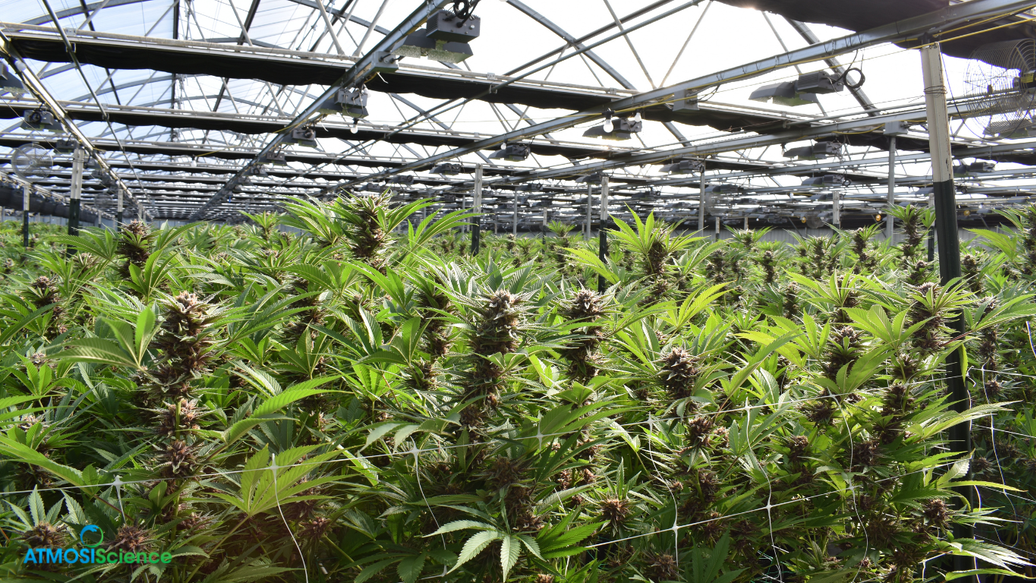
Two identical clones, same room, same feed, same lamp hours — and the lab still prints two different THC numbers. Cultivators already know cannabis is a complex plant. What fewer cultivators realize is that post-harvest moisture movement can swing a reported potency number by a full percentage point — enough to drop a batch out of its price tier and out of a dispensary's contract window. Here's the science, and how RH stability protects the test result on the Certificate of Analysis.
Why genetics-are-stable doesn't mean results-are-stable
Cannabis isn't a commodity grain. It's a complex, multi-secondary-metabolite plant whose output depends on a stack of variables, many of which fluctuate slightly from harvest to harvest even in the most controlled facilities. Yield and potency vary because:
- Phenotype expression. Clonal cuts from the same mother can still express different cannabinoid and terpene profiles depending on which node the cut came from and when.
- Micro-environment drift. Light intensity at canopy edges, airflow pockets, and localized VPD variations produce measurable output differences between plants in the same room.
- Feed and irrigation timing. Small differences in late-flower feed or flush protocols shift THC and terpene concentrations in the final cure.
- Harvest window. Trichome maturity at cut affects the cannabinoid profile and is difficult to hit perfectly across a full crop.
- Post-harvest moisture movement — the variable most cultivators underweight — quietly reshapes what the lab sees.
The first four you can partially engineer around with standardization. The fifth is the one that flips a COA after you've already made every other decision correctly.
The hidden variable on every COA: moisture
Here's the core science every cultivator needs internalized: cannabinoids are reported as a percentage of total sample mass. Total sample mass includes water. When moisture leaves the flower, the denominator shrinks, and reported THC, CBD, and total cannabinoids mathematically climb.
That sounds like good news — "dry it out more, get a higher number" — until you understand what else leaves with the water.
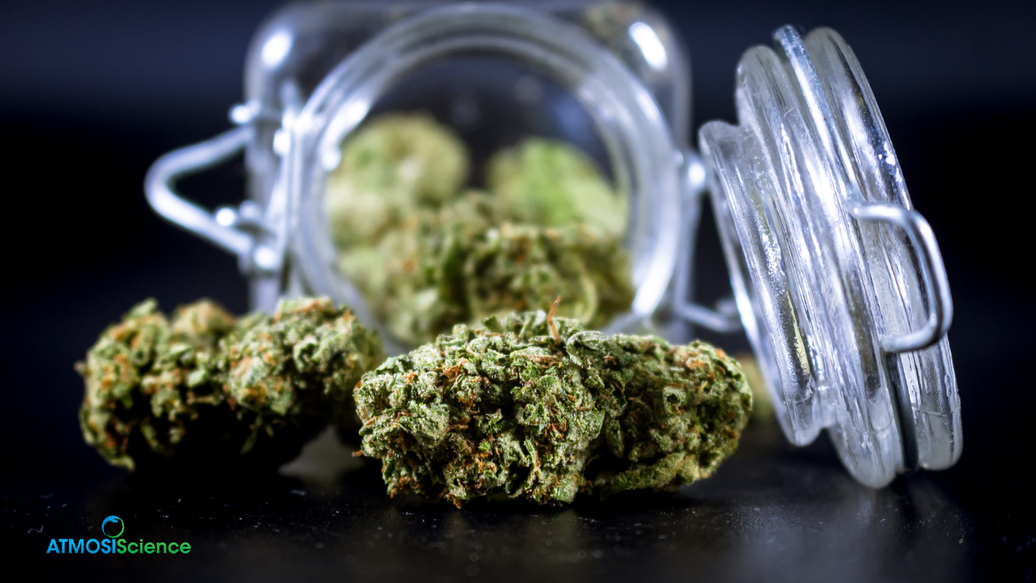
The terpene paradox. Terpenes are volatile organic compounds. They co-evaporate with water when RH drops. So yes: flower held in a low-humidity environment shows a higher THC percentage on paper — but that "higher potency" sits on top of a degraded aroma and flavor profile. The buyer smells it, tastes it, and either offers less or walks.
What happens between harvest and lab
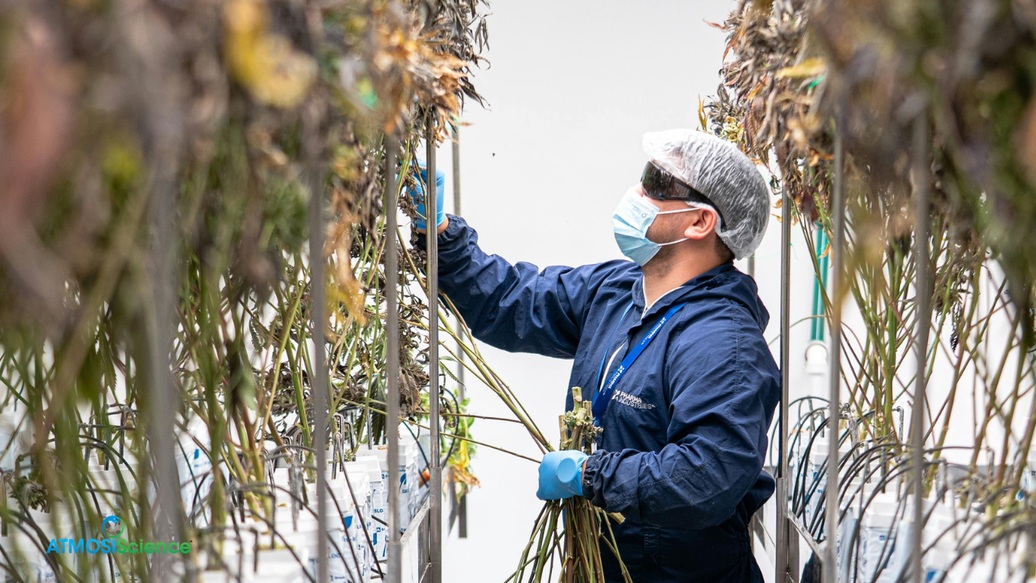
Most cultivators test twice: once pre-cure for internal QA, and once at release for state compliance and dispensary paperwork. Between those two tests, flower moves through cure, bulk storage, and often another transfer before sampling. In every one of those stages, RH can drift.
The tier-pricing economics
Dispensaries and distributors price flower in potency tiers. The exact bands vary by market, but the pattern is consistent: every tier crossed moves wholesale price by a meaningful step. A typical mature-market pricing ladder looks something like the table below.
| THC Tier | Typical Wholesale Range | Dispensary Retail Cue |
|---|---|---|
| 25%+ (Top-shelf) | $1,800 – $2,500 / lb | Premium brand, feature placement |
| 22 – 24.9% (Mid-shelf) | $1,200 – $1,700 / lb | Standard shelf, repeat buyers |
| 18 – 21.9% (House) | $700 – $1,100 / lb | Value tier, budget shoppers |
| < 18% (Biomass / value) | $100 – $400 / lb | Pre-rolls, extraction, discount |
Now overlay the science: a 2-percentage-point moisture swing on a flower sample can shift reported cannabinoid percentages by a full percentage point or more. That's the entire width of a tier band. A batch that tests at 22.3% THC at proper 11% moisture may test at 24.1% after over-drying — gaining a tier on paper but losing terpenes and risking the retail buyer rejection that follows.
Worse: the same batch stored above 62% RH can gain water weight before sampling, pulling reported THC down and dropping the batch out of its contracted tier. Dispensary contracts that specify "25%+" lock-ins get voided. The cultivator eats the spread.
How RH stability protects the test result
The simplest, highest-leverage intervention available to a cultivator who wants consistent COAs is holding every post-harvest stage — dry, cure, bulk, pack — inside the 55–62% RH band. When moisture content stays locked at 10–13%, three things happen:
- Cannabinoid percentage stops being a moving target. The denominator (sample mass) is stable, so reported THC reflects the plant's actual chemistry, not the storage environment's.
- Terpenes stay in the bud. At target RH, monoterpenes and sesquiterpenes don't volatilize off. Total terpene numbers on the COA hold.
- Batch-to-batch results get consistent. Two harvests of the same genetics stored to the same RH standard return COAs that actually look alike — which is what dispensary contracts require.
How ATMOSIScience locks your RH at every stage
| Stage | Target RH | Recommended ATMOSI product | Why it matters for the COA |
|---|---|---|---|
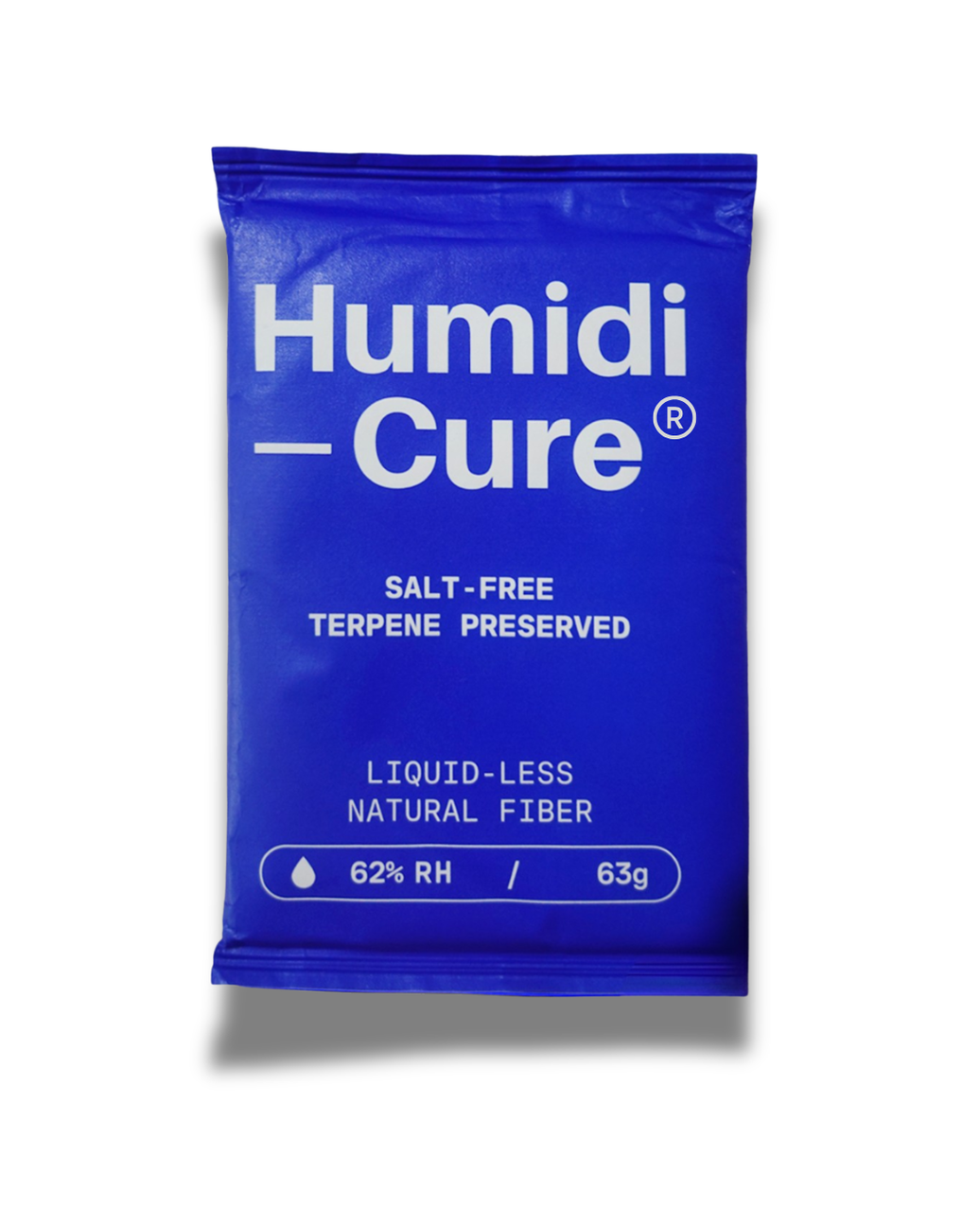
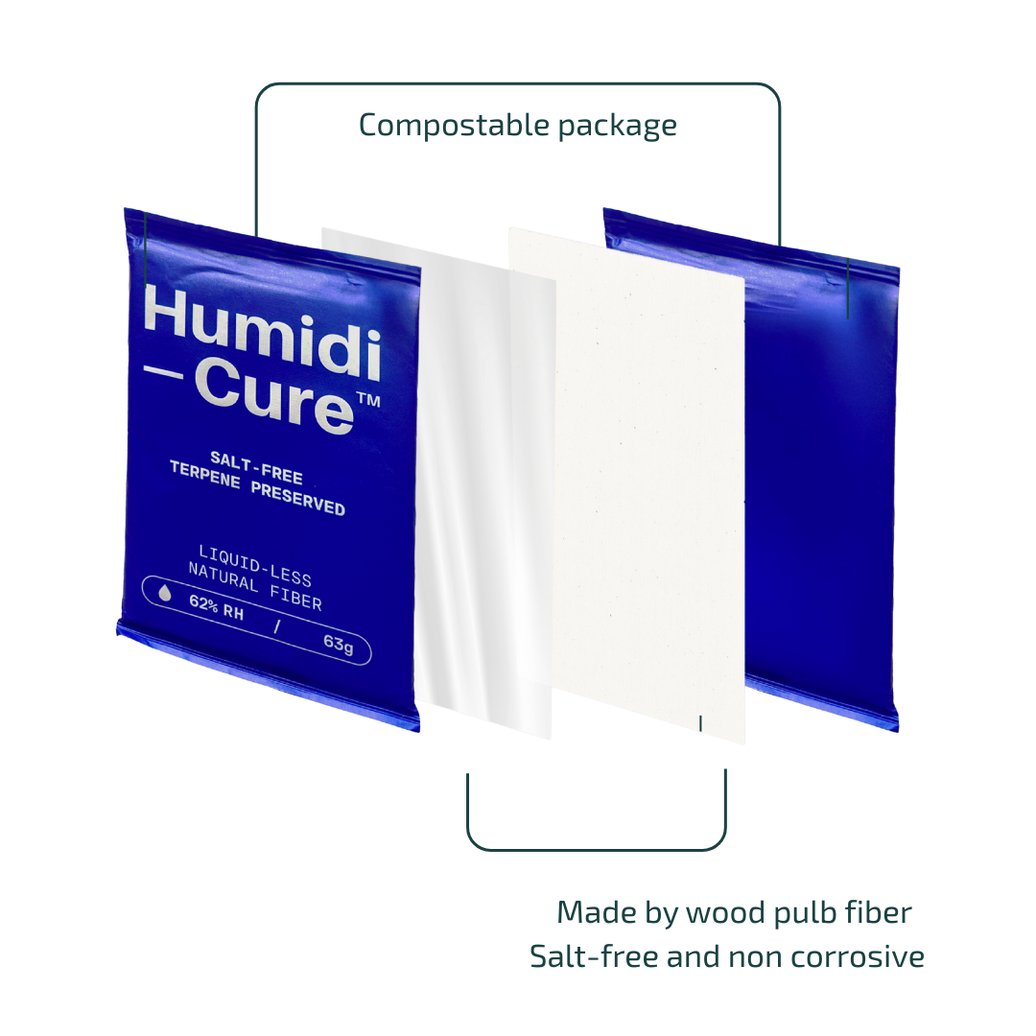
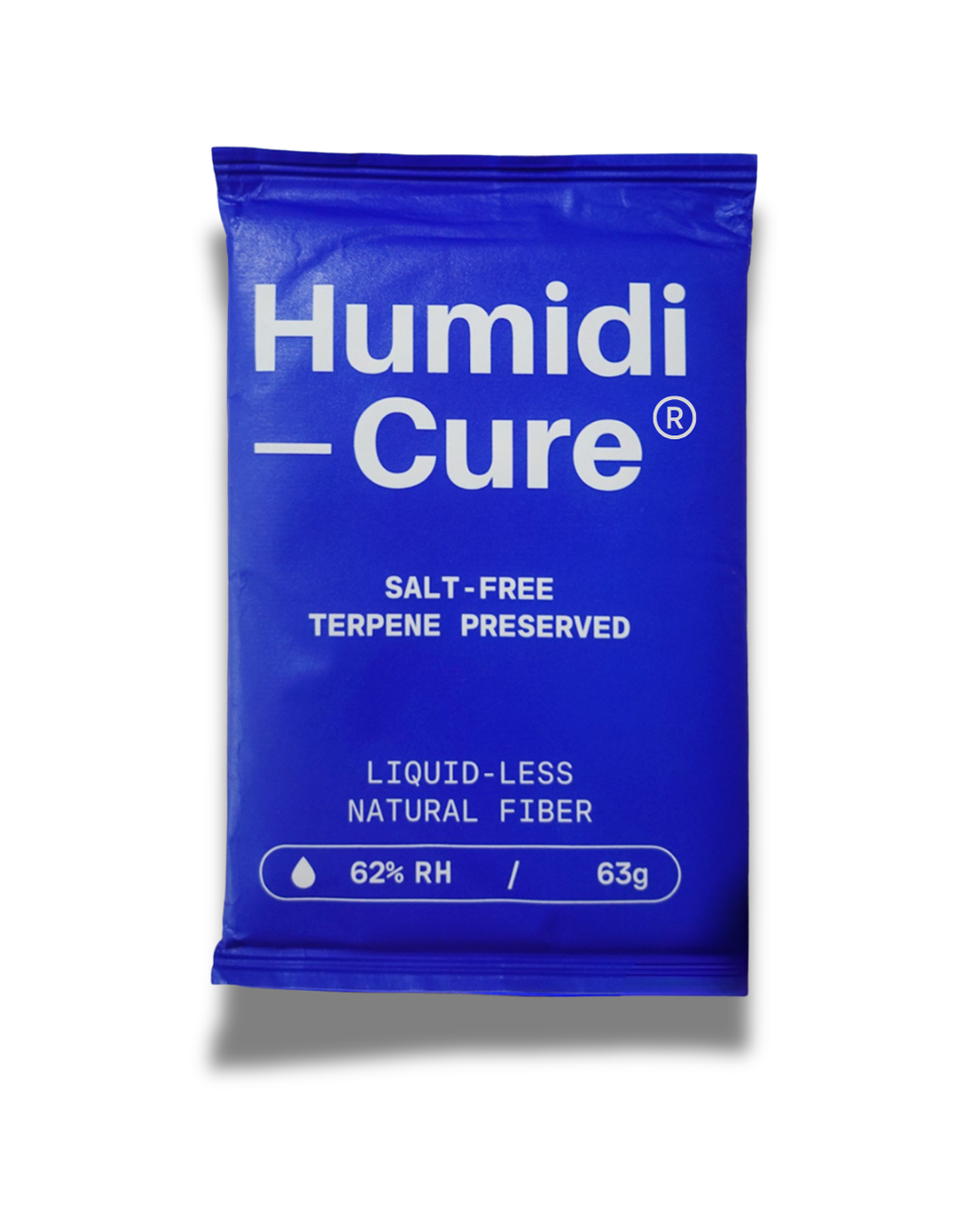
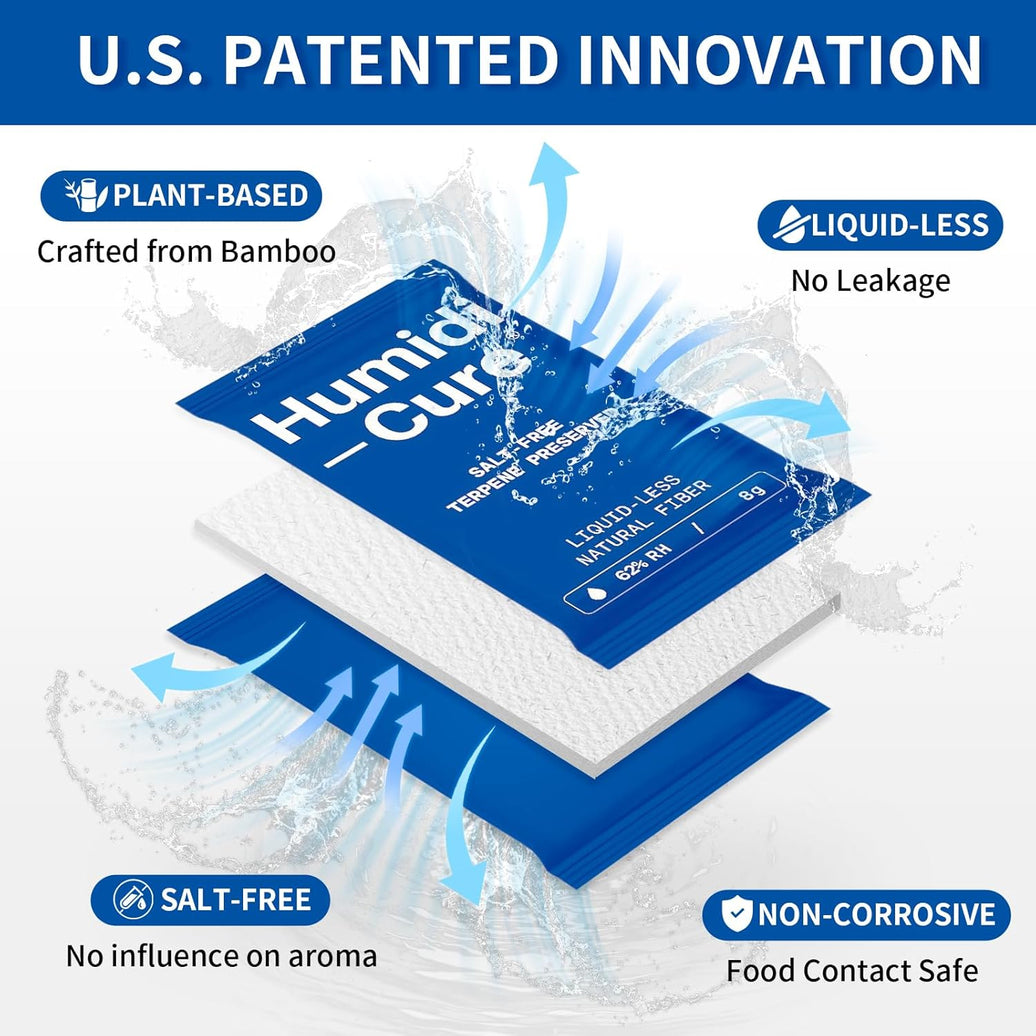
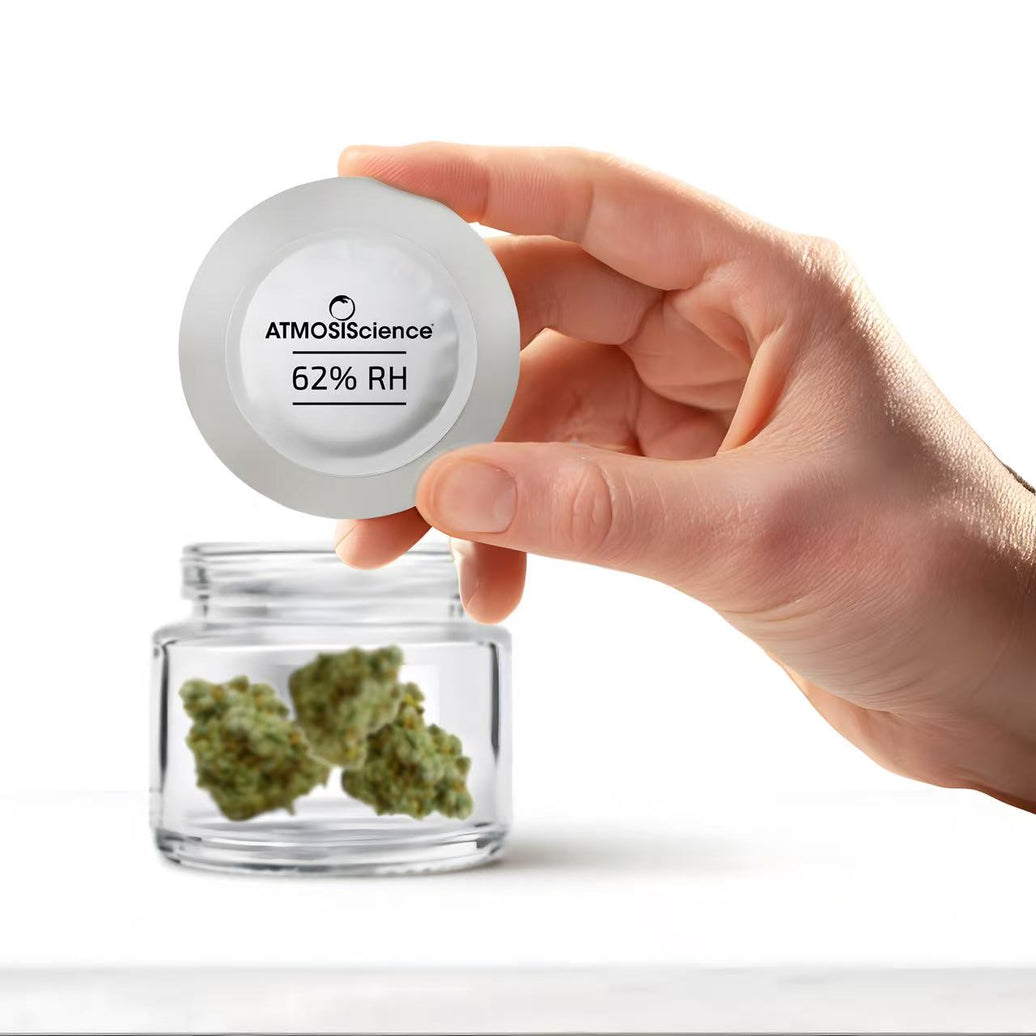
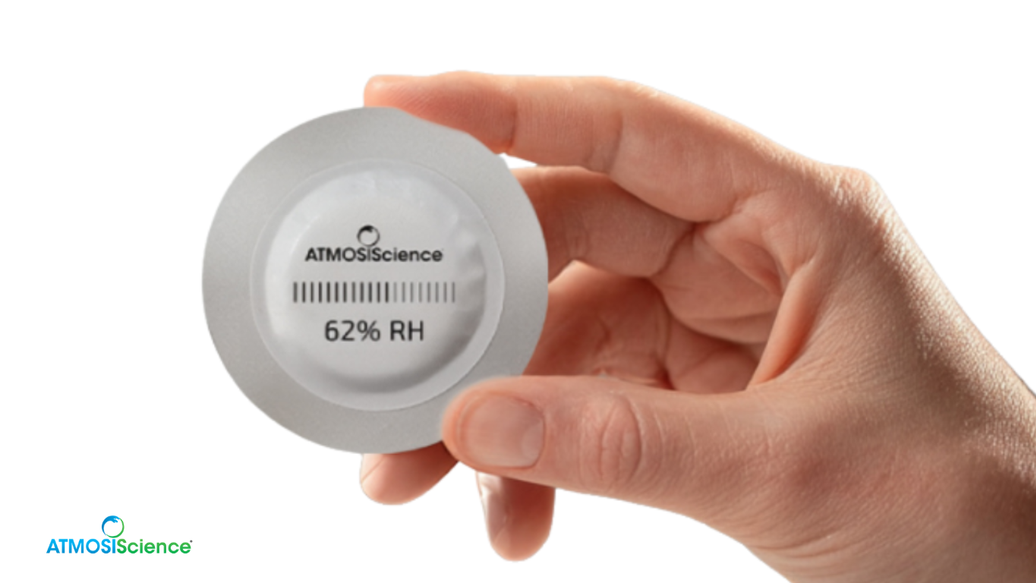
| Cure (14–21 days) | 62% | Humidi-Cure Plus 62 | Stops over-dry cure that artificially pumps THC reading |
| Bulk storage | 58–62% | Humidi-Cure Plus 58/62 | Holds sample weight stable between QA and release tests |
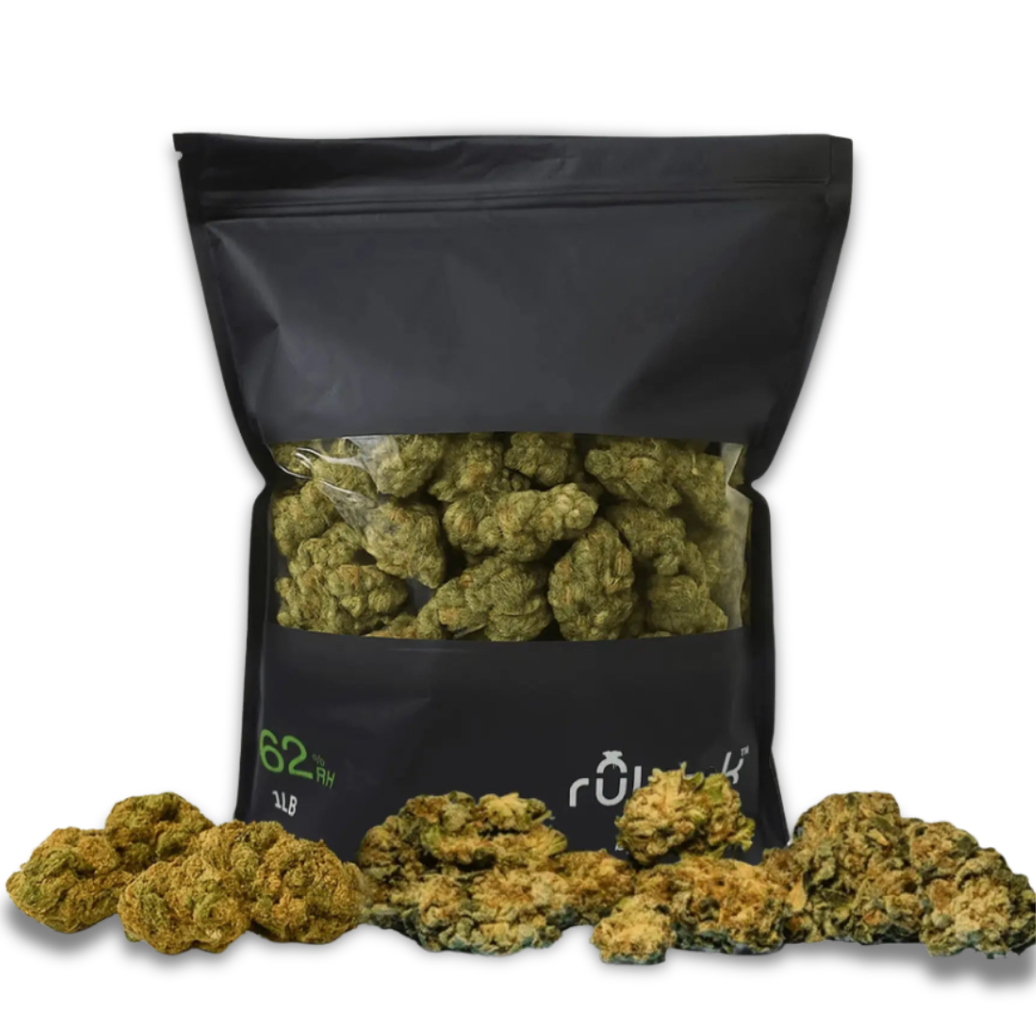
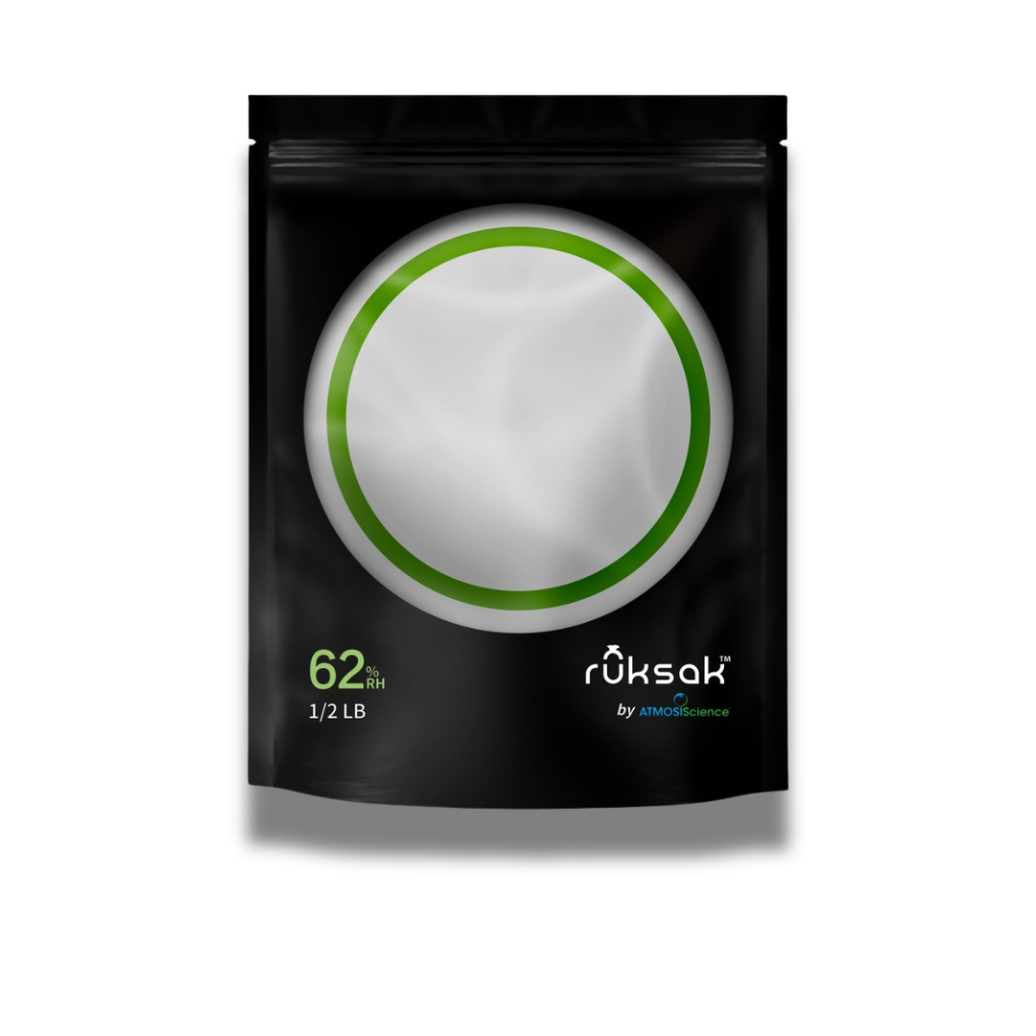
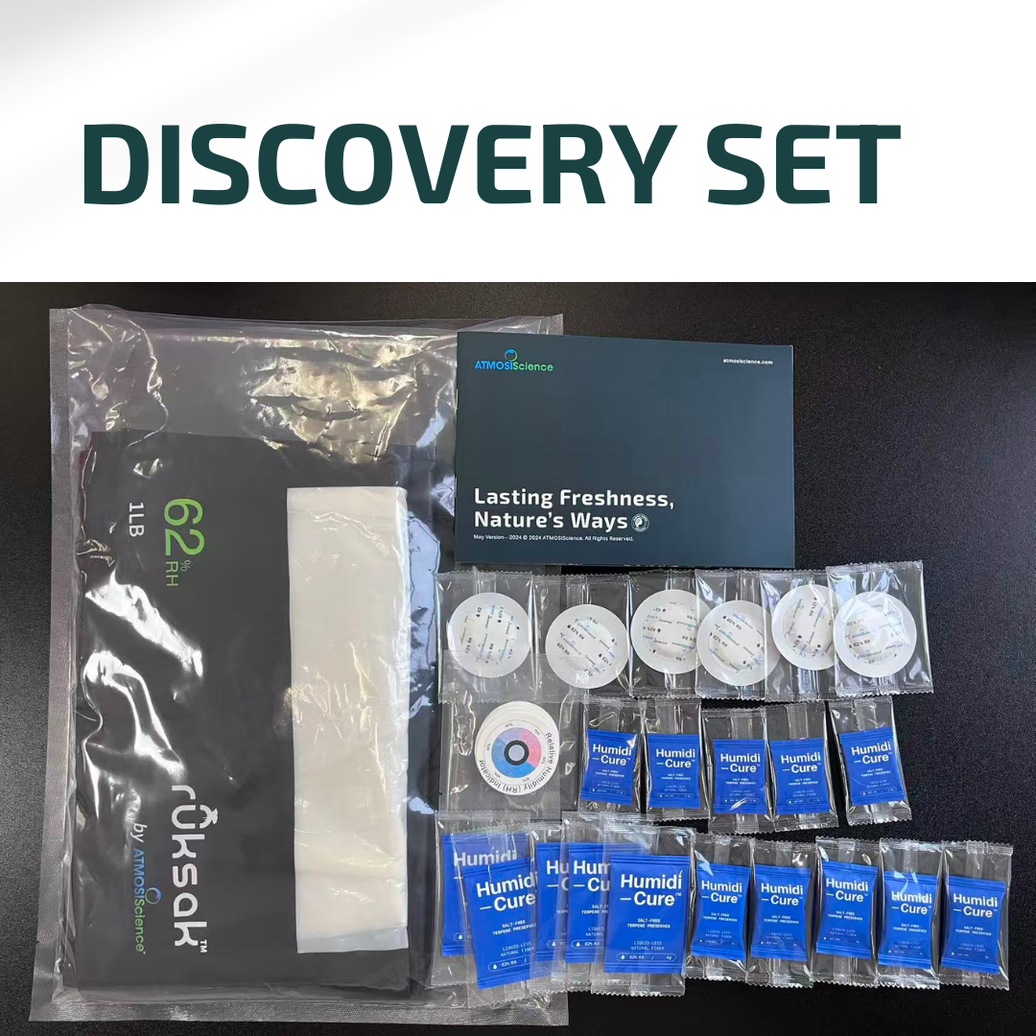
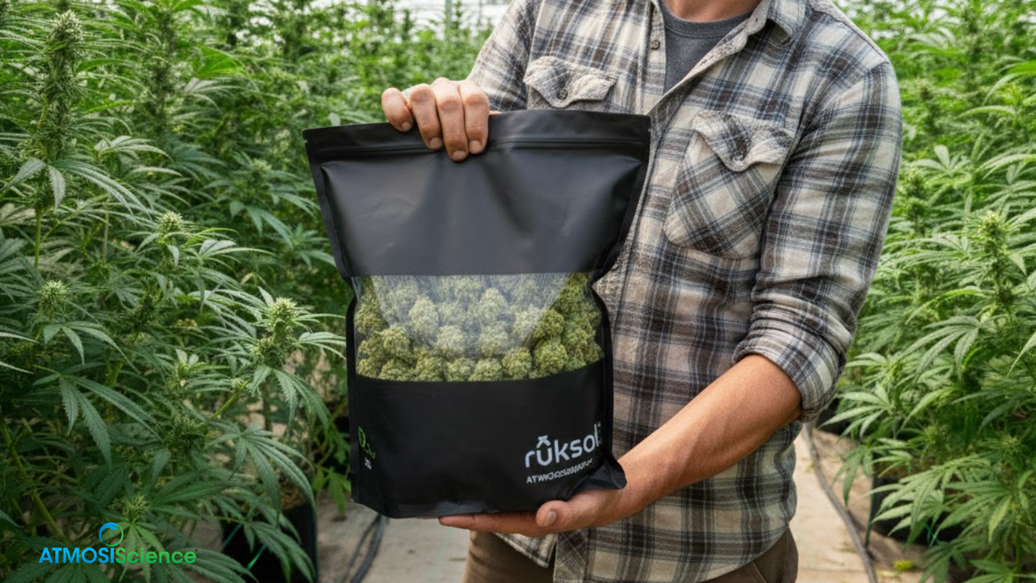
| Retail / D2C | 58% | ruksak (compostable) / fiber desiccant | Preserves terpene profile until shelf sale |
| Cure room monitoring | Continuous | HaaS IoT Platform | Real-time RH telemetry with alerts for compliance auditing |
Rule of thumb: If your COA spread between batches of the same cultivar is wider than 1.5 percentage points THC, RH instability is almost certainly the largest uncontrolled variable in your post-harvest chain. Fixing it is one of the cheapest process improvements available.
The certifications behind the media
Cultivators operating under state compliance regimes can't afford humidity-control media that fails a residual-solvent or heavy-metals panel. Every ATMOSIScience product is manufactured to audited standards:
- FDA-approved food-grade desiccant materials — safe for direct contact with consumable flower.
- FSSC 22000 and ISO 23 manufacturing at Shanghai Hengyuan — full traceability.
- ROHS compliance — no restricted heavy metals or solvents that could contaminate a batch.
- Compostable certification on ruksak — meets sustainable-brand packaging claims.
- GMP Factory documentation on request — for operators whose own SOPs require it.