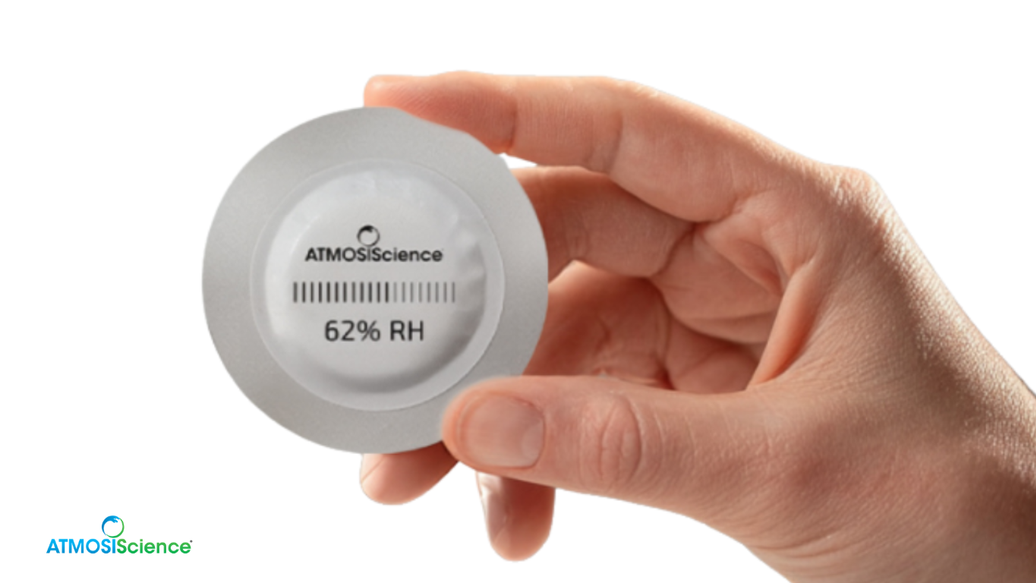
Looking for a Boveda alternative for your weed jars? Both Boveda and Humidi-Cure® hold cured flower at 62% RH. The difference is what’s inside the pack. Boveda runs on a salt-and-water solution sealed in a membrane. Humidi-Cure does the same 2-way job with a dry plant-fiber matrix, so there’s no liquid to leak and no salt to crystallize.
Heads up: Boveda’s cannabis line is now sold under a new name, Vivi (Vivi Fresh for storage, Vivi Cure for curing). Same company, same salt-solution approach.
Quick answer
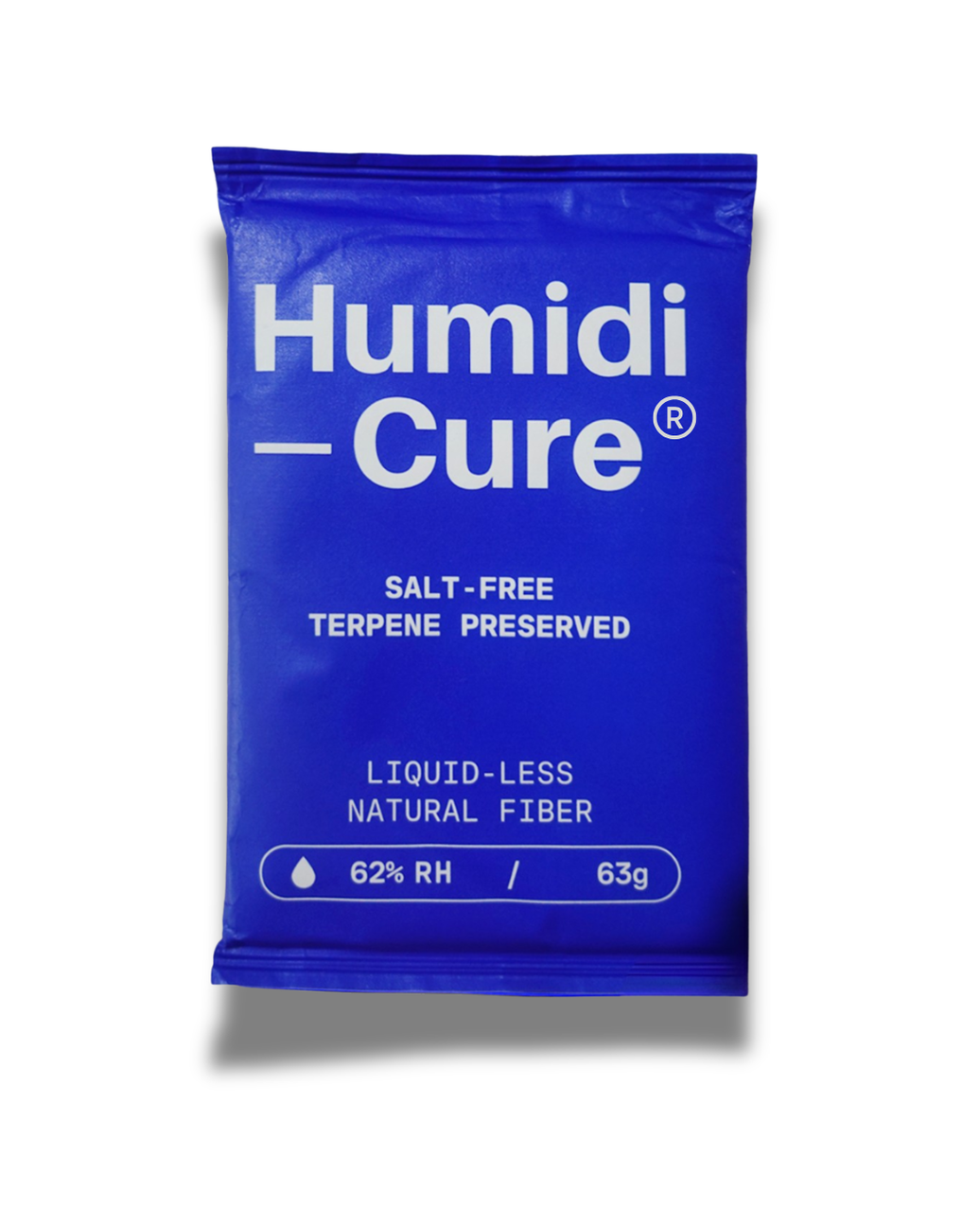
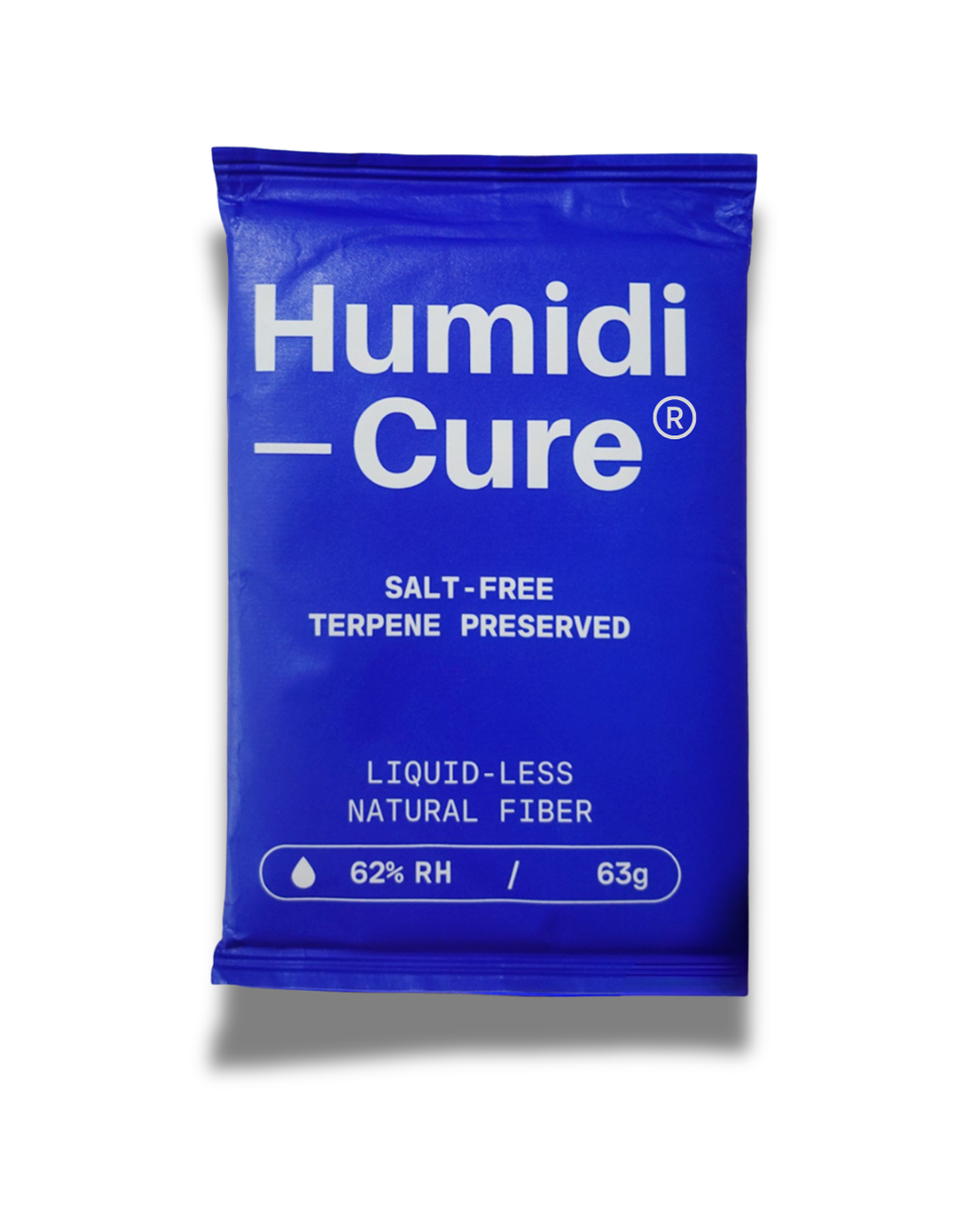
Want 62% without a salt solution sitting on your flower? Humidi-Cure® 62% comes in 1.5g (1/8 oz jar), 4g (1/2 oz) and 8g (1 oz), in boxes of 10 or 20. Up to 120 days a pack.
How each technology works
Salt-solution packs hold a saturated salt-and-water solution inside a membrane envelope. A saturated salt solution naturally pulls the air around it to a fixed RH. It’s reliable, well-proven chemistry. The pack takes in or gives off water vapor through the membrane until the container hits the target. As it gives up water it slowly stiffens, and a pack that’s hard all the way through is spent.
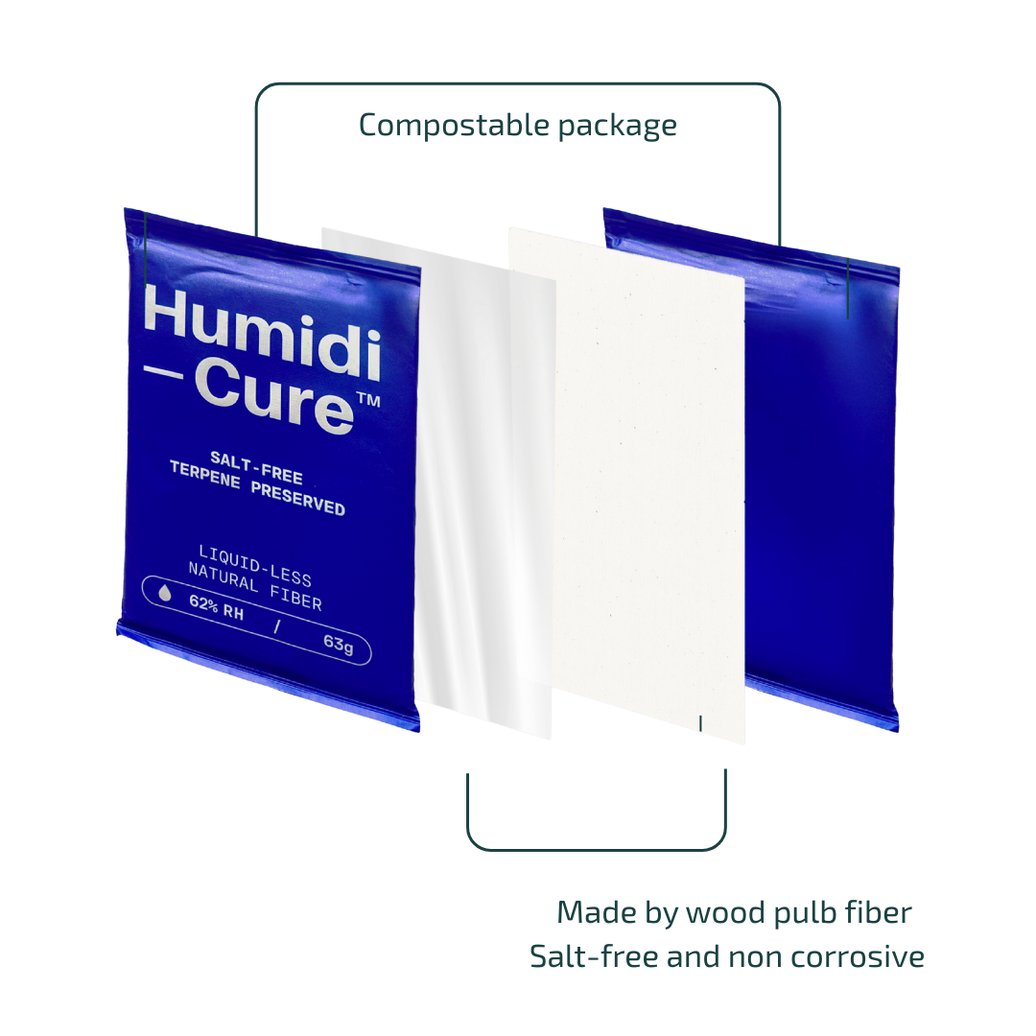
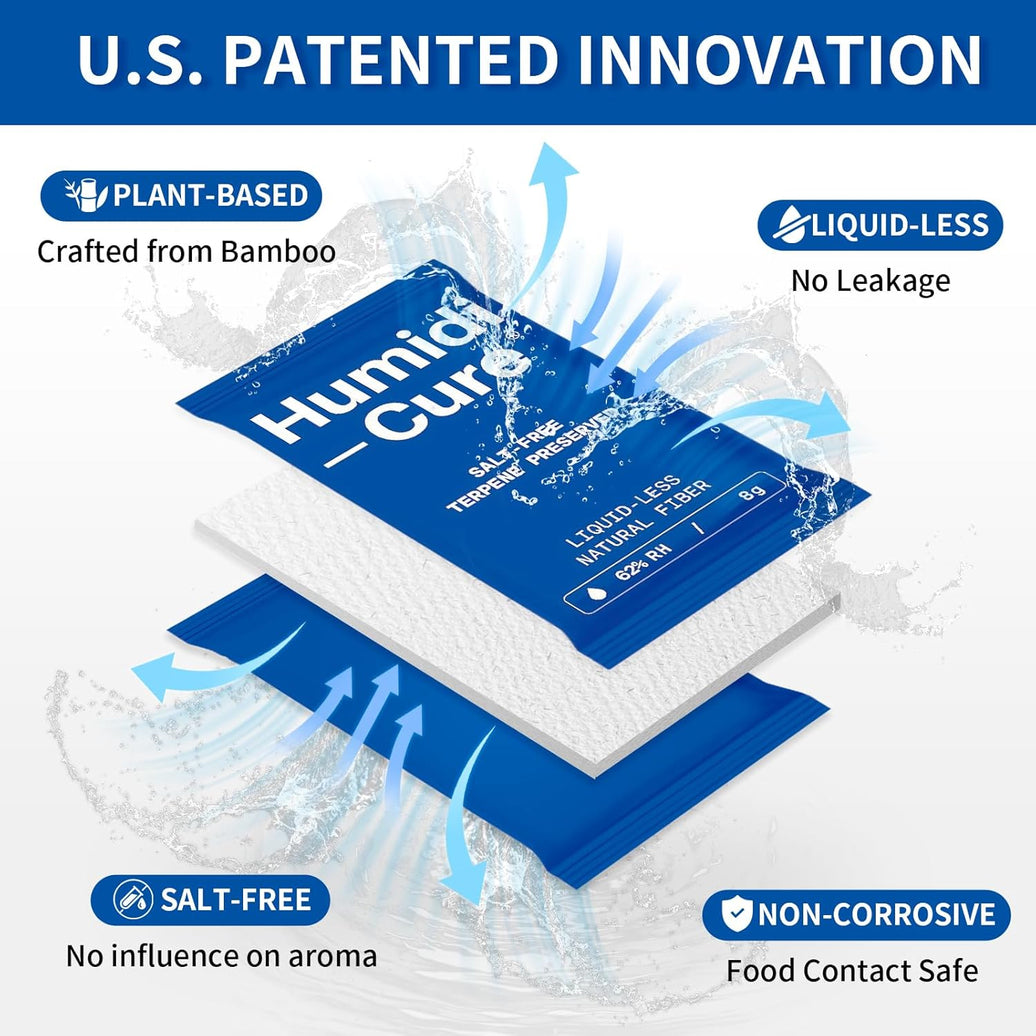
Fiber-based packs use an engineered plant-fiber matrix that adsorbs and releases water vapor across a huge internal surface area, tuned to settle at 62% RH. There’s no liquid reservoir. The water is held in the fiber structure itself. The mechanism is explained in the smart sponge effect.
Humidi-Cure vs Boveda: side by side
| Factor | Boveda / Vivi (salt solution) | Humidi-Cure® 62% (fiber) |
|---|---|---|
| 2-way control at 62% RH | Yes | Yes, tested by MCR Labs |
| What’s inside | Saturated salt solution (liquid) | Dry plant-fiber matrix, no liquid |
| If the pack gets punctured | Liquid can reach the flower | Nothing leaks, fiber stays dry to the touch |
| How long a pack lasts | 2 to 4 months in an airtight container, per Boveda | Up to 120 days, depending on seal and how often you open the jar |
| How you know it’s spent | Pack turns rock hard all the way through | Doesn’t harden, so check jar RH with a hygrometer |
| Sizing | Numbered sizes (4, 8, 67, 320); Vivi Fresh sized by flower amount | 1.5g for 1/8 oz, 4g for 1/2 oz, 8g for 1 oz |
How long do Boveda packs last compared with Humidi-Cure?
Boveda says its 62% cannabis pack lasts 2 to 4 months in an airtight container and recommends replacing it about every 3 months. Humidi-Cure 62% is rated for up to 120 days. In practice both follow the same rule: the seal decides. A jar you open every day, or a lid that doesn’t seal, burns through any pack faster.
How many humidity packs per ounce?
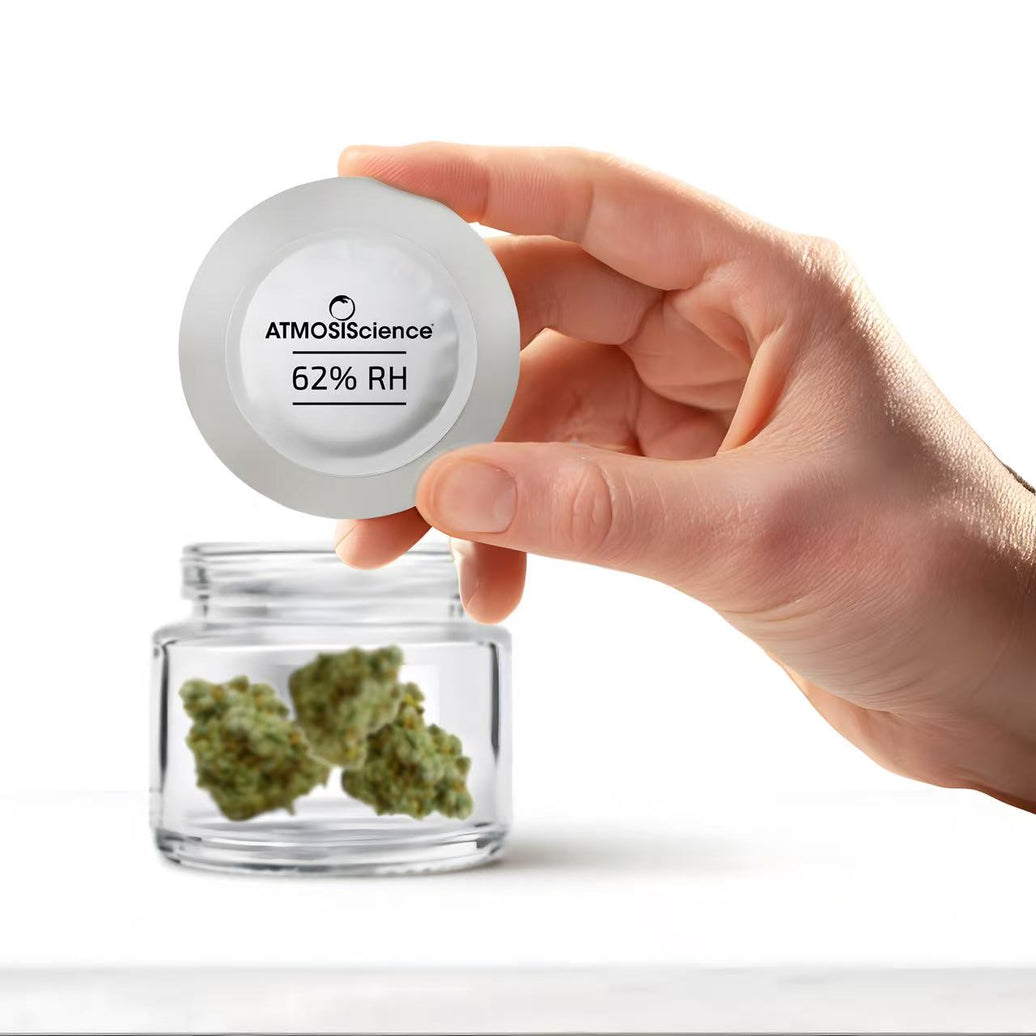
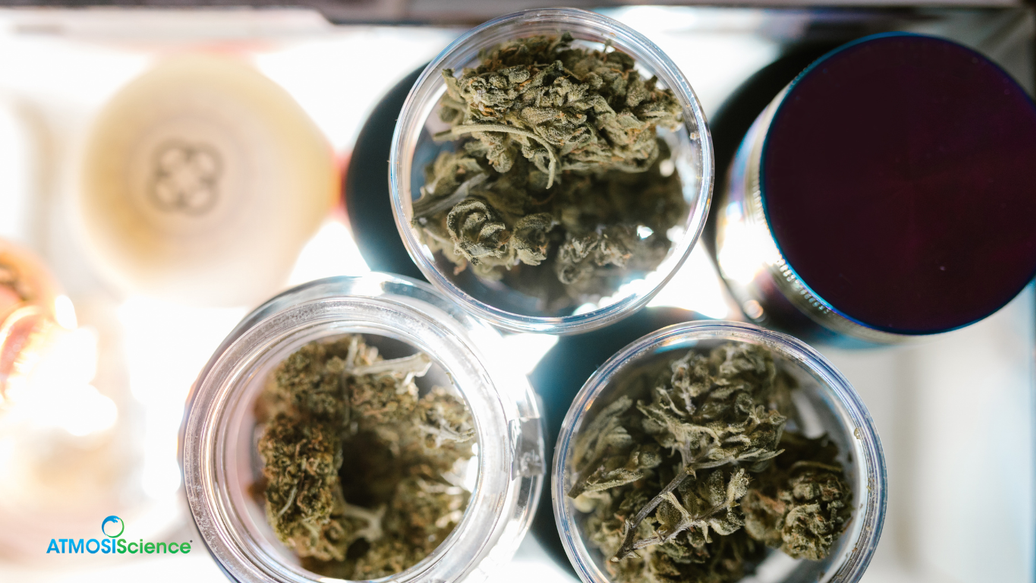
One pack sized to the amount of flower. For Humidi-Cure that’s a 1.5g pack for 1/8 oz in a 1 to 2 oz jar, a 4g pack for 1/2 oz in a 5.5 to 7 oz jar, and an 8g pack for 1 oz in an 8 to 10 oz jar. Between sizes, size up. Vivi gives the same advice for its packs: if you’re unsure, size up or add a pack. The full breakdown is in how many humidity packs per ounce.
What actually matters in a home grower’s jar
Stability over months. Both technologies hold cured flower in the 62% band. The real question is drift and lifespan. Any pack in a jar that gets opened a lot works harder and dies sooner. A cheap hygrometer in the jar tells you when the pack is losing.
Contact. Packs sit right on your flower for months. A fiber pack has no salt solution inside, so a nick in the wrapper doesn’t turn into a wet spot on your buds.
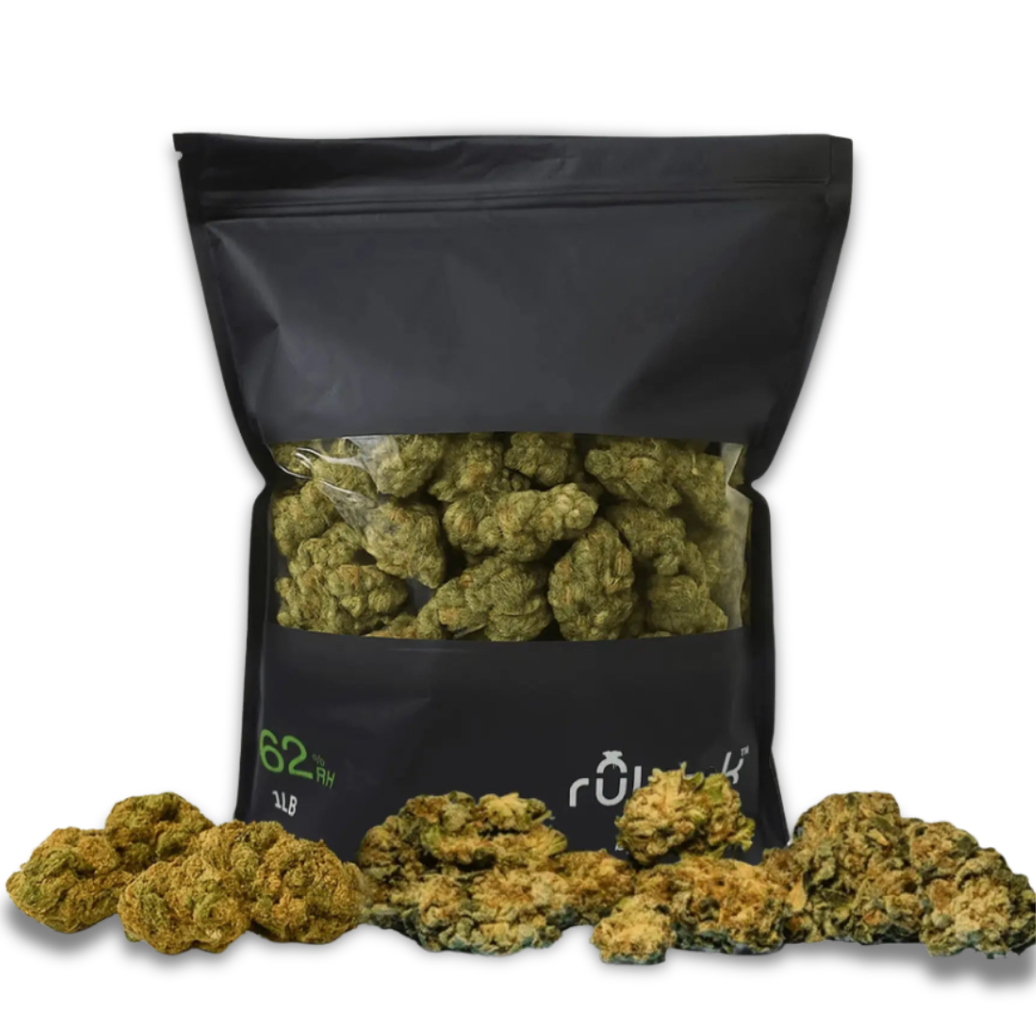
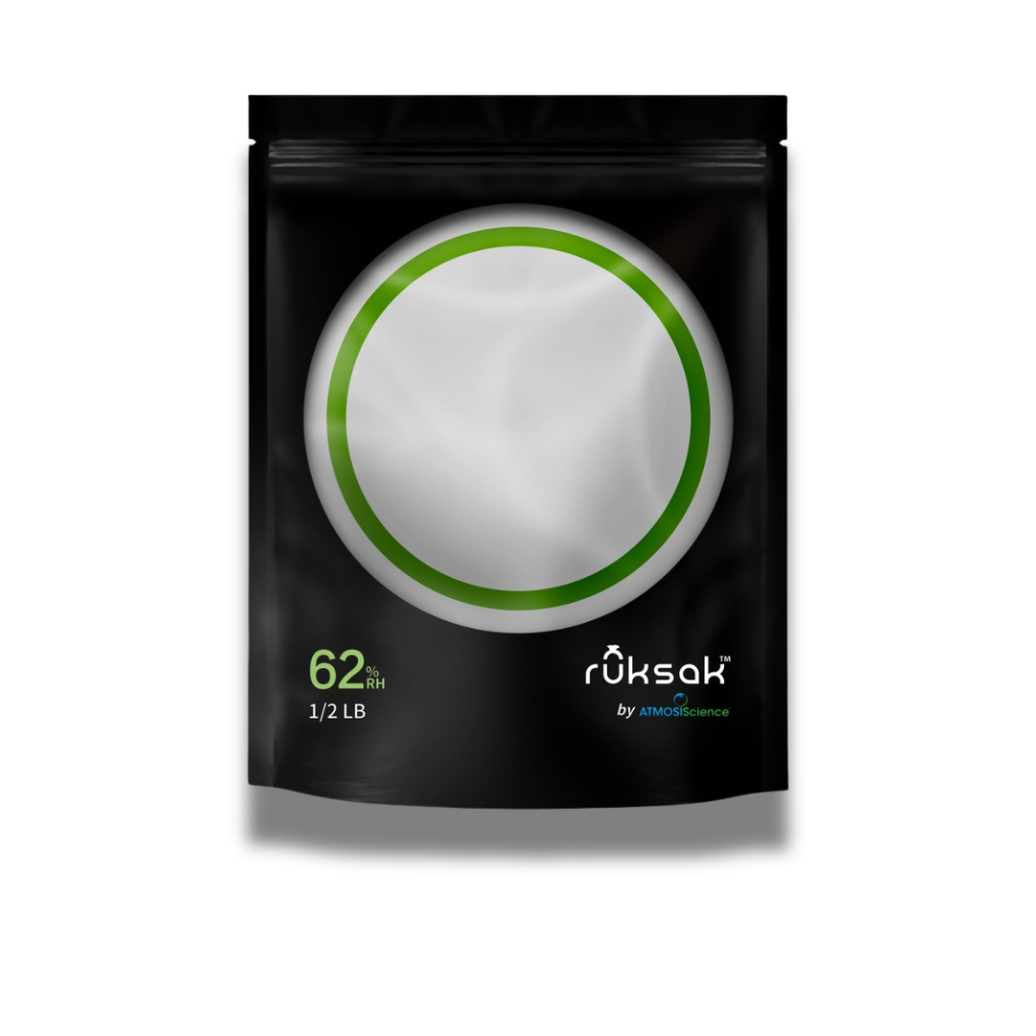
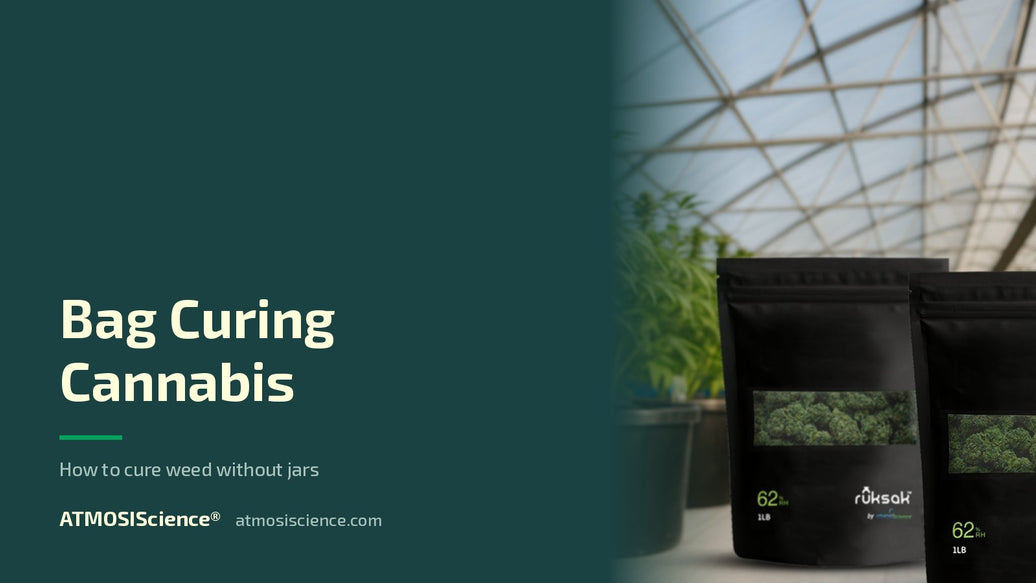
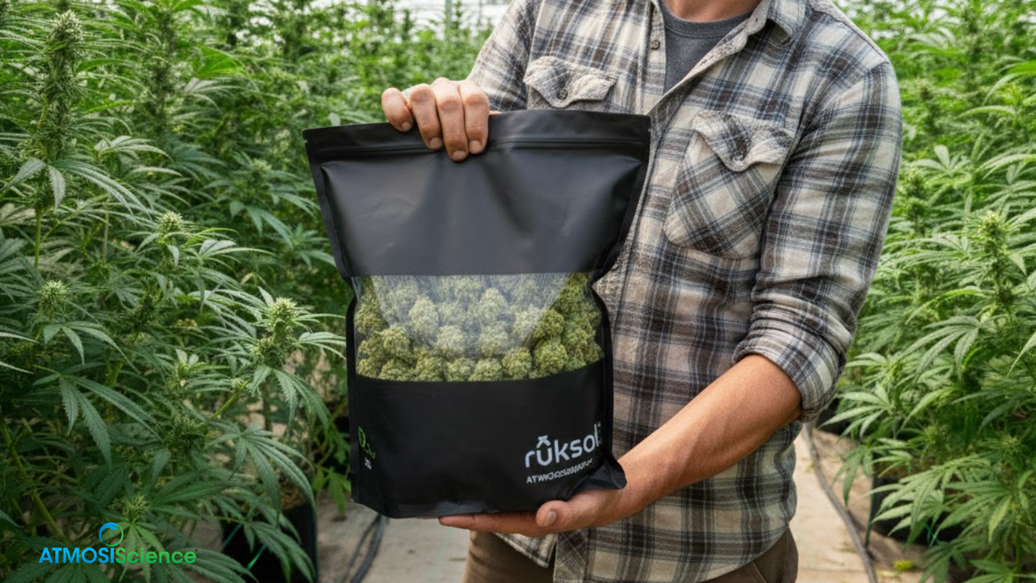
Scale. Packs suit jars. For a whole harvest, the same fiber technology is built right into the ruksak® storage bag. One container, no separate packs to track.
Try fiber-based 62% RH
Same 62%. No salt solution.
Humidi-Cure® 62% keeps your jars where you want them for up to 120 days a pack. Pick your size by jar, or grab a 20-pack box if you’re filling a lot of jars this harvest.
FAQ
What’s a good Boveda alternative for weed?
Any 2-way pack that holds 62% RH will do the same job. If you’d rather not have a salt solution in your jar, a fiber-based pack like Humidi-Cure® 62% holds the same target with no liquid inside.
Is 62% or 58% RH better for cannabis?
62% favors aroma, weight and a smooth burn. 58% gives a slightly crisper bud and a bit more mold margin in humid climates. The full decision tree is in 62 vs 58 vs 65 RH.
How many packs per jar?
One pack sized to the flower: 1.5g for 1/8 oz, 4g for 1/2 oz, 8g for 1 oz. Add a second pack for very dry starting flower or a jar packed past the chart.
Do fiber packs expire?
Fiber packs don’t go rock hard like salt packs. Humidi-Cure is rated for up to 120 days in a sealed jar. A hygrometer in the jar shows you when RH starts slipping below target.
Is Boveda now Vivi?
For cannabis, yes. Boveda moved its herbal packs to a new brand called Vivi. Boveda still sells packs for cigars, instruments and other uses under the Boveda name.