The difference between a great commercial cure and a profitable one is repeatability. This SOP is built for licensed cultivation operations sealing 50+ lb / month, where every batch needs to hit the same RH target, the same weight-loss ceiling, and the same terpene profile — without depending on the head grower's intuition. The protocol below covers Day 0 (chop) through Day 60 (retail pack-out), with the room conditions, container handling, weight checkpoints, and humidity targets at every stage.
Phase map
| Phase | Days | RH target (room) | RH target (container) | Weight-loss ceiling |
|---|---|---|---|---|
| Dry | 0–10 | 55–60% | n/a | 65–70% (water mass leaving) |
| Initial cure | 10–21 | 60–62% | 62% | ≤ 1.0% across phase |
| Stabilization | 21–45 | 60–62% | 62% | ≤ 0.5% across phase |
| Pre-pack staging | 45–55 | 60–62% | 62% (or 58% for archive) | ≤ 0.3% across phase |
| Pack-out | 55–60 | 60–62% | 62% in retail unit | ≤ 0.5% across phase |
Total weight loss target across days 10–60: ≤ 2.3%. Operations hitting this consistently outperform peers by 4–8 percentage points on the cure-room weight-loss math.
Equipment baseline
Every cure room running this SOP needs:
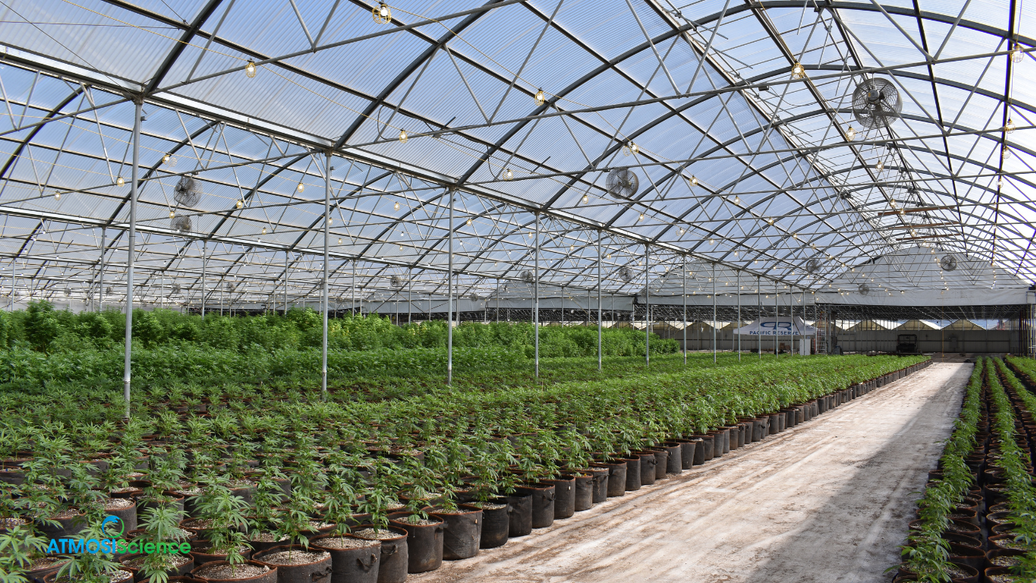
- HVAC capable of holding 60–62% RH and 18–21°C continuously, with one set point.
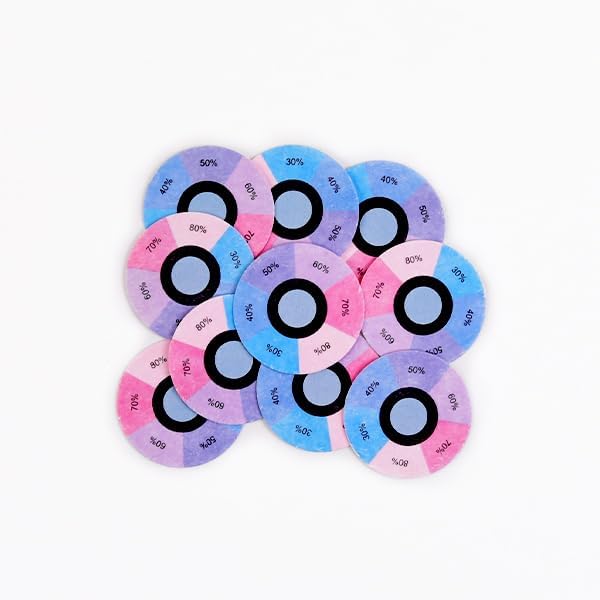
- A datalogger network: one room sensor, plus one inside a representative cure jar at each rack height.
- Calibrated benchtop scale (±0.1 g for sample weights, ±10 g for batch totals).
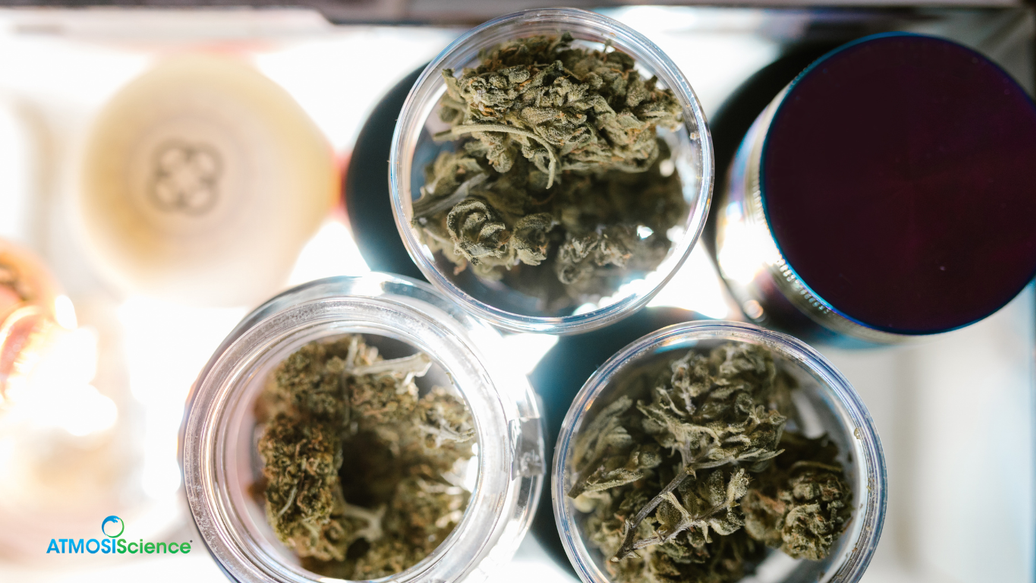
- Wide-mouth glass cure jars (1-gallon or 5-gallon) or food-grade HDPE bins.
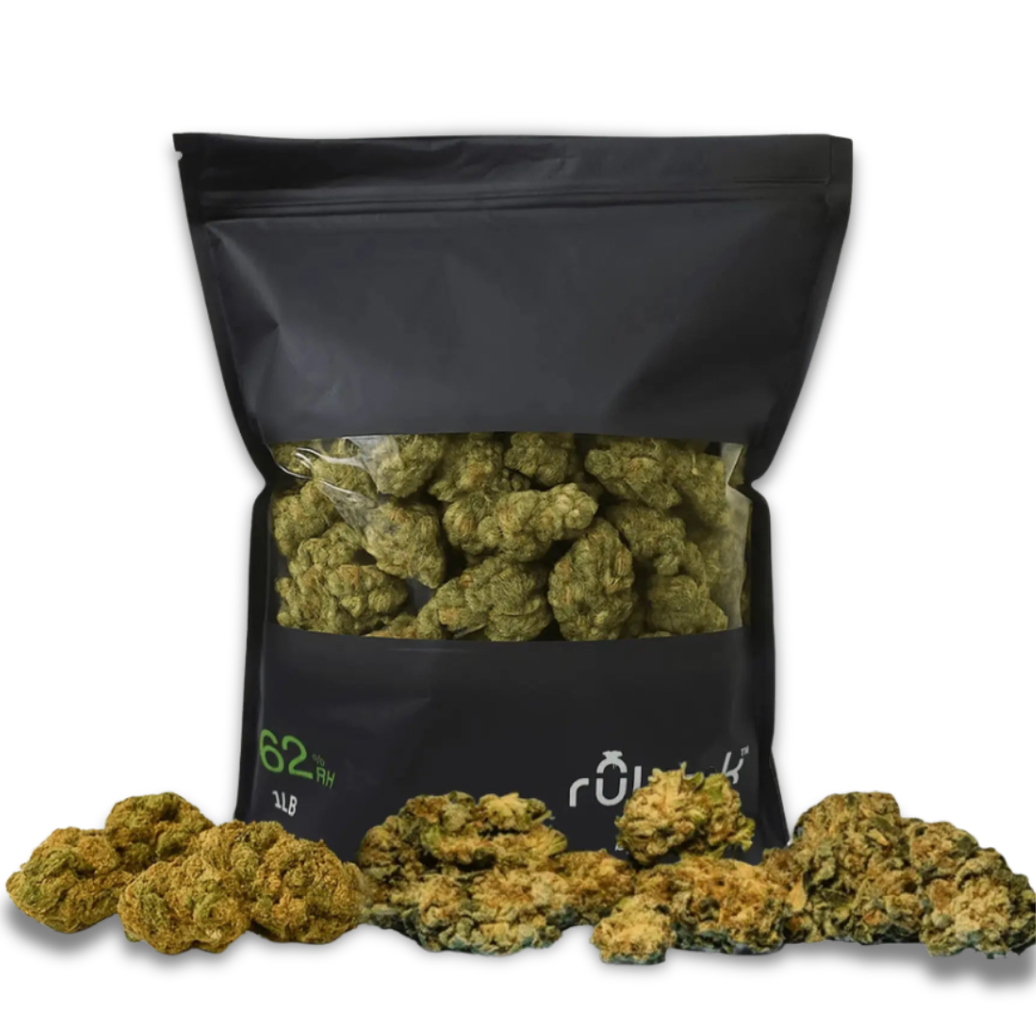
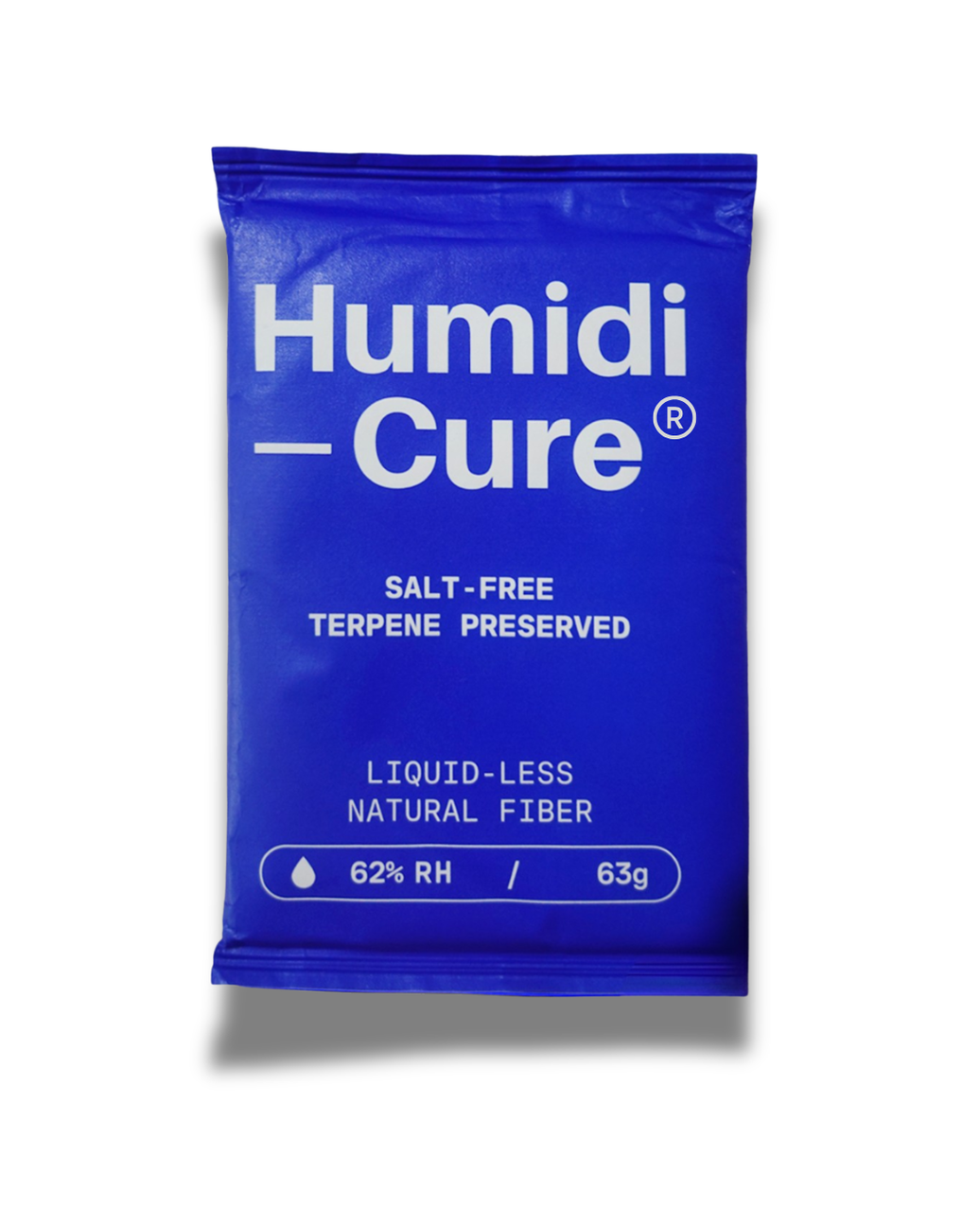
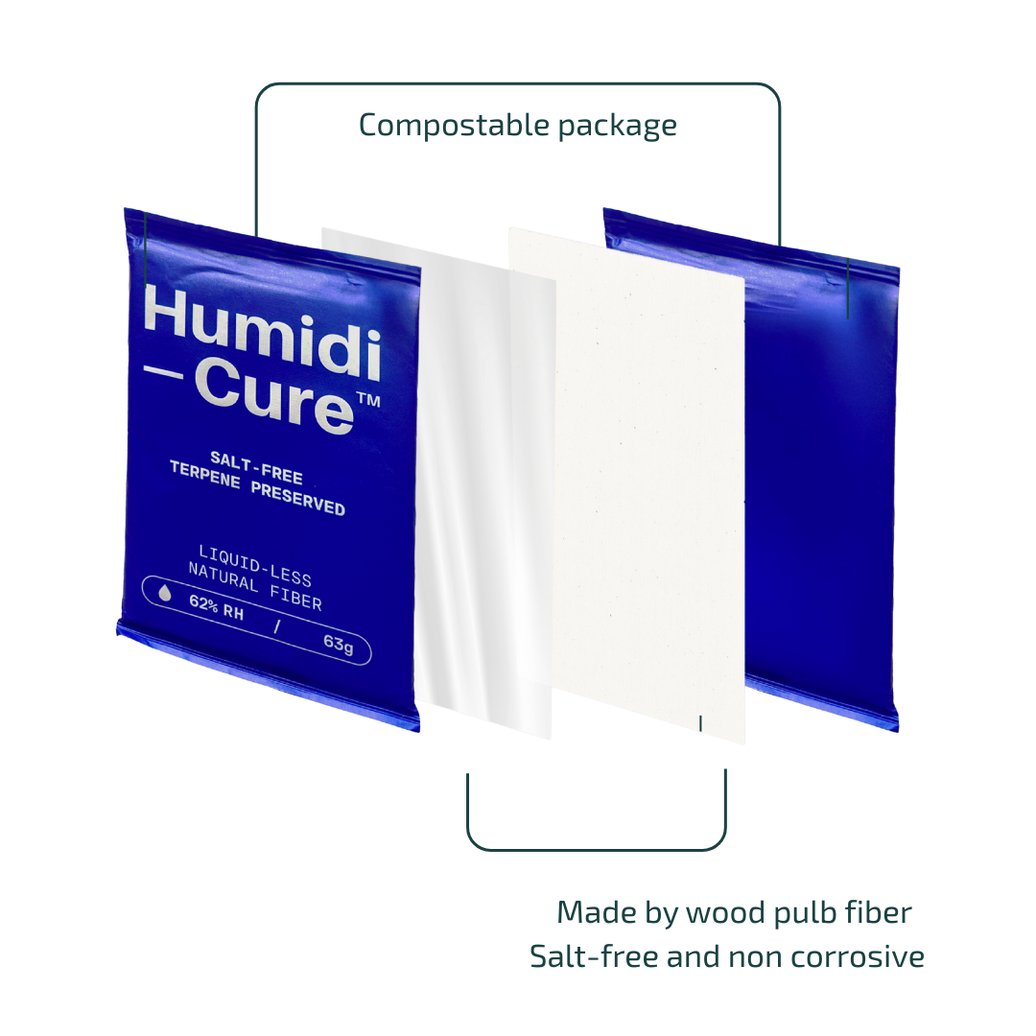
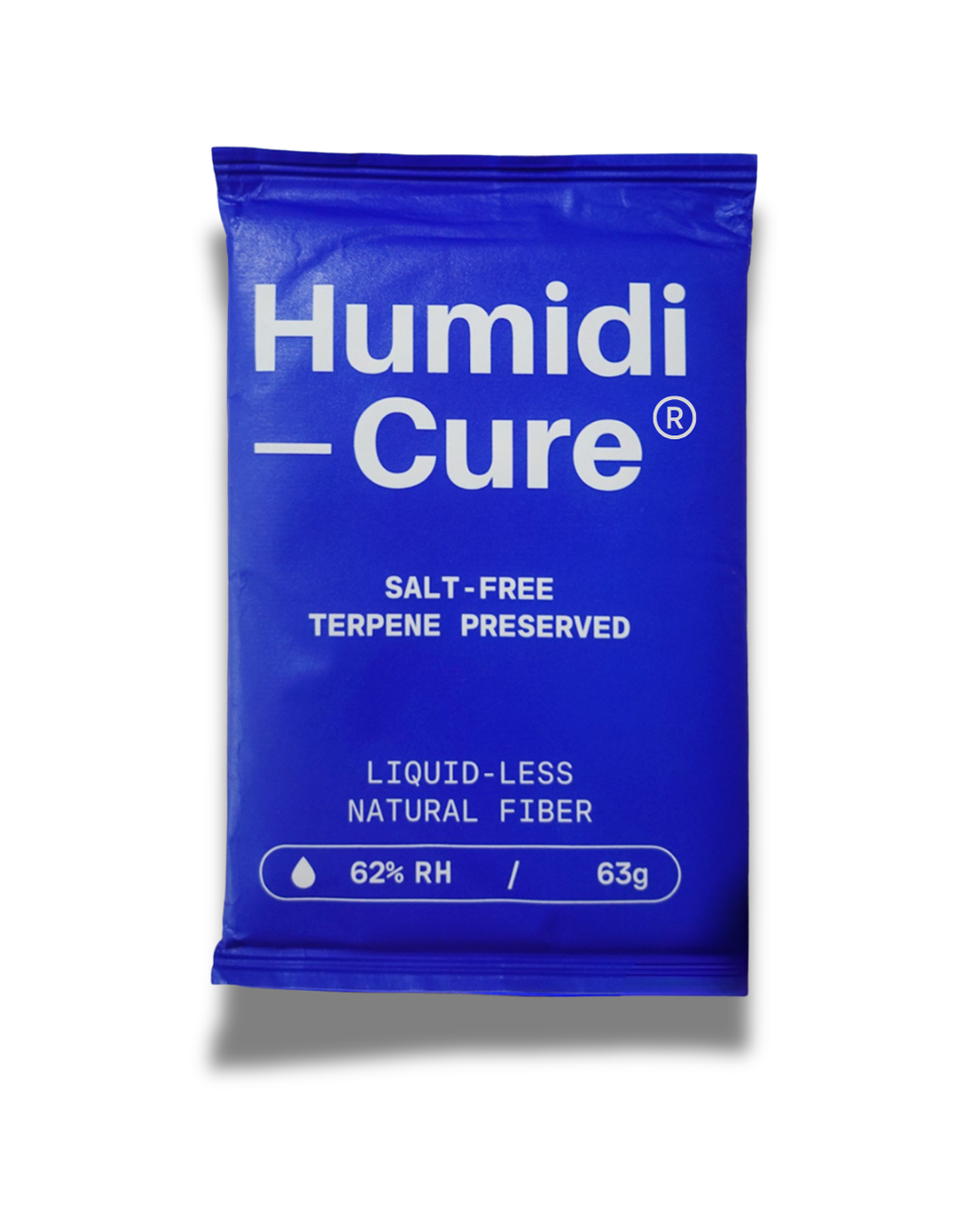
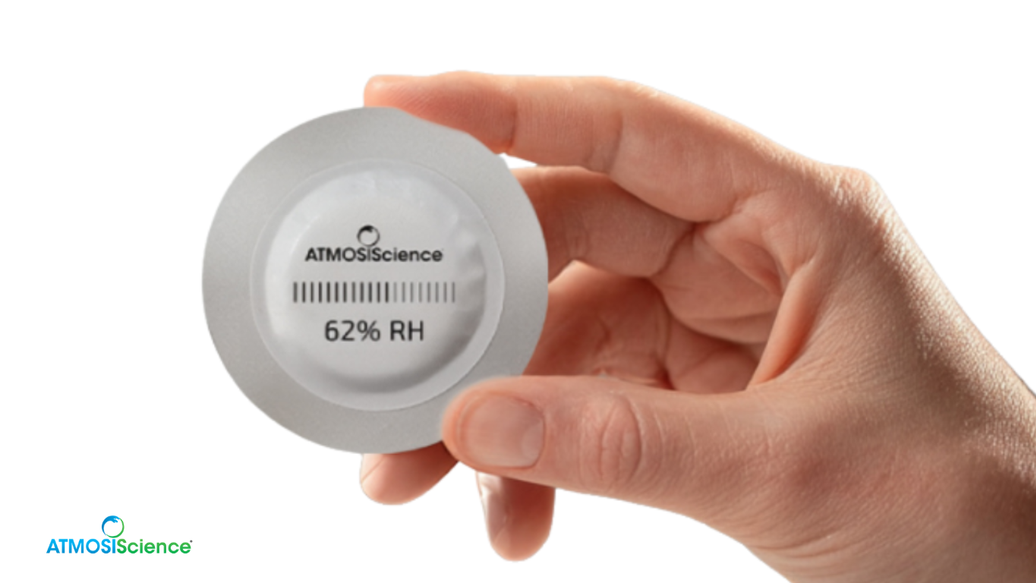
- ATMOSIScience Humidi-Cure® packs sized to the container in use — bulk format for cure jars, retail format for final pack.
- Nitrile gloves, tare-weighed sample bags, batch labels.
Day 0 — Chop
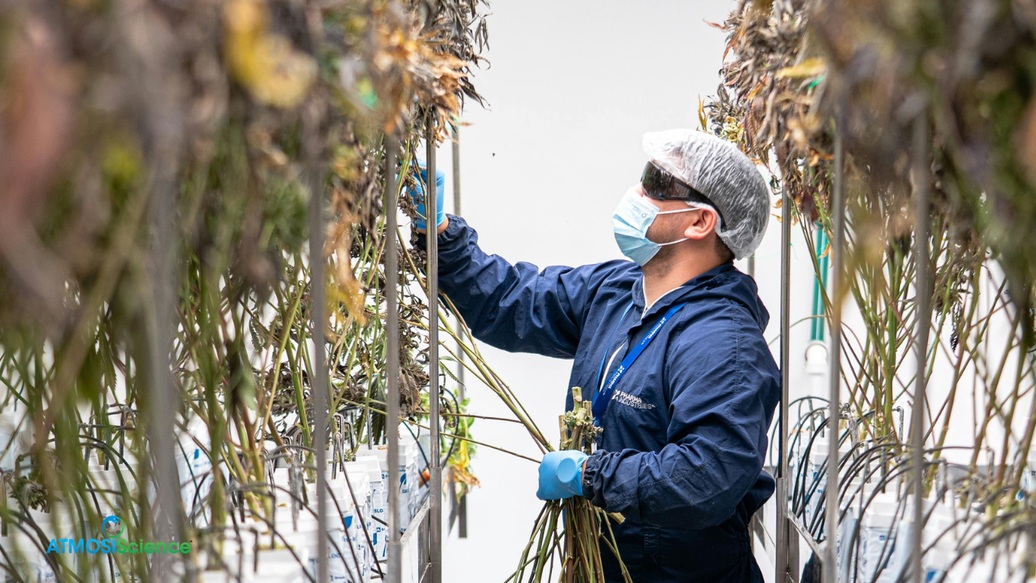
- Verify dry-room RH is at 55–60% and temperature 18–21°C before the chop. Adjust HVAC and let the room equilibrate at least 4 hours.
- Hang or rack flower with airflow but no direct fan. Crowding adds 1–2 days to dry time and risks pockets of high RH.
- Record start weight per rack (or per strain group) on the batch sheet.
Days 1–7 — Active dry
- Hold room at 55–60% RH, 18–21°C. Avoid drift below 50%; over-dry on day 6 is unrecoverable.
- Day 4: snap-test stems on a sample. Small stems should bend, not snap. If snapping, the room is too dry — bring RH up to 60% immediately.
- Day 7: weigh a sample bud. Target 65–70% mass loss vs day 0 wet weight (water leaving).
Days 7–10 — Dry → cure transition
- Stem-snap test should pass cleanly (small stems snap, larger stems bend slightly).
- Trim wet (during dry) or dry (after) per house standard. SOP does not change.
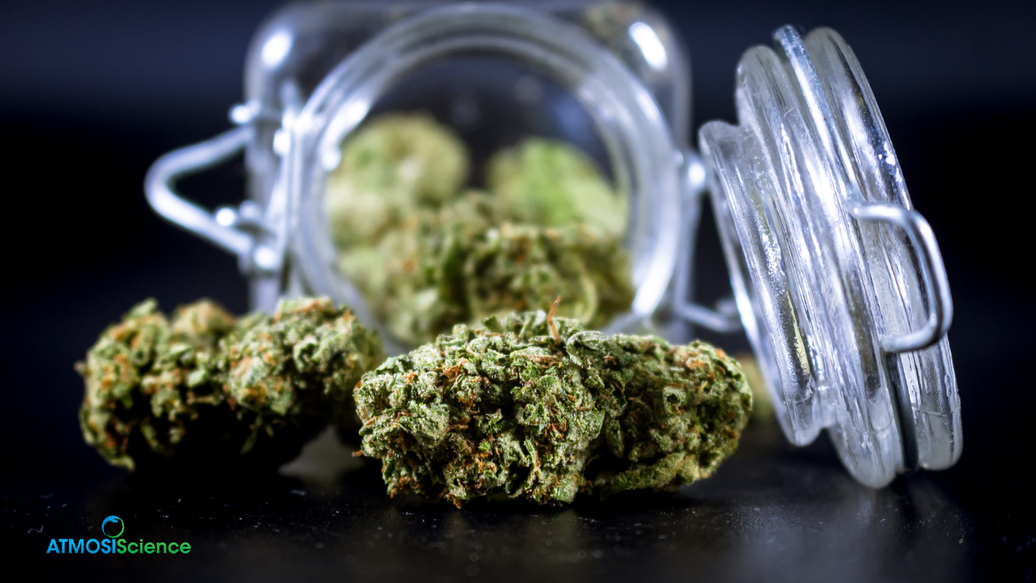
- Move flower into cure containers. Fill containers to 75% volume, not to the brim — headspace must exist for humidity equilibration.
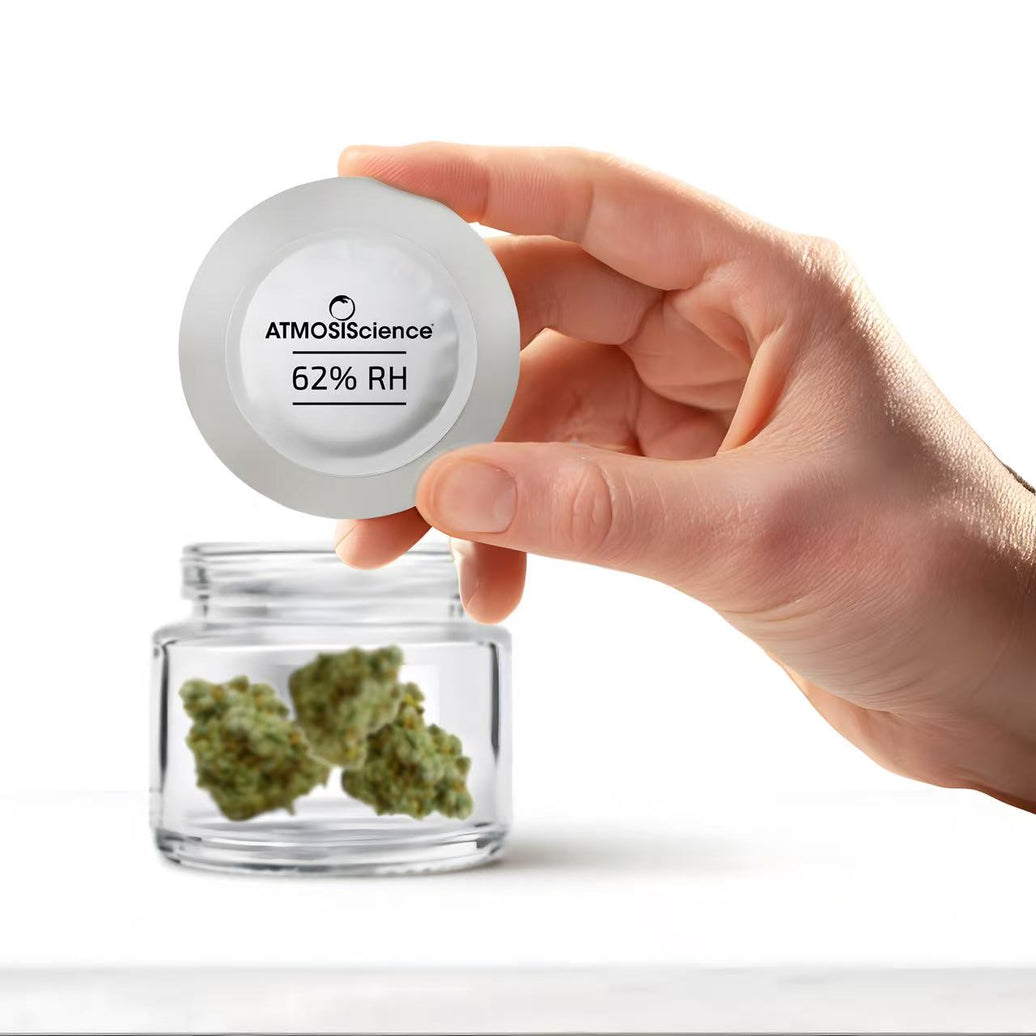
- Place the correct Humidi-Cure pack in each container at the moment of fill. The pack works best when it sees the headspace from minute one.
Days 10–21 — Initial cure
This is the highest-risk phase for mold and the highest-leverage phase for terpene preservation.
- Burping schedule: open each container for 60–90 seconds, daily for the first 7 days, then every other day for days 17–21. Smell-check at every burp. Any container with ammonia or mustiness flags potential mold — pull, separate, lab-test if quantities justify.
- Headspace RH should track to 62% within 48 hours of pack insertion. Room sensor RH and jar sensor RH may differ — trust the jar sensor.
- Sample weight at day 14. Loss vs day 10 should be ≤ 0.5% per week.
Days 21–45 — Stabilization
- Reduce burp frequency to once per week.
- Headspace RH should hold steady at 62% ±1. If drift is observed, replace the Humidi-Cure pack — the fiber may be loaded.
- Sample weight at days 28 and 42. Total loss across stabilization phase should not exceed 0.5%.
- This is when terpene profile sets. Avoid temperature swings above 21°C; aroma volatilization accelerates above 24°C.
Days 45–55 — Pre-pack staging
Decisions made here determine what the buyer experiences in the retail unit.
- For retail destined to move within 90 days: hold at 62% RH through pack-out.
- For archive / breeder stock / wholesale to slow channels: stage to 58% RH for the last 7 days.
- Weigh-and-record: every container, top-of-batch sheet, day 50.
Days 55–60 — Pack-out
This is where most operations bleed the weight.
- The retail pack must contain its own humidity pack. A pouch sealed without internal RH control loses to its own headspace within hours.
- Pack on a scale. Tare to gross weight (label + pack + product), verify each unit hits target weight ± 0.3 g.
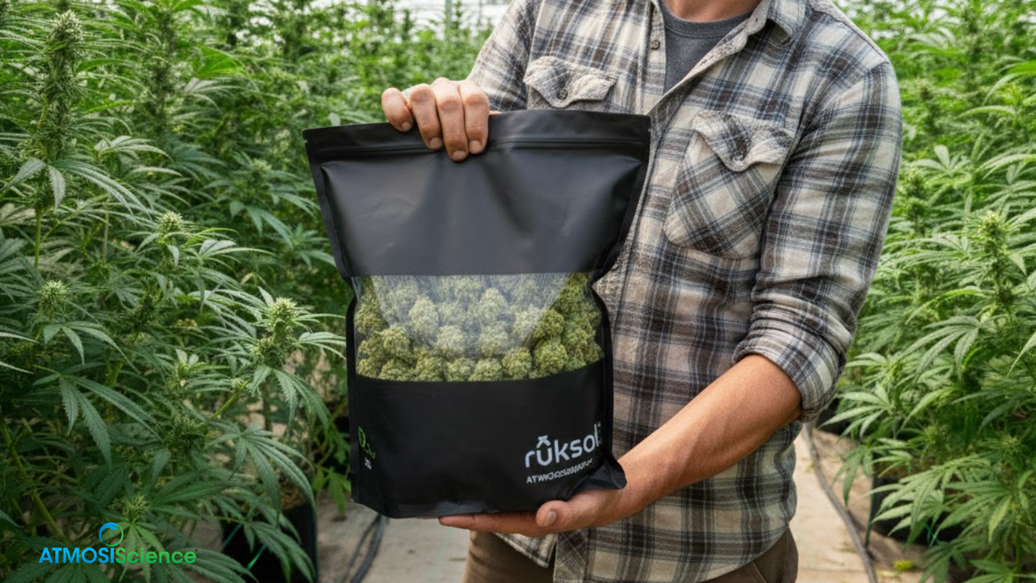
- Use a pack size matched to product weight: 4 g pack for ¼ oz (7 g) units; 8 g pack for ½ oz; 67 g pack for 1 lb units.
- Re-record cure-room RH at start and end of pack-out shift. Drift > 3% during a shift means HVAC tuning is needed before next batch.
- Final batch weight vs day-10 weight should be within 2.3%. Higher means humidity control failed somewhere in the chain — trace via the per-stage weight log.
Common failure modes
| Failure | Root cause | Fix |
|---|---|---|
| Headspace RH below 60% by day 14 | Containers over-filled (no headspace) or pack undersized | Fill to 75%, upsize pack |
| Mold in week 2 | Wet trim sealed before stem-snap test passed | Move stem-snap to a hard gate before fill |
| Weight loss > 4% by pack-out | Cure-room HVAC drift, no in-pack humidity in retail | Datalog room and jars; add packs to retail unit |
| Batch tastes "shelf-y" by month 3 of retail | No humidity pack in retail unit | Use Humidi-Cure size matched to pouch headspace |
| Inconsistent batch-to-batch flavor | Temperature swings during stabilization | Tighten temp control to 18–21°C ±1 |
Bottom line
A repeatable commercial cure is a measurement problem, not a craft problem. Hit room RH, hit headspace RH, hit the weight-loss ceiling, log every step.
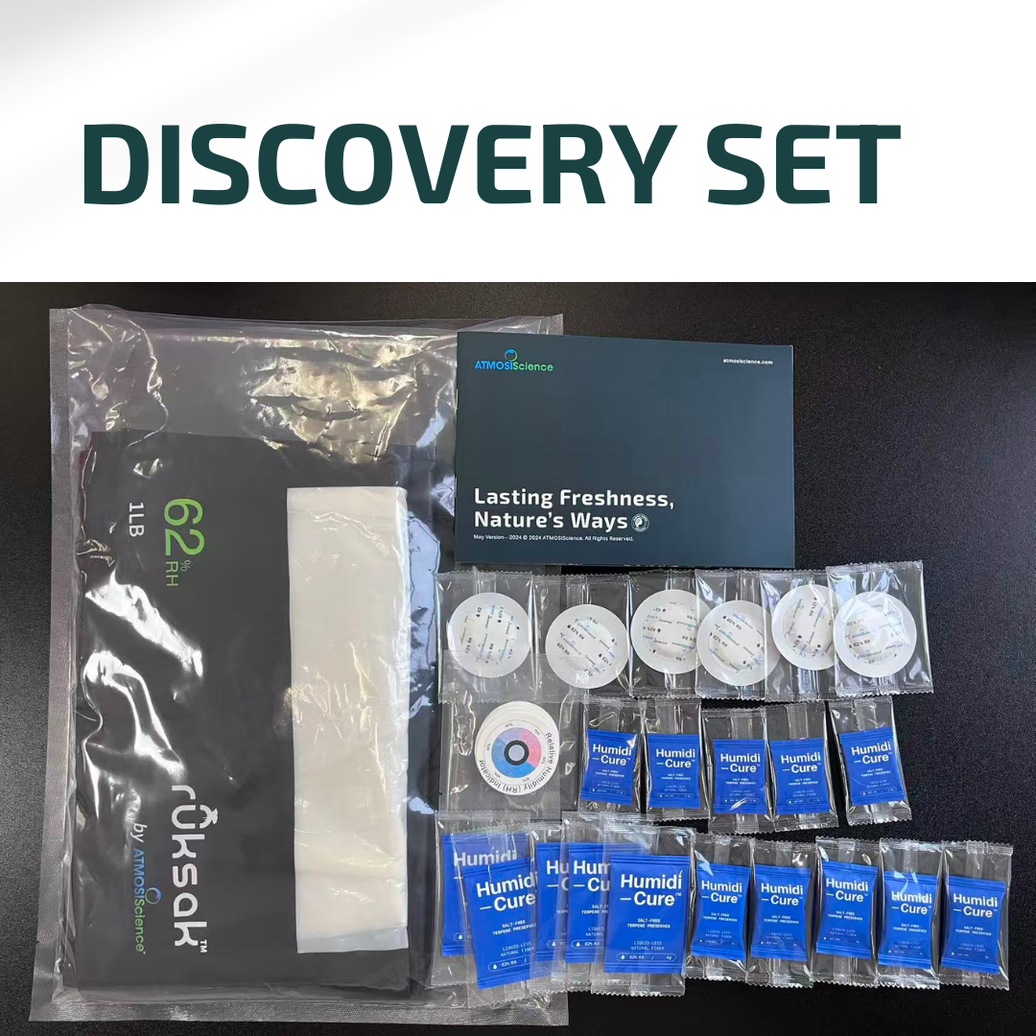
Request the Humidi-Cure cure-room sample kit →