Spring is the season that makes growers overconfident.
Because on paper, it feels “easier” than winter: fewer extreme temperature swings, less heater-driven dryness, fewer crispy plants.
Then one afternoon you check the dashboard and your humidity is climbing… again.
Not because your dehu “broke”!
Because spring has a specific way of turning a stable room into a swinging microclimate, especially during lights-off and during those warm–cool transitions you barely notice.
If you want spring control that actually holds, the goal isn’t to chase a number.
It’s to control the moments when humidity surges.

The spring problem isn’t “high humidity.” It’s humidity spikes you don’t catch in time.
Most spring “humidity incidents” follow the same pattern:
-
The room runs fine during the day
-
Lights go off, temps drop
-
RH climbs fast (sometimes later at night)
-
Your canopy becomes the most humid place in the room
-
You don’t notice until you’re already in a risk window
This lights-off spike is widely discussed because it’s simple physics + plant behavior: when temperature drops, air holds moisture differently, and RH can jump even if the total moisture in the air didn’t change much.
Operators also see spikes when plants keep releasing moisture while cooling catches up.
Spring makes it worse because outside conditions change quickly, so your HVAC strategy that worked last month can drift out of tune without you changing anything.
The real enemy is the “calm-looking room” with a humid canopy
A grow room can look stable in one sensor location while your canopy is quietly in a different reality.
Powdery mildew and other fungal pressures tend to exploit:
-
dead-air corners
-
dense canopy zones
-
places where air circulation is weak
That’s why airflow keeps coming up in PM prevention guidance: you’re not just moving air for comfort—you’re preventing stagnant, humid micro-pockets where problems start.
And for mold risk in general, multiple industry sources point to >60% RH as a zone where risk rises—especially in flowering when buds create their own microenvironments.
Spring doesn’t always push your whole room above 60%.
It pushes parts of your canopy there, intermittently.
That intermittent exposure is what makes spring dangerous: it doesn’t look like a crisis—until it is.
What actually works in spring (without turning your facility into an energy furnace)
1) Treat lights-off like a separate operating mode
If your room control is designed for “lights-on comfort,” spring will punish you at night.
Lights-off is when many facilities see the spike—because temperature drops faster than moisture generation drops, and RH rises while equipment plays catch-up.
What “separate mode” means operationally:
-
different setpoints and alarms for lights-off
-
dehumidification capacity that can handle the night period
-
airflow strategy that keeps canopy pockets from becoming wet microclimates
2) Don’t wait for the threshold. Catch the trend.
In spring, the most useful alert is not “you crossed the limit.”
It’s “you’re accelerating toward it.”
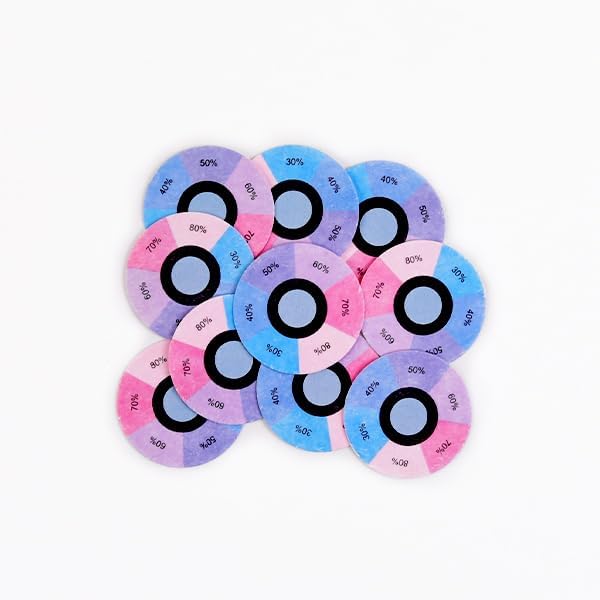
That’s why experienced operators set earlier warnings—because by the time you hit a high-RH threshold, you’ve often been trending there for a while (and your canopy already experienced it).
3) Airflow is not optional, even when RH looks “okay”
A room can be “within range” and still have leaf-surface conditions that favor problems in dense spots.
Guidance for indoor grows repeatedly emphasizes continuous air movement to prevent wet spots and stagnant air around plant parts.
Spring encourages complacency because the room feels comfortable.
But comfort isn’t control.
4) Spring-proof your dehumidification plan (because HVAC won’t always save you)
A common operational theme in commercial cultivation is that cooling systems and dehumidification are different jobs—and when you rely on one to do both, you get gaps (especially during lights-off).
Spring is exactly when those gaps show up: less cooling demand doesn’t mean less humidity demand.
“Okay, but what do we do when we’ve controlled the room… and product still drifts?”
This is the part a lot of compliance teams learn the hard way:
Room control reduces risk during cultivation.
But your product still has to survive drying, curing, storage, distribution, and retail handling.
And mold risk doesn’t disappear after harvest. Aspergillus, for example, is discussed as thriving when RH is above 60%, and dense flower structure can trap moisture.
That’s why many operators add a second layer of protection: package-level microclimate stability.
This is where ATMOSIScience shows up naturally in a spring conversation:
-
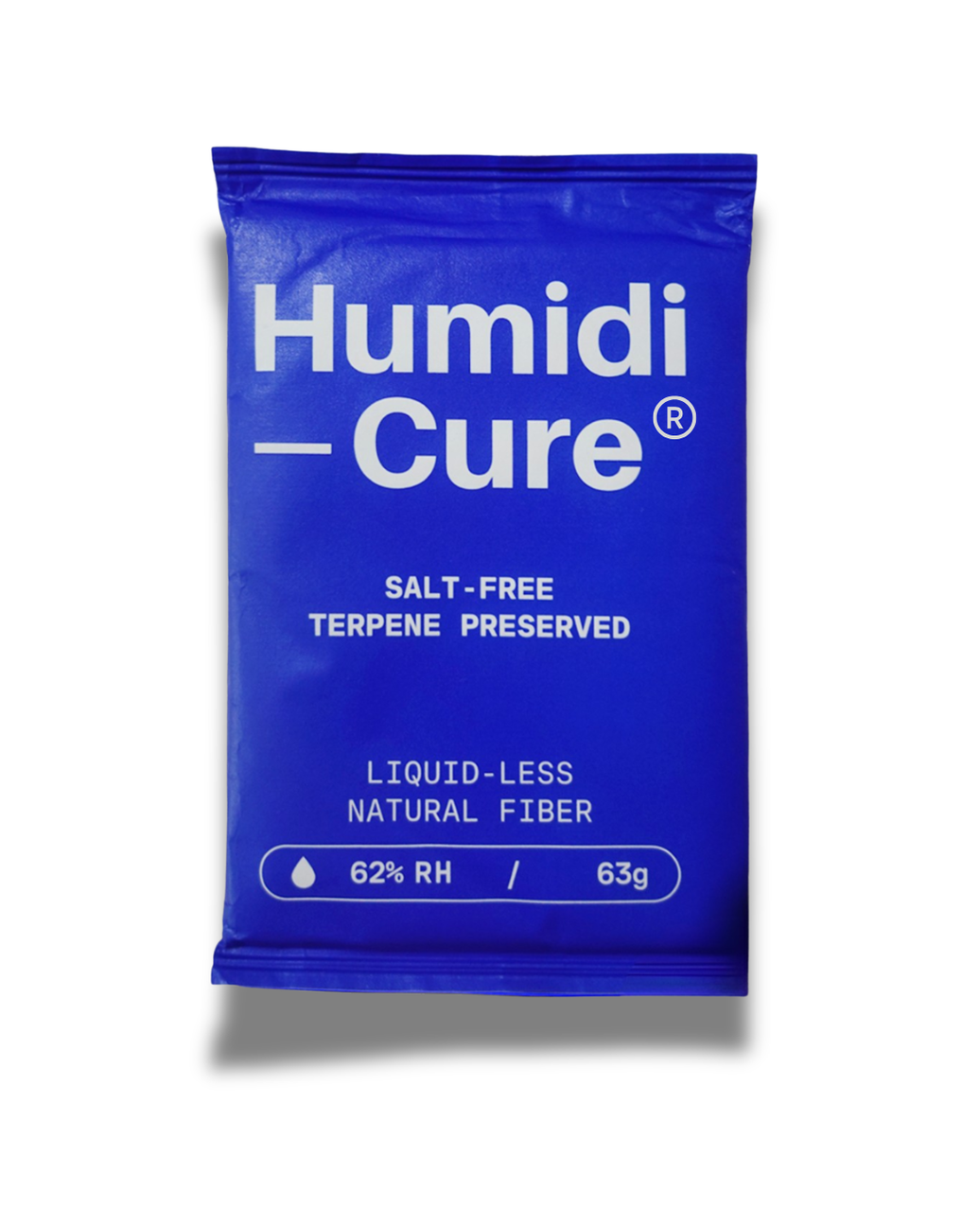
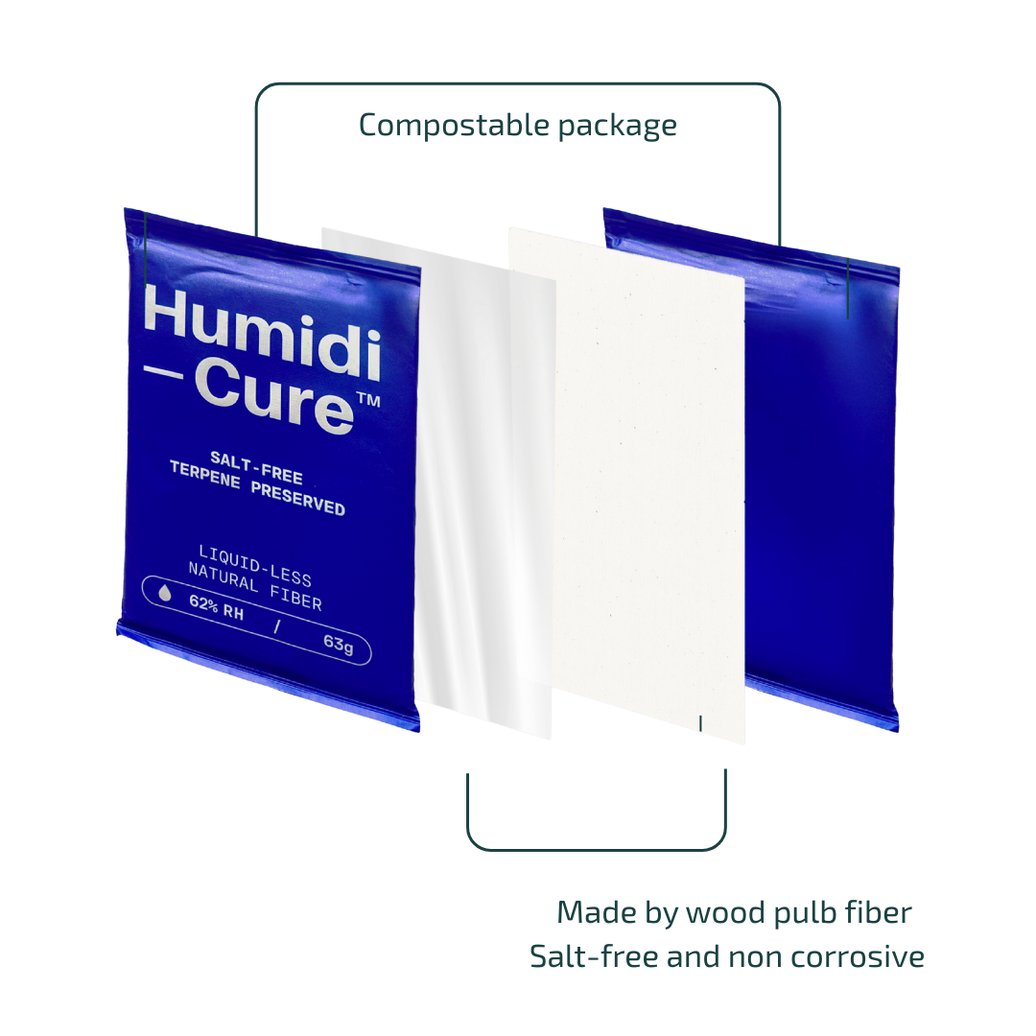
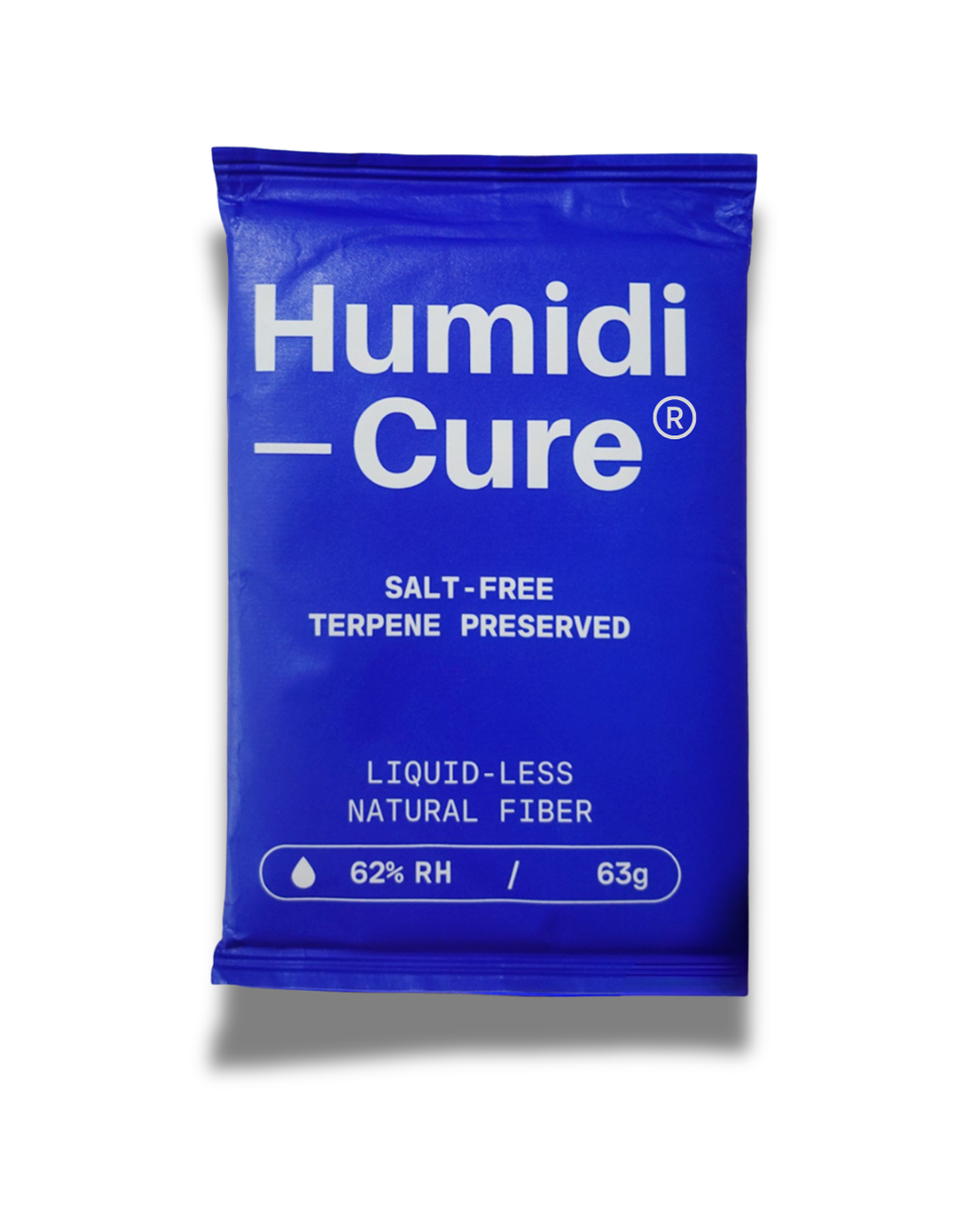
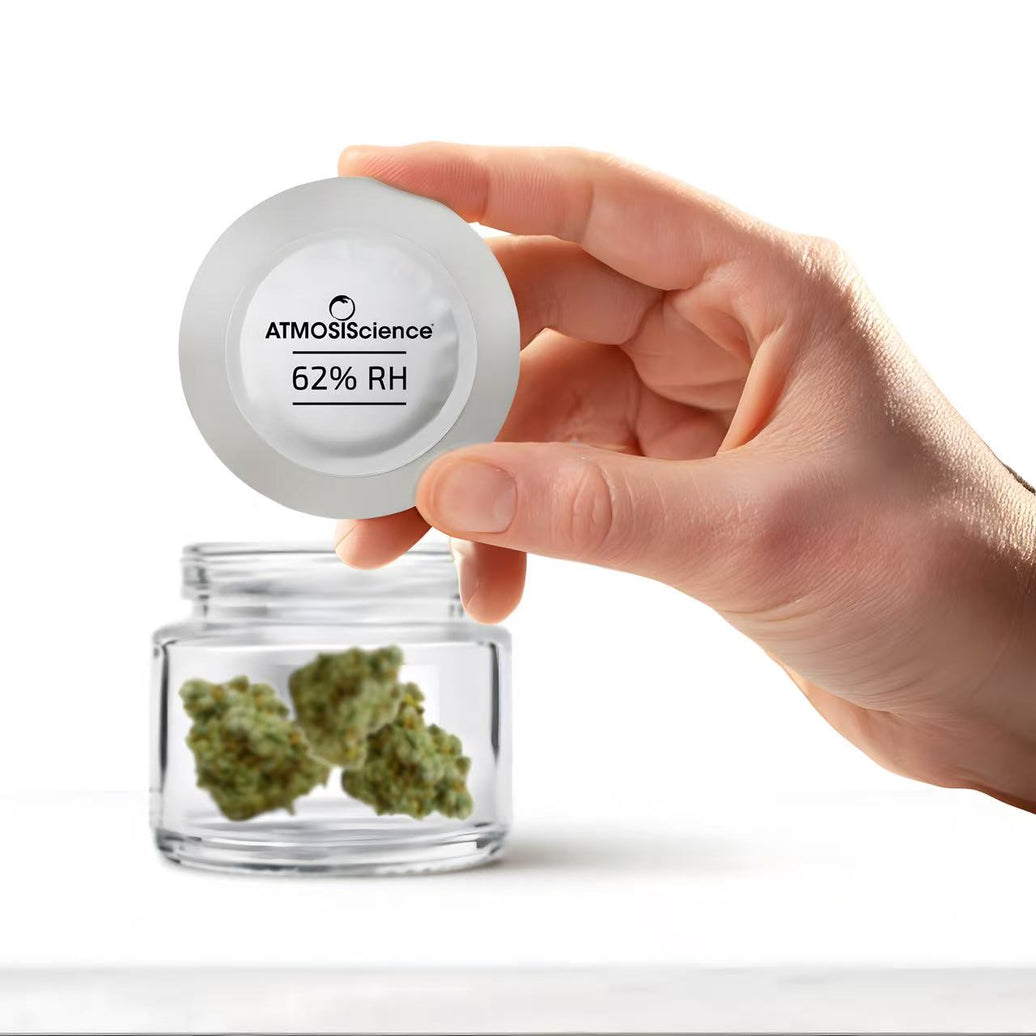
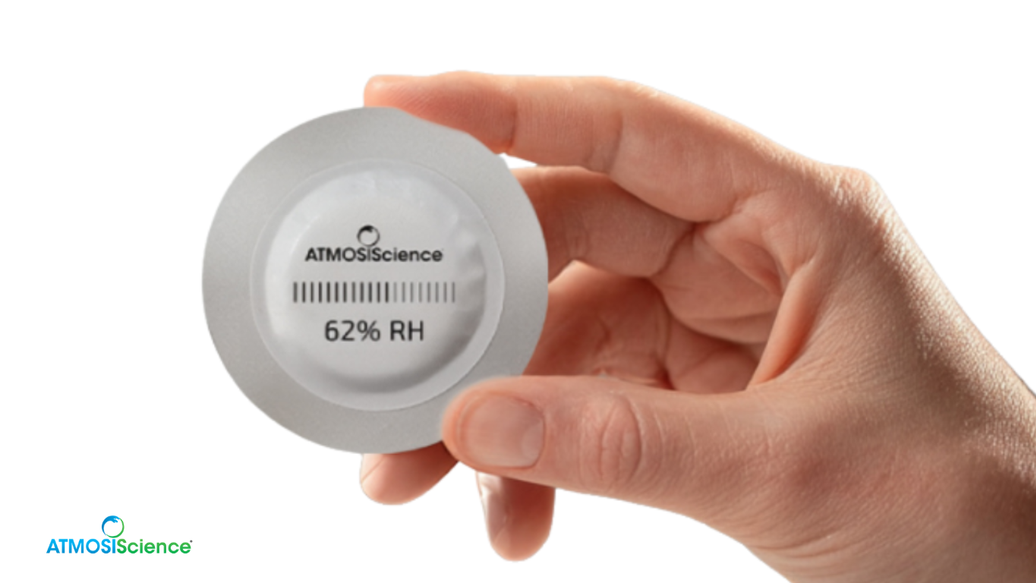
When product is jarred or bagged and you want the microenvironment to stay stable through daily handling, Humidi-Cure 62 is a straightforward way to keep conditions from swinging after packaging.
https://atmosiscience.com/products/humidi-cure-62 -
When conditions are more variable (spring logistics, longer holding times, more movement), some teams choose Humidi-Cure Plus for stronger buffering.
https://atmosiscience.com/products/humidi-cure-plus -
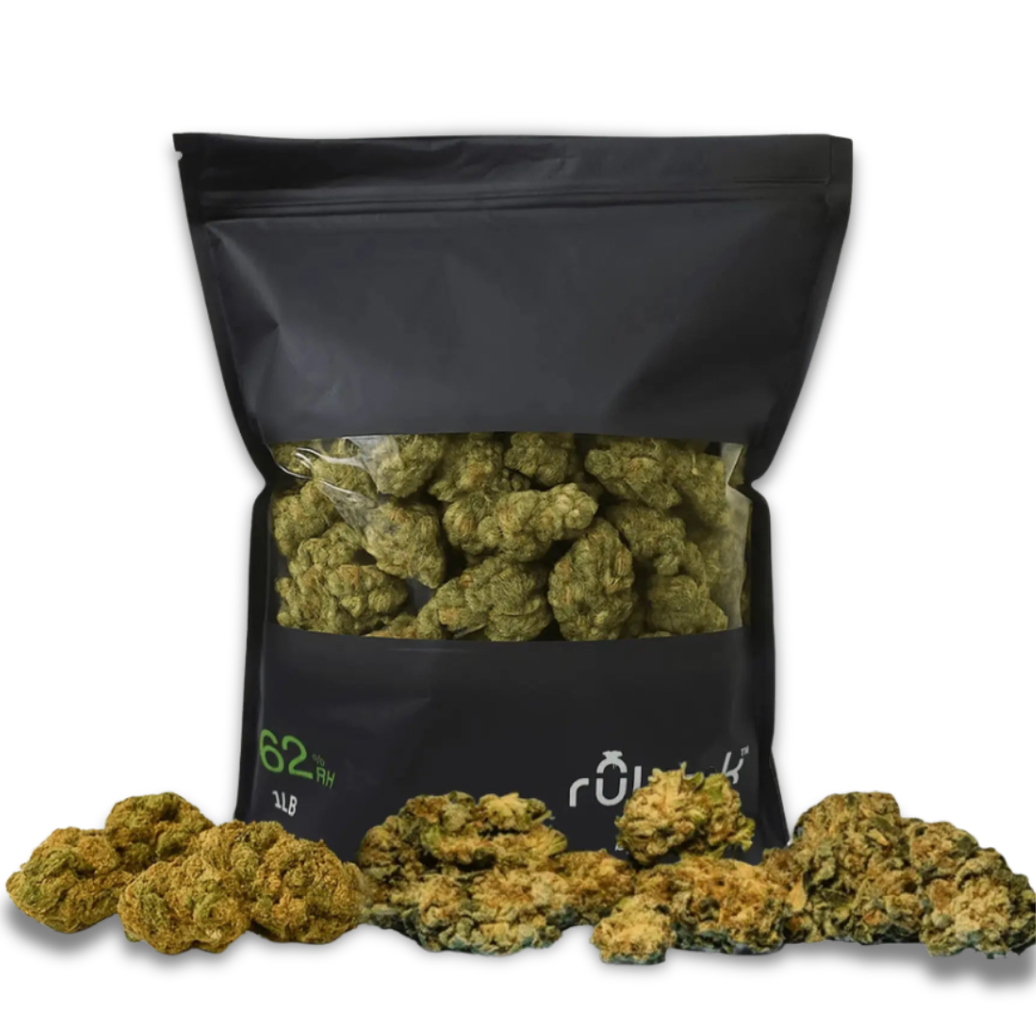
For bulk staging and movement—where “room control” ends the moment product leaves the grow space—ruksak® is used to help stabilize the environment during storage and distribution workflows.
https://atmosiscience.com/products/ruksak-1-2-lb
https://atmosiscience.com/products/ruksak-1lb -
And if you want humidity control integrated into the packaging setup itself, the ATMOSIScience Liner can be part of how you standardize microclimate protection without adding complexity.
https://atmosiscience.com/products/atmosiscience-liner
Think of it as continuity: spring control shouldn’t end at the grow room door.

The spring control question that actually predicts outcomes
Instead of asking:
“Is the room RH okay?”
Ask:
“What happens to RH at canopy level during lights-off, and what happens to product stability after it leaves the room?”
If you can answer those two, spring stops being a surprise season.
It becomes a predictable one.