The single highest-stakes decision in a home grow happens in about ten seconds: deciding the flower is dry enough to jar. Jar too wet and mold risk climbs; jar too dry and the cure never really happens. Here are the three tests growers actually use, ranked from folk wisdom to instrumentation, and the recovery plays for both failure modes.
Close enough? Let the pack decide the last few points
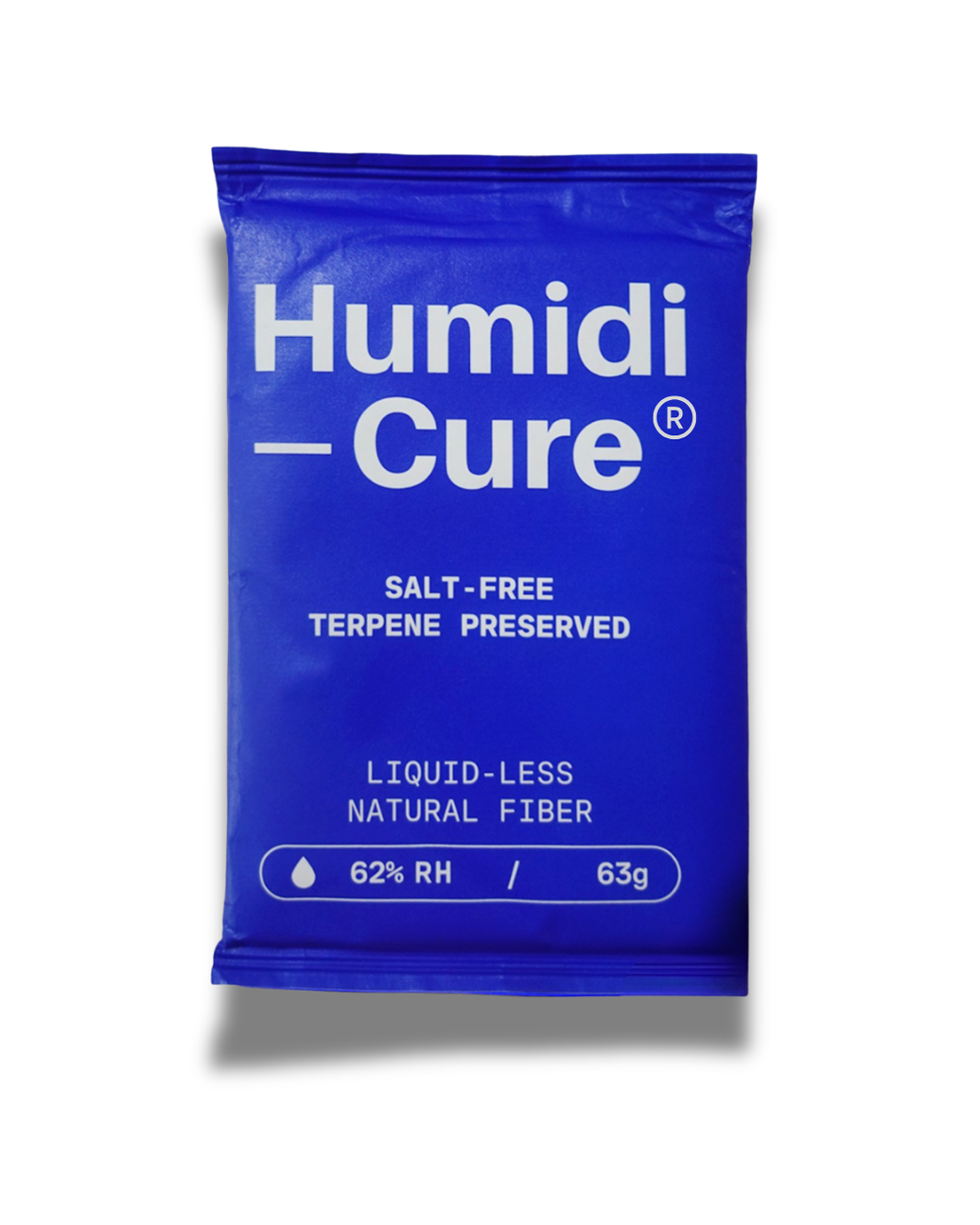
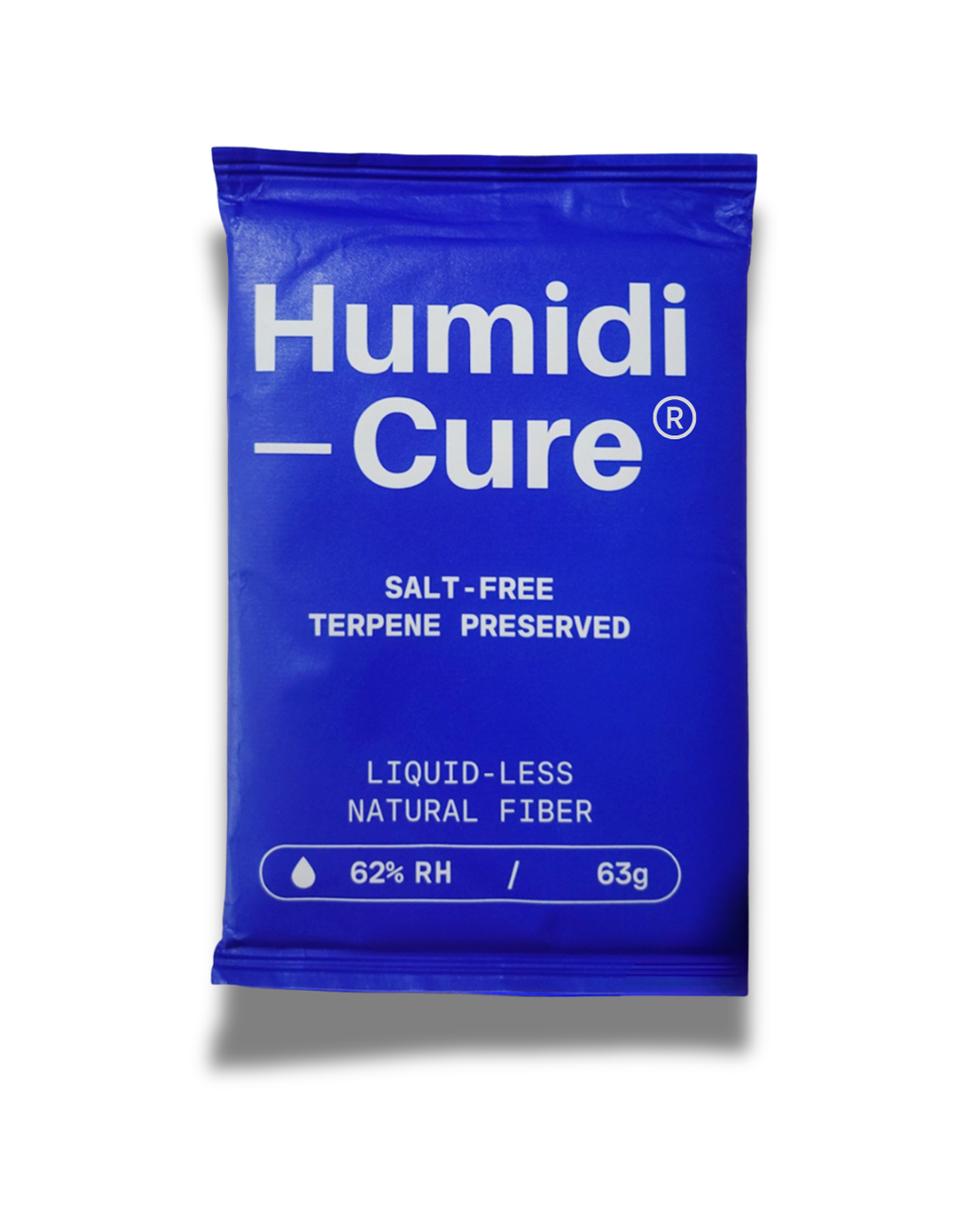
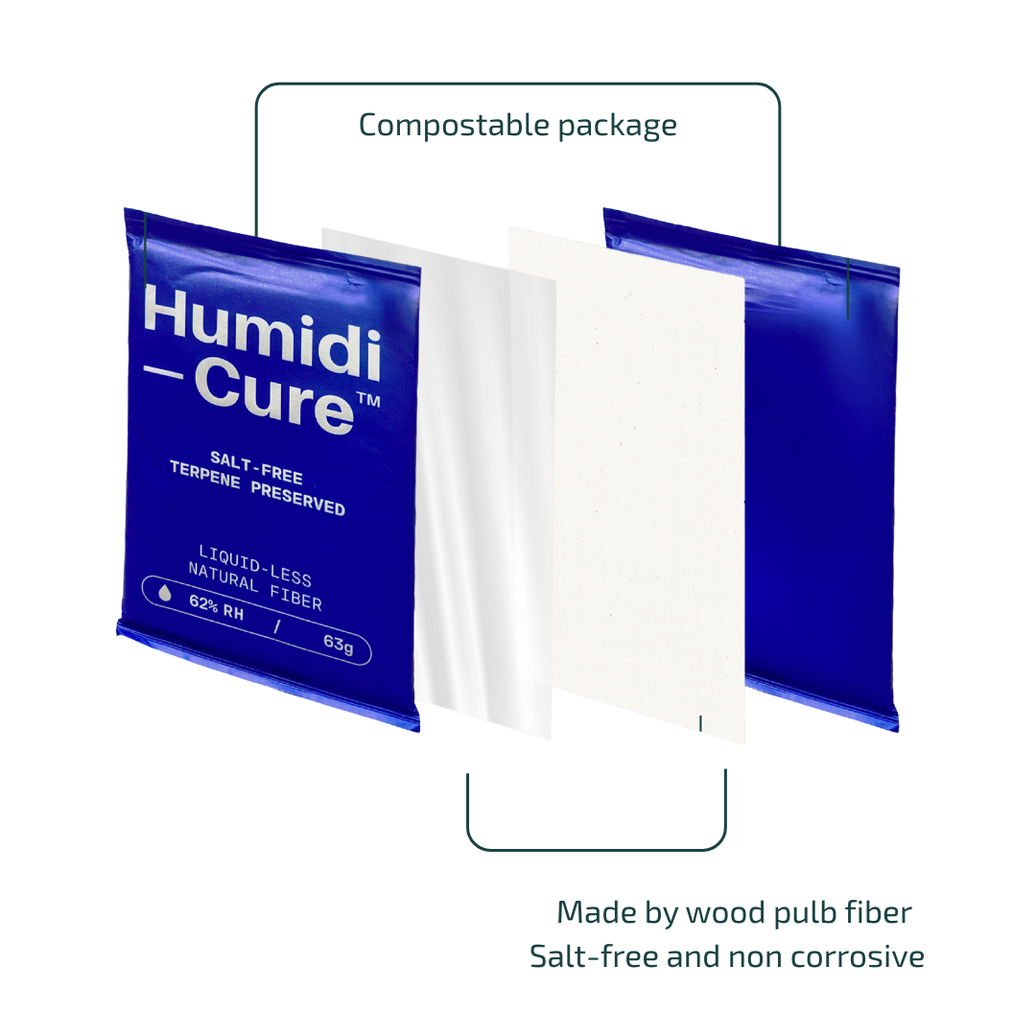
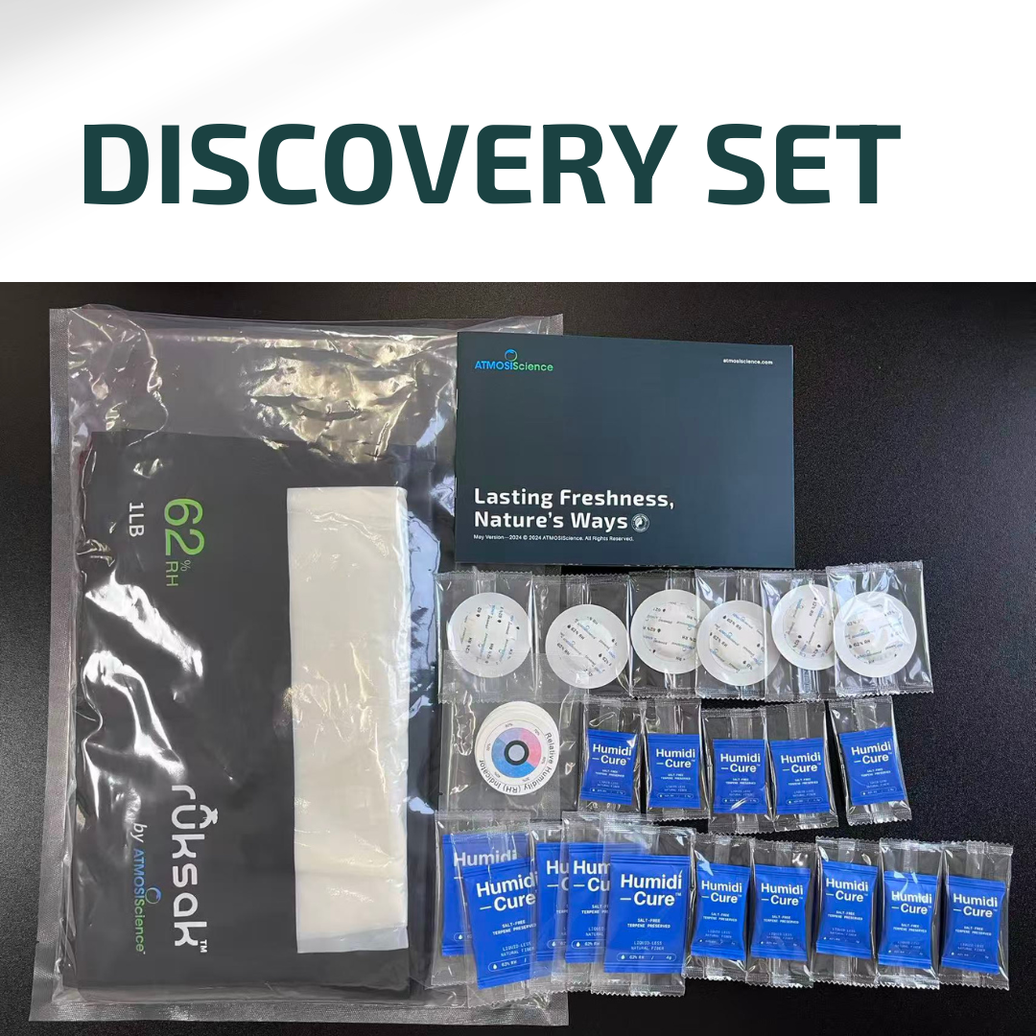
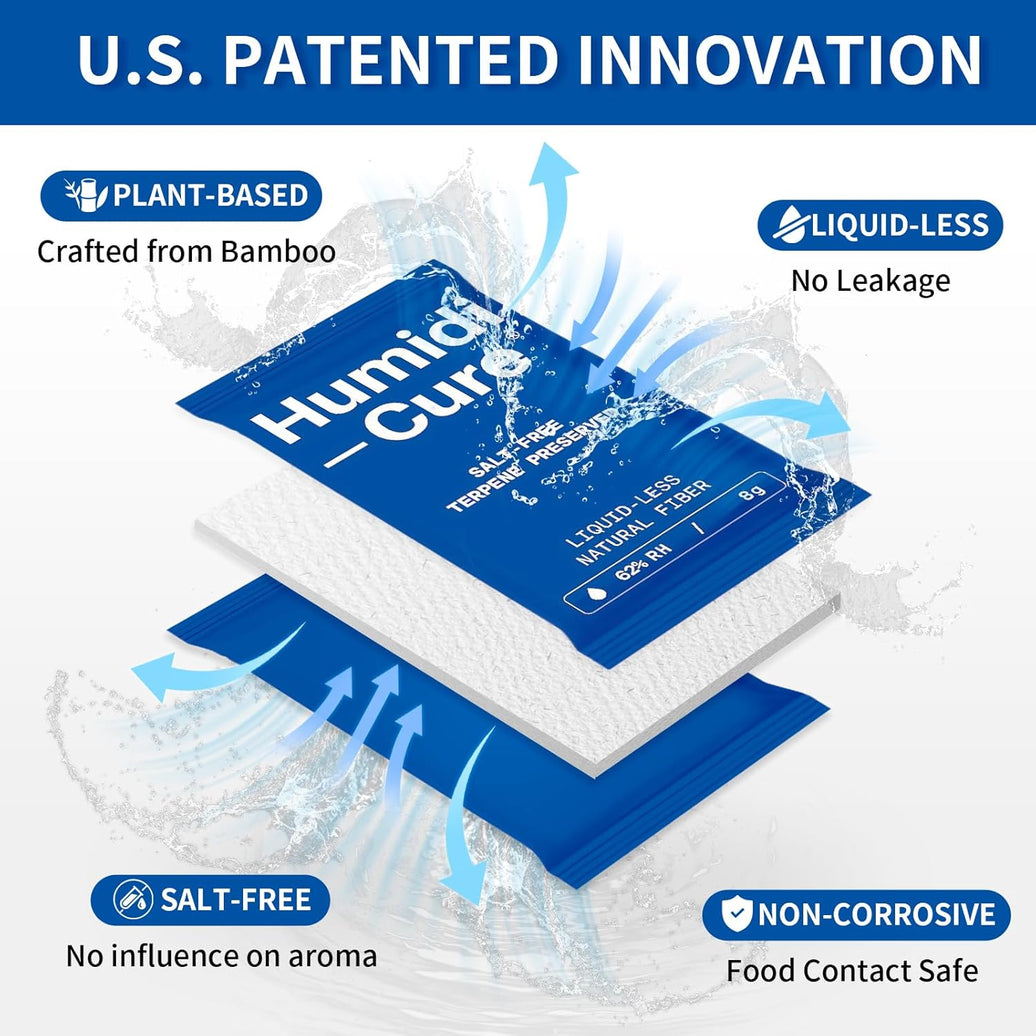
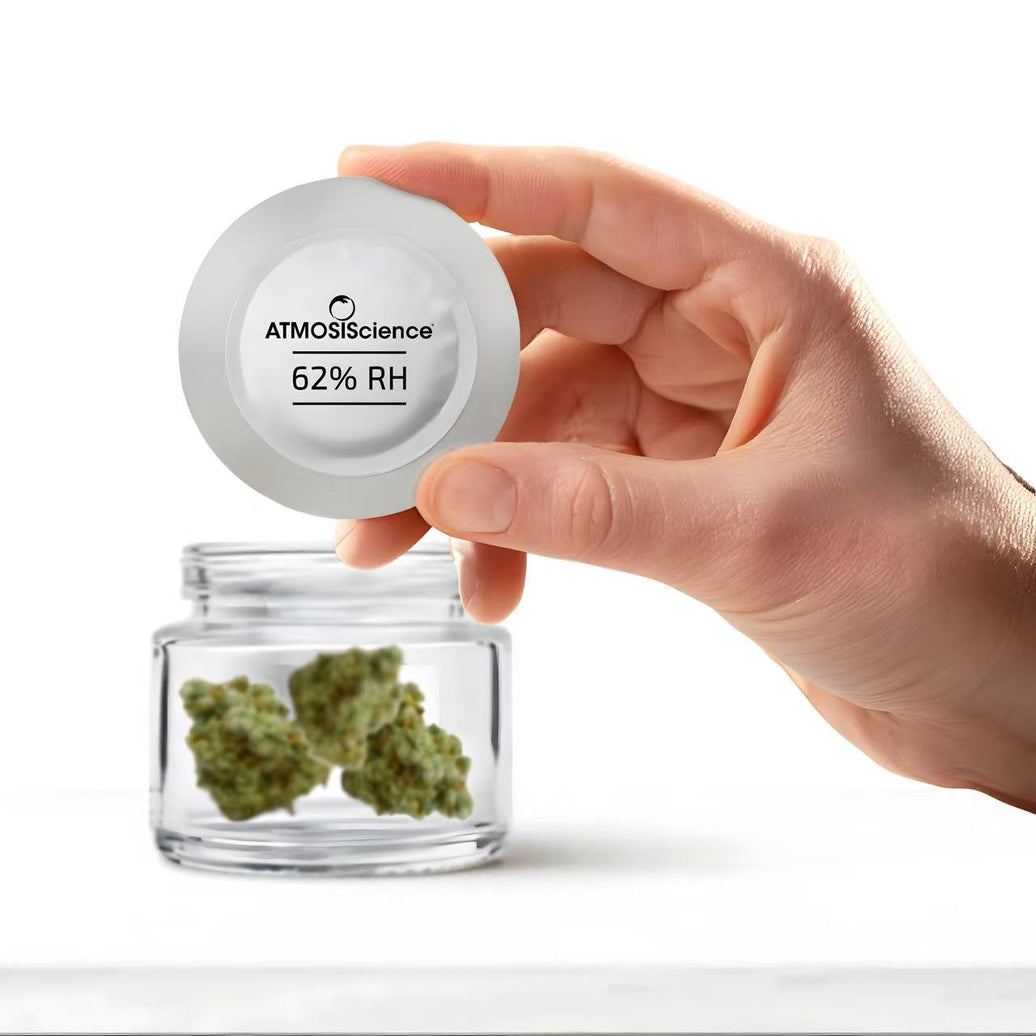
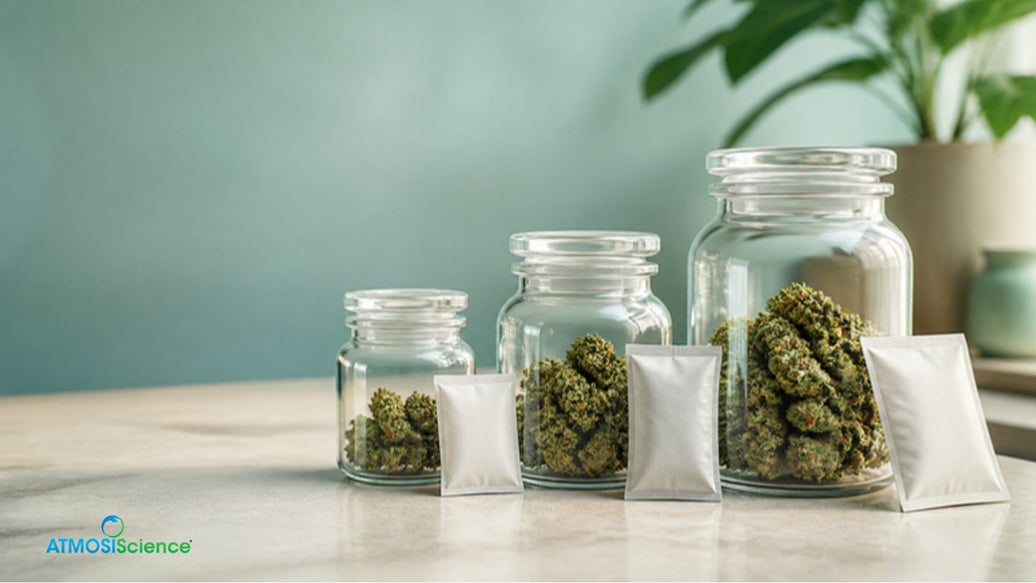
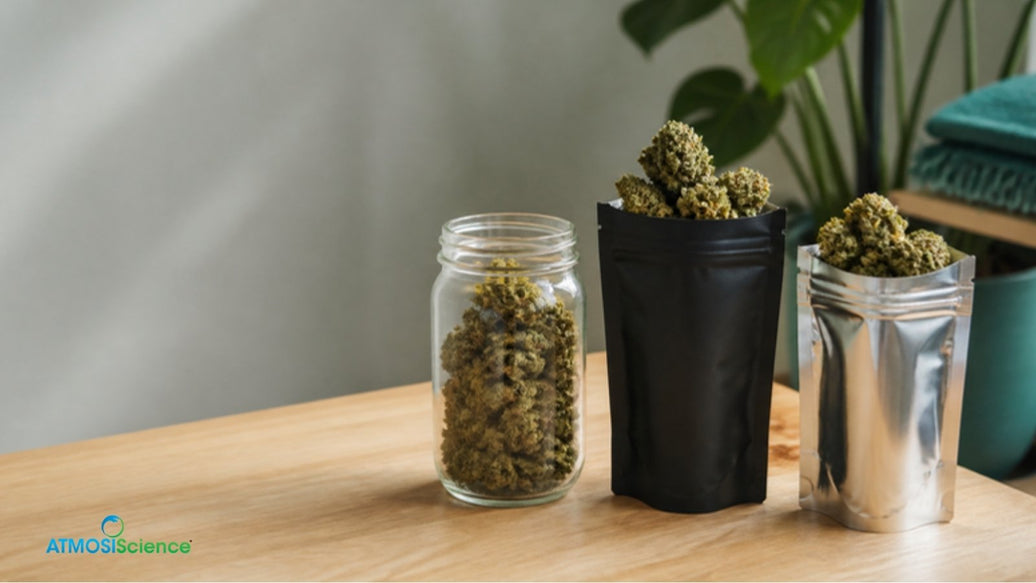
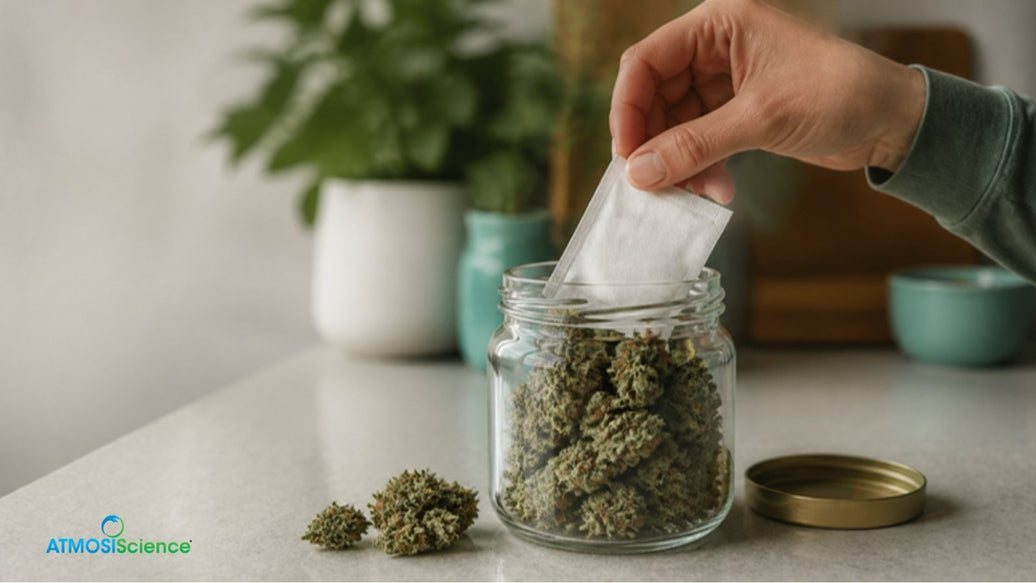
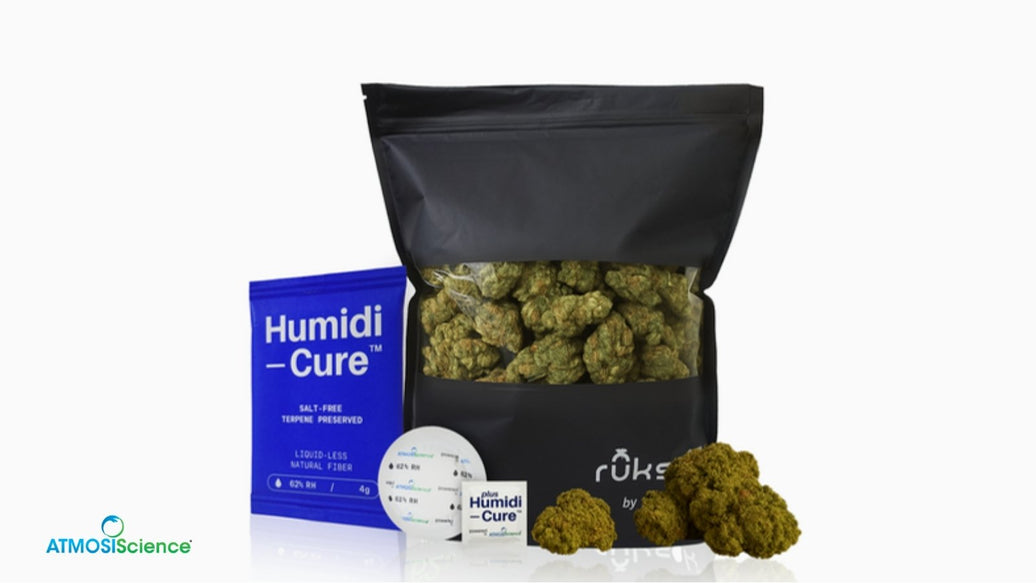
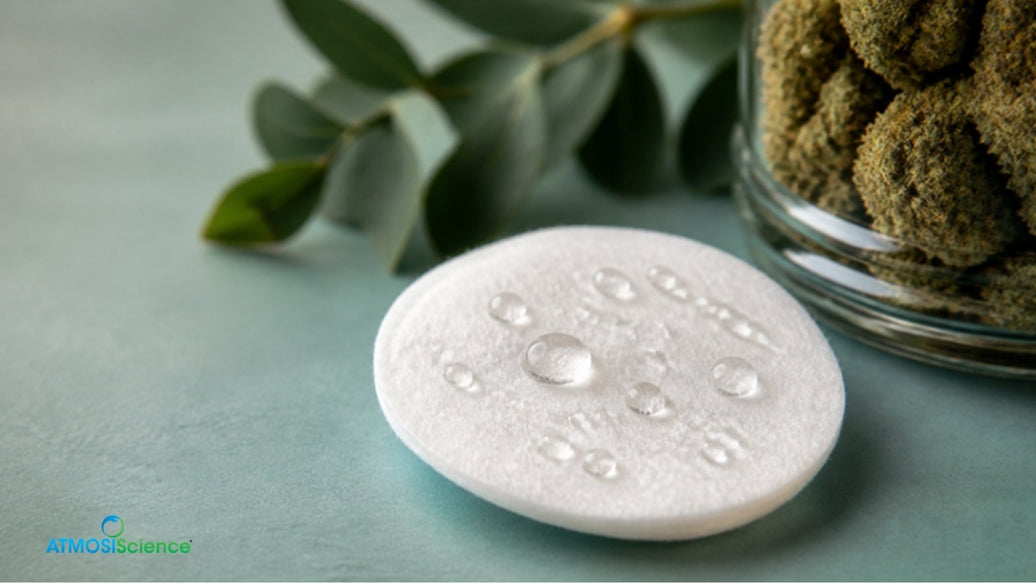
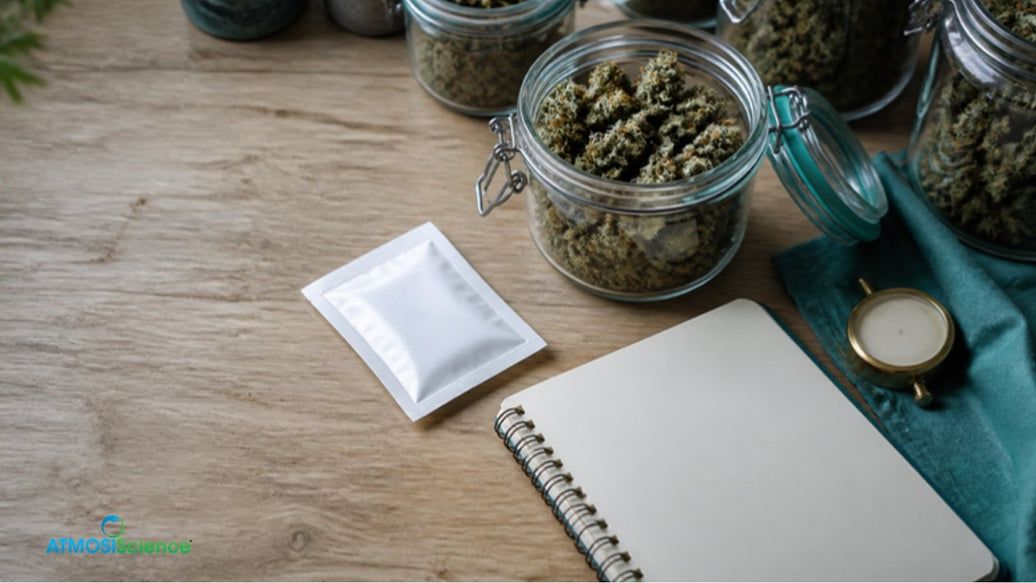
Jar it when the small stems snap, then drop in a Humidi-Cure® 62% pack. If the flower is a touch wet, the pack pulls the extra out. If it went a touch dry, it gives some back. The jar settles at 62% RH instead of wherever it happened to land
Shop Humidi-Cure® 62%, from $7.99 →Which pack size? Use the calculator →
Test 1: The stem snap test (good)
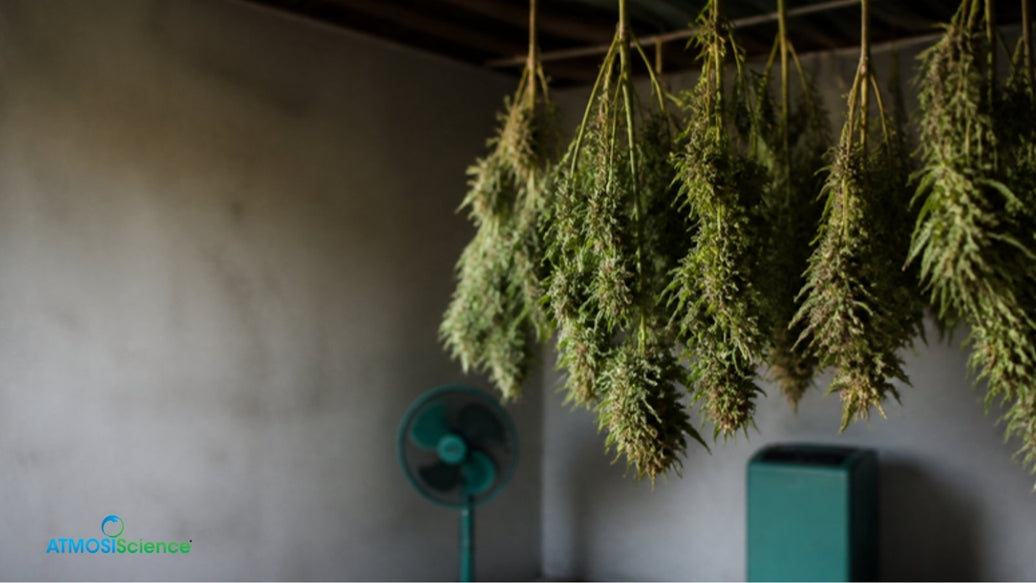
Bend a small stem — pencil-lead thickness. If it folds with stringy fibers, the interior is still wet: keep drying. If it snaps cleanly with an audible crack, moisture has left the core: ready to jar. If thick stems also snap, you've likely gone past the window. The snap test works because stems lose moisture last — a snapping small stem means the bud around it has equilibrated.
Test 2: The squeeze test (better, alongside snap)
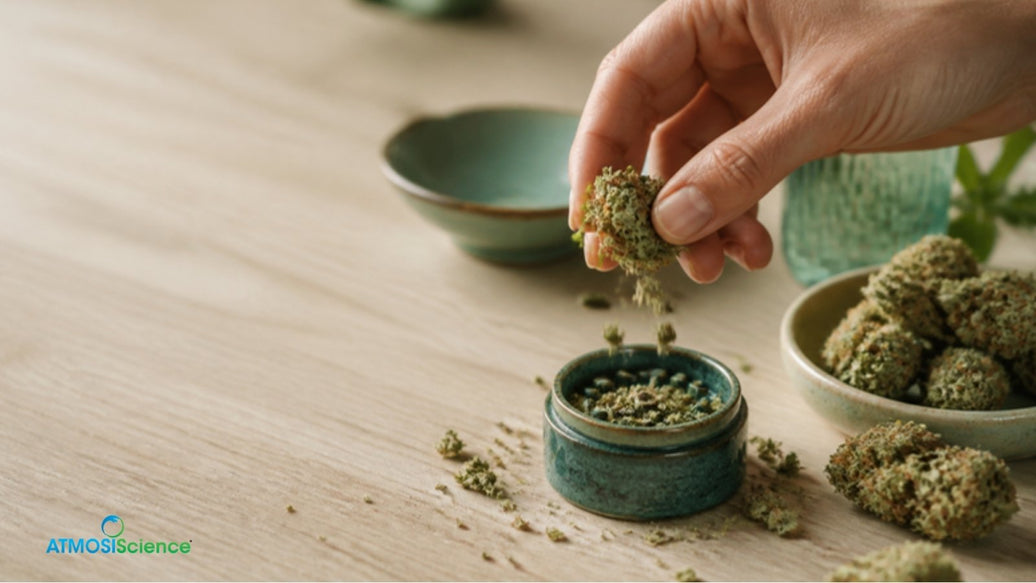
Gently compress a mid-size bud. Springy with a dry-feeling exterior = right zone. Spongy, cool, damp-feeling = too wet. Crunchy, with trichomes shedding = too dry. Always test buds from the middle of the canopy — edge buds in airflow dry first and read falsely dry.
Test 3: The jar-RH method (best — numbers, not vibes)
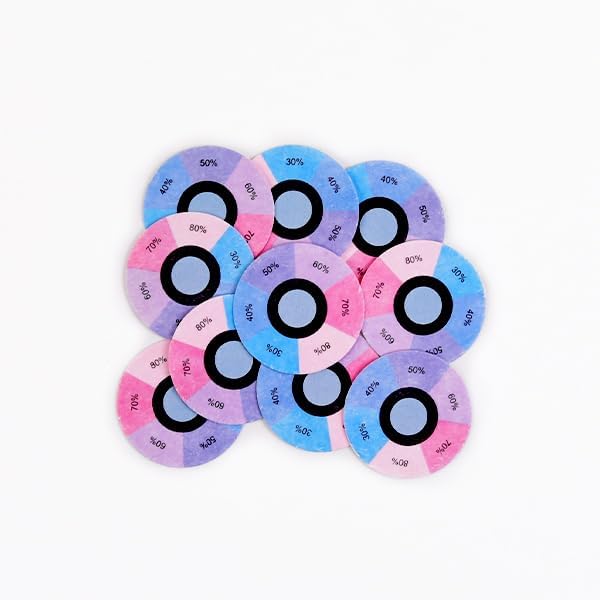
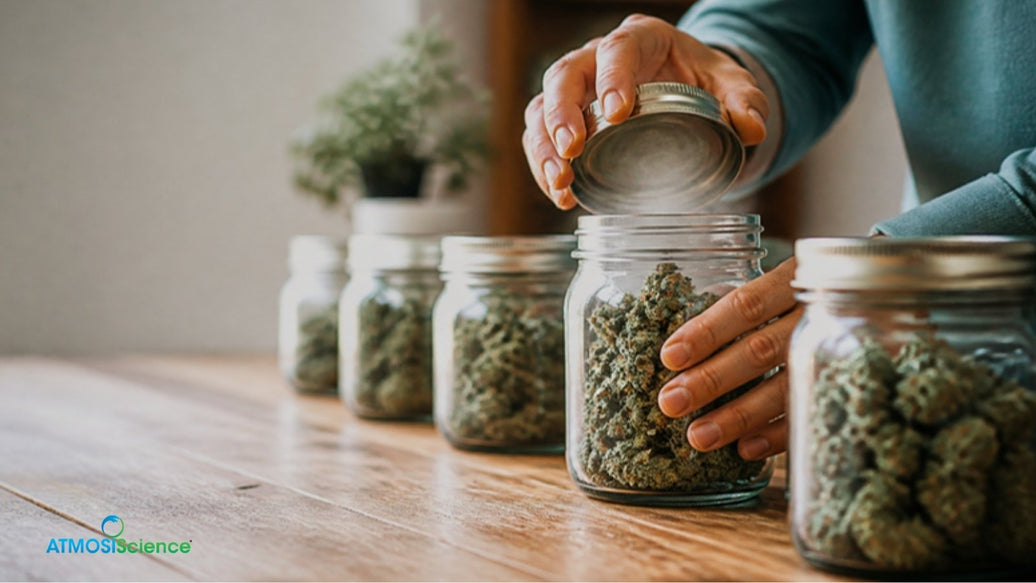
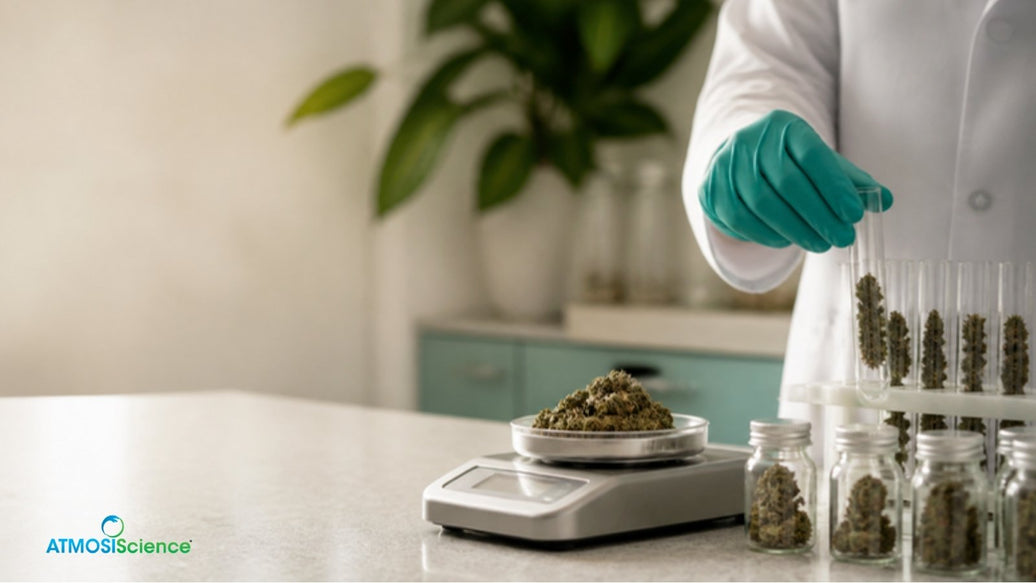
Place a few representative buds in a sealed jar with a hygrometer or an RH indicator card for 12–24 hours and read the equilibrium:
| Jar reading after 24h | Meaning | Action |
|---|---|---|
| Above 68% | Too wet — mold territory | Back to hanging, retest in 24–48h |
| 62–68% | Jar-ready, cure-wet end | Jar with 62% pack, burp week one |
| 55–62% | Ideal cure zone | Jar with 62% pack, minimal burping |
| Below 55% | Overdried | Jar with 62% pack to re-equilibrate |
This is the same logic commercial cultivators apply with water-activity meters — the home version costs a few dollars and removes the argument entirely. More on the target band in 62 vs 58 vs 65 RH.
If you jarred too early
The jar smells damp or reads above 68% within a day. Pull everything back out onto a rack for 24–48 hours. Inspect for white fuzz before re-jarring — and read the mold-risk guide if anything looks suspect.
If you jarred too late
Overdried flower isn't ruined — it's missing water, not cannabinoids. A 2-way 62% pack rehydrates it gradually and safely over several days; the process is detailed in how to rehydrate at 62% RH. What never works: orange peels, lettuce, or bread, which add mold spores along with moisture.
Stop guessing the jar moment
A hygrometer tells you where the jar is. Humidi-Cure® 62% packs keep it there, holding every jar in the cure zone in both directions
Shop Humidi-Cure 62%Size my packsFAQ
How many days of drying before the snap test passes?
Typically day 7–12 at 60°F / 55–60% RH. Faster than 6 days usually means the room ran too dry — check for the hay smell.
Can buds pass the snap test and still be too wet inside?
Dense buds can. The jar-RH method catches this — it reads the whole bud's equilibrium, not just the stem.
What RH should the jar hold during the cure?
60–62% is the consensus target for flavor and smoothness; 62% RH packs hold it automatically.