Most people treat mold prevention like a “dry it harder” problem.
But in real life, mold and overdrying are two sides of the same mistake: you’re chasing air humidity (RH) instead of controlling the product’s moisture equilibrium.

The simplest way to think about it is this:
-
Mold doesn’t grow because the room feels humid.
Mold grows when the product still has enough available water to support microbial activity. -
Overdrying doesn’t happen because you “forgot a humidity pack.”
It happens because moisture leaves the flower too fast, too far, or too unevenly, and you can’t reverse the loss of volatiles once they’re gone.
That’s why the right goal isn’t “drier.”
It’s stable.
The mold trap most teams don’t notice
Here’s the part that surprises people:
Mold risk often comes from microclimates, not averages
You can read “62% RH” on a hygrometer and still have:
-
wetter cores inside dense buds
-
localized moisture pockets
-
condensation events from temperature swings
-
packaging films or seals that let moisture creep back in over time
So the real question becomes:
Where is moisture accumulating, and how fast can your system pull it back into balance without stripping quality?
That’s a system question, not a pack question.
The “no overdry” mold-reduction playbook
1) Start by diagnosing your storage reality (not your ideal one)
Ask these first, before choosing any product:
-
Are you storing in bags or jars?
-
What’s your turnover time: days, weeks, or months?
-
Do you see RH swings day to night, or when the product moves from cold room to warmer space?
-
Do you ever get that “one bag in the case” that comes back with issues?
If your turnover is under ~3 weeks and your environment is controlled, you may not need much intervention beyond disciplined handling.
If turnover is longer, or your environment is variable, you need stabilization.
2) Control fluctuations first, then target the setpoint
A stable environment slightly above or below your “perfect number” can be safer than an environment that bounces all day.
ATMOSIScience’s whole material philosophy is built around two-way buffering, designed to suppress swings instead of forcing the product in one direction. This same stability-first concept shows up across their microenvironment solutions used in high-stakes sectors like museums and electronics, where the goal is controlled fluctuation, not aggressive drying.
Practical takeaway:
-
If you only “dry harder,” you can reduce mold but create weight loss, harshness, and aroma fade.
-
If you stabilize the microclimate, you reduce mold risk and protect quality.
3) Avoid the two fastest ways teams accidentally create mold
A. Temperature swings that cause condensation
Cold storage → warm room → open bag/jar = moisture can condense on surfaces.
B. “Wet outside, dry inside” or “dry outside, wet inside” product
Uneven moisture distribution is where problems hide. Surface feels fine, core is still risky.
Your best defense is a buffering layer that keeps RH stable inside the package, so the product can equilibrate gently instead of swinging.
Where ATMOSIScience fits, naturally
Instead of telling you “use X,” here’s the clean way to match solutions to your workflow:
If you store in bags and want the simplest mold-risk reduction with minimal labor
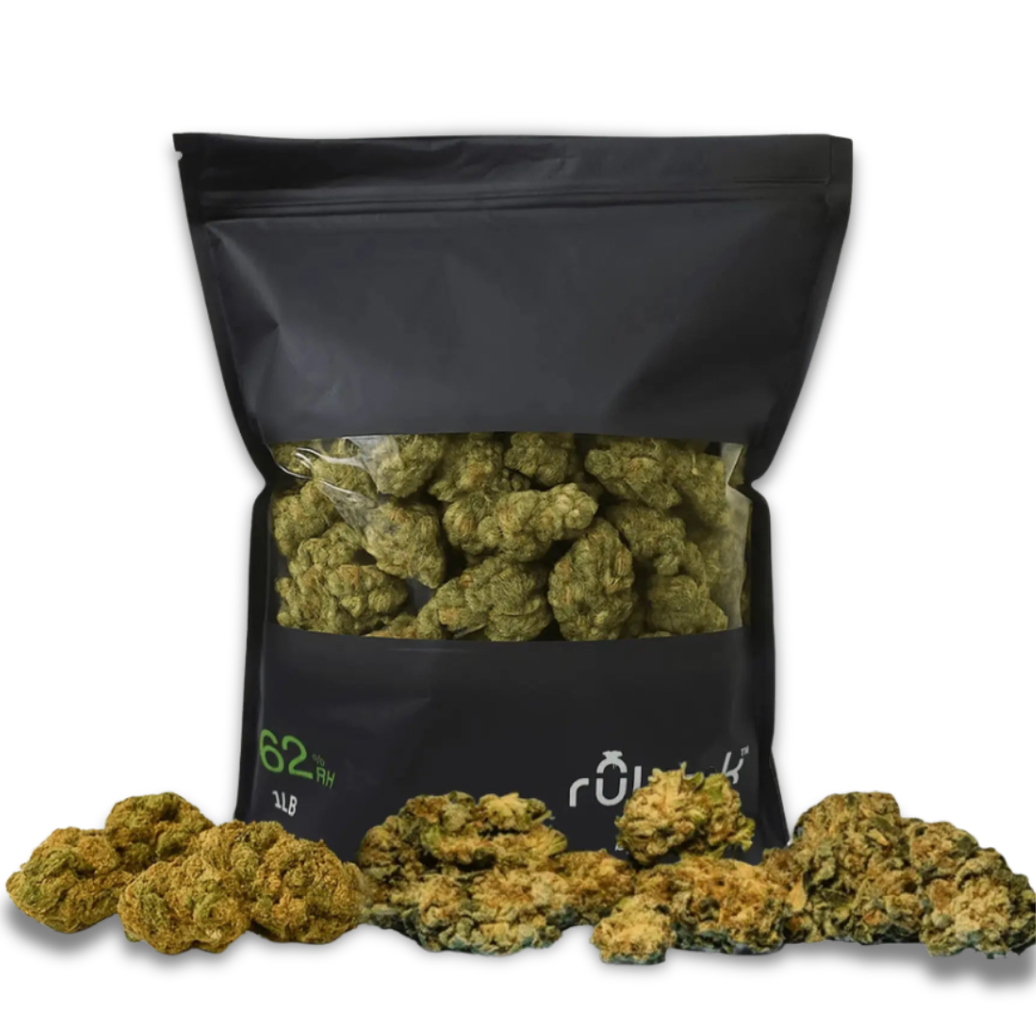
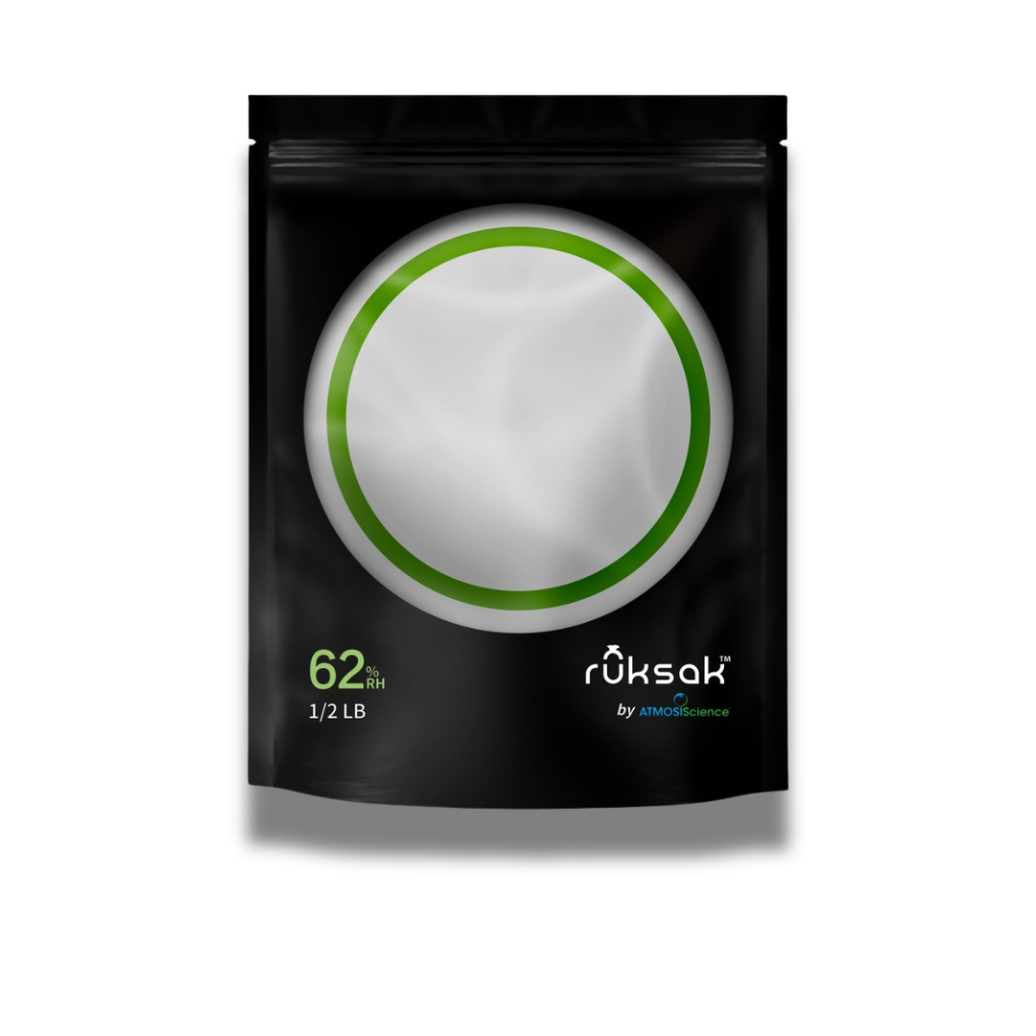
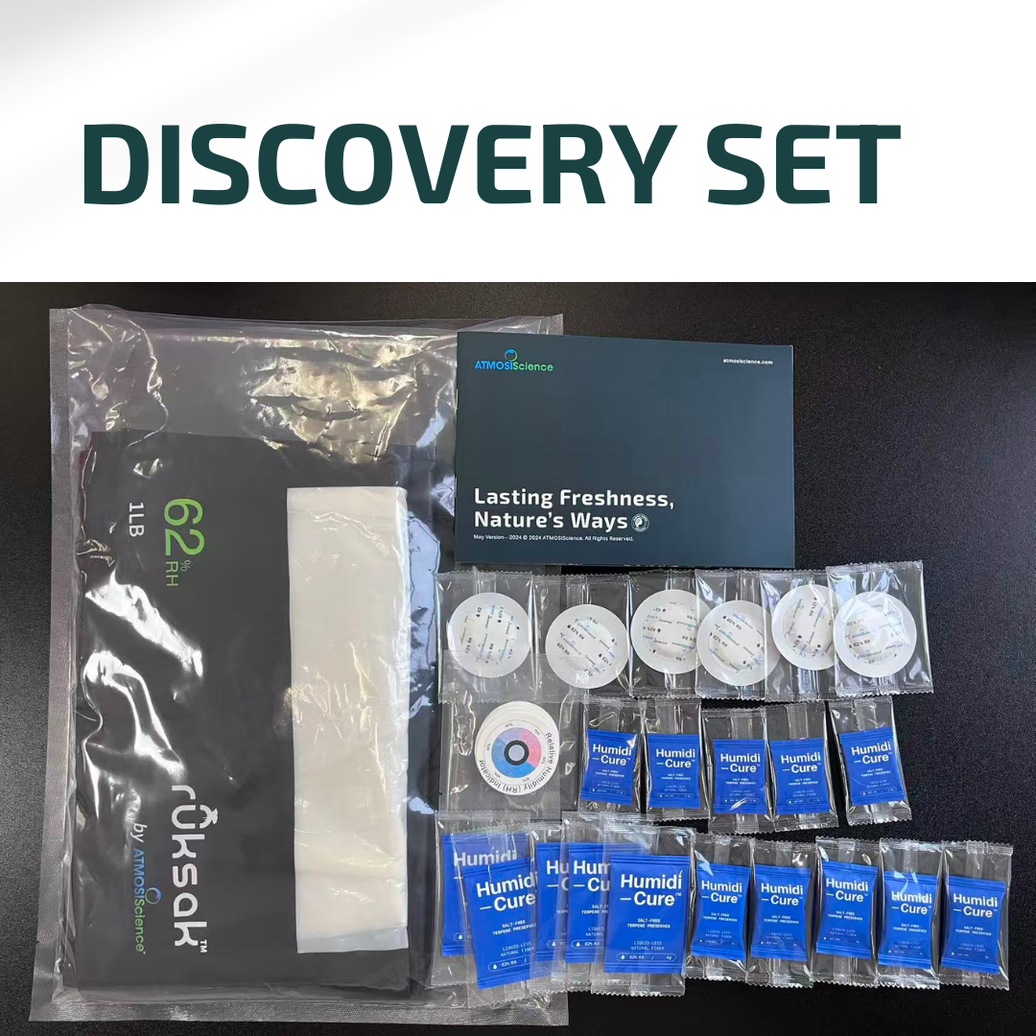
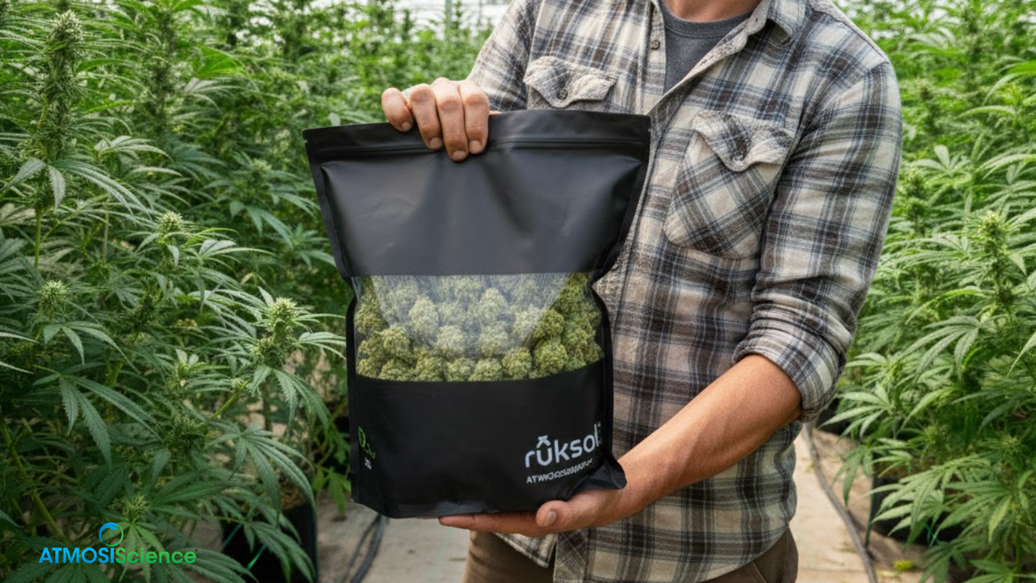
ruksak is built for this exact problem: humidity control integrated into the bag, so you’re not relying on someone to insert the right pack every time.
-
ruksak 1/2 lb
https://atmosiscience.com/products/ruksak-1-2-lb
This “integrated, not added” concept is also why our team often says moisture control is a system, not an accessory: the bag itself becomes part of the control layer. (That systems mindset is standard in electronics moisture management too, where dosage, bag material, and exposure time are all controlled variables.
If you store in jars, or you need a flexible option across SKUs
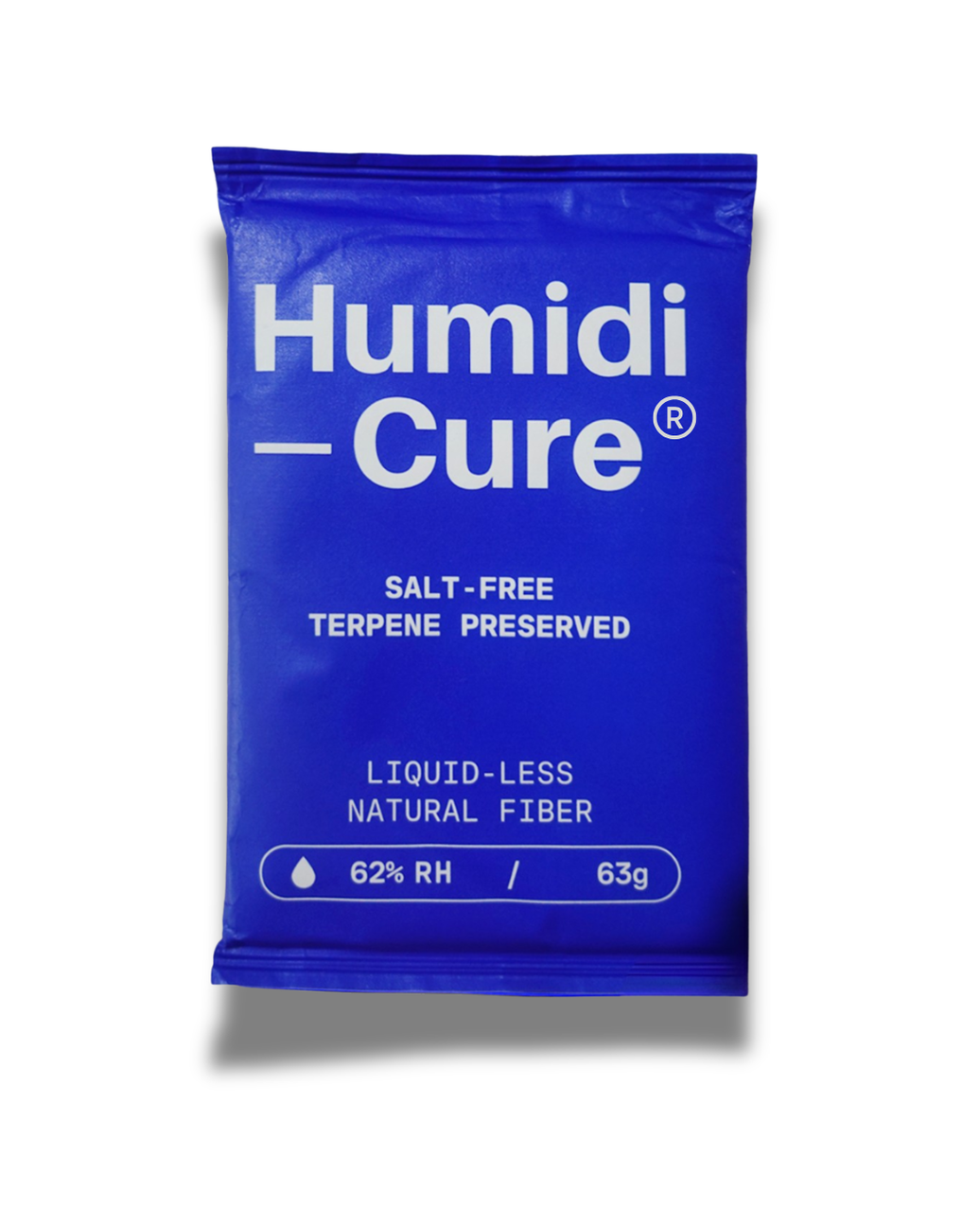
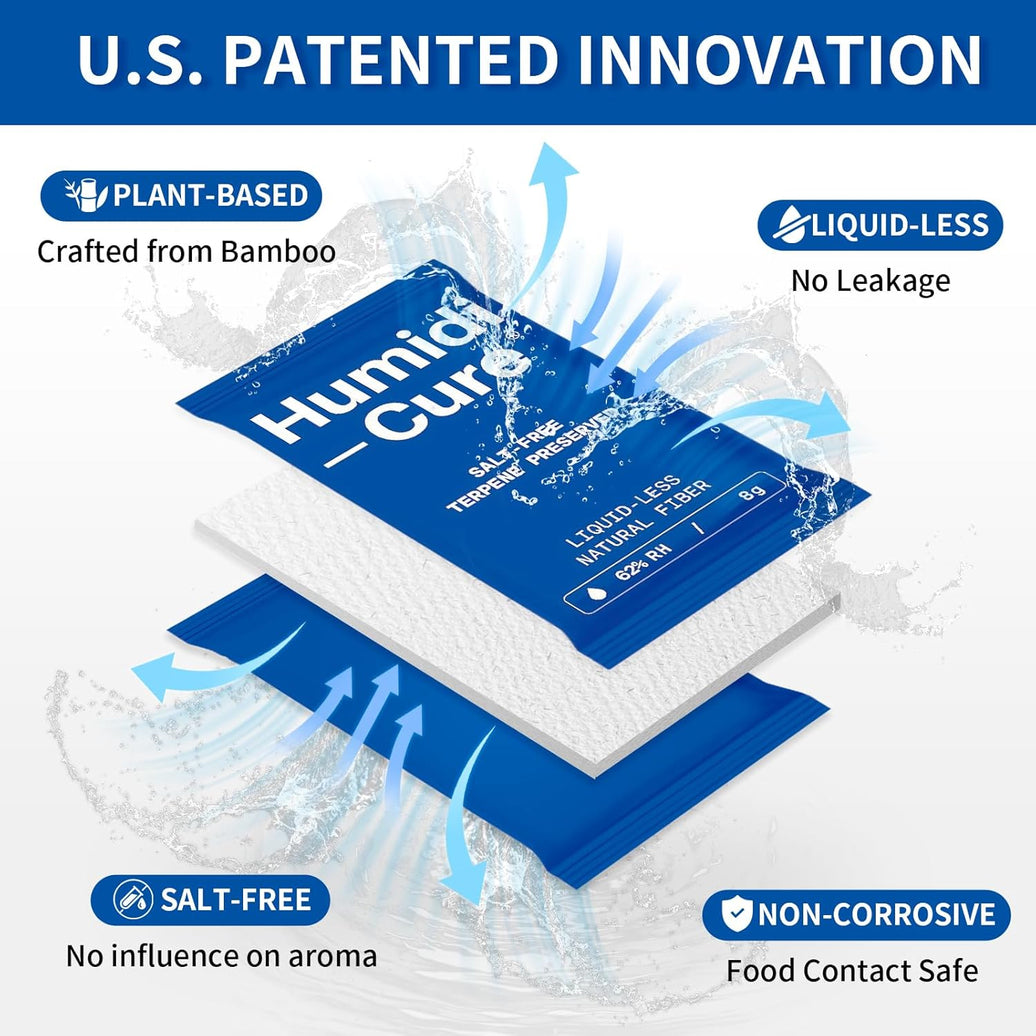
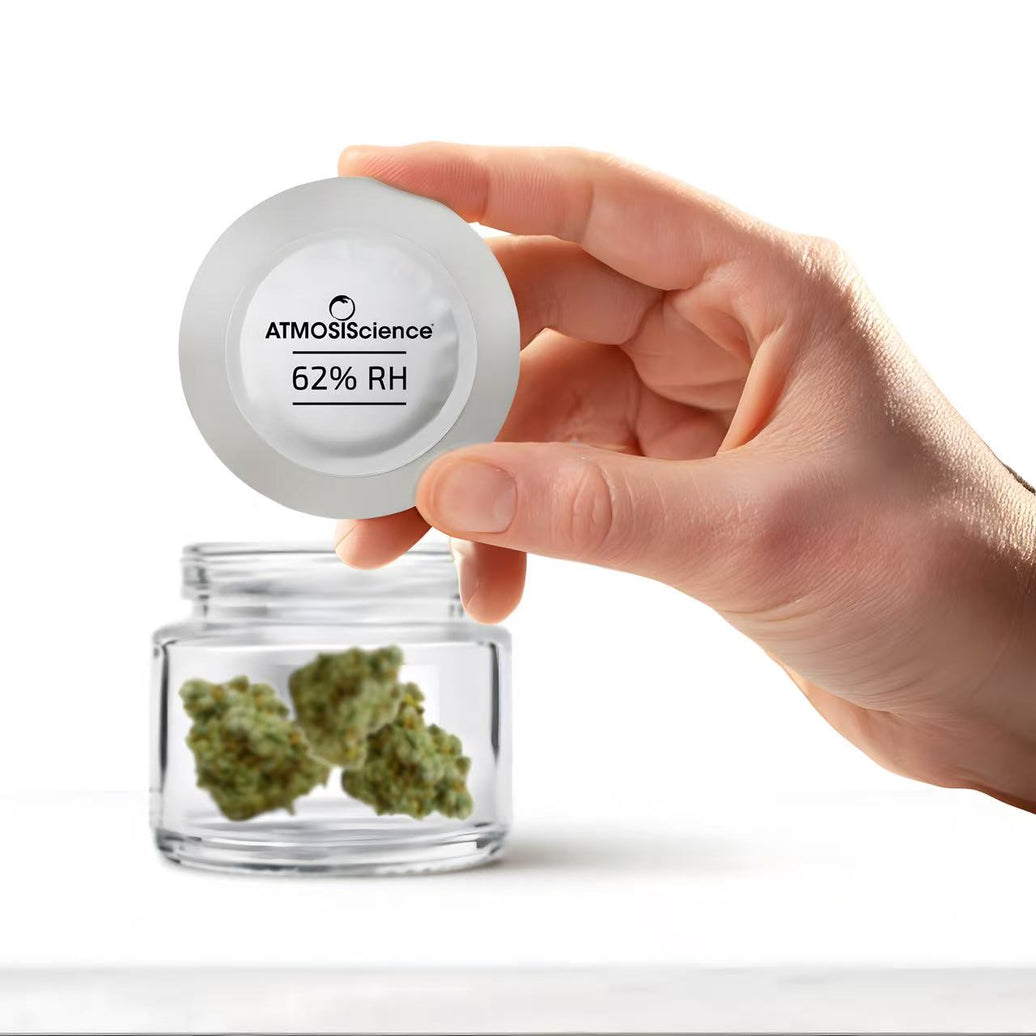
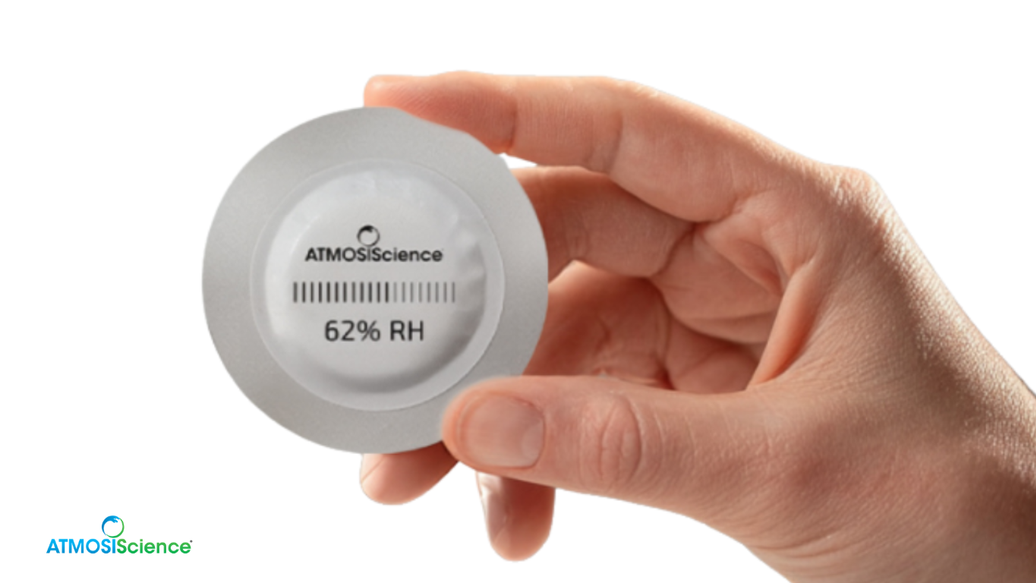
Use a two-way pack that can buffer the headspace and smooth out fluctuations.
-
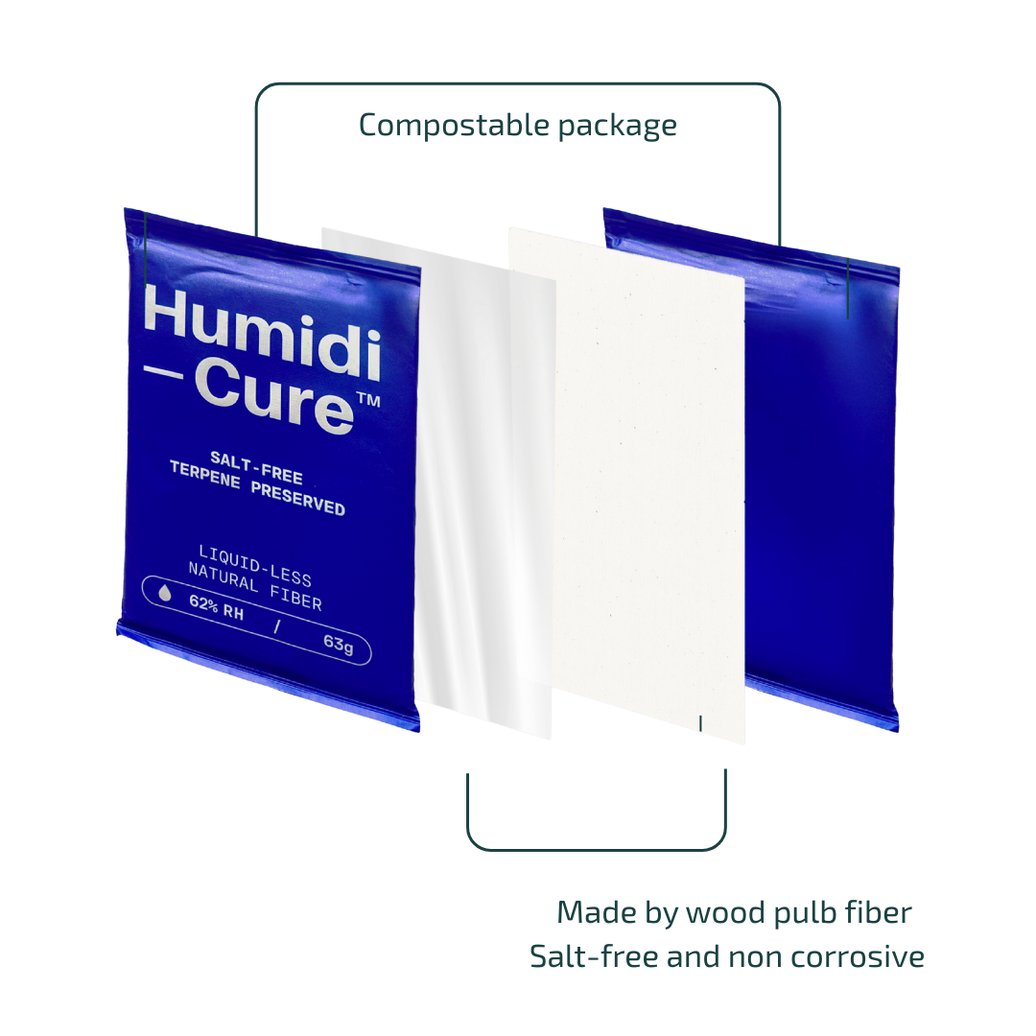
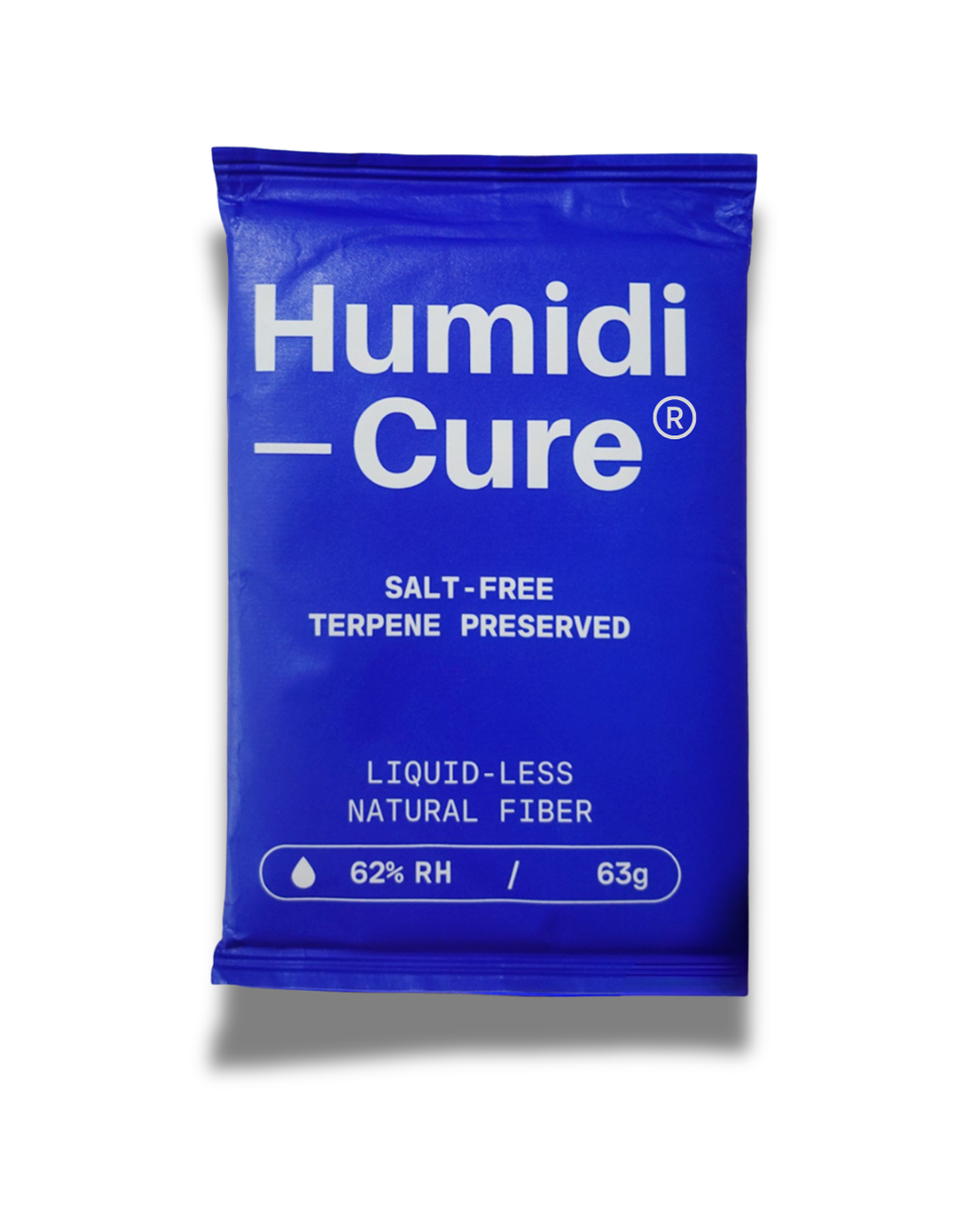
Humidi-Cure 62
https://atmosiscience.com/products/humidi-cure-62
This is especially useful when:
-
you have mixed jar sizes
-
you need something drop-in simple
-
you want to stabilize after handling events (opening, transfers, retail display)

ATMOSIScience’s fiber approach is designed for safe, stable moisture exchange, with material know-how built across demanding use cases.
If you manage larger storage zones or want a “microclimate layer” beyond one container
That’s when you step up to a broader-format buffering solution:
-
Humidi-Cure Plus
https://atmosiscience.com/products/humidi-cure-plus
This is the option for teams who think in racks, cases, bins, transport, or storage rooms, where the real enemy is drift and variability, not one container.
A simple checklist you can run this week
If you do nothing else, do this:
-
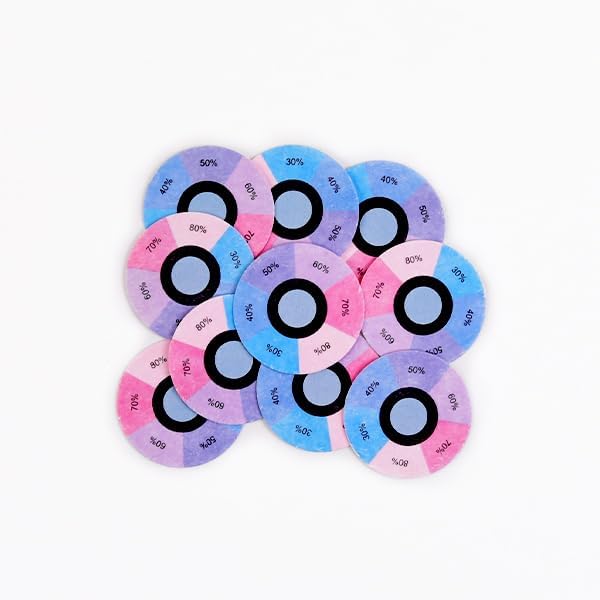
Put a hygrometer inside the container or bagged case, not just in the room.
-
Track RH at: close, 6 hours, 24 hours, 72 hours.
-
Watch for patterns:
-
climbs after sealing = product still releasing moisture
-
drops over time = packaging leakage or overdry trend
-
big day-night swings = temperature driven drift
-
Then choose:
-
ruksak if you want “built-in” bag control with low labor.
-
Humidi-Cure 62 if you want flexible drop-in stabilization.
-
Humidi-Cure Plus if you want to stabilize larger storage or transport environments.