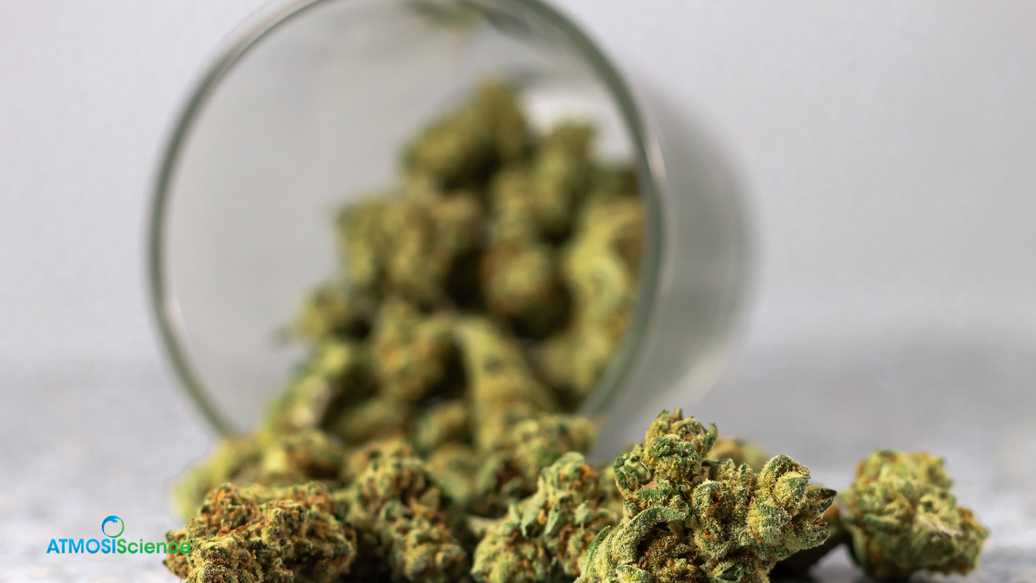
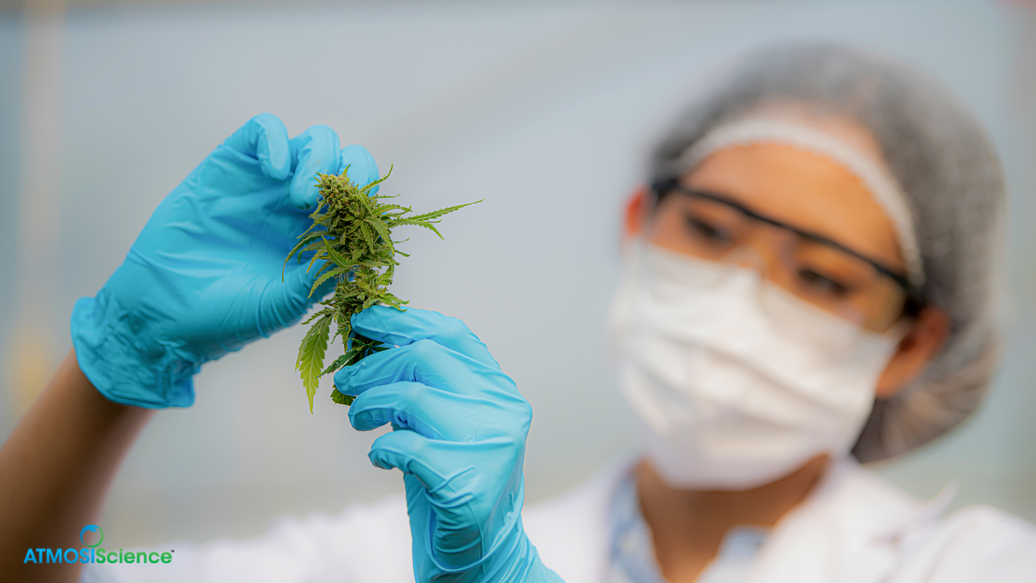
As a cultivator, you know that the moment you buck and bin your harvest, the clock is ticking. You need to protect the moisture, weight, and terpene profile you worked so hard to develop over the past few months. High-barrier packaging has become a popular tool for this, and for good reason. But from a material science perspective, there is a massive difference between simply trapping moisture and actively managing it.
Sealing your flower in a good bag is really only half the job. Here is a look at the science of microclimates, and why a passive wall of plastic might not be doing as much for your cure as you think.
The Limitations of Passive Bags
Let’s look at standard passive barrier bags (like many of the popular curing bags currently on the market). To be fair, they do exactly what they are designed to do: they create a strong physical barrier that keeps outside air out and inside air in.
But here is the catch: because they are completely passive, they rely entirely on your flower having the absolute perfect moisture content at the exact moment it goes into the bag.

A passive bag cannot adjust the environment. If your flower is bucked a little too dry, or if it goes in a bit too moist, a passive bag won't fix it. It simply locks that mistake in. If there is excess moisture, it stays trapped in the bag, increasing your risk of mold. If the flower is too dry, it stays dry, halting the curing process and degrading your terpenes. You are essentially trapping the existing environment, whether it is the right one or not.
The Active Alternative
So, what happens when you take a high-barrier bag and integrate actual humidity-control technology directly into its walls? You shift from passive storage to active management.
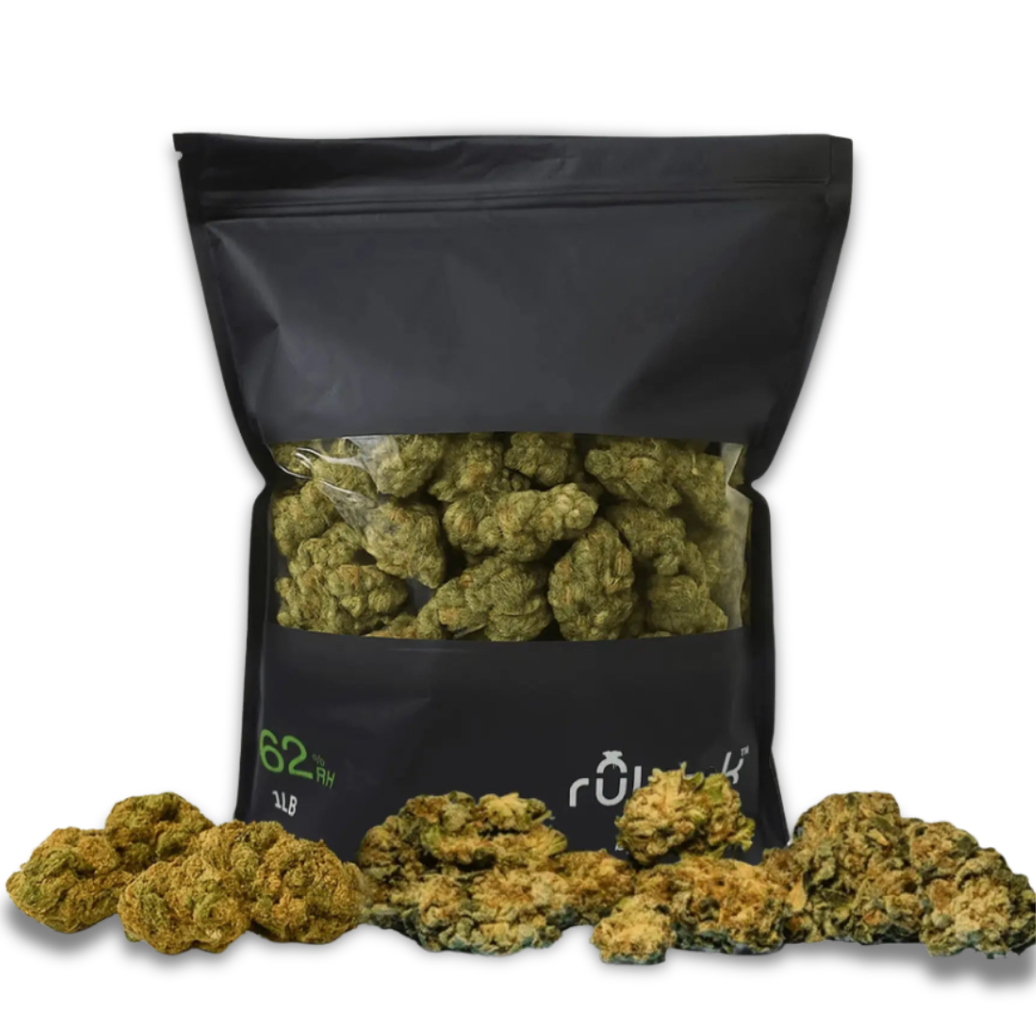
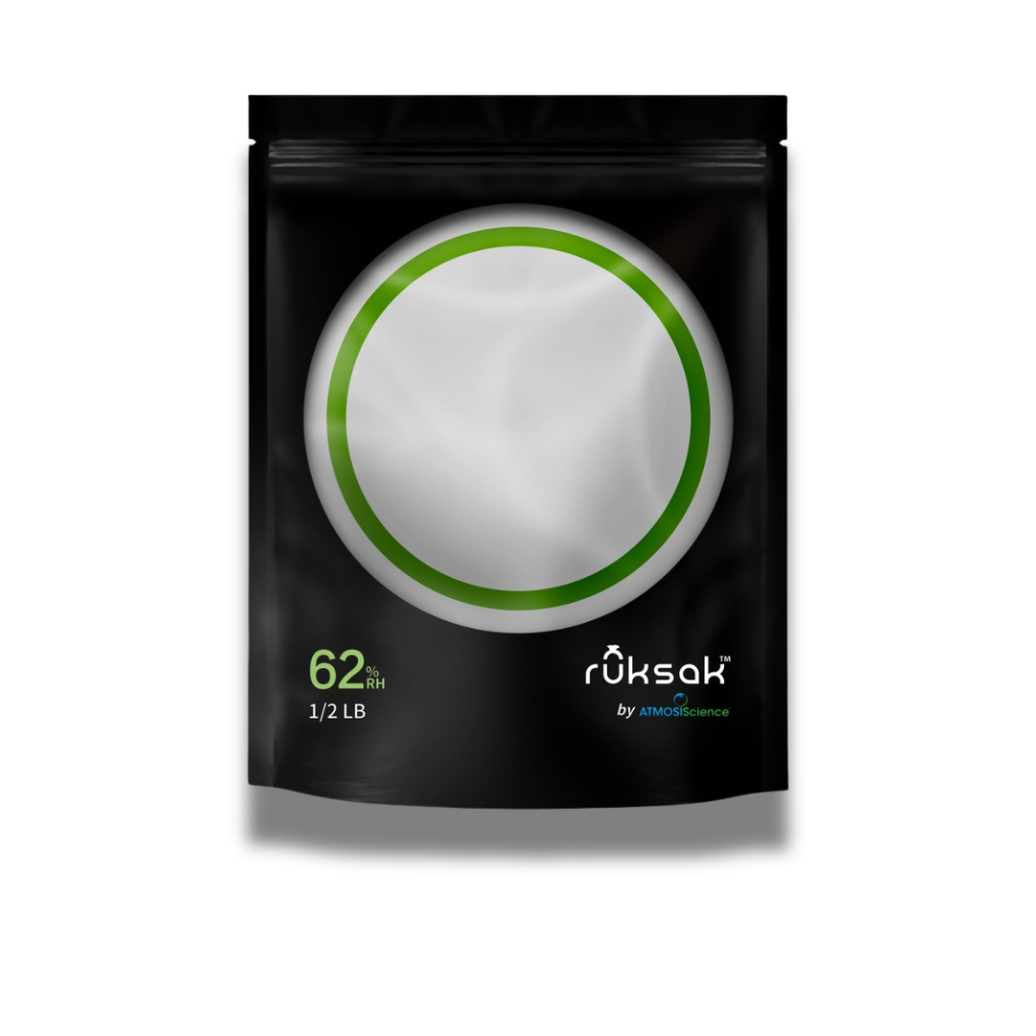
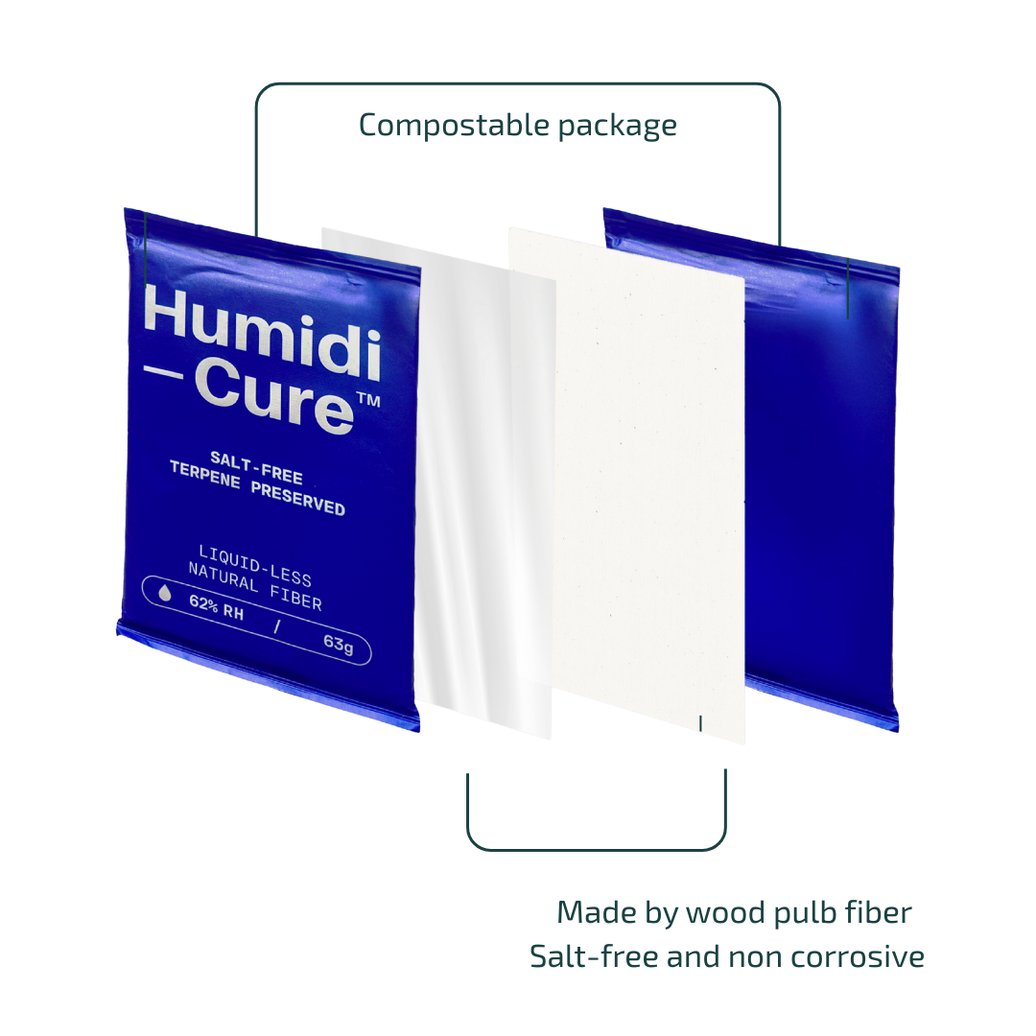
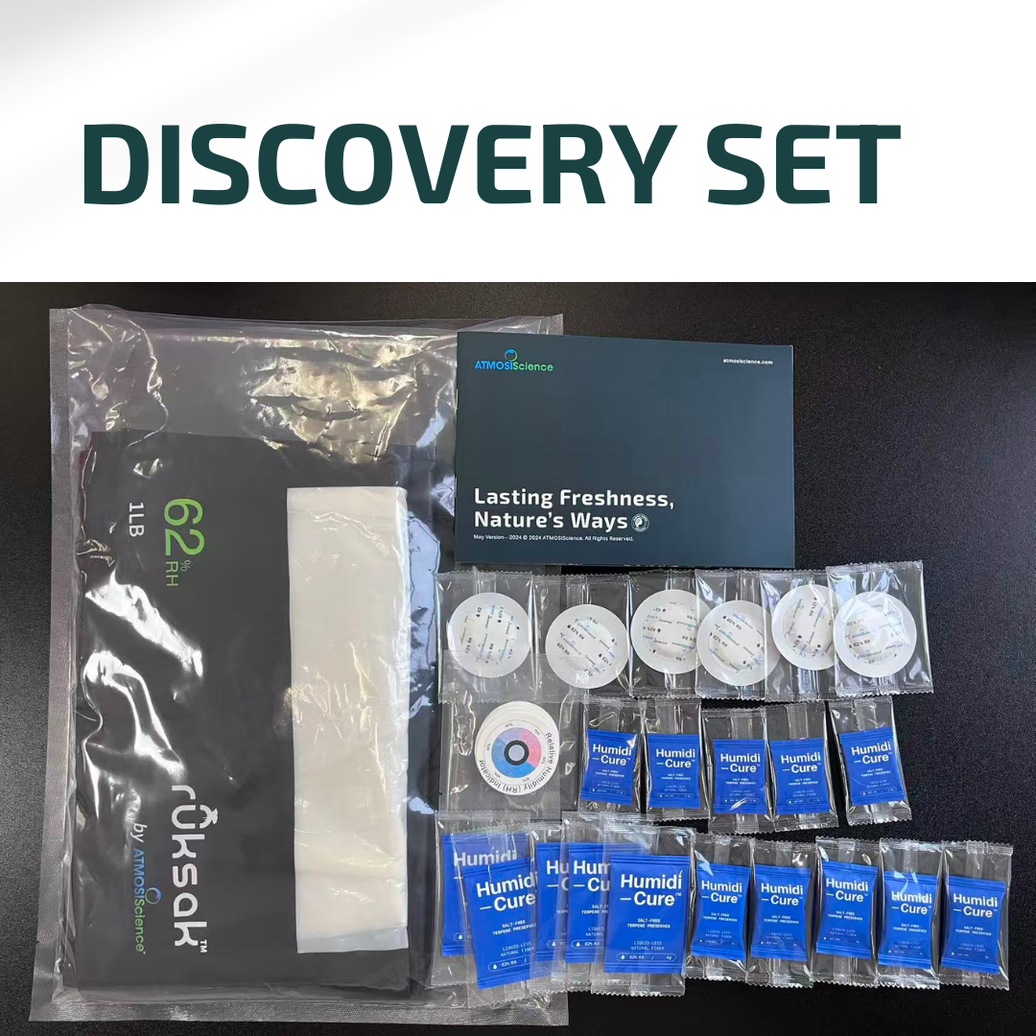
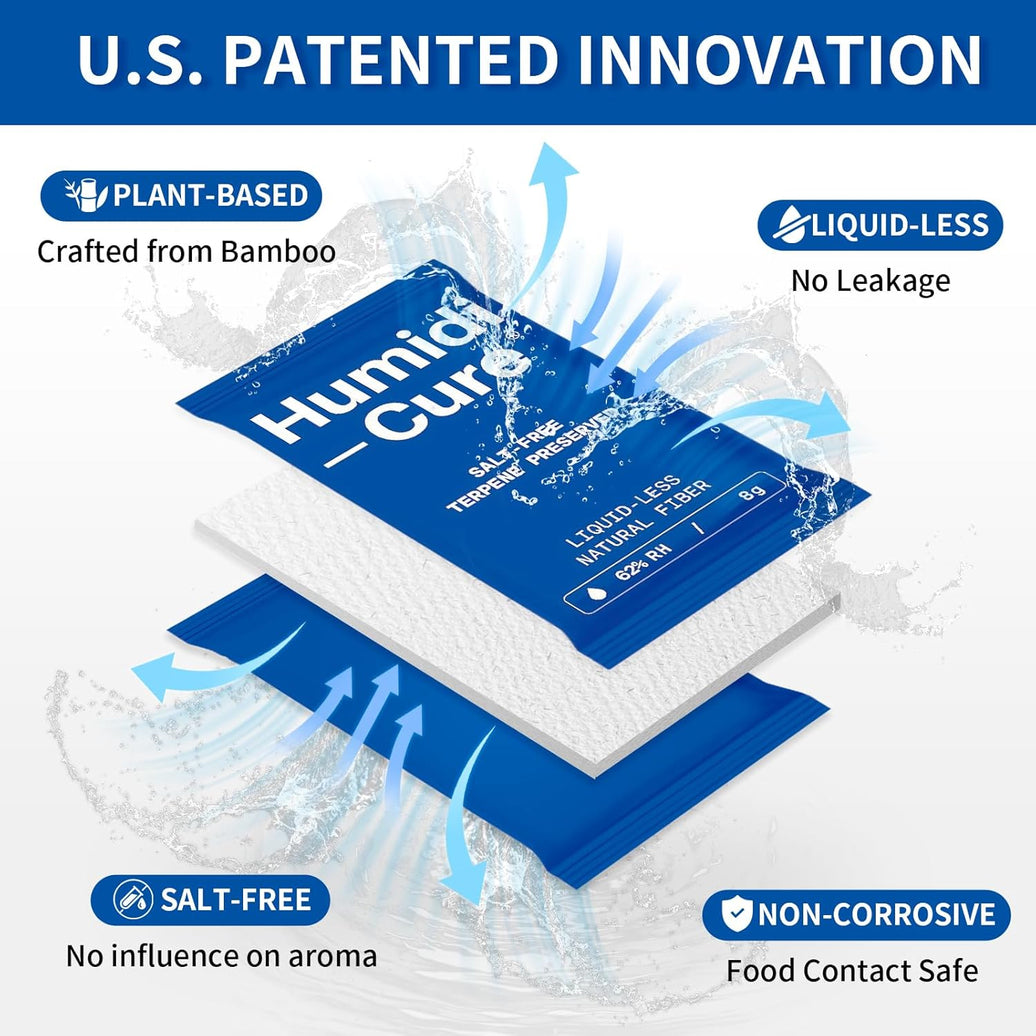
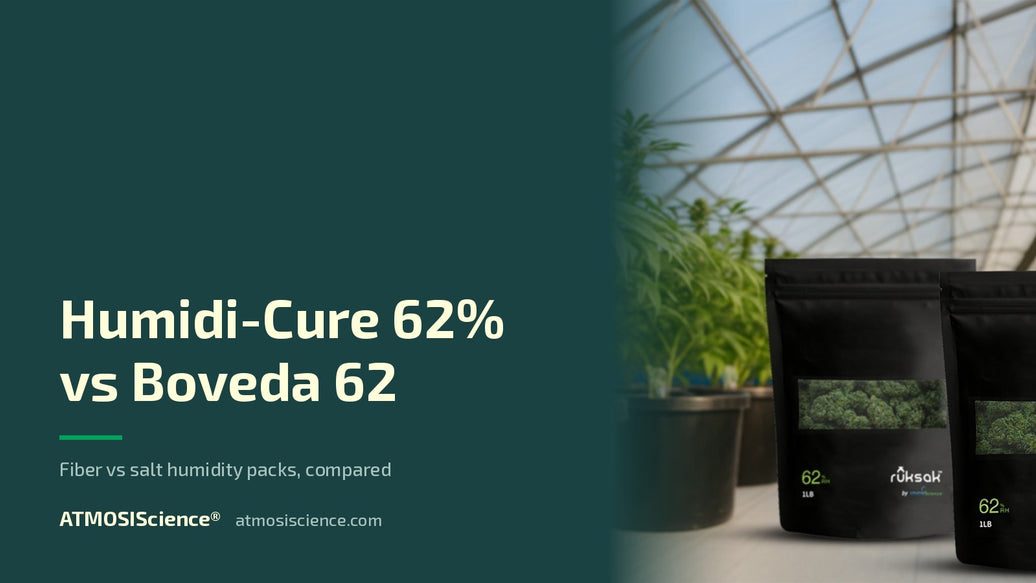
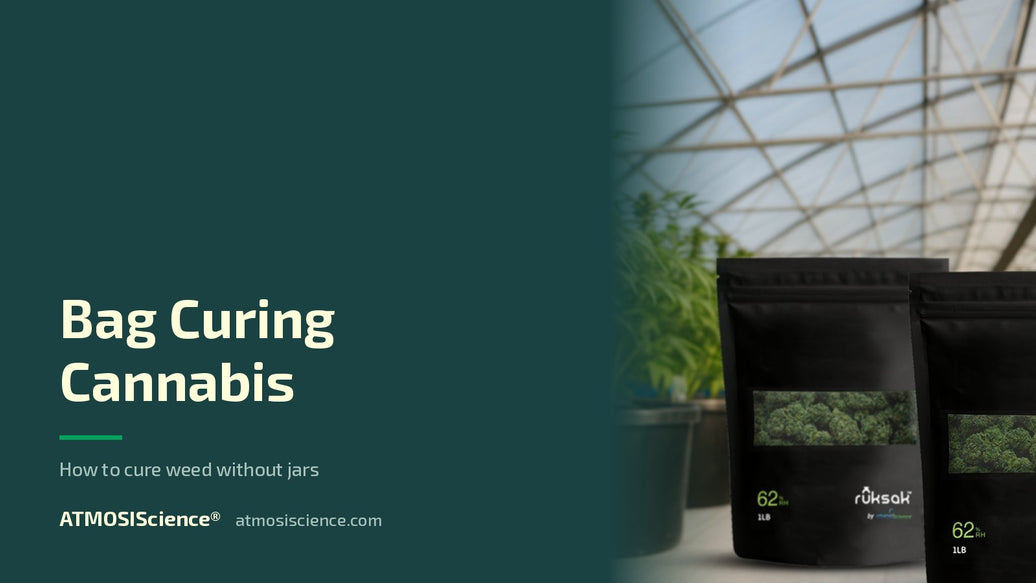
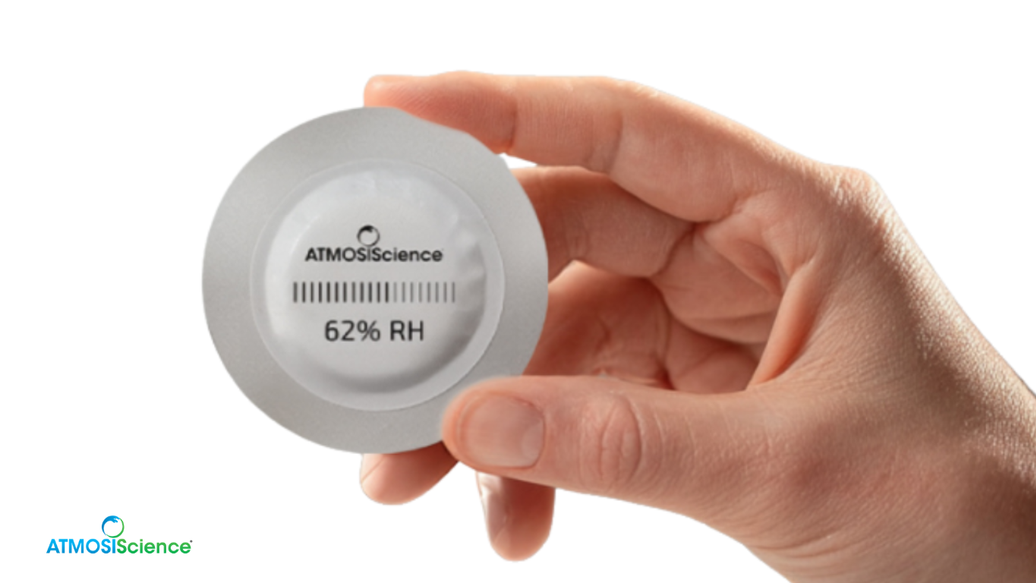
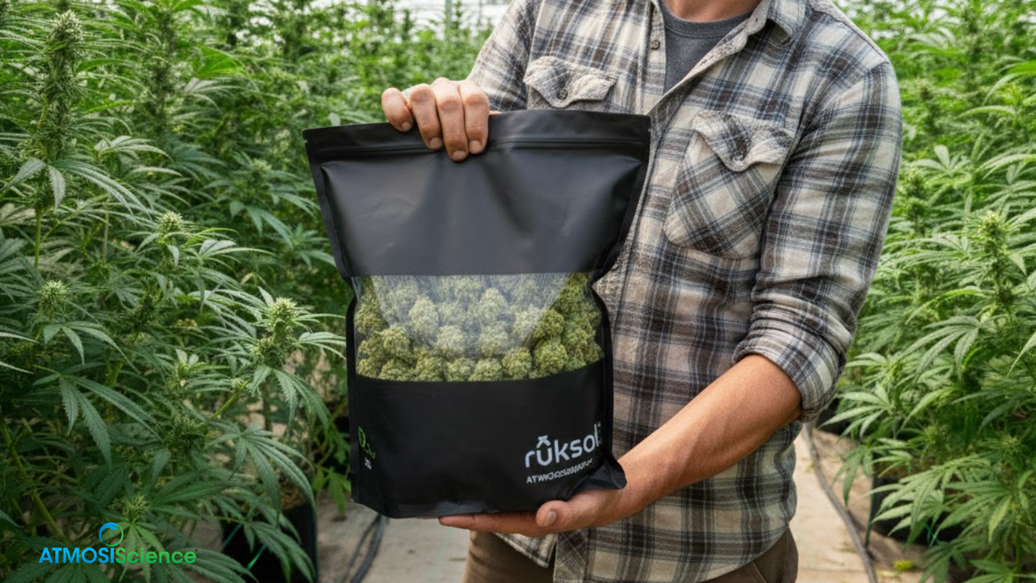
This is the science behind the ruksak® bag. Instead of relying solely on a plastic barrier, the interior of the ruksak® features ATMOSIScience's patented plant-based fiber technology. It doesn't just trap the air; it actively reads and corrects the microenvironment inside the bag.
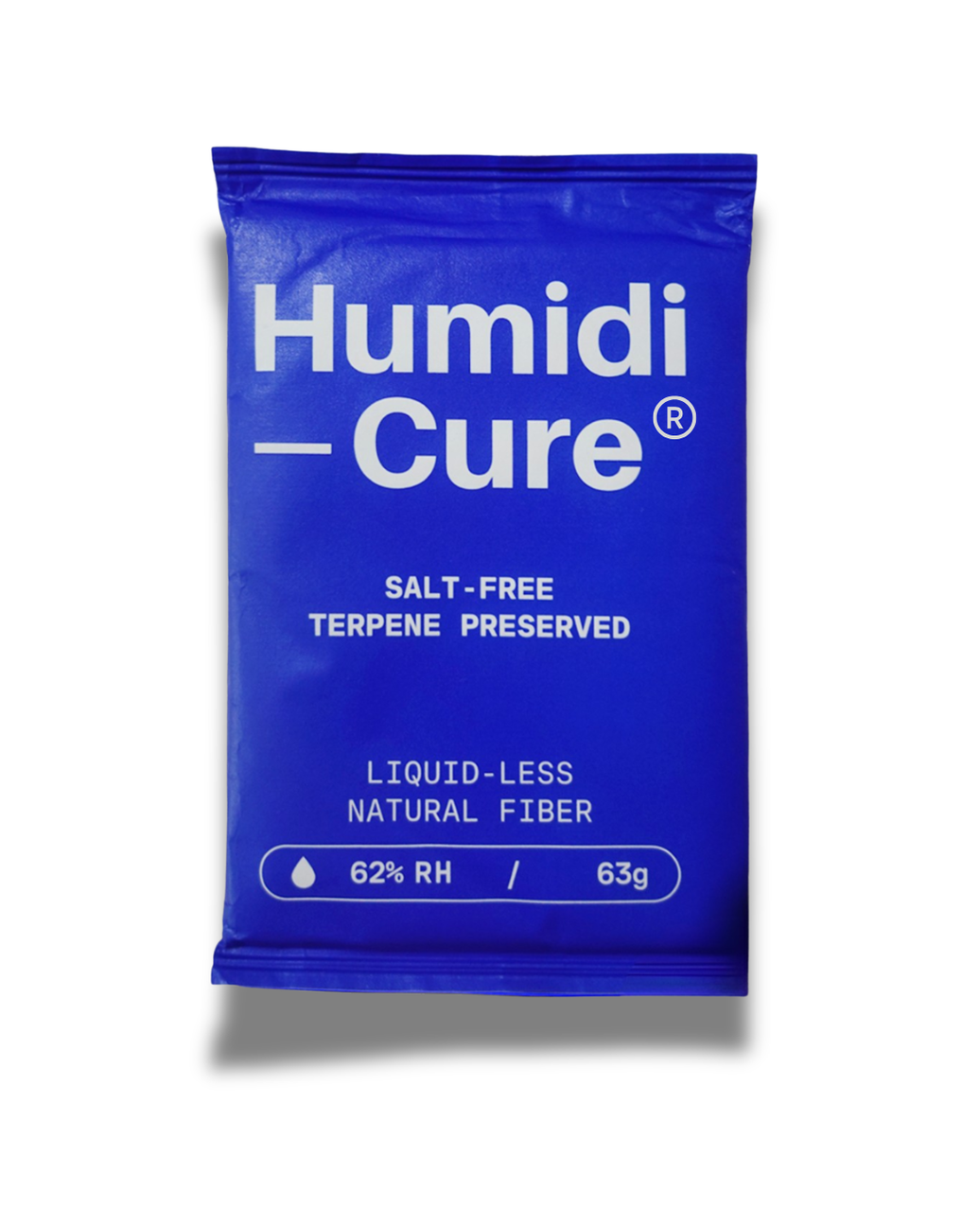
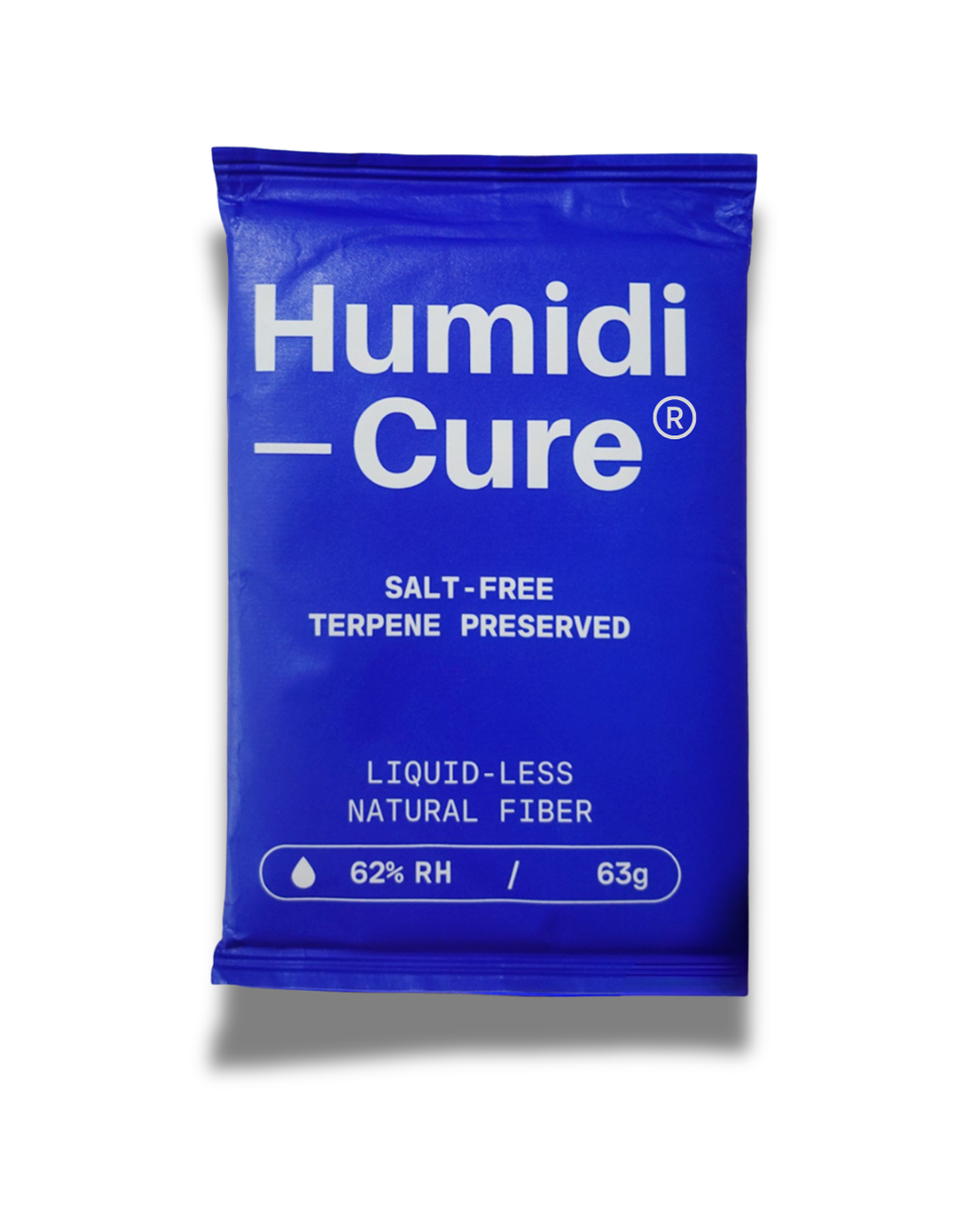
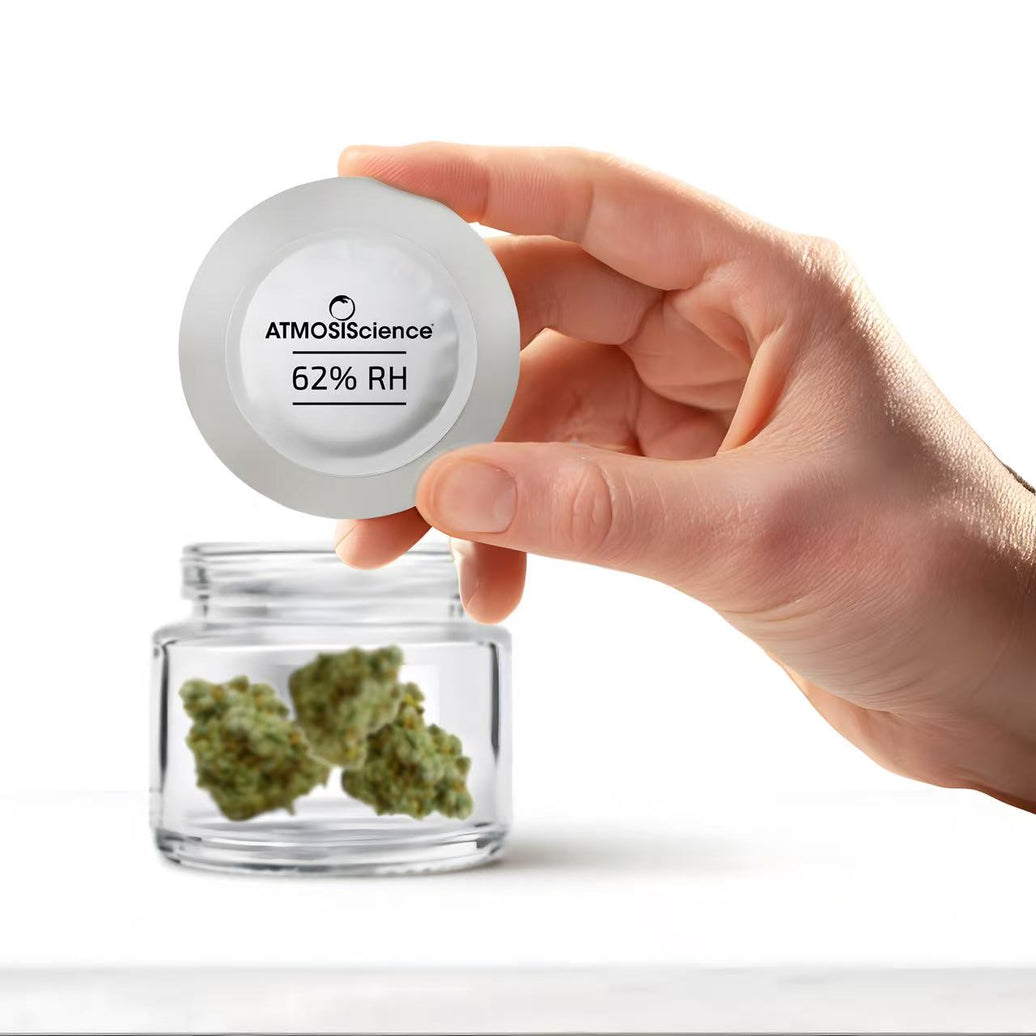
Because the natural fiber is engineered to hold a stable water activity level (typically 62% RH for cannabis), it acts like an intelligent sponge:
-
If your flower is too wet: The fiber pulls the excess moisture out of the air, trapping it safely away from your buds to prevent mold and rot.
-
If your flower is too dry: The fiber releases its stored moisture back into the microenvironment, gently bringing the relative humidity back up to the ideal 62% to keep your cure on track.

Don't Leave Your Cure Up to Chance
Curing and storing cannabis is a delicate balance. Achieving the perfect moisture level right at the exact moment of bagging is incredibly difficult, even for the most experienced operators. A slight fluctuation in your dry room can throw the whole process off.
You shouldn't have to leave your cure up to chance, crossing your fingers that the moisture level was perfect when you sealed the bag. By choosing packaging that actively works to fix and balance the microclimate, rather than just a plastic wall that traps the air, you take the guesswork out of the equation and ensure your flower stays exactly as fresh as the day it was trimmed.