Cannabis edibles represent a revolutionary shift in cannabis consumption, delivering potent, long-lasting effects through familiar formats like gummies, brownies, chocolates, and infused beverages. Unlike traditional smoking or vaping, edible cannabis products offer discretion, precise dosing potential, and therapeutic benefits without respiratory irritation, but their unique metabolic pathway and chemical fragility demand specialized handling - especially advanced storage solutions to lock in potency over time.

Introduction
The meteoric rise of cannabis edibles has reshaped the industry, with global sales surpassing $5 billion in 2024 alone, driven by legalization trends and consumer preference for smoke-free alternatives. Edible cannabis appeals broadly: medical patients leverage it for sustained relief from chronic pain, nausea, and insomnia, while recreational users enjoy the deep, body-centered high that lingers for hours. Yet, this surge exposes a critical knowledge gap - many store cannabis edible items haphazardly, akin to pantry snacks, oblivious to how oxygen, heat, light, and humidity rapidly degrade active cannabinoids like THC and CBD.
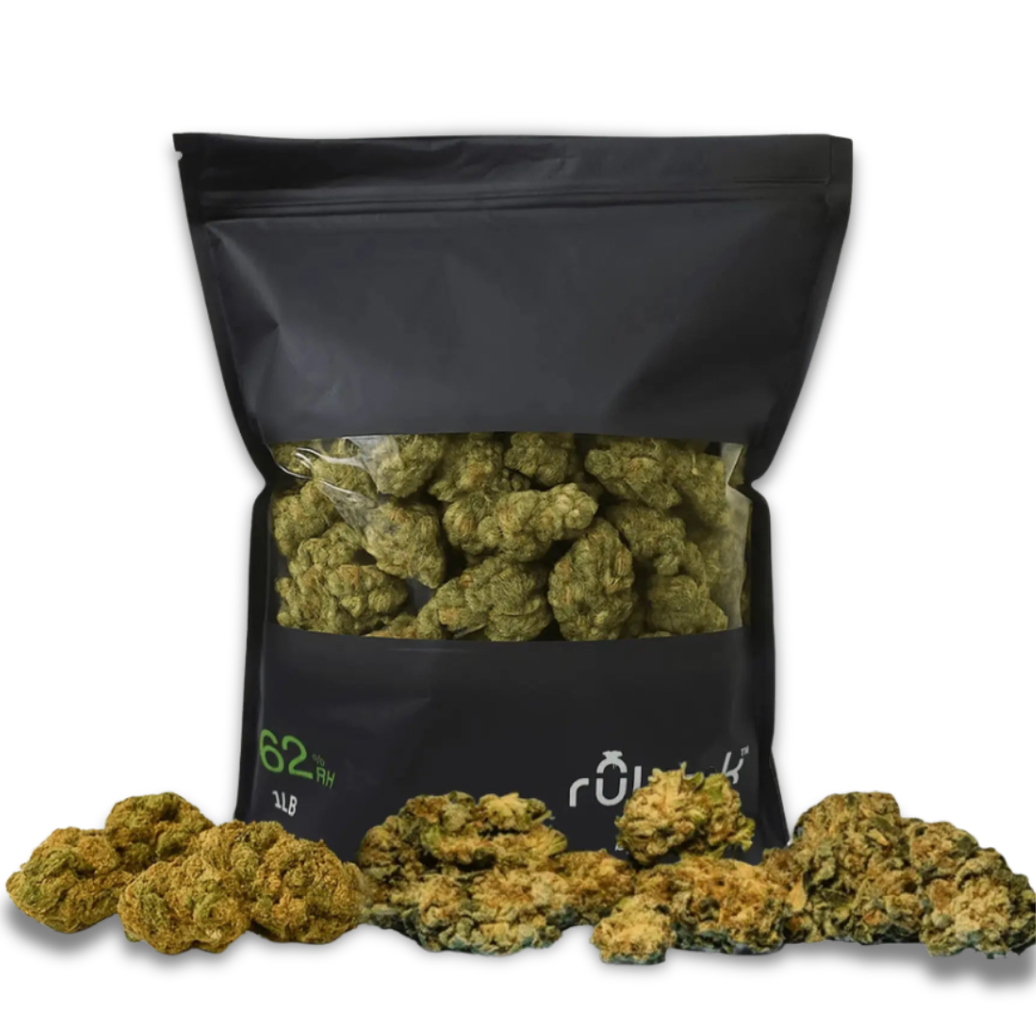
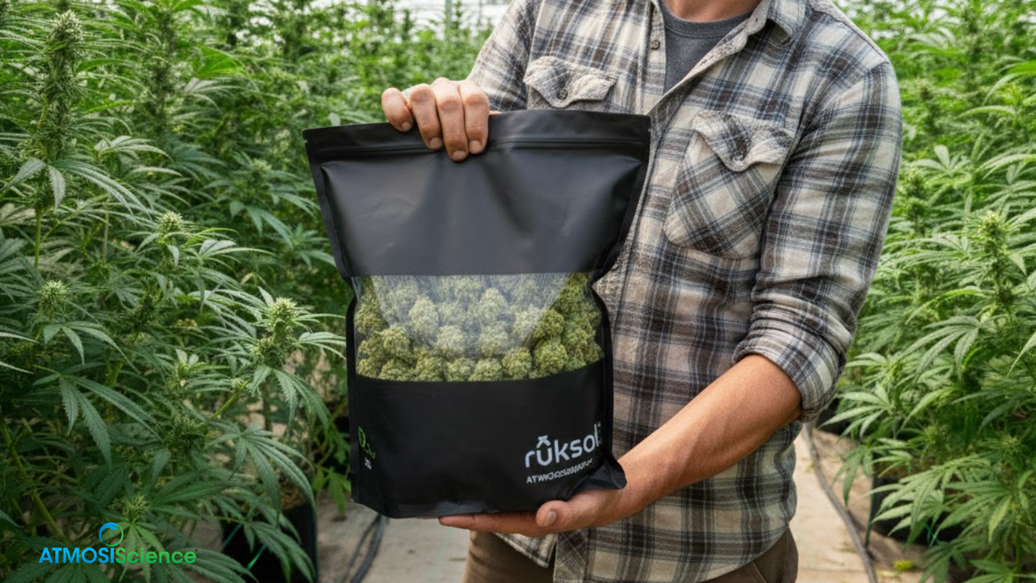
This comprehensive guide unpacks the science behind cannabis edibles, from liver-driven pharmacology that amplifies effects, to innovative nano-delivery systems accelerating onset, rigorous stability chemistry preventing potency loss, and evidence-based safety protocols averting overdoses. Backed by peer-reviewed studies, it emphasizes why proper preservation is non-negotiable. For ATMOSIScience readers, integrate tools like the ruksak™ for cannabis bags, engineered with oxygen scavengers and humidity control to extend shelf life dramatically. Mastering these principles ensures every bite of your edible cannabis delivers consistent, lab-grade performance, whether you're a novice or connoisseur.


Pharmacology differences
Cannabis edibles fundamentally alter cannabinoid pharmacokinetics compared to inhalation, primarily through the liver's first-pass effect - a biochemical gateway that transforms the experience. When cannabis flower is smoked or vaped, Delta-9-tetrahydrocannabinol (THC) vaporizes and absorbs directly via the alveoli into systemic circulation, achieving peak blood levels in 3-10 minutes with bioavailability ranging from 10-35%. This rapid delivery produces a cerebral, short-lived high of 1-3 hours.
Ingested edible cannabis, however, embarks on a slower journey: it dissolves in gastric juices, traverses the small intestine for lipid-mediated absorption, and enters the portal vein en route to the liver. Here, cytochrome P450 2C9 and 3A4 enzymes hydroxylate THC into 11-hydroxy-THC (11-OH-THC), a highly lipophilic metabolite. Foundational research by Huestis (2007) reveals 11-OH-THC's superior affinity for CB1 receptors in the endocannabinoid system, exerting 2-5 times the psychoactive potency of parent THC while penetrating the blood-brain barrier more readily. This yields profound euphoria, sedation, and analgesia lasting 6-12 hours, with a half-life extending 20-30 hours versus THC's shorter span.

Bioavailability craters to 4-12% in conventional cannabis edible recipes due to incomplete gut uptake and extensive hepatic breakdown, compounded by food matrix interference - fats enhance absorption, but fibers hinder it. Onset delays to 30 minutes-2 hours foster a false sense of inefficacy, prompting "stacking" where users redose prematurely. Gender pharmacodynamics add nuance: women exhibit faster metabolism and heightened sensitivity, reporting stronger effects at half the male dose.
Strain variations matter too - sativas may energize via terpene synergies, while indicas deepen sedation through 11-OH-THC dominance. Clinical trials, including those by Spindle et al. (2020), map these curves precisely, underscoring why edible cannabis demands recalibrated dosing: 5-10mg THC equates to 20-50mg inhaled equivalents.
These distinctions position cannabis edibles as superior for sustained therapy but riskier for titration, bridging directly to storage's role in preserving metabolic fidelity.

Modern delivery systems
Conventional cannabis edibles grapple with cannabinoids' innate hydrophobicity - THC and CBD dissolve poorly in water, relying on oils or butters for infusion, which yields sluggish, unpredictable absorption rates of just 5-10%. Gut enzymes must emulsify these lipids, but variability from meal timing, pH, and microbiome leads to plasma peaks fluctuating wildly, sometimes exceeding 4 hours.
Nanoemulsions shatter this barrier, engineering edible cannabis at the molecular scale. High-pressure homogenization or ultrasonication reduces THC droplets to 20-100nm, vastly expanding surface area for swift sublingual and gastric uptake. Breakthrough studies like Abdel-Raziq et al. (2023) on UltraShear technology report 80% bioavailability in preclinical models, with Cmax surging 4-fold and onset compressing to 15-30 minutes - emulating vaping's speed sans lung harm. Human validations, such as QuikStrike™ trials, confirm 2-3x elevated plasma levels over crude oils, minimizing first-pass losses via lymphatic bypass.
Liposomes and cyclodextrins offer complementary advances: phospholipid vesicles shield payloads from acidic degradation, while sugar cages solubilize without lipids. These propel cannabis edible evolution into microdosed beverages, fast-relief lozenges, and precision therapeutics for epilepsy or PTSD. McClements (2020) details how nano-sizing boosts mucosal permeability, turning gummies into "edible vapes." Therapeutic windows widen - patients achieve steady-state relief without peaks and troughs.
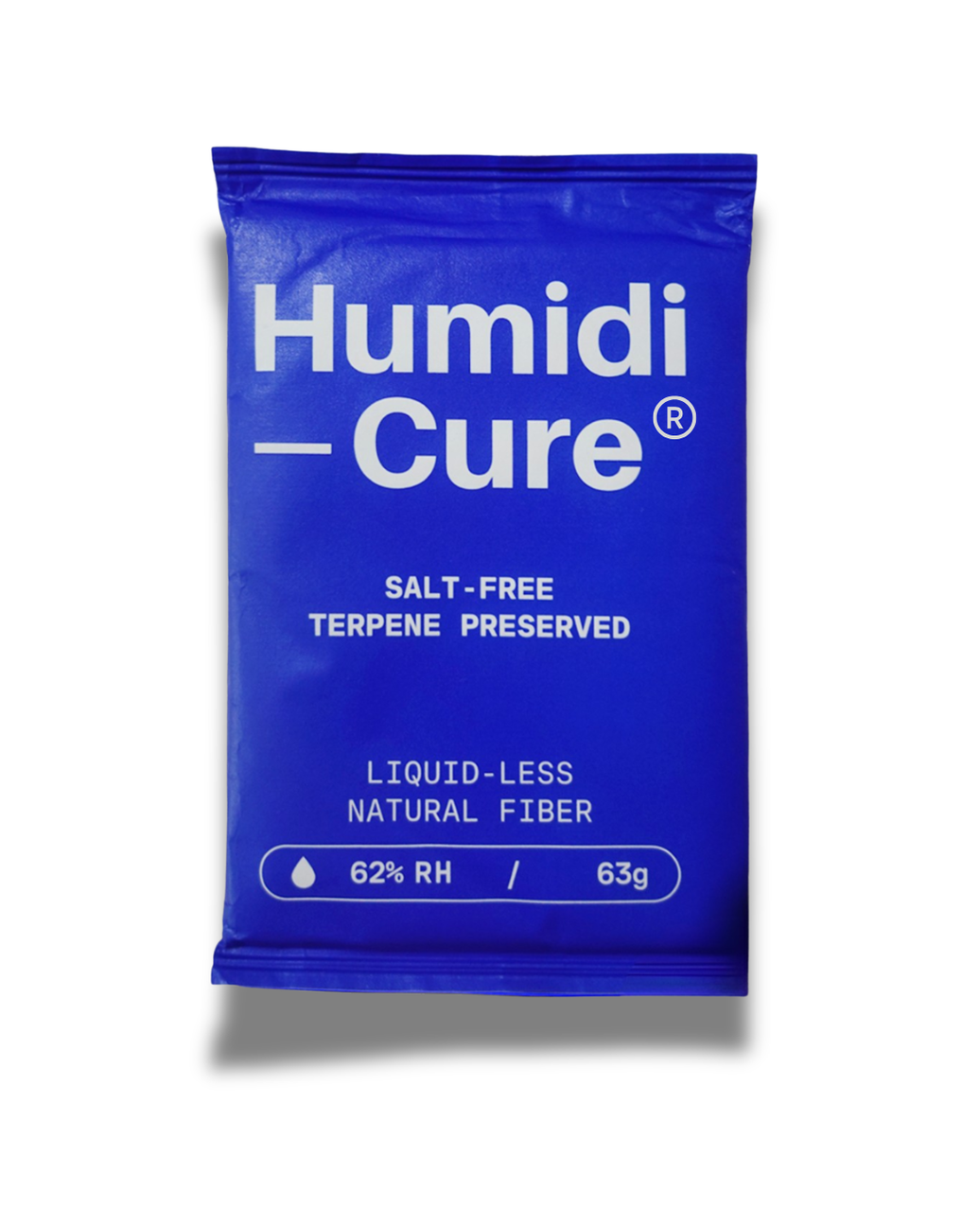
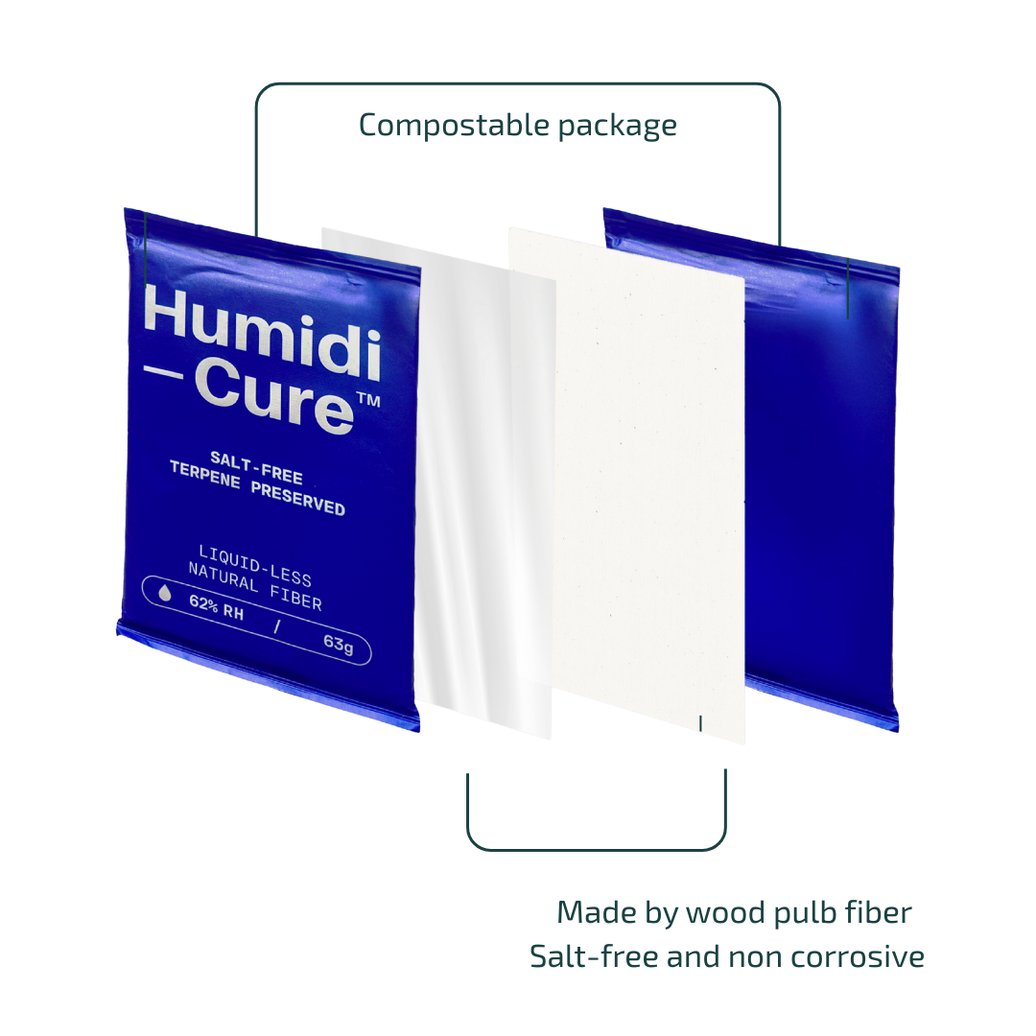
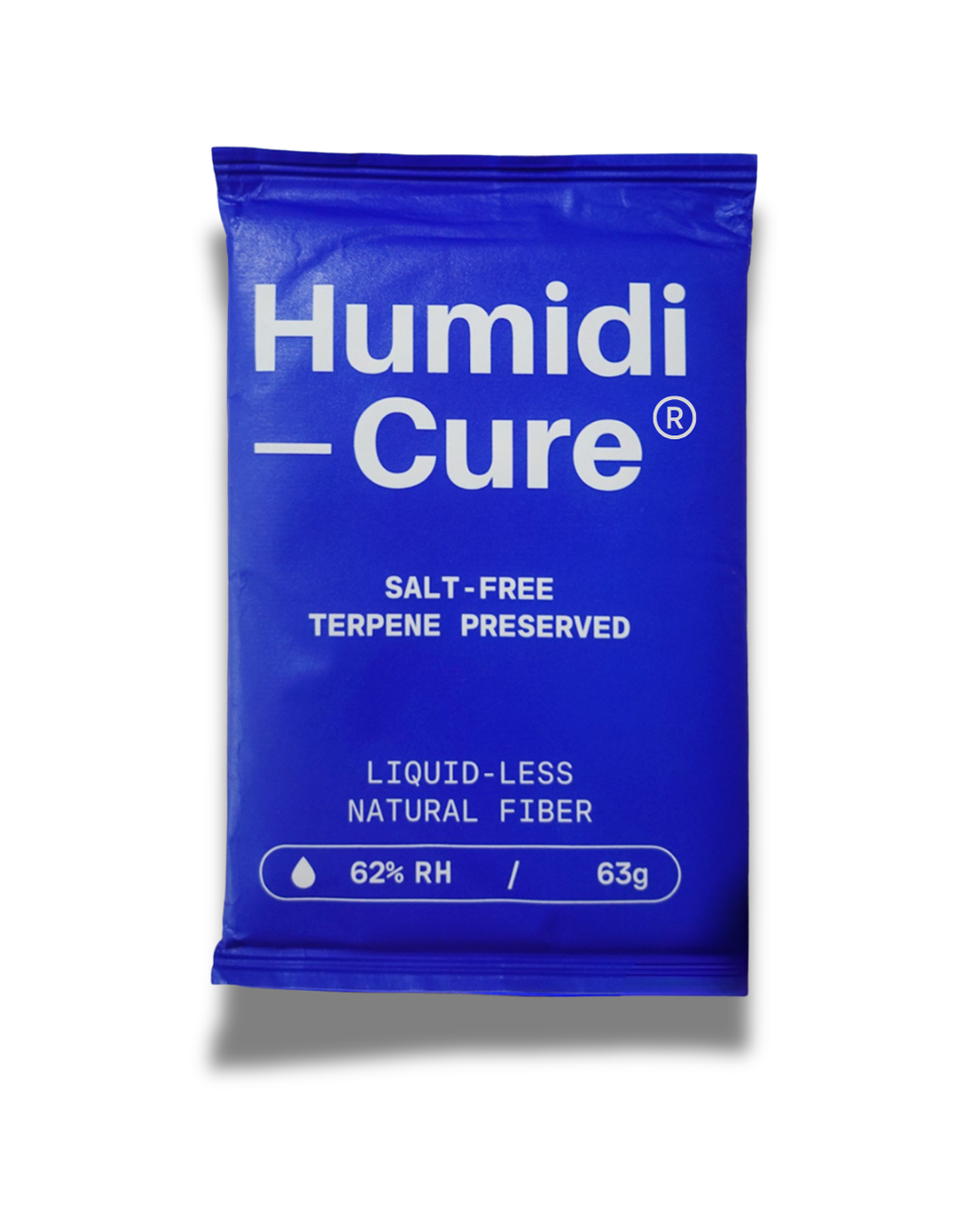
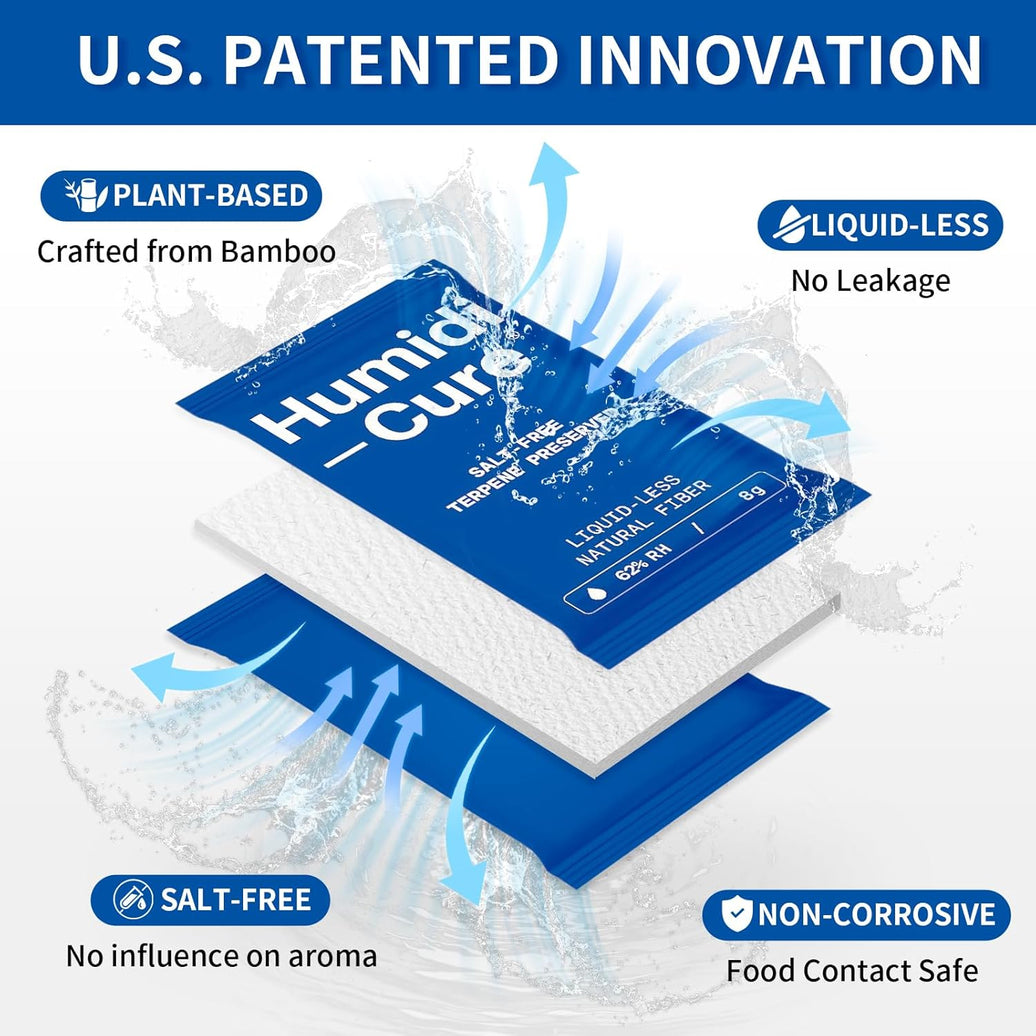
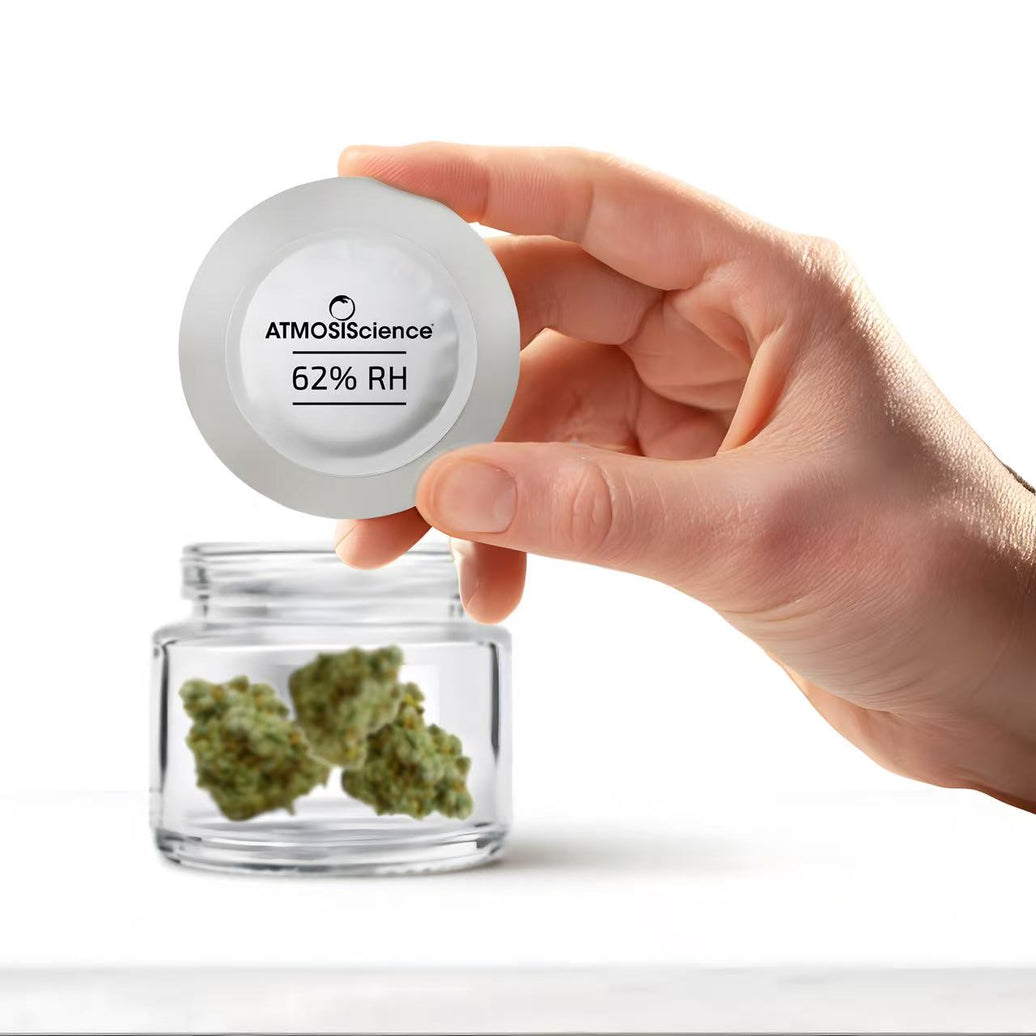
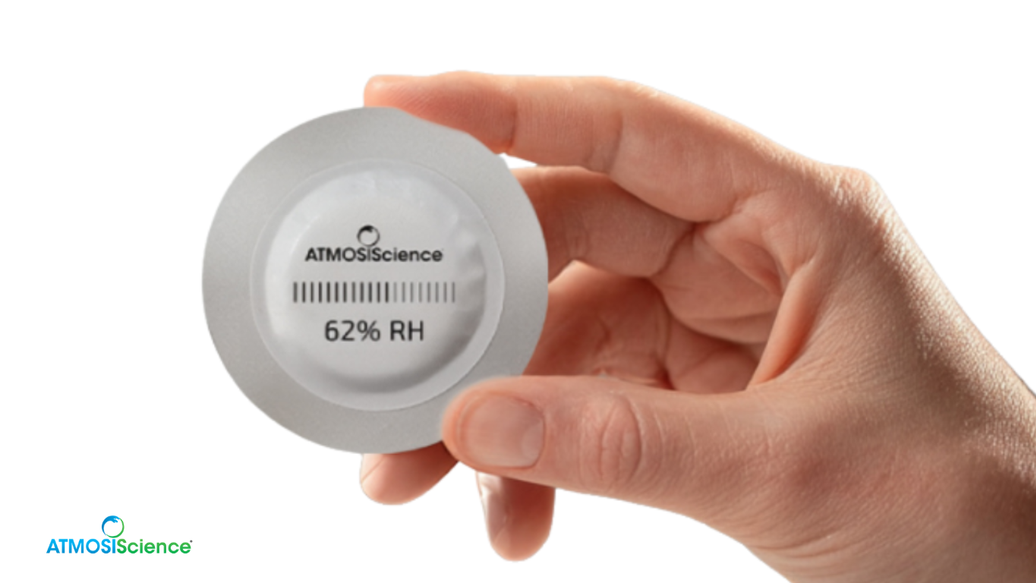
Storage imperatives intensify: nanoemulsions flocculate above 25°C or below 50% RH, leaking potency. ATMOSIScience's Humidi-Cure™ packs lock in 58-62% RH, averting coalescence for 12-month stability. Opaque, airtight protocols prevent photo-oxidation, ensuring high-tech edible cannabis performs as engineered.

Stability chemistry
Cannabis edibles' longevity pivots on countering cannabinoids' fragility, exceeding dry flower's resilience due to moist matrices. Aerobic oxidation converts THC to cannabinol (CBN) - mildly sedative, non-euphoric - with García-Valverde (2022) quantifying 15-25% loss in ambient conditions over 4 weeks, escalating 50% at 30°C or under fluorescent light.
Thermal kinetics are brutal: Repka et al. (2006) observed 30-40% THC evaporation from gummy polymers at body temperature (37°C) within a month, versus negligible decay at 4-15°C. UV catalyzes isomerization to cannabichromene (CBC), diluting psychoactivity. The edible cannabis food matrix exacerbates: high water activity (a_w 0.65-0.85 in chews) breeds Aspergillus at >65% RH; chocolates bloom via polymorphic fat migration, creating unpalatable white films. Baked goods suffer Maillard reactions and acidic hydrolysis, prematurely decarboxylating THCA while fostering rancidity.
Fairbairn's 1976 cornerstone pegs ideals: 15-20°C, 55-62% RH, zero-headspace glass or Mylar with desiccants. pH 5-7 buffers cannabinoid acids; antioxidants like BHT extend viability. Humidity hypervigilance prevents syneresis in gels or microbial ingress in creams.
Dive deeper via How to Keep Weed Fresh for Months, adapting floral tactics to confections. Stability isn't convenience; it's chemical imperative for dosing veracity.
Safety and dosing
Cannabis edibles dominate adverse events, comprising 70-90% of ER cannabis cases per Eichhorn (2025), as 1-2 hour delays incite stacking - ingesting 50-200mg when 5-10mg suffices, igniting acute psychosis, tachycardia (HR >140), intractable vomiting, and hypovolemia.

Potency variances amplify peril: Vandrey (2015) audited 50+ commercial edible cannabis products, uncovering 20-75% deviations from labels, with gummies chronically underpowered by 30% and chocolates overdosed. Pediatric incursions soar - gummy mimics spike unintentional ingestions 150% post-legalization, per Monte et al. (2019), demanding child-locks.
Evidence-based protocols: commence 2.5mg THC (1:1 CBD ratios mitigate), observe 2-4 hours, cap at 10mg/session. Avoid ethanol synergies, which prolong 11-OH-THC. Strain typing aids: hybrids balance; high-THC sativas risk paranoia. Vulnerable cohorts - elderly, liver-impaired - halve doses.
Degradation intertwines: oxidized cannabis edibles skew CBN-heavy, feigning sedation for intoxication and confounding titration. Atmosis storage fortifies safety by upholding label fidelity. Source wisely via Final 4 Weeks Before Cannabis Harvest for pristine inputs.
Conclusion
Cannabis edibles fuse hepatic pharmacology's potent 11-OH-THC alchemy, nanoemulsion velocity, and stability science into unparalleled versatility - from all-day therapy to indulgent evenings. Dismiss storage at potency's peril; harness Atmosis precision for enduring excellence.
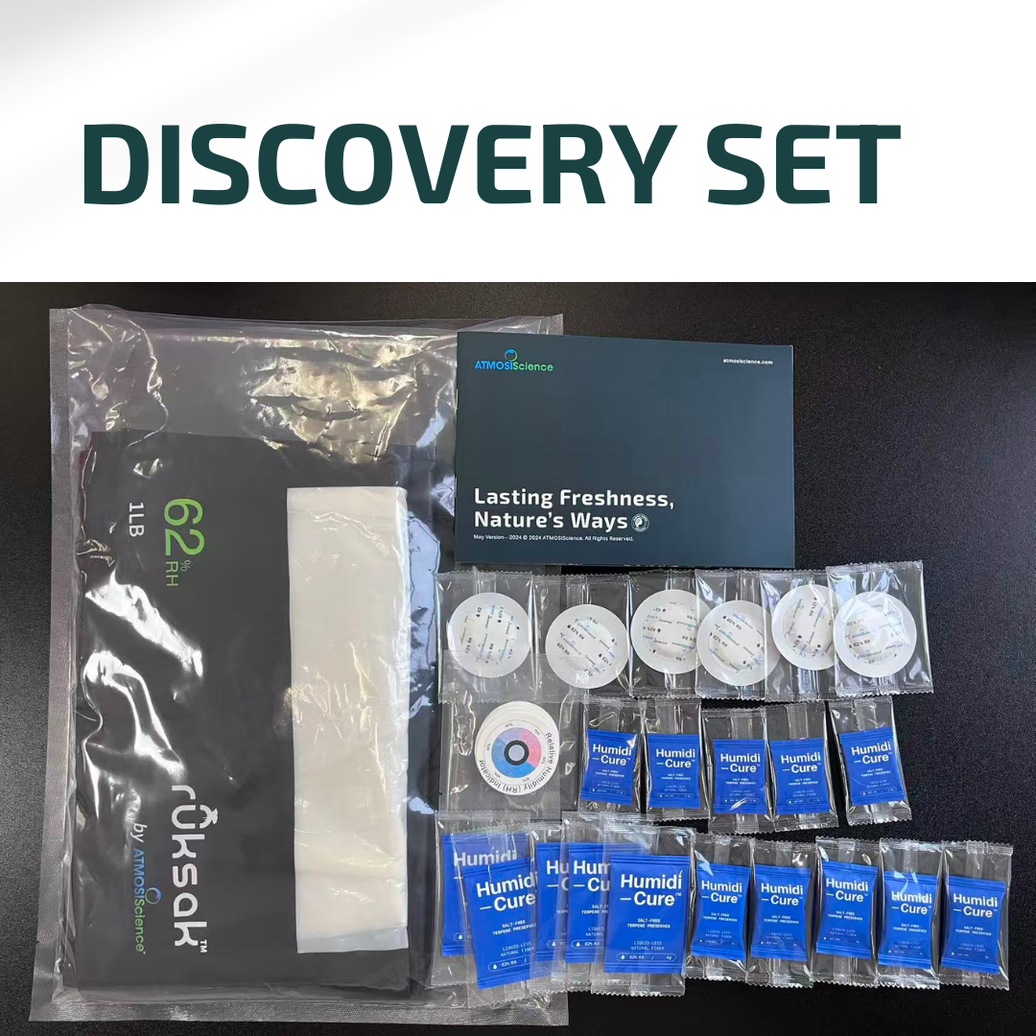
Embrace "start low, store pro": ruksak™, Humidi-Cure™, and full collections safeguard your edible cannabis legacy. Elevate every experience.