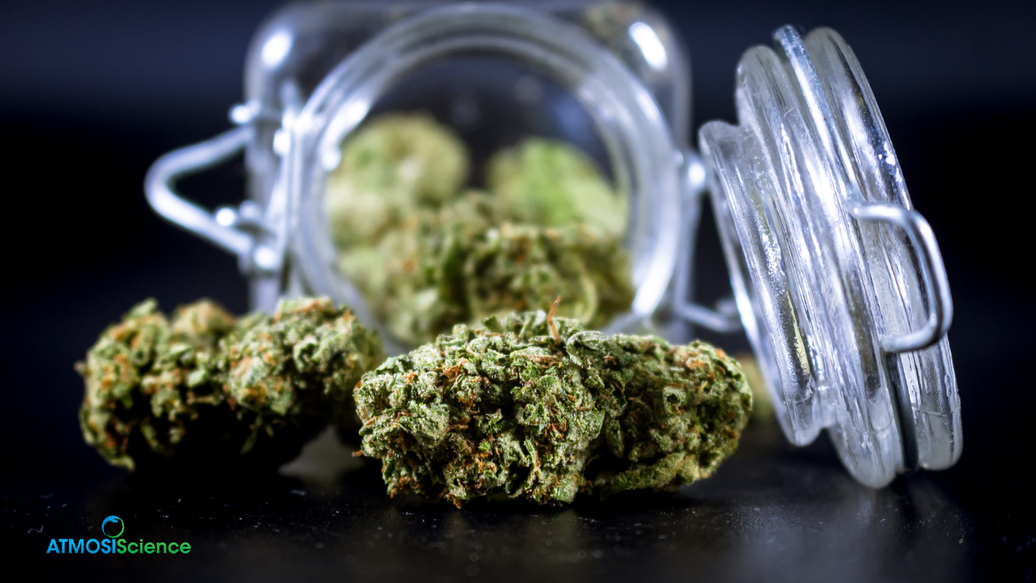
Because packaging doesn’t just “hold” flower. It creates a tiny environment (a microclimate). If that microclimate is unstable or leaky, it pulls terpenes out of the flower and/or chemically changes them.
Terpene loss after packaging usually comes from five concrete mechanisms. Once you see them, you can diagnose exactly what’s happening in your own product.

What’s actually happening inside the package
1) Your package air becomes a terpene “exit lane”
Terpenes are designed to be aromatic, which is just a polite way of saying: they want to become vapor.
Inside a sealed jar or pouch, terpenes evaporate until the headspace (the air in the package) is saturated. If the package stays perfectly stable, the loss slows down.
But in real life, that headspace keeps getting “reset” by:
-
tiny leaks (microleaks you can’t see)
-
too much headspace volume
-
opening/closing
-
temperature bumps during storage or delivery
Every reset is like opening a window in a room full of perfume. The room smells great… because the perfume left the bottle.
Note: Terpenes are volatile organic compounds designed by nature to evaporate. Inside a sealed package, they transition from the flower (solid/liquid phase) to the air (gas phase) until they reach dynamic equilibrium.
According to Henry’s Law, volatile compounds will partition between the flower and the headspace until saturation is reached. (Follow Das, P. C., et al. (2022). Postharvest Operations of Cannabis and Their Effect on Cannabinoid and Terpene Content. Bioengineering.)
2) Oxygen doesn’t just “reduce terps” — it changes the smell
This is the part people misread.
You might still smell something, but it’s not the same profile. Oxygen can push terpenes into oxidation pathways that create new compounds with a duller, sometimes sharper “old” character.
That’s why some flower doesn’t just smell weaker — it smells stale.
If your feedback is “it’s not loud anymore” plus “the note is off,” that’s often oxidation + time, not cultivation quality.
What scientist says?
Monoterpenes (like Limonene or Myrcene) are highly susceptible to oxidation. When exposed to atmospheric oxygen, they degrade into oxygenated terpenes (= terpenoids) such as alcohols, ketones, or aldehydes.
(Follow Milay, L., et al. (2020). The stability of cannabis inflorescences under various storage conditions. PLOS ONE)
3) Light can destroy aroma faster than you expect
Clear packaging looks premium until it sits under retail lighting day after day.
Light exposure triggers breakdown reactions even when the temperature feels “normal.” The result is quick aroma fade that feels unfairly fast for a sealed product.
If you’ve ever noticed flower flatten after sitting near a display light, you’ve already seen this in action.
4) Heat is an accelerator, not a single problem
Heat makes everything above happen faster:
-
faster evaporation into headspace
-
faster oxidation
-
faster migration into packaging materials
The trap is that you don’t need constant heat. A few short heat events can do damage:
a hot delivery truck, a warm stockroom, a pouch left in sunlight, a customer’s car ride home.
Terpene loss often isn’t “slow aging.” It’s a few bad hours hidden inside the supply chain.
Yes, a few hours in a hot delivery truck can cause equivalent damage to weeks of shelf storage.
5) Some packaging materials literally absorb your terps
Even if your package is sealed, it can still “steal” aroma.
Certain plastics, liners, and gaskets can absorb volatile compounds over time. So instead of terpenes staying in the flower (or even in the headspace), they end up in the packaging material.
A classic symptom: the package smells loud when you open it… but the flower smells muted. That’s a giant clue that the packaging is acting like a sponge.
The most useful way to think about it
Here’s the clean answer to the original question:
Your flower loses terps after packaging because the package microclimate isn’t stable enough to keep terpenes in equilibrium.
When equilibrium keeps getting disturbed (air exchange, oxygen, light, heat swings, absorbing materials), terpenes either escape or chemically change.
That’s it. No mystery.
If you want to know which mechanism is hurting you most, don’t start with terpene charts. Start with these three observations:
If aroma drops fast (days to 1–2 weeks): it’s usually headspace + seal integrity + heat/light exposure.
If aroma becomes “stale/off” more than just weaker: oxidation is dominating.
If the package smells stronger than the flower: material absorption/migration is likely a major contributor.
Once you identify which of those is happening, the fix becomes obvious: control the microclimate, not just the container.
Where ATMOSIScience fits (naturally)
ATMOSIScience is built around the idea that terpene retention is a microclimate discipline problem, not a “better jar” problem.
If you want to stabilize the inside of the package (so terps stop escaping and drifting), these are the most relevant options:
-
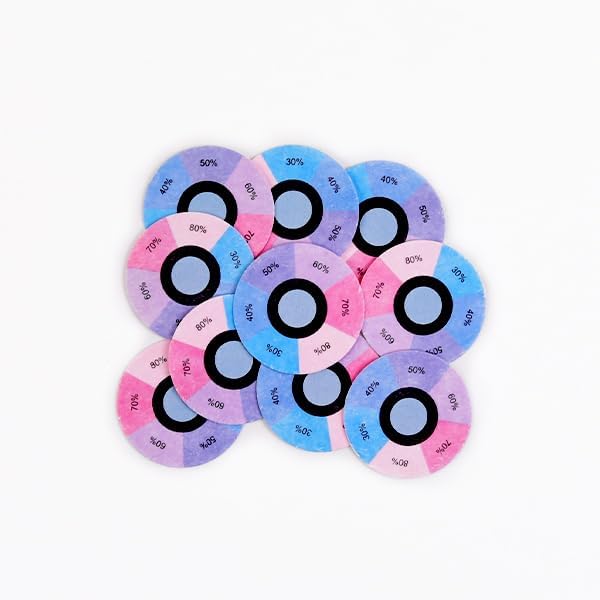
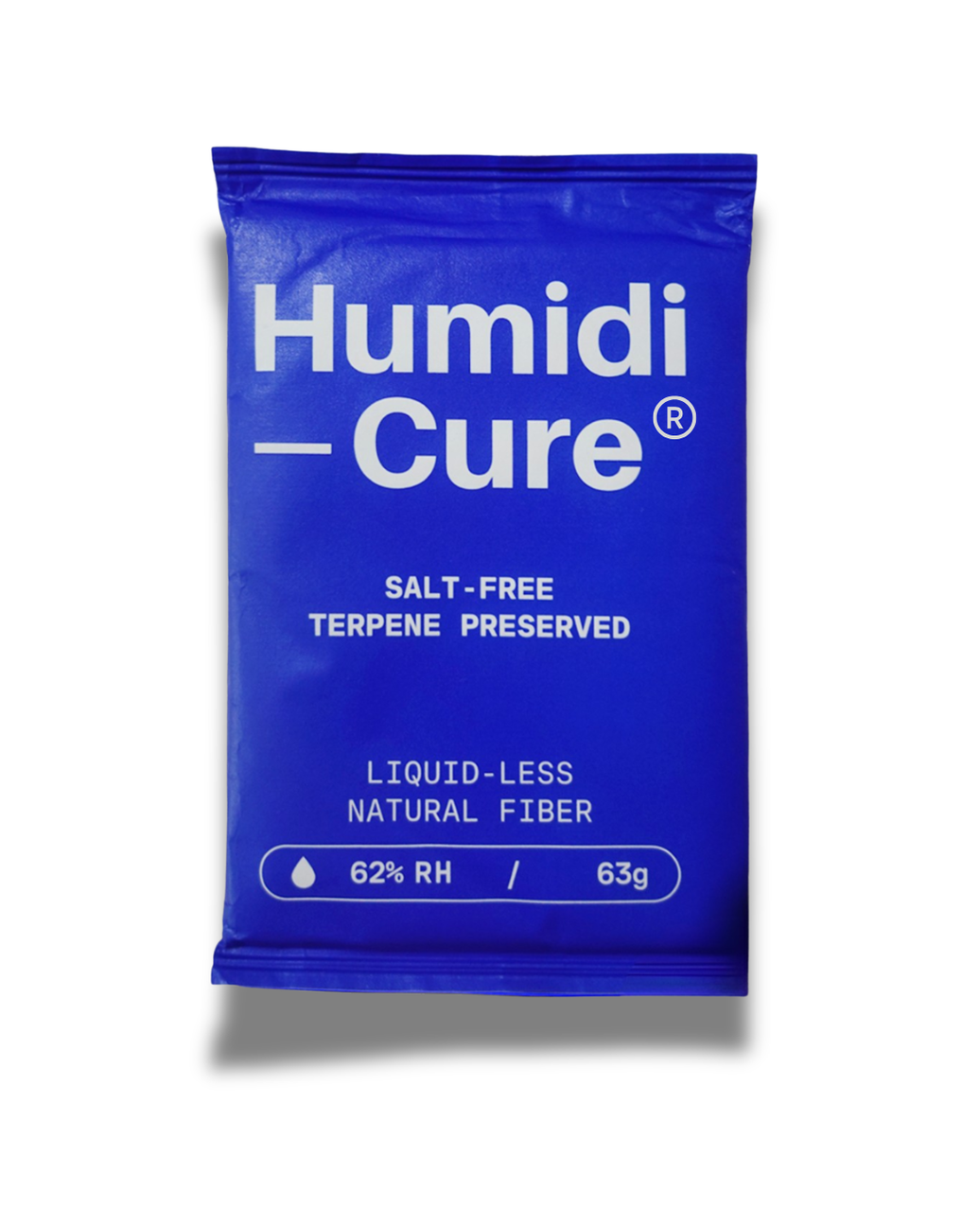
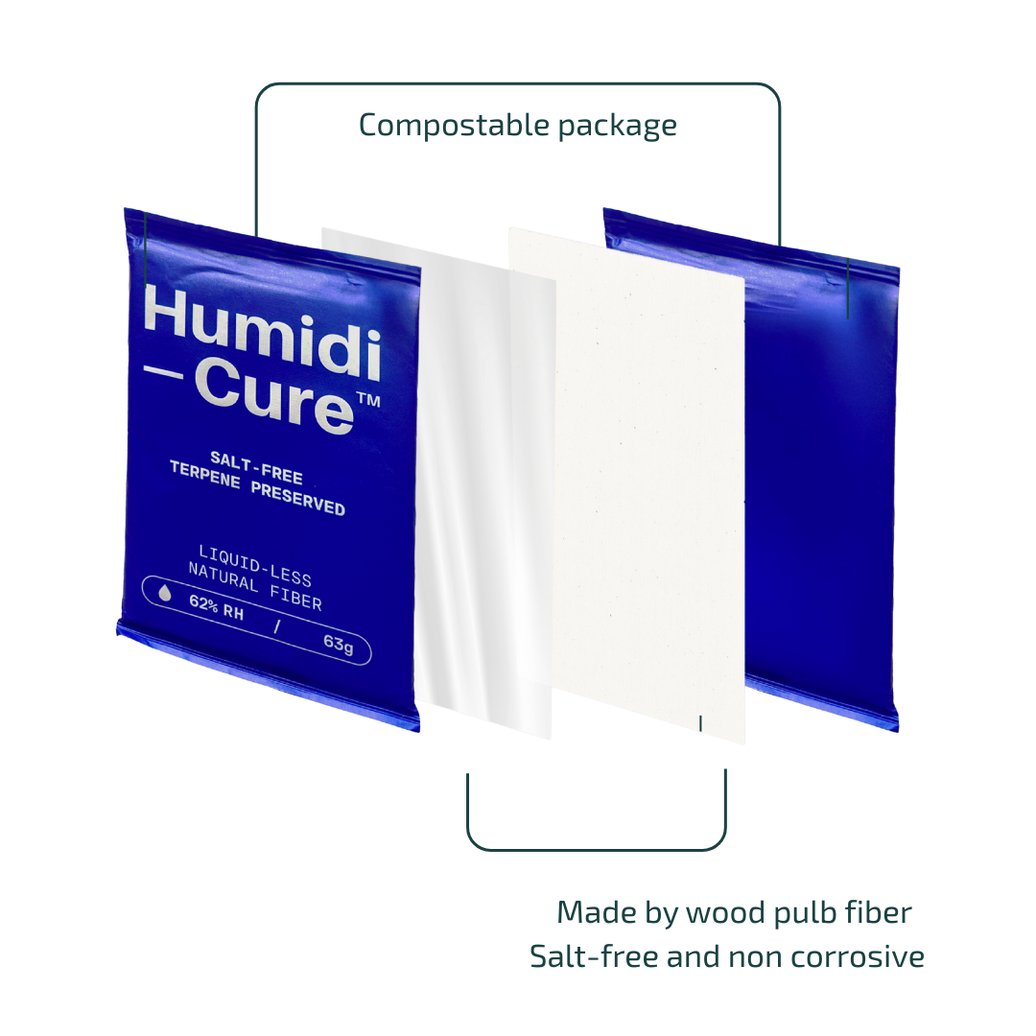
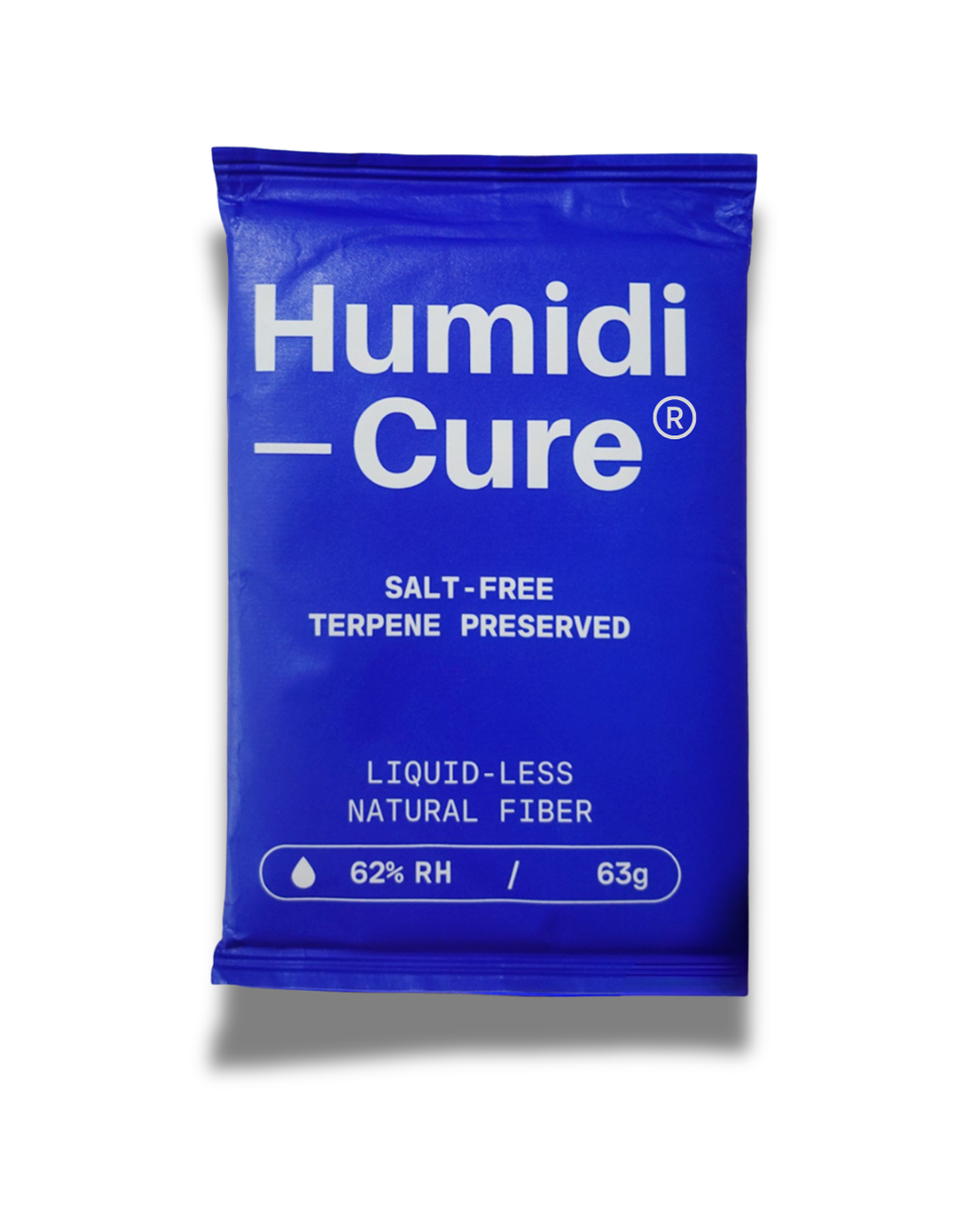
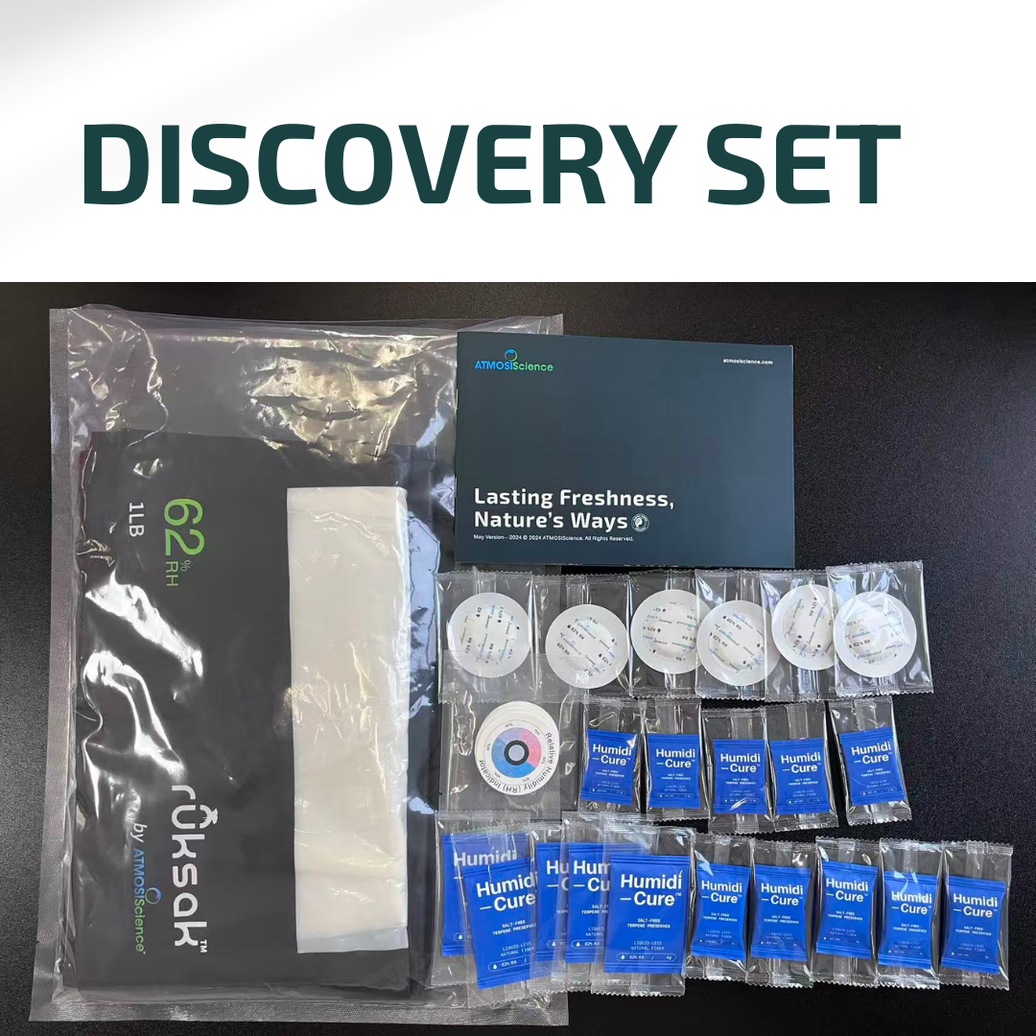
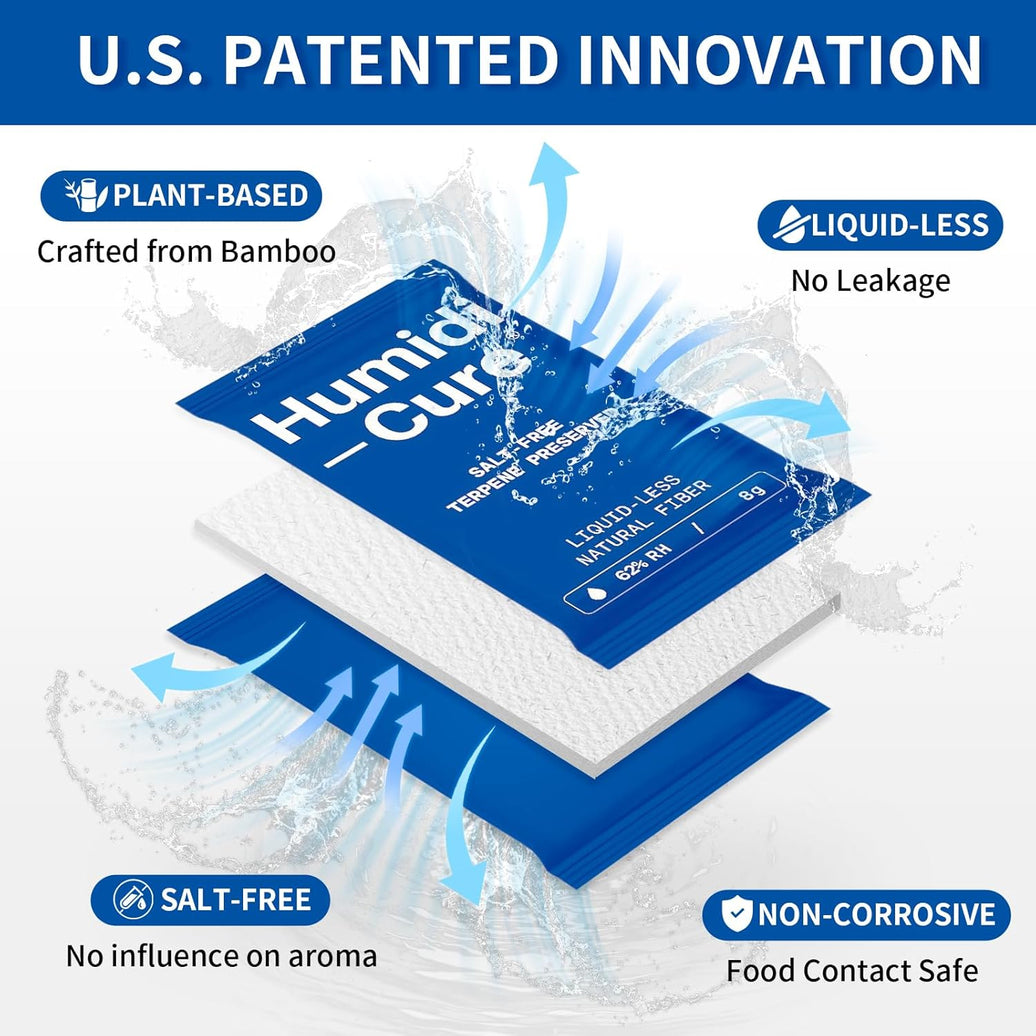
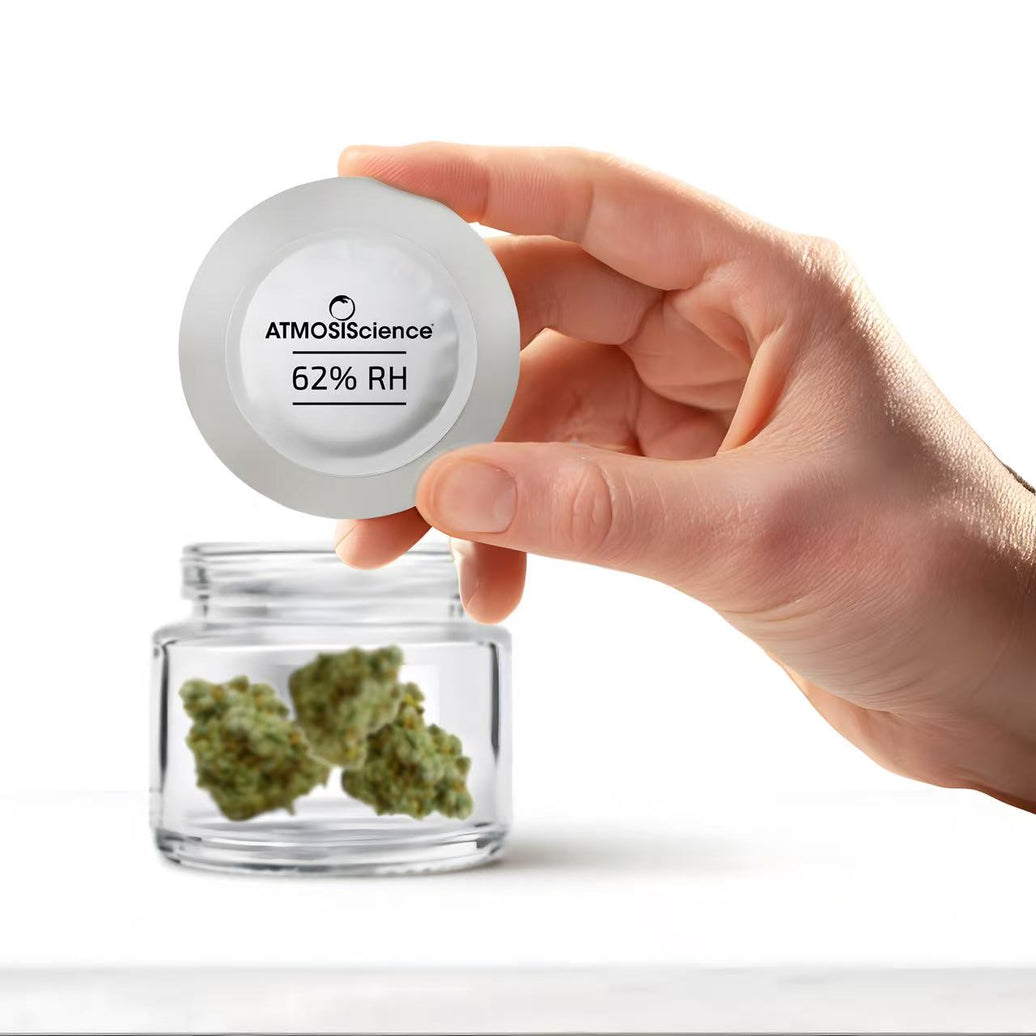
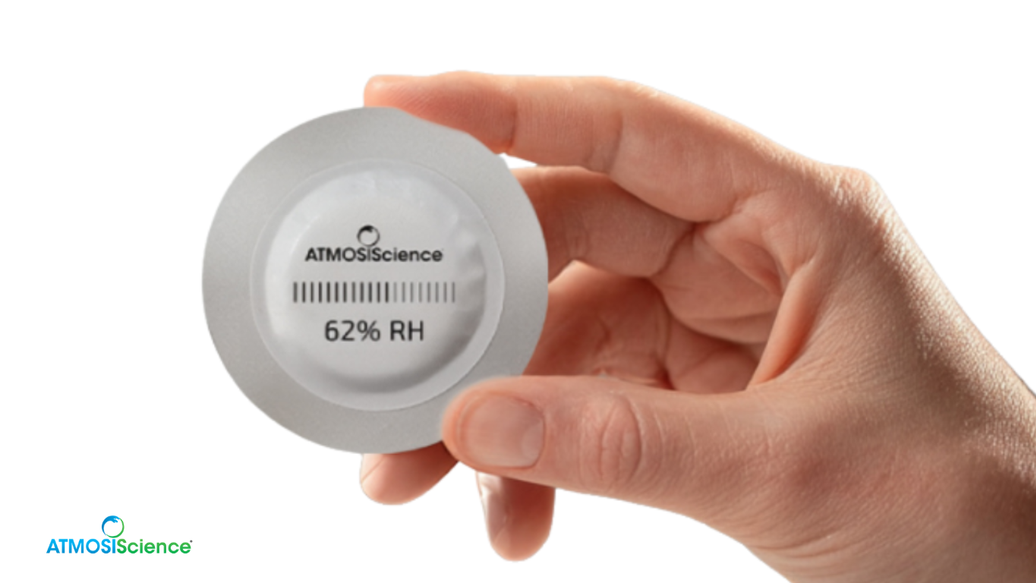
Humidi-Cure 62% (two-way humidity control packs) helps keep the internal RH stable in jars/bags/bins, so flower doesn’t drift too dry or too humid.
https://atmosiscience.com/products/humidi-cure-62 -
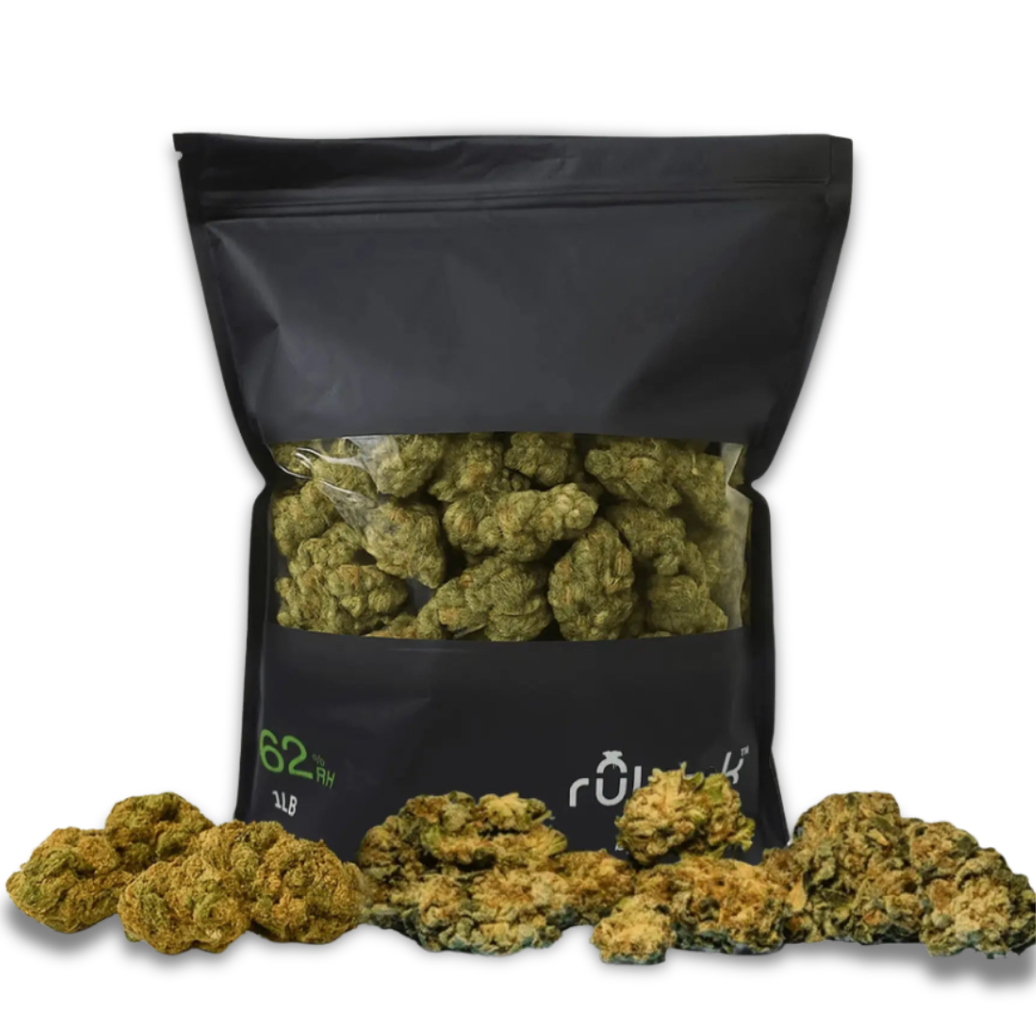
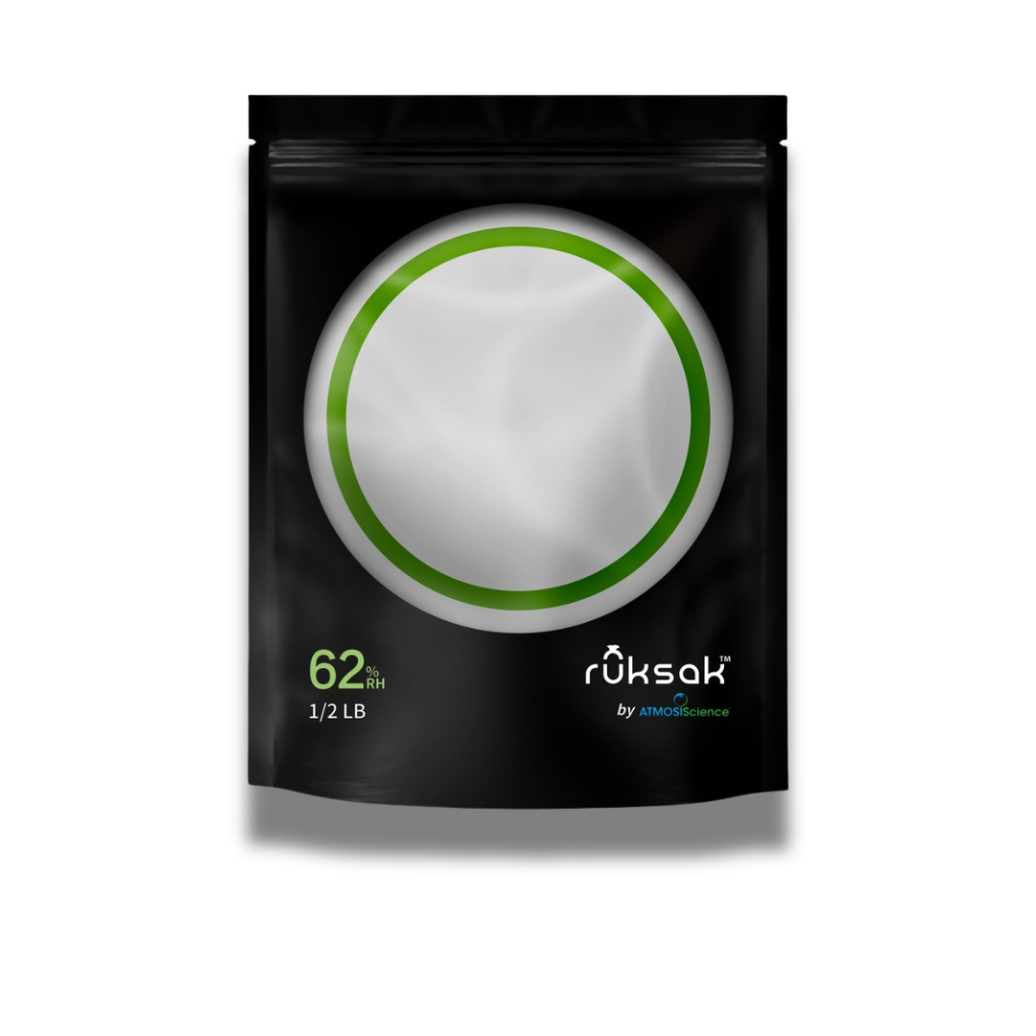
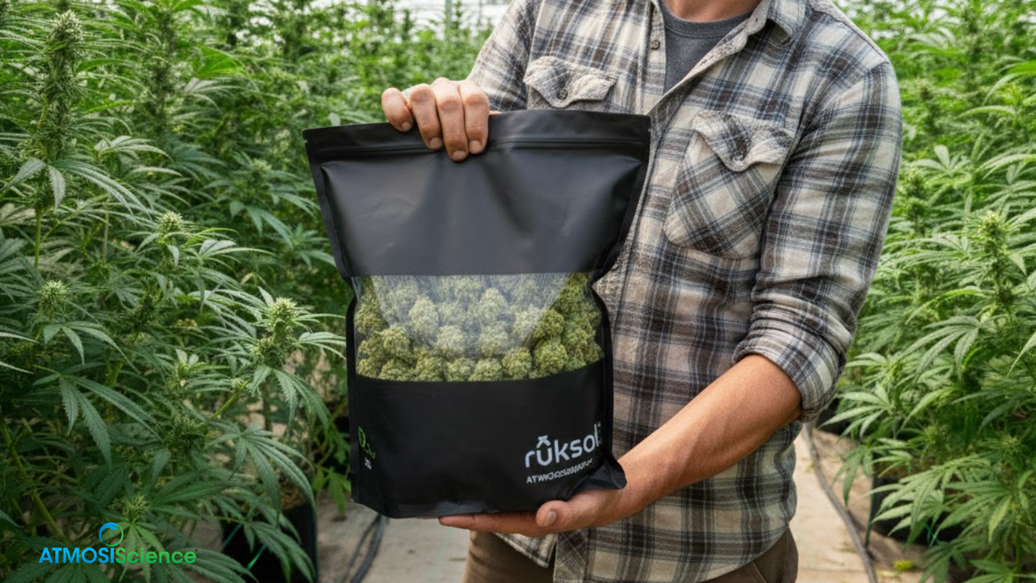
ruksak® (built-in humidity control storage bags) is designed as an integrated system to regulate humidity around 62% RH inside the bag.
https://atmosiscience.com/pages/ruksak

Flower doesn’t lose terps because the flower “is old.”
It loses terps because the package becomes a microclimate that quietly favors loss.
Once you start thinking in microclimate discipline, you’ll spot terpene failure points instantly, and you’ll stop blaming the cultivar for what was really a packaging system problem.