If your flower ever “goes quiet” in the jar, this is why.
Not quiet like “it got moldy.”
Quiet like… the aroma feels softer than it should.
The texture feels a little off.
The experience isn’t as consistent as the day you packed it.
And the frustrating part is you can do everything “right” and still lose that battle.
Because in 2026, cannabis quality isn’t decided at harvest.
It’s decided at the moment of opening, after storage, transport, shelf time, and a hundred tiny temperature swings you will never see.
So here’s a question that cuts through the noise:
What are you actually controlling?
Most people say “moisture.”
But moisture is not one thing.
It’s three different ideas that get mixed up all the time, even by experienced teams.
The three moisture ideas people keep blending into one word
1) Moisture content
How much total water is inside the bud by weight.
2) Relative humidity (RH)
How humid the air is inside the jar or bag.
3) Water activity
How “available” that water is to behave like a problem or a helper.

Here’s the twist:
Two buds can have the same moisture content, but behave completely differently.
One stays stable. One becomes risky.
Because the difference isn’t how much water exists, it’s how much water is free to move.
That “free to move” part is what most people never measure in their head, but everyone feels in the results.
A simple way to understand water activity: the “hotel” inside your flower
Picture your flower as a hotel full of water molecules.
Some guests are locked in their rooms. They’re checked in, contained, and not going anywhere.
Other guests are roaming the hallways.
Those roaming guests can:
-
feed microbes
-
drift into the air inside the package
-
carry aroma out over time
Water activity is basically how many guests are roaming.
-
Lower water activity: more water is “locked up,” stability improves
-
Higher water activity: more water is free, so mold risk and humidity swings become more likely
This is why “it feels moist” can be misleading.
Because mold doesn’t care how heavy the bud is.
It cares how much water is available to it.
And aroma doesn’t fade only because “there is water.”
It fades faster when the microenvironment keeps swinging and the flower keeps renegotiating moisture.
The part most people miss: the jar is a tiny climate, not a container
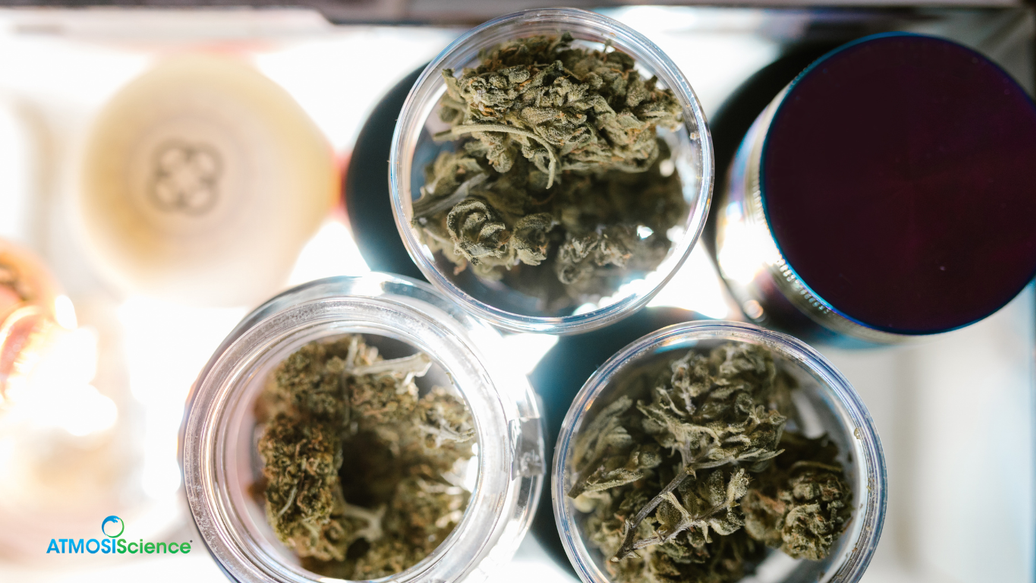
A sealed jar or bag is not passive storage.
It’s a living microclimate.
Inside, the flower and the air are constantly trading moisture:
-
the flower releases moisture into the air
-
the air pulls moisture back into the flower
They go back and forth until the system settles into a balance.
That balance is why RH inside a closed package becomes meaningful.
It is not just “how humid the air feels.”
It’s the result of the flower and the air reaching a stable agreement.
So when you say, “we keep it around the low 60s,” what you are really trying to do is keep the whole system in a zone where:
-
the flower stays comfortable and aromatic
-
the microclimate stays calm
-
the risk does not creep upward quietly
Why 2026 makes this non negotiable
Because the market punishes inconsistency.
Retail buyers are comparing your flower to last month’s batch.
Consumers are comparing your eighth to the one they loved before.
And they are doing it at opening, not at packing.
Today’s most expensive problems are subtle:
-
aroma that fades earlier than it should
-
jars from the same case that feel different
-
weight loss complaints
-
fear driven over drying that avoids one problem but creates harshness and brittle texture
This is why moisture control failures rarely happen because someone “forgot to add a humidity pack.”
They happen because people treat humidity control like an accessory, not a system.
What good humidity control actually does
Good humidity control is not trying to make flower wetter.
It’s trying to keep the microclimate stable so the flower stops swinging.
Stability protects the things people actually pay for:
-
aroma that stays present
-
texture that stays consistent
-
smoother experience
-
confidence that the product will not drift into a risky zone during real life handling
And in real life, handling always pulls both ways:
sometimes the environment dries the product out
sometimes it pushes moisture in
That is why two way control matters.
It is designed to buffer the swing, not just absorb in one direction.
Where ATMOSIScience fits, naturally
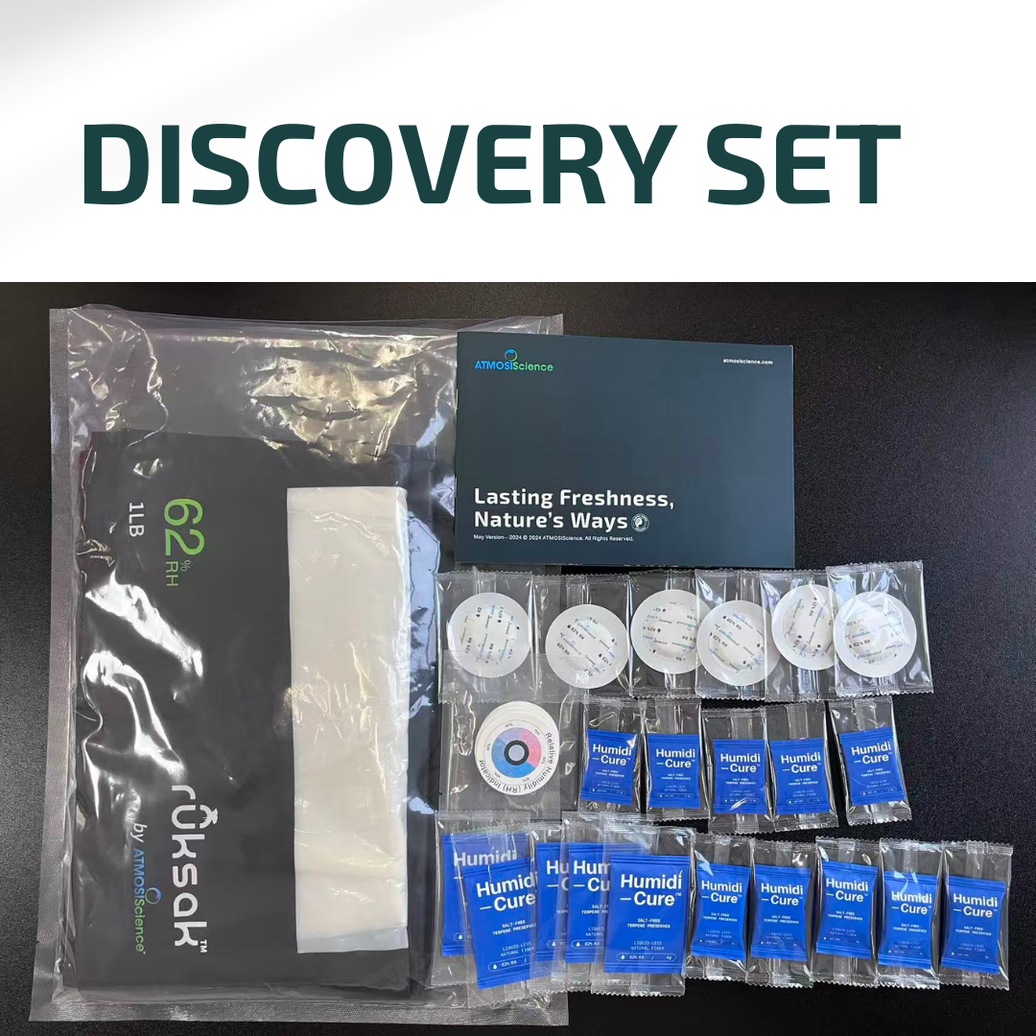
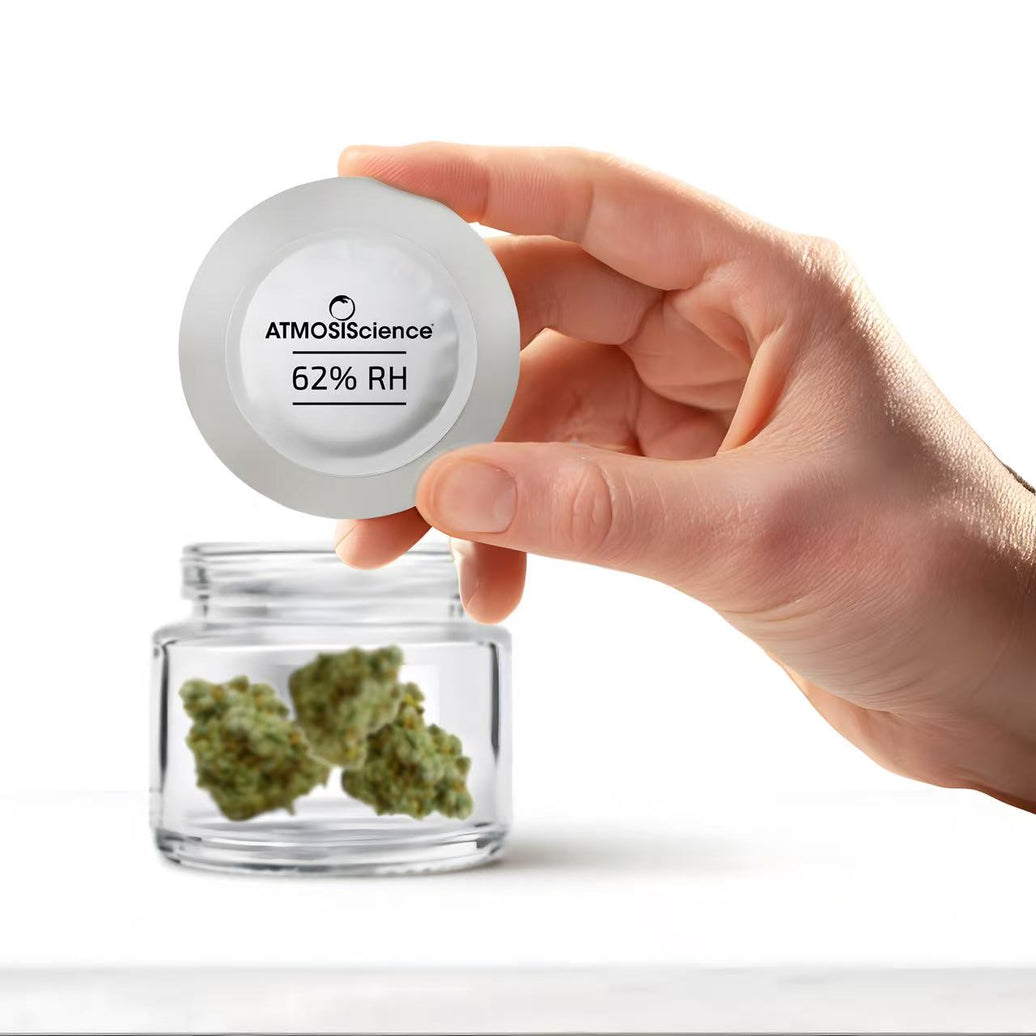
This is exactly the job ATMOSIScience products are built for: keeping the flower and the air in a stable balance, even when the outside world changes.
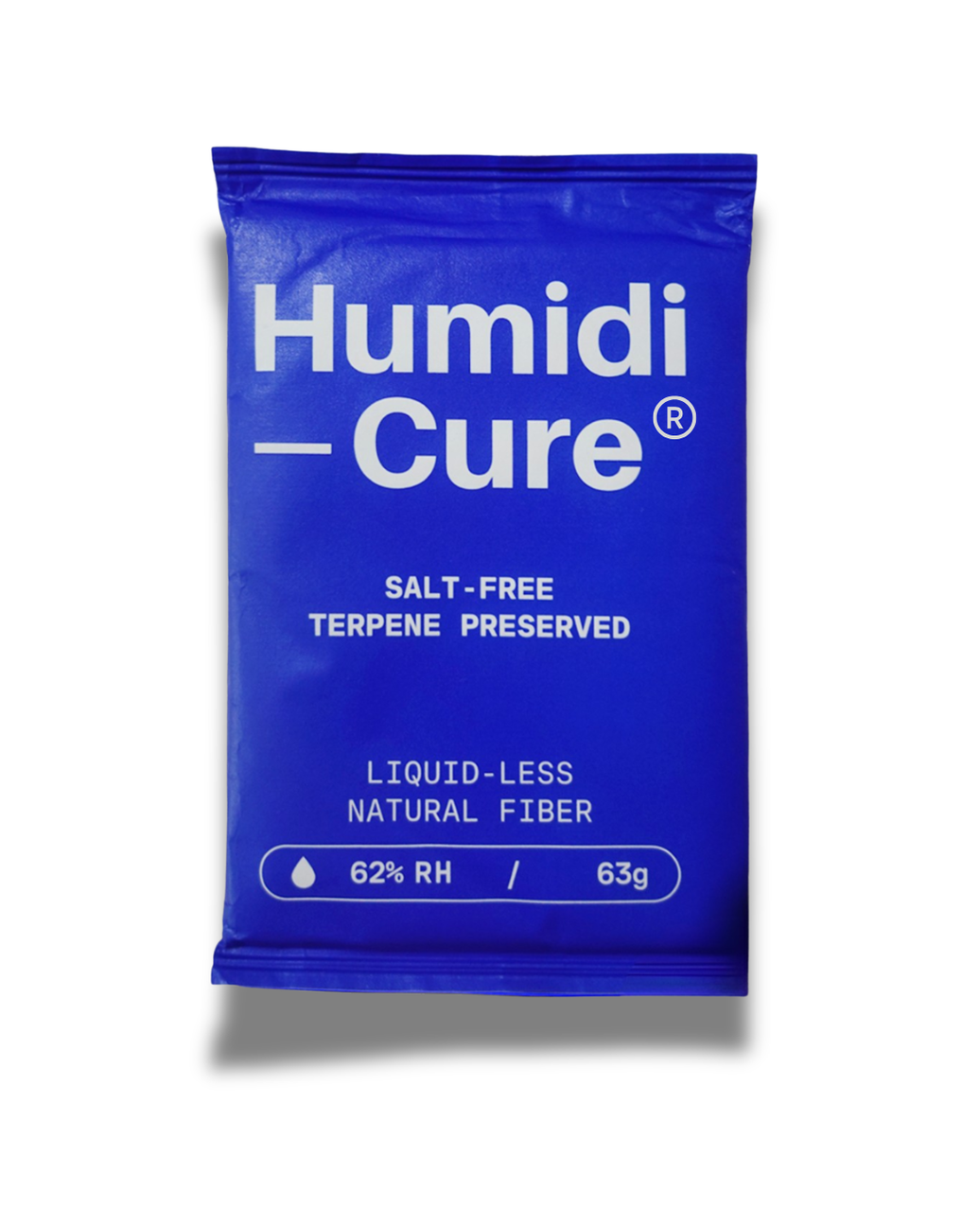
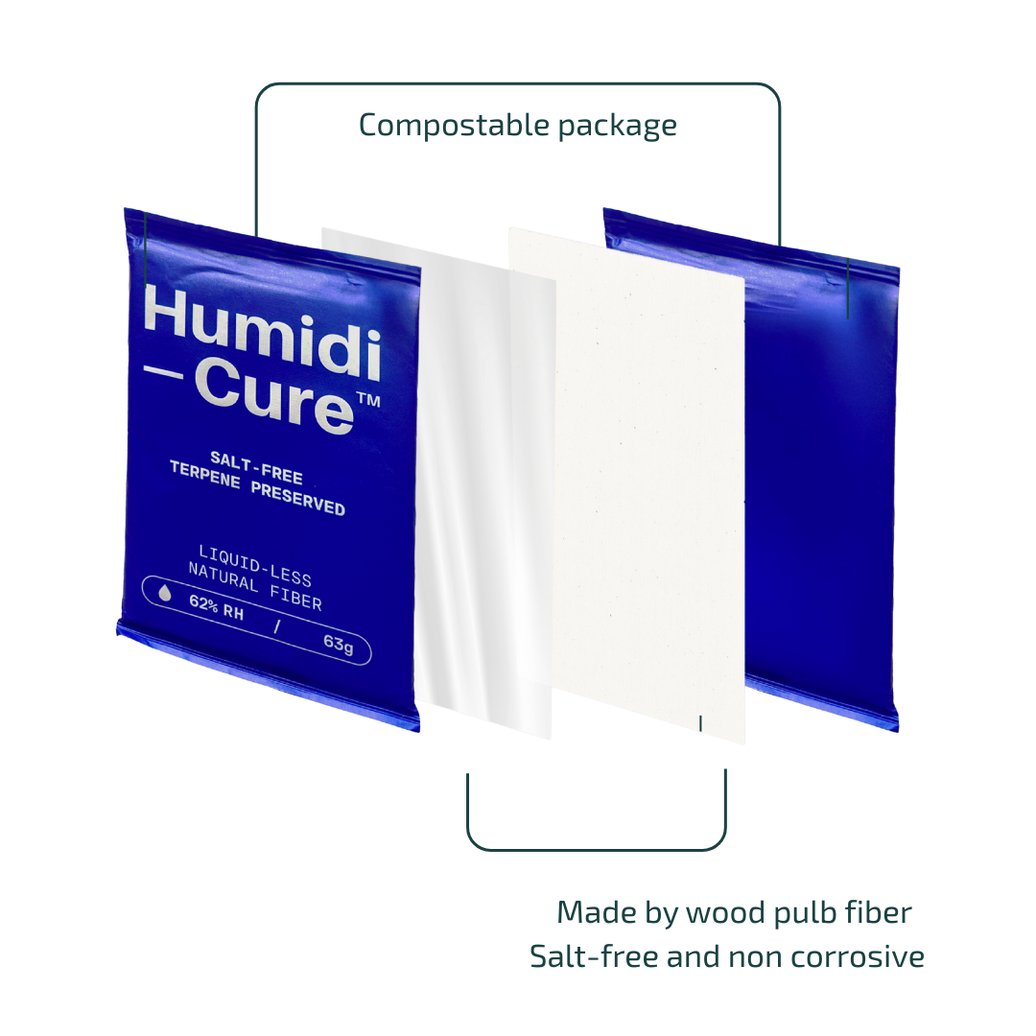
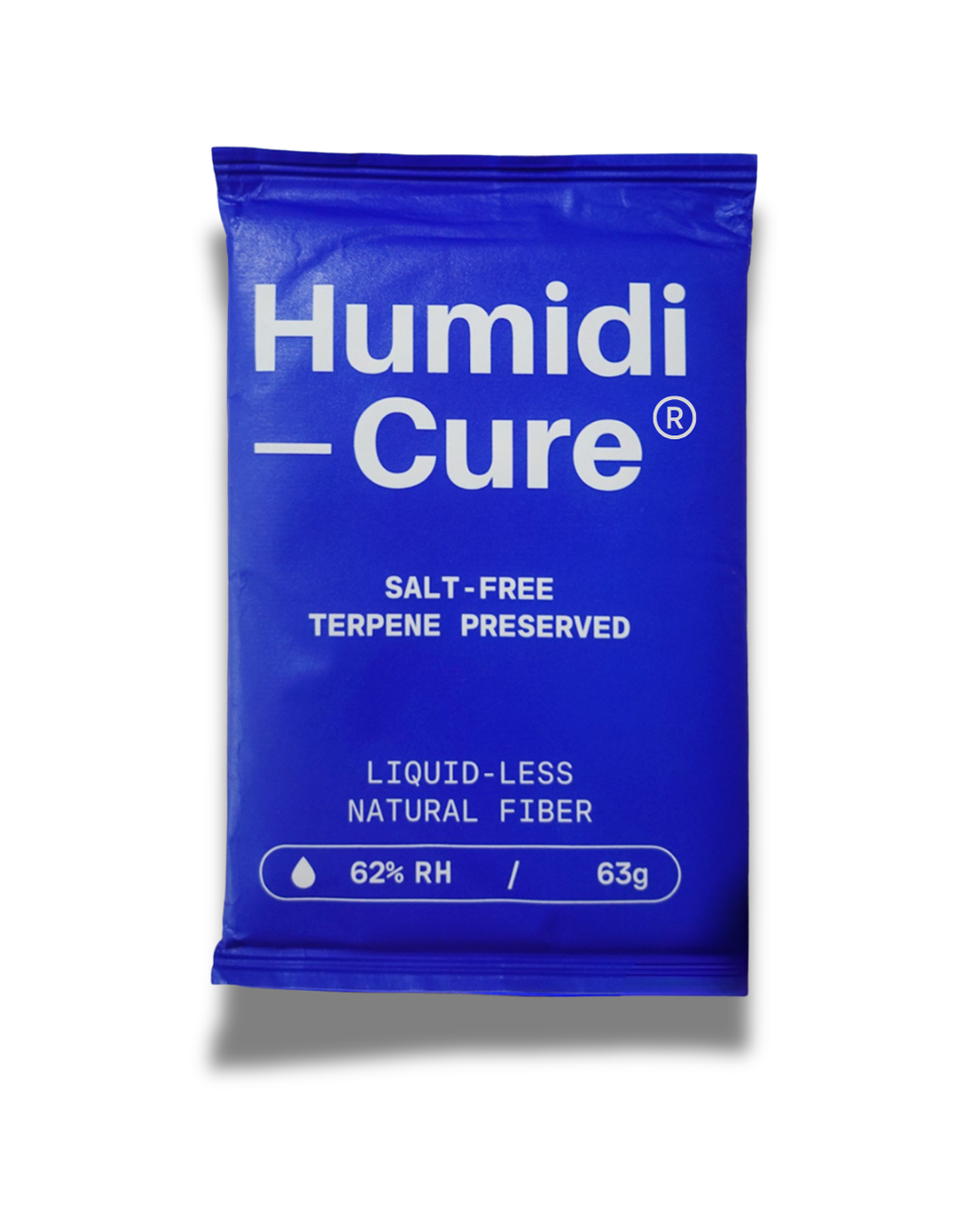
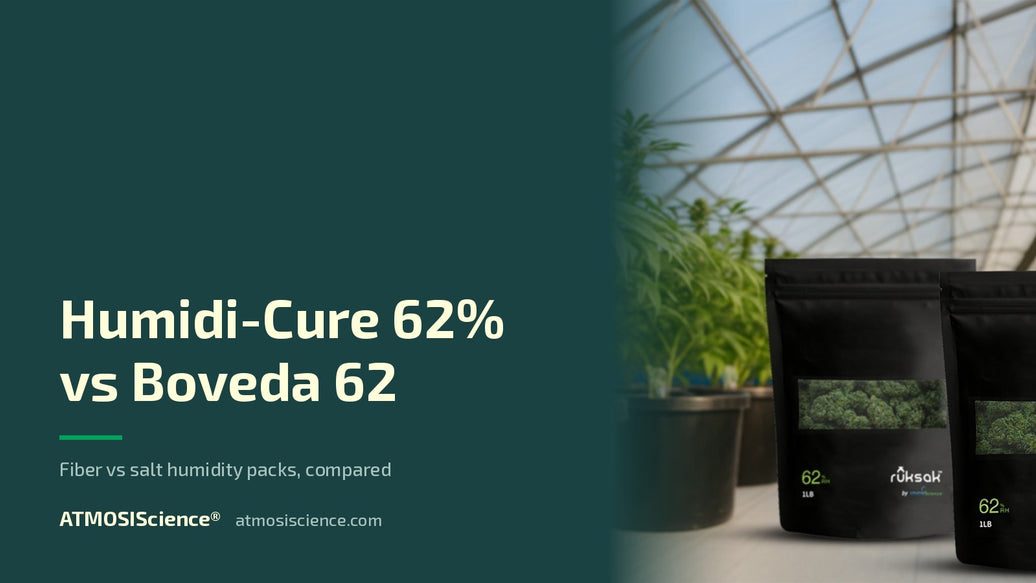
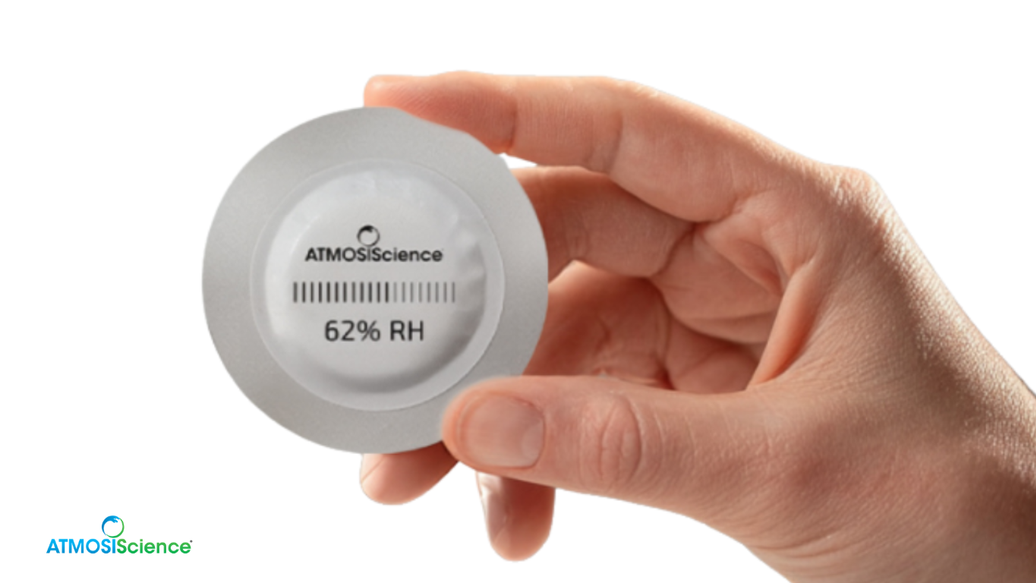
If you are packing jars or consumer bags and you want the product to feel consistent from first open to last, Humidi-Cure is often the simplest way to stabilize that daily open and close reality. If your storage or handling conditions are more demanding, Humidi-Cure Plus gives stronger buffering for those tougher swings.

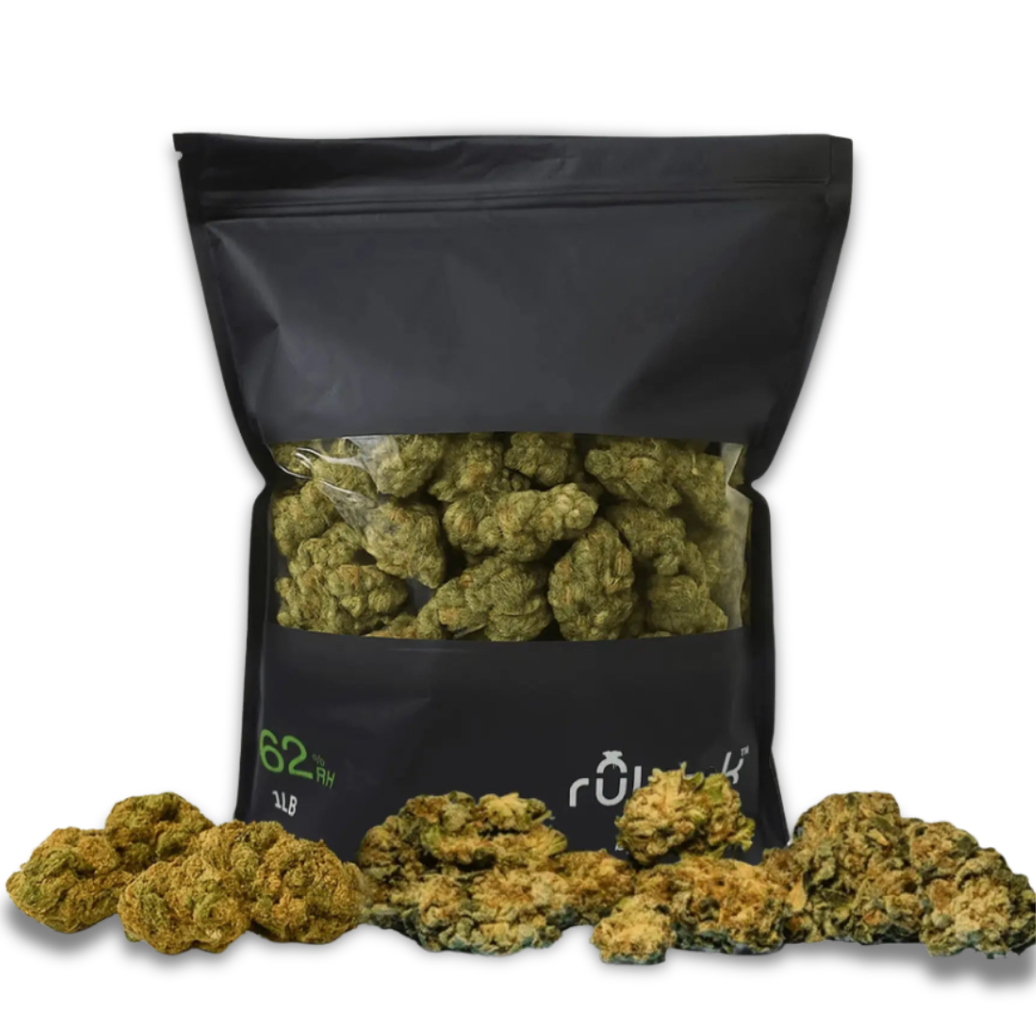
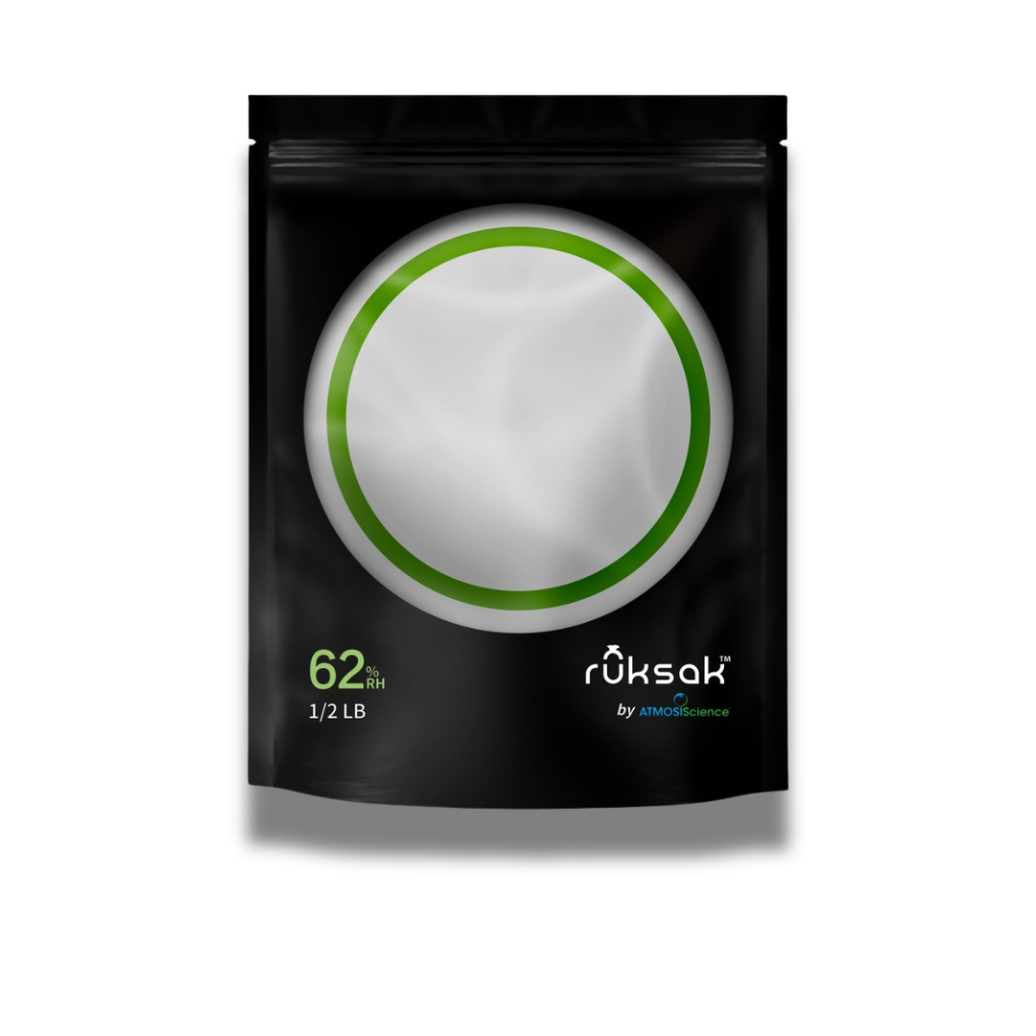
And if you are dealing with bulk workflows, where flower gets staged, moved, opened, resealed, and held again, the packaging becomes the environment. That is where ruksak® is used. ruksak® 1/2 lb and ruksak® 1 lb are designed for the reality of distribution and bulk holding, when consistency matters beyond the cure room.

Sometimes the cleanest solution is integrating control into the packaging itself. That is why the ATMOSIScience Liner exists, so humidity control becomes part of the setup rather than an extra step.

Same principle every time:
less guessing
more microclimate stability
more consistent flower at opening
The one idea to remember
Moisture content tells you how much water is inside the bud.
Water activity tells you whether that water behaves like a friend or a problem.
And in 2026, the brands that win are not the ones who grow one perfect batch.
They are the ones who deliver the same experience after the supply chain touches it.
Want the last jar to feel like the first?
If you want to lock in consistency from cure to customer, choose the tool that fits how you actually store and sell:
ATMOSIScience Liner
https://atmosiscience.com/products/atmosiscience-liner
Humidi-Cure Plus
https://atmosiscience.com/products/humidi-cure-plus
Humidi-Cure 62 RH
https://atmosiscience.com/products/humidi-cure-62
ruksak® 1 lb
https://atmosiscience.com/products/ruksak-1lb
ruksak® 1/2 lb
https://atmosiscience.com/products/ruksak-1-2-lb
If your goal this year is consistency people can taste and smell every time they open the pack, start now. Pick one, run it on a batch you care about, and compare the first opening to the last. That difference is what customers come back for.