Indoor cultivation is entering a different era.
Not because growers suddenly forgot how to hit yield targets, but because the market is punishing inconsistency. In 2025, wholesale pricing stayed under pressure (LeafLink’s Summer 2025 report pegged wholesale flower around $1,020/lb through end of May, about $100/lb lower than the prior year’s comparable period).
When price tightens, the winners don’t just “grow well.” They coordinate quality across the full chain: cultivation → drying → curing → packaging → storage → transport → retail shelf.
And in 2026, that coordination increasingly starts with one thing most brands still underestimate:
humidity discipline at the microenvironment level.
1) What buyers are quietly demanding in 2026
Across retail and wholesale, the buying conversation is shifting away from “THC-first” toward repeatable sensory experience and clean compliance history.
Consumer perceptions of aroma are strongly tied to perceived quality and interest, and aroma can mediate how people report their subjective experience.
So in practical terms, buyers increasingly screen for:
-
Stable aroma + taste after packaging and transport
-
Fewer contamination surprises (lab failures, recalls, remediation flags)
-
Consistency across batches (so the brand can actually scale)
This is where microclimate control becomes a commercial tool, not a “nice-to-have.”
2) Energy pressure is real, so “waste humidity” is costly humidity
Indoor cannabis is energy intensive, and multiple industry analyses continue to highlight HVAC and dehumidification as major cost drivers. Some reporting pegs total energy costs as a meaningful share of indoor operating costs and cites extremely high electricity consumption per pound of flower in indoor environments.
That matters because humidity problems are often “paid twice”:
-
once in HVAC runtime / dehumidification load
-
again in quality loss (terpene volatility, texture degradation, increased microbial risk)
So the 2026 play is not only efficient lighting or better controls. It’s coordinating the whole humidity strategy so your room systems aren’t constantly fighting your packaging reality.
3) Federal policy is a moving variable (plan for it, but don’t wait on it)
In December 2025, reporting indicated the administration directed DOJ to move faster on rescheduling cannabis to Schedule III.
If cannabis moves to Schedule III, a key business impact is tax-related: IRC 280E only disallows deductions for businesses trafficking in Schedule I or II substances.
At the same time, major legal coverage has emphasized that rescheduling is not the same as federal legalization, and state markets still face federal-state tension and regulatory uncertainty.
So for operators, 2026 is best treated as:
-
operational discipline now
-
scenario planning for possible tax relief later
Microclimate stability helps in both scenarios because it strengthens product value, consistency, and compliance posture regardless of policy timing.
4) Product format trends amplify the need for microclimate control
Pre-rolls remain a major growth engine, and industry reporting has shown strong growth in the category, including meaningful share for infused variants.
Why this matters for indoor growers:
-
More product is being sold as finished, ready-to-consume formats
-
Finished formats are less forgiving if flower dries out, gets harsh, or loses aroma
-
Retail handling introduces variability you can’t control unless you control the packaging microenvironment
The hidden variable you can actually control: humidity stability
Moisture is not just a comfort metric. It is a quality system metric.
And it is one of the few levers that affects multiple business outcomes at once:
-
product integrity and shelf stability
-
risk management and recalls
-
process repeatability and staff workload
-
packaging performance during distribution
Where ATMOSIScience fits: stabilizing moisture from cure to shelf
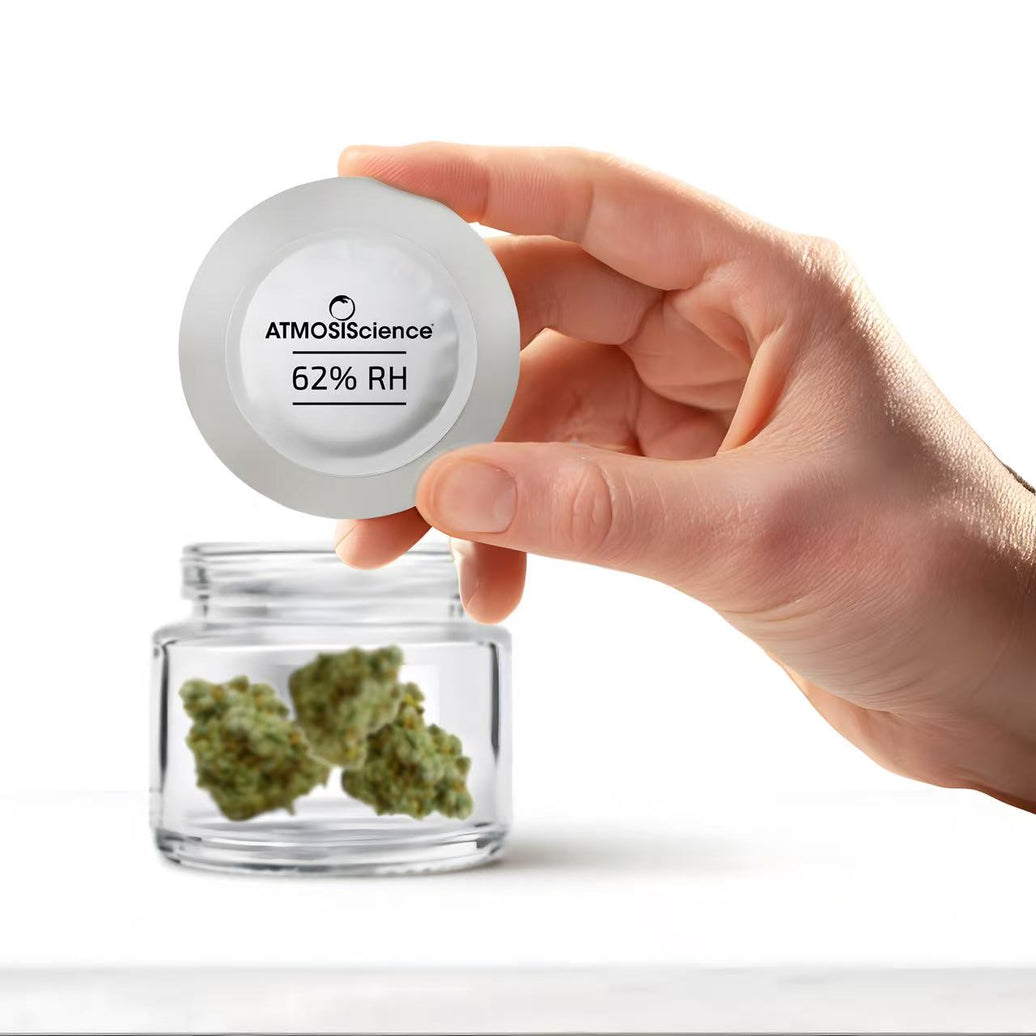
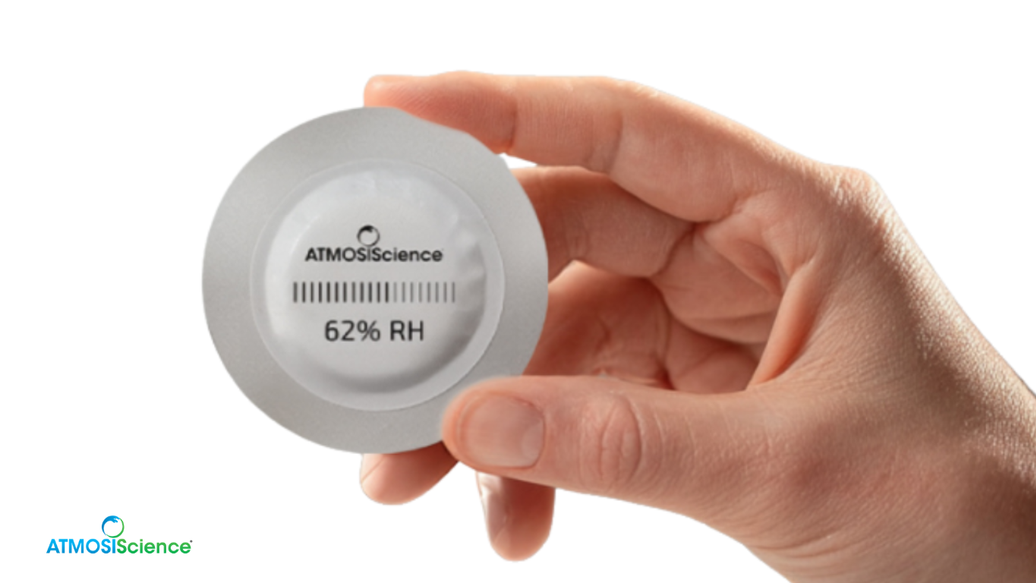
ATMOSIScience focuses on two-way humidity control, designed to help operators maintain target RH more predictably through the post-harvest chain.
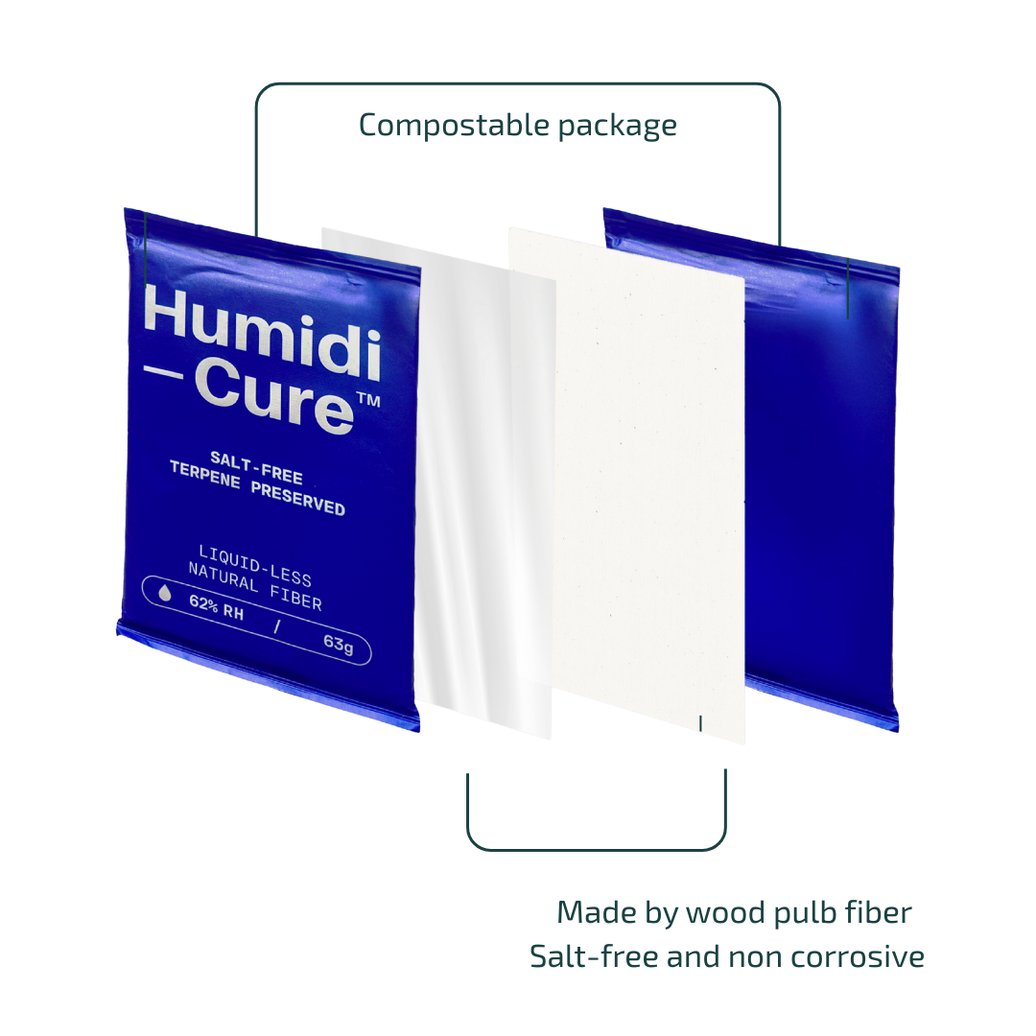
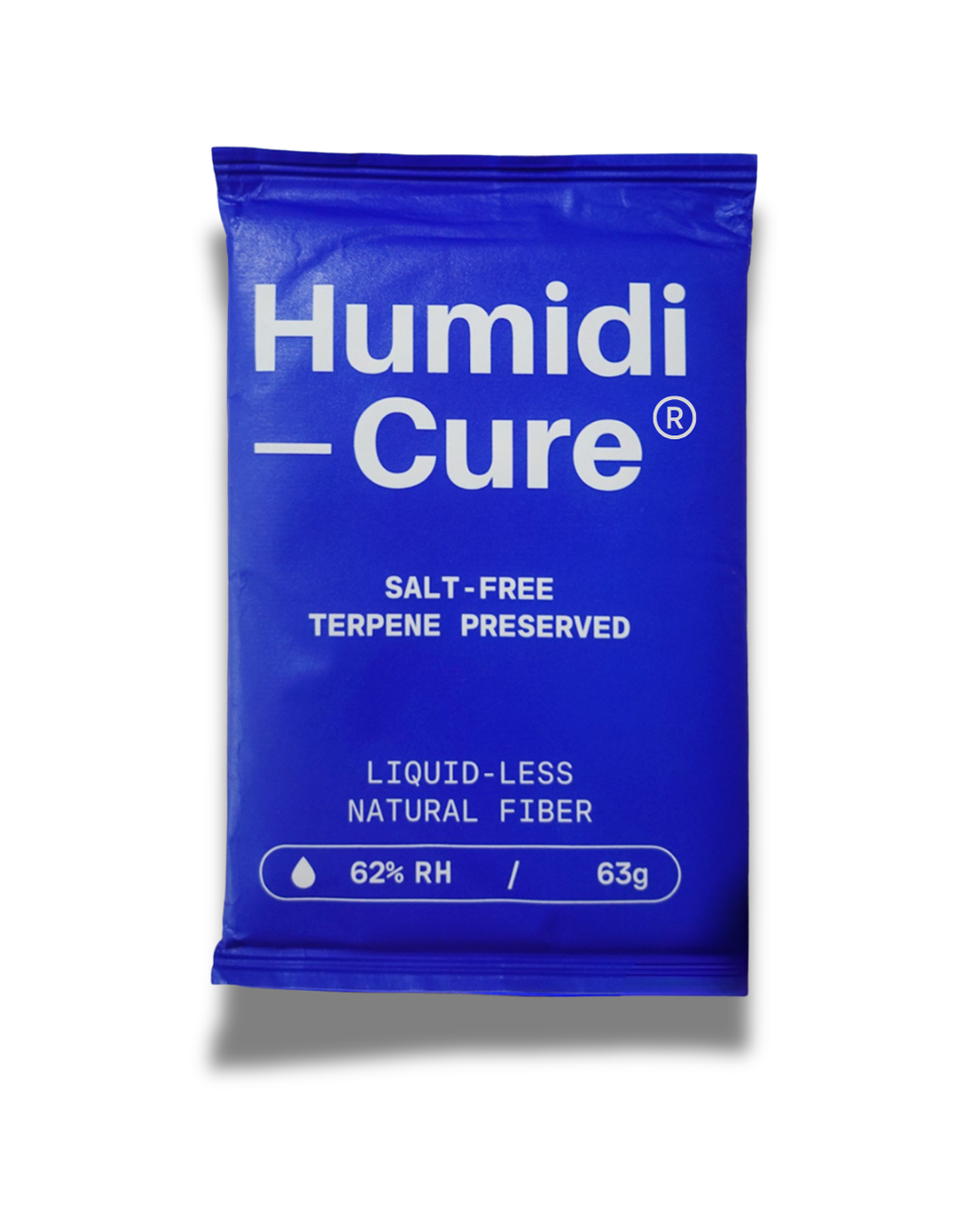
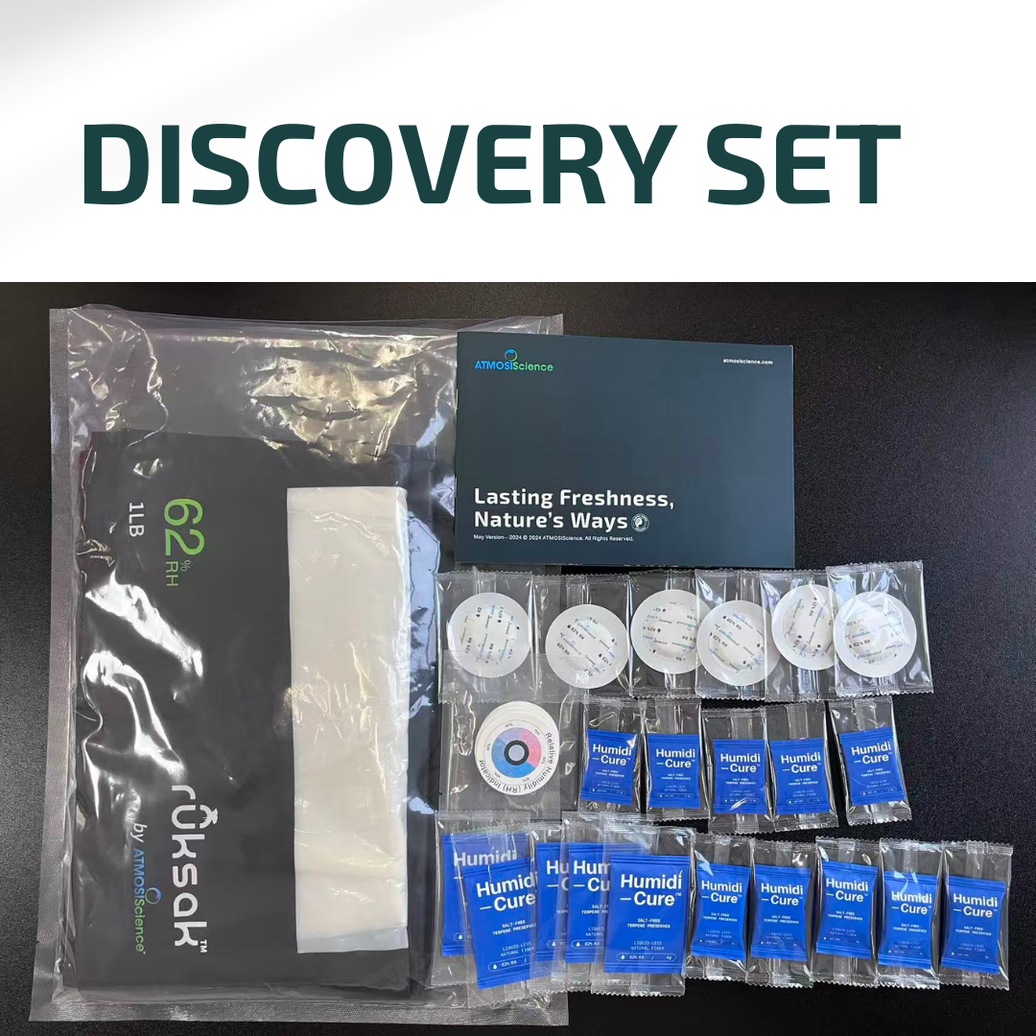
Humidi-Cure: two-way humidity control built for post-harvest stability
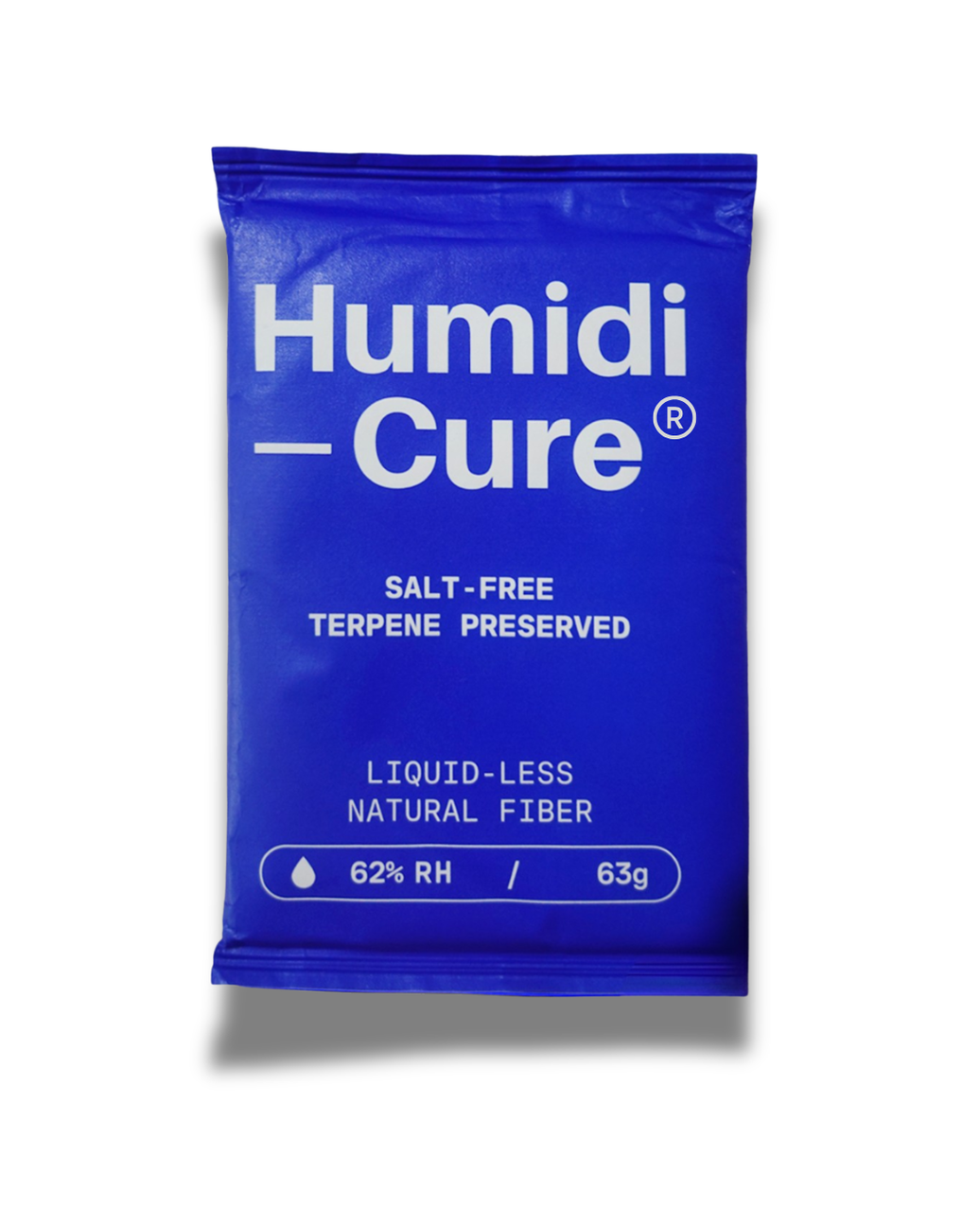
From ATMOSIScience product documentation, Humidi-Cure is designed to:
-
Maintain humidity within ±2% RH at the set point.
-
Offer custom RH ranges from 30% to 90% (depending on application needs).
-
Reach effective performance after about 2–3 hours of activation time.
-
Provide an estimated working life of around 120 days (usage dependent).
-
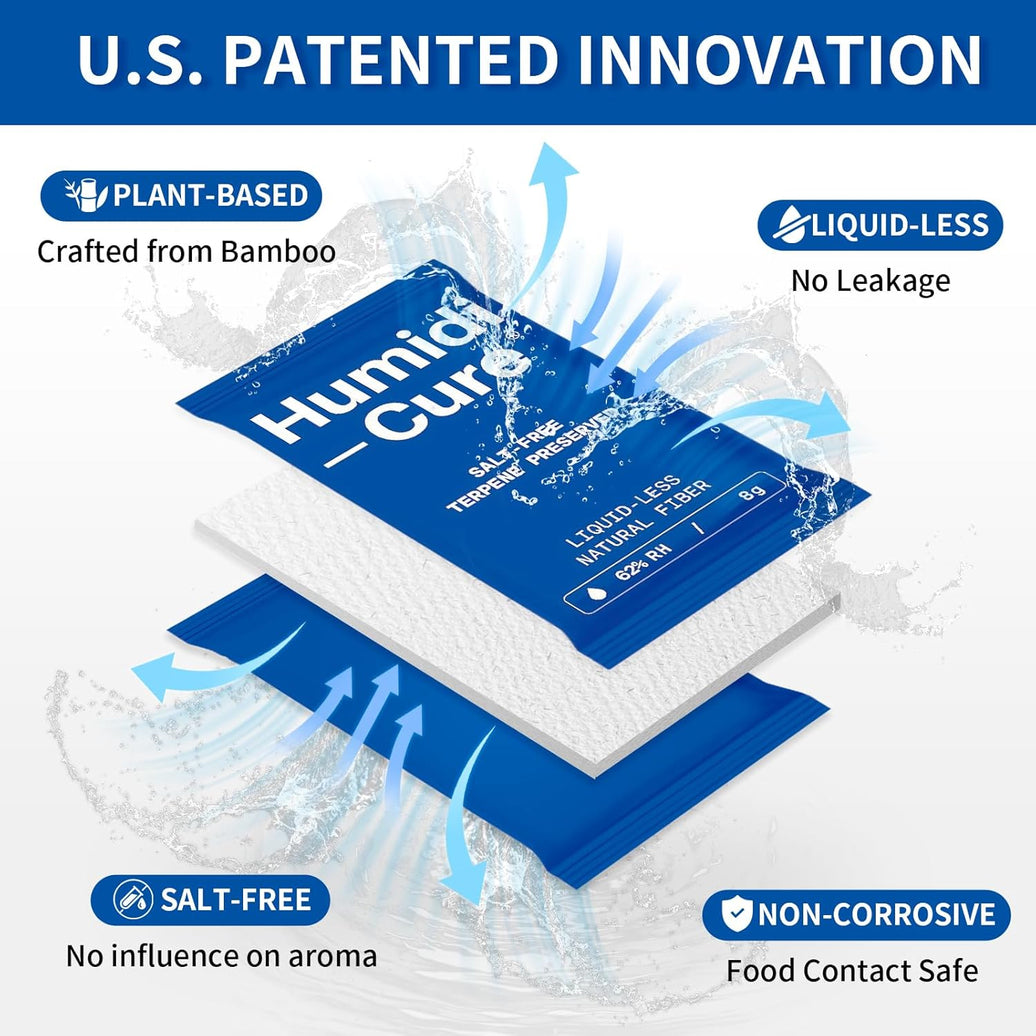
Use a non-liquid, biodegradable fiber-based approach.
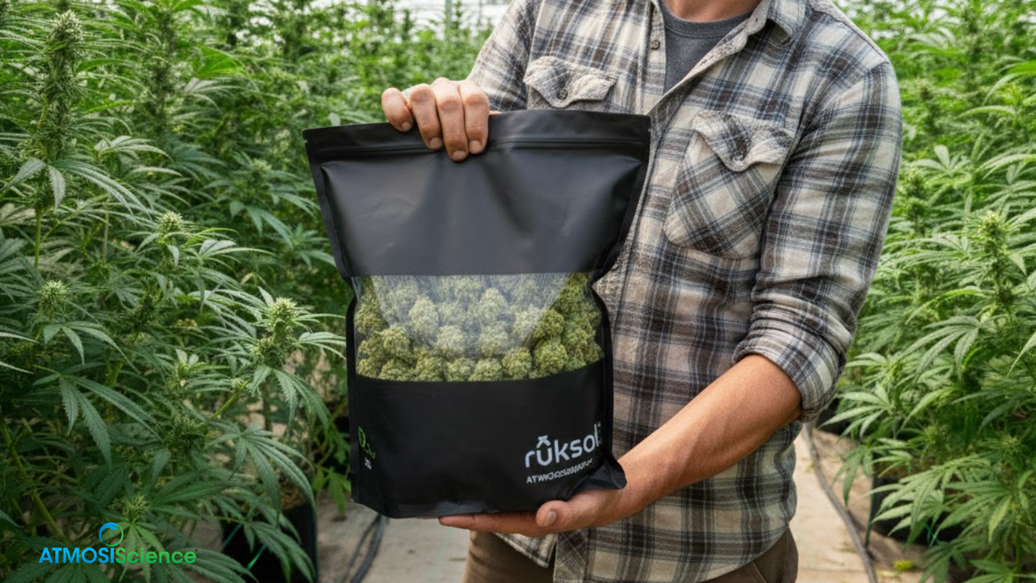
ruksak®: long-term storage designed around humidity control
ATMOSIScience documentation describes ruksak® as a storage system featuring:
-
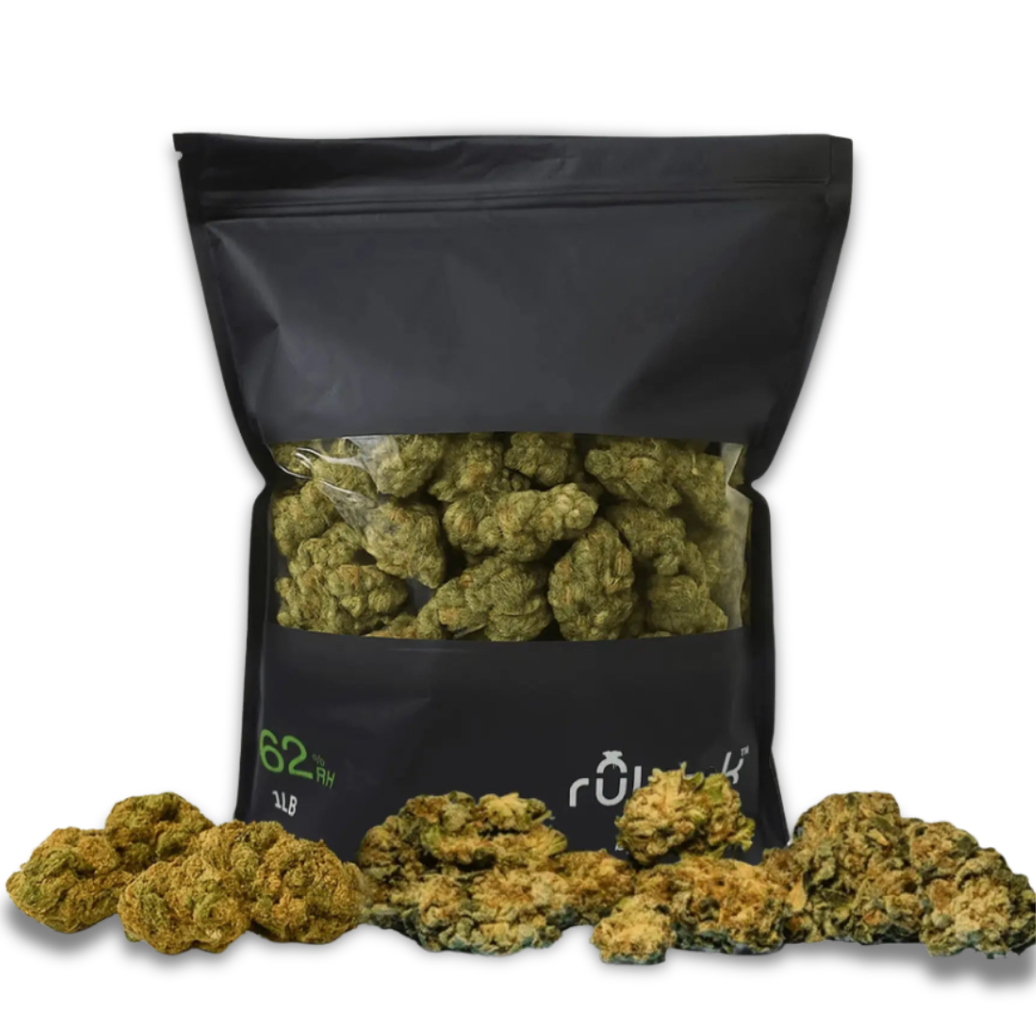
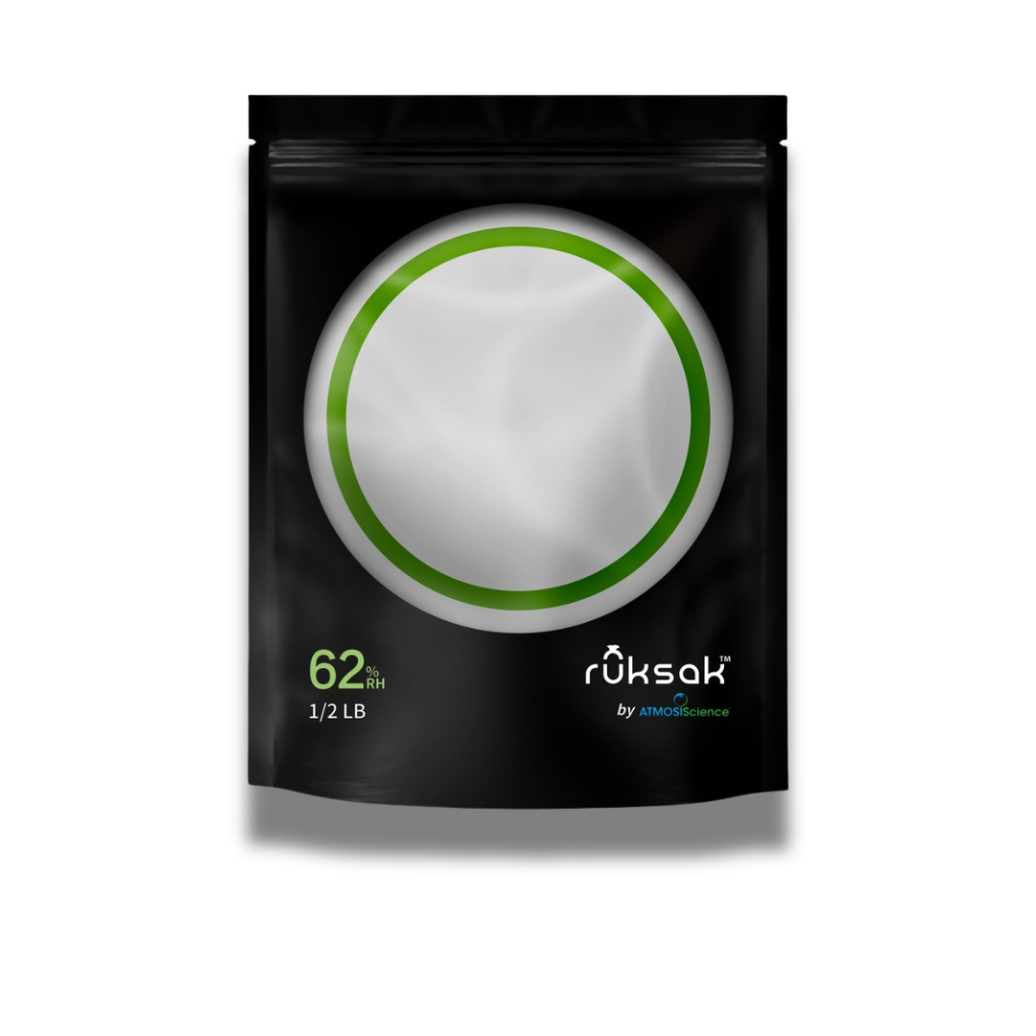
A structure with separate compartments (one for product, one for the humidity-control material).
-
An air-tight bag design and child-resistant zipper.
-
A stated capability to maintain humidity for up to 12 months when used as intended.
A practical “market coordination” playbook for 2026
If the goal is to protect quality and reduce operational surprises, the winning pattern looks like this:
Step 1: Define the target condition (not just the target yield)
Pick the RH condition that matches the product spec, packaging format, and expected shelf timeline.
Step 2: Build a moisture-stability checkpoint into post-harvest
Instead of reacting to drift late, treat humidity stability as a formal checkpoint during curing and before packaging.
Step 3: Reduce intervention events
Every manual correction is labor, risk, and variability. The aim is fewer “hero moments” and more stable baseline conditions.
Step 4: Stabilize the storage environment, not just the room
Rooms change when doors open, shipments arrive, or seasons shift. Products still need to remain stable inside their storage system.
Step 5: Make documentation easy
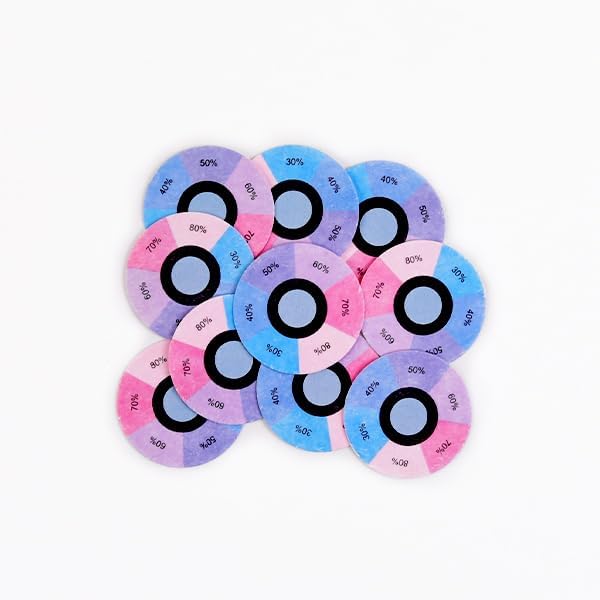
Stronger controls become valuable when they are easier to prove. Practical tools (like indicator-based verification) help translate process control into buyer confidence.
The bottom line
2026 is rewarding operators who treat quality as a coordinated system, not a final inspection.
When enforcement rises, energy stays expensive, and market competition tightens, predictable moisture control becomes part of market strategy. It is how indoor growers protect the work they already do well, and how they keep quality stable when the environment (and the market) is not.
References
-
Department of Cannabis Control improves consumer protection in 2024 by aggressively investigating products that do not follow California’s regulations (California Department of Cannabis Control, updated Feb 5, 2025).
-
Cannabis and Energy: A Resource Guide for State and Local Governments (SWEEP).
-
Increasing Medical Marijuana and Cannabidiol Research (The White House, Dec 18, 2025).
-
Fact Sheet: President Donald J. Trump is Increasing Medical Marijuana and Cannabidiol Research (The White House, Dec 18, 2025).
-
Rescheduling Marijuana: Implications for Criminal and Civil Justice, Agriculture, Banking, and Tax Policy (Congressional Research Service, IF12715, Dec 30, 2025).
-
26 U.S. Code § 280E: Illegal Drug Sale Expenditures (Legal Information Institute, Cornell Law School).