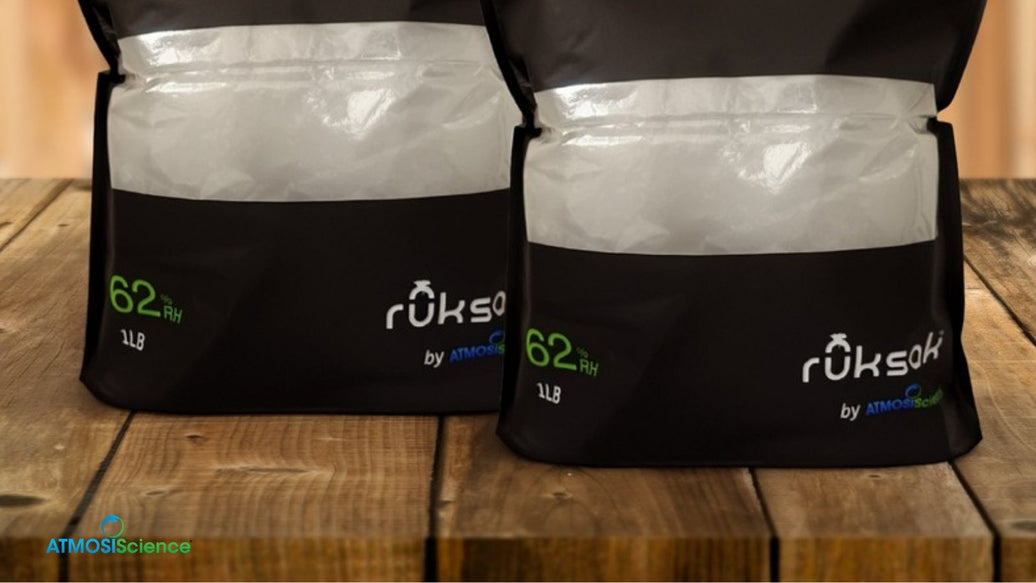
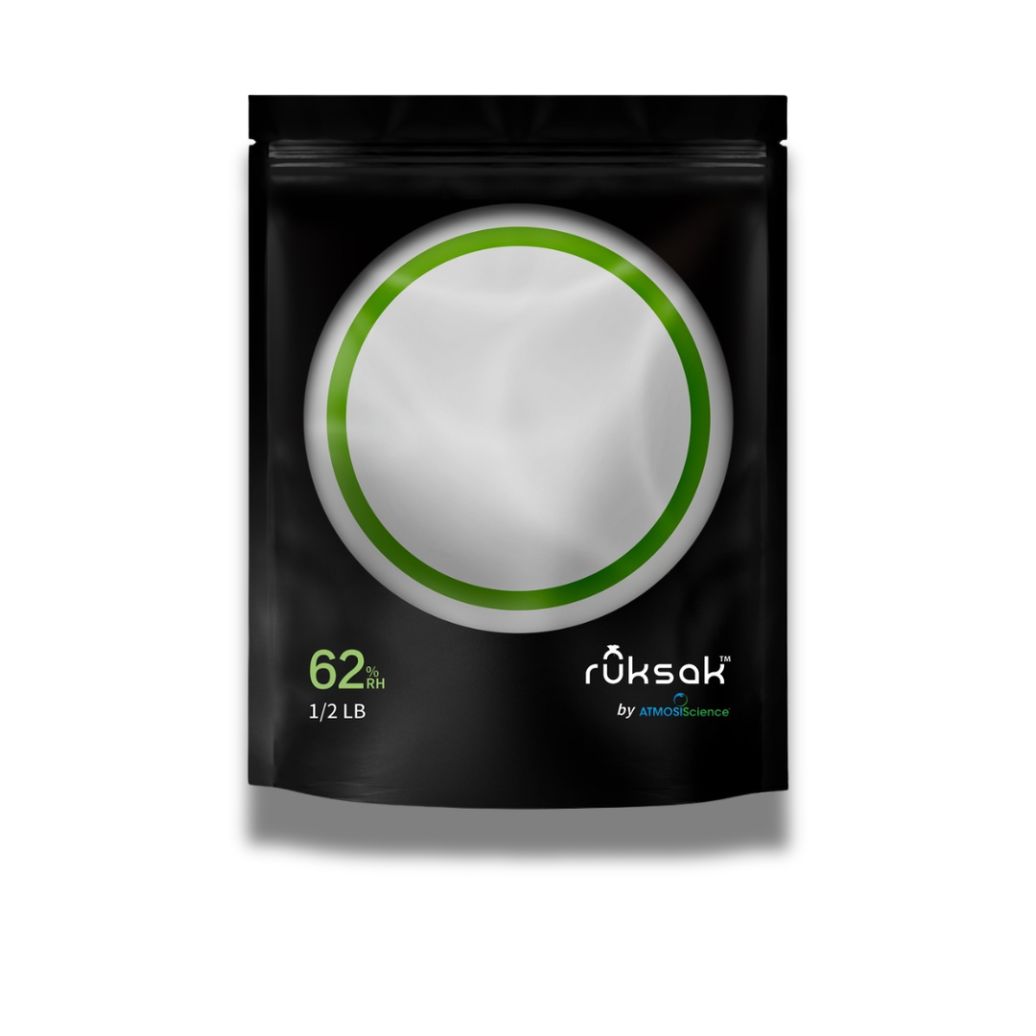
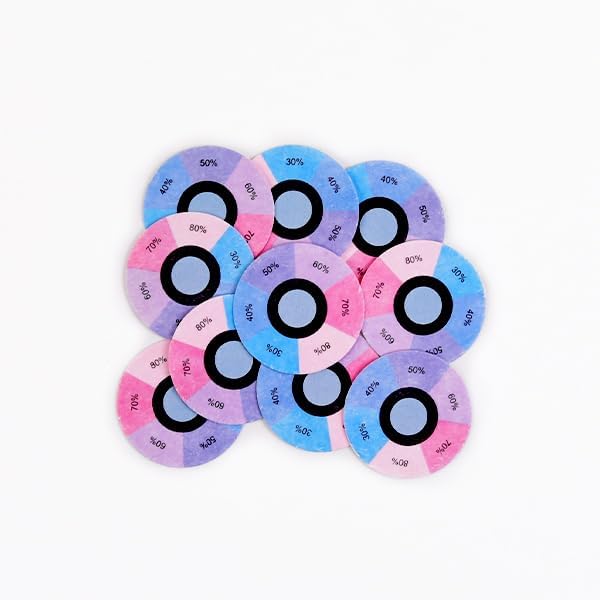
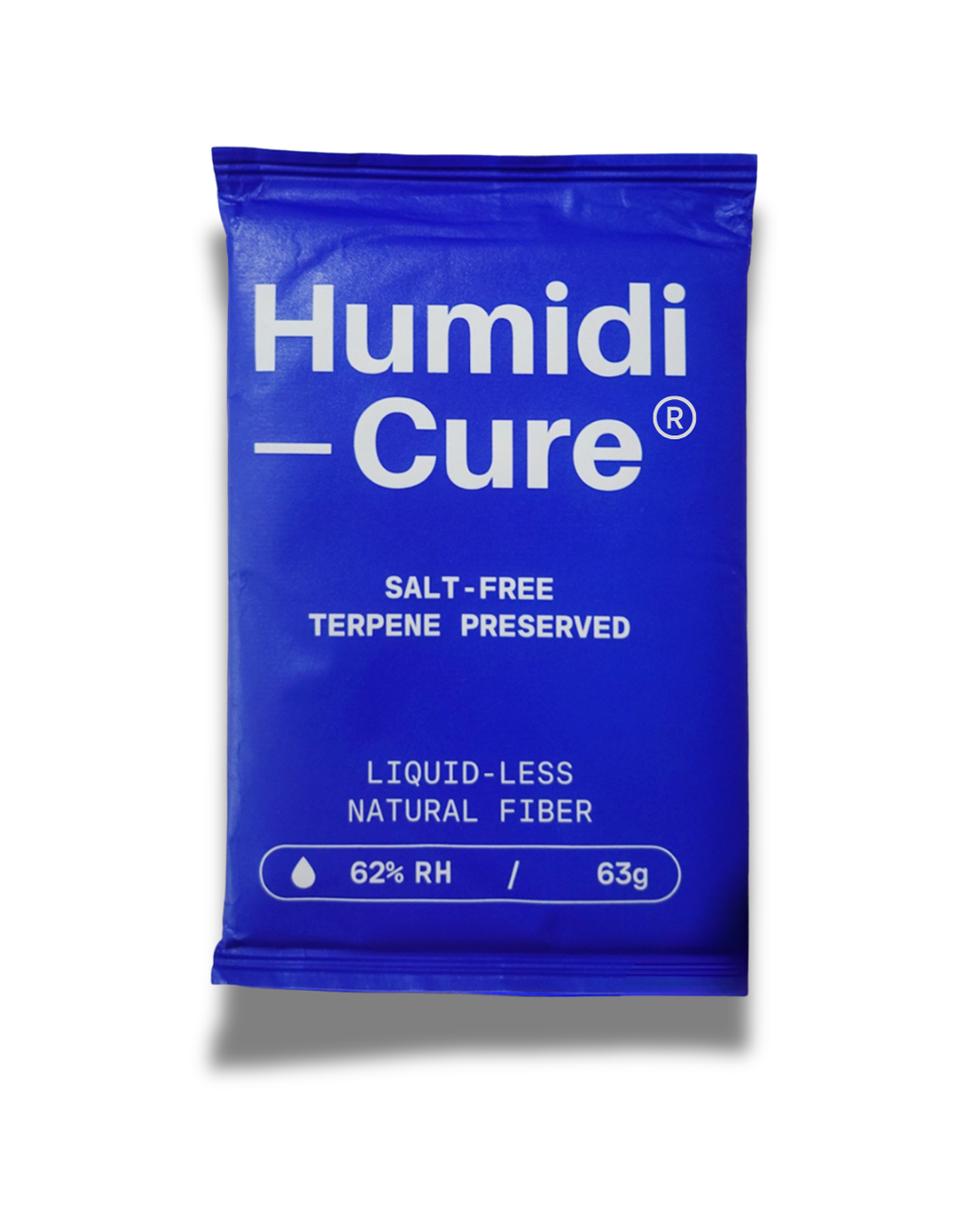
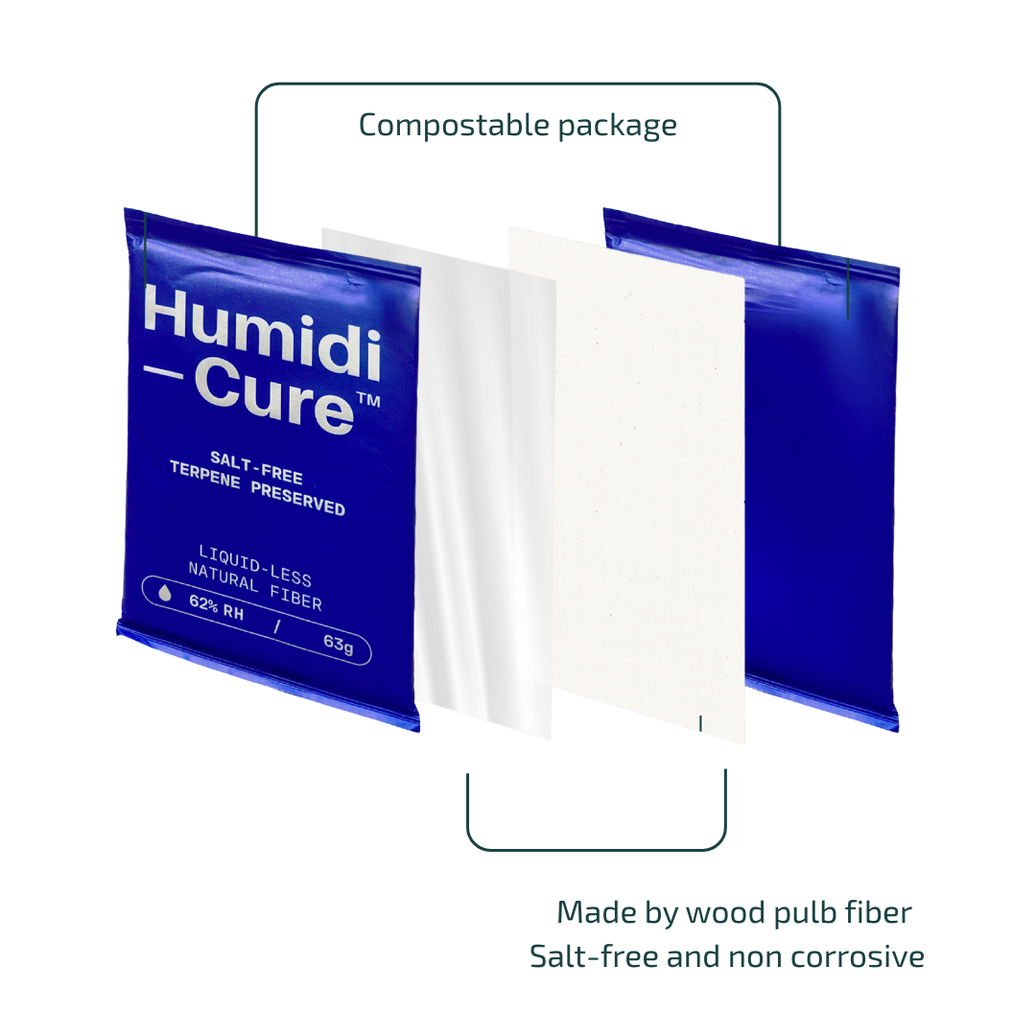
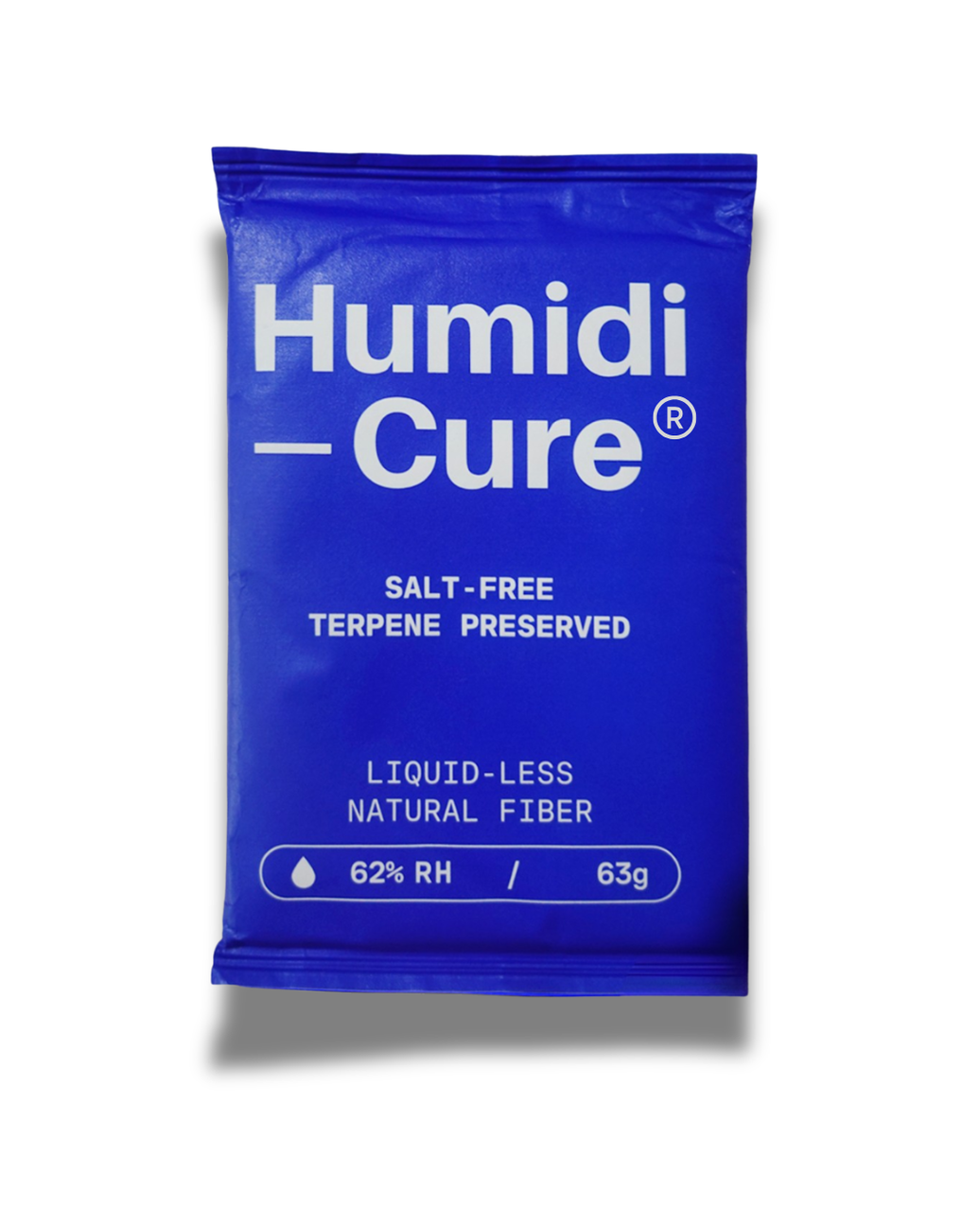
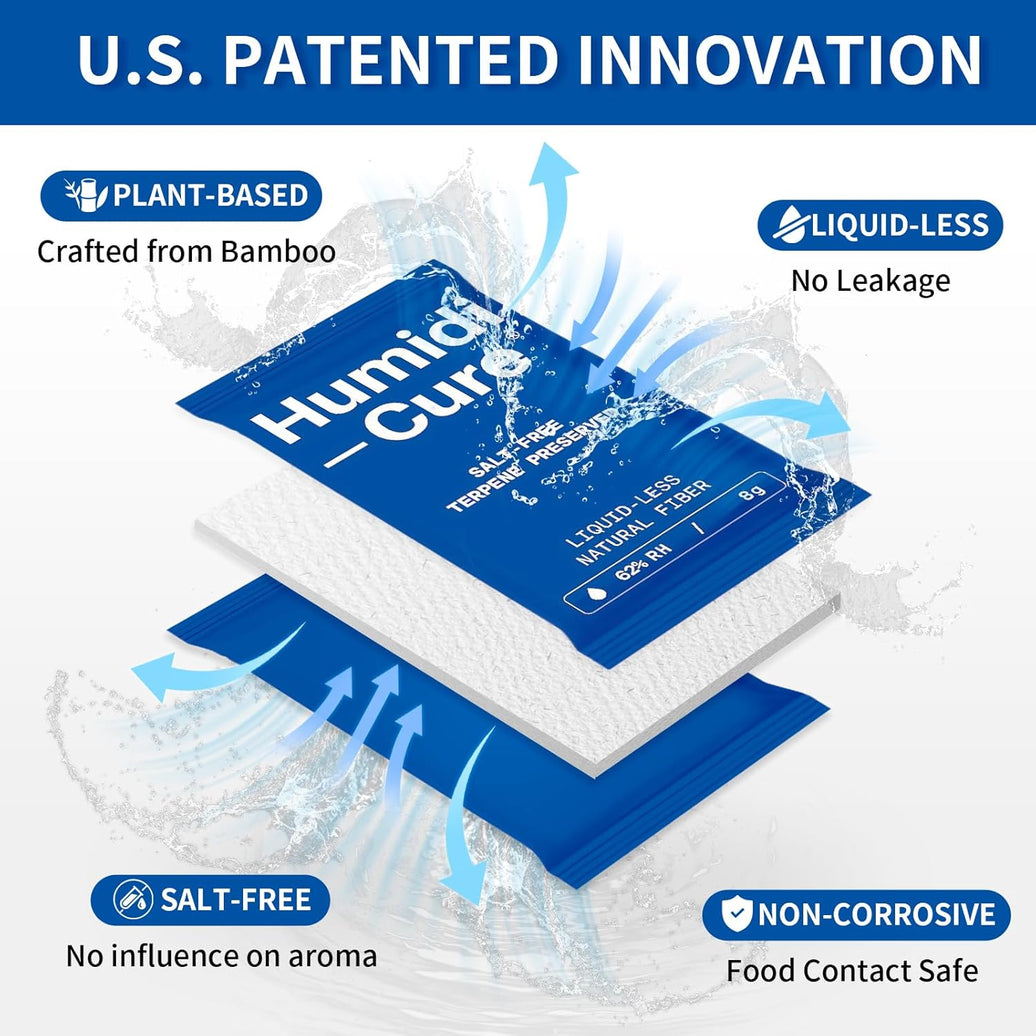
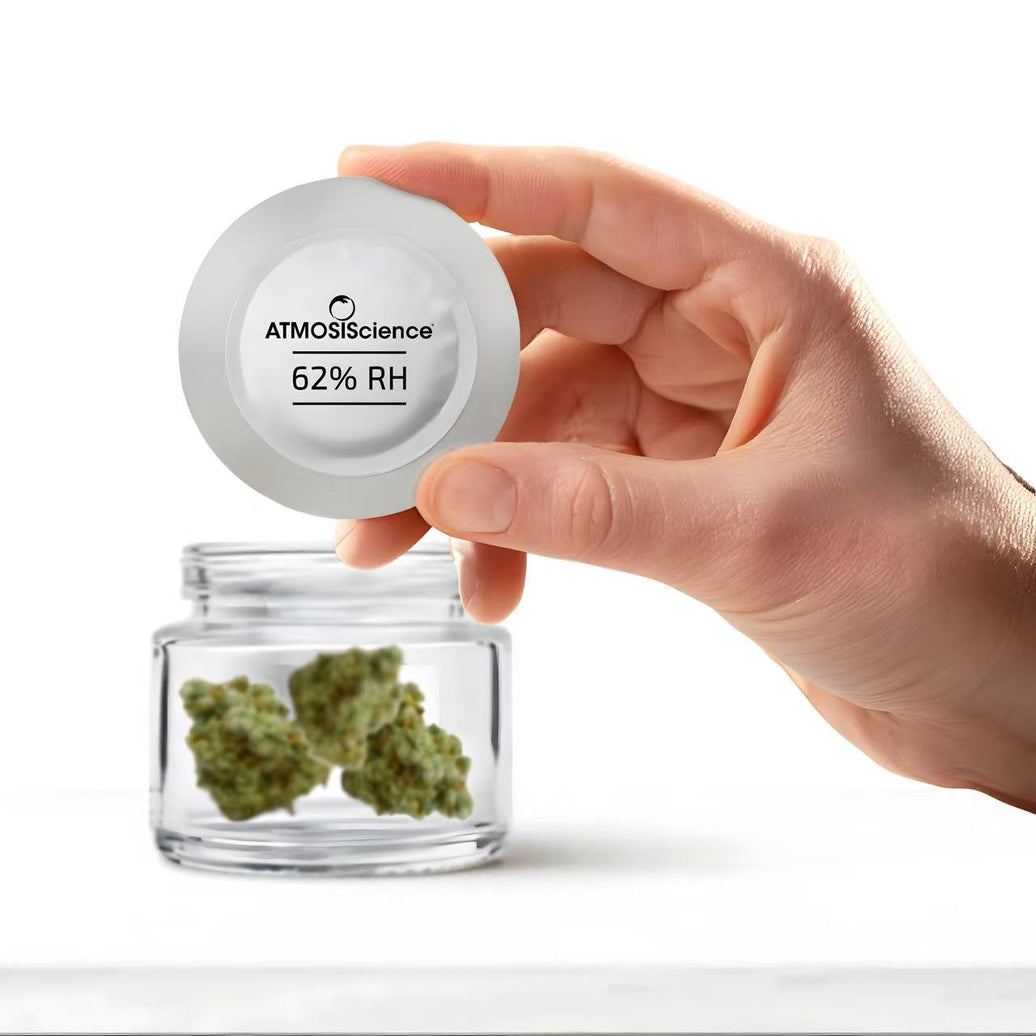
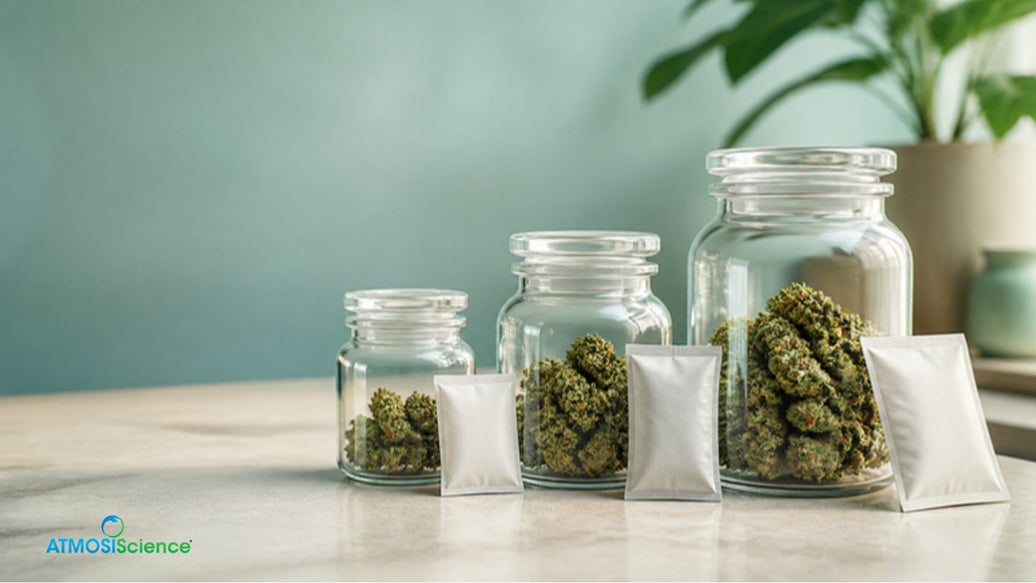
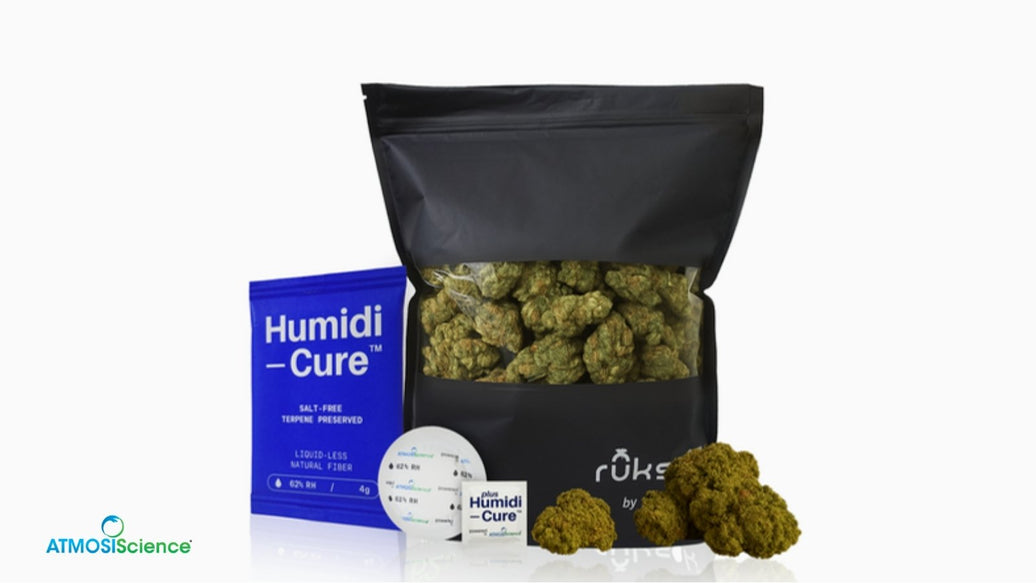
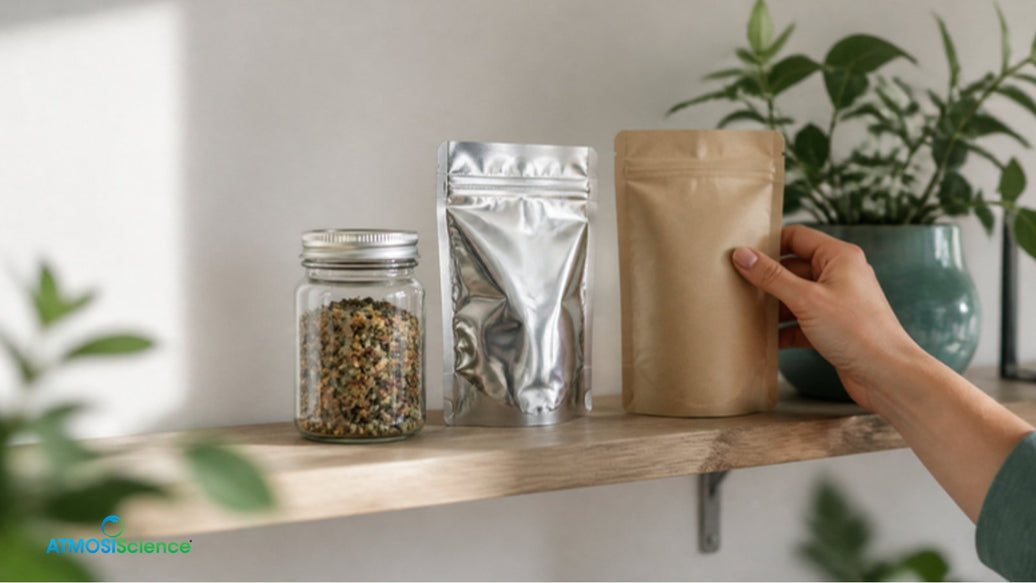
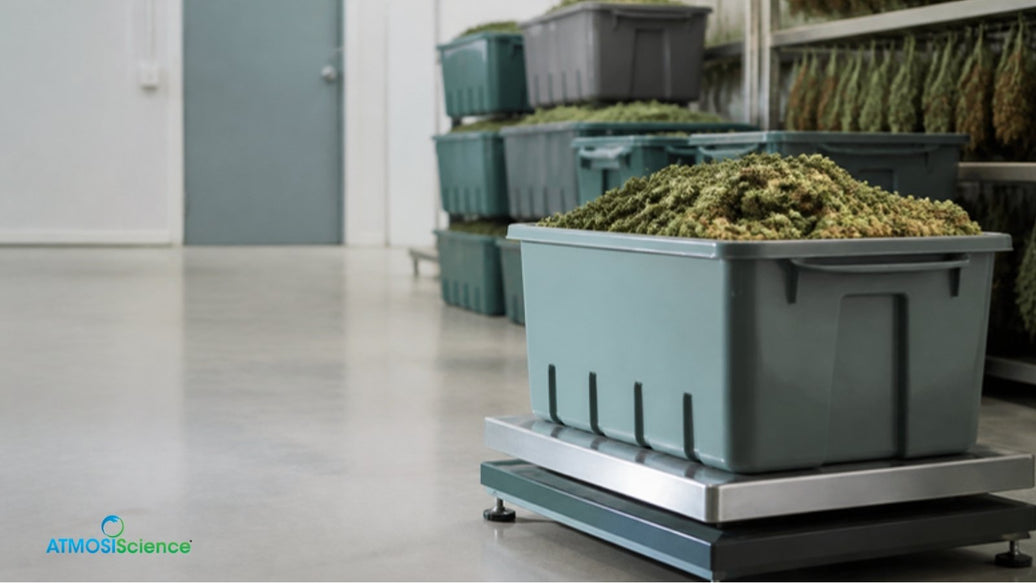
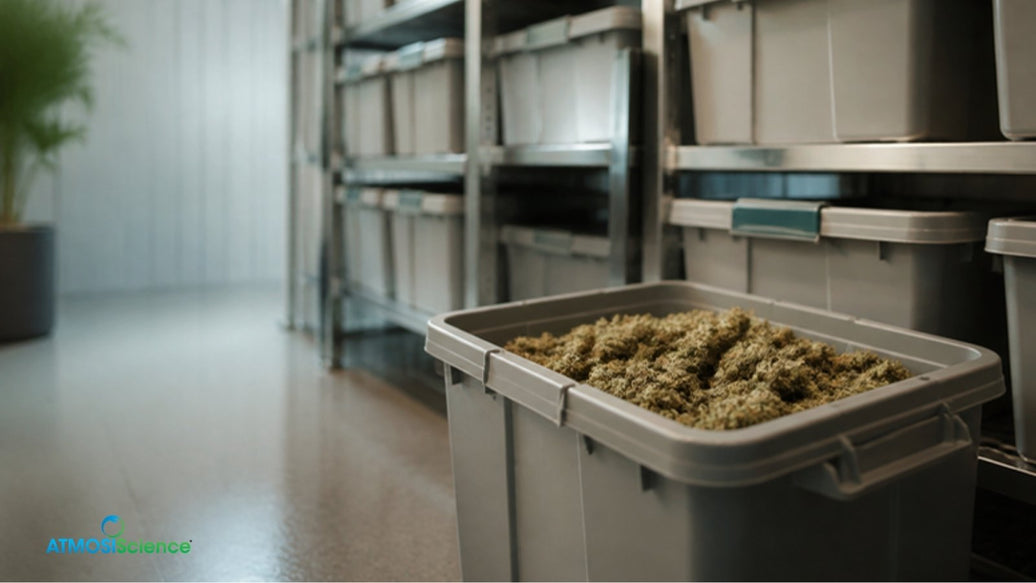
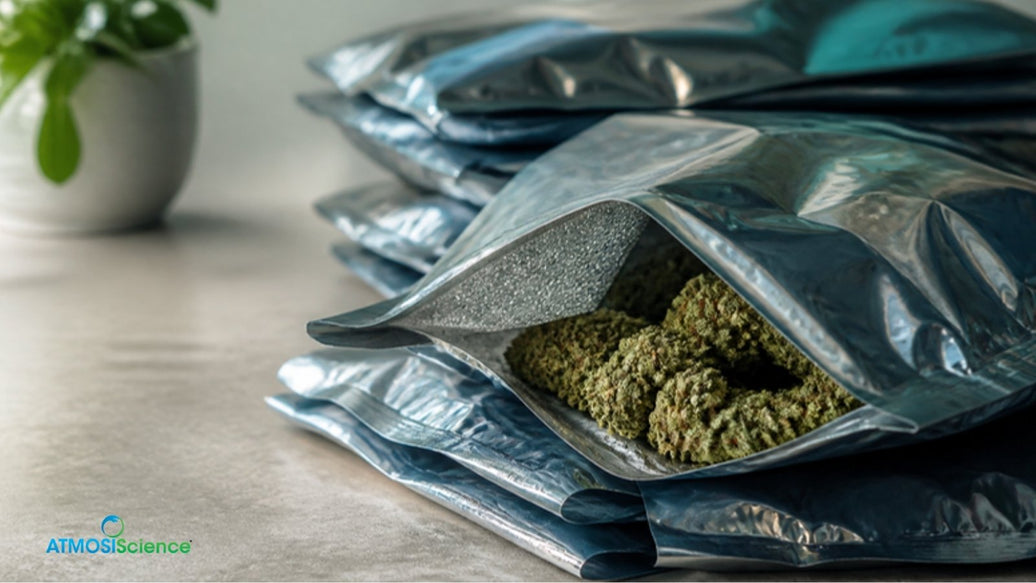
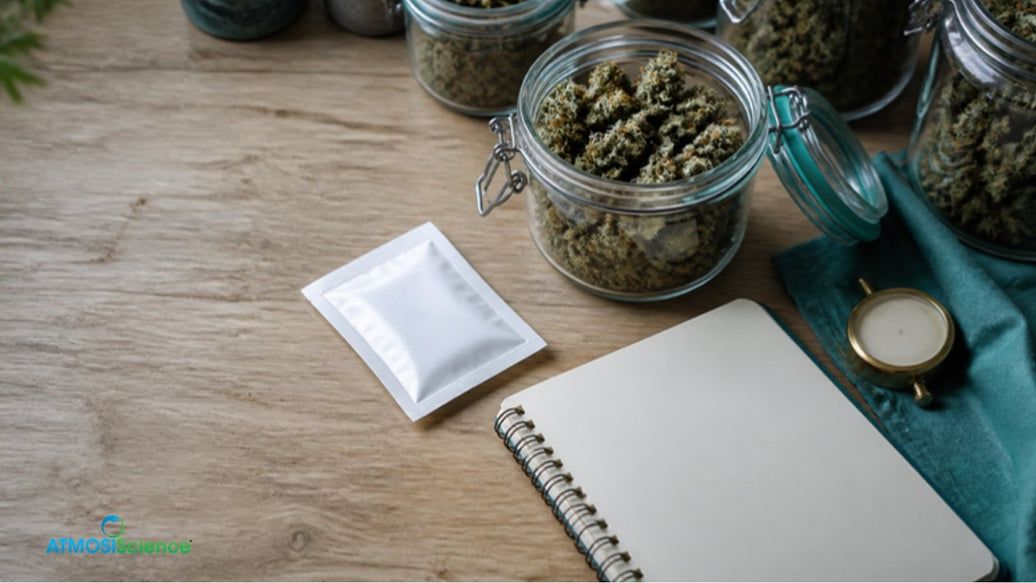
Quick answer: Flower shipped for export sits sealed for weeks with no chance to burp, through temperature swings in trucks, holds and warehouses. Put a two-way humidity pack in every sealed pouch, at 62% RH for most programs, and size it to the fill weight of that pouch rather than to the whole shipment. Our sizing guide pairs one 8 g Humidi-Cure® pack with about 1 oz of flower and one 63 g pack with about half a pound, which works out to roughly four to five 63 g packs per kilogram. For bulk programs, pack size and RH are set around your pouch, and the quote comes back with the pack count per shipment.
A cure that was perfect in the drying room can arrive flat, crumbly or musty at the other end of an export route. The cause is rarely the flower. It is the weeks in between: sealed pouches that cannot be opened, warm days and cold nights in transit, and no one checking the bags until they are unpacked. This guide is for cultivators, processors and distributors who ship bulk flower in sealed pouches and want each pouch to arrive at the moisture it left with.
Why export is harder than storage at home
In a cure room you can see a problem coming and burp a bin. In transit you cannot. Three things work against a sealed pouch on an export route:
- Time. Door to door, a shipment can sit sealed for weeks. Any drift in humidity has that long to do damage.
- Temperature swings. When a sealed pouch warms, the flower gives up moisture into the air inside it. When it cools again, relative humidity inside the pouch climbs and moisture can settle on the coldest surface. Repeated every day and night, that is how a clean batch picks up a damp, stale smell.
- No second chance. The buyer opens the pouch, not you. If it arrives dry or damp, the first person to find out is the customer.
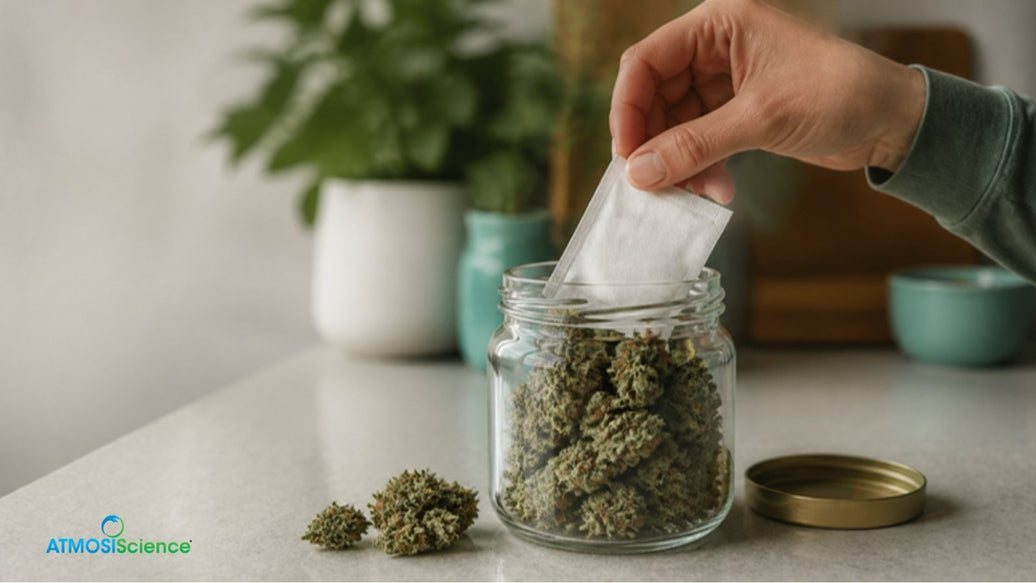
A two-way pack answers all three. It takes moisture out of the air when the pouch runs humid and gives it back when the pouch runs dry, so the flower stays near the set point for the whole trip.
Which RH to ship at
| RH | When it fits |
|---|---|
| 62% | The standard for cured flower. Holds weight and aroma, and stays clear of the humid zone where mold risk climbs |
| 58% | For buyers whose spec calls for a slightly drier product |
| 65% | For buyers whose spec calls for a softer finish |
If you are unsure, start at 62%. It is the set point most cure rooms already work to, and the one our retail packs are built around. For the reasoning behind that number, see why 62% RH is the standard for bulk storage.
How many packs a shipment needs
Size the pack to the pouch, not to the pallet. Every sealed pouch is its own small climate, so each one needs its own pack. Start from the fill weight of a single pouch:
| Flower per sealed pouch | Starting point |
|---|---|
| About 1 oz (28 g) | One 8 g pack |
| About 1/2 lb (227 g) | One 63 g pack |
| About 1 lb (454 g) | Two 63 g packs, or a pack size set for your pouch |
| About 1 kg | Four to five 63 g packs, or a pack size set for your pouch |
Then multiply by the number of pouches in the shipment. As a worked example, 100 kg of flower packed in 1 lb pouches is about 220 pouches. At two 63 g packs each, that is about 440 packs per 100 kg. Treat these as starting points: the pouch film, the headspace and how dry the flower is at packing all move the number, which is why we confirm it with samples in your own pouch before the first order. The humidity pack calculator does the same arithmetic for jars.
Packing for the route
- Pack after the cure, not during it. A pack holds a cured product at its set point. Flower that is still wet will push the pack past its limit before it leaves the warehouse.
- One RH per pouch. Do not mix packs of different RH levels in the same pouch. They work against each other.
- Keep packs sealed until packing. Open the outer bag at the packing table, not the day before.
- Let pouches settle before sealing the case. If you can, give sealed pouches a day at room temperature so the flower and the pack reach balance before the trip starts.
- Plan stock by shipment. If you ship on a fixed cadence, order packs on the same cadence so you are never packing with packs that sat open on a shelf.
This guide covers moisture only. Licensing, import permits and labelling rules for each destination stay with the shipper.

What to send for an export quote
The fastest quotes come back when the request already answers these:
- Flower per sealed pouch, and the pouch type
- Pouches per shipment, and how often you ship
- Target RH, or "not sure"
- Destination country, so freight can be priced
- When the first shipment leaves
- Whether you want your logo on the pack
Use the form below, or the quote form on our wholesale page. Samples come before the first order, so you can test the packs in your own pouches.
Frequently asked questions
Do humidity packs work in sealed export pouches?
Yes. A sealed pouch is where a two-way pack works best, because the only air it has to manage is the air inside the pouch. It absorbs moisture when the pouch runs humid and releases it when the pouch runs dry.
How many humidity packs per kilogram of flower?
As a starting point, about four to five 63 g packs per kilogram, based on our guide of one 63 g pack for about half a pound. Pouch film, headspace and moisture at packing change the figure, so confirm it with samples in your own pouch.
What RH should bulk flower ship at?
62% RH for most programs. 58% and 65% are available when a buyer's spec calls for a slightly drier product or a softer finish.
Can the pack size be set to our pouch?
For bulk programs, pack size and RH are set per project around the pouch. Tell us the fill weight and we will recommend the configuration.
Can the packs carry our brand?
Yes. Logo printing on the pack is available for wholesale and private label orders.
Get a pack count and price for your shipments
Tell us what goes in each pouch and how often you ship. We come back with the pack size, the count per shipment, pricing and lead time.
Prefer email? info@atmosiscience.com