Quick answer
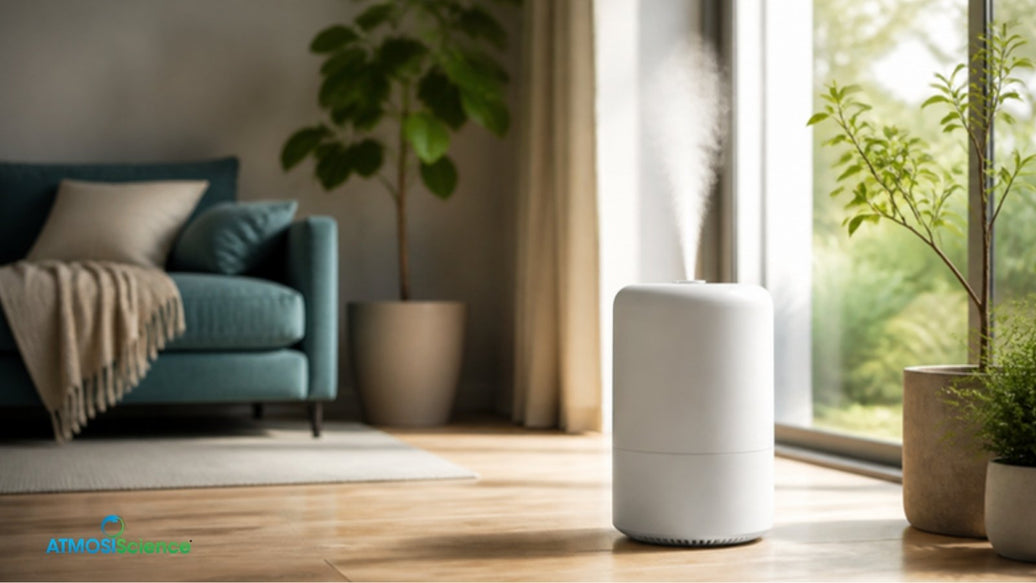
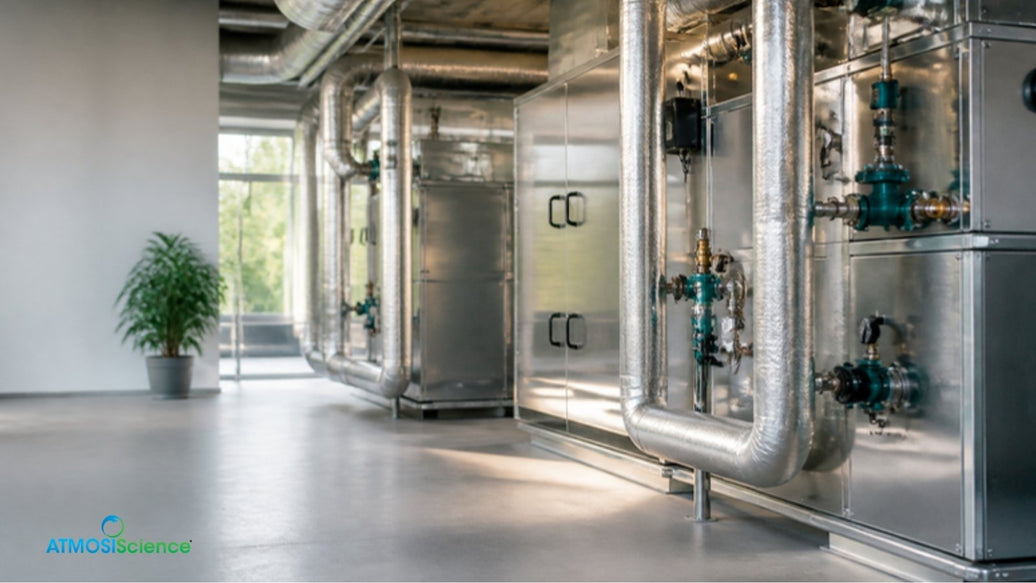
Use a dehumidifier when the problem is a room: a damp basement, a musty closet, a humid workshop. Use a desiccant when the problem is inside a closed package, box or container, where a dehumidifier can't reach. Businesses often need both: room control in the warehouse and desiccant in every package that leaves it.
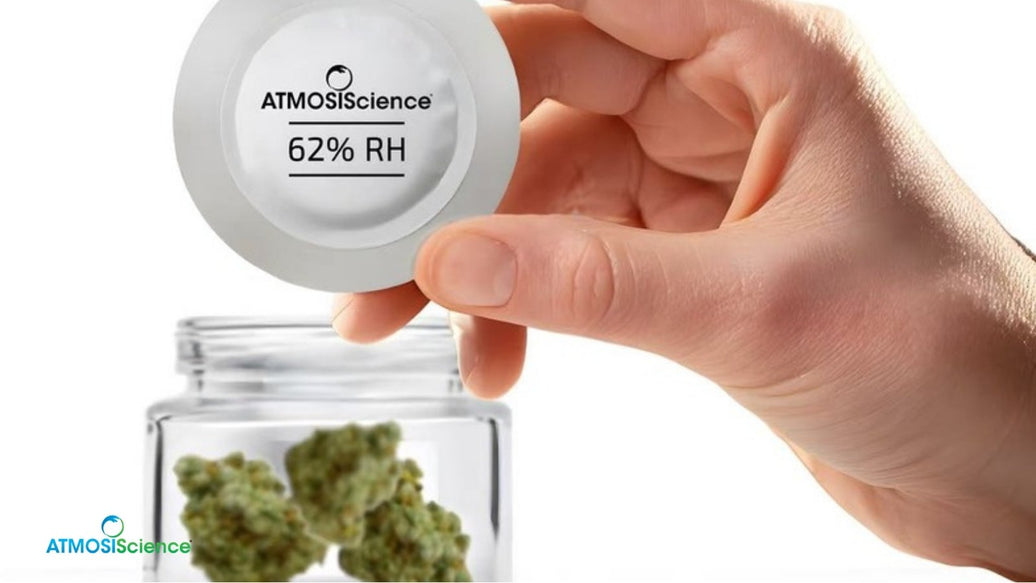
Fiber desiccant for packagingTwo-way packs for jars and cases
How they work
| Dehumidifier | Desiccant | |
|---|---|---|
| Mechanism | Cools air to condense water, or a desiccant wheel | Material that adsorbs or absorbs water vapor |
| Space | Rooms and buildings | Sealed packages, boxes, containers |
| Power | Electricity | None |
| Moves with the product | No | Yes |
| Running cost | Ongoing energy | Cost per unit |
When a dehumidifier is the answer
- Room RH above about 60% for long stretches
- Mold or mildew on walls or stored items
- Workshops and storage rooms where you open things often
When a desiccant is the answer
- Products shipped or stored sealed: supplements, electronics, food, garments
- Containers on long sea routes where conditions change daily
- Small boxes at home: tools, cameras, documents
When neither is right
If something must stay at a set humidity, not as dry as possible, use a two-way pack instead. Cannabis, cigars and wooden instruments are damaged by over-drying.
FAQ
Can a dehumidifier replace desiccant packets?
No. Once a package is sealed, the room's air doesn't reach inside.
Is desiccant cheaper than a dehumidifier?
For small sealed spaces, yes. For whole rooms, a dehumidifier is far more practical.
Do I need both?
Many warehouses and brands use both: room control plus desiccant in each package.
Keep reading: Industrial dehumidifier vs packaging desiccant · Moisture absorbers · What is a desiccant?