Hygroscopic materials, like wood, paper, parchment, ivory and textiles, swell when they take on moisture and shrink when they lose it. Slowly, they adapt. Quickly, different layers move at different speeds, and something gives: a panel cracks, paint lifts off a canvas, a veneer pops.
What swings do
| Material | Damage from rapid change |
|---|---|
| Wood panels and furniture | Cracks, open joints, lifted veneer |
| Paintings | Flaking, cupping, cracks in paint |
| Paper and parchment | Cockling, curling, tears at mounts |
| Musical instruments | Seam openings, top cracks |
| Mixed objects | Stress where two materials meet |
How much is too much?
Common museum guidance accepts a broad annual range for general collections but limits short-term swings, often to around 10 points within 24 hours. Many objects that survived decades in a stable, imperfect climate are put at risk by a sudden "correction" to an ideal number.
Where swings come from
- Heating turning on and off in winter
- Doors and windows opening to outside air
- Sun on display cases
- Lights that heat cases
- Moving objects between rooms or for loans
Steadying conditions
- Seal cases and storage boxes
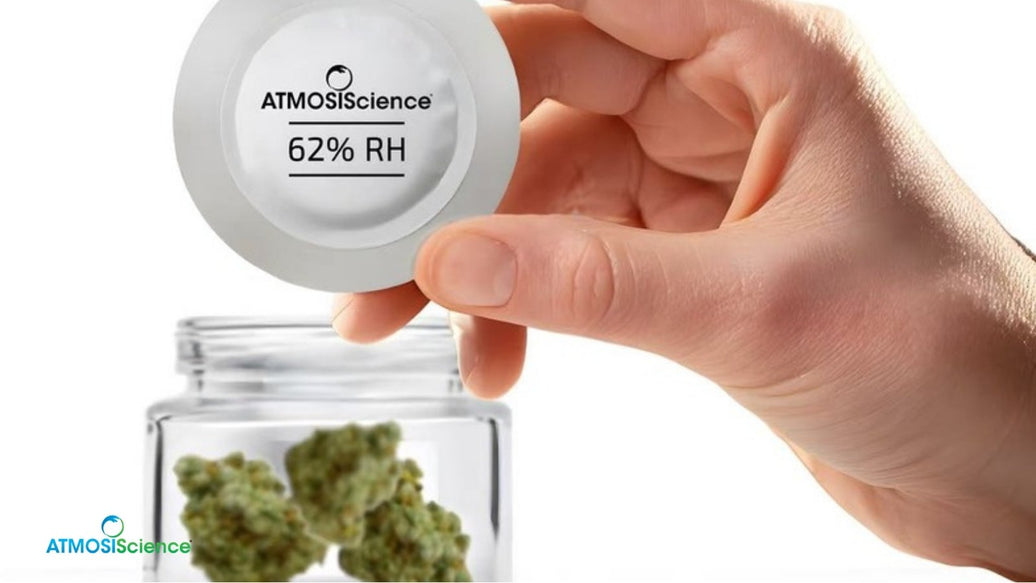
- Add passive buffers: conditioned materials that release or absorb moisture
- Move sensitive objects away from exterior walls and vents
- Acclimate objects slowly when moving them
- Monitor and log
For enclosed spaces, see display case microclimates. For instruments, the same physics applies: the 45 to 52% RH sweet spot.
FAQ
Is stable humidity more important than the exact level?
For most organic materials, avoiding fast swings matters more.
How fast is too fast?
Large changes within a day are the main risk; many guides limit daily swings to around 10 points.
Do heaters damage antiques?
They can, by drying the air quickly. Humidify the room or protect objects in cases.
Keep reading: Humidity by material · Paintings at home · Museum storage energy