Air can hold only so much water vapor, and warm air can hold much more than cold air. Relative humidity (RH) is how close the air is to that limit, as a percentage. At 100% RH the air is full and water starts to condense.
Three everyday examples
- Winter dryness. Cold outdoor air at 80% RH holds little water. Heat it indoors and the same water is now a small fraction of what warm air could hold: indoor RH falls to 20 to 30%
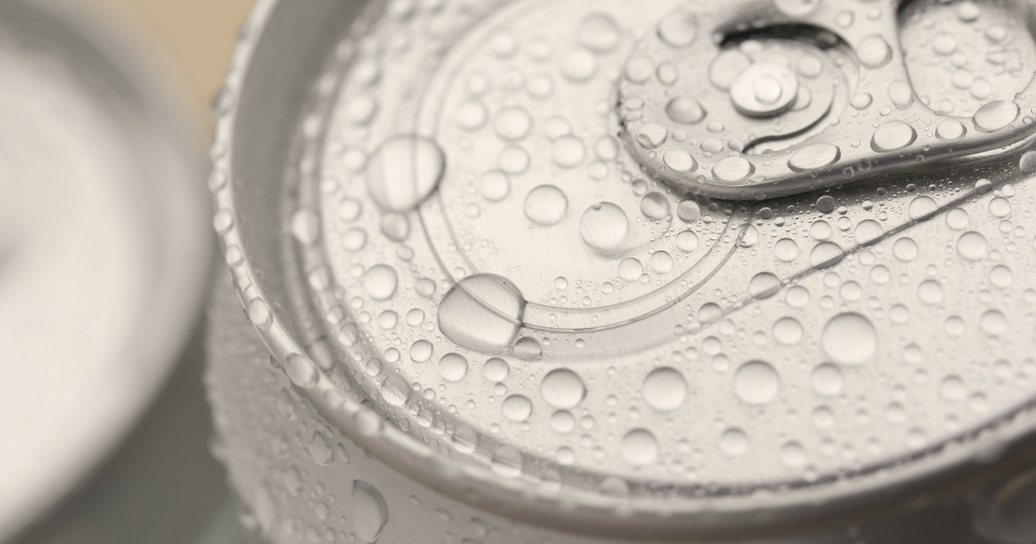
- A cold drink sweats. Air touching the cold glass cools, its limit drops below the water it holds, and water condenses on the glass
- A basement feels damp. Cool basement air sits closer to its limit, so RH is higher even if the water content is the same as upstairs
RH vs dew point vs absolute humidity
| Measure | What it tells you |
|---|---|
| Relative humidity | How close air is to saturation at its temperature |
| Dew point | The temperature at which that air would start to condense |
| Absolute humidity | The actual amount of water in the air |
Deeper dive: RH vs dew point vs absolute humidity.
Why RH matters for storage
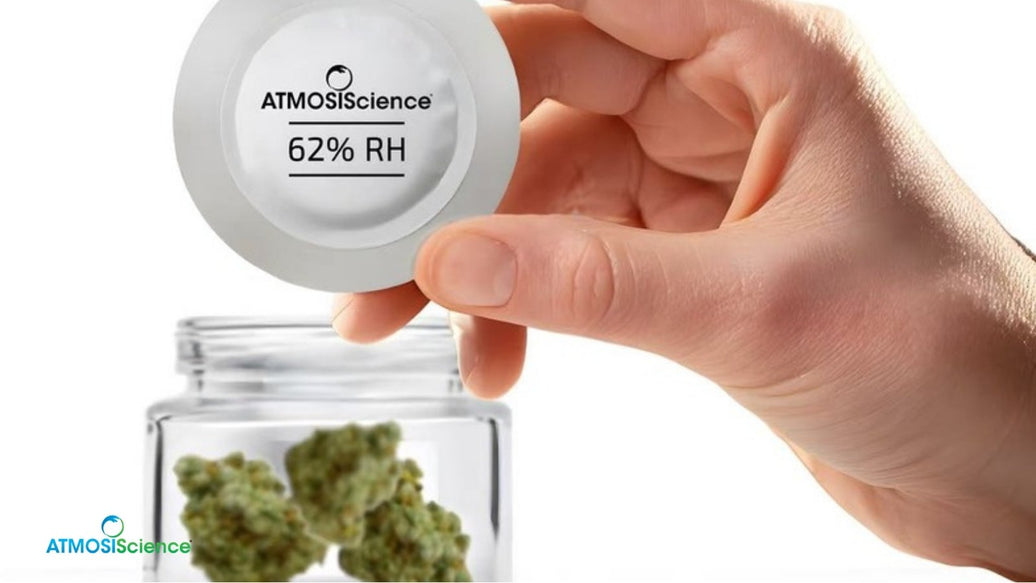
Hygroscopic things, like wood, paper, tobacco, cannabis and powders, settle at a moisture content set by the RH around them. Control the RH in a sealed space and you control the product. That's what humidity packs do: which RH for what.
Common targets
| What | RH |
|---|---|
| Home comfort | About 40 to 60% |
| Guitars and violins | About 45 to 55% |
| Cannabis | 58 to 62% |
| Cigars | 65 to 72% |
| Electronics, powders | As dry as practical |
FAQ
What is a good relative humidity indoors?
About 40 to 60% for most homes.
Why is RH lower in winter?
Heating raises the air's capacity without adding water.
Does temperature change RH?
Yes. Warming air lowers RH; cooling raises it.
Keep reading: What is a hygrometer? · Humidity and comfort · Two-way control