Coins and stamps react to humidity in opposite ways. Metal corrodes and tones faster in damp air. Paper and gum curl, stick and grow brown foxing spots when it's damp, and get brittle when it's very dry. Most collectors keep them in separate conditions.
Targets
| Item | Target RH | Main risk |
|---|---|---|
| Coins (copper, silver) | Below about 40% | Toning, spots, verdigris |
| Mint stamps with gum | About 40 to 50% | Gum sticking, curling |
| Stamp albums | About 40 to 50% | Foxing, mold |
| Banknotes | About 40 to 50% | Foxing, mold |
Coins
- Use inert holders: archival flips, capsules or slabs. Avoid old PVC flips, which can leave green residue
- Store in a sealed box or safe with a desiccant
- Don't touch faces with bare fingers
- Keep away from rubber, wool and cardboard, which can release sulfur
Stamps
- Acid-free albums and stock books
- A room that stays steady, away from basements and attics
- A desiccant in a sealed box only if the room is damp; too dry curls stamps
Desiccant tips
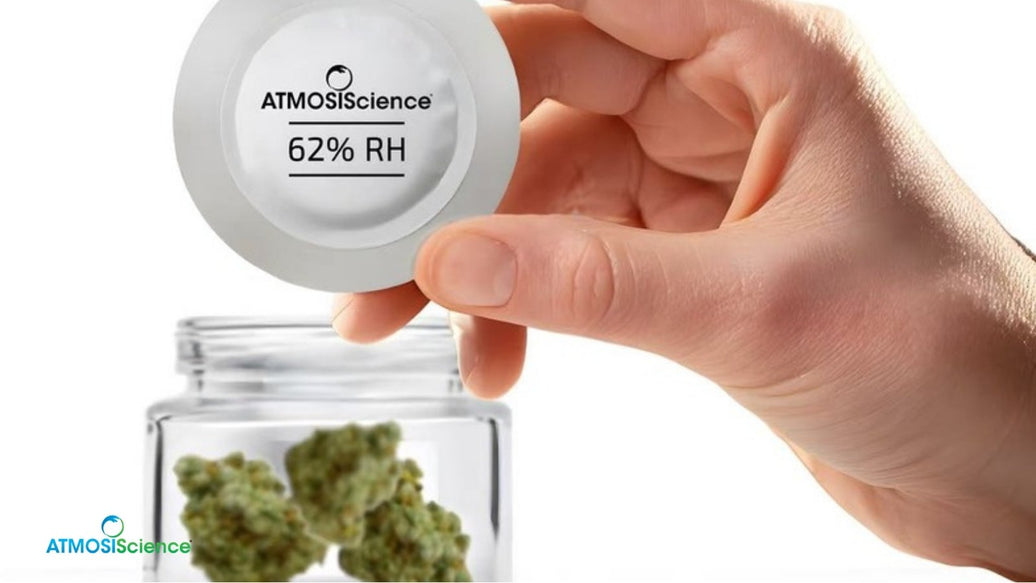
Use enough desiccant for the box and replace or recharge it when spent. A humidity indicator card shows when it's time. Keep loose beads out of holders.
FAQ
What humidity is best for coins?
Below about 40% RH, steady.
Can I put silica gel with stamps?
Carefully. Too dry is also a problem for paper and gum.
Should I store coins in a safe?
Safes can trap moisture. Add a desiccant inside.
Keep reading: Archival storage at home · Ideal humidity by material · Display case microclimates