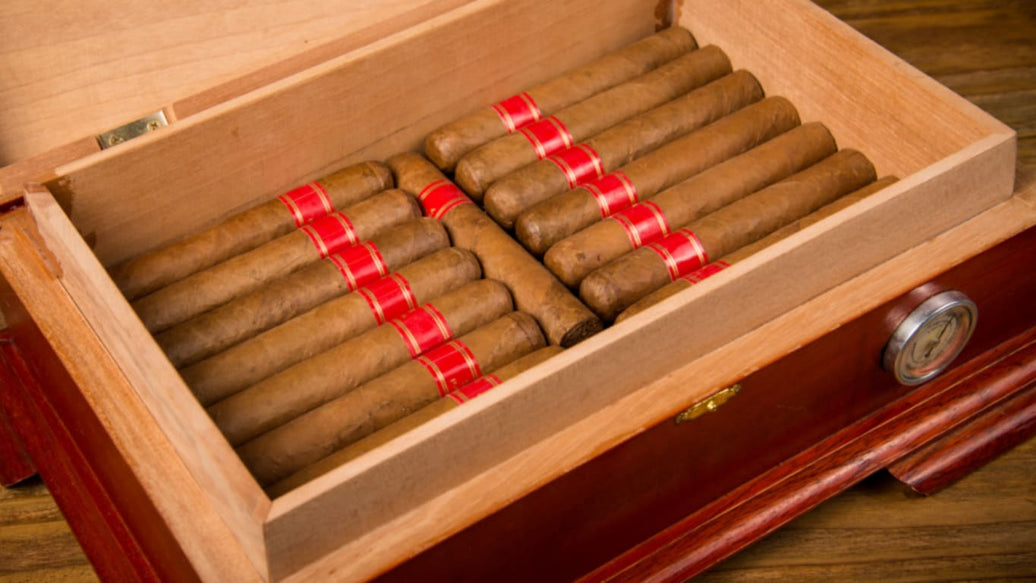
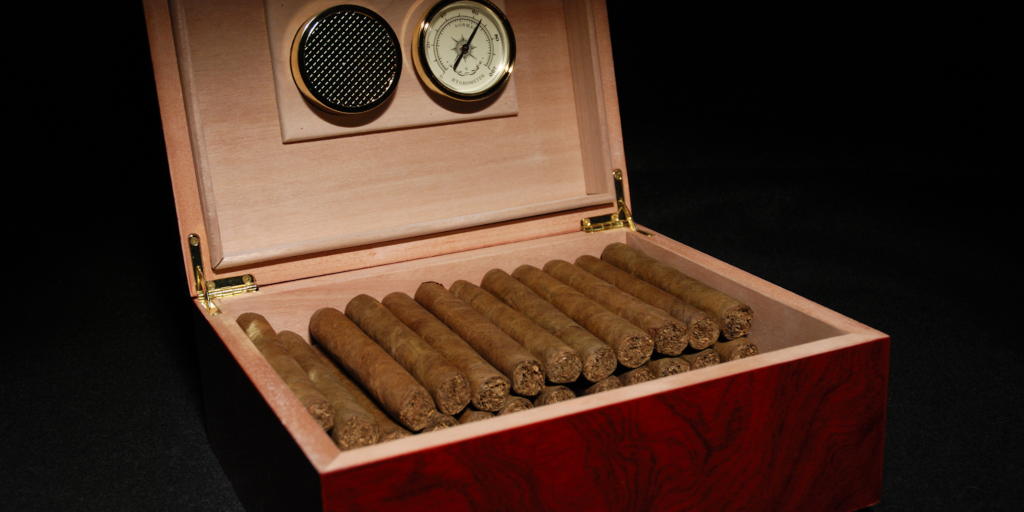
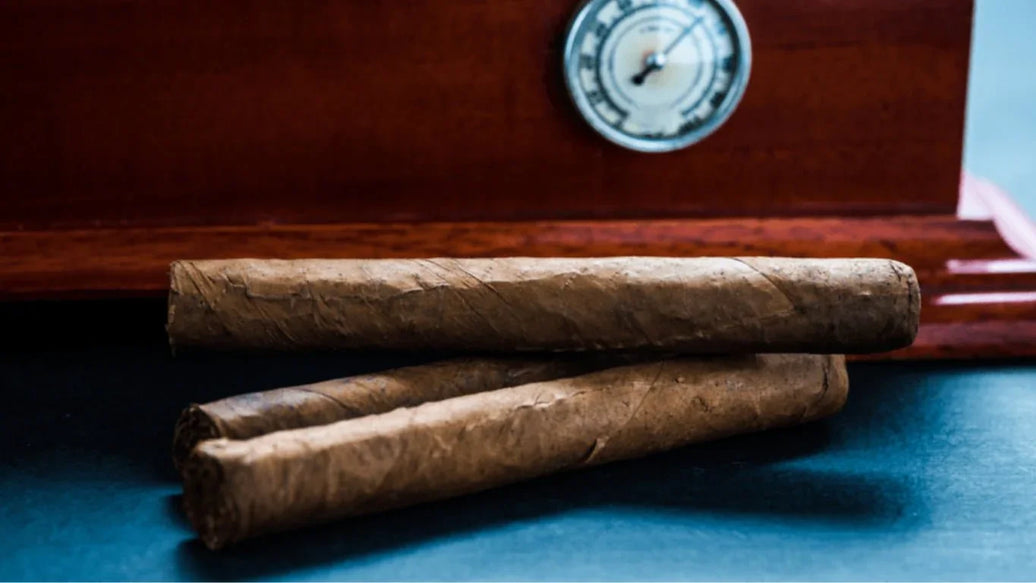
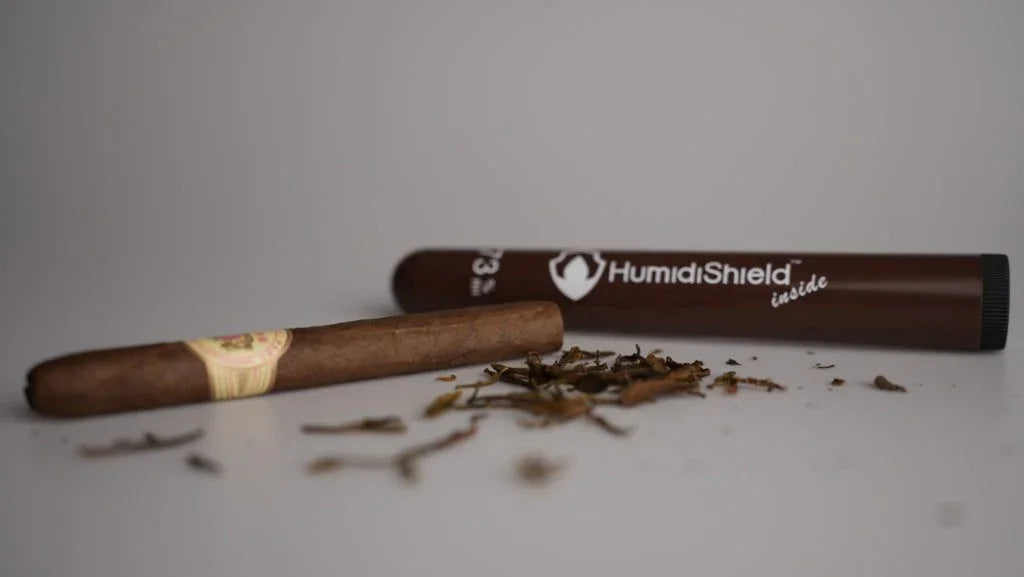
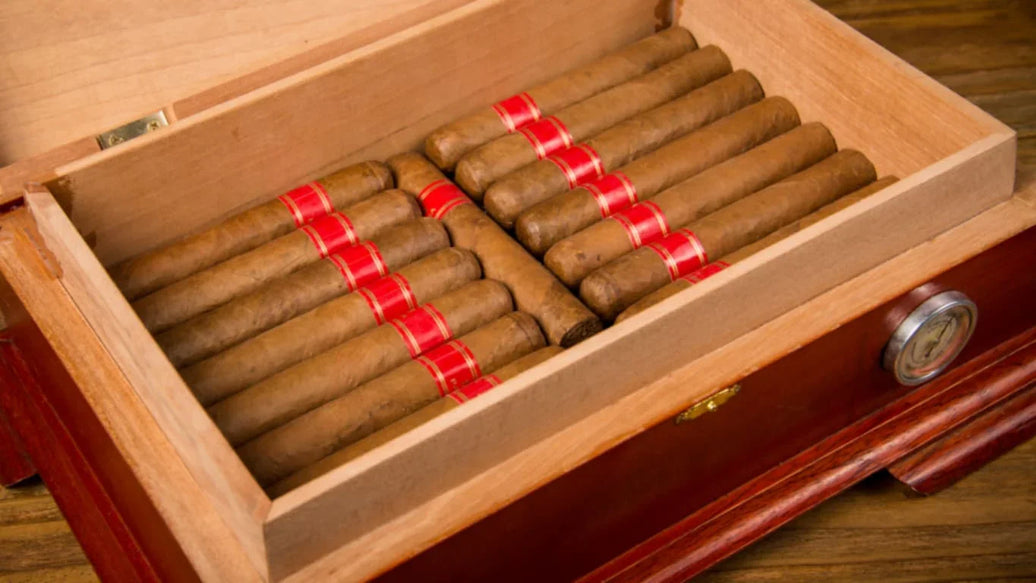
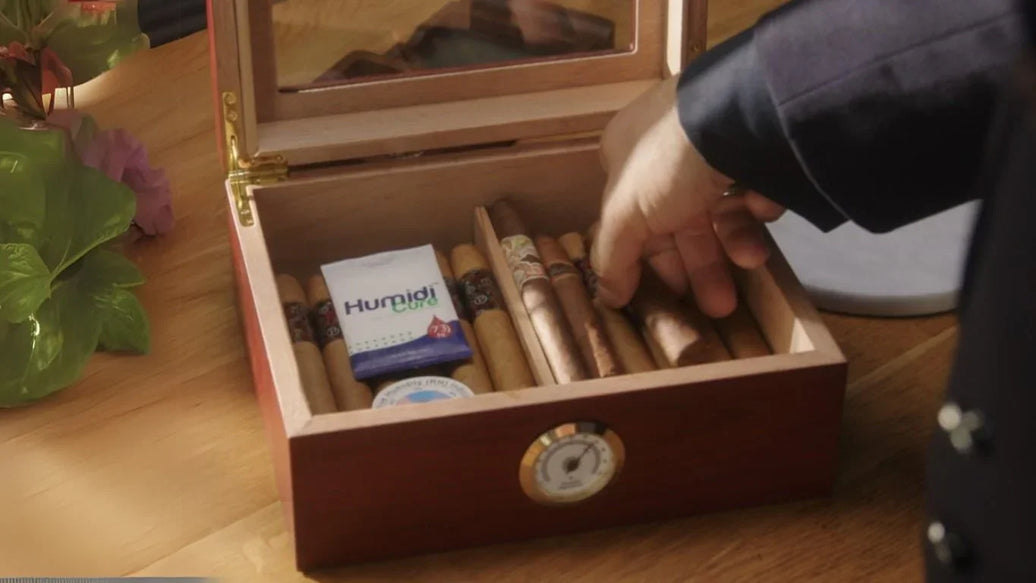
A wooden humidor is not what keeps a cigar fresh. A sealed environment held at the right relative humidity is. Strip the cedar and the brass hinges away, and the requirements are simple: an airtight container, a stable 73% RH, and darkness. All three are achievable for under $20.
This guide covers the three container setups that work, the one humidity method that holds the set point without babysitting, and the mistakes that quietly ruin sticks.

What cigars actually need
Three conditions, regardless of the box: a seal that stops moisture exchange with the room, a humidity source that holds the right RH (73% for hand-rolled cigars), and a spot away from sunlight and heat. A $4 food container with a gasket lid seals better than many $100 desktop humidors — wooden boxes leak by design and need seasoning; plastic does not.
Option 1: The tupperdor (best overall)
A tupperdor is a food-grade plastic container with a gasketed, latching lid. Setup takes two minutes:
- Choose a container with a silicone gasket lid, sized so cigars fill 50–80% of the volume.
- Wash with unscented soap, rinse, and let it dry completely — any odor transfers to the leaf.
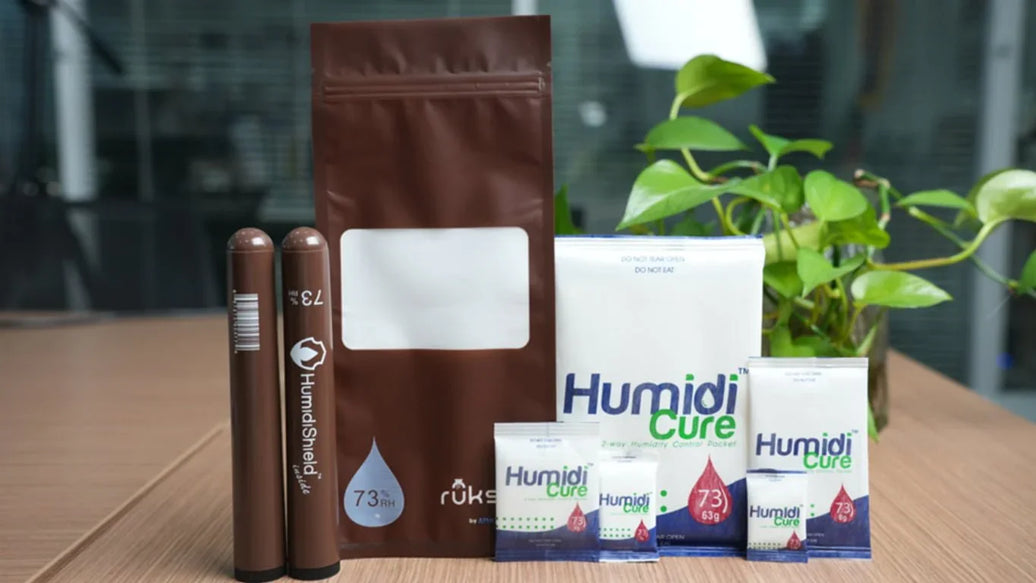
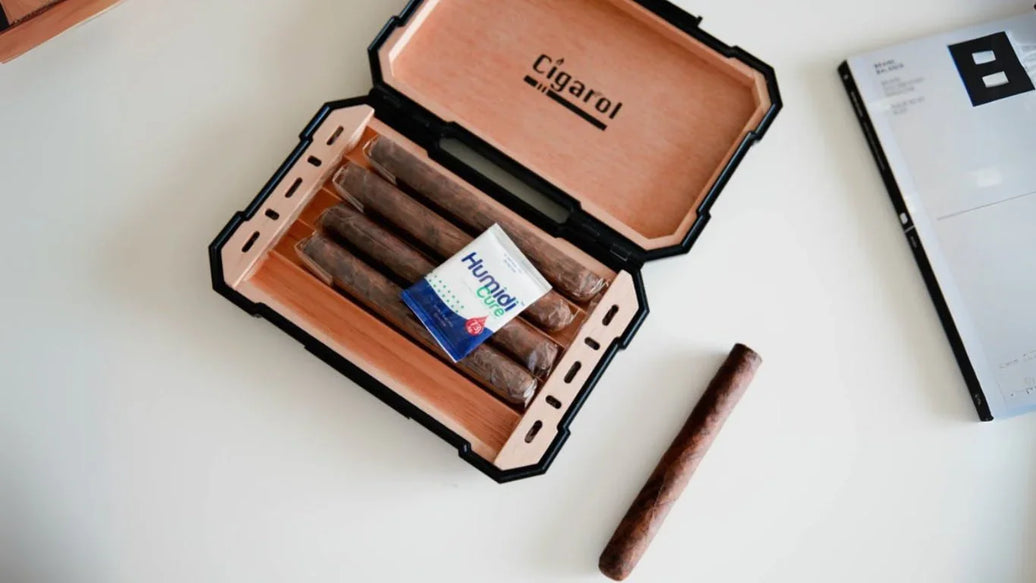
- Add a Humidi-Cure 73% pack: 8 g for 5–6 cigars, 63 g for ~25.
- Optional: drop in a cedar sheet from an old cigar box for aroma.
- Add an RH indicator card, seal, and store in a dark cabinet.
A sealed tupperdor reaches 73% within 2–3 hours and holds cigars in smokable condition for a year or more with pack changes roughly every 3 months.
Option 2: Mason jars (small collections)
Glass mason jars seal tightly, hold 5–10 robustos upright, and let the RH card stay visible without opening. One 4 g or 8 g pack per jar. The drawback is UV exposure — glass must live in a drawer or cabinet, not on a shelf in daylight.
Option 3: Sealed bags (short-term and travel)
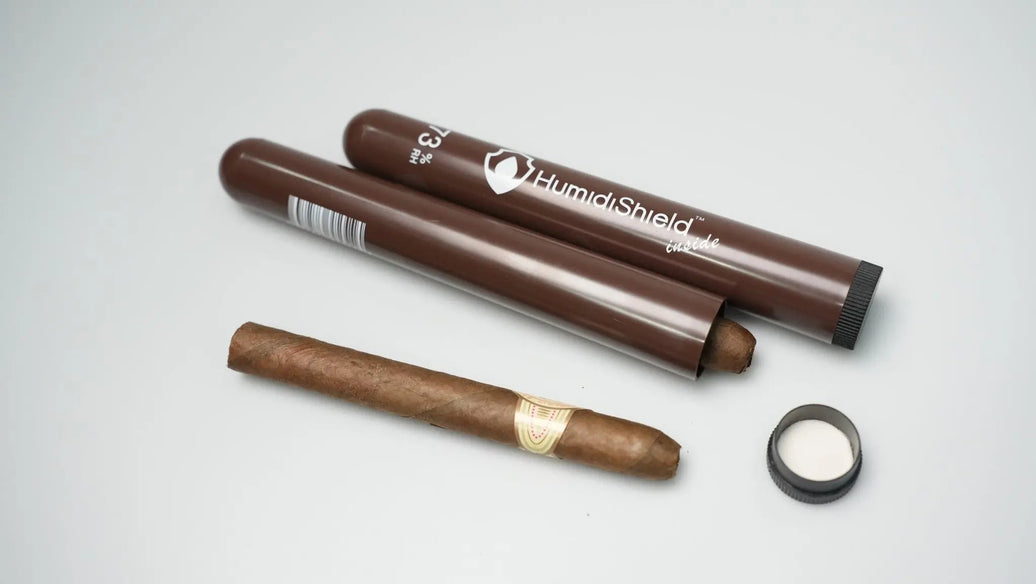
A zip-seal freezer bag with a 1.5–4 g pack keeps a handful of cigars fresh for days to weeks — the right call for a golf weekend or a trip. For anything past a month, move up to a rigid container so the sticks do not get crushed. More on this in the travel storage guide.
Pack sizing by container
| Container | Cigars | Pack size |
|---|---|---|
| Zip bag / single tube | 1–2 | 1.5 g |
| Mason jar | 3–6 | 4–8 g |
| Small tupperdor | 10–15 | 8 g × 2 |
| Large tupperdor | ~25 | 63 g |
The mistakes that ruin cigars
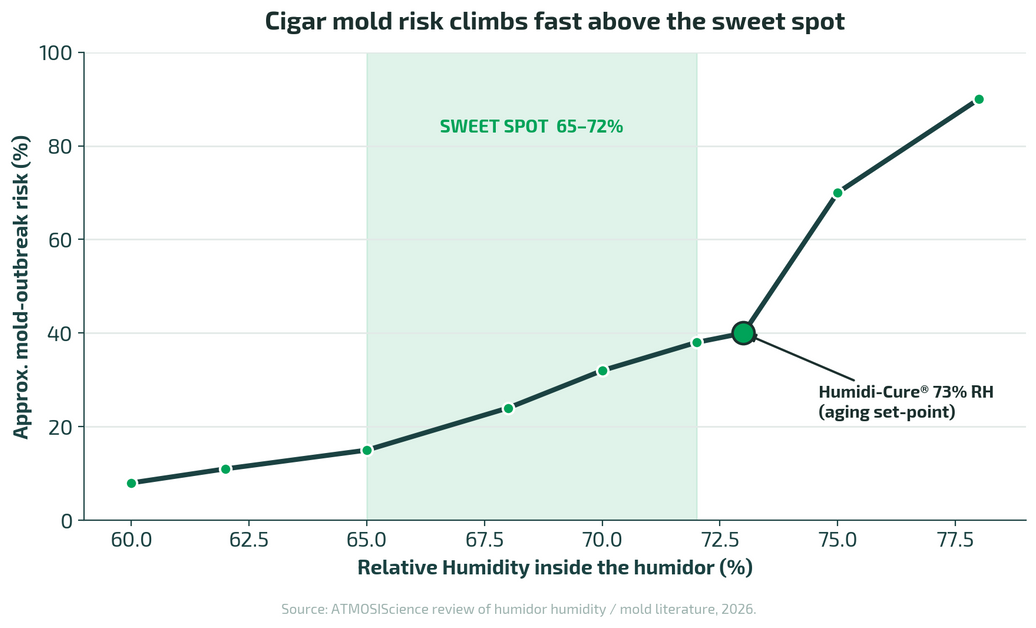
Wet sponges and tap water. Uncontrolled moisture swings the box past 80% RH and invites mold; tap water adds minerals and microbes. The refrigerator. Fridges run 30–40% RH and dry cigars out fast while adding food odors. No humidity source at all. A sealed empty container only slows the drying — cigars equilibrate to whatever moisture is in the box. A two-way pack both releases and absorbs, so the container is pinned at 73% in either direction.
Frequently asked questions
How long do cigars last in a tupperdor?
A year or more, with the humidity pack replaced roughly every 3 months and the lid kept sealed between smokes.
Is a tupperdor really as good as a humidor?
For holding RH, sealed plastic outperforms most entry-level wooden boxes. What it lacks is cedar aroma — solved with a cedar sheet — and looks.
Can a humidity pack touch the cigars?
Yes. The Humidi-Cure fiber is solid-state, salt-free, and non-leaking, so there is no residue or wet spot risk against the wrapper.
Build the $15 humidor tonight
One gasket-lid container, one 2-way pack, one indicator card — fresher cigars than a leaky desktop box.
Shop Humidi-Cure 73% for Cigars — from $9.99
Related reading: The Complete Cigar Humidity Guide
Tobacconist or B2B buyer? Get bulk pricing
Tell us about your packaging needs, and our sales team will respond with a customized humidity-control solution, supporting certificates and competitive bulk pricing.