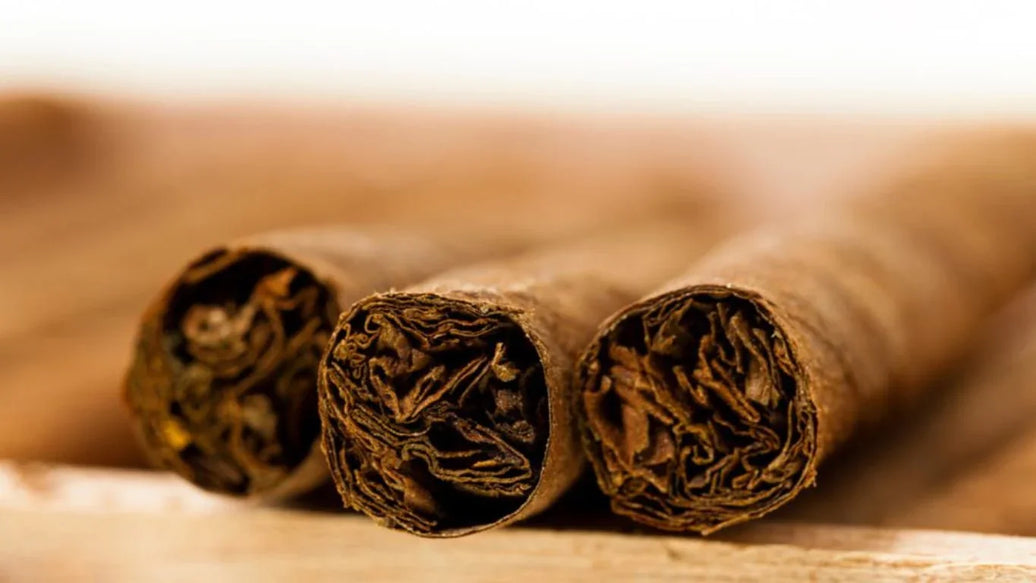
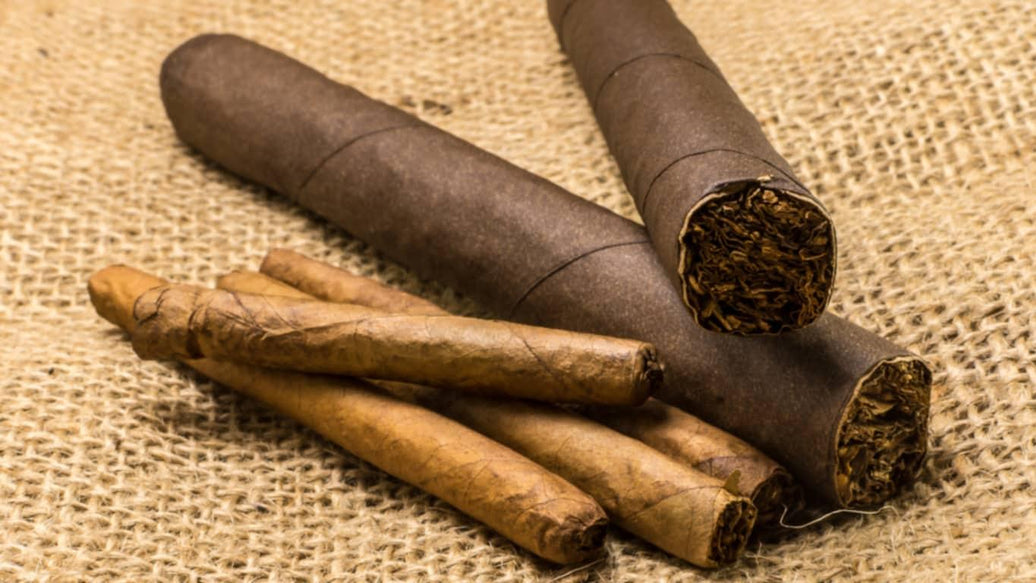
Fresh-rolled cigars carry ammonia from fermentation, sharp edges between filler leaves, and flavors that have not yet agreed with each other. Time fixes all three — the ammonia off-gasses, the oils of different leaves marry, and the blend rounds into something the roller only promised. That is aging, and it asks for exactly one thing the typical humidor does not deliver: years of boring, unchanging climate.
What aging actually does
Year one: the ammonia and youthful harshness fade — the most dramatic improvement most cigars ever show. Years two to three: the marriage — filler, binder, and wrapper flavors blend into a single profile; strength softens while complexity climbs. Years five and beyond: diminishing, increasingly subtle returns — full-bodied, oily cigars keep developing; mild blends plateau and can fade past their peak. The candid rule: rich, full cigars age longest; light blends are usually best inside three years.
The conditions, ranked by importance
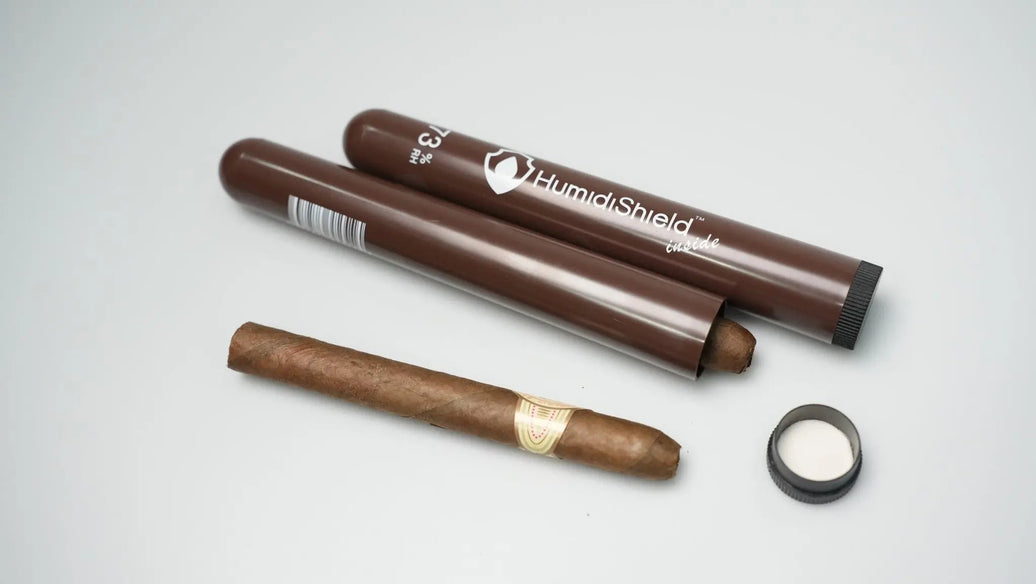
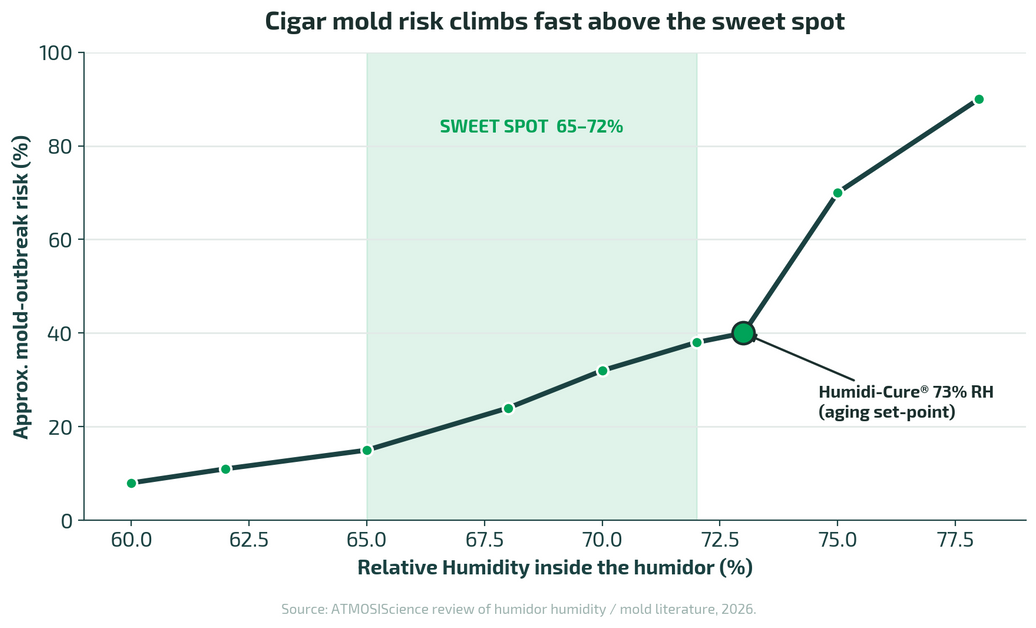
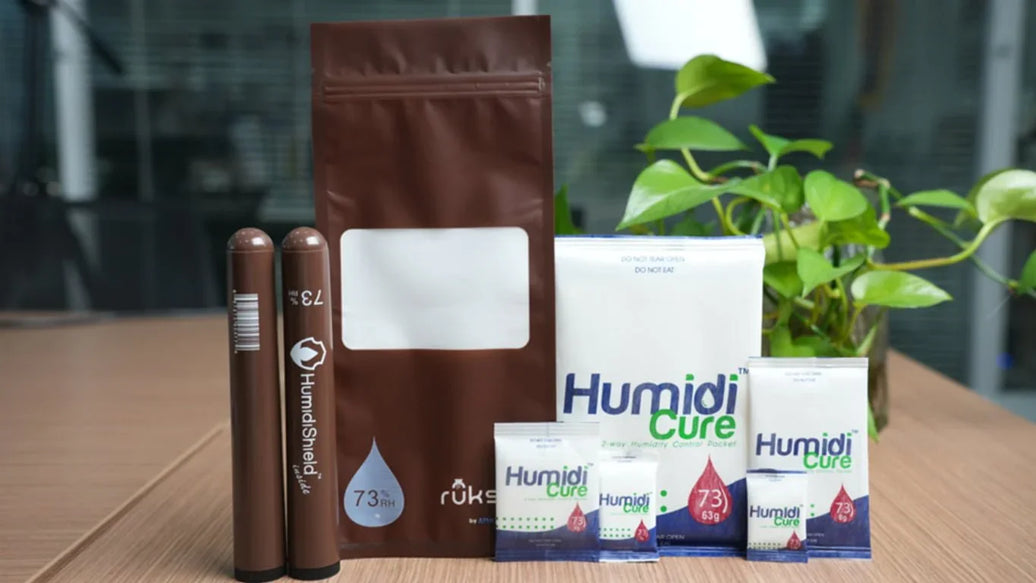
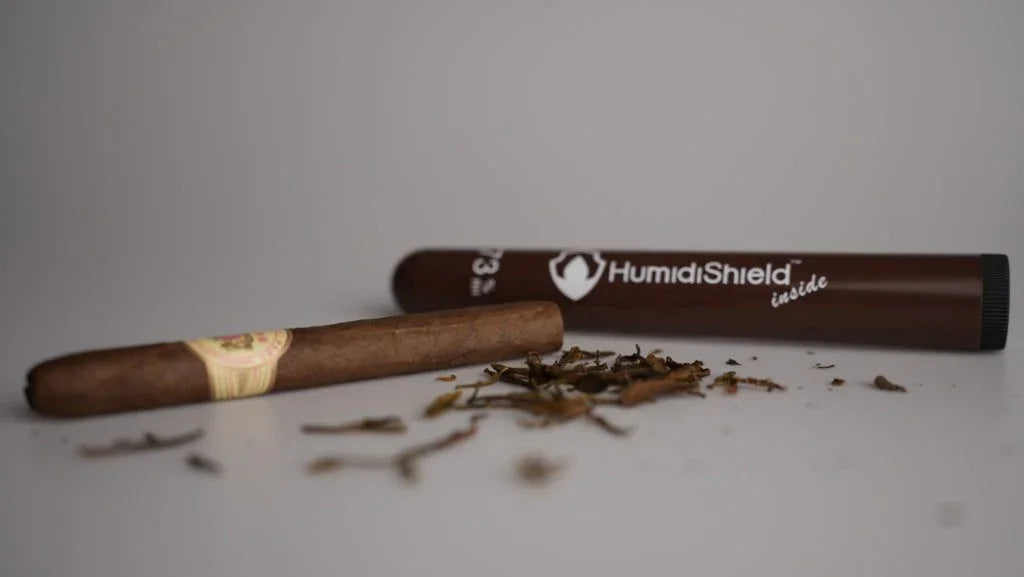
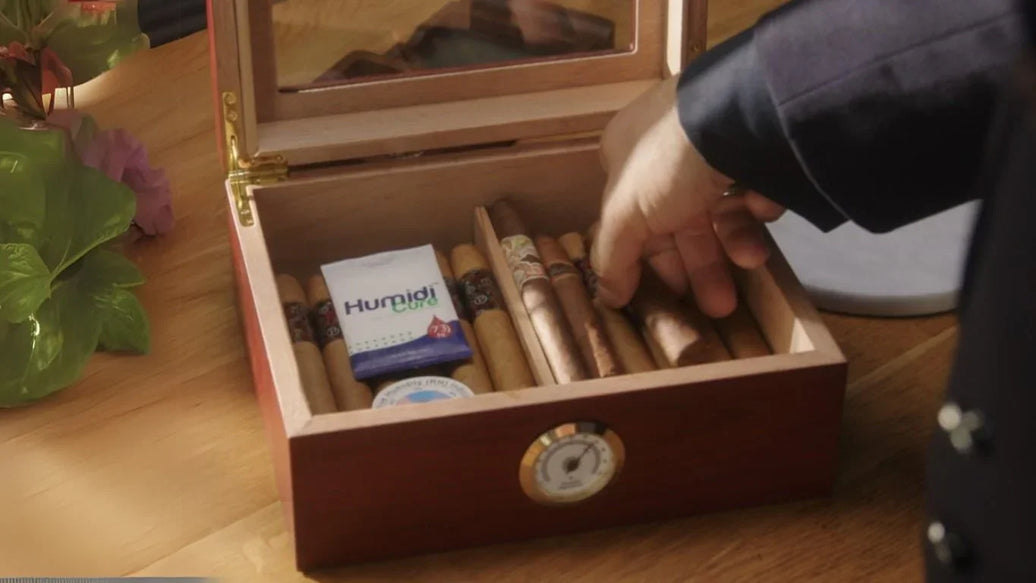
1. Stability. A box that swings 65→75→68 stresses the leaf more than any single set point. Every swing expands and contracts the oils aging is trying to develop. 2. Humidity. Hand-rolled cigars rest best in the low-70s; a Humidi-Cure 73% two-way pack holds 73% ±2% — and because it absorbs as well as releases, it enforces the stability rule mechanically rather than by vigilance. The set-point trade-offs are covered in the 69% vs 73% debate. 3. Temperature. 65–70°F, never sustained above 72°F — heat is the beetle trigger, and a beetle event ends an aging project overnight. 4. Darkness and rest. UV degrades wrapper oils; vibration and constant handling slow the marriage. The aging box should be the one that almost never opens.
The setup: separate church and state
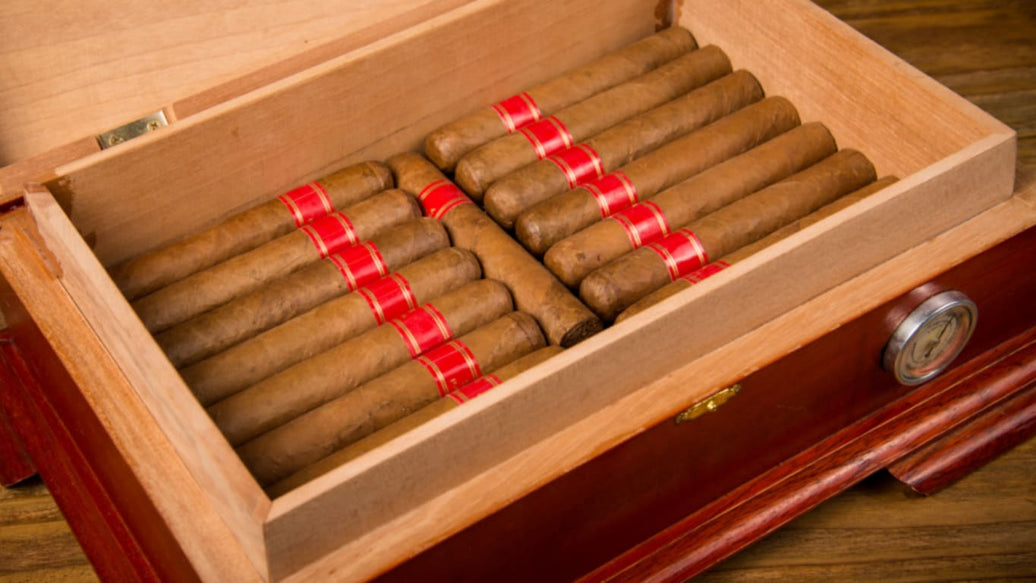
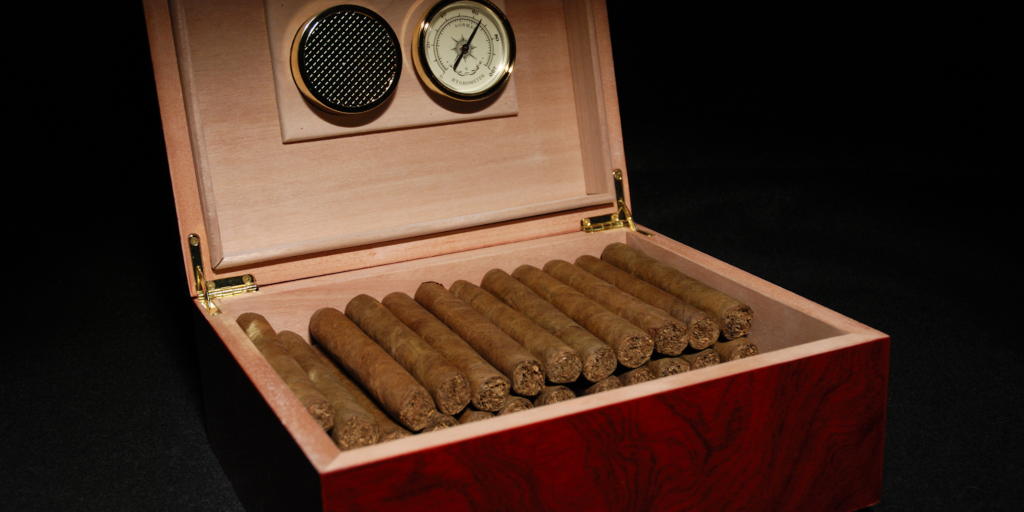
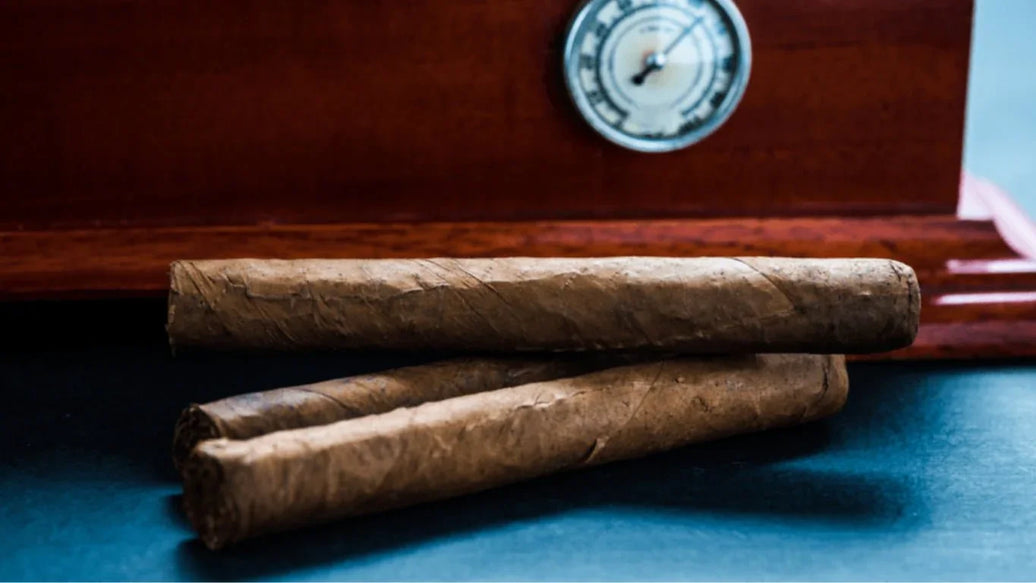
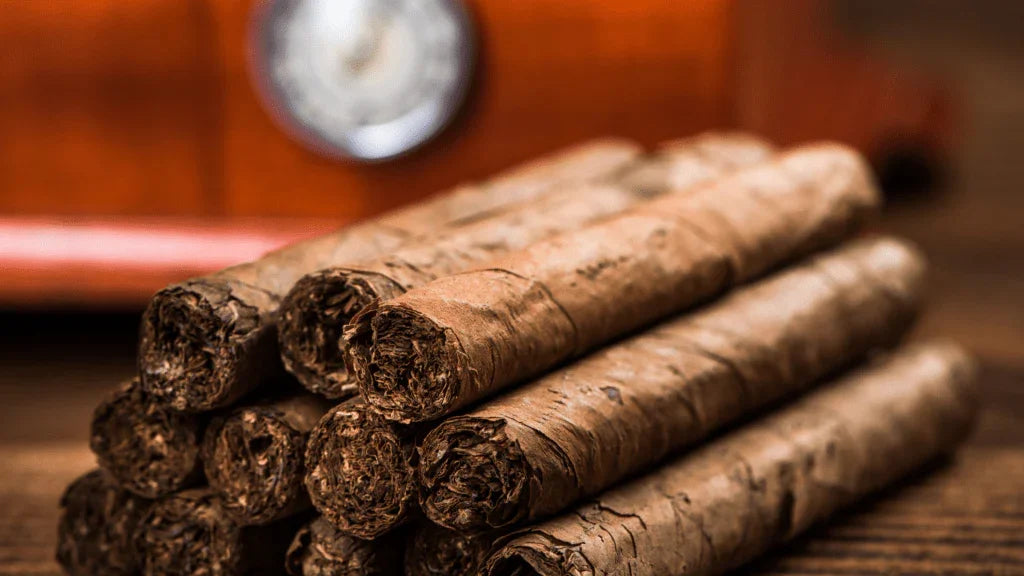
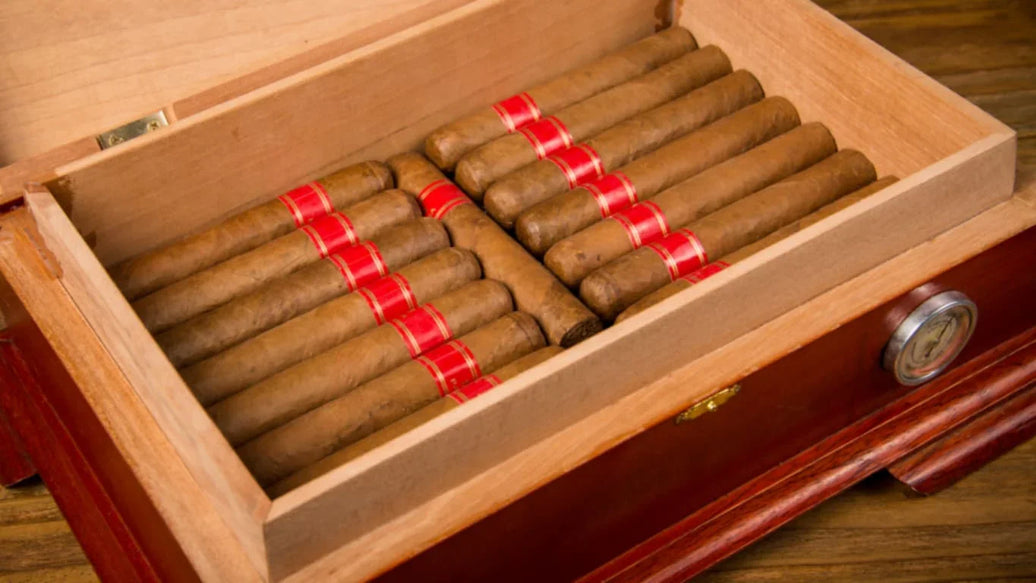
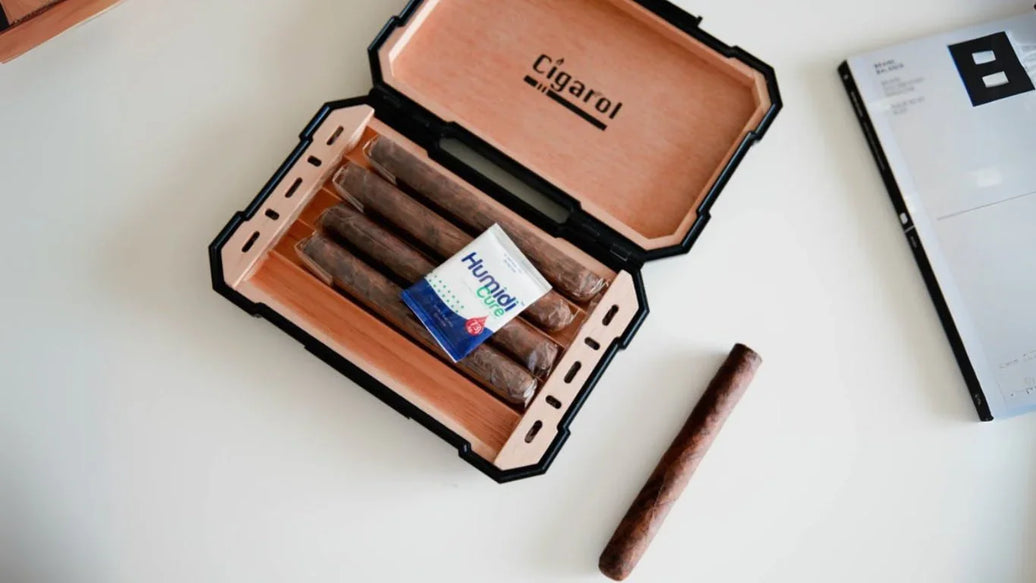
The single best aging decision is splitting storage in two: a smoking box that opens weekly, and an aging box — a well-sealed humidor or large tupperdor — that opens quarterly. The aging box gets the most stable corner of the house (interior closet, conditioned, dark), cigars stay in cellophane or original boxes (slower, gentler exchange), and a 63 g pack per ~25 cigars with an RH indicator card visible at a glance. Quarterly routine, ninety seconds: read the card, rotate boxes top-to-bottom, swap the pack, close the lid.
A realistic aging plan
Buy in threes: smoke one now and log the impression, one at a year, one at three. The comparison — not the calendar — says whether a blend rewards more time. Cigars worth the project: full-bodied, oily, well-constructed sticks from blends already enjoyable young. Cigars not worth it: anything bought to fix a flaw; aging deepens character, it does not repair construction.
Frequently asked questions
Can cigars age in a tupperdor?
Yes — arguably better than in a leaky desktop humidor. Add a cedar sheet for the aroma contribution of a wooden box.
Do packs need changing during years of aging?
Yes, roughly quarterly — the reservoir depletes even in a tight box. The indicator card, not the calendar, makes the call.
Is 73% too high for multi-year aging?
Preferences across the hobby span 65–73%. The case for the low 70s: oil preservation in the leaf. What everyone agrees on: a stable set point beats a drifting 'ideal' every time.
How long can a cigar age before declining?
Full-bodied cigars commonly improve for 5–10 years in stable conditions; mild ones peak much earlier. Past peak, flavor fades gently rather than turning.
Aging is patience plus a pinned number
Set the box up once; let the fiber hold the line for years.
Shop Humidi-Cure 73% for Cigars — from $9.99
Tobacconist or B2B buyer? Get bulk pricing
Tell us about your packaging needs, and our sales team will respond with a customized humidity-control solution, supporting certificates and competitive bulk pricing.